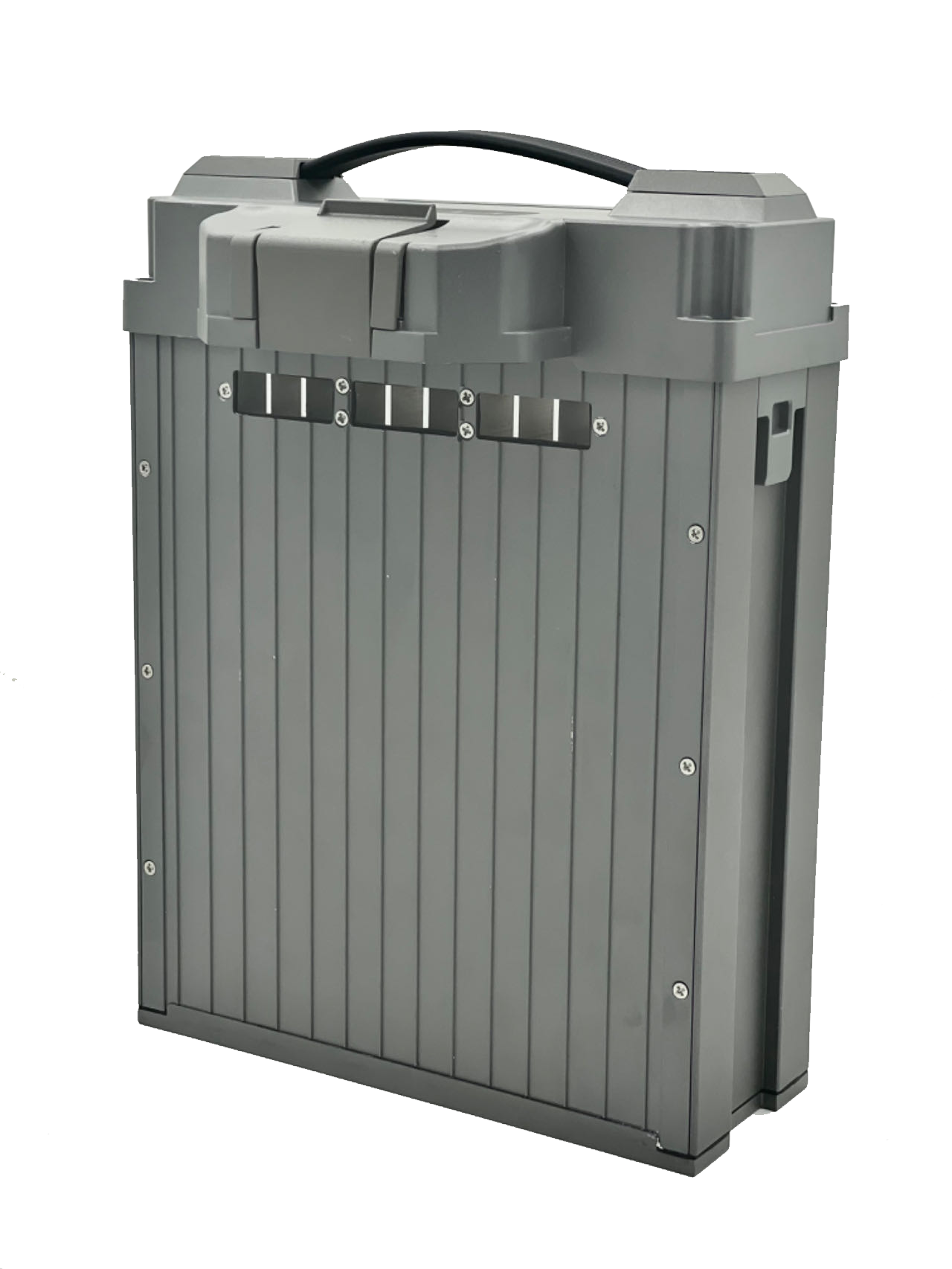
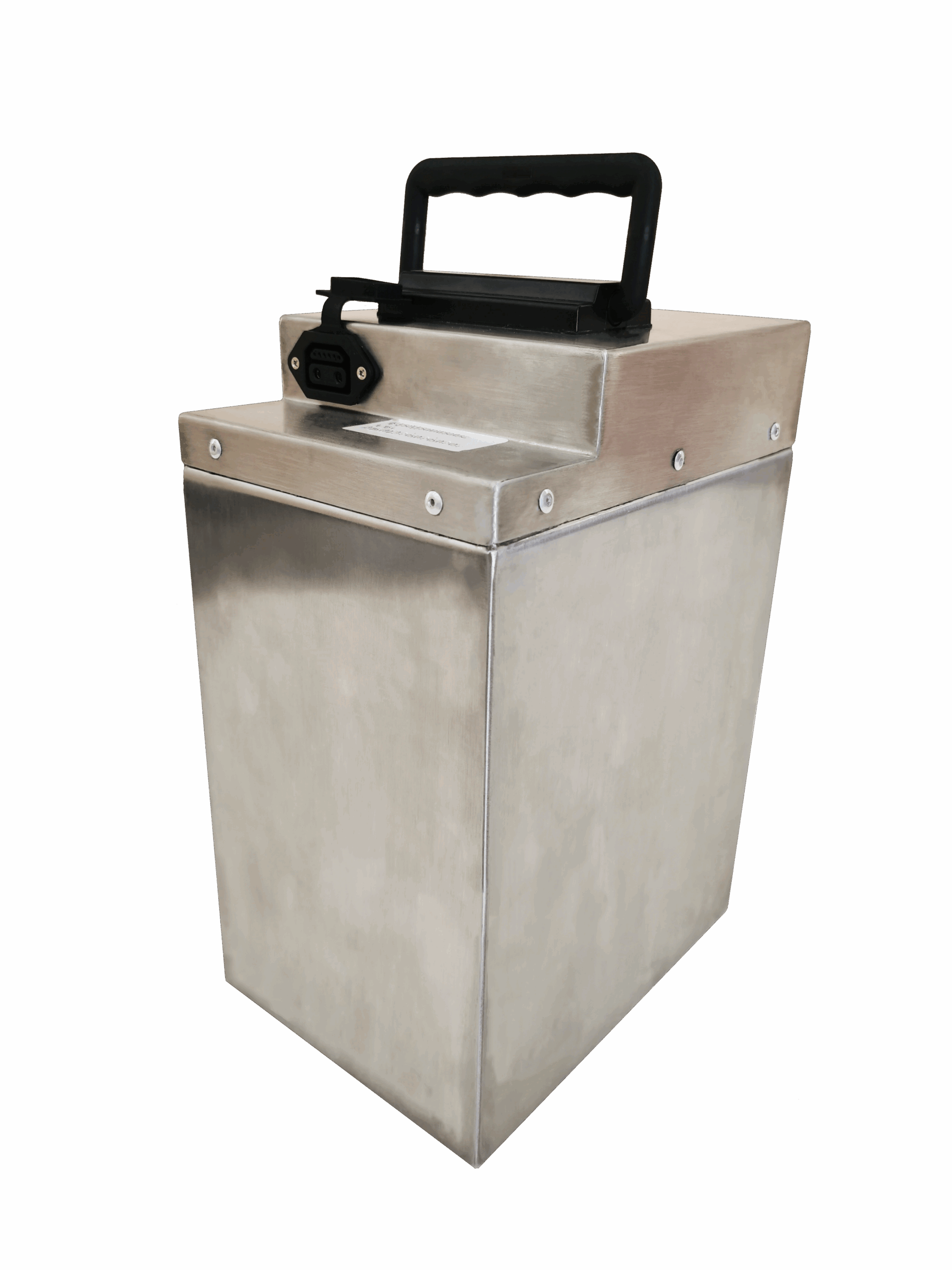





Managing operational expenses (OPEX) for senior mobility vehicles presents a significant financial challenge, often stemming from frequent battery replacements and intensive maintenance labor. Transitioning to Lithium Iron Phosphate (LFP) battery technology offers a strategic solution for comprehensive OPEX optimization. Consider that LFP batteries typically provide over 2,000 charge cycles, far exceeding the 300 to 500 cycles common for lead-acid alternatives. Crucially, they require virtually no routine maintenance, drastically reducing overall labor costs. By optimizing the vehicle’s OPEX through this transition, operators can significantly enhance performance and the user experience, all while achieving a substantial reduction in the Total Cost of Ownership (TCO) over the fleet’s lifespan.
Hal-hal Penting yang Dapat Dipetik
Switching to lithium batteries can reduce energy consumption for charging by up to 70% due to superior efficiency, making it a smart financial choice for senior mobility vehicle operations.
Lithium batteries offer a significantly longer lifespan and require minimal maintenance compared to lead-acid, directly reducing overall operational expenses and maintenance labor costs.
The lightweight design and stable power output of lithium batteries promote user safety, portability, and ease of use for seniors.
Rapid charging capabilities minimize vehicle downtime, ensuring that your fleet remains operational and responsive to user needs.
Advanced Battery Management Systems (BMS) help monitor and optimize battery performance, leading to better fleet management and reduced long-term replacement rates.
Lead-to-Lithium: OPEX & Financial Imperative
Transitioning to Lithium Iron Phosphate (LFP) batteries is not just a trend; it’s a financial imperative for optimizing your senior mobility vehicle operational costs. Understanding the Total Cost of Ownership (TCO) is crucial. TCO encompasses all costs associated with the lifecycle of your vehicles, including purchase price, maintenance, and replacement expenses. By switching to lithium technology, you can significantly reduce these costs over time.
TCO: Lifecycle Replacement Savings
When you consider the lifecycle costs, lithium batteries present a compelling case. Although they may cost 3x to 4x more upfront than lead-acid batteries, their longevity and performance unequivocally justify the investment.
Charge Cycles: Lithium batteries can deliver over 2,000 charge cycles, vastly surpassing the 300 to 500 cycles common for lead-acid alternatives.
Durability: Advanced technologies in lithium batteries enhance their durability, reducing the frequency of replacements by a factor of up to 6x. This means you can save significantly on battery replacement costs over the lifespan of your senior mobility vehicles.
Warranty Coverage: Lithium batteries often come with longer warranty periods, providing additional peace of mind and financial protection.
Eliminating Routine Maintenance Labor
One of the most significant advantages of lithium batteries is the reduction in routine maintenance tasks. Traditional lead-acid batteries require regular upkeep, which can be both time-consuming and costly.
Maintenance Task | Baterai Asam Timbal | LFP Battery |
Regular Inspection | Requires checking for acid leaks, corrosion, and cracks. | Simple visual inspection only. |
Terminal Cleaning | Requires cleaning terminals with baking soda to prevent corrosion. | No cleaning required. |
Electrolyte Levels | Requires regular checking and topping up with distilled water. | Completely maintenance-free (sealed design). |
Protokol Pengisian Daya | Requires suitable charger and strict control of charging time (12–16 hours). | BMS manages automatically, charging is faster and safer (4–5 hours). |
By switching to lithium batteries, you can eliminate most of these labor-intensive tasks. Lithium batteries require minimal maintenance, allowing your team to focus on more critical operational aspects. This shift not only saves time but also reduces labor costs associated with routine maintenance.
Energy Efficiency & Fast Charging
Energy efficiency is another area where lithium batteries excel. They provide up to 100% usable capacity, compared to only about 50% for lead-acid batteries. This higher efficiency translates into better performance and longer operational times for your senior mobility vehicles.
Charging times also favor lithium technology. Lead-acid batteries typically require 12–16 hours for a full charge, while lithium batteries can be charged in as little as 4–5 hours. This rapid charging capability minimizes downtime, allowing your fleet to remain operational and responsive to the needs of your senior transportation business.
User Experience: Driving Senior Mobility Adoption

Enhancing user experience is crucial for driving adoption of senior mobility vehicles. By focusing on key aspects such as weight reduction, stable power, and reliable range, you can significantly improve satisfaction among seniors using these vehicles.
Substantial Weight Reduction for Portability
One of the most notable advantages of lithium batteries is their lightweight design. This reduction in weight directly enhances portability and simplifies daily use for seniors. Lighter mobility solutions offer several key benefits:
Optimized Portability: Lightweight designs often enable compact and foldable frames for scooters, making the devices easy to store, transport, and carry—crucial for seniors who travel frequently.
Enhanced Independence and Maneuverability: Lighter battery packs significantly contribute to the ease of use, allowing seniors using both scooters and motorized wheelchairs to navigate tight spaces effortlessly and promoting greater independence.
Reduced Strain: The reduced weight makes the vehicles simpler to lift or reposition, minimizing strain and enhancing usability for both the senior user and caregivers when lifting into a vehicle or navigating uneven terrain.
By prioritizing lightweight designs, you empower seniors to use mobility vehicles with greater confidence and ease.
Stable Power for User Safety
Safety is paramount when it comes to senior mobility. Lithium batteries provide a stable power output that enhances user safety. Consider the following points:
Kinerja yang Konsisten: Lithium batteries maintain a steady output throughout the discharge cycle. This ensures that seniors experience reliable performance without sudden drops in power.
Comparison with Lead-Acid: In contrast, lead-acid batteries tend to lose power as they drain, which can lead to unexpected stops or slowdowns. This inconsistency can be particularly concerning for seniors who rely on their mobility devices for independence.
With lithium technology, you can ensure that your users enjoy a safe and dependable experience, minimizing risks associated with power fluctuations.
Reliable Range and Reliability
The range of mobility vehicles is another critical factor influencing user satisfaction. Lithium batteries excel in this area, providing significant improvements in range and reliability:
Extended Range: The higher efficiency and lighter weight of lithium-ion batteries make them ideal for significantly enhancing the operational range of mobility scooters compared to those using sealed lead-acid batteries.
Consistent Reliability: By providing better performance over longer distances and avoiding the voltage sag common in lead-acid, lithium technology enhances the overall reliability of your senior mobility services.
This enhanced range and reliability is essential for maintaining trust and satisfaction among users who depend on these vehicles for their daily activities.
Safety & Integration for OEM
Safety standards play a crucial role in optimizing fleet operations for senior mobility vehicles. As you integrate lithium battery systems, understanding the safety features and compliance requirements is essential for protecting users and ensuring reliable performance.
LFP Safety and User Protection
Lithium Iron Phosphate (LFP) batteries stand out for their safety features. They offer a low risk of overheating and fire, making them a preferred choice for senior mobility applications. Here are some key safety benefits of LFP batteries:
Lower Thermal Runaway Risk: LFP batteries are less susceptible to thermal runaway compared to other lithium chemistries. This means they are less likely to catch fire or explode.
No Flammable Gas Release: During a fire event, LFP batteries do not release oxygen, reducing the risk of flames spreading.
Internal Stability: Their higher stability ensures safer operation, even under challenging conditions.
Safety Feature Comparison | LFP Batteries | Other Lithium-Ion Chemistries |
Thermal Stability | Higher stability, lower thermal runaway risk. | Lower stability, higher thermal runaway risk. |
Gas Release Risk | No rapid release of flammable gases. | Varies, generally more prone to explosive venting. |
BMS: Longevity & Warranty Control
An advanced Battery Management System (BMS) is vital for enhancing the longevity of lithium batteries. It plays a significant role in warranty control and reducing replacement rates. Here’s how BMS technology contributes to your fleet’s efficiency:
Failure Prevention: Proactive detection of battery anomalies prevents potential failures that could lead to costly warranty claims and replacements.
Predictive Maintenance: The system provides predictive maintenance indicators, enabling timely servicing and reducing the likelihood of unexpected failures.
Fleet Data Transparency: Comprehensive battery data provides transparency in total cost of ownership, significantly aiding in robust warranty management.
Maximized Uptime: Features like defect detection with near-perfect accuracy (e.g., over 98%) and the ability to provide an additional 20–50 hours of valuable operating time per year increase vehicle availability and minimize replacement needs.
With a lifespan of 5 to 10 years, lithium batteries equipped with advanced BMS ensure you maximize your investment while minimizing operational disruptions.
Custom OEM Integration & Support
Successful integration of lithium battery systems requires careful consideration of compatibility and compliance.
Integration Consideration | Key Focus Area |
Seamless Integration | Ensuring compatibility with existing voltage requirements and interfaces for smooth energy delivery. |
Environmental Compliance | Meeting all safety standards and regulations to reduce environmental risks and enhance sustainability. |
Maintenance & Lifecycle | Providing full lifecycle support and preventative maintenance to ensure long-term reliability and performance. |
Cost-Effectiveness | Evaluating long-term savings through reliable battery solutions that reduce energy waste and minimize downtime. |
Herewinpower offers comprehensive support services for OEMs, including integration assistance, battery certification, and custom battery pack design. This support ensures that you can confidently implement lithium battery solutions in your senior mobility vehicles.
Switching from lead-acid to lithium batteries is a strategic investment that drives success. By adopting LFP technology, you can achieve substantial operational savings—including a potential reduction of up to 70% in charging energy consumption—and significantly enhance your market position through superior user experience and reliability.
Kontak Herewinpower today for a custom TCO analysis tailored to your vehicle platform.
PERTANYAAN YANG SERING DIAJUKAN
What are the benefits of switching to lithium batteries for non-emergency medical transportation?
Switching to lithium batteries enhances reliability and reduces maintenance costs. Their longer lifespan and fast charging capabilities ensure that your fleet remains operational, which is crucial for providing efficient medical transport services.
How do lithium batteries improve the user experience in senior mobility vehicles?
Lithium batteries offer lightweight designs, stable power output, and longer ranges. These features enhance portability and safety, making it easier for seniors to navigate their mobility devices confidently.
Can I monitor and optimize operations with lithium battery systems?
Yes, advanced Battery Management Systems (BMS) allow you to monitor and optimize operations effectively. These systems provide real-time data on battery performance, helping you manage your fleet efficiently.
How do lithium batteries compare to lead-acid batteries in terms of maintenance?
Lithium batteries require minimal maintenance compared to lead-acid batteries. You can eliminate routine tasks like checking electrolyte levels and cleaning terminals, saving time and labor costs.
What is the expected lifespan of lithium batteries in mobility vehicles?
Lithium batteries typically last between 5 to 10 years, depending on usage and maintenance. Their longevity significantly reduces the frequency of replacements, making them a cost-effective choice for your fleet.
Lihat Juga
Eliminating Downtime: Opportunity Charging for Forklift Fleets
Strategic Planning for RV Lithium Capacity: 200Ah to 600Ah
Choosing Between 12V, 24V, and 48V for RV Efficiency





 Bahasa Indonesia
  English
  Español
  한국어
한국어  Deutsch
  Français
  日本語
日本語  Русский
  ไทย
ไทย  العربية
  Português do Brasil
  Italiano
  Nederlands