





In the Outdoor Power Equipment (OPE) market, battery reliability directly dictates the financial bottom line. The rapid adoption of Li-ion technology brings a critical risk: its inherent vulnerability to harsh environments (temperature, vibration) drives up warranty costs and product return rates (R&R).
Premature battery failure erodes profit margins and customer trust. This makes investing in superior battery design a strategic mandate—not just a performance upgrade.
This article explores the root causes of OPE battery failure. We detail how robust structural engineering and advanced Battery Management Systems (BMS) deliver a quantifiable Return on Investment (ROI) by reducing long-term warranty expenses and securing a clear competitive advantage.
Hal-hal Penting yang Dapat Dipetik
Prioritize superior battery design to simultaneously enhance performance, significantly reduce long-term warranty costs, and drive higher customer loyalty.
Proactively address environmental stressors (extreme temperature, moisture, and vibration) through design to maximize battery reliability and longevity in outdoor use.
Implement advanced Battery Management Systems (BMS) with robust features to prevent abuse modes (overcharging, deep discharging), ensuring cell safety, durability, and operational continuity.
Maintain strict supply chain integrity and quality control from cell sourcing through manufacturing to directly elevate battery performance and minimize preventable warranty claims.
Calculate the Return on Investment (ROI) of high-quality batteries by factoring in long-term savings from reduced claims, increased operational efficiencies, and brand value enhancement.
Outdoor Failure Analysis: Root Causes
Environmental Abuse as a Failure Mode
Batteries in outdoor power equipment (OPE) face unique challenges due to environmental factors.
Temperature: High temperatures accelerate chemical degradation, leading to reduced capacity. Conversely, extreme cold increases internal resistance, making it harder for batteries to deliver power.
Moisture: Moisture can cause corrosion and short circuits if batteries lack proper sealing.
Vibration: Vibration from constant movement can shake loose active materials, resulting in capacity loss and potential internal short circuits. Physical impacts can compromise battery integrity, leading to failures.
These environmental abuses can significantly increase warranty costs for manufacturers. When batteries fail prematurely, you face higher warranty claims and replacements, which can erode your profit margins.
Design Deficiencies and The Reliability Gap
Design deficiencies are a primary contributor to battery failures. Poorly designed batteries may not withstand the inherent rigors of outdoor use; for instance, inadequate protection against vibration leads directly to internal cell damage. Critically, if the Battery Management System (BMS) lacks robust features, it will fail to prevent abuse modes such as overcharging or overheating.
The following table outlines the common root causes of Lithium-ion battery failures in outdoor power equipment, often exacerbated by underlying design deficiencies:
Cause | Explanation |
Lithium Plating | Caused by high-rate or low-temperature charging; results in dendrite growth, reducing capacity and risking internal short circuits. |
SEI Layer Breakdown | High temperatures degrade the Solid Electrolyte Interphase (SEI) film, consuming active lithium, which leads to rapid capacity fade and thermal instability. |
Mechanical Stress (Vibration) | Constant vibration compromises cell integrity, loosening internal connections, causing capacity loss, and potentially initiating catastrophic internal shorts. |
Thermal Runaway | Caused by internal shorts, overcharging, or external heat; the uncontrolled temperature rise leads to catastrophic failure if not actively managed by the BMS. |
Deep Discharge | Causes copper dissolution within the cell, resulting in irreversible capacity loss and a high risk of internal shorting upon subsequent recharge. |
By proactively addressing these design deficiencies through advanced engineering and robust system integration, brands can significantly improve battery reliability and reduce warranty claims, thereby strengthening their warranty ROI.
Robust Design: Reducing Warranty R&R
Structural Integrity and Protection
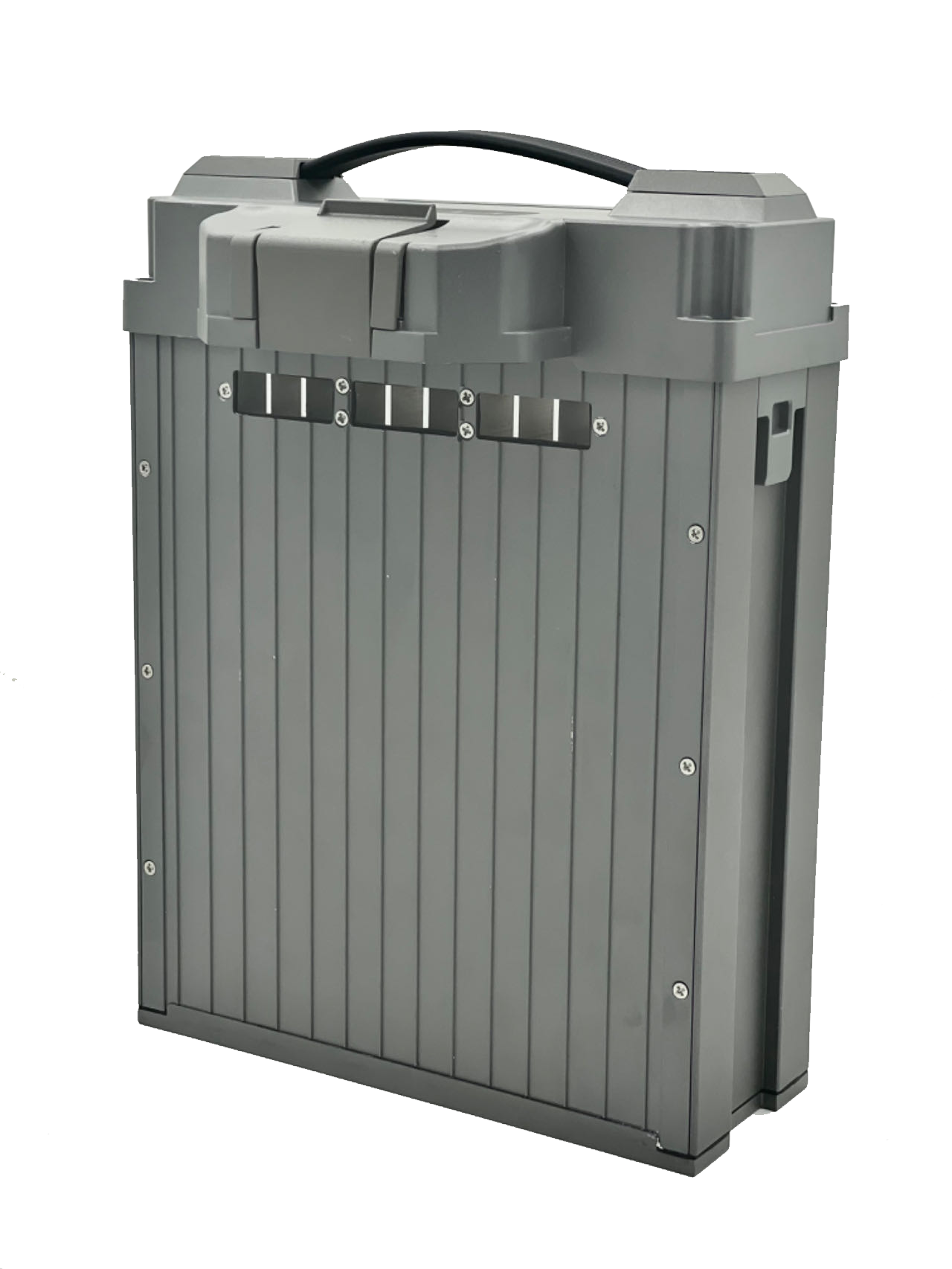
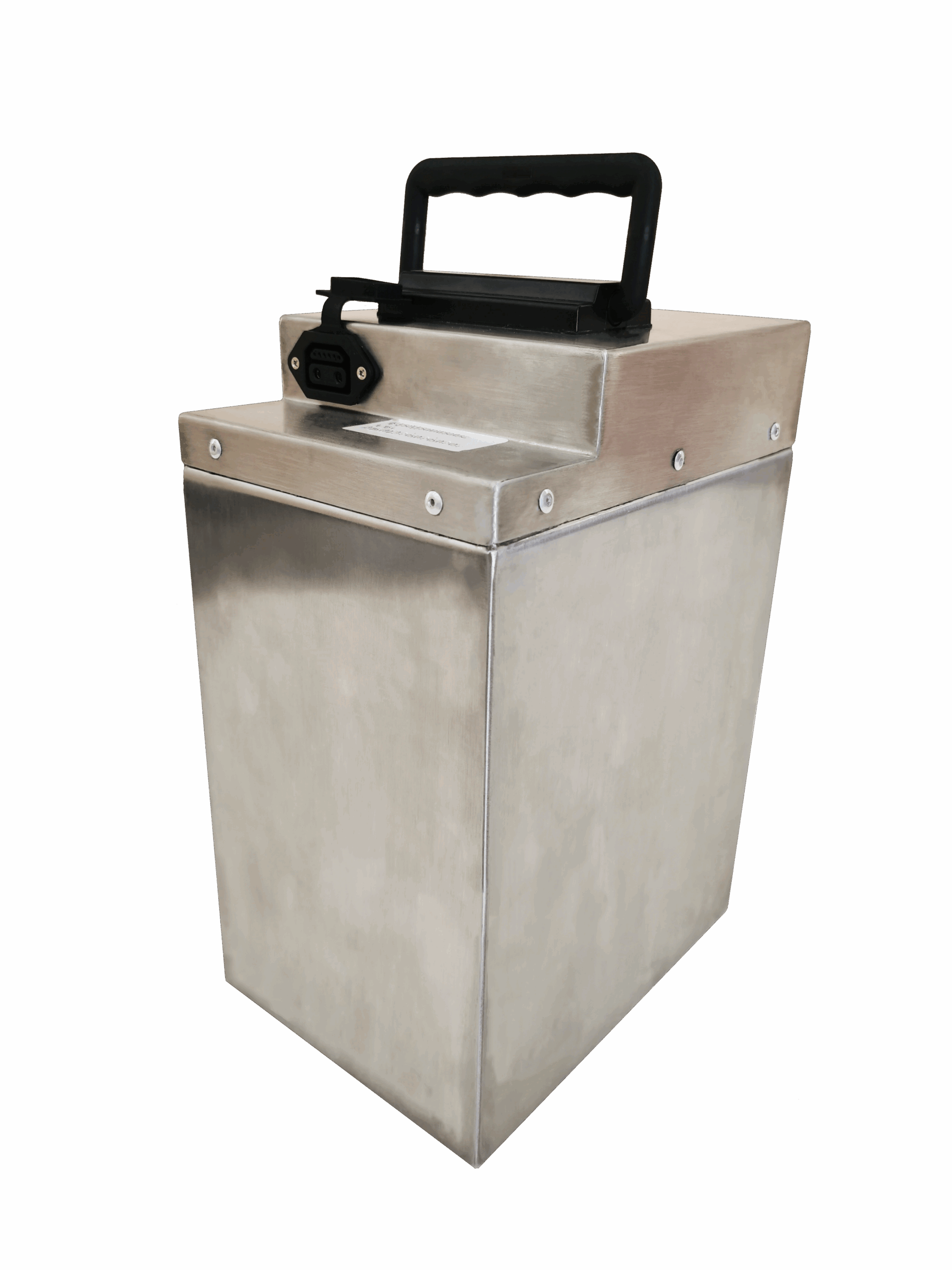
You can significantly reduce warranty claims by enhancing the structural integrity of your battery packs. A robust design protects against the environmental factors (vibration, moisture) that lead to premature failures. Utilizing materials and construction techniques focused on endurance is essential for achieving this goal.Focusing on the protection of the Li-ion cells, key elements of structural robustness include:
Advanced Encapsulation: Using specialized materials, such as epoxy resins or fire-retardant polymers, to securely isolate cells, dampening external shocks and vibration.
Layer-by-Layer Assembly: Employing techniques like layer-by-layer casting to improve electrical performance and mechanical stability.
Vibration Mitigation: Integrating internal dampeners and robust housing materials to prevent the constant movement that can shake loose active materials and compromise cell integrity.
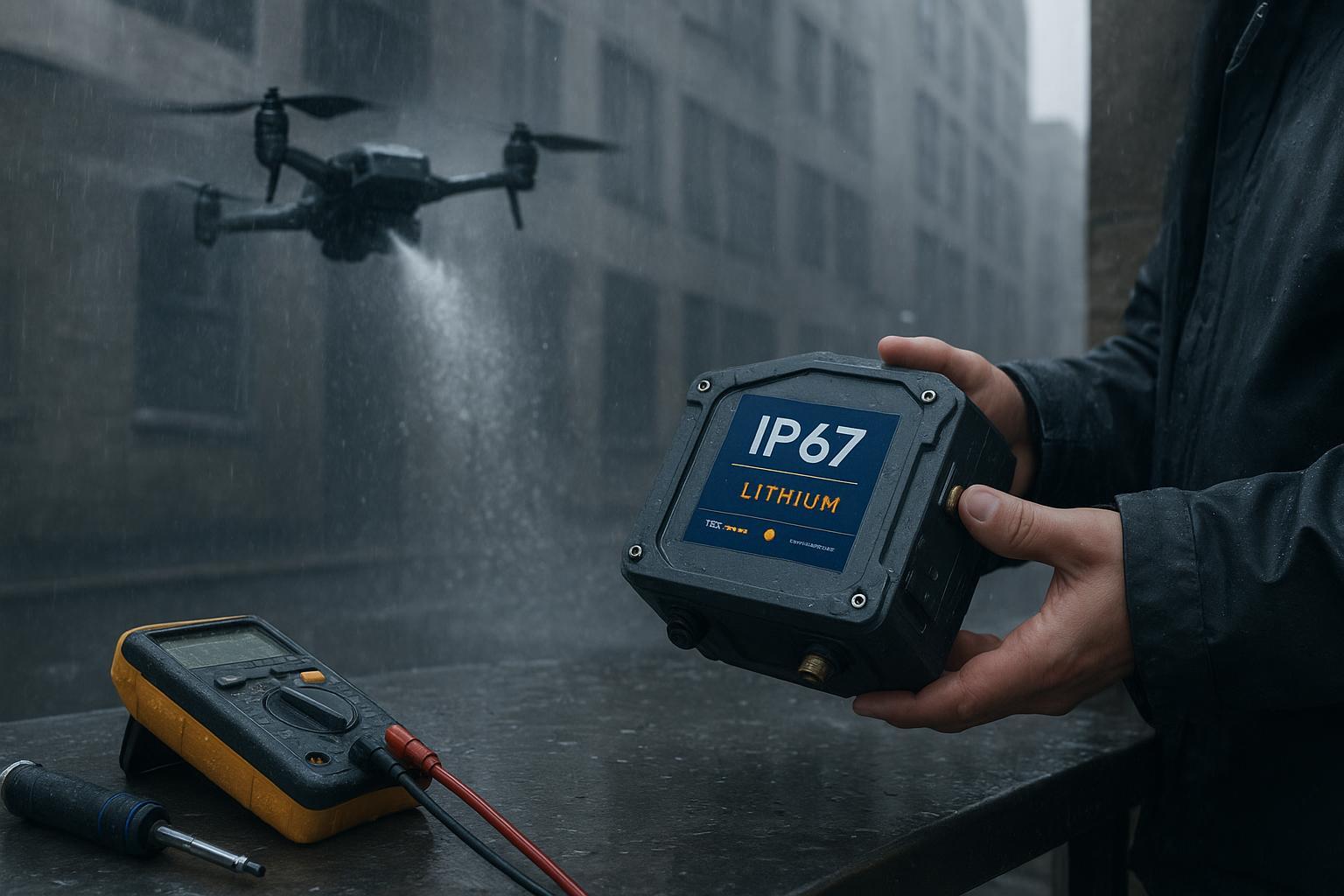
Enhanced Sealing: Ensuring high ingress protection (IP) ratings to shield against moisture, which prevents external corrosion and short circuits.
By investing in these structural enhancements, you create batteries that withstand harsh outdoor conditions, leading to fewer replacements, lower warranty costs, and ultimately improving your warranty ROI.
Advanced BMS for Abuse Prevention
An advanced Battery Management System (BMS) plays a crucial role in preventing battery abuse and ensuring longevity. Implementing dynamic features such as overcharge protection, over-discharge protection, and short circuit protection can significantly enhance battery reliability.
Here are the key functional features of an effective BMS tailored for OPE:
Fitur | Description |
Overcharge Protection | Stops charging if any cell exceeds its specific voltage threshold (e.g., 4.2V for NMC or 3.65V for LFP) to prevent lithium plating and thermal risk. |
Over-discharge Protection | Disconnects the load if a cell drops below a safe limit (e.g., 2.5V) to prevent deep discharging and irreversible internal damage. |
Short Circuit Protection | Opens contractors immediately if current spikes too high, preventing catastrophic damage and thermal runaway. |
Cell Balancing | Maximizes capacity and cycle life by actively or passively maintaining cells in the same state of charge across the pack. |
Temperature Monitoring | Uses multiple sensors to actively monitor cell temperature and initiate cooling or shutdown protocols to avoid overheating and thermal runaway. |
By integrating these advanced BMS features, you can monitor voltage, current, and temperature effectively. This proactive approach allows you to identify potential issues early, reducing the likelihood of battery failures.
Partnership: TCO Control and Risk Mitigation
Supply Chain Integrity and Quality Control
Establishing a strong partnership with reliable suppliers is crucial for both reducing warranty costs and enhancing battery performance. Supply chain integrity directly impacts battery quality and warranty outcomes. By ensuring that your suppliers adhere to high standards throughout their manufacturing processes, you can expect better reliability, which affects performance and longevity, ultimately leading to fewer warranty claims.
Key aspects of supply chain management essential for maximizing battery quality and minimizing risk include:
Supplier Adherence & Audits: Ensuring consistency and compliance in battery manufacturing, directly affecting the final product’s performance and longevity across all production sites.
Component Quality & Validation: Utilizing higher quality, pre-validated components that lead to significantly fewer premature failures, thereby reducing costly warranty claims and repairs.
Logistics Risk Mitigation: Implementing rigorous packaging and shipping protocols to ensure battery integrity is maintained during international transport and delivery.
By focusing on stringent quality control throughout your supply chain, you can mitigate risks associated with battery failures. Implementing rigorous testing and validation processes ensures that only the best components make it into your products. This proactive approach not only enhances battery reliability but also significantly strengthens your warranty ROI.
Quantifying the ROI of Quality
Investing in higher-quality batteries yields significant returns that extend far beyond initial procurement costs. You can quantify this Return on Investment (ROI) by considering various factors that contribute to long-term savings and operational efficiencies.
Platform Advantages and Cost Savings:
Interchangeability: Utilizing a single battery platform allows for interchangeable batteries across multiple tools, reducing the need for separate chargers and simplifying operations.
Performance Benchmarking: Leverage third-party ratings (e.g., Consumer Reports) based on performance across a battery platform to aid in making informed investment decisions.
To effectively calculate your ROI, follow these steps:
Calculate Total Savings: Quantify long-term savings from reduced warranty costs, minimized administrative overhead, lower operating costs, environmental benefits, increased productivity, and incentives.
Determine Net Benefit: Subtract the initial premium investment cost from the total projected savings.
Calculate Percentage Return: Use the resulting net benefit figure to determine the percentage Return on Investment.
By quantifying these comprehensive factors, you can clearly demonstrate the financial benefits of investing in high-quality batteries, which ultimately leads to reduced warranty costs and improved customer satisfaction.
Herewinpower’s Technical Commitment
At Herewinpower, our commitment to technical excellence is the foundation for reducing total ownership costs. We integrate advanced technology and optimized BMS features to ensure high longevity and reliability. This dedication to quality enables businesses to minimize warranty claims and administrative support costs, thereby effectively reducing the overall Total Cost of Ownership (TCO).
We engineer our batteries to operate effectively in extreme conditions, such as high-altitude and high-humidity environments, ensuring consistent power delivery for optimal performance in outdoor power equipment (OPE).
Key technical benchmarks demonstrating our reliability include:
Durability Standards: Our batteries are designed specifically for long-term durability in demanding OPE applications, ensuring maximized cycle life.
Rigorous Compliance: We adhere to standards like UL and UN 38.3 to ensure rigorous internal verification for reliability, minimizing downtime risk and securing operational continuity for critical applications.
Innovative Chemistry: We leverage advanced technologies, such as semi-solid state technology, to address critical internal resistance issues. By minimizing internal resistance through structural innovations, we reduce thermal risks and warranty claims, building customer trust and setting industry standards.
Investing in superior battery design is the single most critical step for reducing long-term warranty costs and securing lasting customer loyalty. By effectively addressing environmental challenges and inherent design deficiencies, brands can successfully convert technical risk into quantifiable Warranty ROI.
Prioritizing strategic innovation, spanning from rugged structural design to the integration of advanced BMS features, is absolutely essential. This forward-looking commitment not only future-proofs your product line but also strategically positions your brand for sustainable success in the evolving Outdoor Power Equipment (OPE) market. Industry participants who have embraced this strategy are already demonstrating quantifiable financial returns.
For detailed consultation on implementing these robust design strategies and leveraging advanced battery technology, please contact the Herewinpower expert team.
PERTANYAAN YANG SERING DIAJUKAN
What factors affect battery performance in outdoor equipment?
Environmental conditions like temperature, moisture, and vibration significantly impact battery performance. High temperatures can degrade capacity, while moisture can cause corrosion. Vibration may lead to internal damage, affecting reliability.
How can I extend the lifespan of my battery?
To extend your battery’s lifespan, ensure proper charging practices, avoid deep discharges, and store it in a cool, dry place. Regular maintenance and monitoring can also help maintain optimal performance.
What is the role of a Battery Management System (BMS)?
A Battery Management System (BMS) monitors and manages battery performance. It protects against overcharging, over-discharging, and short circuits, ensuring safety and longevity for your battery.
How do I choose the right battery for my outdoor power equipment?
Consider your equipment’s power requirements, operating conditions, and desired runtime. Look for batteries designed for outdoor use, with features like robust construction and advanced BMS for optimal performance.
What are the benefits of lithium-ion batteries over lead-acid batteries?
Lithium-ion batteries offer higher energy density, longer cycle life, and faster charging times compared to lead-acid batteries. They also weigh less and require less maintenance, making them a more efficient choice for outdoor power equipment.
Lihat Juga
Japanese Dealers Reduce Support Costs With High-Cycle Batteries
Essential Tips For Extending Lithium Battery Life In EVs
Innovative BMS Technology Enhances Battery Safety And Performance
Boost Operational Efficiency With Durable Drone Battery Solutions


 Bahasa Indonesia
  English
  Español
  한국어
한국어  Deutsch
  Français
  日本語
日本語  Русский
  ไทย
ไทย  العربية
  Português do Brasil
  Italiano
  Nederlands