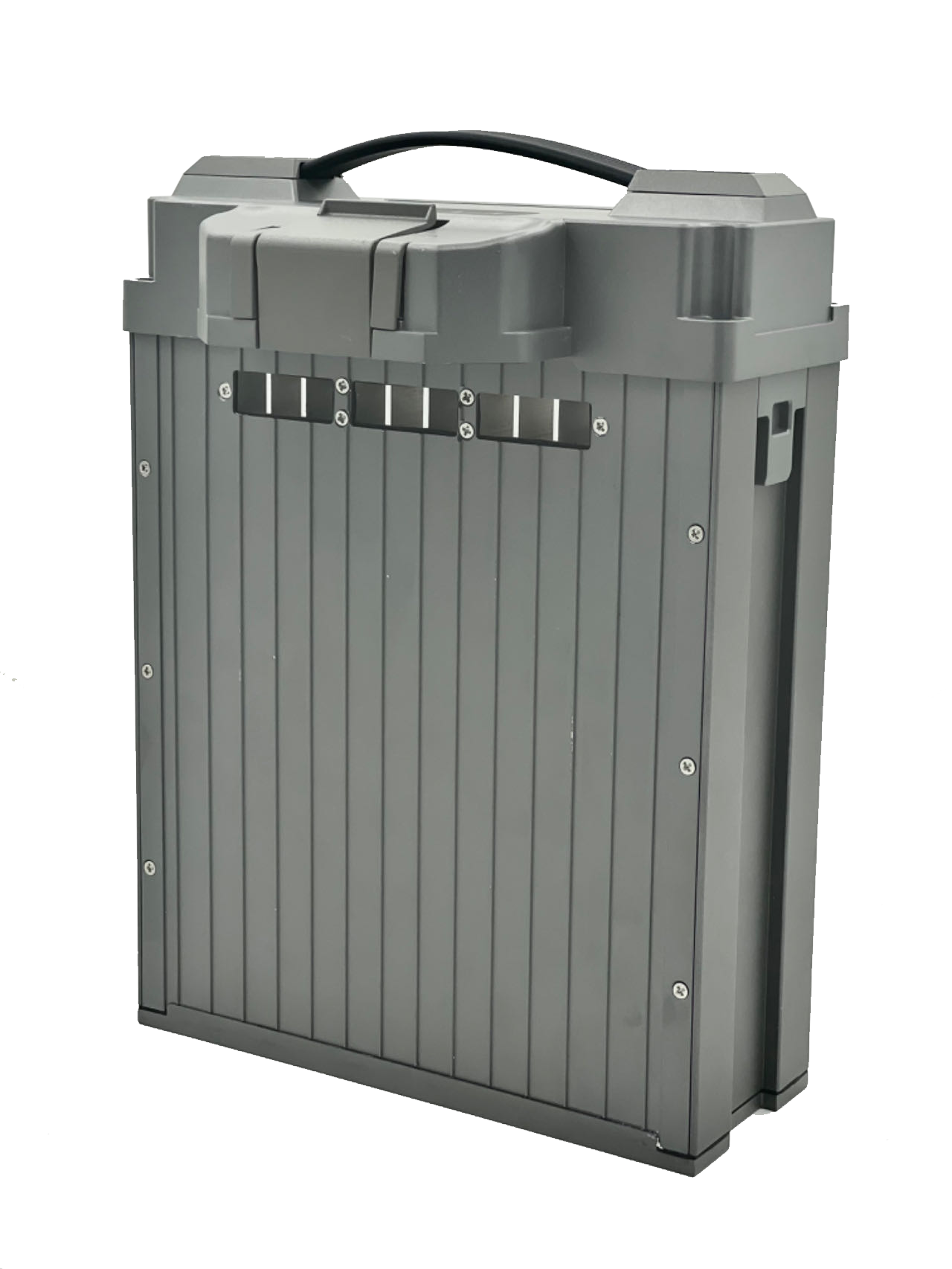
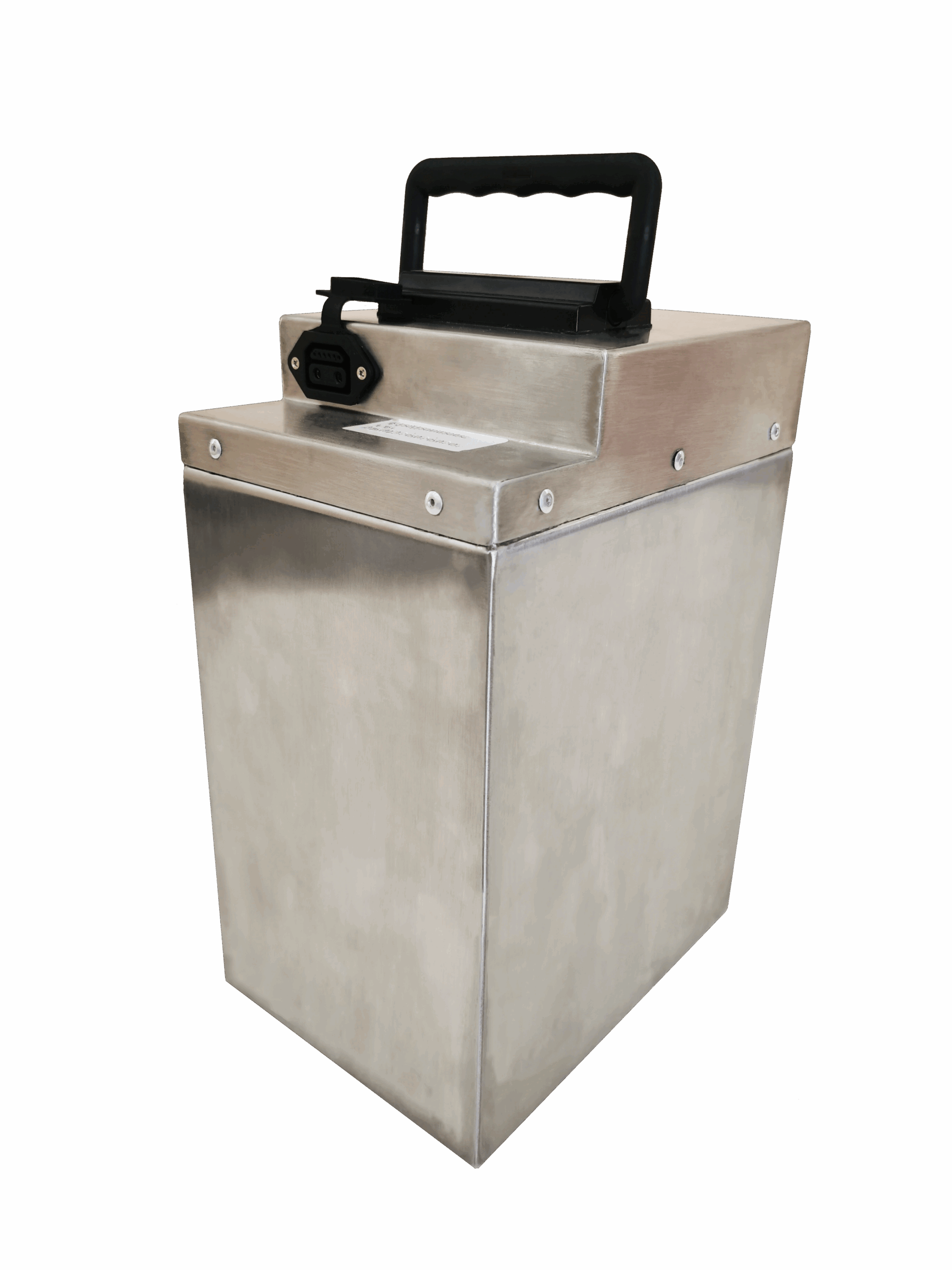
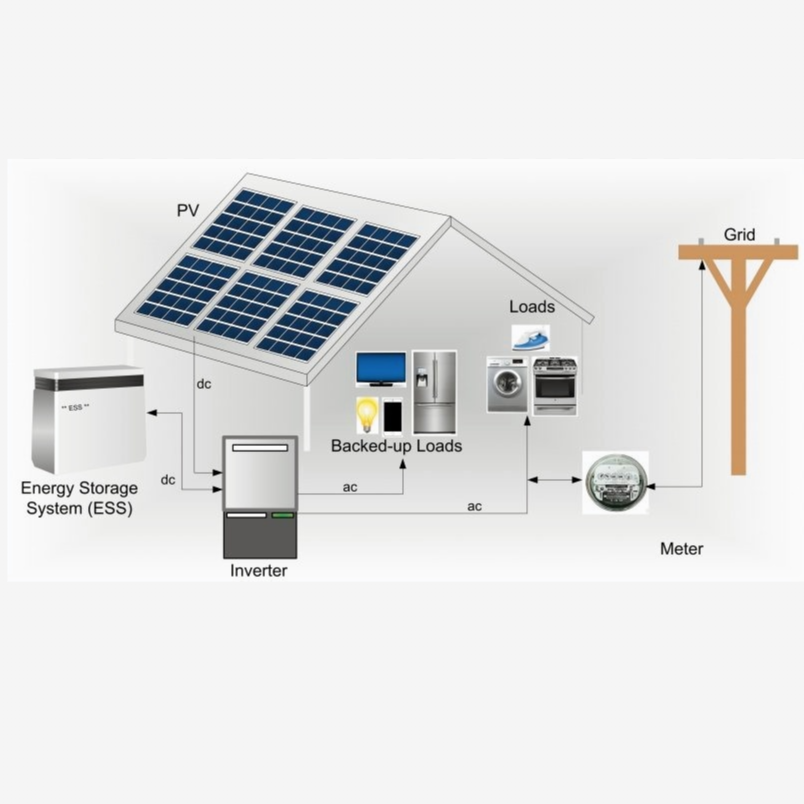






Data centers face immense pressure to maintain uptime and ensure safety. Recent reports reveal that a significant percentage of impactful outages—up to 54%—stem from failures in on-site power distribution. Given that such downtime can cost organizations upwards of $5,600 to $9,000 per minute, robust power solutions are critical. Lithium Energy Storage Systems (ESS) emerge as a highly reliable solution. By integrating Lithium ESS, operators can significantly minimize power-related downtime and fundamentally enhance safety protocols, protecting mission-critical operations against fire risks inherent in traditional systems.
Hal-hal Penting yang Dapat Dipetik
Lithium Energy Storage Systems (ESS) provide rapid, low-impedance power transitions, ensuring minimal interruptions in data center operations.
The integrated Battery Management System (BMS) enhances reliability by actively monitoring performance and preventing critical issues like overcharging.
Lithium Iron Phosphate (LFP) chemistry offers safer energy storage, significantly reducing fire risks and ensuring superior thermal stability.
Investing in Lithium ESS effectively lowers both capital (CapEx) and operational (OpEx) costs, leading to substantial long-term Total Cost of Ownership (TCO) savings.
ESS solutions are engineered for compliance with stringent international safety and design standards, providing critical operational peace of mind.
High-Speed, Low-Impedance Power Transition

Seamless Power Transition (Lithium ESS)
Lithium Energy Storage Systems (ESS) deliver a highly responsive power transition, which is critical for ensuring continuity in data center operations. Characterized by extremely low resistance and near-instantaneous activation, these systems are engineered to ensure IT loads experience minimal interruption during utility fluctuations or outages.
While the Uninterruptible Power Supply (UPS) handles the initial zero-transfer-time switch, the underlying ESS technology provides the rapid, high-power energy required for stabilization. Lithium ESS typically achieves full system stabilization and load support within 200 milliseconds. This fast response capability is ideal for maintaining the health of mission-critical environments.
Key specifications highlighting this performance include:
Fitur | Specification | Rationale for Data Centers |
System Stabilization Time | Typically under 200 milliseconds (mS) | Time for the ESS to engage and stabilize the power output voltage. |
High-Rate Power Density | Superior to legacy battery systems | Ensures immediate delivery of high power bursts needed for critical IT loads. |
The intrinsically stable voltage output provided by Lithium ESS ensures the data center operates efficiently, protecting sensitive equipment from voltage sags and fluctuations. This inherent stability is paramount for maximizing uptime and preventing catastrophic financial losses.
Reliability Enhanced Through Smart BMS Control
The Battery Management System (BMS) is fundamental to enhancing the reliability and maximizing the service life of Lithium ESS within critical data center environments. The BMS is responsible for ensuring the system operates strictly within defined safety parameters and actively optimizes overall performance through features such as advanced cell balancing and data-driven predictive maintenance.
Cell Balancing
Active cell balancing is crucial for ensuring the longevity and maximizing the usable capacity of the battery system. By actively maintaining a uniform State of Charge (SoC) and voltage across every cell within the module, the BMS mitigates cell degradation and prevents performance-limiting issues stemming from deep discharge or overcharging. This process fundamentally enhances the long-term reliability of the energy storage asset.
Predictive Maintenance
The BMS’s predictive maintenance capabilities enable real-time performance analytics and proactive system management. It continuously monitors comprehensive battery metrics, utilizing sophisticated algorithms to analyze data and forecast potential component failures or performance anomalies. This foresight empowers facility managers to schedule proactive intervention rather than reacting to unexpected outages.
Here is a summary of the key features enabled by the intelligent BMS:
Fitur | Description |
Real-time Performance Monitoring | Tracks critical battery metrics (voltage, temperature, current, State of Charge – SoC) continuously across all cells. |
Predictive Analytics | Analyzes performance trends and historical data to forecast potential component failure or performance drift over time. |
Proactive System Management | Automatically performs cell adjustments, triggers warnings, and initiates protective actions to prevent thermal events or localized system stress. |
By integrating these highly advanced features, Lithium ESS provides not only high-speed power transitions but also a foundation of operational safety and sustained uptime for the data center.
Mitigating Catastrophic Fire Risks
Data centers face significant fire risks, particularly when relying on energy storage systems with less stable chemistries. Failures in traditional systems, such as lithium-ion thermal runaway, have resulted in documented fires within data center facilities. The industry recognizes the heightened risk profile within battery rooms, where conventional suppression systems may face challenges. Furthermore, the increasing power density and heat generated by modern AI and machine learning workloads necessitate robust thermal management and fire safety solutions. These risks underscore the critical need for an inherently safer and more resilient ESS solution.
Inherently Safe Chemistry (LFP)
Lithium Iron Phosphate (LFP) chemistry offers an inherently safer and more stable alternative for energy storage in data centers. LFP’s superior thermal stability drastically reduces the risk of overheating and thermal runaway compared to other lithium chemistries.
Here’s a closer look at the key safety features of LFP:
Fitur | Description |
Superior Thermal Stability | Drastically reduces the risk of thermal runaway, as the chemical structure remains stable even at high temperatures. |
Non-Hazardous Composition | The chemistry is inherently safe and non-flammable under typical operating conditions. |
Long Cycle Life | Provides extended durability, which translates to fewer replacements and consistent, reliable performance for data center operations. |
Cobalt-Free Design | LFP cells contain no cobalt, contributing to both enhanced safety characteristics and a better environmental profile. |
These intrinsic characteristics establish LFP as a reliable and resilient choice for energy storage, fundamentally reducing fire risks in high-density data center environments.
Advanced Fire Prevention Mechanisms (Smart BMS)
The integration of a smart Battery Management System (BMS) further amplifies the safety profile of Lithium ESS. This system deploys advanced, multi-layered fire prevention and mitigation mechanisms that actively monitor and manage potential risks:
Continuous Real-time Monitoring: Advanced sensors detect abnormal operating conditions (e.g., elevated internal temperature or voltage deviations) and trigger immediate, tiered alerts.
Integrated Unit Isolation: Automated control systems isolate affected units electrically and thermally, preventing potential cascading failures and minimizing risk spread.
Clean Agent Suppression Integration: The solution is designed to integrate seamlessly with advanced fire suppression systems utilizing clean agents (e.g., FM-200 or Novec 1230), ensuring rapid fire extinguishment without damaging IT equipment.
Proactive Airflow Management: Automated ductwork shutoffs are managed to contain potential fire events while maintaining crucial airflow to adjacent, operational areas of the facility.
AI-Driven Risk Modeling: Utilizes sophisticated algorithms to analyze historical and real-time operational data, providing predictive insights to mitigate latent fire risks before they escalate.
These synergistic mechanisms establish a comprehensive, proactive safety net. By implementing Lithium ESS with these advanced features, facility managers can significantly enhance resilience and drastically reduce both fire risks and the potential for unscheduled downtime.
Herewinpower: The TCO & Long-Term Value
Reduced CapEx & OpEx
Investing in Herewinpower’s Lithium Energy Storage Solutions is designed to significantly reduce both initial Capital Expenditures (CapEx) and subsequent Operational Expenditures (OpEx). The modular design allows facility managers to scale energy storage capacity precisely as required, avoiding unnecessary upfront investments.
Optimized Capital Expenditures (CapEx) and Infrastructure Costs
Maximizing White Space: Lithium ESS boasts a significantly higher energy density than traditional systems, reducing the overall battery footprint by up to 70%. This conversion frees up valuable data center floor space for revenue-generating IT equipment, effectively turning non-revenue-generating space into profit centers.
Lower Cooling Load: Lithium Iron Phosphate (LFP) chemistry operates more efficiently and generates demonstrably less heat than legacy batteries. This crucial thermal advantage reduces the strain on the HVAC infrastructure, lowering the required cooling system capacity and cutting related installation costs.
Simplified Installation: Our solutions are engineered for quick, simplified deployment, which minimizes labor costs and reduces deployment time during the initial setup phase.
Lowered Operational Expenditures (OpEx)
Extended Service Life: Herewinpower systems offer a cycle life of over 6,000 cycles, significantly outpacing lead-acid alternatives. This longevity translates directly into fewer replacements and substantial lower long-term material costs.
Minimal Maintenance Requirements: Integration with an advanced BMS provides real-time performance tracking and proactive management. This drastically reduces the necessity for manual maintenance (eliminating the need for routine watering or venting) and minimizes the risk of costly emergency repairs, thereby slashing labor and downtime expenses.
Energy Efficiency: Optimized system design reduces conversion losses inherent in energy storage, leading to lower utility bills and significant energy savings throughout the system’s operational lifespan.
Robust Longevity and Sustainability
Our Lithium ESS is engineered for maximum longevity. The robust design and high-quality LFP materials ensure that the investment provides a substantially longer service life than traditional energy storage systems.
Exceptional Durability: Systems are built to withstand harsh operating conditions, ensuring consistent, reliable performance over many years. This durability minimizes the need for replacements and ensures consistent long-term cost savings.
Sustainability Commitment: By choosing solutions with an extended lifespan, organizations contribute to a greener future through reduced material waste and the promotion of sustainable energy practices within their operations.
Safety, Compliance, and Support
Safety remains the paramount concern. Herewinpower prioritizes operational security through innovative design and commitment to regulatory compliance.
Inherent Safety Features: The adoption of Lithium Iron Phosphate (LFP) chemistry minimizes inherent fire risks, ensuring the data center environment remains secure.
Regulatory Compliance: We products meet stringent international safety and compliance standards (e.g., UL, IEC). This provides facility management teams with the confidence that their energy storage solutions adhere to the highest industry protocols.
Comprehensive Support: We provide ongoing, dedicated support to ensure systems operate safely and at peak efficiency, reinforcing the customer’s commitment to continuous safety and performance.
By investing in Herewinpower’s solutions, organizations can maximize data center resilience and significantly minimize the risk of unscheduled downtime. Our focus on efficiency, safety, and long-term TCO value makes us the ideal partner for modern energy storage needs.
In summary, the strategic implementation of Lithium Energy Storage Systems (ESS) allows organizations to maximize operational uptime while fundamentally and significantly reducing fire risks within the data center environment. These systems provide inherent scalability and robust long-term investment protection, ensuring sustained operational efficiency and safety.
By partnering with Herewinpower, clients can access customized Total Cost of Ownership (TCO) analysis and tailored deployment plans engineered to meet specific infrastructure needs. Elevate your data center’s resilience and secure its future today.
PERTANYAAN YANG SERING DIAJUKAN
What are the benefits of Lithium ESS for data centers?
Lithium ESS provides highly resilient power continuity, ensuring operations remain online during utility disruptions. Its integrated safety systems and real-time monitoring allow for proactive energy and performance management.
How does the Battery Management System (BMS) improve safety?
The BMS utilizes advanced safety protocols to monitor battery health continuously. It enables integrated automation and cell balancing, mitigating risks of overcharging and thermal events, thereby significantly reducing fire risks.
Can Lithium ESS integrate with renewable energy sources?
Yes, Lithium ESS is engineered to seamlessly integrate with renewable energy sources, optimizing overall energy utilization. This integration supports sustainability goals while maintaining consistent, high-quality power delivery to the facility.
How does real-time monitoring benefit data centers?
Real-time monitoring provides predictive insights into battery performance and State of Health (SoH). This capability allows facility managers to address potential issues proactively, maximizing operational efficiency and minimizing unscheduled downtime.
What role does artificial intelligence play in Lithium ESS?
Artificial intelligence (AI) enhances the predictive and autonomous capabilities of Lithium ESS. AI algorithms analyze operational data trends to optimize energy management, ensuring the data center operates with maximum efficiency and safety.
Lihat Juga
Lithium Energy Storage Systems: The Future of Telecom Reliability
Selecting The Best UPS Battery For Vital Data Center Operations
Improving Safety and Supply Chains with Semi-Solid State Batteries
Examining Lithium-Ion Battery Safety Through Material Analysis




 Bahasa Indonesia
  English
  Español
  한국어
한국어  Deutsch
  Français
  日本語
日本語  Русский
  ไทย
ไทย  العربية
  Português do Brasil
  Italiano
  Nederlands