





High temperatures pose a significant threat to your energy storage system’s return on investment (ROI). They accelerate capacity decay, leading to diminished performance and lifespan. For instance, the solid-electrolyte interphase (SEI) layer deteriorates quickly, consuming active lithium and increasing internal resistance. Additionally, thermal runaway becomes a severe risk when temperatures rise, potentially causing catastrophic failures. To combat these challenges, you need a comprehensive strategy like High-Temperature LFP Solutions. This approach integrates advanced thermal management and robust battery management systems (BMS) to ensure safety and longevity in high-temperature environments.
Hal-hal Penting yang Dapat Dipetik
High temperatures can significantly reduce the lifespan of LFP batteries. Implement effective thermal management to protect your investment.
Monitor the state of charge (SOC) of your batteries. Keeping SOC below 90 percent minimizes the risk of thermal runaway and enhances safety.
Utilize a high-quality Battery Management System (BMS). A good BMS helps regulate temperature and provides up to 4 hours of pre-warning before a critical event.
Adopt shallow depth of discharge (DOD) practices. Avoid full discharges, as deep cycling accelerates capacity fade.
Incorporate advanced liquid cooling techniques. This method efficiently manages heat, ensuring optimal performance and safety with accuracy up to plus or minus 0.5℃.
LFP Failure: Causes of Capacity Decay and Risk
SEI Film and DOD: Core Lifespan Loss
High temperatures significantly impact the lifespan of lithium iron phosphate (LFP) batteries. One major factor is the evolution of the solid electrolyte interface (SEI) film. As temperatures rise, the SEI film is in a continuously unstable state, constantly decomposing and reconstructing. This consumption of active lithium causes the SEI film thickness to dramatically increase, potentially exceeding 200 nm , which directly leads to increased internal resistance and capacity fade.
Furthermore, at temperatures above 45℃, the LFP material experiences thermal stress, leading to significant capacity fade. This is accompanied by the irreversible phase transition of divalent iron ions being oxidized to trivalent iron ions.
Additionally, the depth of discharge (DOD) exacerbates these issues. When the battery’s DOD exceeds 80%, this compounds with thermal stress, leading to accelerated degradation. This effect is significant because it causes LiFePO4 particles to detach, forming “active material islands” that cannot effectively participate in charge transfer. This results in the battery capacity degradation curve exhibiting a sudden, “inflection point” decline in service life.
Thermal Runaway Triggers: SOC > 90% Risk
Operating your LFP batteries at a state of charge (SOC) above 90% poses serious risks, especially when combined with high ambient temperatures. The risk of thermal runaway escalates as SOC approaches and exceeds 90%. Furthermore, when the core temperature exceeds 60℃, carbonate-based electrolytes become unstable and decompose, generating gases like CO and CO2, which dramatically increase internal pressure.
The Critical Failure Scenario occurs when the ambient temperature exceeds 35℃ during the Charging End Stage (SOC greater than 90%). At this specific combination, the Battery Management System (BMS) temperature compensation mechanism may fail.
This failure allows excessive charging current, accelerating lithium plating on the cathode and accelerating electrolyte decomposition. Lithium plating is the direct precursor to dendrites growing and puncturing the separator, leading to an internal short-circuit and thermal runaway. Understanding this specific temperature-SOC dependency is crucial for maintaining system safety.
Full-Link Protection: System Control & Thermal Management
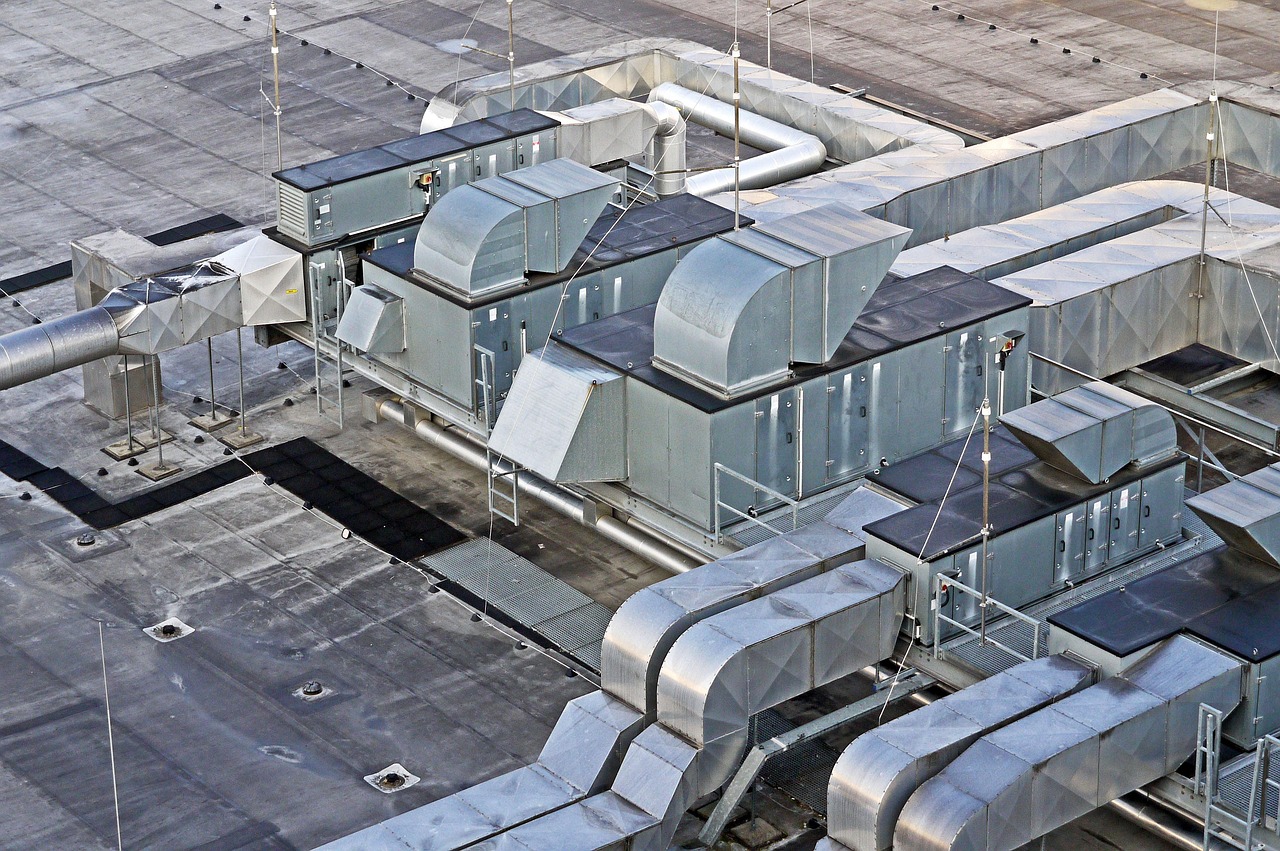
High-temperature LFP solutions require a robust approach to system control and thermal management. You can significantly enhance battery performance and safety by integrating advanced materials, effective battery management systems (BMS), and innovative cooling techniques.
Materials, BMS, and System Control
The choice of materials plays a crucial role in the performance and safety of high-temperature lithium batteries. Lithium iron phosphate (LiFePO4) is a preferred cathode material due to its intrinsic thermal stability. This stability helps mitigate risks associated with thermal runaway.
Herewin enhances this with material-level optimization:
Cathode Coating: Coating the cathode material with a 2-5 nm thick nano-Aluminum Oxide layer is used to reduce the interfacial reaction rate by 40%.
Electrolyte Upgrade: By adding 1% to 3% Fluoroethylene Carbonate (FEC) as a film-forming agent, the SEI film is stabilized and its impedance is reduced.
A well-designed Intelligent BMS is essential for managing battery health. It monitors temperature, voltage, and current, ensuring that the battery operates within safe limits. Here are some key contributions of Ini dia.’s advanced BMS to reducing high-temperature failure rates:
Dynamic Threshold Adjustment: The BMS automatically tightens voltage control and limits the charge and discharge rate to below 0.8C to reduce polarization heat generation.
Thermal Pre-warning: The system monitors the temperature rise rate, allowing it to issue a high-temperature pre-warning up to 4 hours in advance of a critical event.
Rapid Isolation: An integrated fast current interruption device cuts off the circuit within 0.2 seconds upon detecting abnormal temperature rise.
Temperature Regulation: The BMS actively manages temperature, preventing extremes that can lead to degradation.
Real-time Monitoring: Continuous monitoring allows for immediate responses to anomalies, enhancing safety.
Cycle Life Extension: By maintaining optimal operating conditions, the BMS helps extend the battery’s cycle life.
A robust thermal management system combines passive and active methods to maintain optimal temperatures. Active cooling techniques, such as forced-air and liquid cooling, are essential for maintaining safe operating temperatures, especially under thermal stress. The following research demonstrates the focus on effective thermal management:
Study | System Control Strategy | Results |
|---|---|---|
Zhou et al. | Hybrid approach with PCM/copper foam and air jet | Max temperatures of 19.1 °C and 35.6 °C at ambient temperatures of 15 °C and 35 °C |
Ling et al. | PCM with forced air convection | Maintained max temperature below 50 °C at 2C discharge rates with 7 °C ambient rise |
Kiani et al. | Active cooling with alumina nanofluid and passive cooling | Maintained safe operation under high-stress conditions, improved operational time compared to water-based cooling |
Precision Liquid Cooling Performance
Liquid cooling systems outperform air cooling systems in managing thermal runaway risks in LFP energy storage systems. Herewin’s Intelligent Liquid Cooling System is designed for maximum efficiency and precision.
Here are some advantages of liquid cooling:
Accuracy: The system is equipped with distributed temperature sensors that maintain an accuracy of ±0.5°C. This precision control is vital for battery safety and longevity, especially during high-rate charging and discharging.
Efficiency: Liquid cooling is more efficient than air cooling, crucial for reducing thermal runaway risk. Once the cell surface temperature is detected to exceed 50℃, the system activates, bringing the temperature down to below 40℃ within 3 minutes.
Heat Dissipation: Liquid-cooled systems have strong heat dissipation capabilities, allowing for precise control of battery temperature.
Cell Consistency: This temperature control helps maintain cell consistency, vital for battery safety and longevity, especially during high-rate charging and discharging.
Implementing precision liquid cooling can significantly enhance the reliability of your energy storage systems. It ensures that the battery remains within its ideal operating range, reducing degradation and improving efficiency.
Aspek | Impact on Reliability |
|---|---|
Temperature Regulation | Directly affects electrochemical reactions and overall battery health. |
Excessive Heat | Can negatively impact performance, safety, and lifespan of the battery. |
Ideal Operating Range | Reduces degradation and improves efficiency, ensuring long-term stability of LFP batteries. |
By adopting full-link protection strategies, you can address common challenges faced by energy storage operators in high-temperature regions. These challenges include rapid growth of the SEI layer, electrolyte decomposition, lifespan reduction, and thermal runaway risks.
Operational Excellence: Maximizing Lifespan ROI
Charge/Discharge & Environment Control
To maximize the lifespan and ROI of your LFP energy storage systems, you must implement effective charge and discharge protocols. These protocols help mitigate thermal stress and capacity loss. Here are some best practices to consider:
Charging Limit: During the high-temperature season, limit the charging capacity to below 80%SOC.
Discharge Limit: Avoid full discharge. The Depth of Discharge (DOD) should be controlled within 70% to reduce capacity fade and prolong battery lifespan.
Environmental Control: Implement effective cooling systems, such as heat sinks, to dissipate heat. Installing a sunshade is recommended, as it can lower the surface temperature by more than 10℃.
Storage SOC: For long-term storage, maintain 30% to 50% SOC to avoid crystal lattice stress accumulation.
Quality BMS Implementation: Utilize a high-quality Battery Management System (BMS) to monitor charge and discharge cycles, preventing overcharging and over-discharging.
Health Monitoring and Degradation Triggers
Proactive health monitoring is essential for early detection of degradation triggers in LFP battery systems. Implementing advanced monitoring technologies can help you maintain optimal operating conditions and extend battery life.
Regular Maintenance: Conduct routine checks on your battery systems. Use specialized equipment monthly to check the battery’s internal resistance and capacity.
Predictive Analytics: Utilize predictive analytics to improve safety and reliability. Studies have shown that incorporating methods like Probabilistic Risk Assessment can help estimate safety incident risks in battery energy storage systems.
Actionable Triggers: Promptly troubleshoot the heat dissipation system and perform cell balancing repair if:
Capacity decay exceeds 15%.
Internal resistance increase exceeds 20%.
Longevity: The link between longevity and safety is crucial; maintaining optimal conditions directly impacts the lifespan of your batteries.
By integrating these health monitoring strategies, you can effectively manage degradation rates and ensure the longevity of your energy storage systems.
The integrated solution of advanced materials, a robust battery management system (BMS), and effective thermal management provides a definitive safeguard for LFP systems.
By implementing this comprehensive Full-Link Protection strategy, operators can expect cycle life loss to remain controlled at under 10%, while the risk of thermal runaway is mitigated by over 70% in high-temperature environments.
This advanced stability allows your system to maximize safety and longevity. To secure these quantifiable results for your investment, contact Herewin to discuss a customized High-Temperature LFP Solution and guarantee your system’s long-term reliability.
PERTANYAAN YANG SERING DIAJUKAN
What is thermal runaway in LFP batteries?
Thermal runaway occurs when a battery’s temperature rises uncontrollably, leading to potential fires or explosions. This risk increases in high-temperature environments, making thermal management crucial for safety.
How can I prevent thermal issues in my energy storage system?
You can prevent thermal issues by implementing effective cooling systems, monitoring battery temperatures, and maintaining optimal charge levels. Regular maintenance also helps identify potential risks early.
What role does the BMS play in thermal management?
The Battery Management System (BMS) actively monitors temperature, voltage, and current. It ensures that the battery operates within safe limits, reducing the risk of thermal runaway and extending battery life.
Why is thermal stability important for LFP batteries?
Thermal stability is vital for LFP batteries because it prevents degradation and enhances safety. Stable temperatures reduce the risk of thermal runaway, ensuring reliable performance in energy storage applications.
How does high temperature affect battery lifespan?
High temperatures accelerate capacity decay and increase internal resistance in batteries. This leads to reduced lifespan and performance, making effective thermal management essential for longevity.
Lihat Juga
Impact of Heat on Forklift Battery Life and Efficiency
Advancements in Semi-Solid Batteries for Safer Electric Vehicles
Herewin’s High-Density Semi-Solid Batteries for Future Wearables
Evaluating Lithium-Ion Battery Safety Through Material Analysis
Innovative BMS Technology Enhancing Battery Safety and Efficiency





 Bahasa Indonesia
  English
  Español
  한국어
한국어  Deutsch
  Français
  日本語
日本語  Русский
  ไทย
ไทย  العربية
  Português do Brasil
  Italiano
  Nederlands