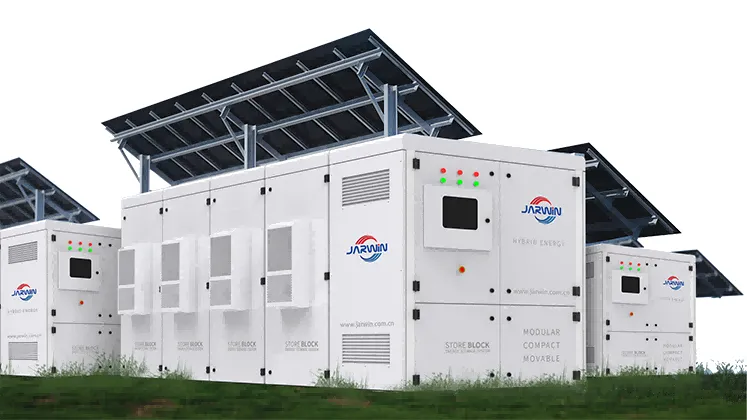
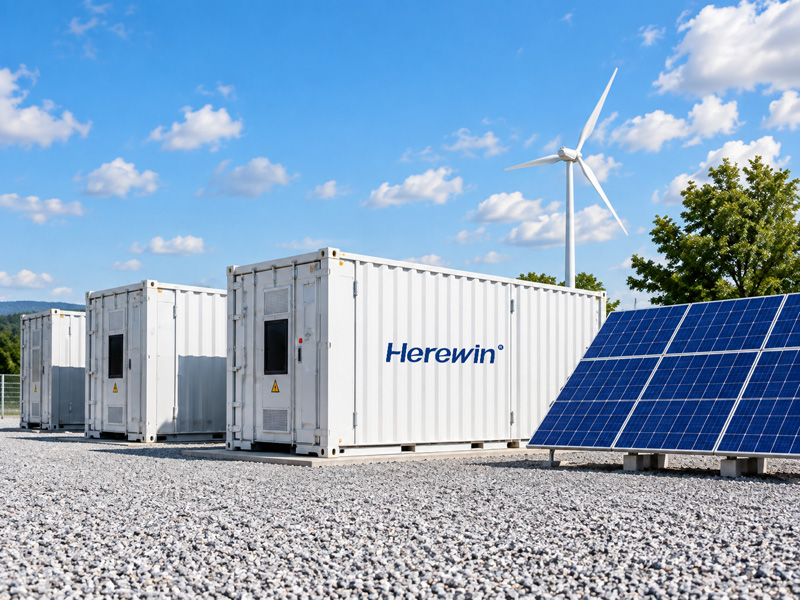

Commercial and industrial energy storage
ุชุฎุฒูŠู† ุงู„ุทุงู‚ุฉ ุงู„ุชุฌุงุฑูŠุฉ ูˆุงู„ุตู†ุงุนูŠุฉ
1737451508966
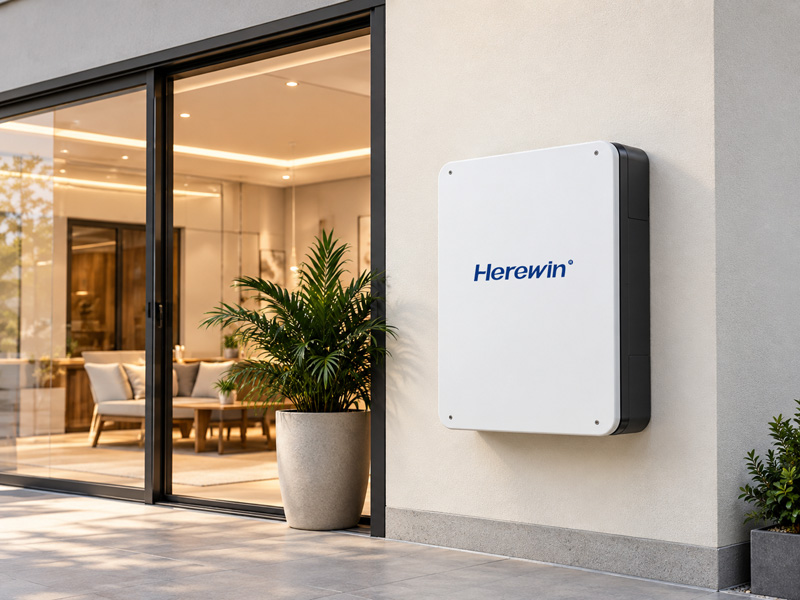
ุชุฎุฒูŠู† ุงู„ุทุงู‚ุฉ ููŠ ุงู„ู…ู†ุฒู„
pexels-peterfazekas-997131
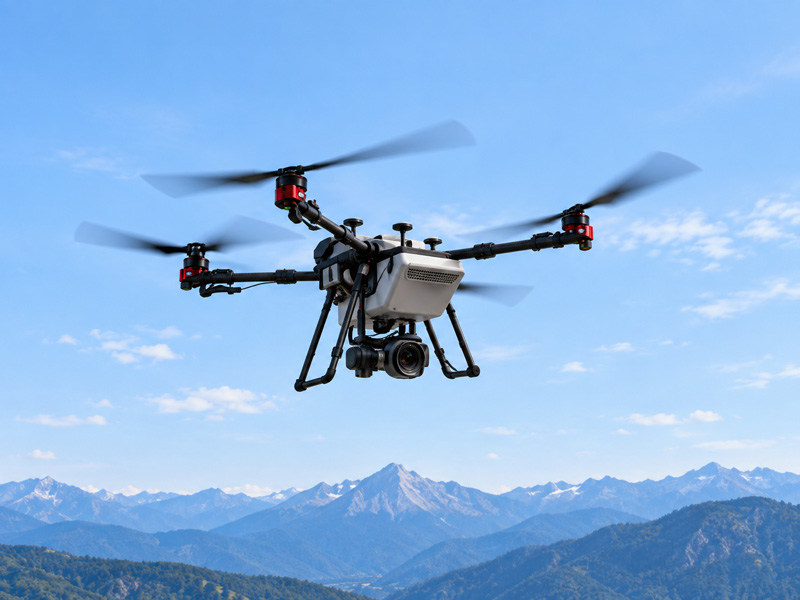
ุงู„ุทุงุฆุฑุงุช ุจุฏูˆู† ุทูŠุงุฑ
pexels-cookiecutter-1148820
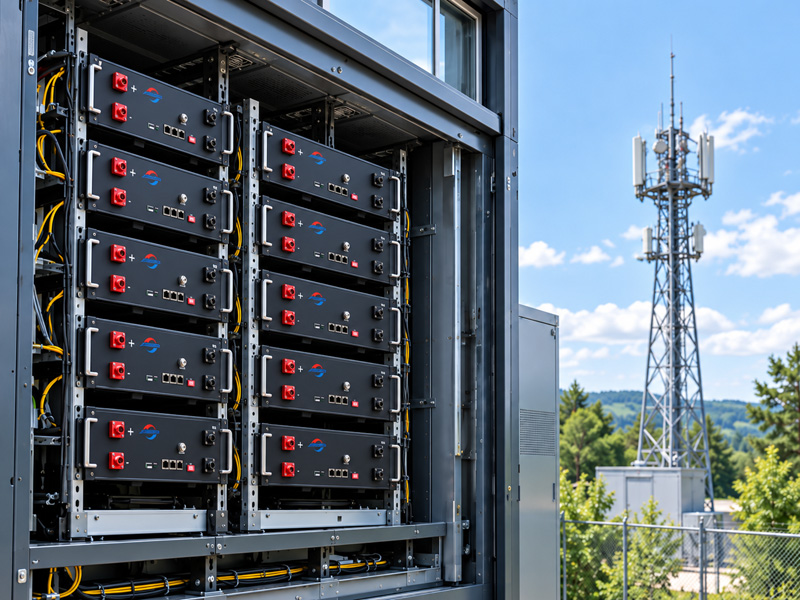
ุงู„ุทุงู‚ุฉ ุงู„ุงุญุชูŠุงุทูŠุฉ ู„ู„ุงุชุตุงู„ุงุช
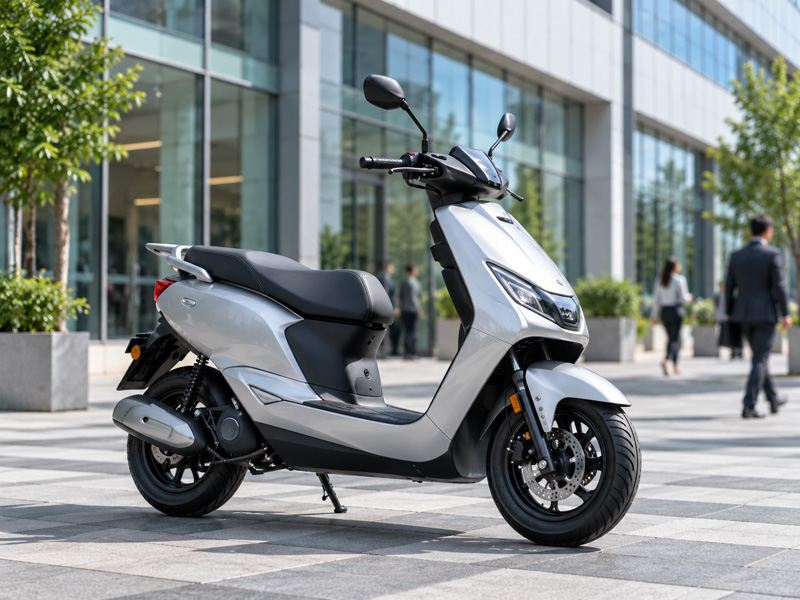
Low-Speed Electric Vehicles
ุงู„ุณูŠุงุฑุงุช ุงู„ูƒู‡ุฑุจุงุฆูŠุฉ ู…ู†ุฎูุถุฉ ุงู„ุณุฑุนุฉ
Compact RV Travel
ุทุงู‚ุฉ ุงู„ู…ู‚ุทูˆุฑุงุช ุงู„ู…ุชู†ู‚ู„ุฉ
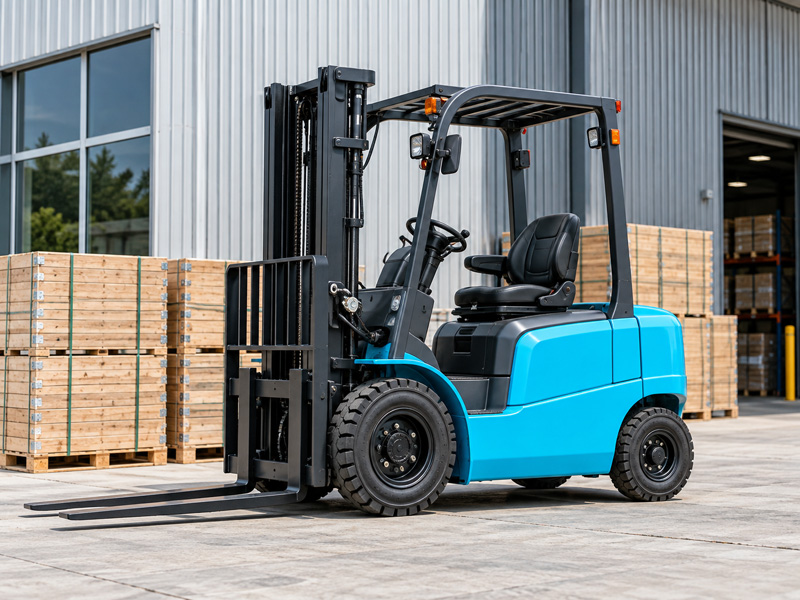
forklift
ุดุงุญู†ุฉ ุฑุงูุนุฉ ุดูˆูƒูŠุฉ
Lead To Lithium Conversion
ุชุญูˆูŠู„ ุงู„ุฑุตุงุต ุฅู„ู‰ ู„ูŠุซูŠูˆู…

ุฎู„ุงูŠุง ุงู„ุจุทุงุฑูŠุฉ

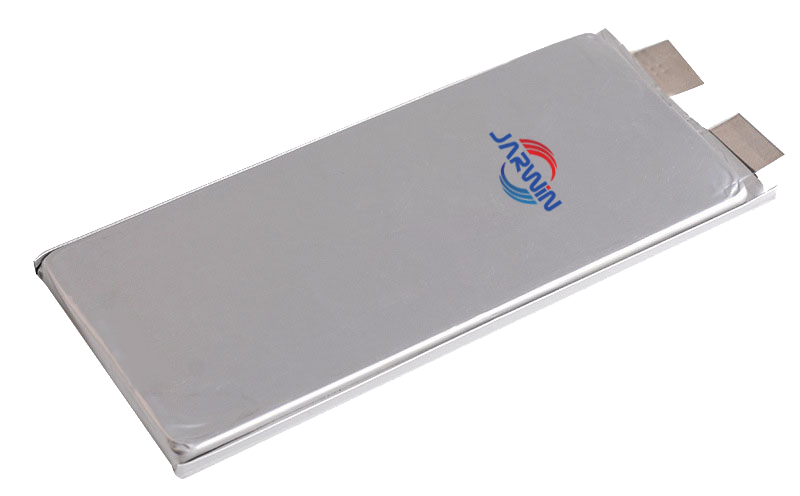
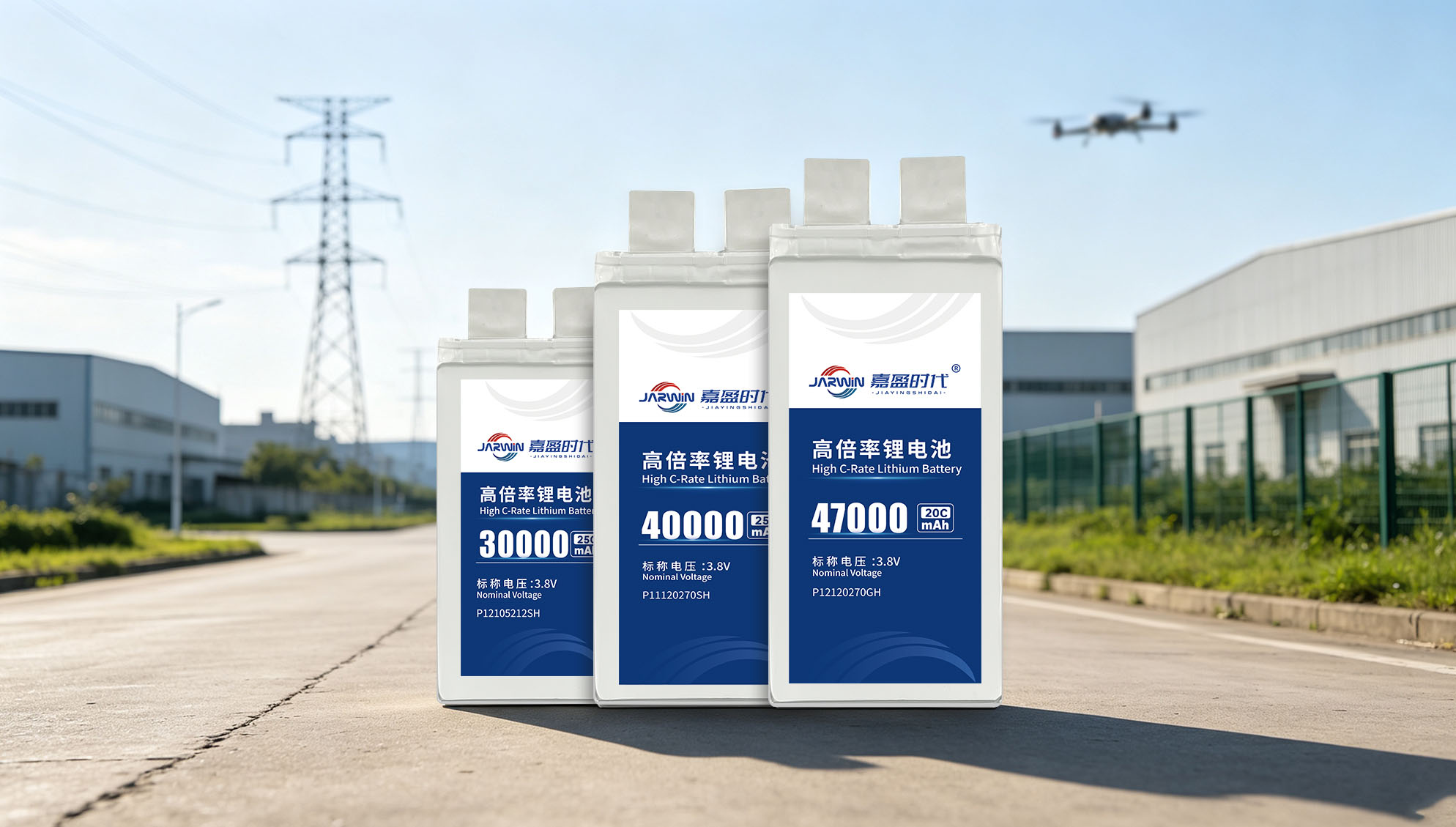
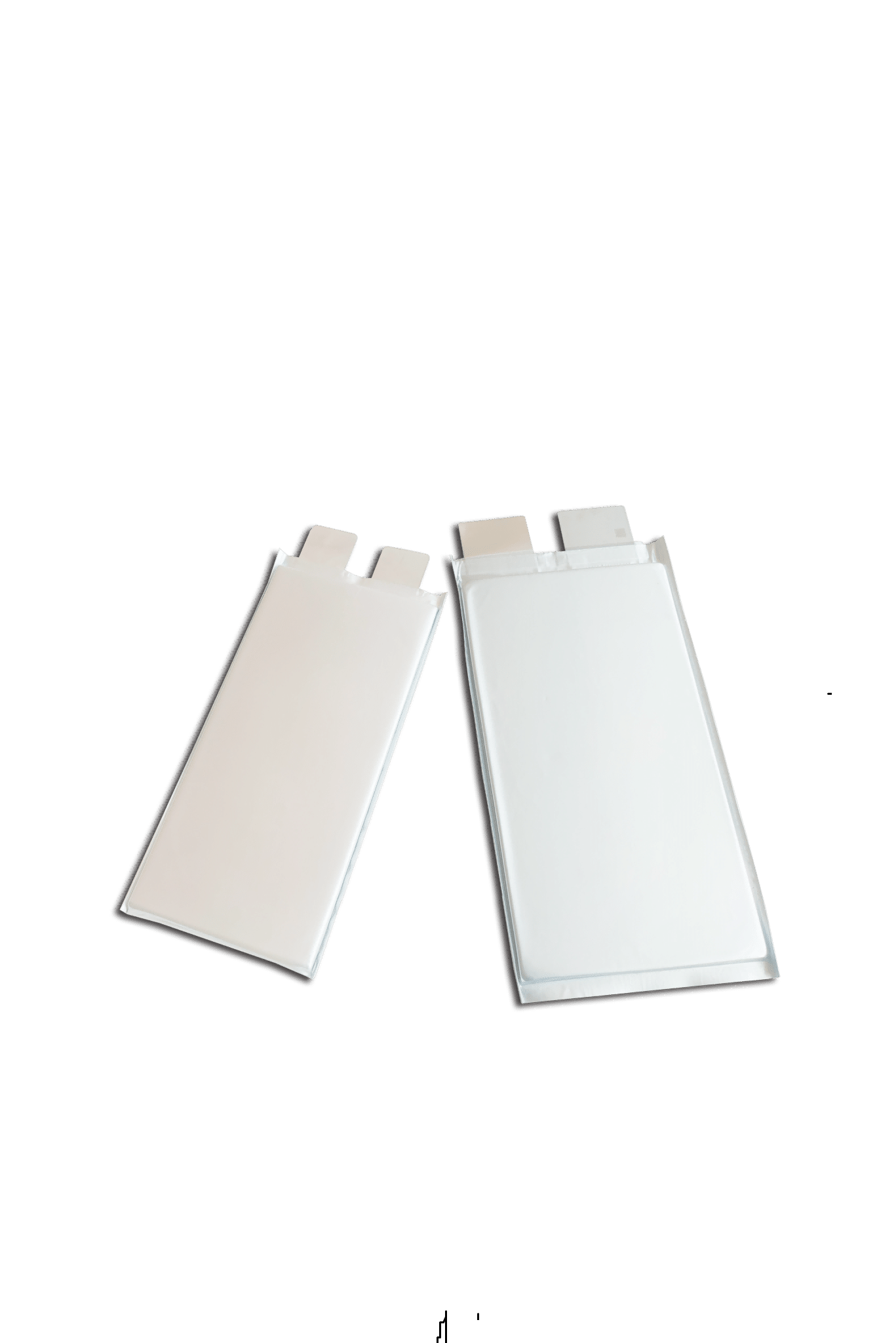
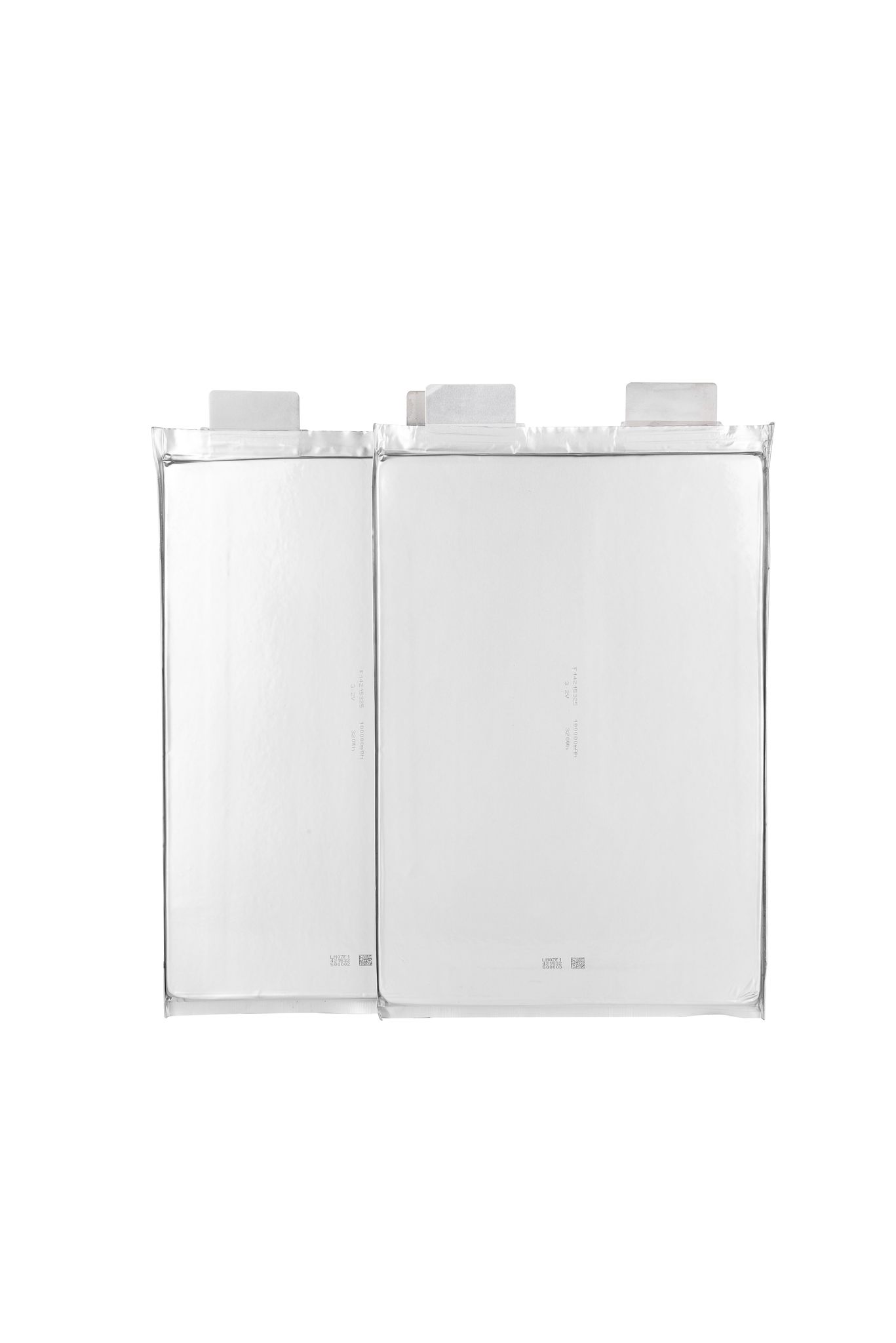
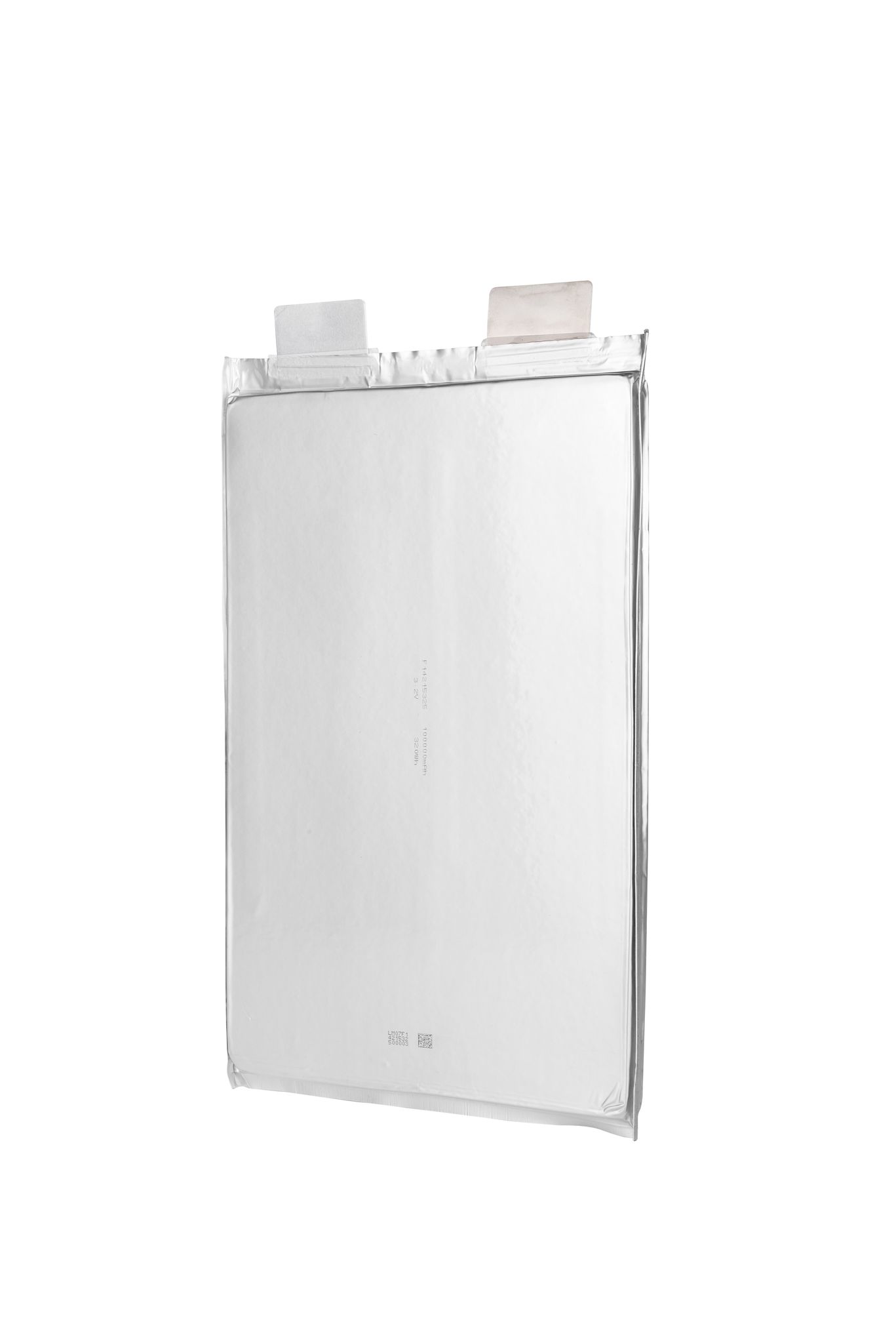
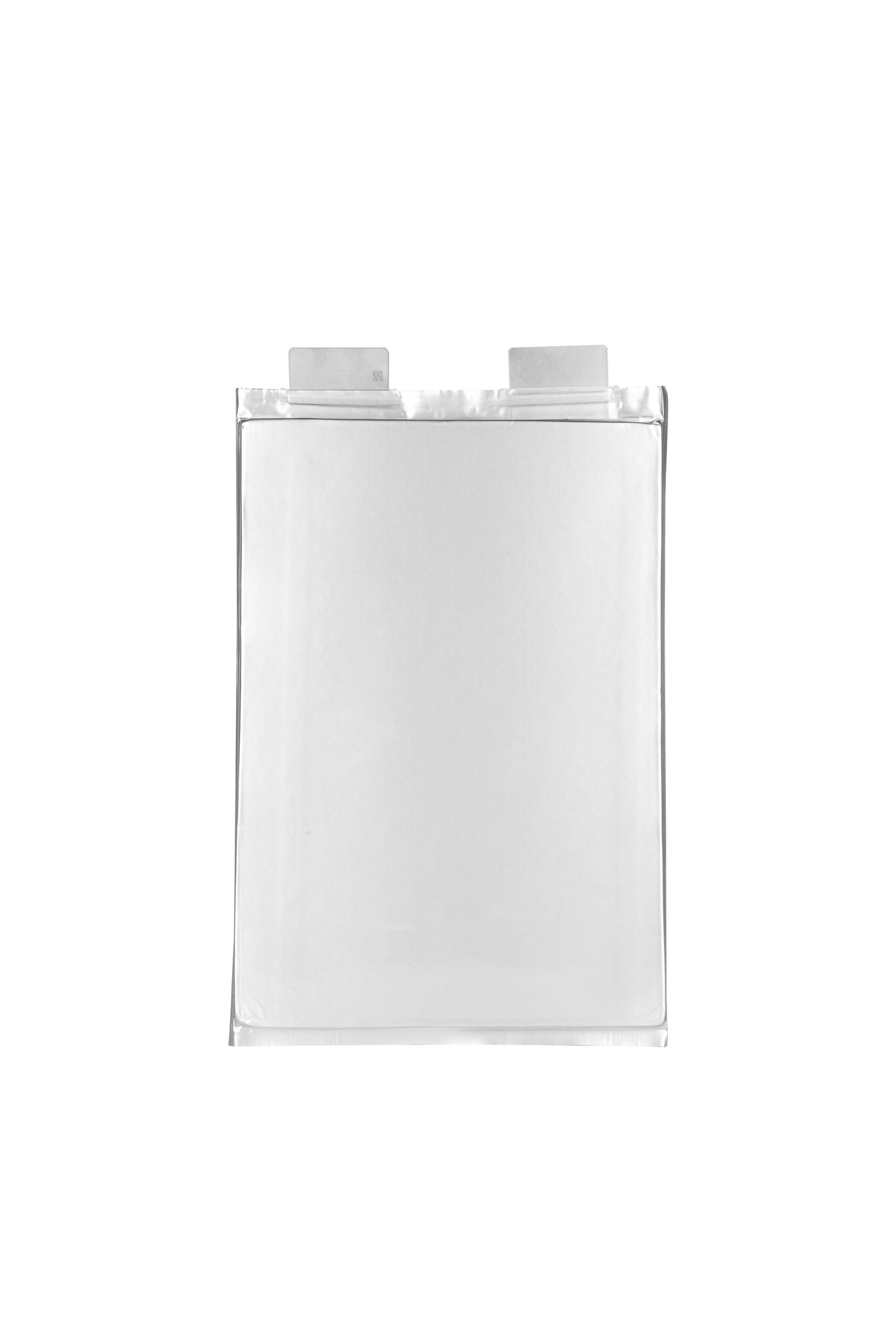
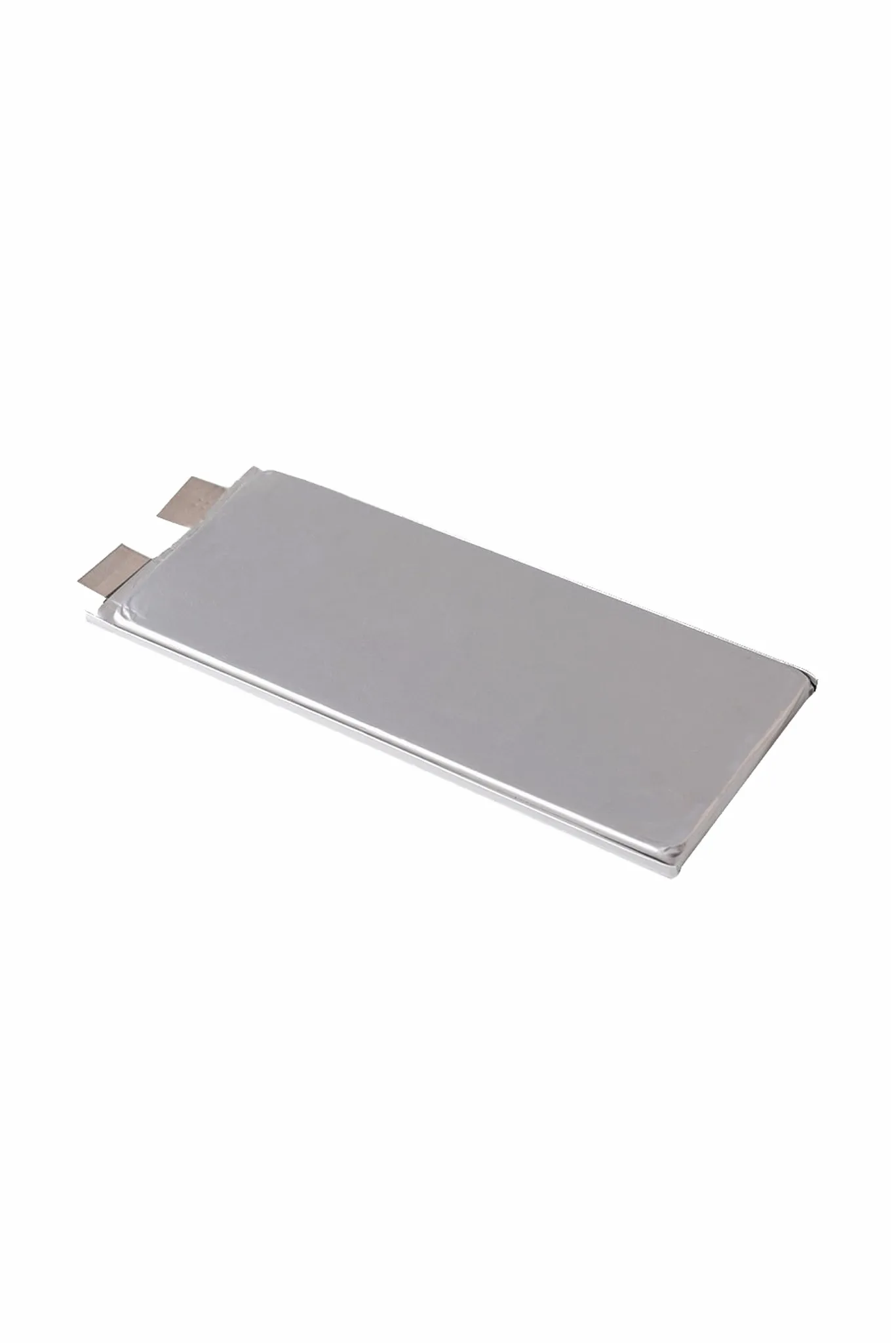
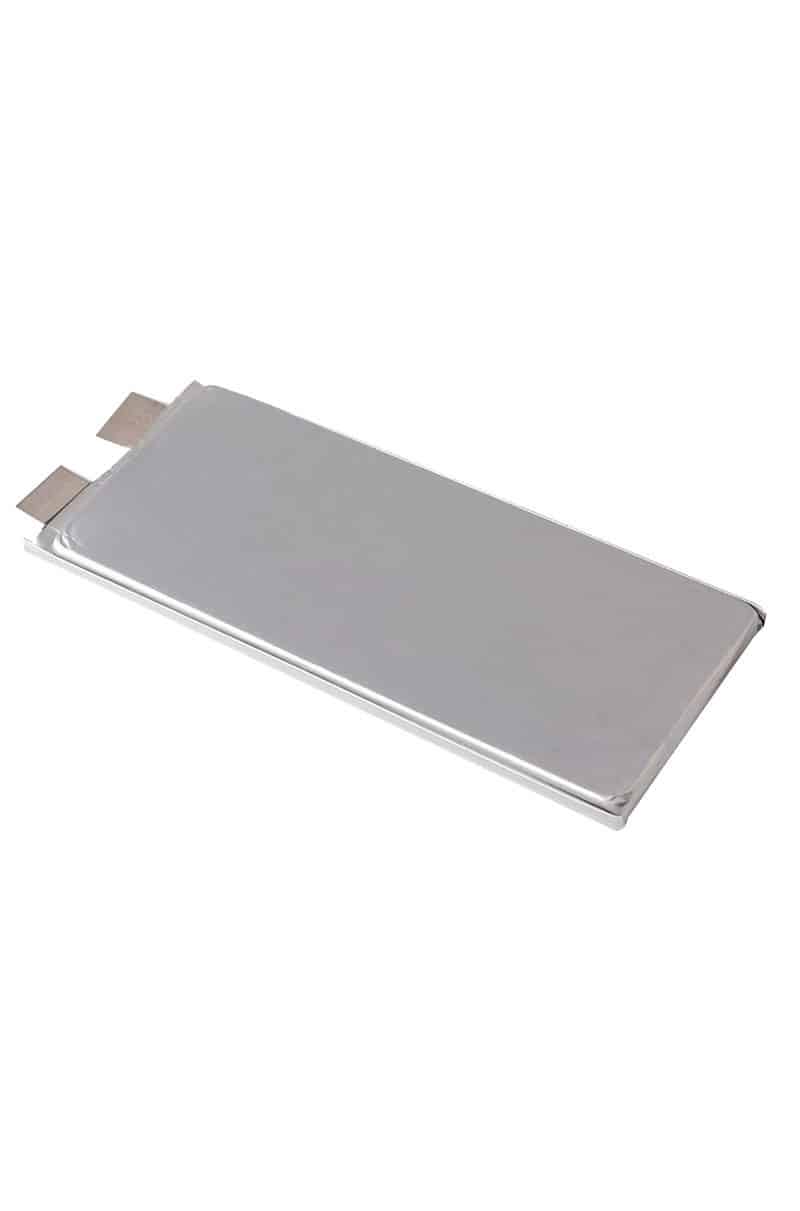
Battery cell is the smallest energy unit of the battery system, realizing the storage and release of electric energy through electrochemical reactions. Its performance directly determines the energy density, life and safety of the battery module and system, which can be categorized into lithium ternary (NCM/NCA), lithium iron phosphate (LFP), lithium cobalt oxide (LCO),ย  Lithium manganese iron phosphate(LTO) and other types according to the material system.

Battery-Cells-1
P1345135KH 3.8V 8.5Ah

Maximum continuous discharge: 10C

Maximum continuous charging: 2C

Cycle life: โ‰ฅ 300 times

Cell weight:~160g

P1243126KV 3.85V 8.5Ah

Maximum continuous discharge: 10C

Maximum continuous charging: 2C

Cycle life: โ‰ฅ 500 times

Cell weight:~130g

P1245135KH 3.8V 8Ah

Maximum continuous discharge: 10C

Maximum continuous charging: 2C

Cycle life: โ‰ฅ 300 times

Cell weight:~150g

P1143126KH 3.8V 7.5Ah

Maximum continuous discharge: 10C

Maximum continuous charging: 2C

Cycle life: โ‰ฅ 500 times

Cell weight:~125g

T9045135Z 3.7V 5Ah

Maximum continuous discharge: 40C

Maximum continuous charging: 2C

Cycle life: โ‰ฅ 400 times

Cell weight:~105g

T12105212GH 3.8V 30Ah

Maximum continuous discharge: 15C

Maximum continuous charging: 4C

Cycle life: โ‰ฅ 750 times

Cell weight:~530g

T11105212GH 3.8V 25Ah

Maximum continuous discharge:15C

Maximum continuous charging: 4C

Cycle life: โ‰ฅ 750 times

Cell weight:~455g

T9280215SH 3.8V 20Ah

Maximum continuous discharge: 20C

Maximum continuous charging: 4C

Cycle life: โ‰ฅ 300 times

Cell weight:~355g

ูุฆุงุช ุงู„ู…ู†ุชุฌุงุช
ุงุญุตู„ ุนู„ู‰ ุนุฑุถ ุฃุณุนุงุฑ ู…ุฌุงู†ูŠ
ู†ู…ูˆุฐุฌ ุงู„ุงุชุตุงู„ ุงู„ุชุฌุฑูŠุจูŠ (#3)

ุงู„ุชุทุจูŠู‚ุงุช

Agricultural-Drone-Spraying
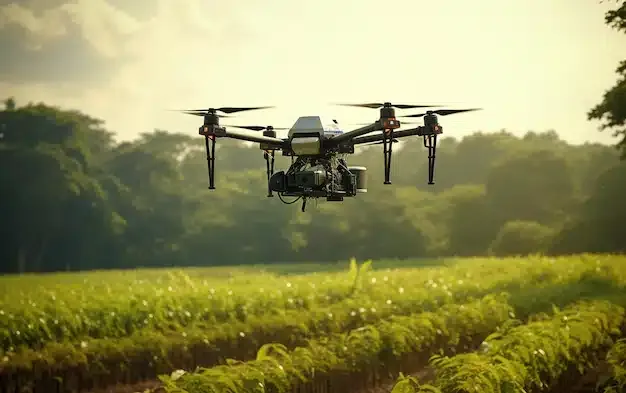
Agricultural Drone Spraying

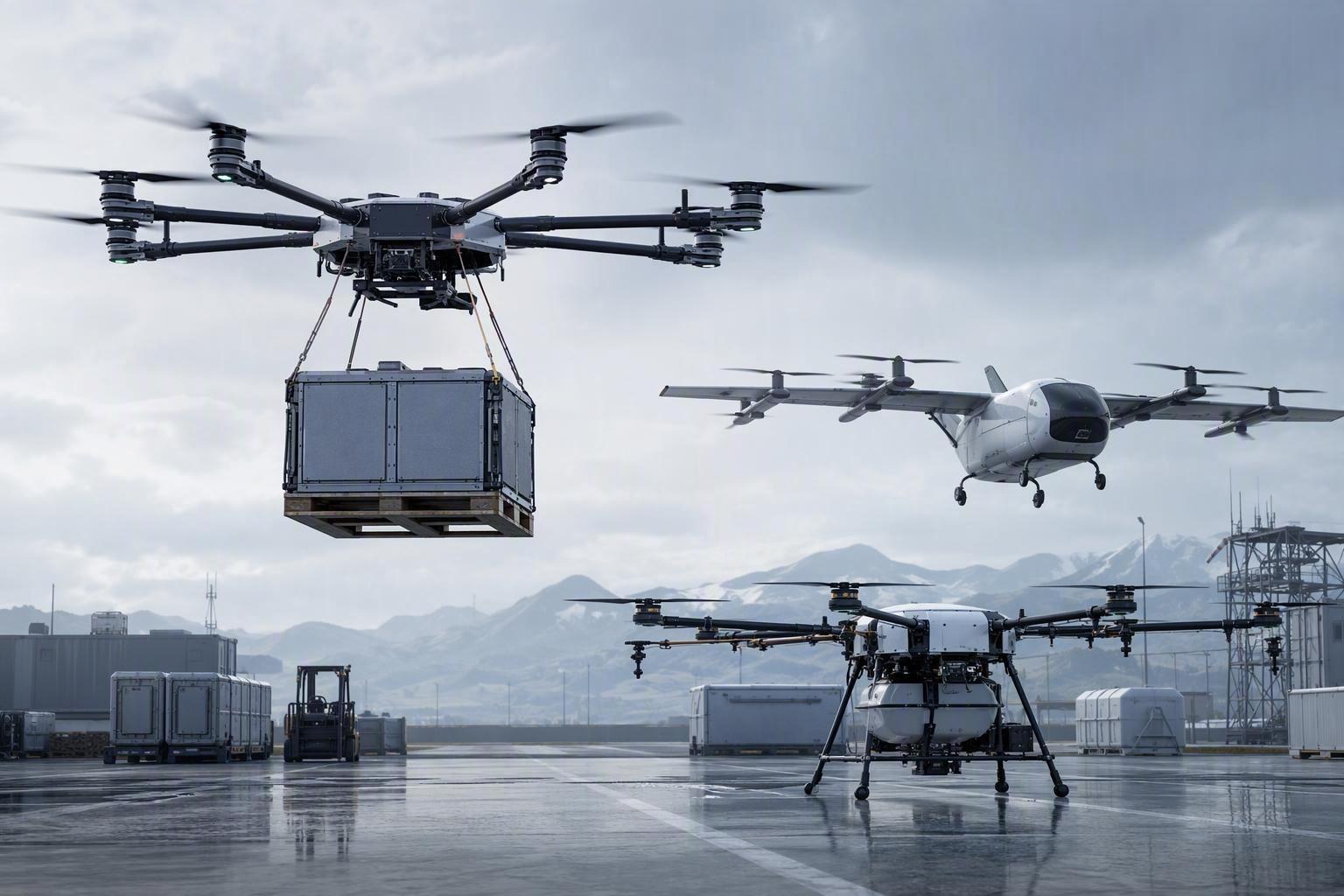
Crop spraying operations requiring extended flight time, fast charging, and support for frequent takeoffs/landings in high-intensity environments.
Drone-Surveillance-Inspection-1
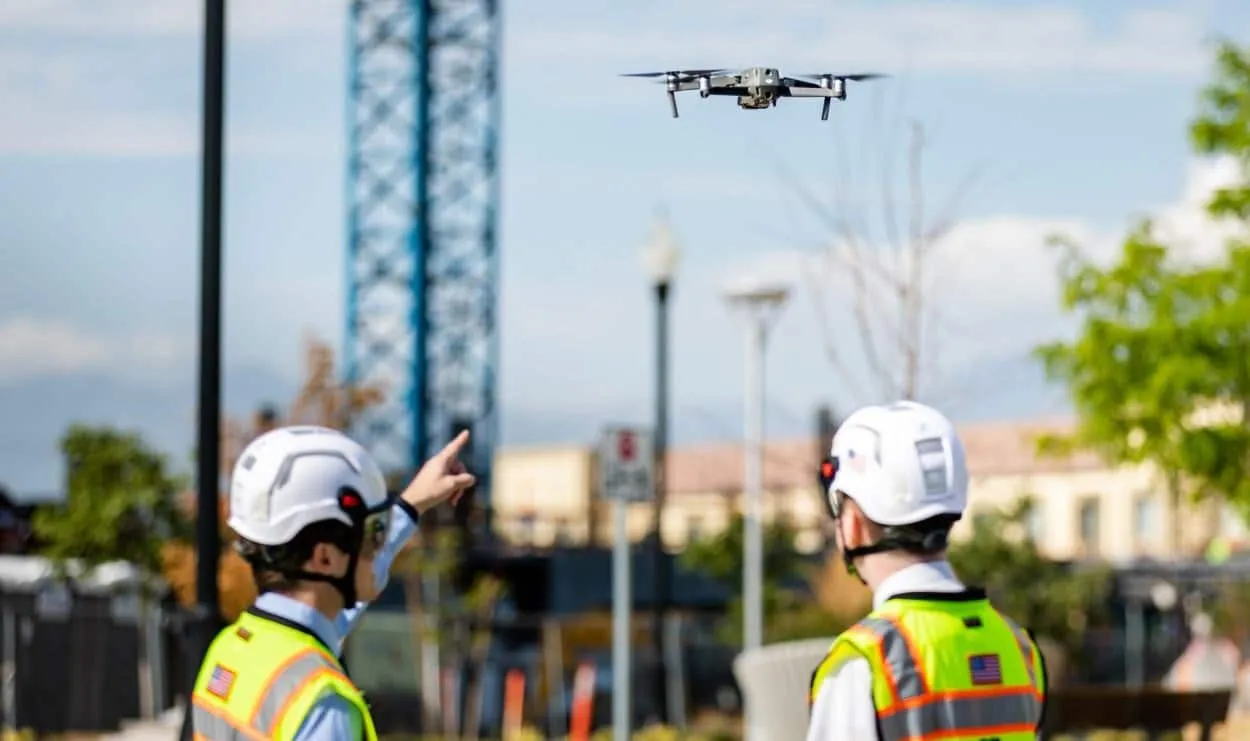
Drone Surveillance & Inspection

Environmental monitoring, security patrols, or equipment checks; requires weather-resistant operation and persistent endurance.
Home-Energy-Storage_
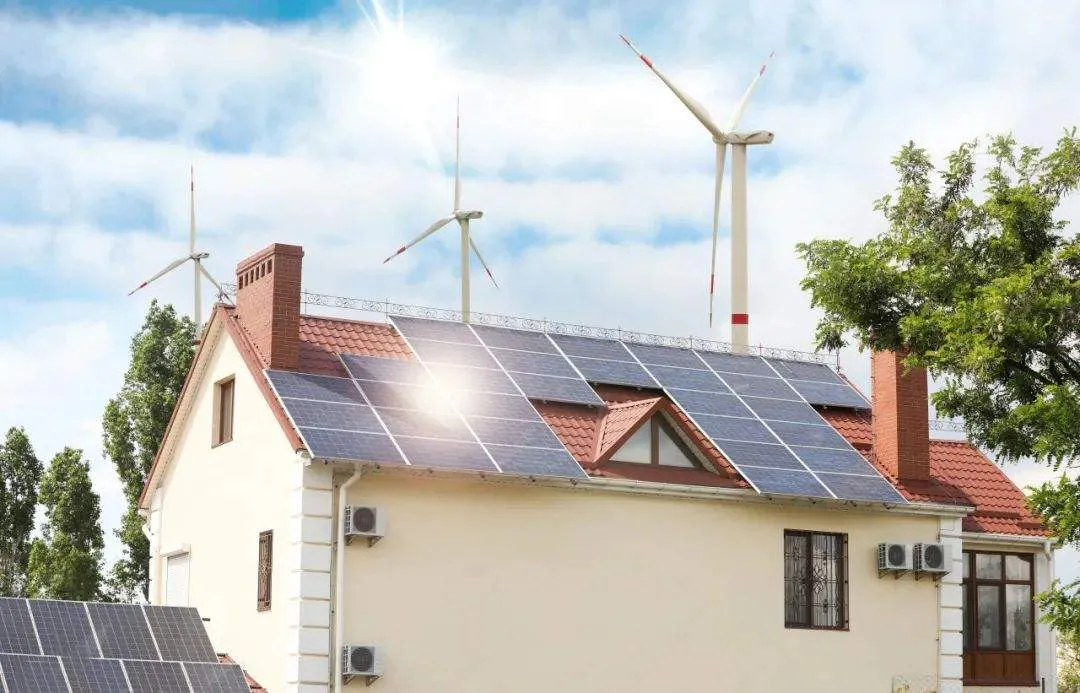
ุชุฎุฒูŠู† ุงู„ุทุงู‚ุฉ ููŠ ุงู„ู…ู†ุฒู„

Stores solar/grid power for household use, prioritizing safety and stable long-term charge/discharge cycles.
Electric-Forklift-Power
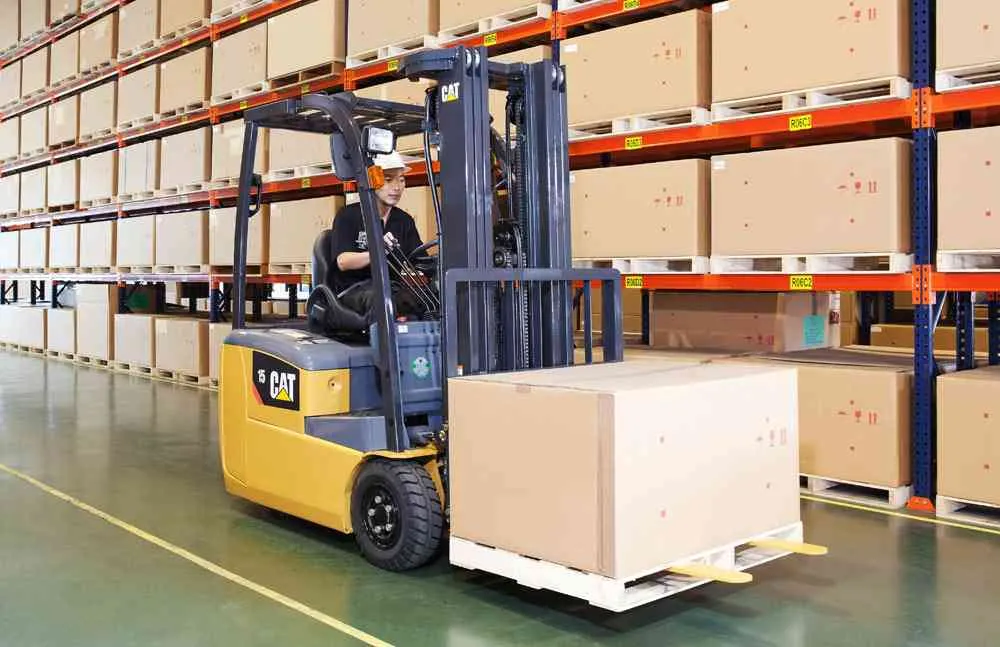
Electric Forklift Power

Replaces lead-acid batteries for longer runtime and rapid charging in warehouse logistics.

Electric-Vehicles-scaled_
Electric Vehicle Power

High-density battery cells provide longer range and ultra-fast charging to optimize EV efficiency and quickly replenish power.
FREE DESIGN

Customized exclusive battery plans! Professional engineers plan battery programs one-on-one.

Maximize Drone Effect with Our Tailored Battery Solutions

EES-Propose-Requests
Propose Requests
Customized-Solution
Customized Solutions
End-to-End-Controlled-Production-Testing
End-to-End Controlled Production & Testing
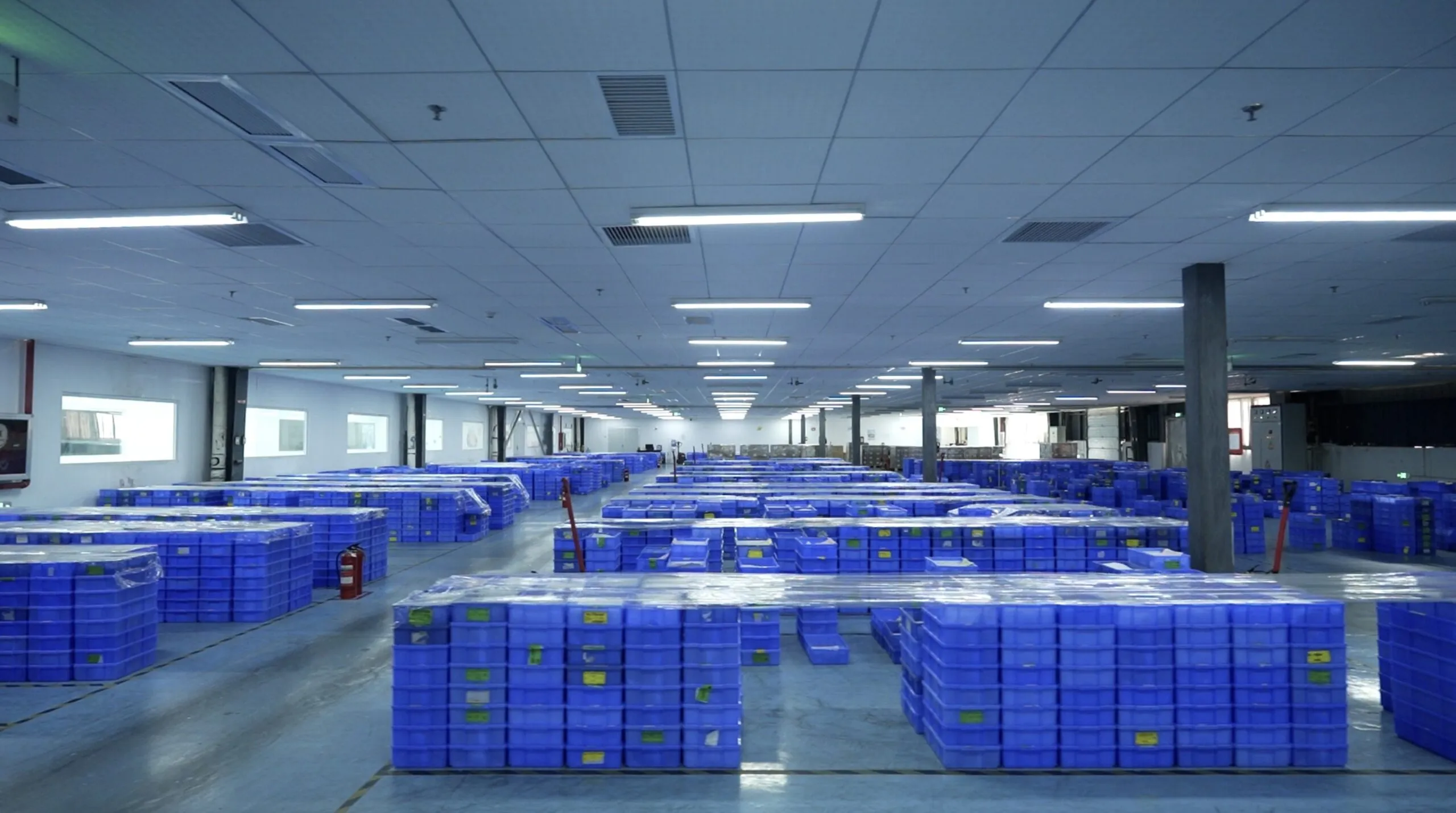
Warehouse-and-shipped-out
Warehouse and shipped out

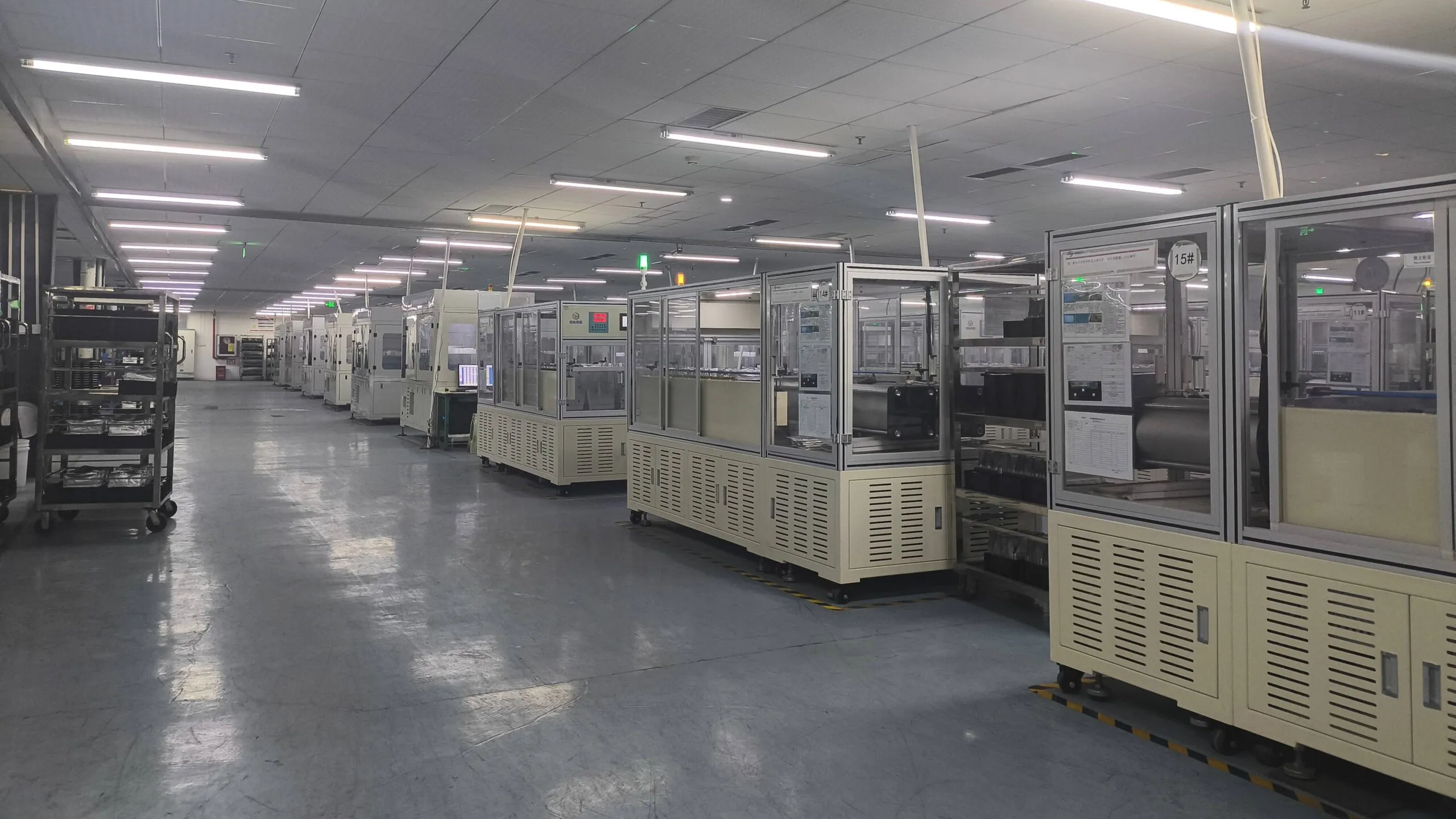
Explore Herewin Factory: The Source of Quality

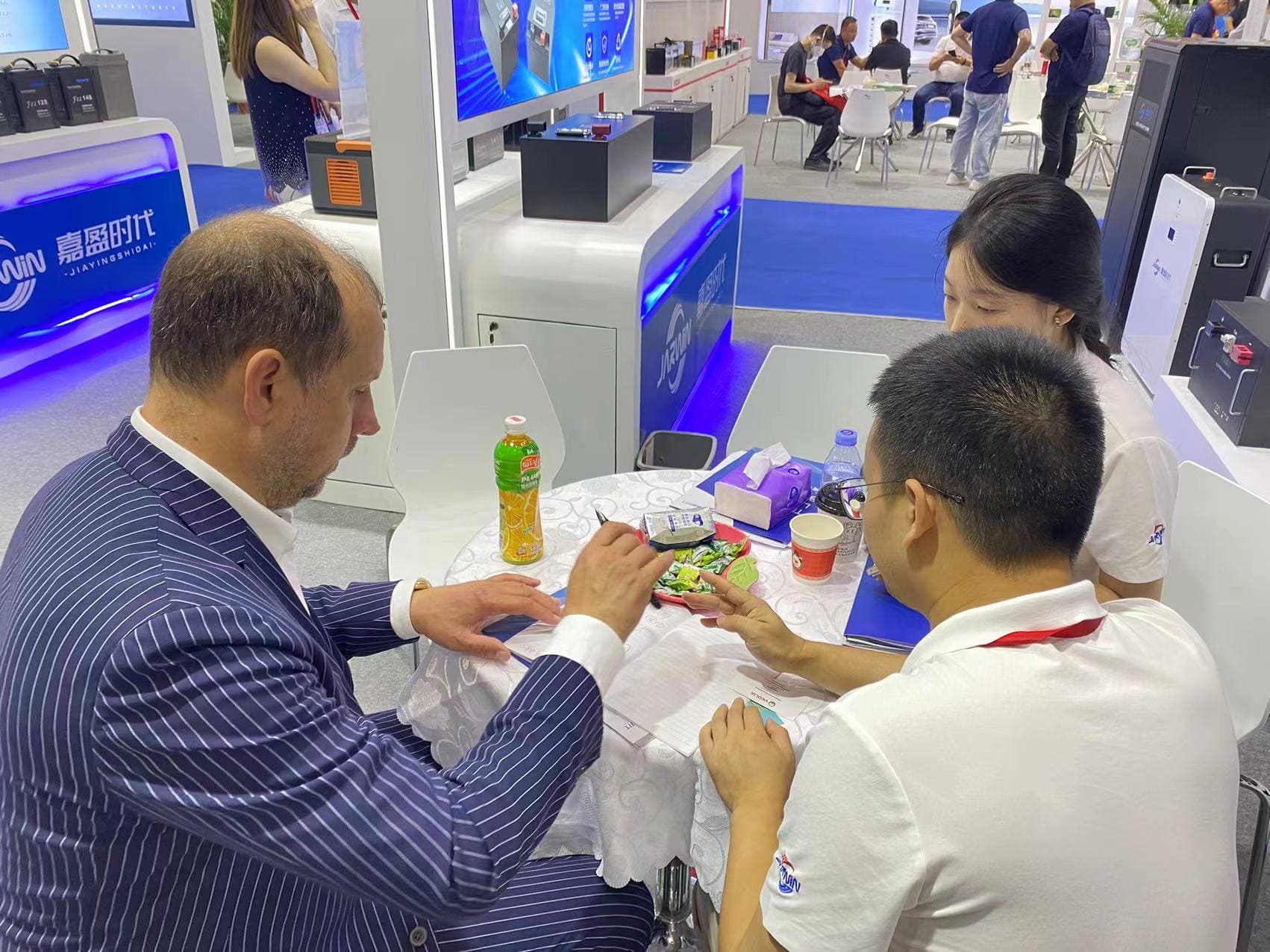
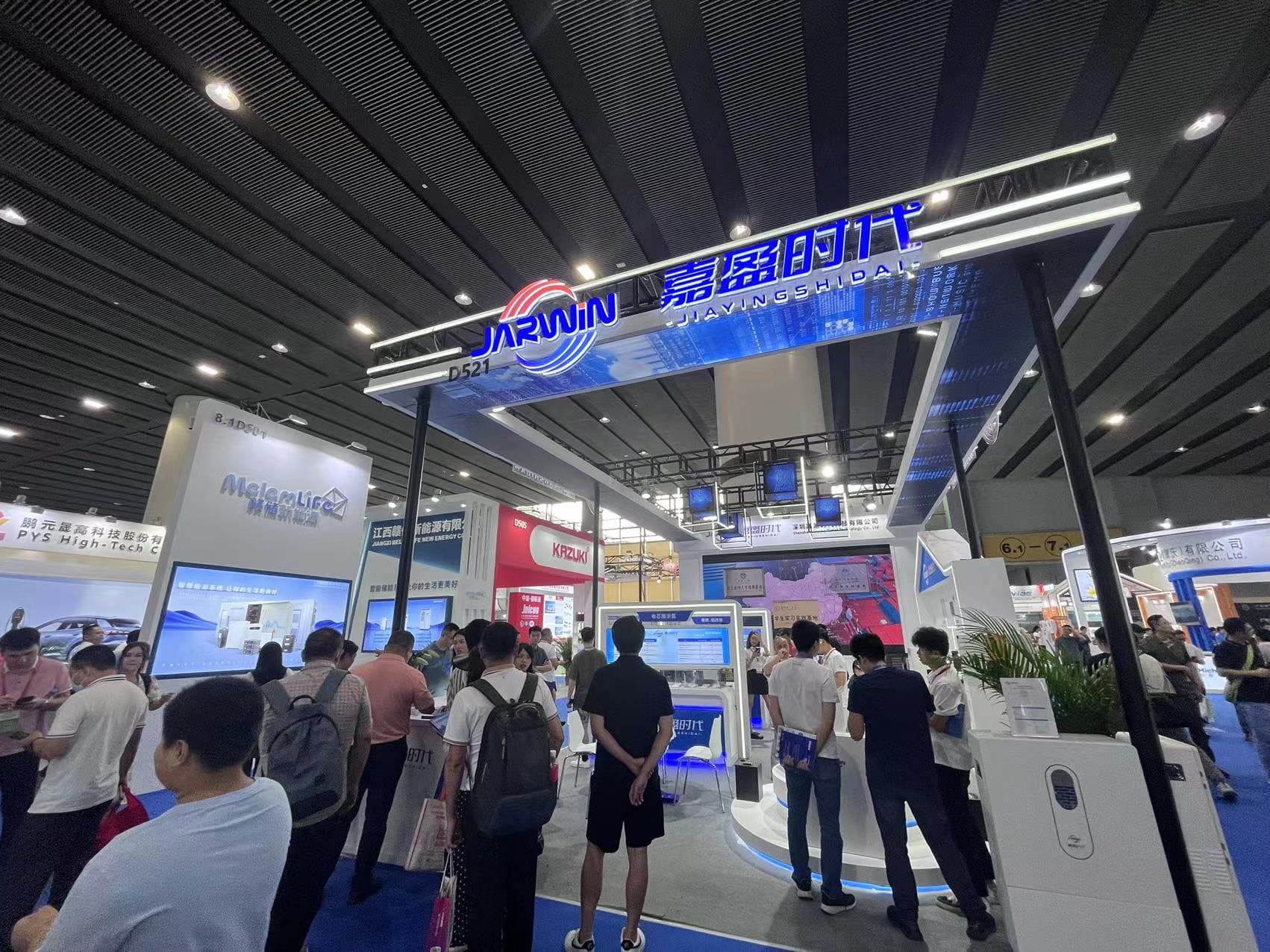
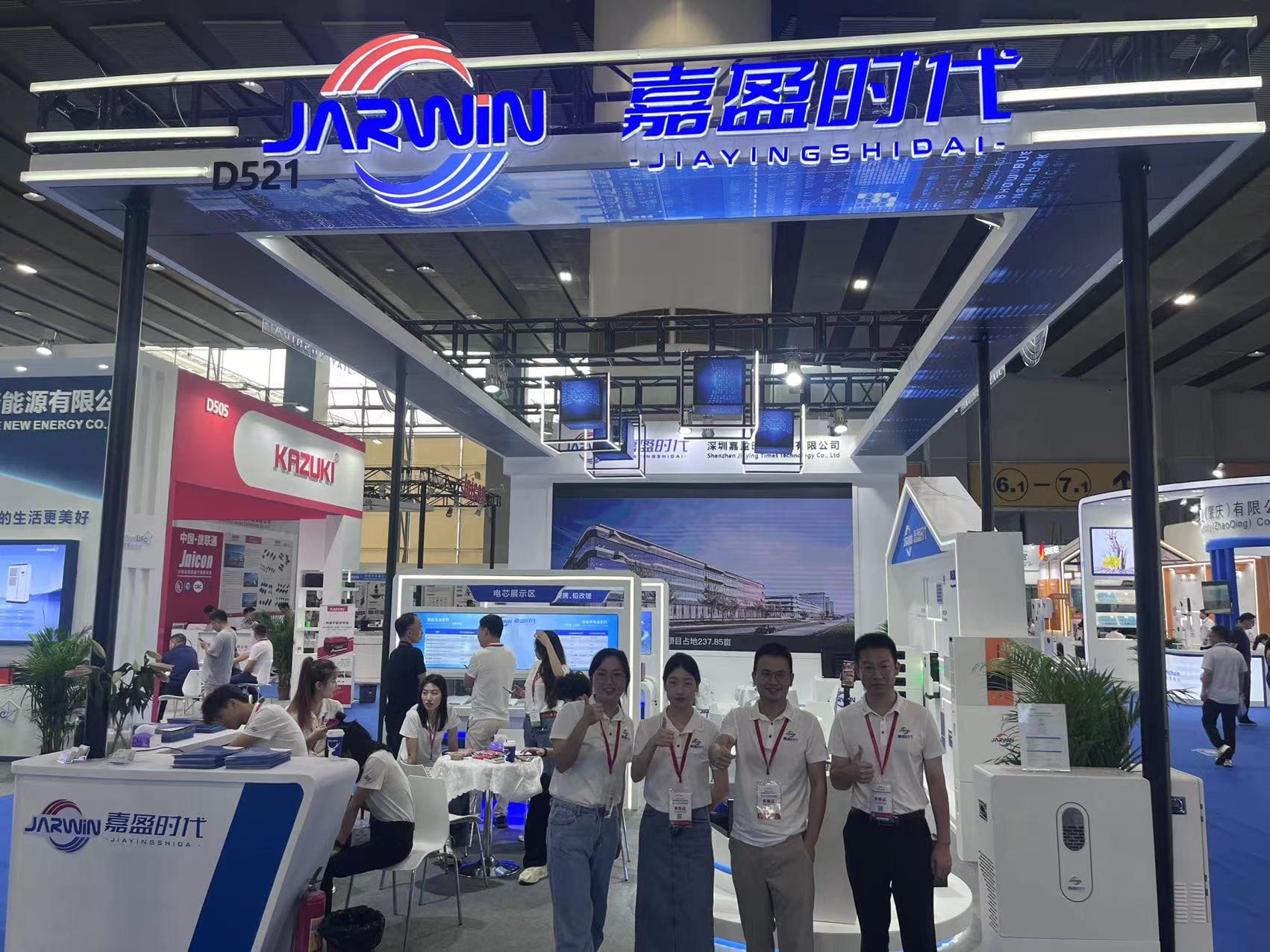
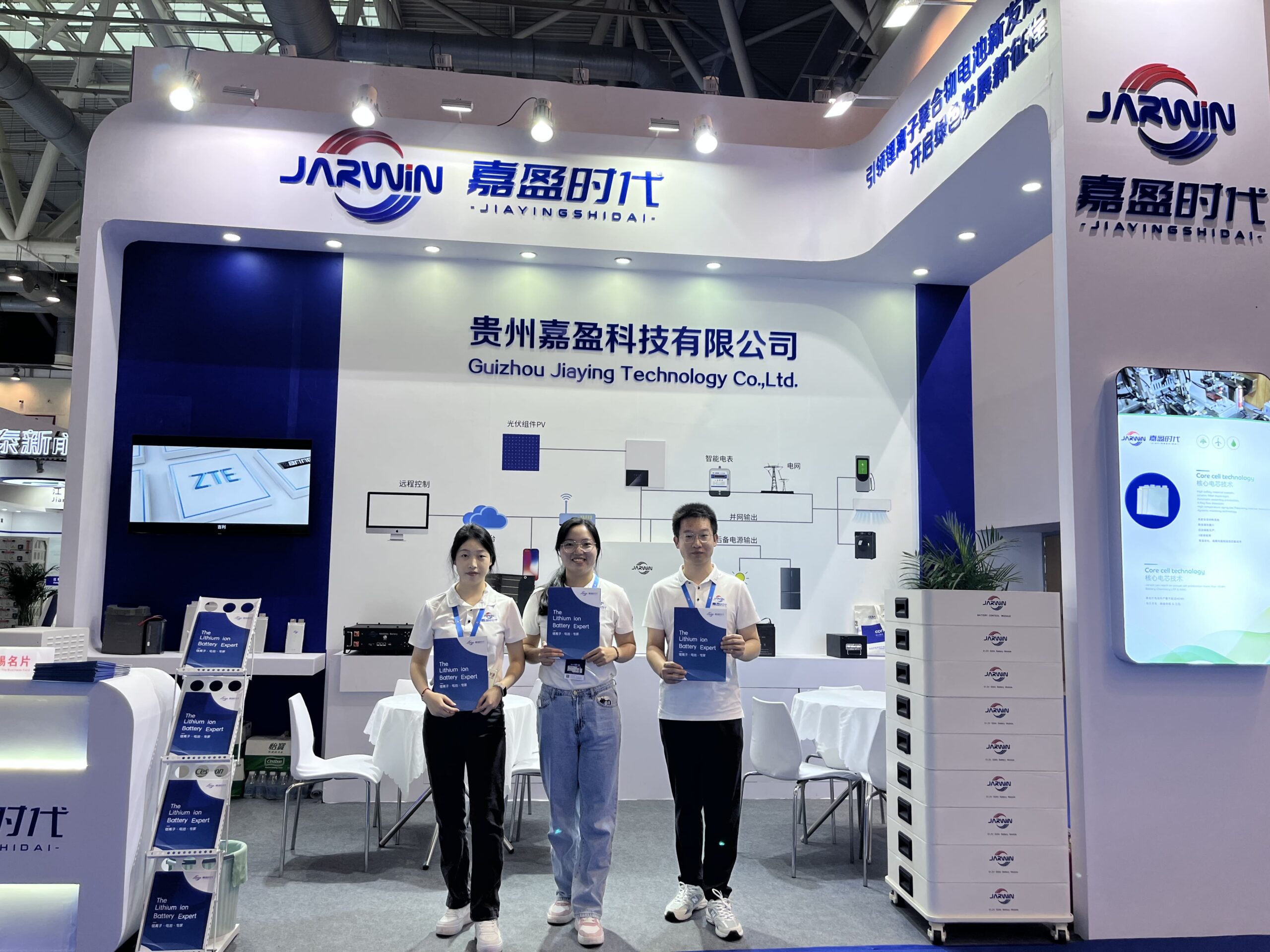
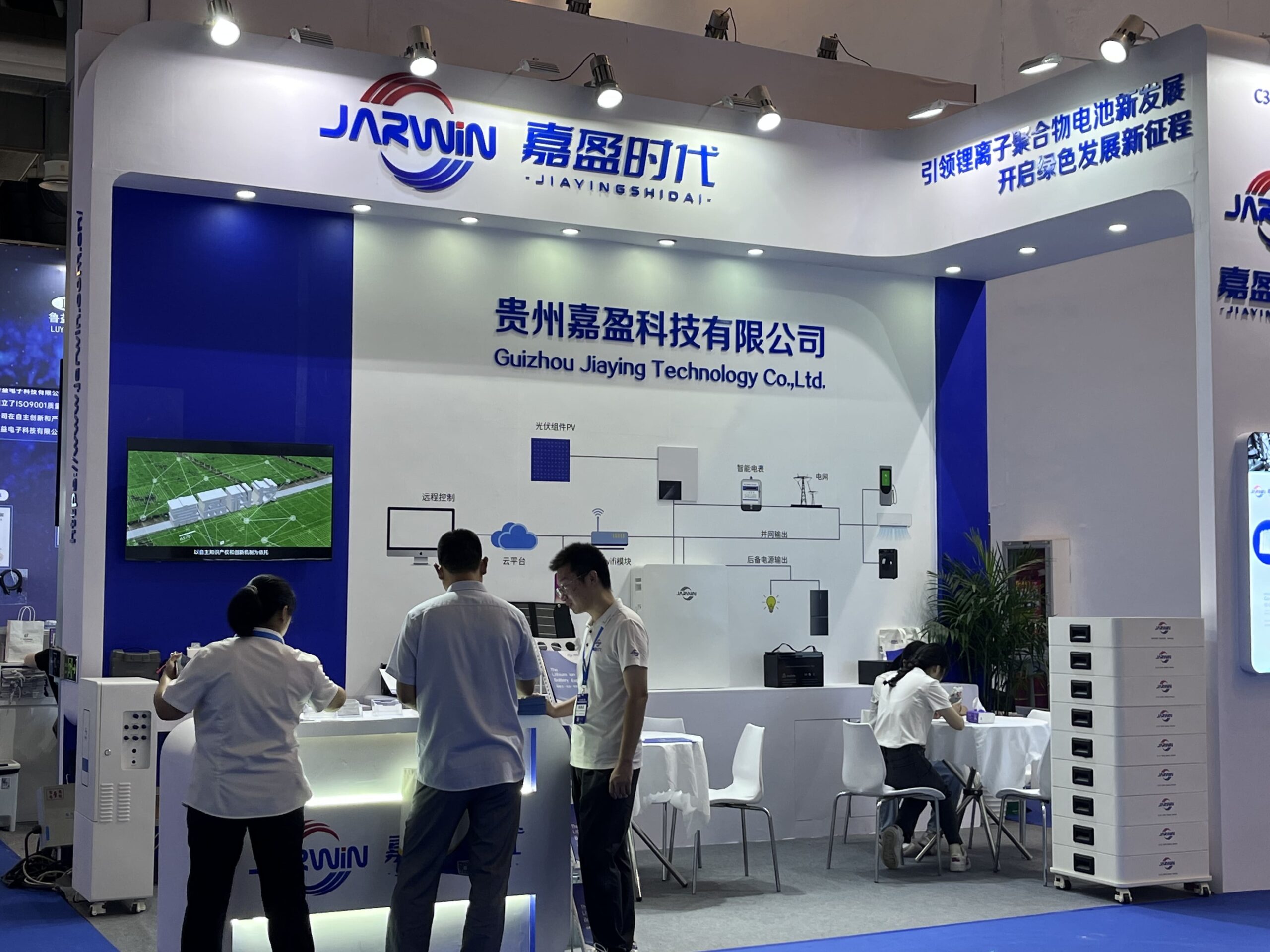
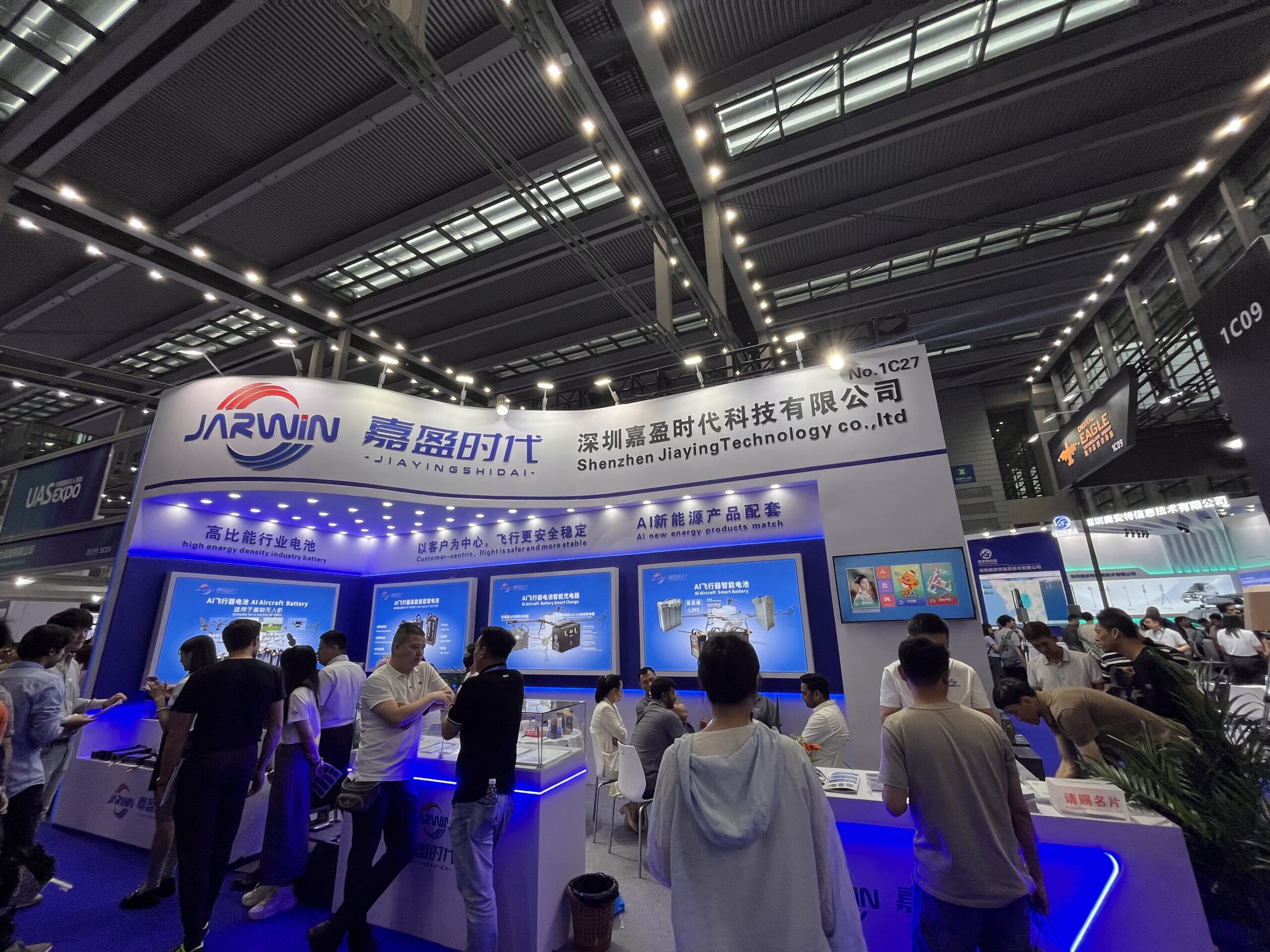
Founded in 2019, Shenzhen Jarwin Time Technology Co., Ltd. is backed by a founding and operational team with over 20 years of extensive experience in the battery industry. It specializes in developing and producing high-performance lithium-ion polymer batteries.
Gain a comprehensive insight into who we are and what we stand for. By exploring the meticulous precision of our
production lines, the efficient management of our factories, and the genuine feedback from our satisfied customers,
youโ€™ll see how we ensure excellence at every step of the process

Different Services For Clients With Different Patterns

FOR OFFLINE CLIENTS

Flexible Delivery Time

Reliable delivery schedules and warehousing support.

High Cost-Effectiveness

Competitive pricing to maximize overall value.

Wide Product Selection

Diverse options to cater to all market segments.

FOR ONLINE CLIENTS

Low MOQ

Flexible MOQ with mixed product options.

Custom Logo

Personalized logo customization for small batches.

One-Stop Marketing Package

Provide quality images, videos to enhance sales revenue.

FOR BRAND CLIENTS

Exclusive Regional Rights

Provide all of herewin's resources and capabilities

R&D Resources

Custom sample within 7 days with R&D capabilities.

Fast Delivery

Efficient production and ship within 25 days at the fastest.

Production Flow of Battery Cells

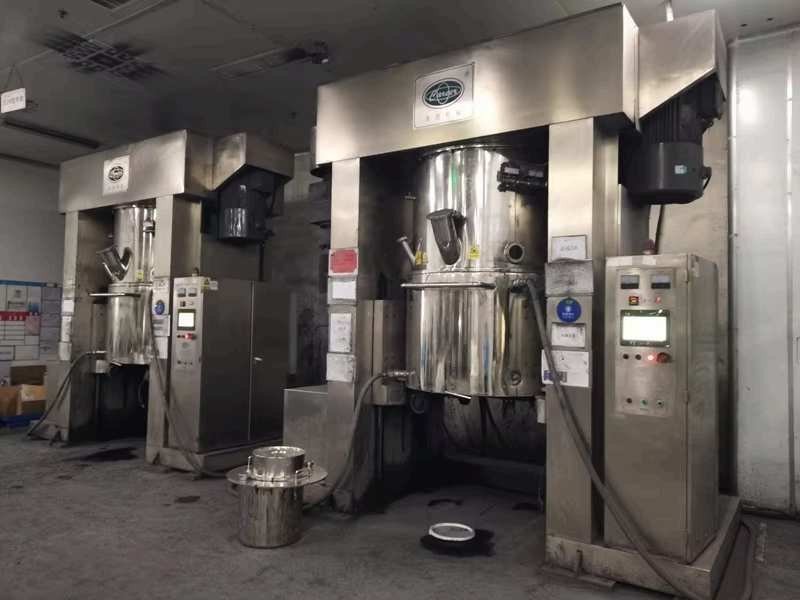
Mixingโ€‹
Step 1 :Mixingโ€‹

Blends active materials, binders, and solvents into a uniform slurry to ensure consistent electrochemical performance.
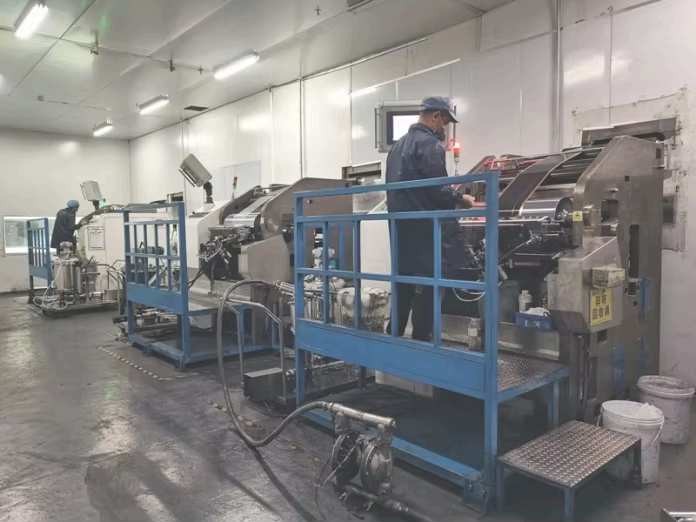
Coating
Step 2 :Coating

Spreads the slurry onto metal foils (anode/cathode) with precise thickness control for optimal energy density.
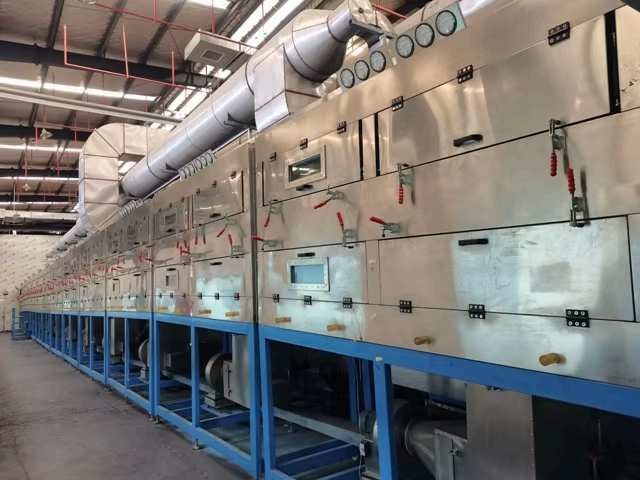
Drying
Step 3 :Drying

Removes solvents from coated electrodes to stabilize material adhesion and prevent cracking.
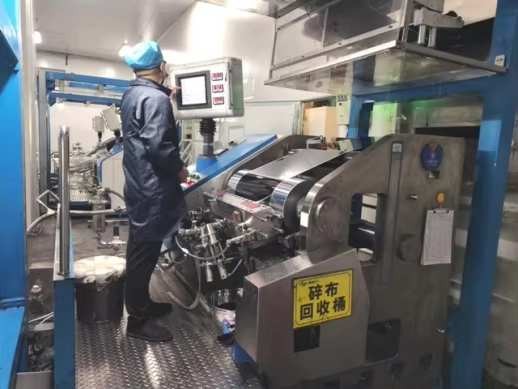
Coating&Winding
Step 4 :Coating & Winding

Combines anode/cathode layers with separators and winds them into a compact jellyroll structure.
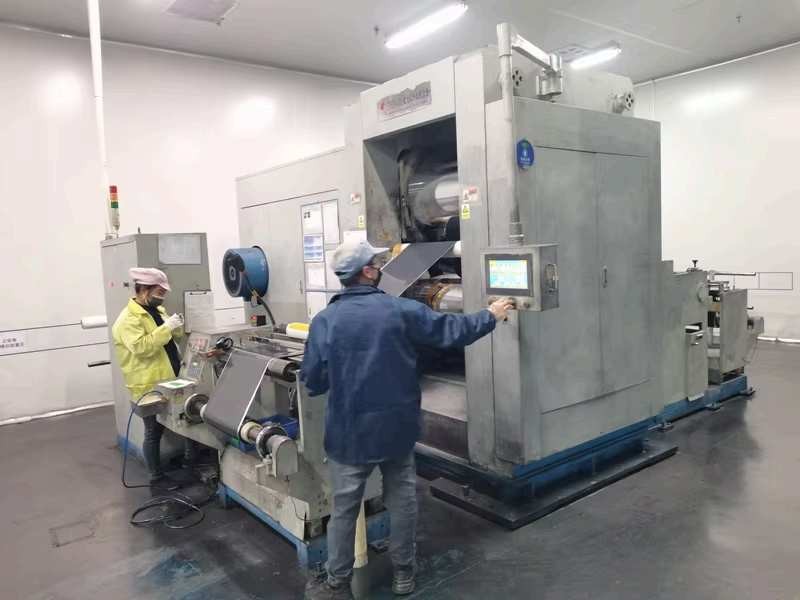
Pressuring Film
Step 5 :Pressuring Film

Compresses electrodes to enhance density and conductivity while maintaining porosity for ion flow.
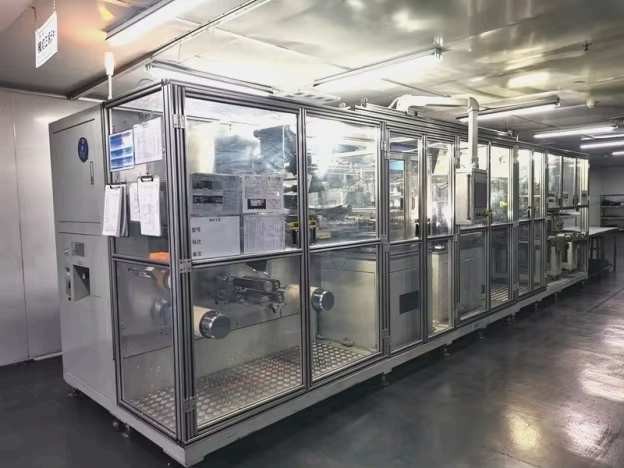
Making Filmโ€‹
Step 6 :Making Filmโ€‹

Trims electrodes into precise dimensions to fit battery cell specifications.
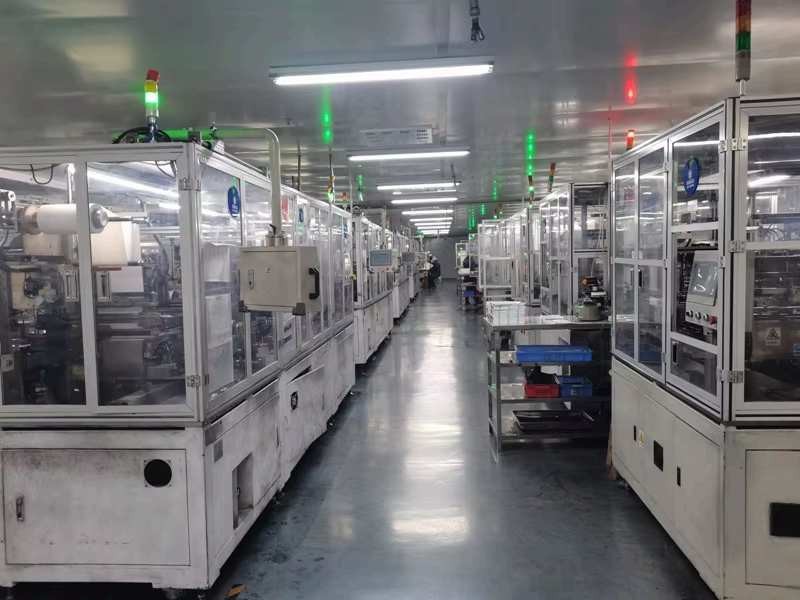
Stacking
Step 7 :Stacking

Aligns anode/separator/cathode layers in a Z-fold pattern to maximize space efficiency.
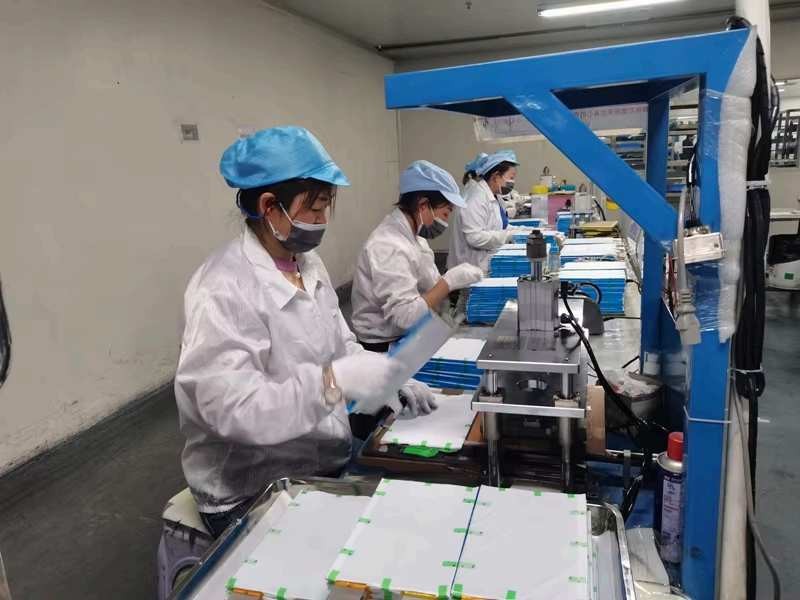
Welding
Step 8 :Welding

Joins electrode tabs using laser welding to minimize resistance and ensure current stability.
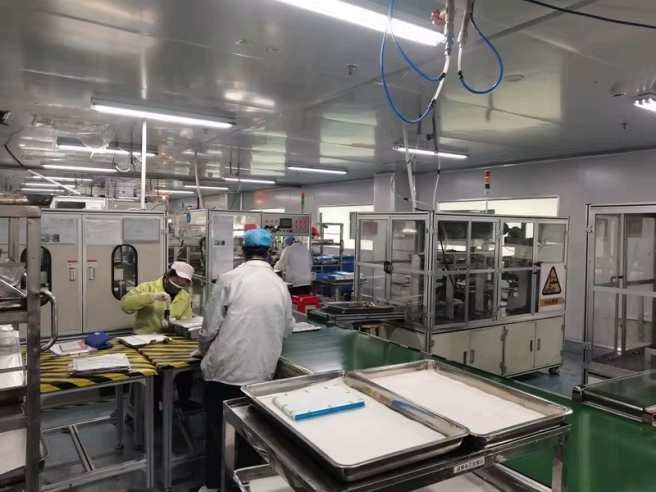
Encapsulationโ€‹
Step 9 :Encapsulationโ€‹

Seals cells in aluminum-plastic film to protect against moisture, dust, and mechanical stress.

Baking
Step 10 :Baking

Removes residual moisture from cells under vacuum to prevent electrolyte degradation.
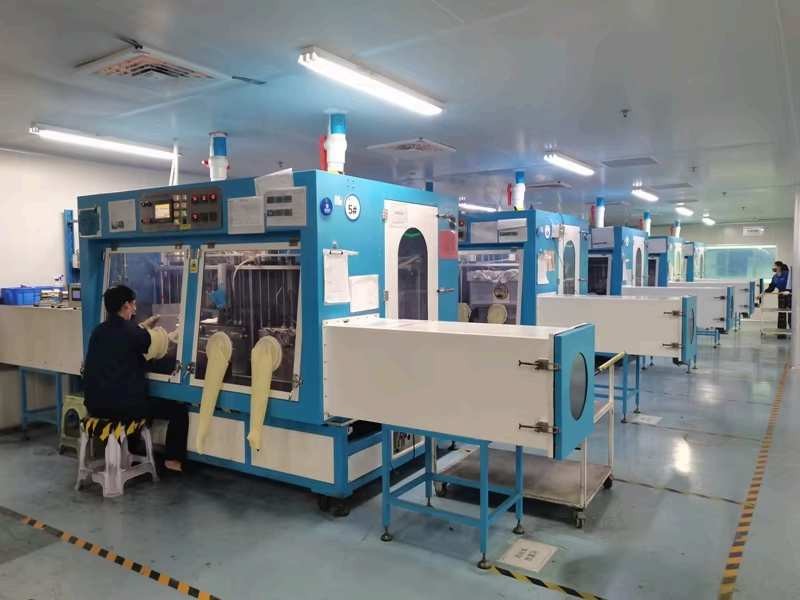
Injection
Step 11 :Injection

Fills electrolyte into cells to enable ion transport between electrodes.
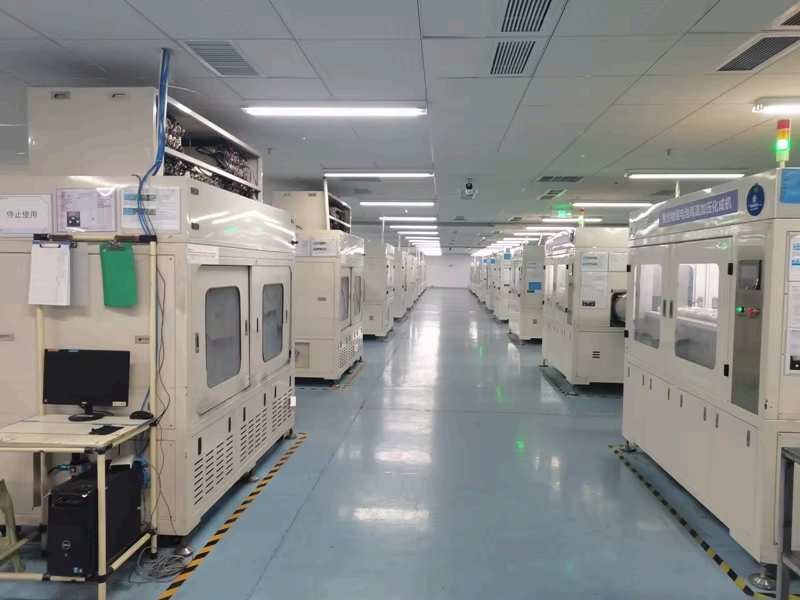
Charging
Step 12 :Charging

Activates cells with initial charging to form a stable solid-electrolyte interface (SEI).
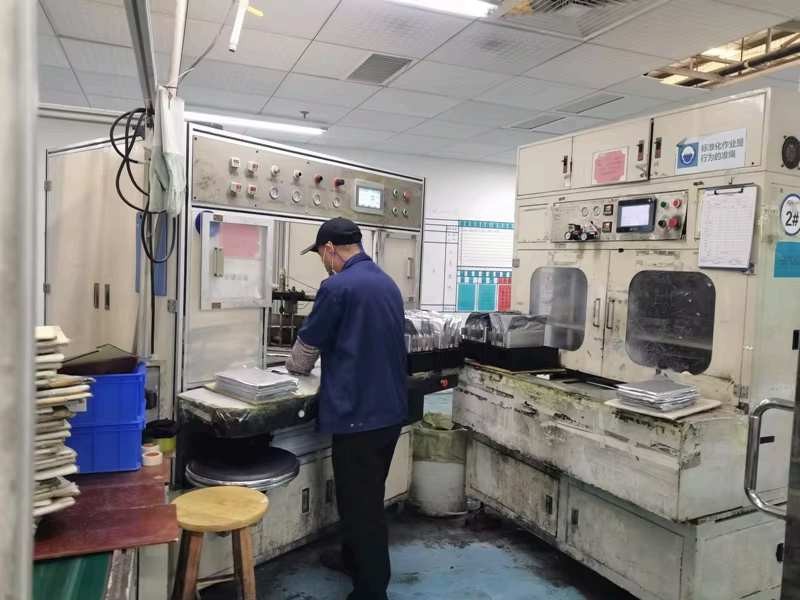
Extracting Airโ€‹
Step 13 :Extracting Airโ€‹

Evacuates gas from cells to eliminate air pockets and ensure full electrolyte penetration.
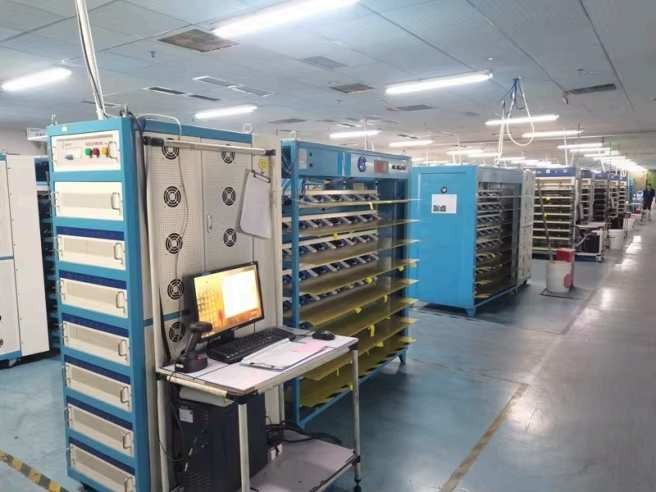
Charging and Dischargingโ€‹
Step 14 :Charging and Dischargingโ€‹

Cycles cells to stabilize performance and screen out defects before final assembly.
Testing
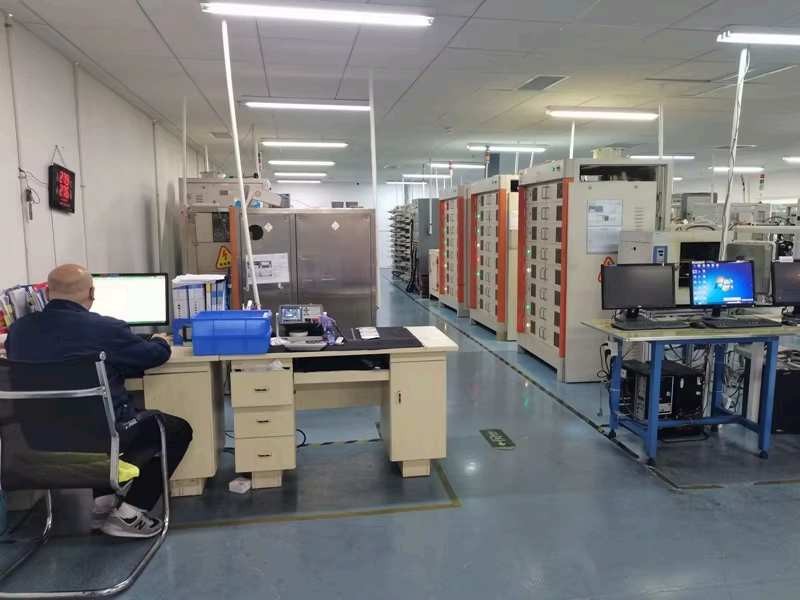
Step 15 :Testing

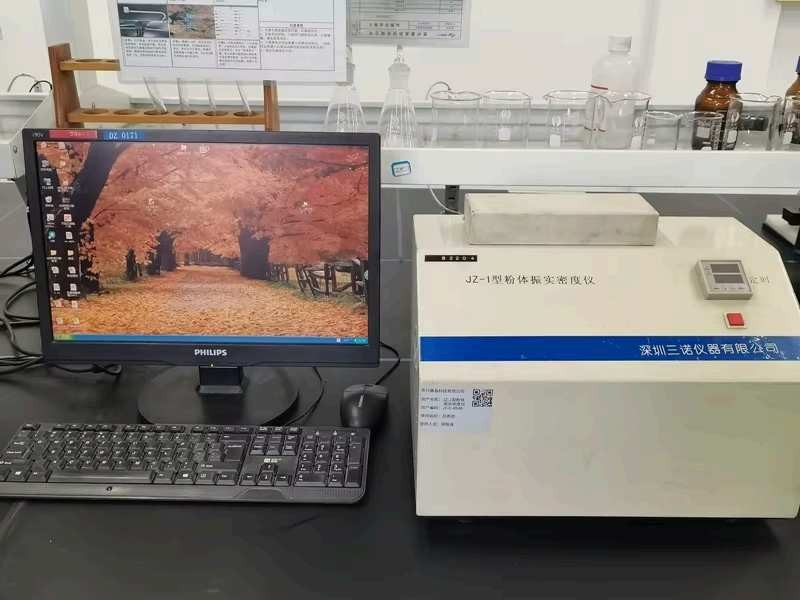
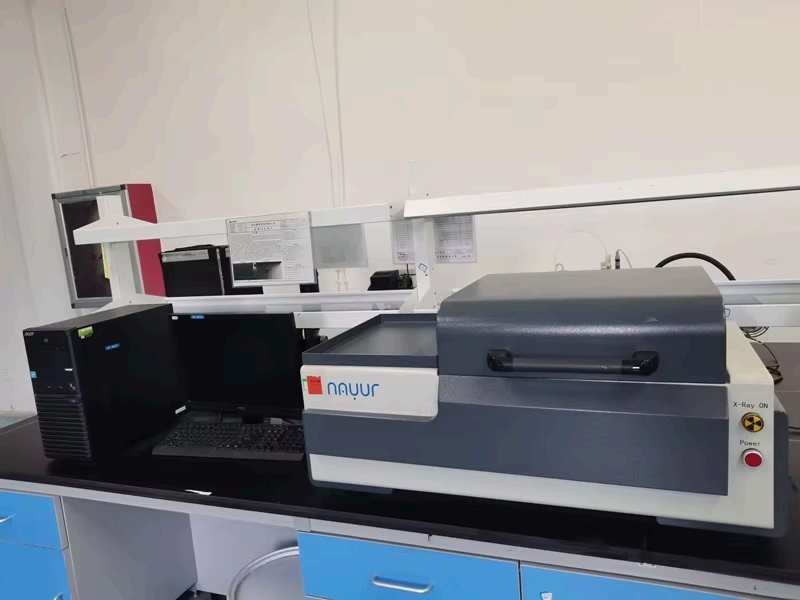
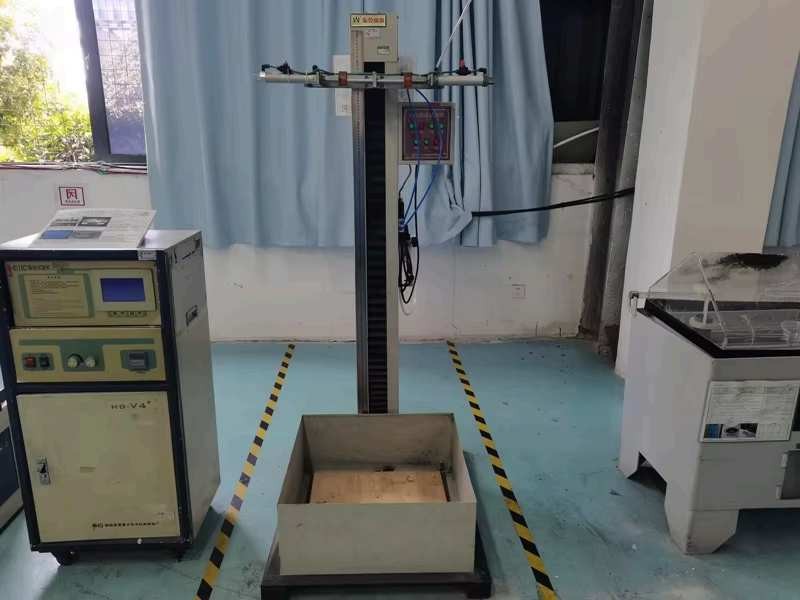
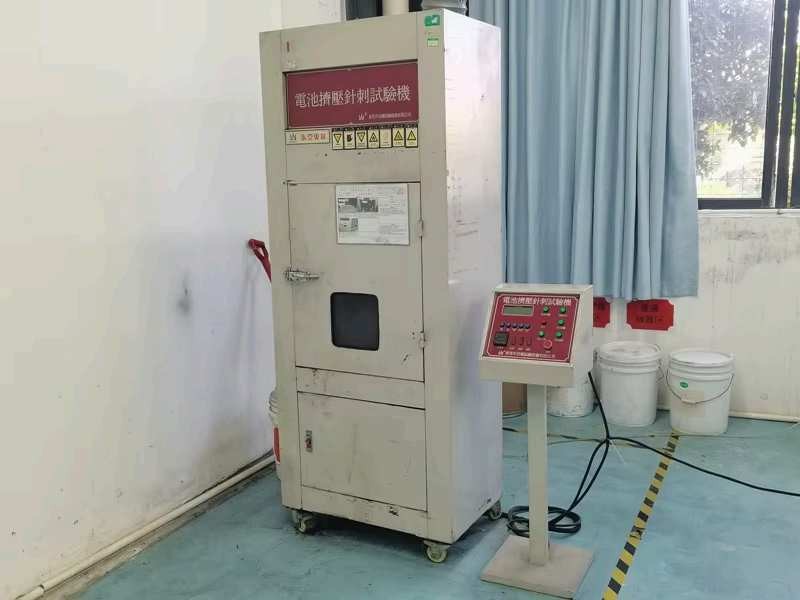
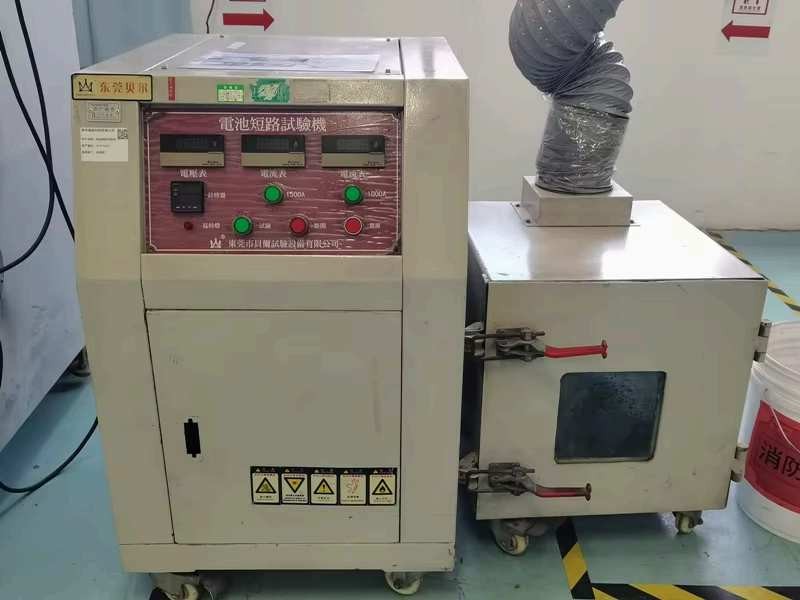
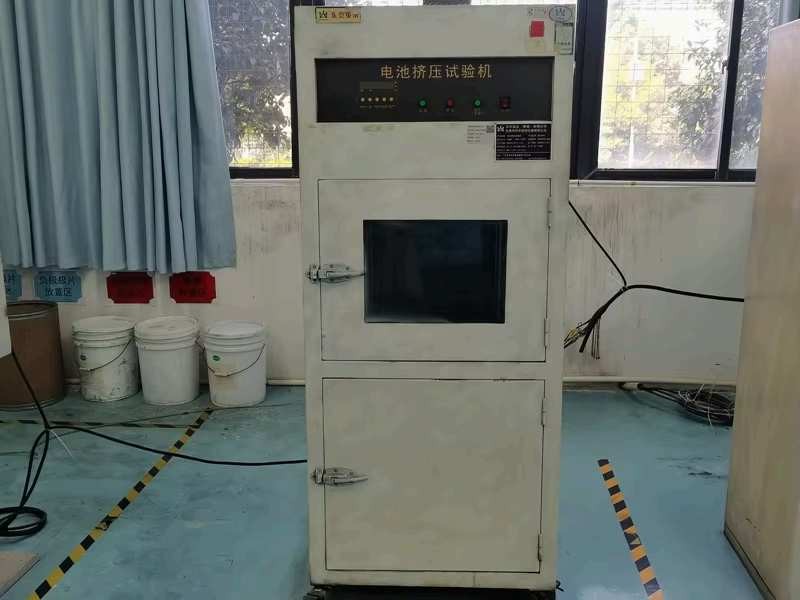
Validates capacity, impedance, and safety (e.g., overcharge, short-circuit) under strict protocols.
Assemblingโ€‹
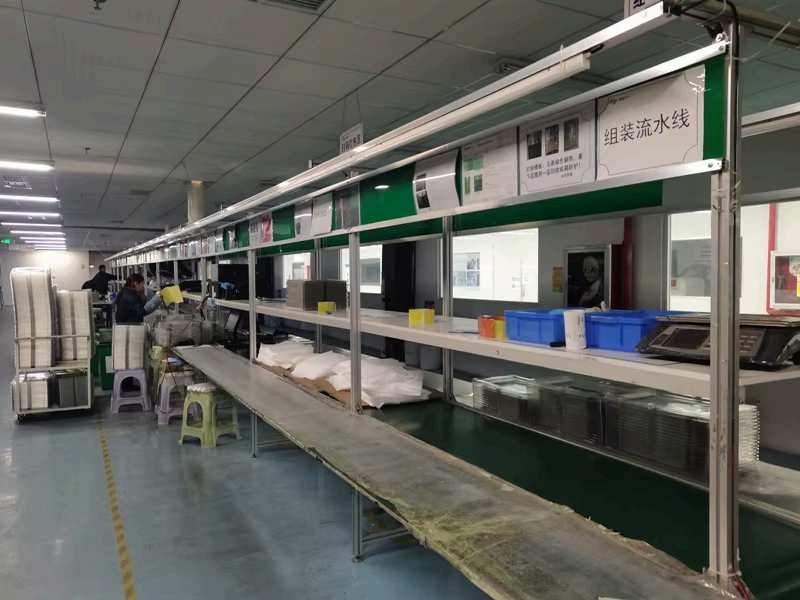
Step 16 :Assemblingโ€‹

Integrates cells into modules or packs with BMS, wiring, and thermal management systems.
LEARN MORE DETAIL

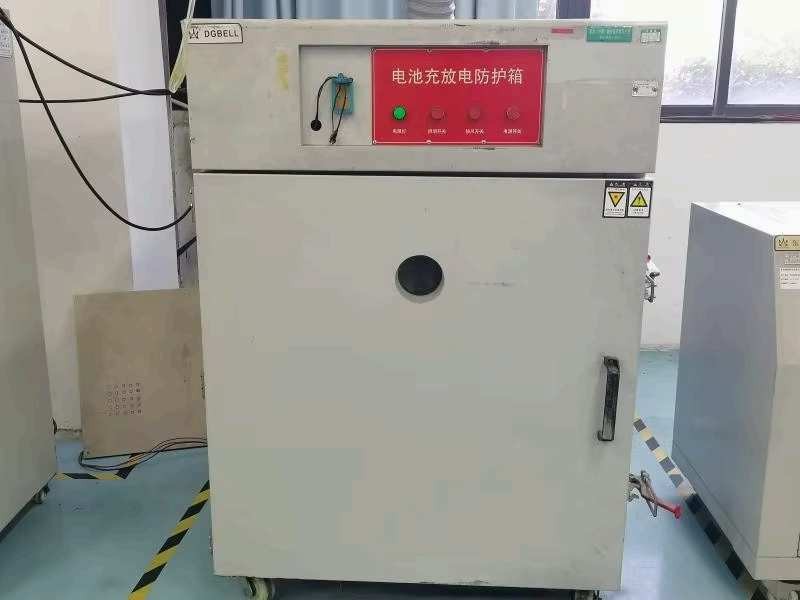
Learn more about production details and manufacturing process

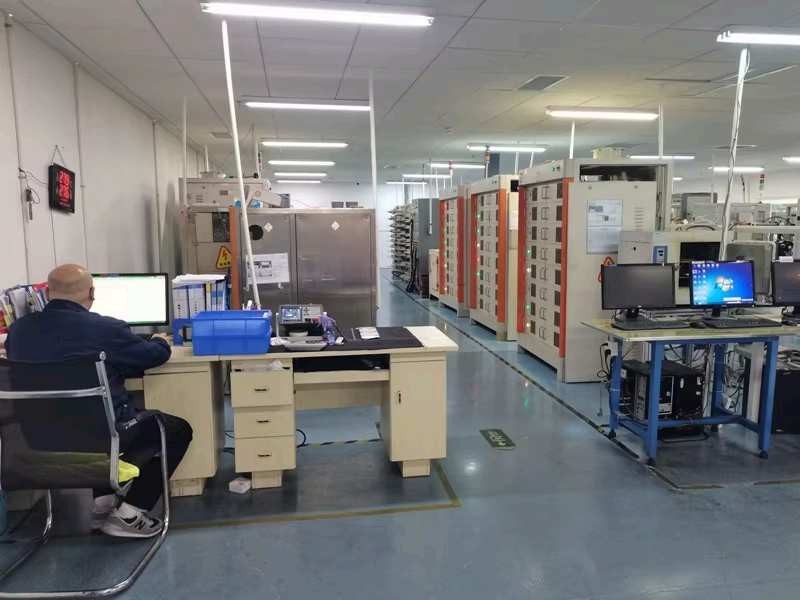
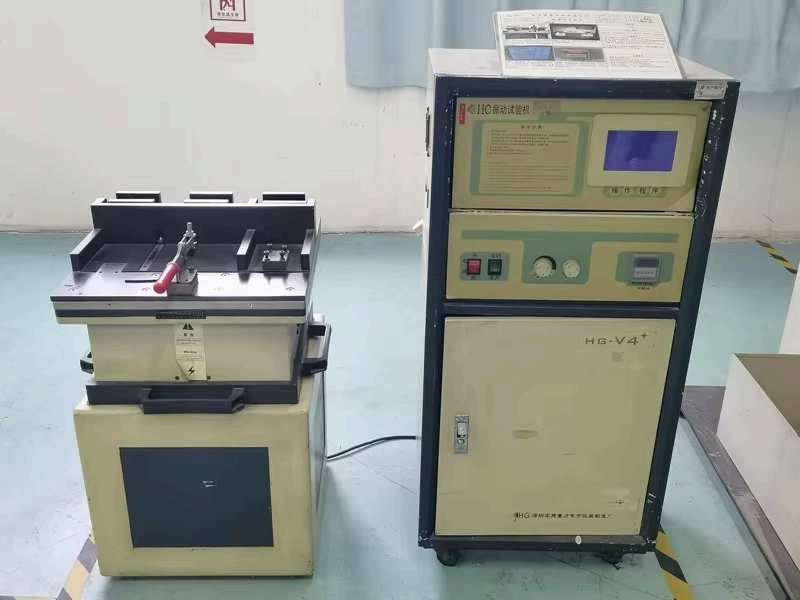
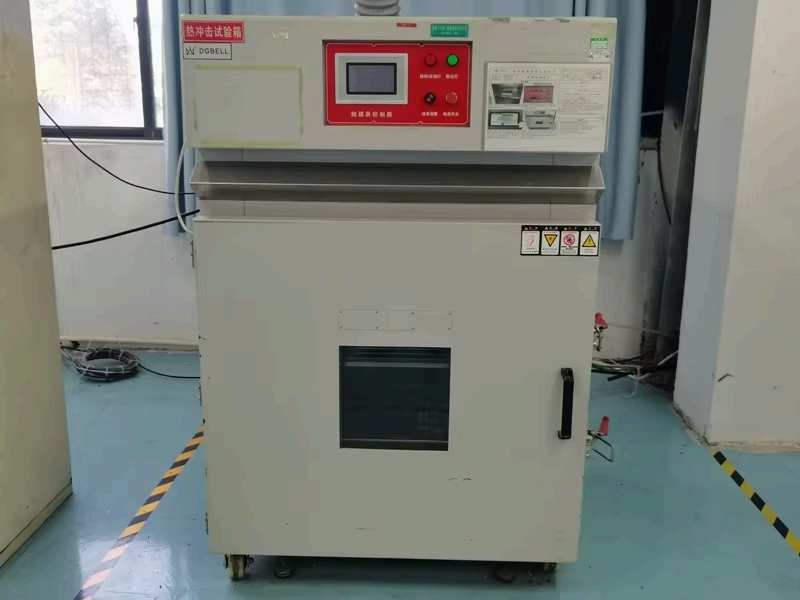
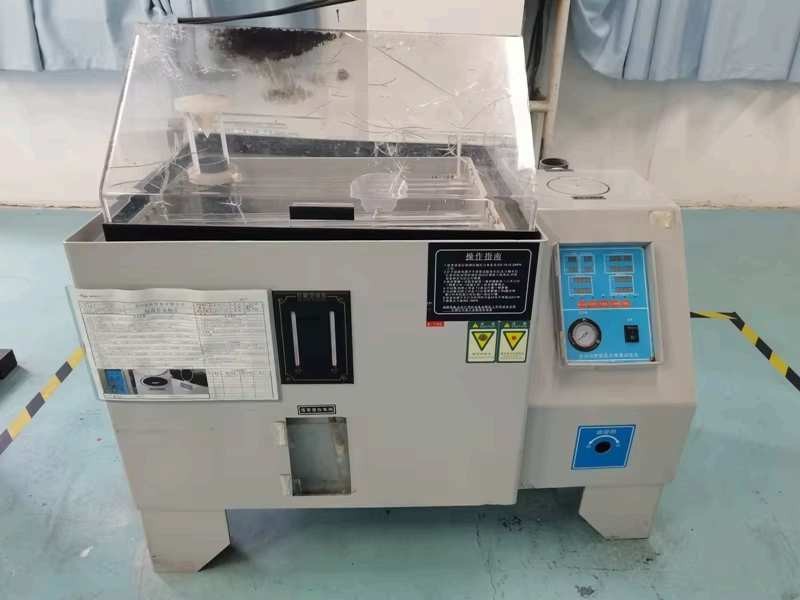
Testing Process

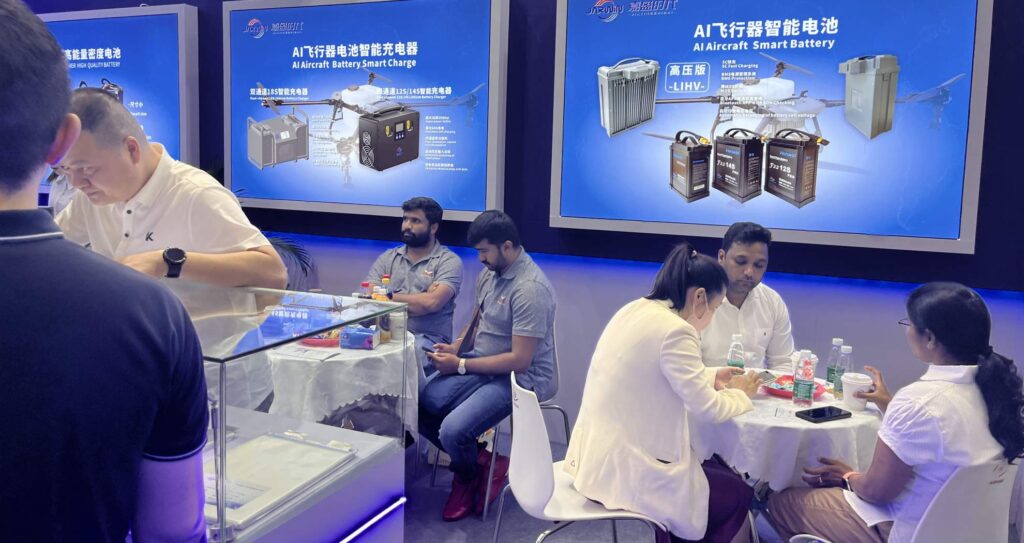
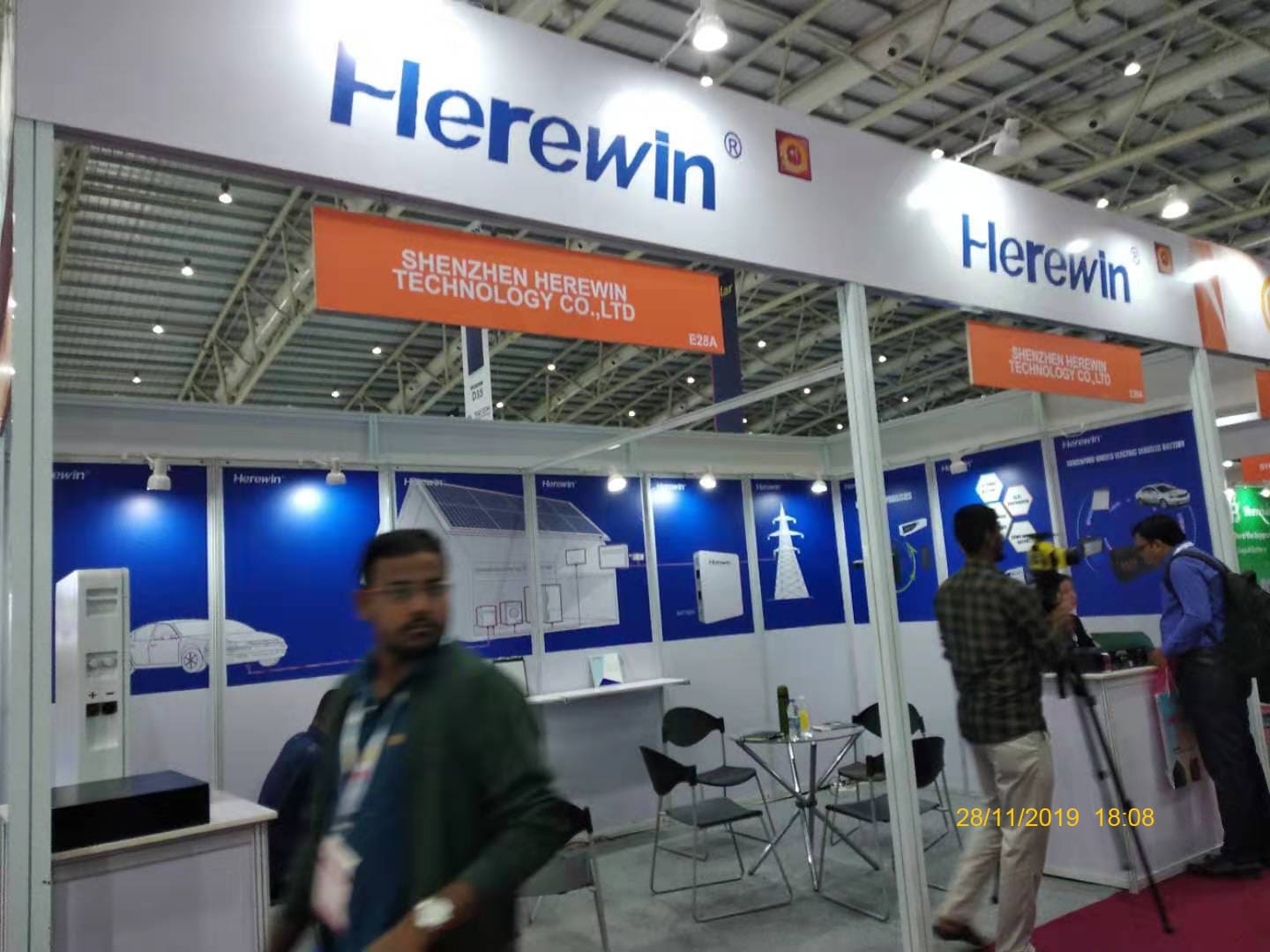
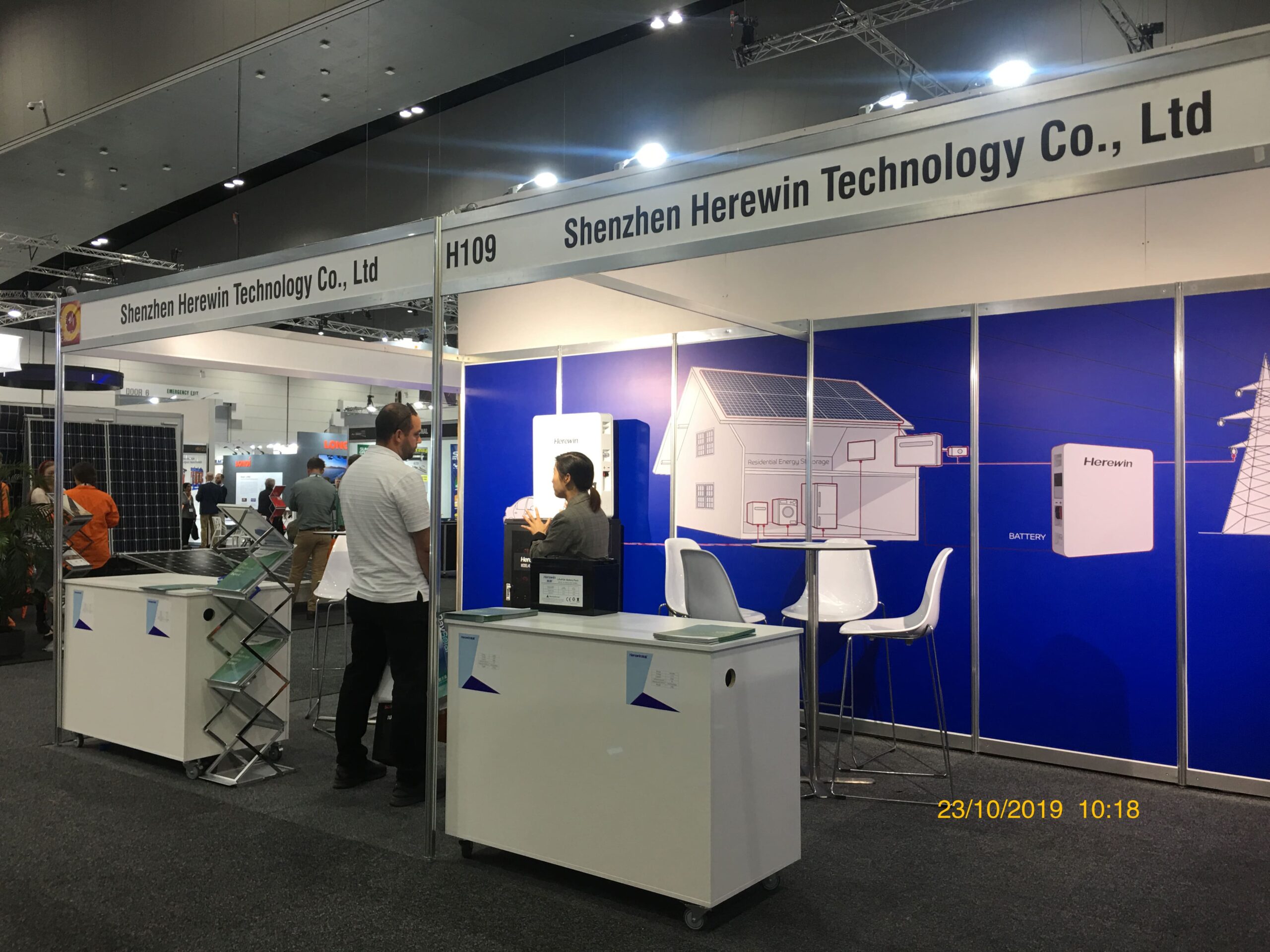
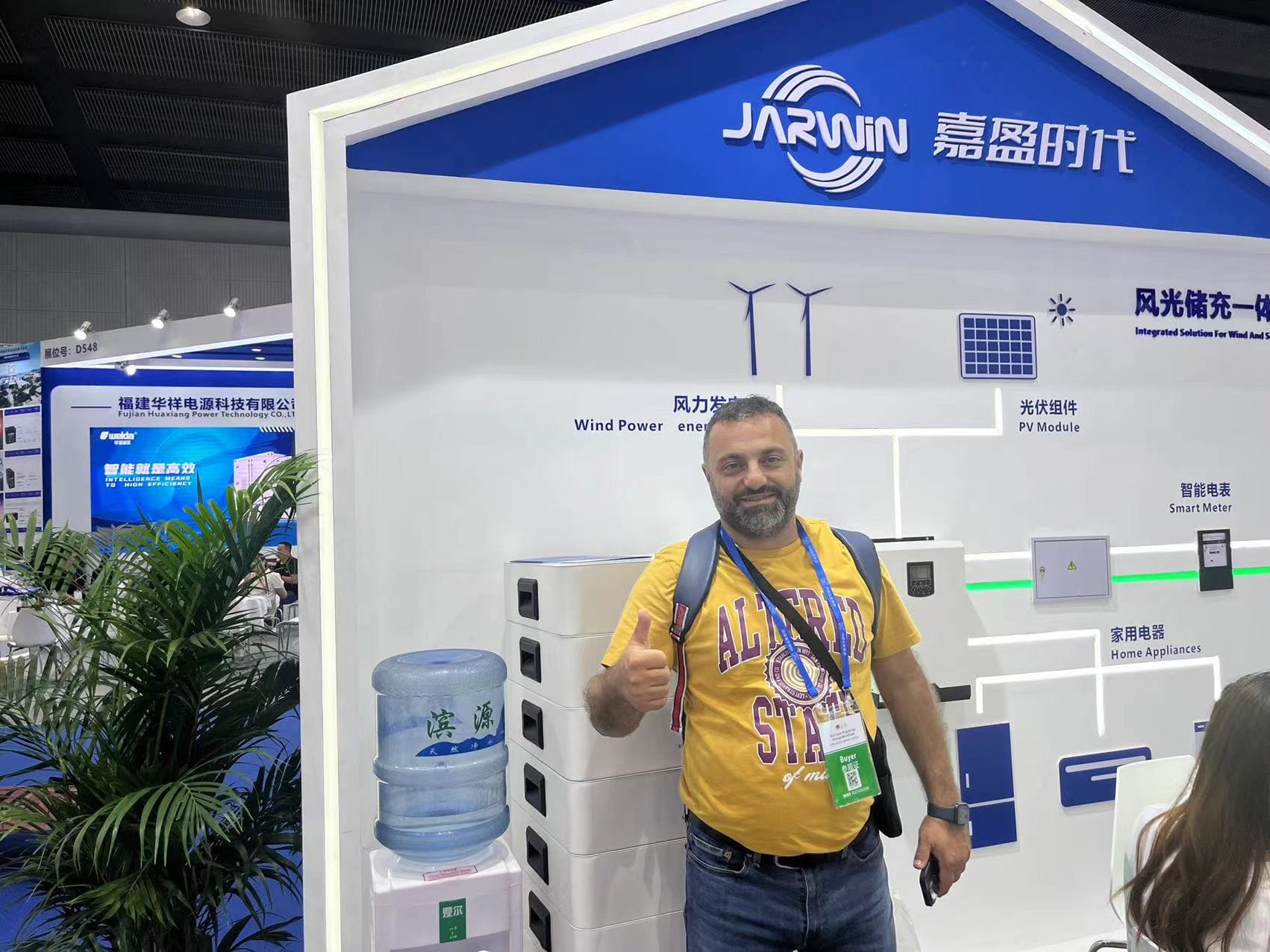
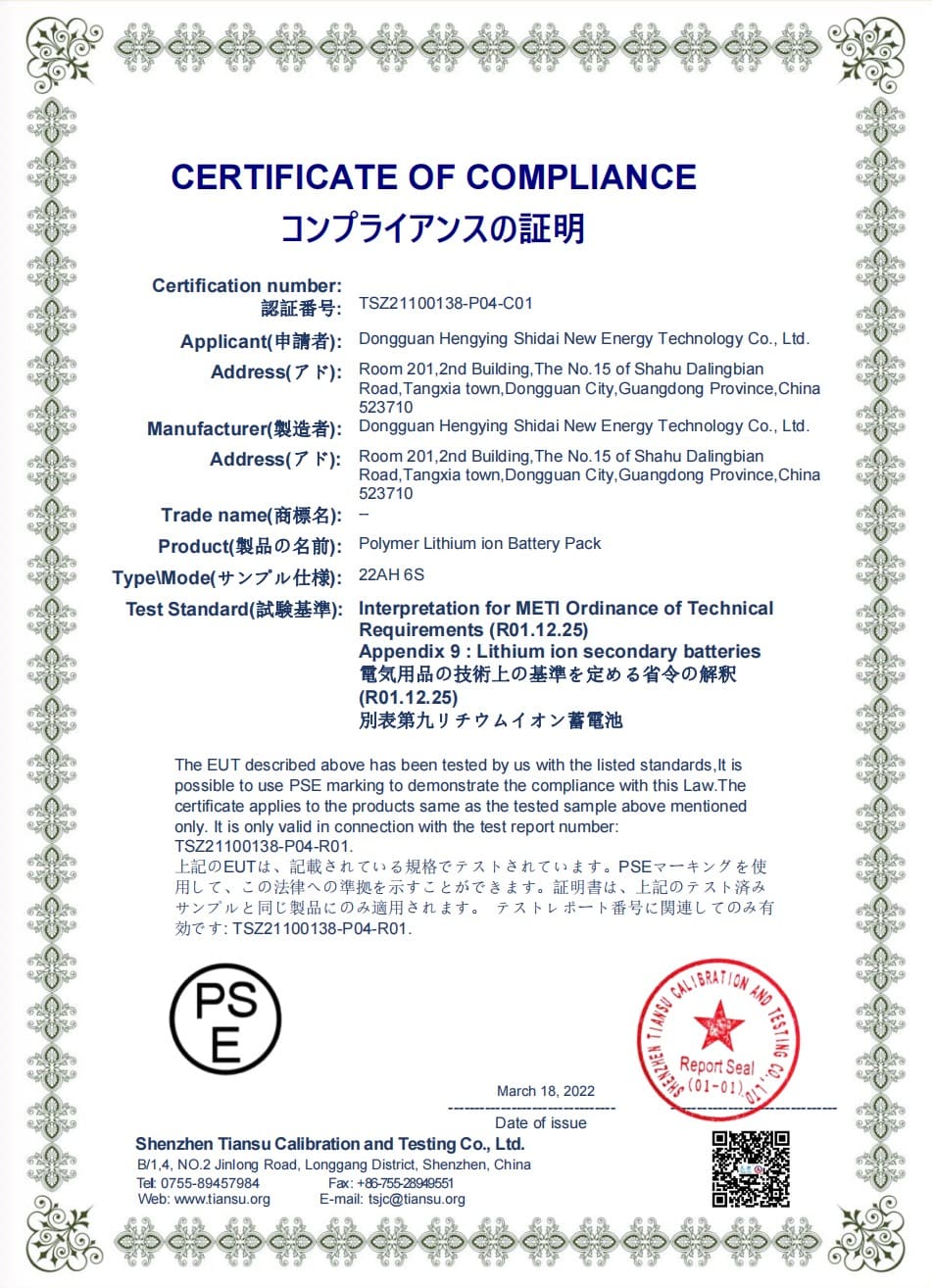
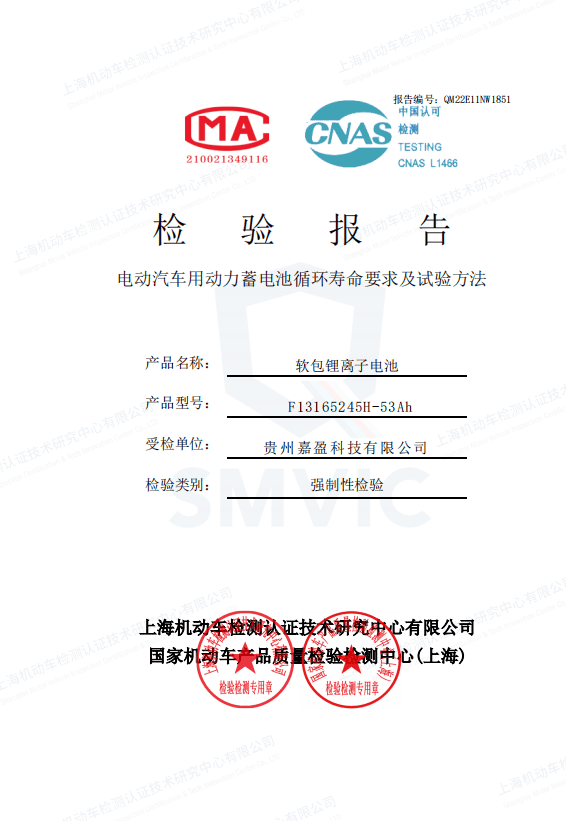
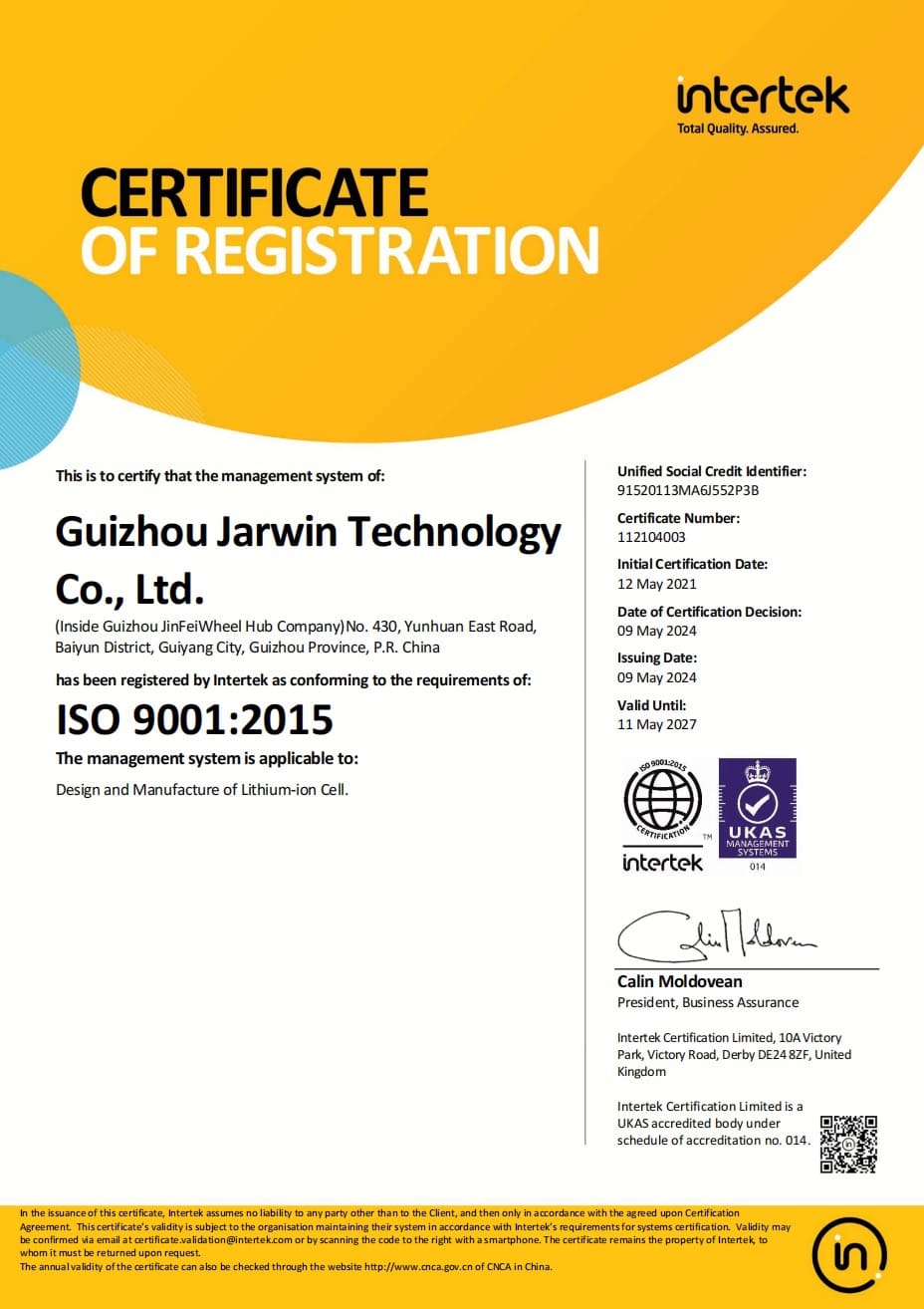
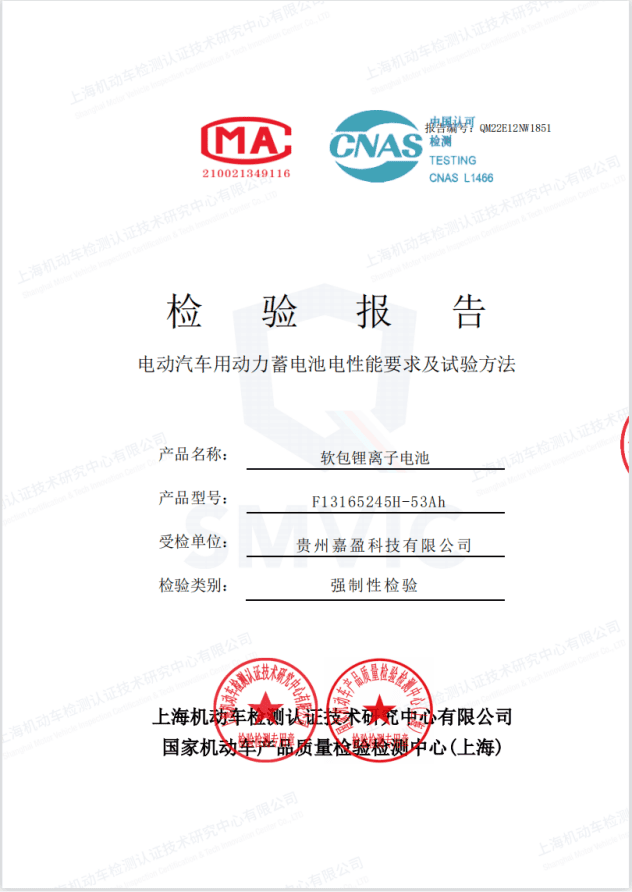
Fair&Certification

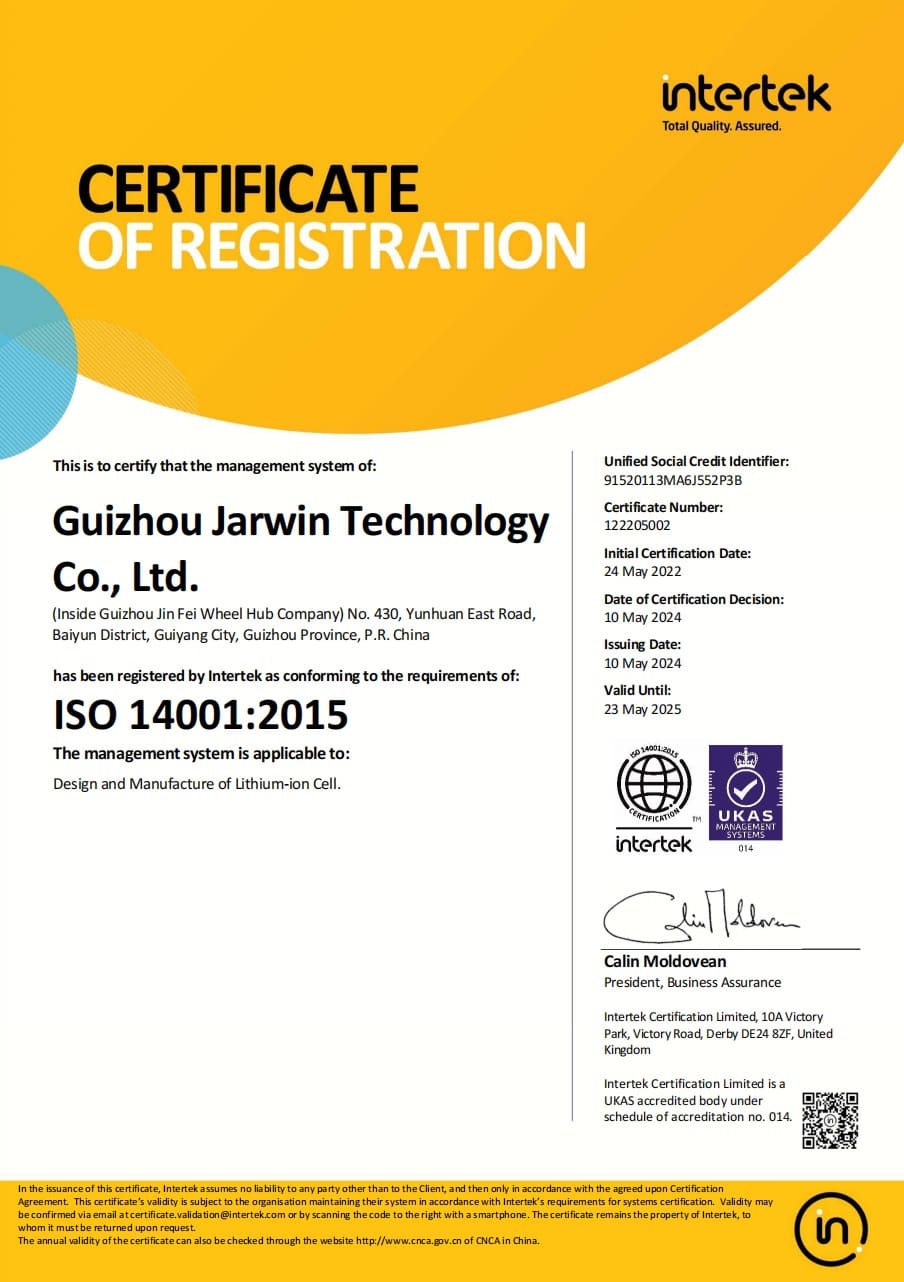
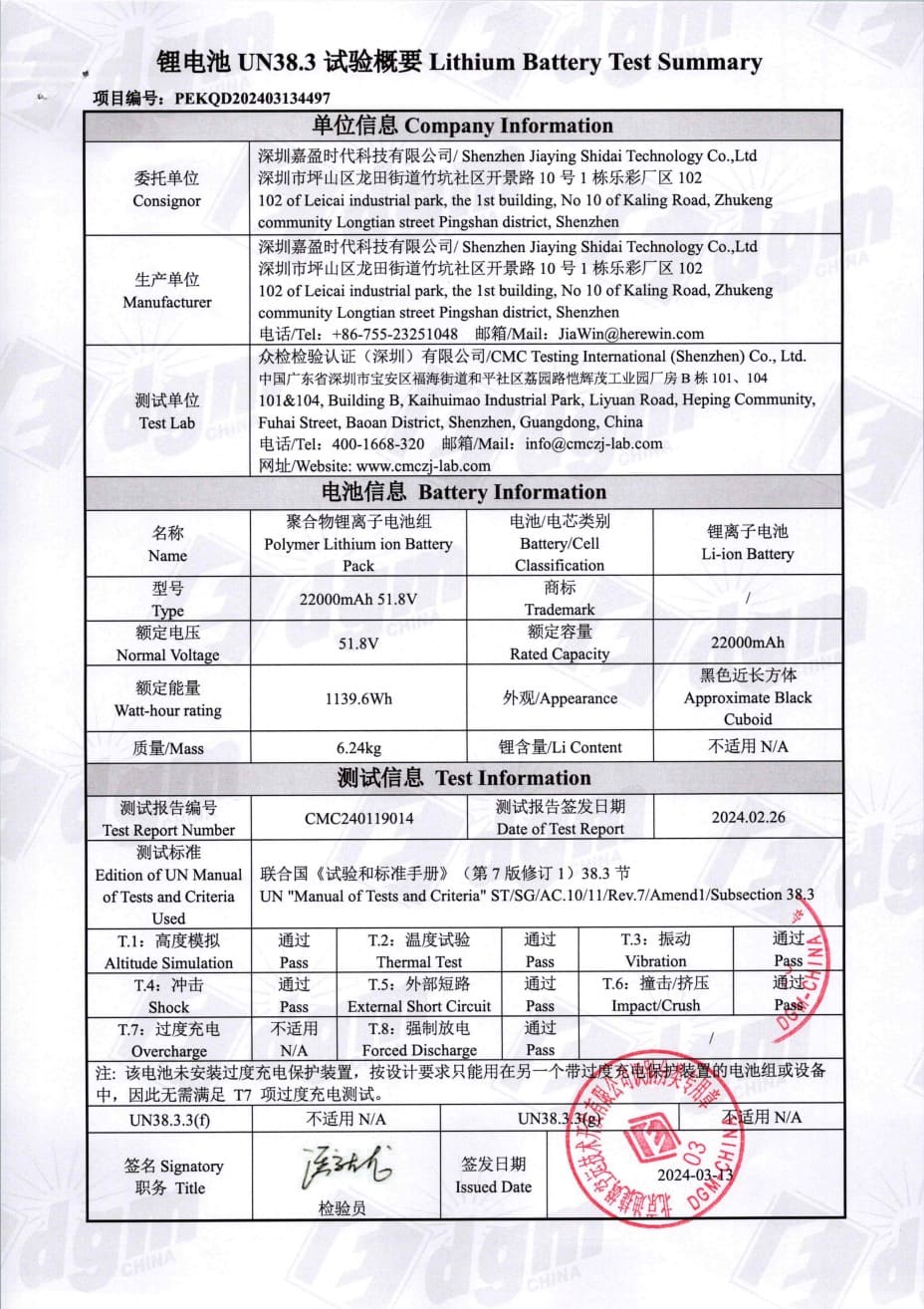
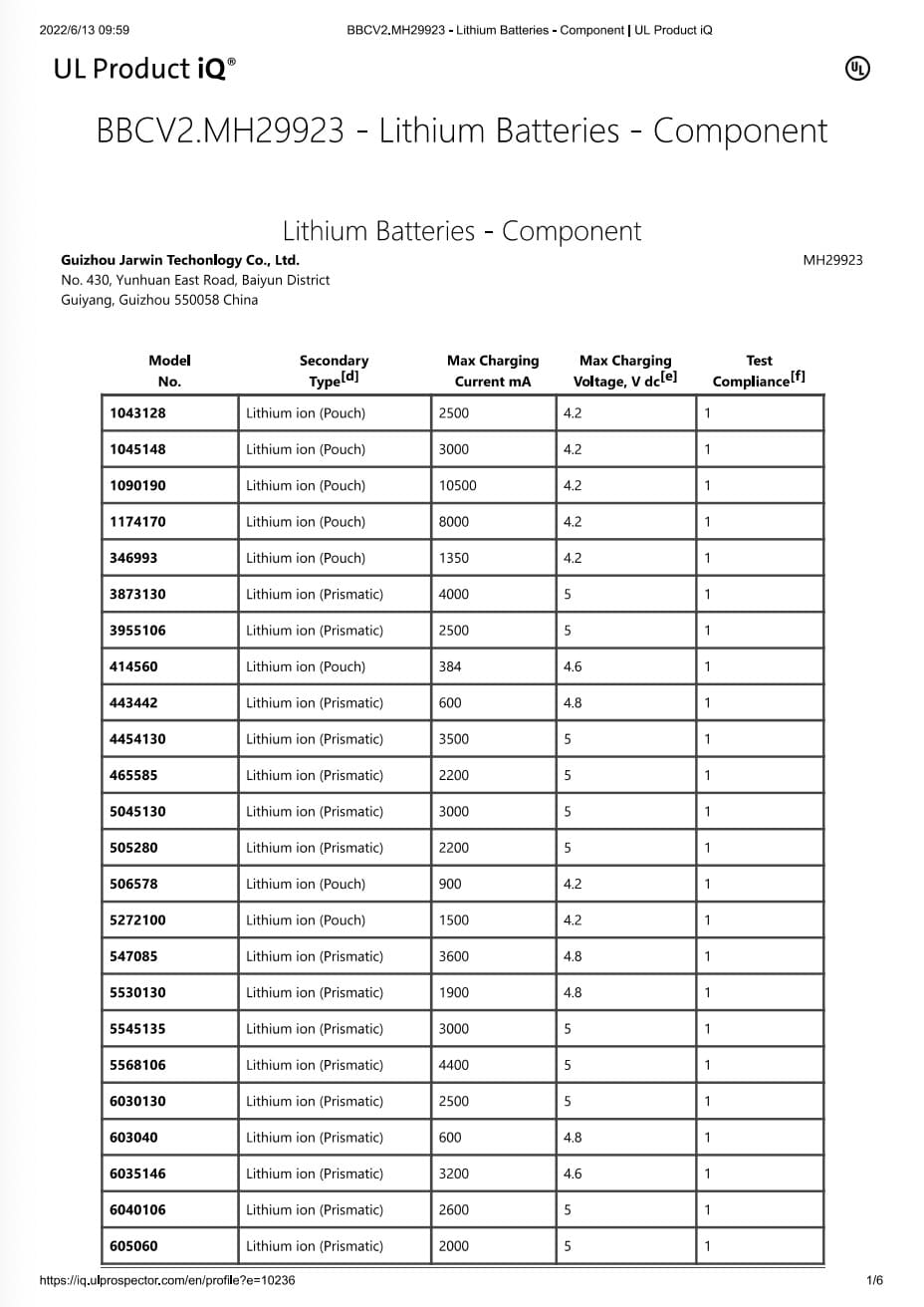
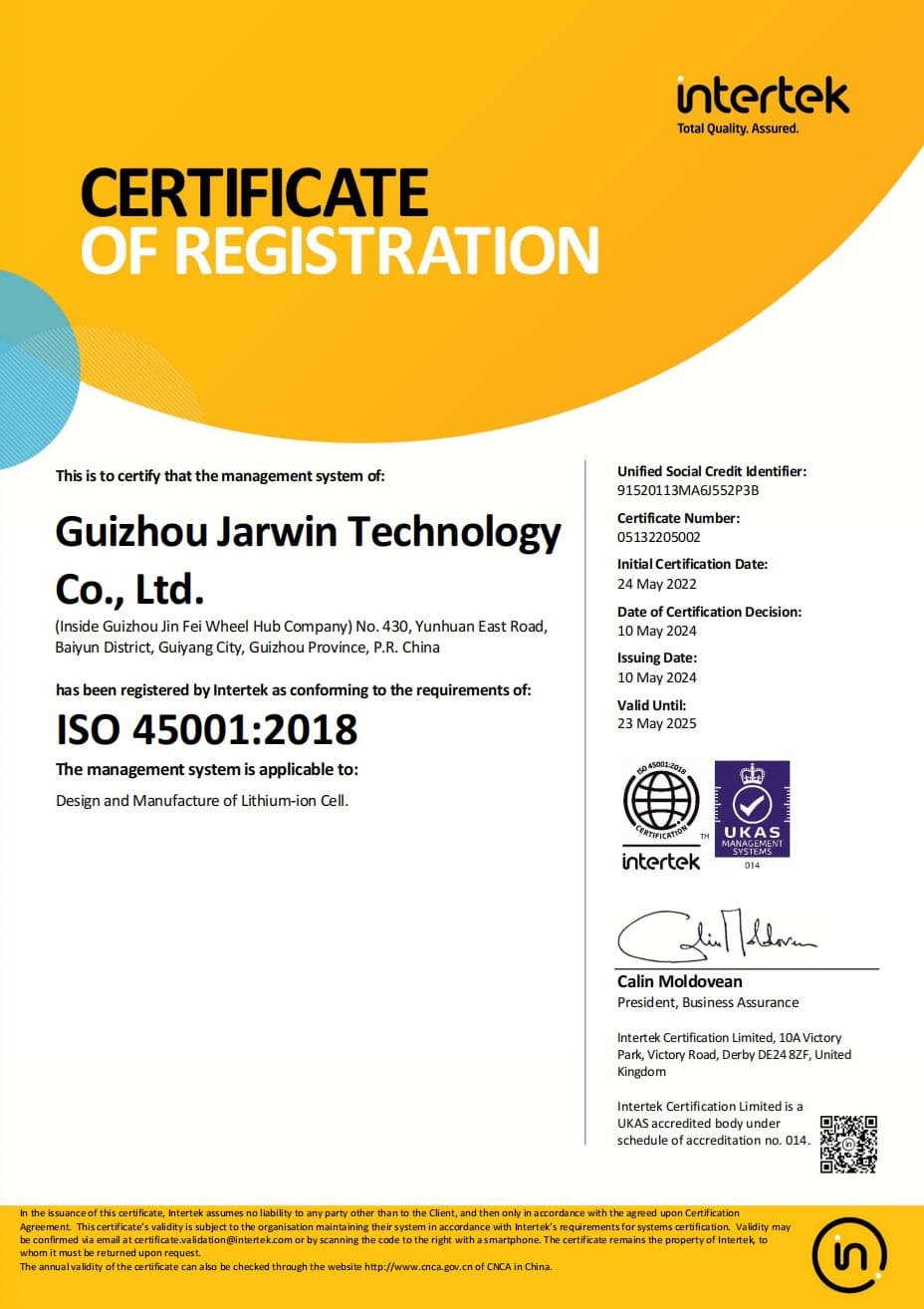
Certifications are herewin’s greatest strength.
Meets the needs of all markets, and the source factories are fully certified to ensure quality.

Default Title
Default Title
Default Title
Default Title
Default Title
Default Title
Default Title
Default Title
Default Title
Default Title
Default Title
Default Title
Default Title
Default Title
Default Title
Default Title
Default Title
Default Title
Default Title
Default Title
Default Title
Default Title
Default Title
Default Title

GET IN TOUCH

Want to know what credentials your market needs? Contact me to send you a high resolution image

Related category

Drone-Battery-
Home-Energy-Storage-Solutions-2
Semi-solid-Battery
Industrial-EV-Battery-Packs
Commercial-Industrial-Energy-Storage-Solutions-4

FAQs

What distinguishes Li-ion polymer cells from traditional lithium batteries?

Li-ion polymer cells utilize gel polymer electrolyte technology, offering key differences compared to traditional liquid lithium batteries:

Electrolyte Composition

  • Hybrid gel polymer + liquid electrolyte (vs. pure liquid electrolyte in traditional cells).
Safety Improvements

  • 60% lower leakage risk and 40% reduced combustion potential.

Structural Advantages

  • 30% smaller volume, 20% lighter weight, and support for flexible/custom shapes.

Performance Metrics

  • ูƒุซุงูุฉ ุงู„ุทุงู‚ุฉ: 170-350 Wh/kg
    (Traditional liquid: 160-170 Wh/kg; Semi-solid energy storage series: 170-190 Wh/kg; High-density semi-solid series: 300-350 Wh/kg).

  • Charging Efficiency: 50% faster than traditional batteries.

  • Cycle Life: โ‰ฅ2,000 cycles.

What are the core advantages of polymer cells?
  1. ุงู„ุณู„ุงู…ุฉ

    • Passes nail penetration and crush tests.

    • Stable operation at 70-80ยฐC (158-176ยฐF).

    • UL/CE certified.

  2. Charging Performance

    • 30-minute fast charging (up to 80% capacity).

    • Compatible with mainstream fast-charging protocols.

  3. Sustainability

    • โ‰ฅ2,000-cycle lifespan.

    • 95% material recyclability rate.

  4. Compact Design

    • 30% smaller size and 20% lighter weight vs. traditional cells.

Where are polymer cells commonly used?

Mainstream Applications

  • Consumer Electronics: Smartphones, TWS earbuds (prioritizing slim designs + fast charging).

  • New Energy Vehicles: Power batteries (20% range increase), flexible in-car displays.

  • Industrial Energy Storage: Residential energy storage systems (safety + longevity), backup power units.

Emerging Applications

  • IoT sensors (flexible integration), vaping devices (miniaturization), wearables.

Related Blog

Drone cleaning operations cost control and uptime dashboard concept
Drone cleaning is scaling. Learn why uptime, utilization, and energy workflows now decide ROI more than dramatic before-and-after results.
Confined space inspection drone inside an industrial vessel with telemetry overlays
A buyer-guide on scaling confined-space drone inspections by designing for predictable energy, telemetry, and mission reliability.
Industrial battery selection guide cover showing task C-rate pulses, voltage sag, and usable Wh/kg.
How task C-rate and usable Wh/kg predict endurance, voltage stability, and risk for UAV and heavy-duty missionsโ€”with validation steps.
Thermal stability for UAV batteries in sustained high-speed industrial UAV missions
For high-speed industrial UAVs, sustained thermal stabilityโ€”not peak C-rateโ€”drives voltage stability, mission reliability, and TCO.
Heavy-lift UAV battery cell acceptance testing workflow illustration (OCV, IR, SOH lifecycle)
Audit-friendly workflow for incoming screening, batch control, and retirement thresholds to keep heavy-lift UAV fleets predictable.
FPV Drone

In long-range FPV flying, battery selection affects far more than flight time alone. It directly influences throttle response, cruising stability, […]

arุงู„ุนุฑุจูŠุฉ
ุงู†ุชู‚ู„ ุฅู„ู‰ ุงู„ุฃุนู„ู‰

ุงุญุตู„ ุนู„ู‰ ุนุฑุถ ุฃุณุนุงุฑ ู…ุฌุงู†ูŠ ุงู„ุขู†!

ู†ู…ูˆุฐุฌ ุงู„ุงุชุตุงู„ ุงู„ุชุฌุฑูŠุจูŠ (#3)
ุฅุฐุง ูƒุงู†ุช ู„ุฏูŠูƒ ุฃูŠ ุฃุณุฆู„ุฉุŒ ูŠูุฑุฌู‰ ุนุฏู… ุงู„ุชุฑุฏุฏ ููŠ ุงู„ุงุชุตุงู„ ุจู†ุง.