




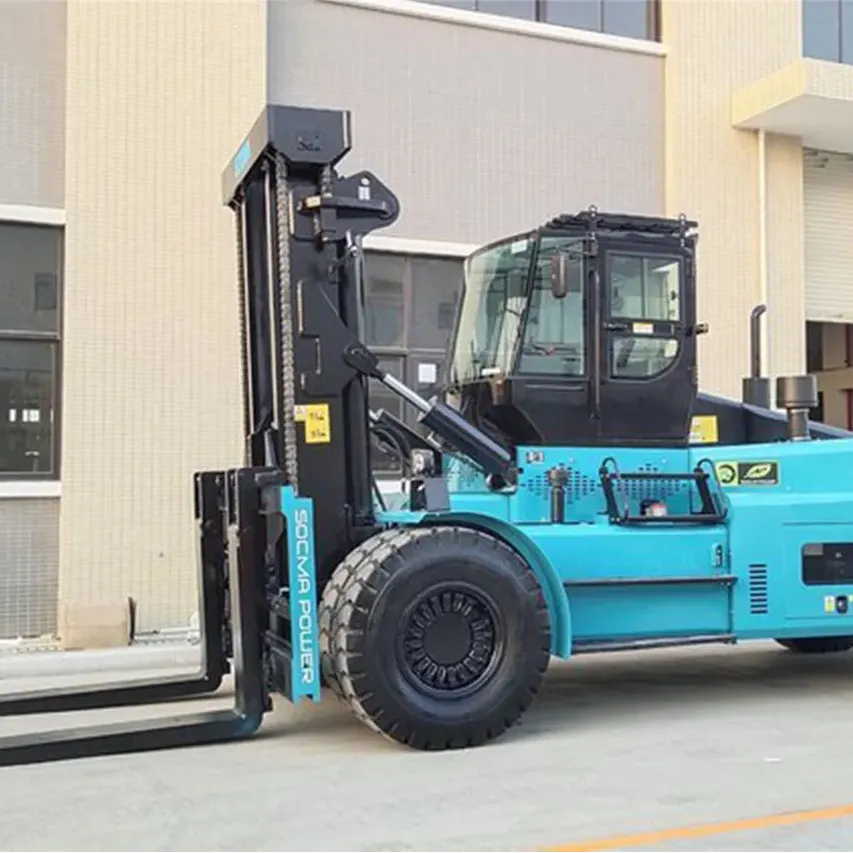

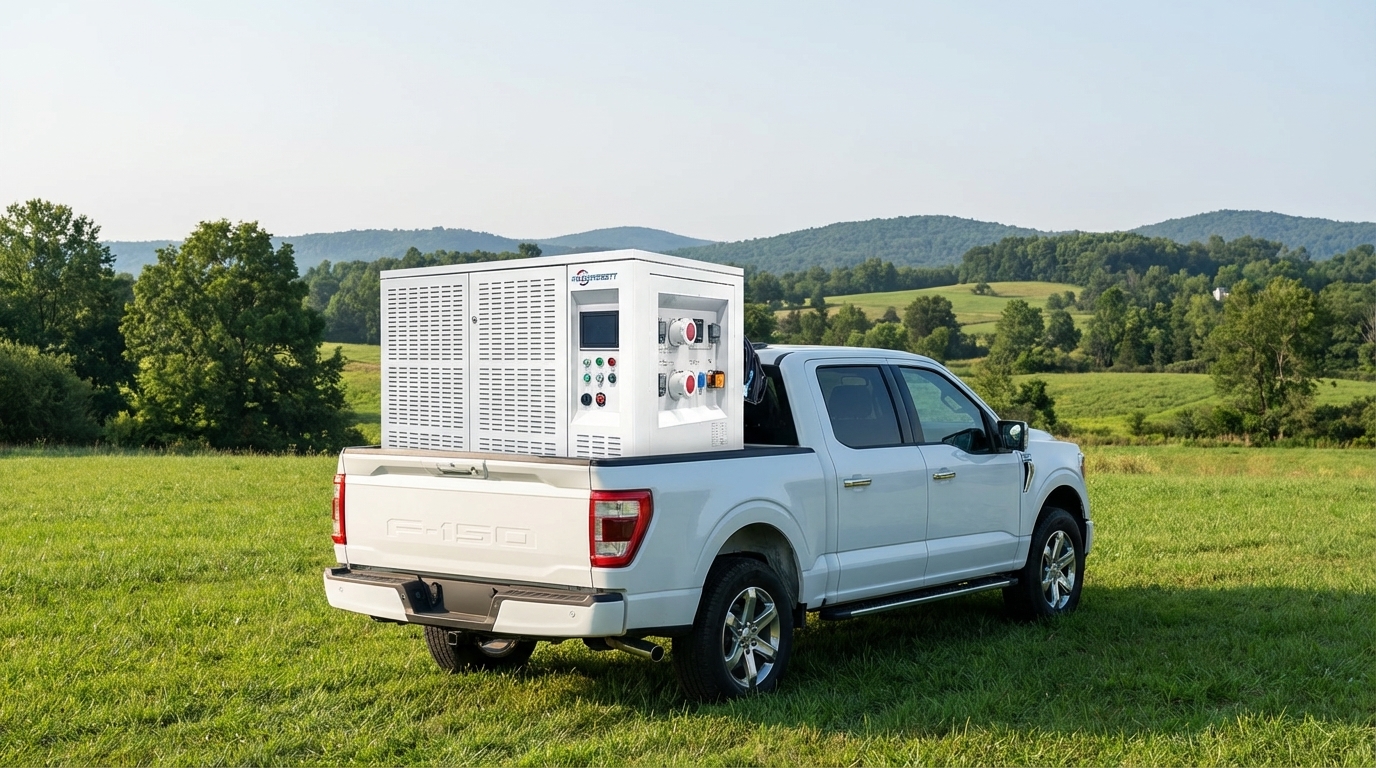
If you run remote or weak-grid jobsites, “power” isn’t a line item—it’s a schedule dependency.
While diesel generators remain a legacy standard, their reliability on a real-world jobsite is a fragile chain: mechanical start-up performance, fuel logistics, and power quality must all hold simultaneously. When a single link breaks, the impact shows up fast: idle labor, equipment downtime, and liquidated damages (LDs) exposure.
This article lays out a practical, numbers-forward way to move from diesel-only reliance to a resilient, All-in-One Mobile BESS architecture. Using a modular mobile micro-grid as a concrete reference point, it connects real failure modes to an ROI model so you can treat jobsite energy as a predictable capital asset—not a recurring logistical gamble.
Note: The inputs and scenarios in this article are illustrative. For a decision, validate them against your actual load profile, generator performance curve, and contract terms.
The Financial Risk of Unpredictable Downtime: Why Jobsite Power Is a Margin Decision
Diesel downtime is rarely “one problem.” It’s usually a stack of small operational frictions that compound: cold starts that don’t happen, fuel that arrives late, an alternator that needs service, a transient that takes out field electronics.
The hard part is that finance teams don’t price “friction” well. They price outcomes: hours lost and days late.
When power is the critical path, downtime becomes contract exposure—because the schedule doesn’t care why the generator didn’t start.
Diesel Cold-Start Failures: Why Extreme Weather Breaks Reliability
At around -20°C, diesel reliability stops being about “rated kW” and becomes about start-up physics. Cold weather increases the probability of a no-start event through a predictable chain:
Fuel gelling / filter restriction: wax crystals can form and clog filters or lines.
Reduced battery cranking power: cold reduces a starter battery’s available output right when cranking demand rises.
Cold engine block absorbs compression heat: diesel ignition depends on heat from compression; cold metal pulls that heat away.
Perkins’ cold-weather guidance for diesel engines emphasizes practical winterization steps—fuel management, warm-up, and preparation—to avoid these failure modes (see Perkins’ winter diesel tips).
If your jobsite risk profile includes sub-zero starts, the cost of downtime isn’t hypothetical. It’s the expected value of a start-up failure event multiplied by the cost per hour of an idle crew and critical equipment.
Fuel Supply Risk: The Cost of Logistics Delays on Remote Sites
Diesel-only sites aren’t just buying fuel. They’re buying a fuel supply chain—and the reliability of that supply chain.
In remote areas, the real exposure often isn’t the average price per gallon. It’s logistics latency: deliveries slip due to access, weather, or security constraints; trucks can’t reach the jobsite on schedule; and fuel theft or diversion becomes a real variable.
When fuel is late, the jobsite doesn’t “run at reduced output.” It stops.
To model this in a way finance can audit, quantify three inputs: the probability of a fuel stockout, the average outage hours per stockout, and your downtime cost per hour (labor + equipment + overhead).
The takeaway is simple: diesel logistics risk behaves like a variable cost with tail risk. One bad month can erase the savings from the average month—so treat it as downtime exposure driven by logistics probability, not just a maintenance line.
Power Quality Risk: Protecting Field Electronics from Voltage Surges
Worksites don’t just lose power—they experience ugly power: switching events, motor starts, and transient overvoltages.
The Electrical Safety Foundation International defines surges/transients as brief overvoltage spikes that can damage, degrade, or destroy electronic equipment (see ESFI’s surge protective devices overview).
If your jobsite runs sensitive electronics—survey gear, comms, SCADA nodes, safety sensors—surge events become an operations risk.
Practical protection stack (layered):
service/panel surge protection (SPDs)
point-of-use protection for sensitive loads
UPS / power conditioning where interruption or transient tolerance is low
A quick ROI reality check: replacing one control cabinet or losing a day of data can cost more than the incremental CAPEX required to get power quality right.
Engineering the Hybrid Shift: Why Mobile BESS Modernizes Jobsites
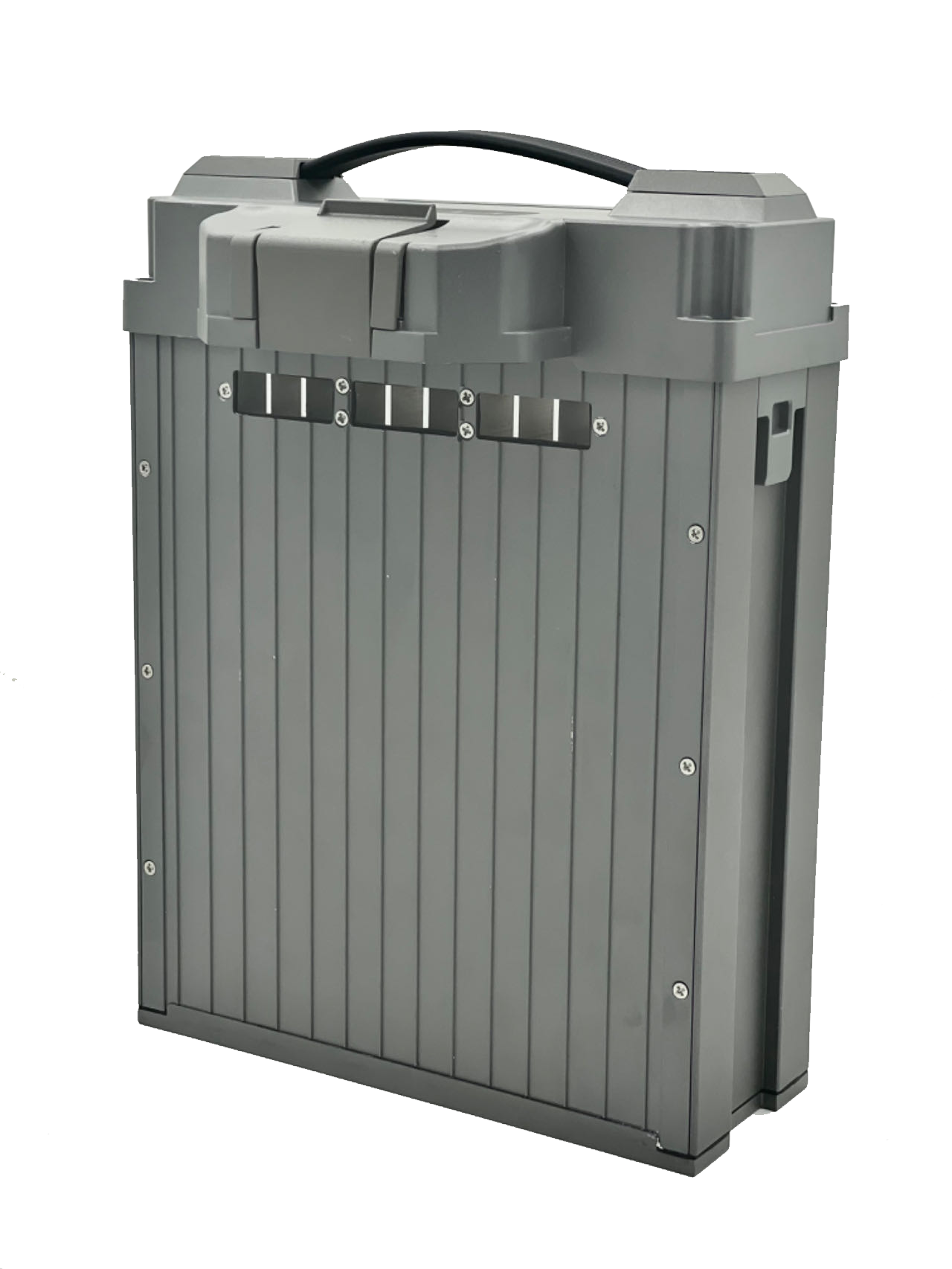
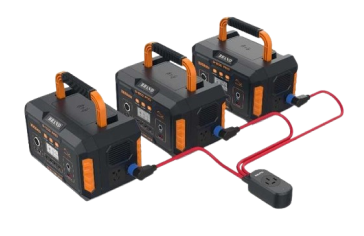
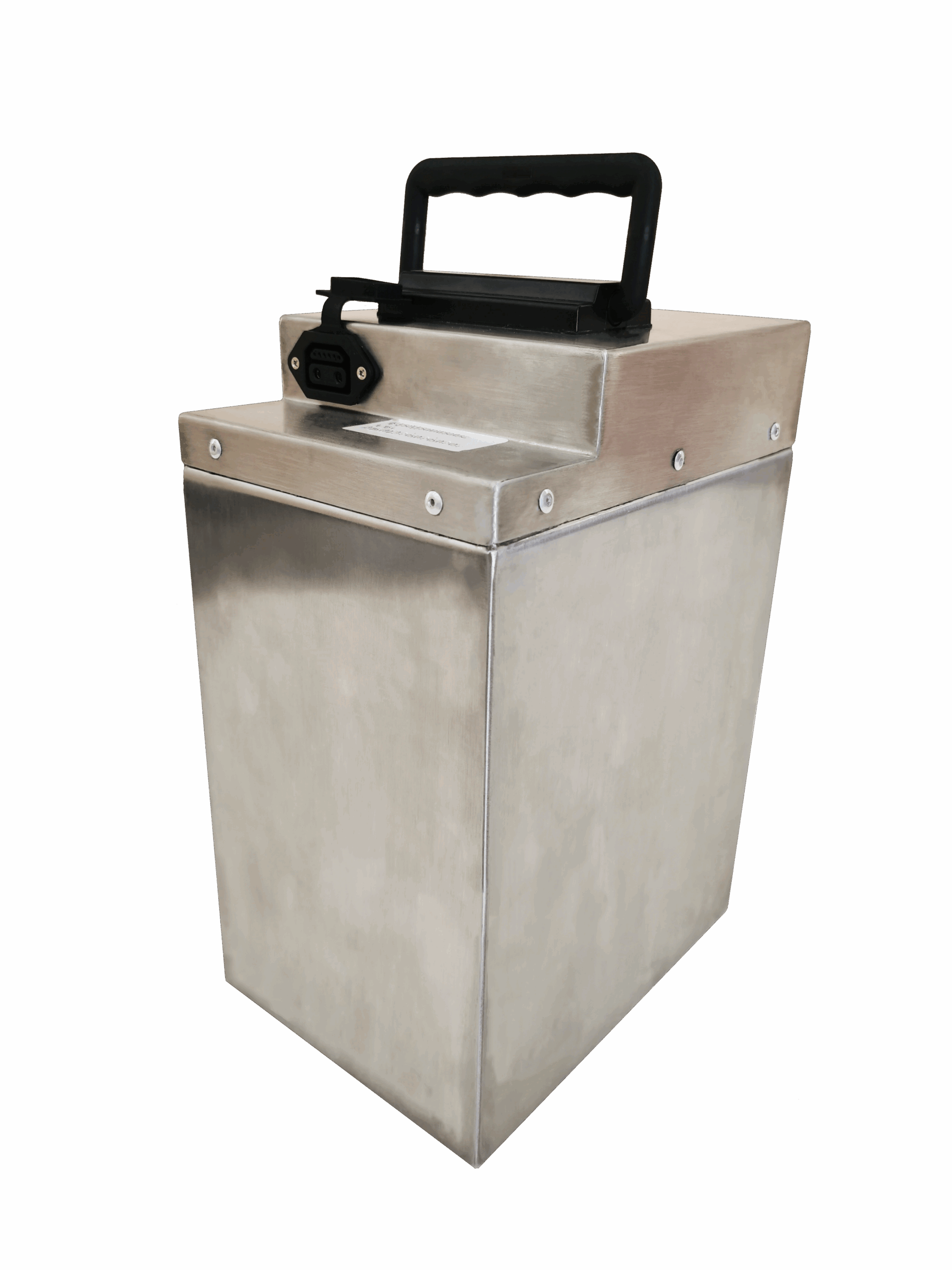
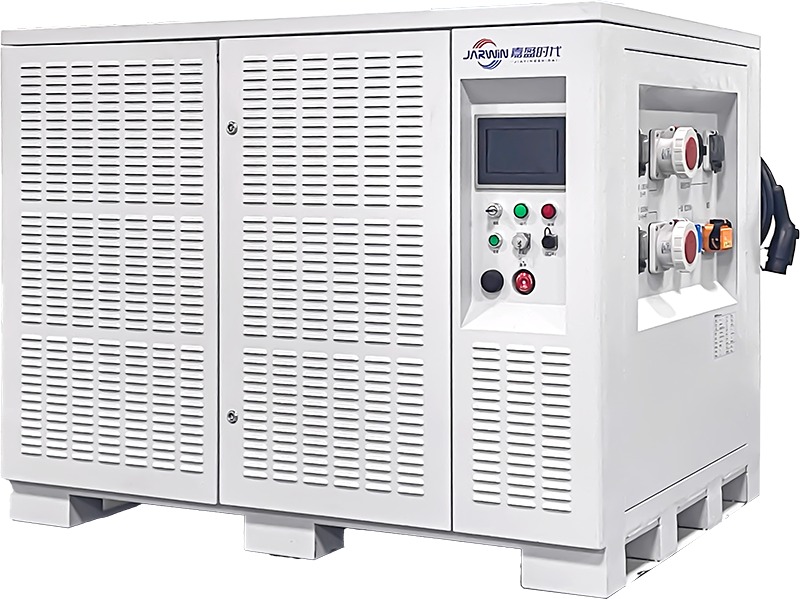
The strategic shift isn’t just about adding batteries; it’s about deploying an All-in-One Mobile BESS—a self-contained energy hub that integrates high-density lithium storage, intelligent energy management, on-grid/off-grid switching, and high-quality power delivery into a single, mobile asset.
In other words, the operational upgrade isn’t “buy a nicer generator.” It’s redesigning the power layer so reliability doesn’t hinge on a single combustion engine running continuously.
Hybrid doesn’t mean “diesel plus batteries because it’s trendy.” It means engineering the system so diesel becomes a backstop, not the constant source of truth.
That shift also unlocks two practical reliability levers that matter on real sites:
On-grid/off-grid flexibility: when the grid is available you can supplement and stabilize; when it isn’t, you can run islanded without rebuilding the power plan.
Mobility: a containerized/vehicle-moveable energy block can be redeployed as the critical path moves—so power follows work, not the other way around.
In practice, lithium storage changes the operating mode:
from “continuous running” to dispatch
from mechanical reliability to solid-state reliability
from reactive maintenance to measured, predictable operations
Peak Shaving: How Hybrid Storage Cuts Diesel Opex
Peak shaving (often paired with load leveling) is a dispatch approach: batteries handle short-duration peaks and fast transients so the generator doesn’t have to chase a variable load profile.
In practical procurement terms, it shifts diesel from “always on” to “run only when it’s economically and mechanically healthy to run.”
That shift matters because diesel generators burn fuel inefficiently at low loads, and sustained low-load operation increases the likelihood of wet stacking—unburned fuel accumulation that drives maintenance and reliability issues.
NREL flags wet stacking risk and recommends designing for healthier loading (including load sharing); in remote community systems it also notes a typical recommended minimum loading ratio (often 20%–30%) to avoid inefficient operation and wet stacking risk (see NREL’s “Microgrids for Energy Resilience” guide และ NREL’s remote Alaska integration report).
Generac summarizes wet stacking as unburned fuel building up on the exhaust side and creating deposits (see Generac’s “Diesel Engine Wet Stacking” fact sheet).
In ROI terms, lithium storage lets you run diesel less often—and when you do run it, you can keep it in a healthier load band. That typically reduces fuel burn, cuts maintenance burden, and lowers the chance of downtime tied to poor operating conditions.
Solid-State Reliability: Reducing Mechanical Failure Points
A diesel generator is a machine with many moving parts, consumables, and service dependencies. On remote sites, every service dependency is a risk multiplier.
A storage-centered architecture moves the core power delivery layer toward solid-state components:
fewer mechanical failure points
fewer site visits as a requirement for uptime
simpler redundancy design (modules, N+1 blocks)
It’s worth being precise here: “zero maintenance” is an architectural intent—eliminating the mechanical failure chain as the primary uptime driver—not a promise that no inspection is ever required.
Remote Monitoring: Predictive Fleet Management for Jobsite Power
The biggest hidden cost in remote power is not fuel—it’s unplanned work. That shows up as unplanned dispatch, emergency parts, overtime service, and forced schedule reshuffling.
Remote monitoring changes the operating posture. Instead of waiting for failures, you can measure energy throughput, load profiles, and abnormal events, trend early degradation signals, and plan service windows based on data.
For an operations director managing multiple sites, predictive fleet management is the difference between “we hope it runs” and “we can forecast intervention before it costs us the schedule.”
A Decision-Maker’s Perspective: Reducing Financial Exposure with Resilient Power
In most organizations, the people who approve jobsite power changes don’t need a lecture on batteries. They need a decision framework that connects reliability to dollars and schedule risk:
What’s the downside risk if we stay diesel-only?
What does it cost to reduce that risk?
What’s the payback under realistic scenarios?
Liquidated Damages Risk: How Reliable Power Protects Timelines
Most industrial and construction contracts don’t price your intent. They price your completion date.
Liquidated damages (LDs) are pre-agreed daily penalties that can apply when completion milestones slip past the contracted date. A practical overview is in CMAA’s “Liquidated Damages” PDF (2022) (not legal advice).
If power reliability is upstream of critical work packages (pours, commissioning, instrumentation, safety systems), then power is a hedge instrument.
A practical way to frame this is as insurance-style math: estimate the expected downtime days that affect the critical path, your LDs per day (or the effective equivalent via backcharges and schedule recovery costs), and the resulting probability-weighted exposure.
LDs are only one line of exposure, but they’re a useful way to make schedule risk legible. The next step is to put that risk alongside fuel, maintenance, and downtime in a single TCO model so the trade-offs are explicit.
Scenario-Based TCO: Modeling Long-Term Savings with a Modular Block
Below is a decision-ready model you can lift into an approval memo or investment memo. The numbers are example assumptions—replace them with your jobsite reality.
Step 1: Define inputs (what finance can audit)
Input | Symbol | Example assumption | Notes |
|---|---|---|---|
Diesel fuel price (delivered) | $/gal | $6.50 | Include remote delivery premium if applicable |
Generator fuel burn at average load | gal/hr | 3.0 | Use your genset’s real curve if available |
Annual operating hours | hr/yr | 6,000 | Remote continuous sites often run high hours |
Maintenance + service cost | $/yr | $18,000 | Filters, oil, visits, parts, downtime during service |
Unplanned outage hours (diesel-only) | hr/yr | 60 | Include start failures, service delays, fuel events |
Downtime cost (crew + equipment + overhead) | $/hr | $3,500 | Your finance model should own this number |
LDs (if delay hits critical path) | $/day | $25,000 | Only if your contract has LDs; otherwise set to 0 |
Fraction of outage that impacts critical path | % | 25% | Conservative if your schedule has buffers |
Hybrid diesel runtime reduction | % | 40% | Use measured data when available |
Hybrid outage reduction | % | 50% | Reduced exposure via redundancy + fewer no-start events |
Step 2: Formulas
Annual diesel fuel cost = fuel price × fuel burn × operating hours
Annual downtime cost = outage hours × downtime cost per hour
Annual LD exposure (expected) = (outage hours ÷ 24) × critical-path fraction × LDs/day
TCO (simplified) = fuel + maintenance + downtime + LD exposure
Worked example (illustrative): quick TCO view
Using the example assumptions above (including the 40% runtime reduction and 50% outage reduction), the simplified model yields:
Diesel-only TCO (simplified): $360,625/yr
Hybrid TCO (simplified): $201,012.50/yr
Annual delta (savings): $159,612.50/yr
Output | Diesel-only (example) | Hybrid (example) | Delta |
|---|---|---|---|
Fuel | $117,000 | $70,200 | $46,800 |
Maintenance + service | $18,000 | $18,000 | $0 |
Downtime | $210,000 | $105,000 | $105,000 |
LD exposure (expected) | $15,625 | $7,812.50 | $7,812.50 |
TCO (simplified) | $360,625 | $201,012.50 | $159,612.50 |
To translate that into a business case, plug in your incremental hybrid CAPEX:
Payback (years) = incremental CAPEX ÷ $159,612.50
Risk-adjusted payback = incremental CAPEX ÷ (fuel + maintenance + downtime delta + avoided LD exposure)
Calculation note: the line items above are derived directly from the Step 2 formulas and the Step 1 assumptions; swap in your jobsite inputs to get an auditable, site-specific output.
Note: This is a simplified walk-through. In a real memo you’d also consider generator replacement cycles, financing, battery throughput/warranty terms, and any site-specific constraints like noise limits or fuel availability.
Step 3: Scenario table (diesel-only vs storage-centered hybrid)
For a fair comparison, hold your underlying assumptions constant (load profile, operating hours, downtime cost, and LD exposure). The scenario-to-scenario differences then come mainly from how much diesel runtime and outage risk the hybrid design actually reduces.
Scenario | Diesel-only TCO (example) | Hybrid TCO (example) | Delta | What changed |
|---|---|---|---|---|
Conservative | Higher | Lower | Small to moderate | modest runtime + outage reduction |
Moderate | Higher | Lower | Moderate | meaningful peak shaving + fewer failures |
Aggressive | Higher | Lower | Large | strong runtime reduction + improved predictability |
Rather than forcing a single “payback” number, it’s usually clearer to show two versions:
Payback (years) = incremental CAPEX ÷ annual TCO delta
Risk-adjusted payback = incremental CAPEX ÷ (annual delta + avoided LD exposure)
How a modular mobile micro-grid fits
To make the model actionable, you need a decision unit you can actually procure and deploy—then scale in modules as needed.
A modular storage block is a useful decision unit because it forces specificity:
When a modular starting unit is the right starting point
A larger block is usually justified when you have at least one of these conditions:
High ride-through requirement for critical loads (controls, comms, safety systems) where even short interruptions are costly
Frequent peaks that force diesel oversizing or unhealthy low-load operation without storage
Remote logistics risk, where fewer refuel events and fewer run-hours translate into lower downtime exposure
Once you’ve chosen a decision-unit, you can pressure-test it with three questions: what loads must ride through short interruptions, what peaks can be shaved to keep diesel healthy, and what runtime reduction is realistic given your load profile?
The point is not that one capacity number is “the answer.” The point is that storage makes reliability and cost predictable, and you can scale in modules.
To use it in practice, take your critical loads and peak profile, map them against your genset’s fuel curve and your downtime cost assumptions, then iterate the modular block count until the scenario model meets your ride-through, peak-shaving, and runtime-reduction targets.
Shifting from Logistical Support to Strategic Energy Assets
Diesel generators aren’t “bad.” But on a remote or weak-grid jobsite, reliability becomes a fragile chain: cold starts, fuel logistics, maintenance execution, and power quality all have to go right.
A storage-centered architecture flips that risk profile. Instead of betting your schedule on a mechanical chain and a fuel supply chain, you gain predictability: fewer failure points, smoother load profiles, and costs you can model with assumptions decision-makers can audit.
To move from concept to approval, summarize four numbers: your annual diesel hours and fuel burn, downtime cost per hour, any LD exposure (or schedule-recovery equivalent), and your ride-through/peak-shaving requirements. With that, you can size modular storage blocks and make diesel the backstop—not the default.
At Herewin, we manufacture lithium batteries and energy storage systems, and we can support project sizing upon request. You can explore our Commercial & Industrial Energy Storage Solutions and reach out to discuss your application.
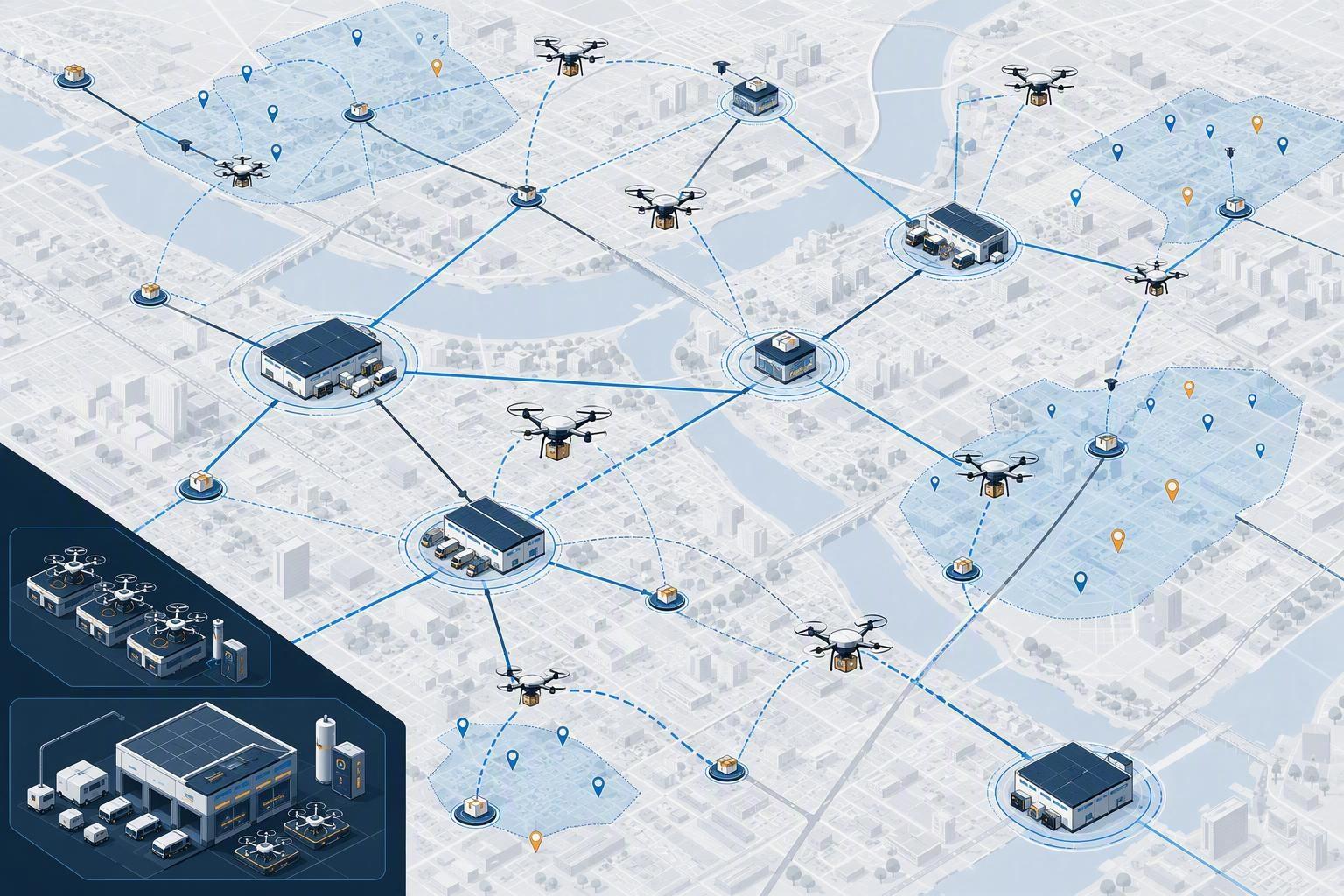
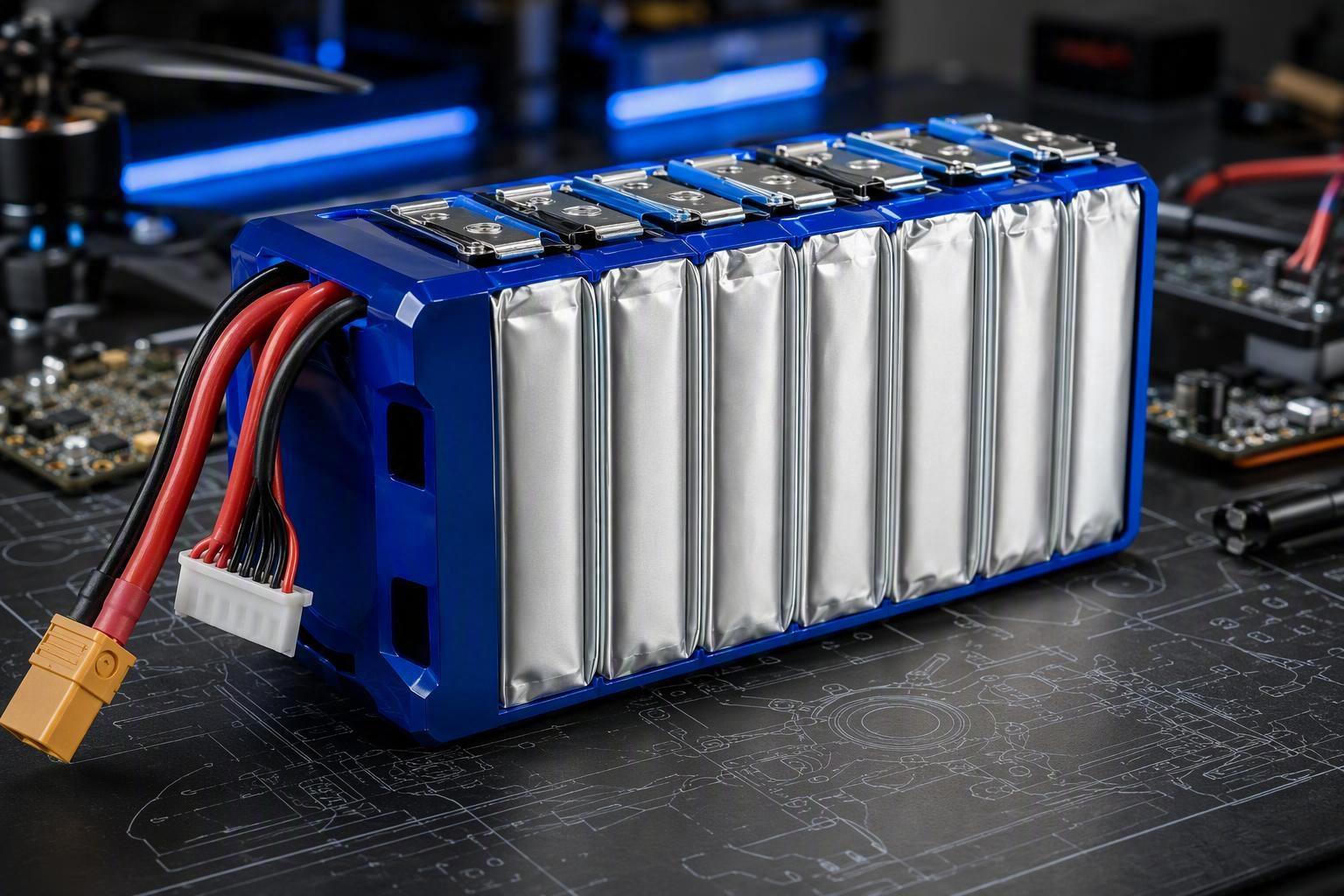



 ไทย
ไทย  English
  Español
  한국어
한국어  Deutsch
  Français
  日本語
日本語  Русский
  Bahasa Indonesia
  العربية
  Português do Brasil
  Italiano
  Nederlands