

High Energy Density UAV Battery
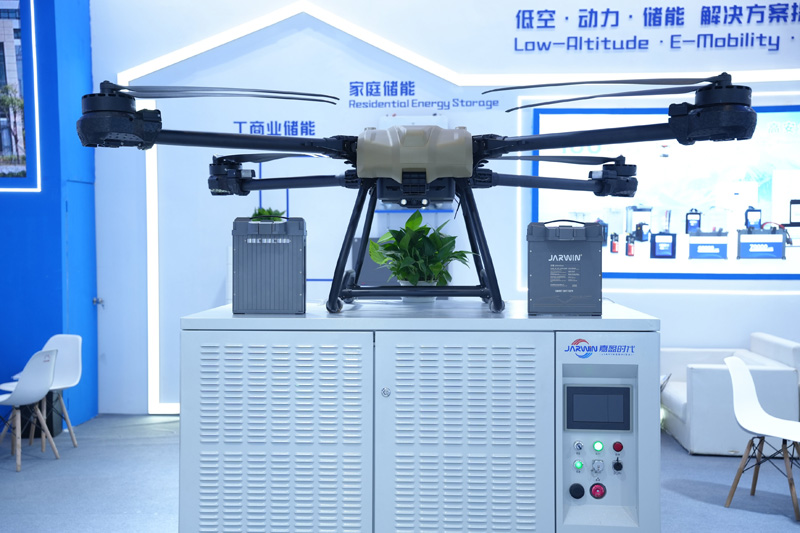
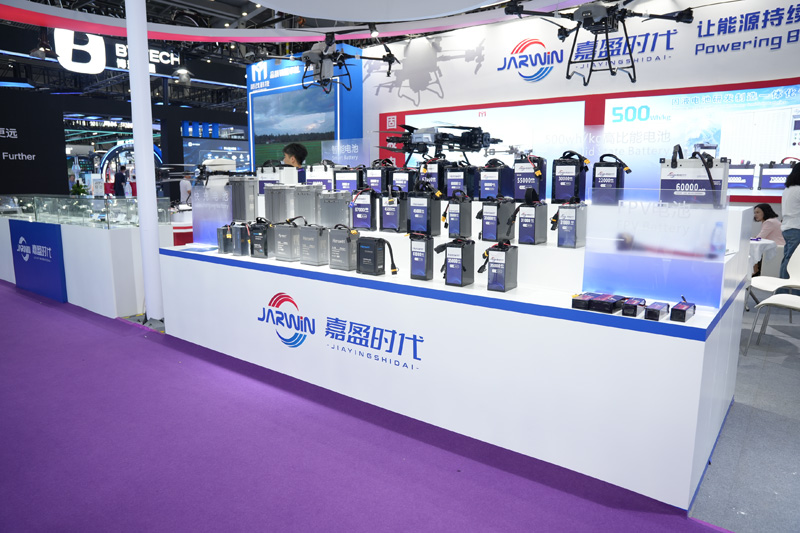
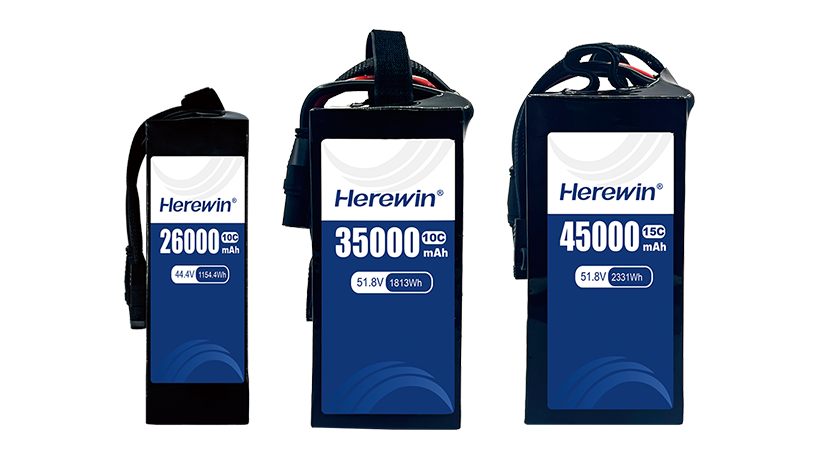
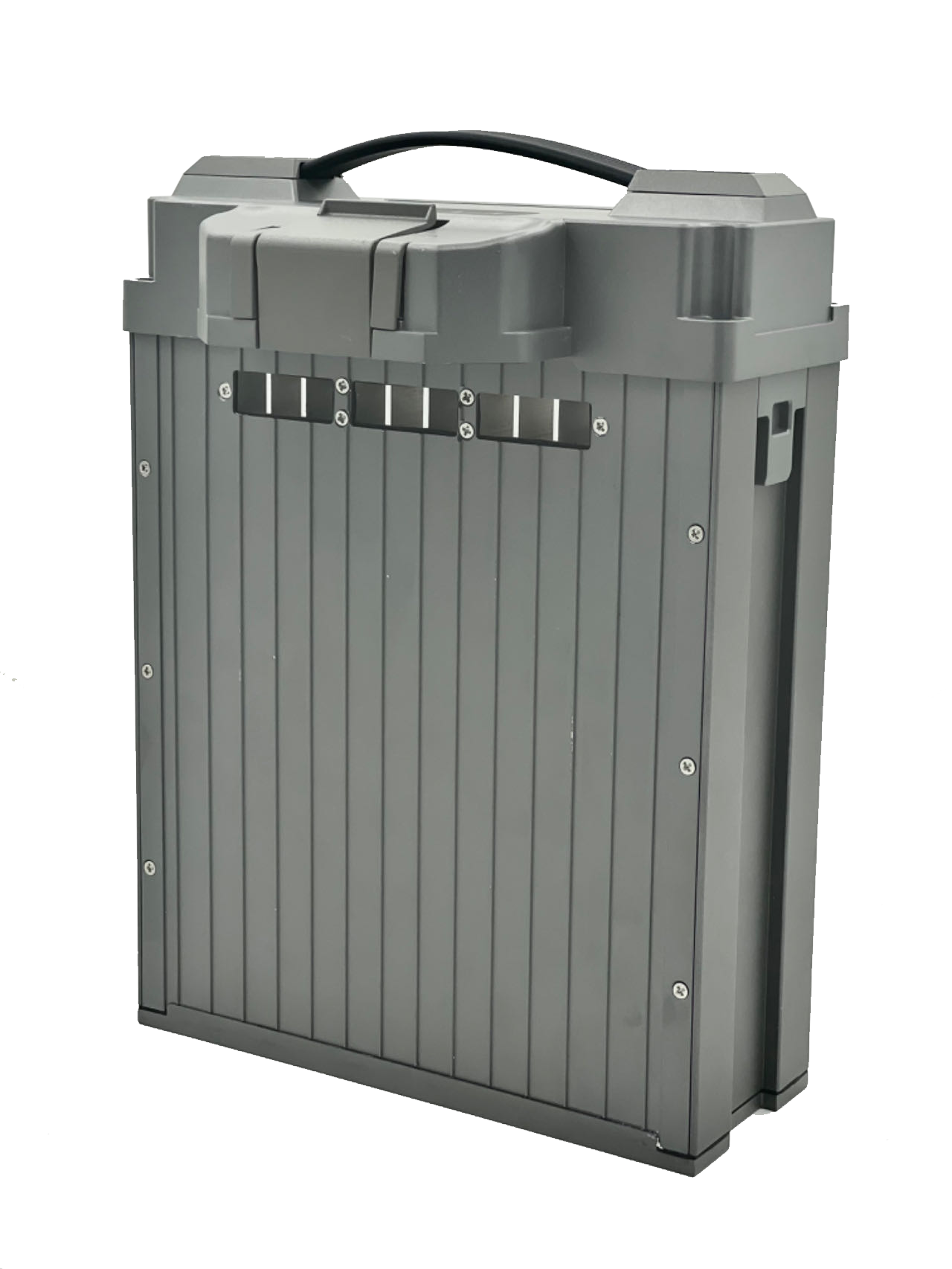
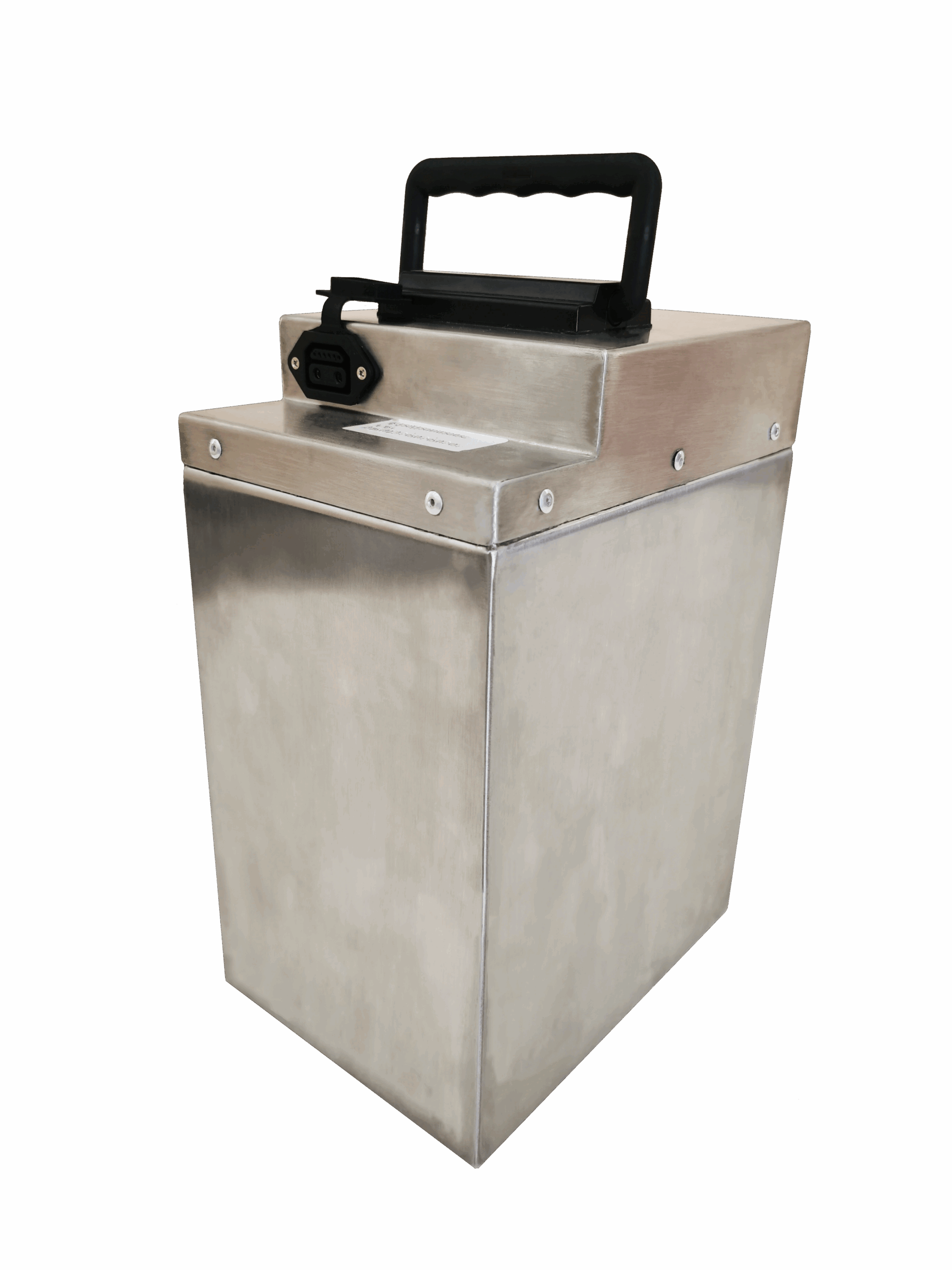
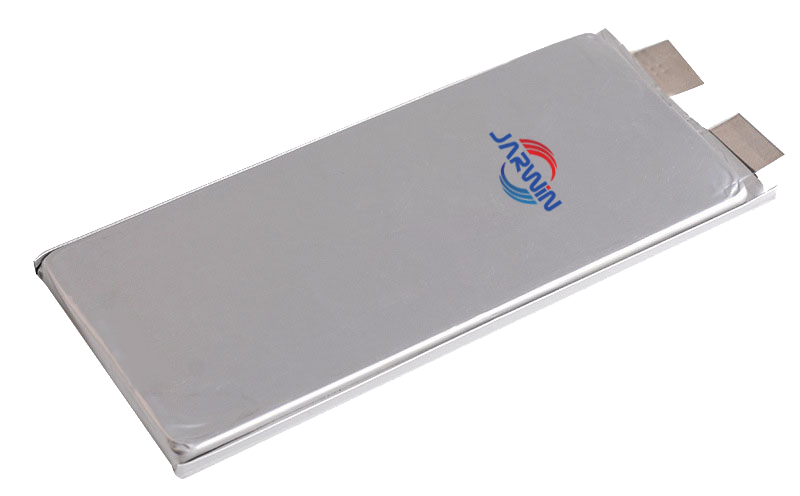
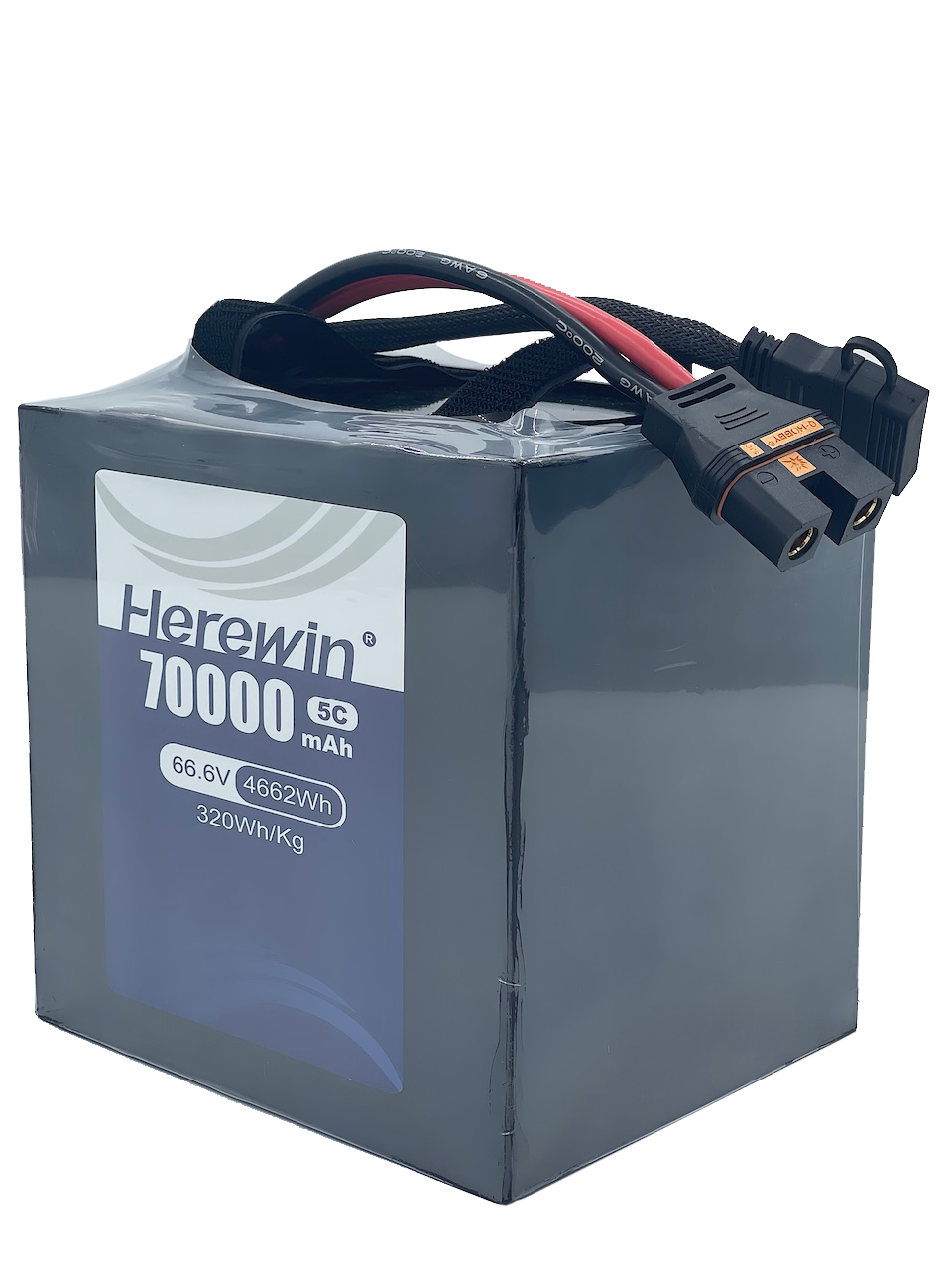
Herewin high energy density UAV batteries use advanced semi-solid NMC pouch cell technology to deliver more usable energy with less battery weight. With cell-level energy density platforms from 320 Wh/kg to 400 Wh/kg, these lightweight UAV batteries help extend flight endurance, improve payload efficiency and increase overall aircraft performance.
Designed for mapping, inspection, surveillance, logistics, VTOL and other endurance-focused UAV missions, each battery pack can be customized according to voltage, average current, peak current, battery compartment, weight limit and target flight time.
· 320–400 Wh/kg cell-level energy density platforms
· Lightweight battery design for longer UAV flight time
· Improved payload-to-battery weight ratio
· Stable discharge performance for endurance-focused missions
· Multiple voltage and capacity configurations
· Custom dimensions, connector, enclosure and BMS available
· 320Wh/kg high energy density for extended flight time
· Semi-solid NMC-based energy platform for high-voltage UAV integration
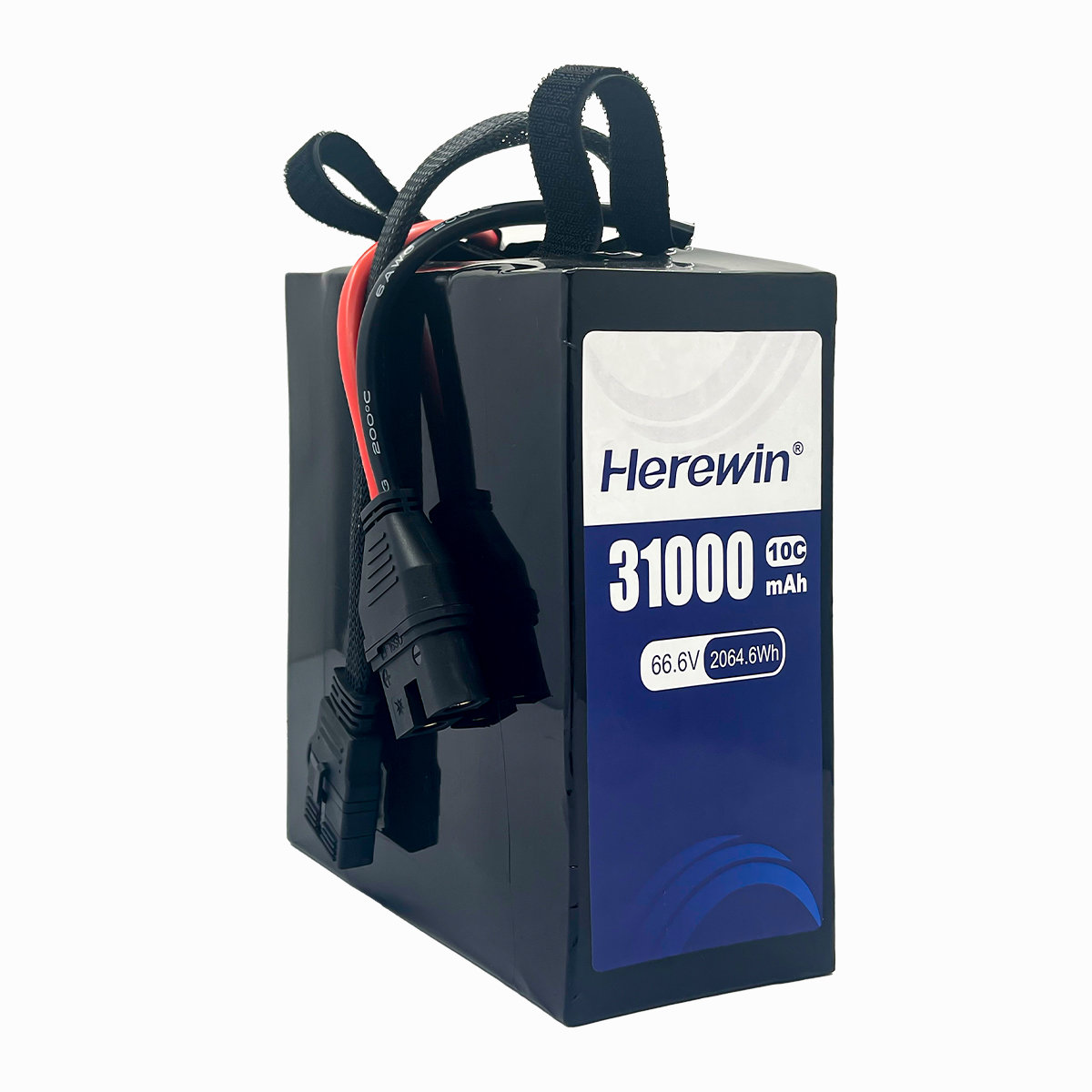
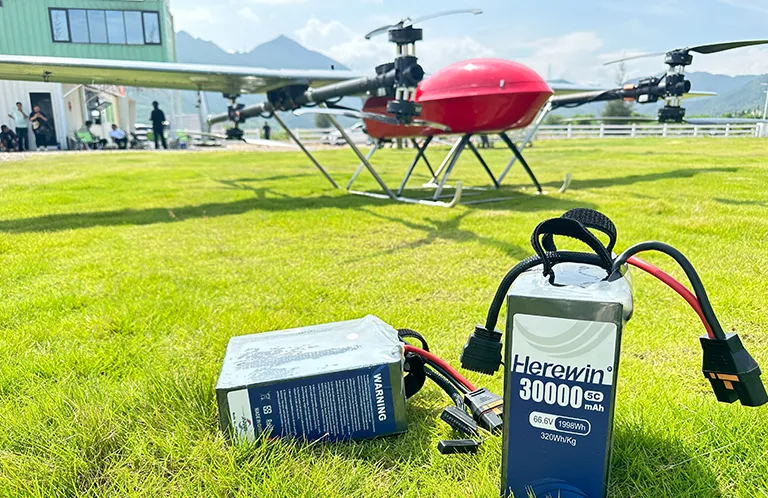
· 18S1P 66.6V 31000mAh LiHV platform with 6900g pack weight
· 10C discharge for stable cruising and endurance-focused drone output
· Cycle life ≥500 with operating temperature range of -20~60℃
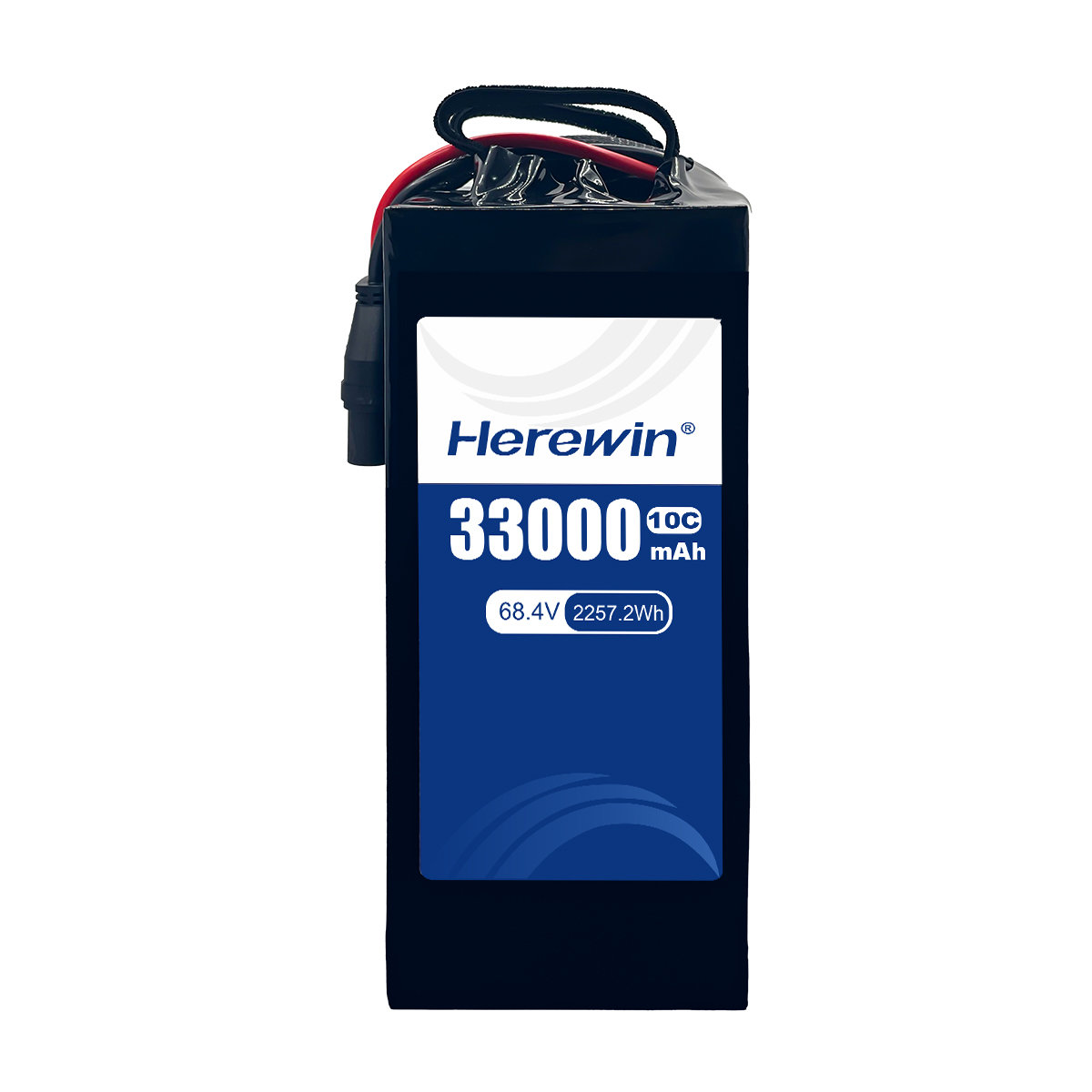
· 350Wh/kg high energy density for extended flight time
· Semi-solid NMC-based energy platform for high-voltage UAV integration
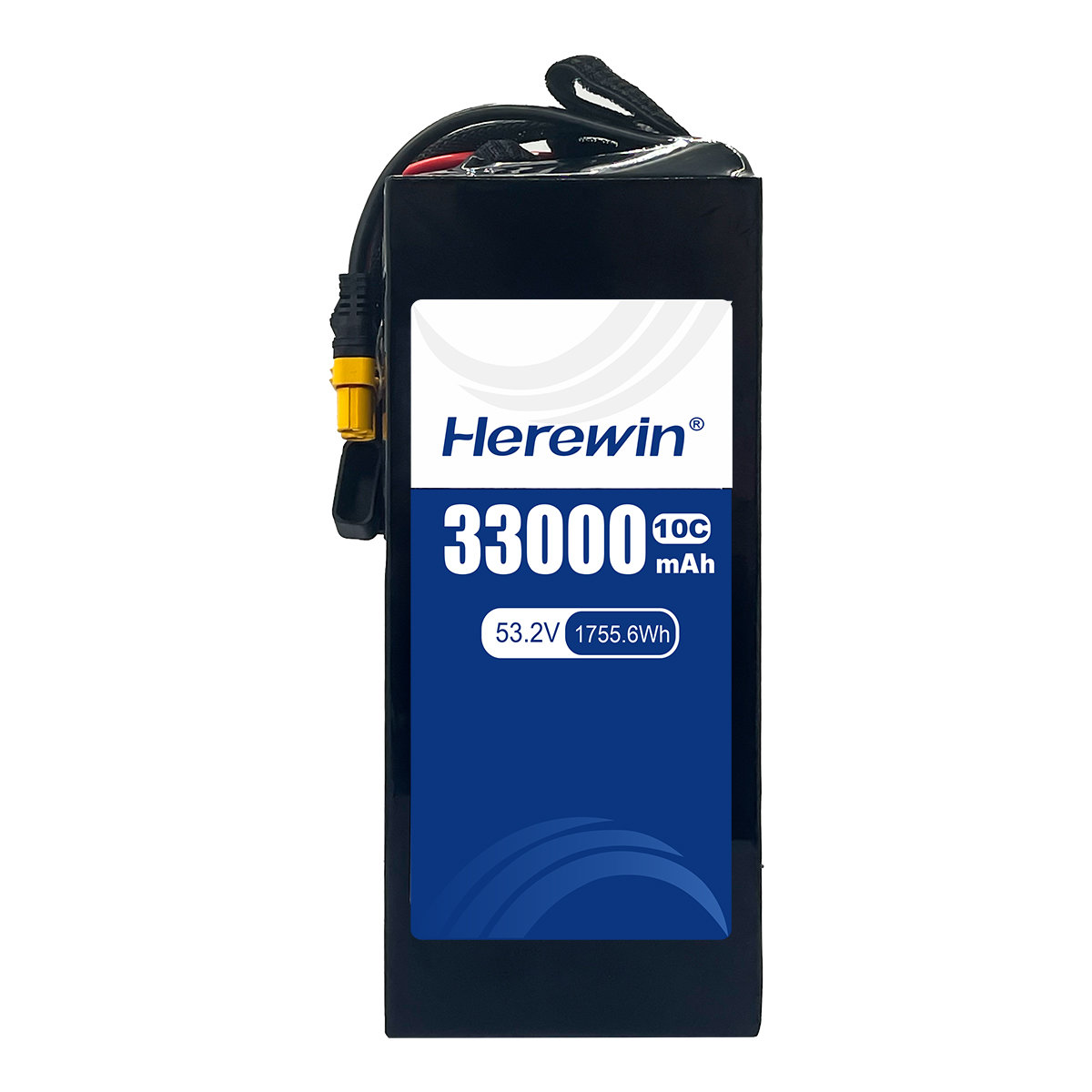
· 14S1P 53.2V 33000mAh LiHV platform with 5520g pack weight
· 10C discharge for stable cruising and endurance-focused drone output
· Cycle life ≥100 with operating temperature range of -20~60℃
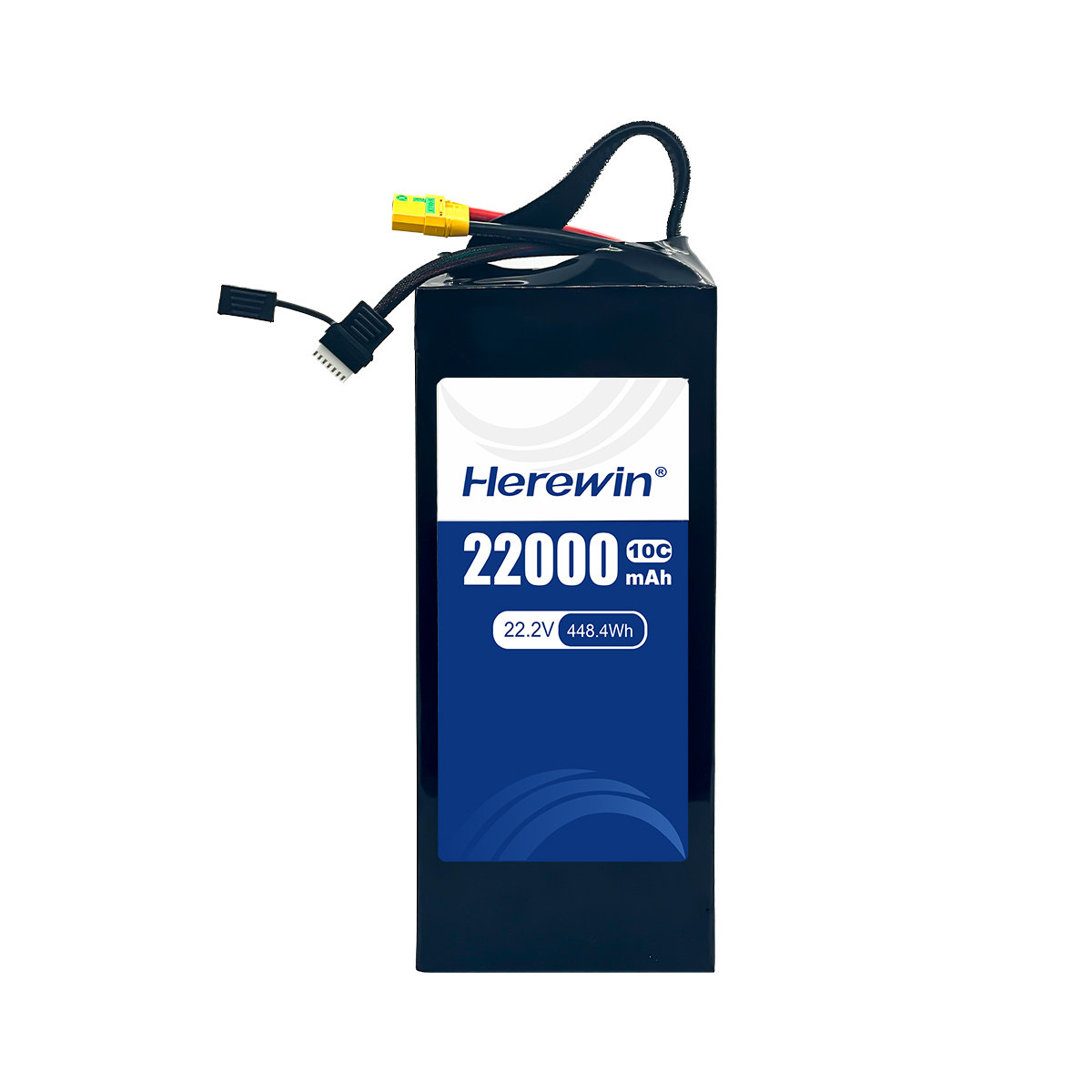
· 320Wh/kg high energy density for extended flight time
· Semi-solid NMC-based energy platform for lightweight UAV integration
· 6S1P 22.2V 22000mAh platform with only 1720g pack weight
· 10C discharge for stable cruising and endurance-focused drone output
· Cycle life ≥500 with operating temperature range of -20~60℃
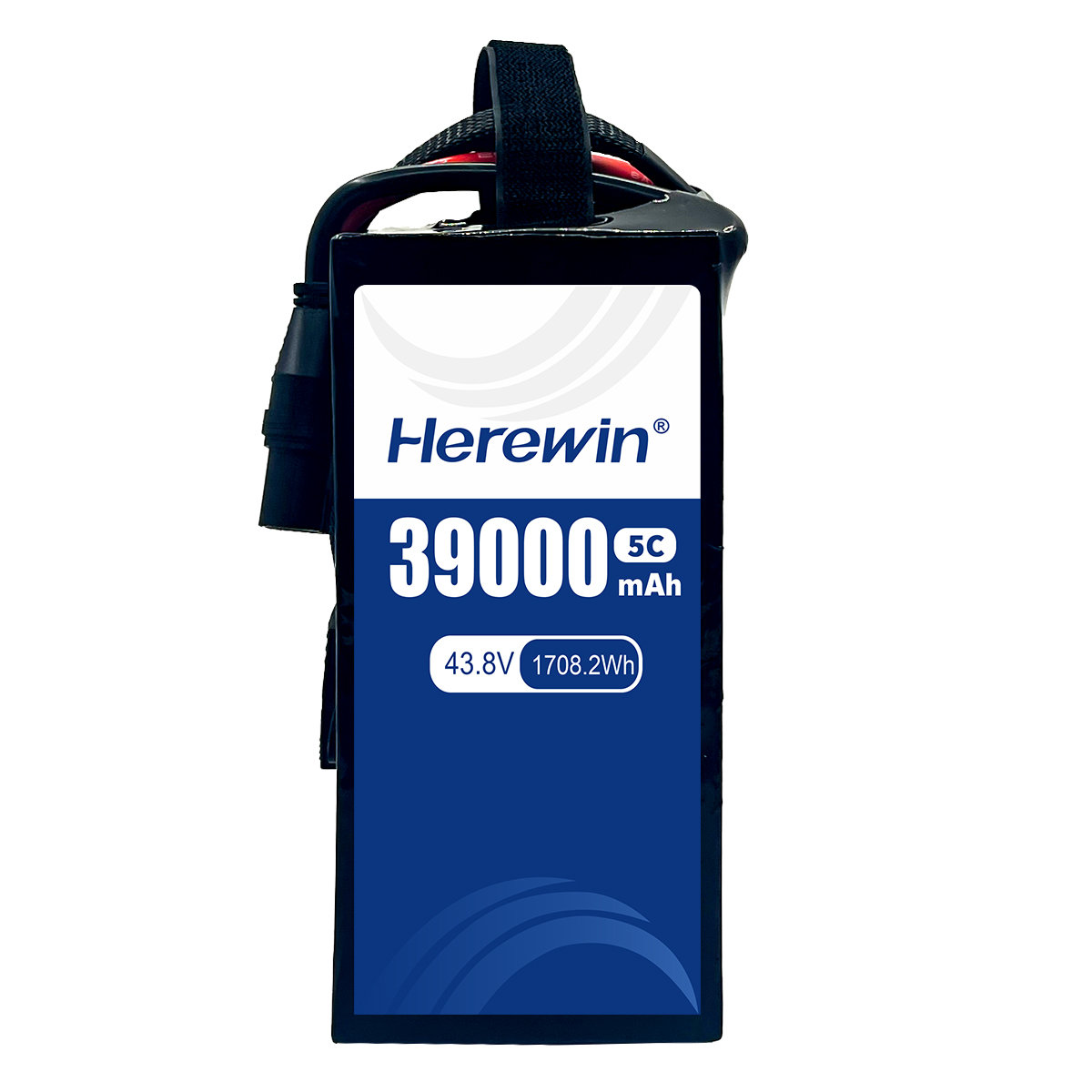
· 400Wh/kg ultra-high energy density for extended flight time
· Semi-solid NMC-based energy platform for lightweight UAV integration
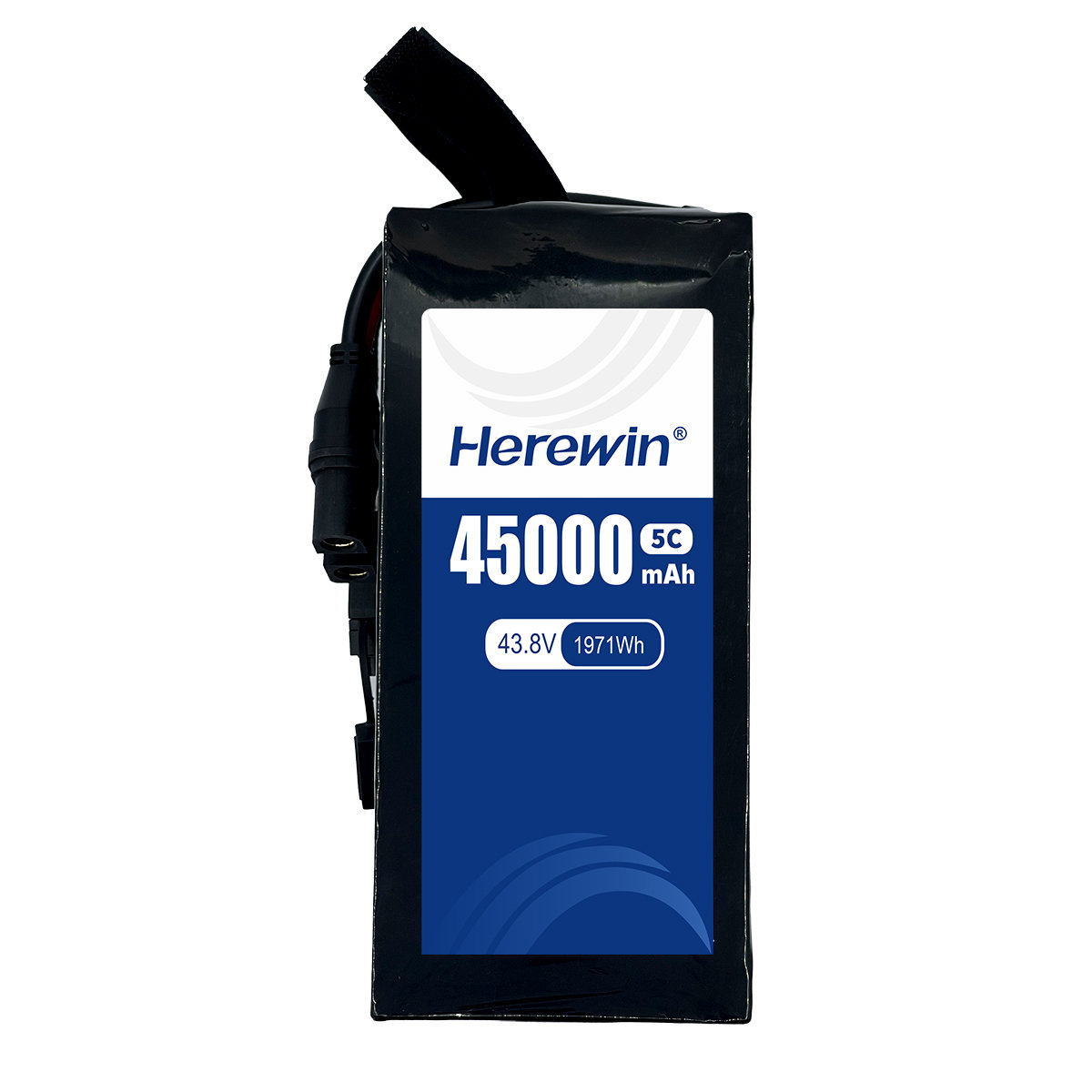
· 12S1P 43.8V 39000mAh LiHV platform with only 4800g pack weight
· 8C discharge for stable cruising and endurance-focused drone output
· Cycle life ≥400 with operating temperature range of -20~60℃
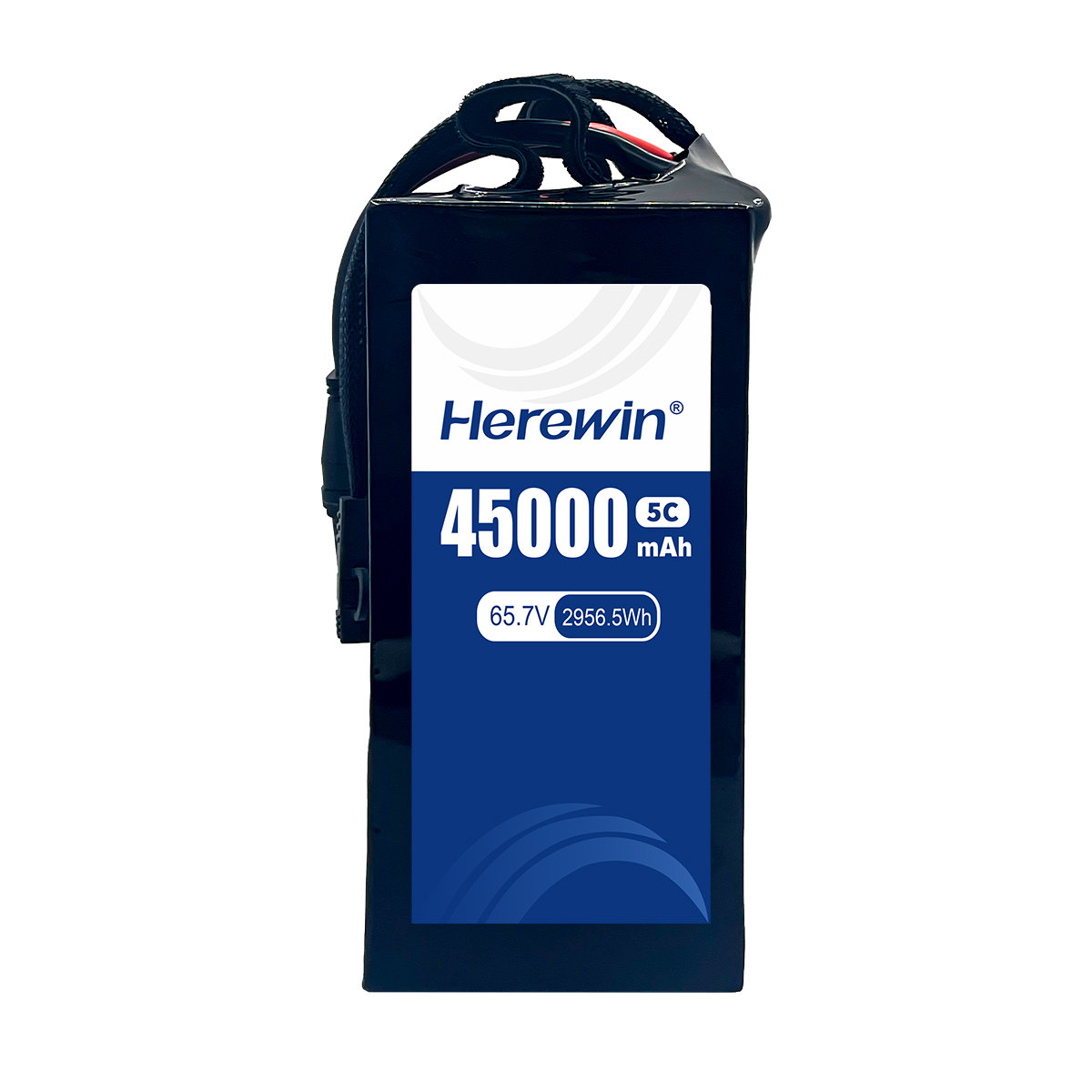
· 400Wh/kg ultra-high energy density for lighter heavy-duty UAV integration
· 18S1P 65.7V high-voltage platform for heavy payload and lifting drone systems
· 45000mAh large-capacity reserve with stable 8C discharge output
· Net weight only 8400g for better payload-to-battery efficiency
· Cycle life ≥400 with operating temperature range of -20~60℃
· 400Wh/kg ultra-high energy density for lighter heavy-duty UAV integration
· Semi-solid NMC-based energy platform for advanced drone power systems
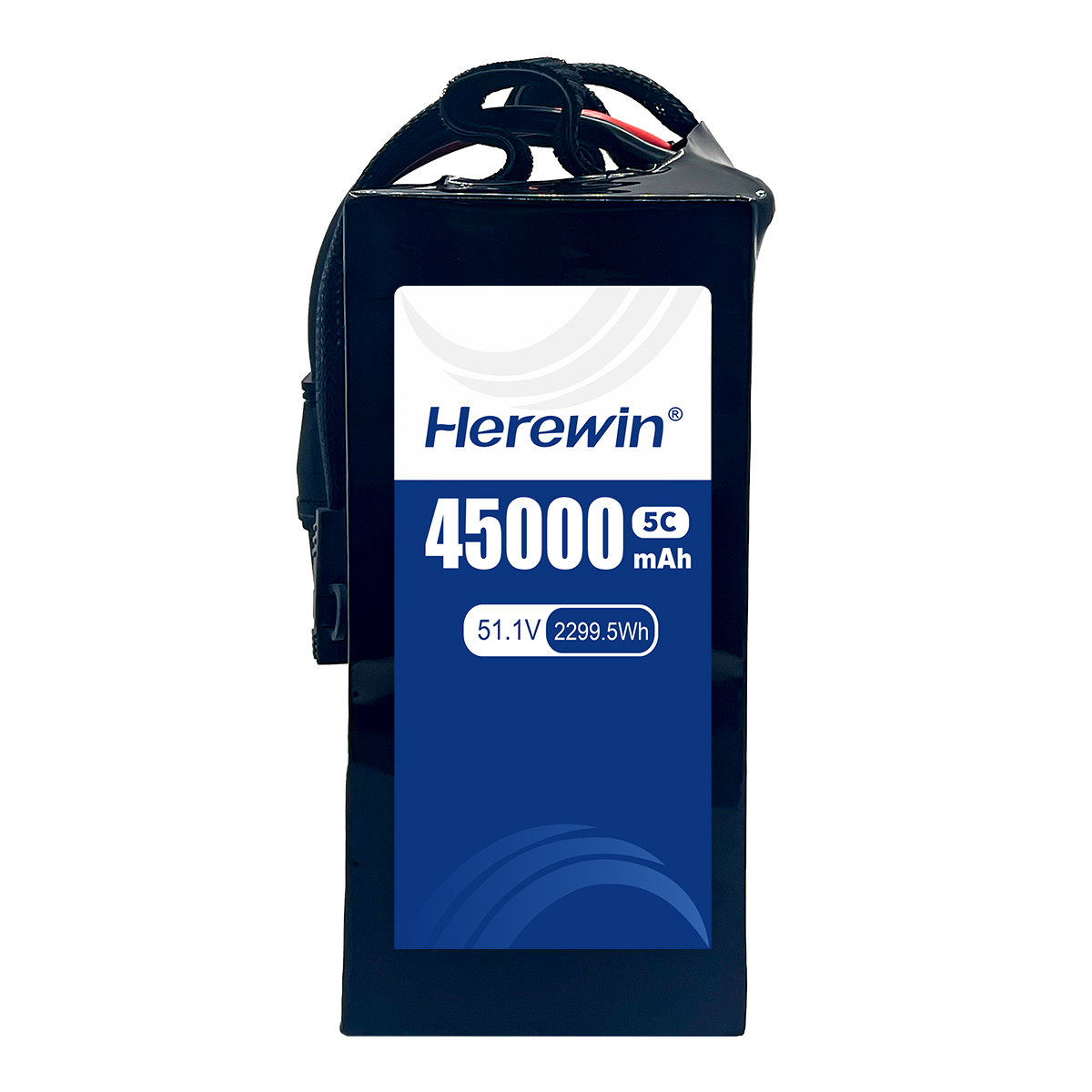
· 14S1P 51.1V 45000mAh platform with only 6500g pack weight
· 5C discharge for stable loaded UAV output
· Cycle life ≥400 with operating temperature range of -20~60℃
· 400Wh/kg ultra-high energy density for lighter heavy-payload UAV integration
· Semi-solid NMC-based energy platform for advanced drone power systems
· 12S1P 43.8V 45000mAh platform with only 5500g pack weight
· 8C discharge for stable loaded UAV output
· Cycle life ≥400 with operating temperature range of -20~60℃
High Energy Density UAV Battery Applications
Lightweight battery solutions provide higher total mission energy for fixed-wing and hybrid UAVs operating over long distances.
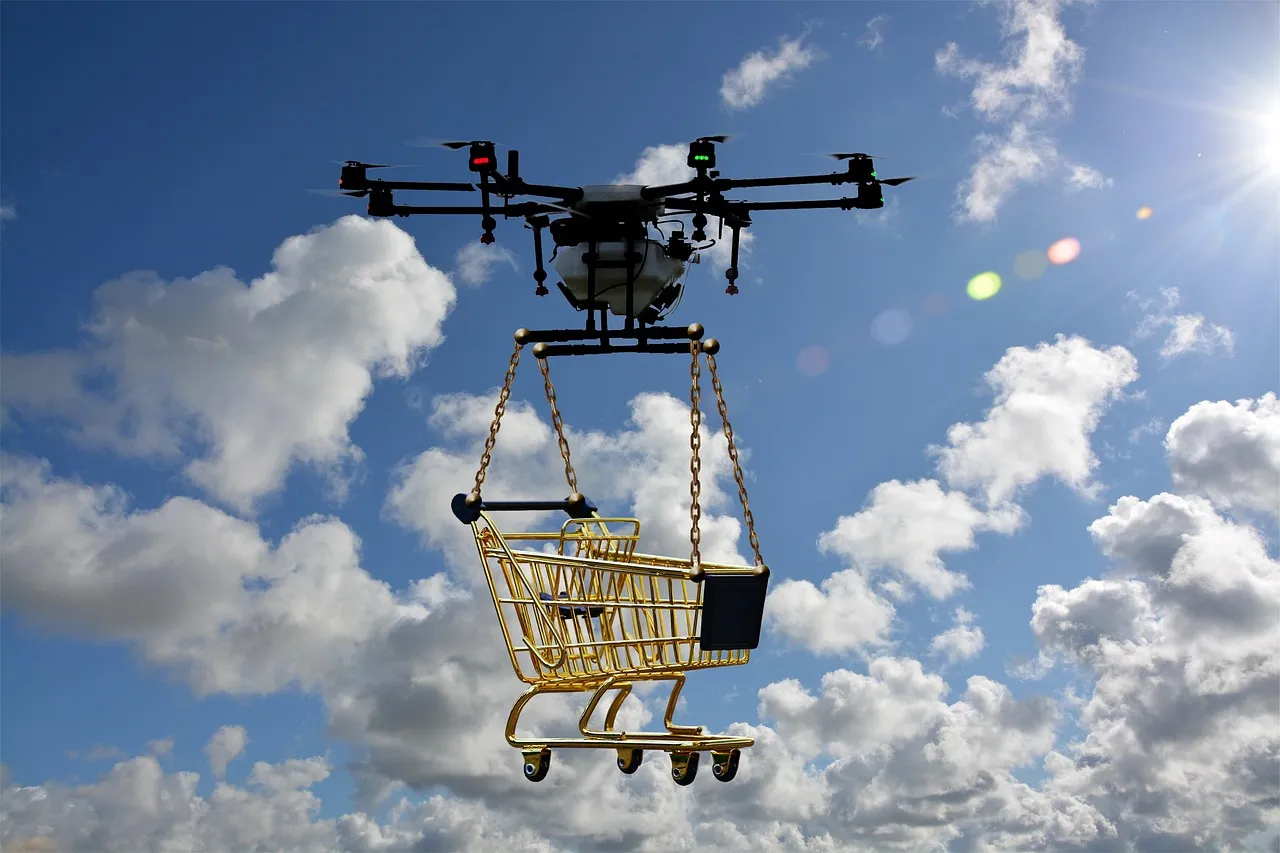
Lightweight design increases payload capacity per trip and reduces overall operating costs.
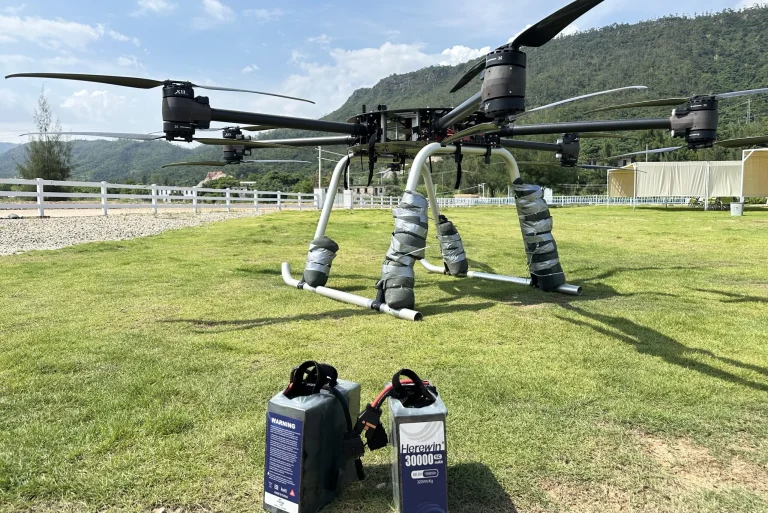
For 100–200kg heavy-lift drones, Herewin batteries deliver longer flight time, stable high-power output and faster turnaround for cargo transport and industrial UAV missions.

Semi-solid-state batteries provide extended endurance and high payload capacity—ideal for long-range rescue missions and safe personnel transport.

High-specific-energy batteries support vertical takeoff, transition, cruise, and landing while reducing total battery mass.
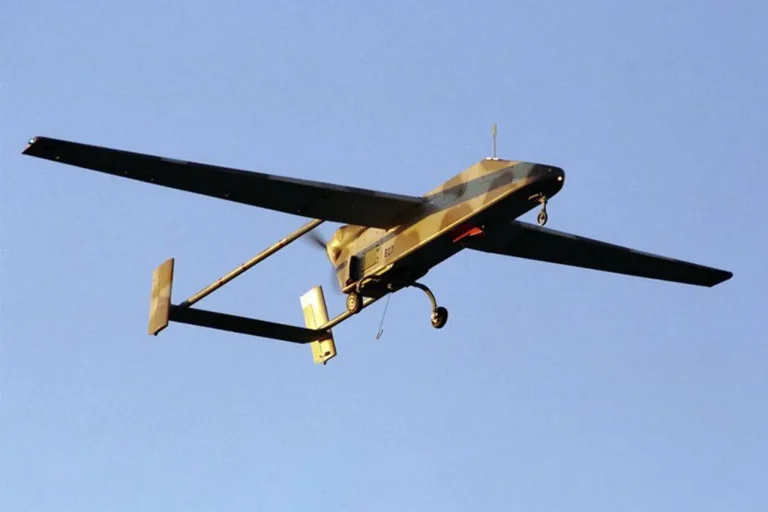
Ultra-high energy density batteries enable continuous surveillance missions exceeding 48 hours at high altitudes.
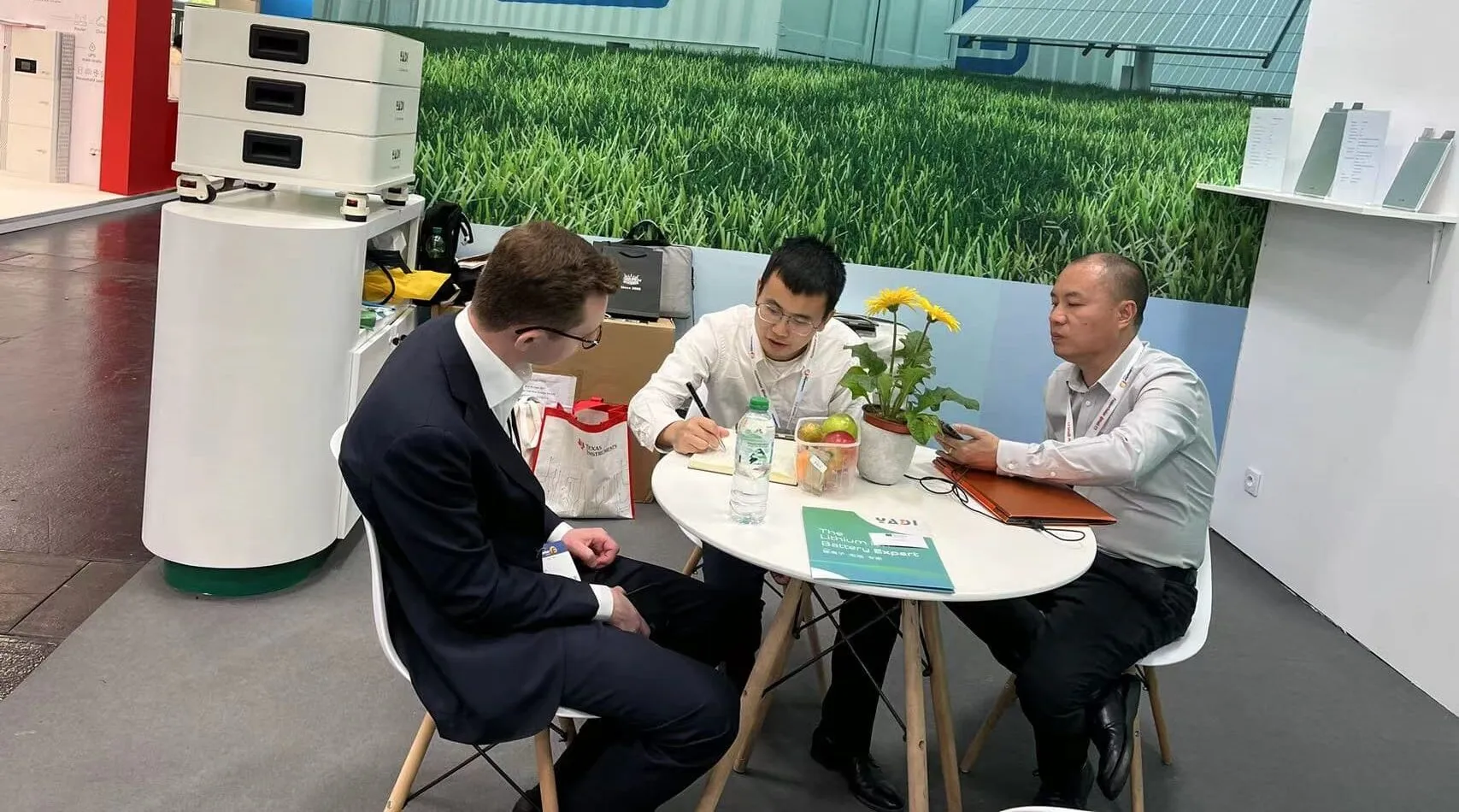
Find the Right High Energy Density Battery for Your UAV
Share your UAV voltage, average current, peak current, target flight time, maximum battery weight, battery compartment dimensions, connector, and estimated quantity. Our engineering team will evaluate a suitable cell and battery pack configuration.
High Energy Density UAV Battery Manufacturing
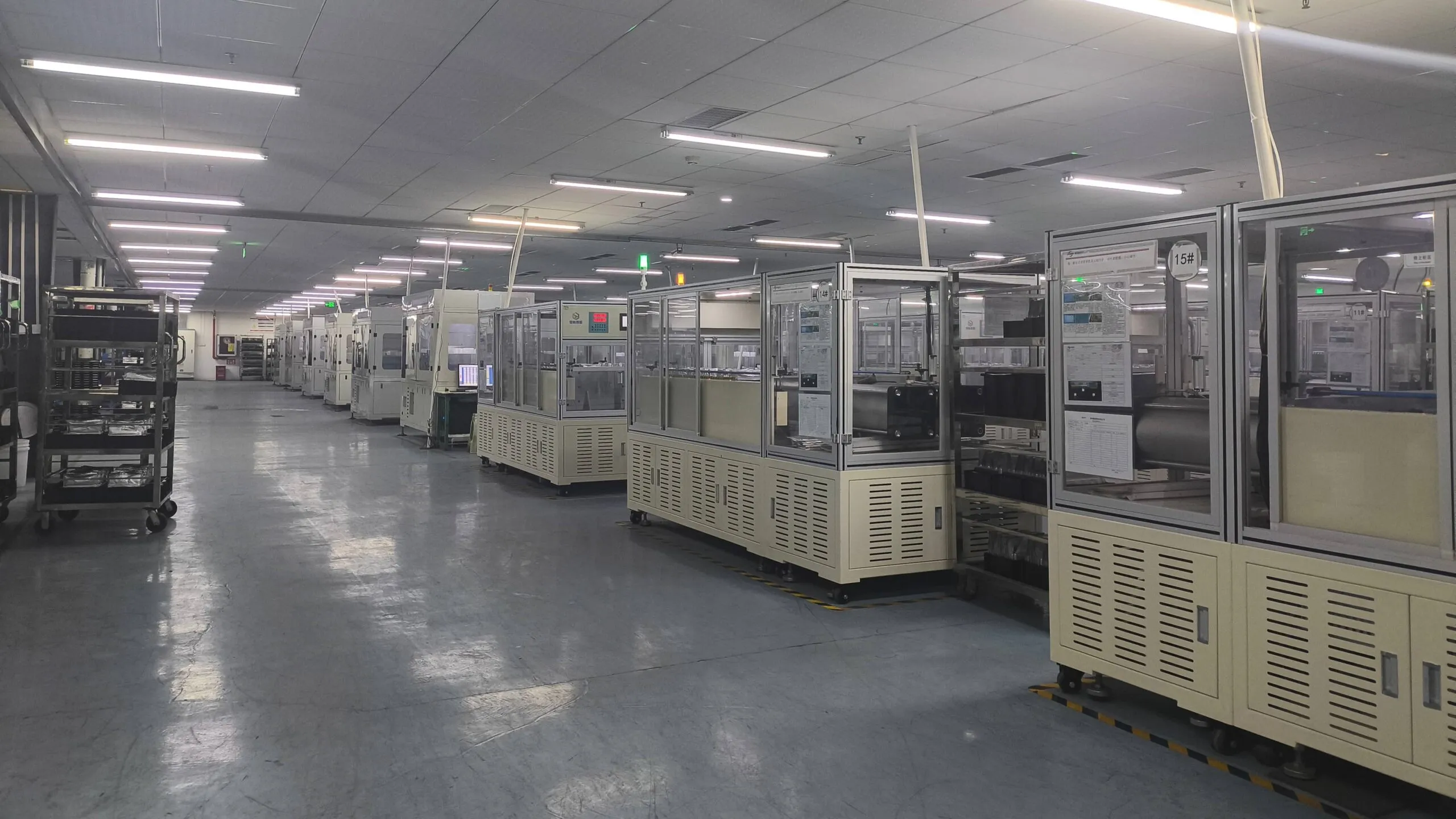
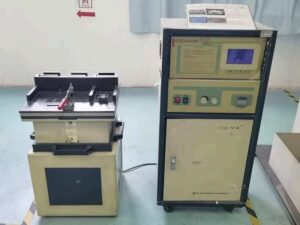
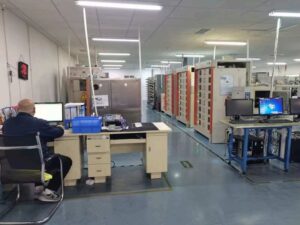
Herewin integrates pouch cell manufacturing, cell grading, battery pack design, BMS development, pack assembly, testing, and final quality control.
For high energy density UAV batteries, production control focuses on cell capacity consistency, internal resistance matching, voltage matching, welding quality, current-path design, insulation, structural reinforcement, thermal behavior, and pack-level electrical protection.
Each customized project is evaluated according to the aircraft’s real operating data, including voltage platform, average current, peak current, flight profile, target endurance, battery weight, installation space, and communication requirements.
บริการที่แตกต่างกันสำหรับลูกค้าที่มีรูปแบบที่แตกต่างกัน
สำหรับลูกค้าออฟไลน์
เวลาจัดส่งที่ยืดหยุ่น
กำหนดการส่งมอบและการสนับสนุนคลังสินค้าที่เชื่อถือได้
คุ้มค่าต้นทุนสูง
การกำหนดราคาที่มีการแข่งขันเพื่อเพิ่มมูลค่าโดยรวมสูงสุด
มีผลิตภัณฑ์ให้เลือกมากมาย
ทางเลือกที่หลากหลายเพื่อรองรับกลุ่มตลาดทุกกลุ่ม
สำหรับลูกค้าออนไลน์
MOQ ต่ำ
MOQ ที่ยืดหยุ่นพร้อมตัวเลือกผลิตภัณฑ์แบบผสมผสาน
โลโก้ที่กำหนดเอง
การปรับแต่งโลโก้ส่วนบุคคลสำหรับปริมาณการผลิตจำนวนเล็กน้อย
แพ็คเกจการตลาดแบบครบวงจร
จัดเตรียมรูปภาพและวีดีโอที่มีคุณภาพเพื่อเพิ่มรายได้จากการขาย
สำหรับลูกค้าแบรนด์
สิทธิพิเศษระดับภูมิภาค
มอบทรัพยากรและความสามารถทั้งหมดของ Herewin
R&D Resources
Custom sample within 7 days with R&D capabilities.
การจัดส่งที่รวดเร็ว
การผลิตที่มีประสิทธิภาพและจัดส่งภายใน 25 วันโดยเร็วที่สุด
เปิดบรรจุภัณฑ์และคัดแยกวัสดุ
ตรวจสอบเซลล์ที่จัดกลุ่มอย่างครบถ้วนเพื่อหาข้อบกพร่อง เช่น การรั่วไหล รอยขีดข่วน รอยบุบ รอยเจาะ การบวม การจัดตำแหน่งโฟมที่ไม่เหมาะสม (แถบที่เปิดออกหรือโฟมด้านล่างหายไป)
วัดแรงดันไฟฟ้าของเซลล์และความต้านทานภายใน คัดกรองและปรับสมดุลเซลล์ที่มีค่าเบี่ยงเบนมากเกินไป
ตัดแท็บอิเล็กโทรดตามข้อกำหนดโดยใช้เครื่องตัดแท็บ
เชื่อมแท็บด้วยเครื่องเชื่อมอัลตราโซนิกและตกแต่งเพื่อให้แน่ใจว่าได้แนวที่เรียบเสมอกัน
แถบตกแต่งให้ชิดกับจุดเชื่อมและกดให้แบนลงบนแผ่นโฟม
การบัดกรีลวดโดยใช้หัวแร้งไฟฟ้า
วางกระดาษคราฟท์เพื่อเป็นฉนวนและปิดทับด้วยเทปกาวทนอุณหภูมิสูง
ติดตั้งโมดูลแบตเตอรี่เข้าในตัวเรือนตามข้อกำหนดของชุดประกอบและเชื่อมต่อสายไฟ
เชื่อมต่อโมดูลกับเครื่องชาร์จ สลับไปที่โหมดแรงดันไฟมาตรฐาน เปิดใช้งานการชาร์จช้า และเริ่มการชาร์จ
ทาซีลแลนท์บนรูสกรู ติดตั้งปลั๊กซิลิโคนแบบมีร่อง และเสริมการซีลที่จุดที่กำหนด
ตรวจสอบการสื่อสาร แรงดันไฟฟ้าขาออก การตรวจจับอุณหภูมิ เส้นโค้งการคายประจุ และการรั่วไหล
ตรวจสอบรอยขีดข่วน คราบกาว สกรูที่ถอดออก และตรวจสอบให้แน่ใจว่าฉลากสามารถอ่านได้/ไม่ได้รับความเสียหาย
ติดฉลากหน่วยต่างๆ ใส่ในกล่องบุโฟม ปิดผนึกในถุง PE พร้อมสารดูดความชื้น และยึดด้วยแผ่นโฟมด้านบน
หน่วยที่ได้รับการอนุมัติจากกล่องและการจัดส่ง
เรียนรู้รายละเอียดเพิ่มเติม
Developing a new UAV or upgrading an existing battery system? Send us the current battery specification and actual flight data. Herewin can evaluate whether the project should prioritize higher energy density, lower battery weight, longer endurance, higher payload, or a customized voltage platform.
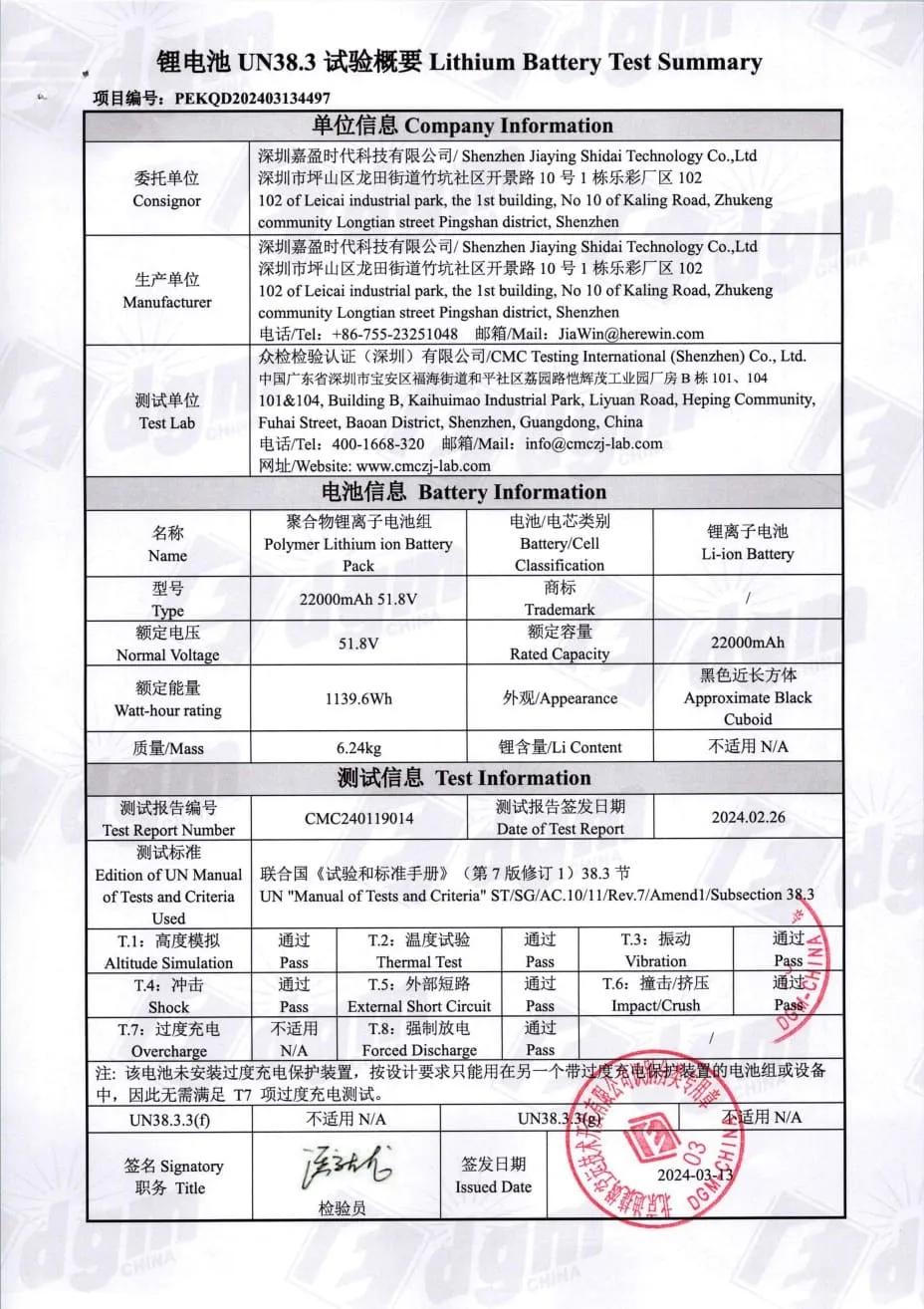
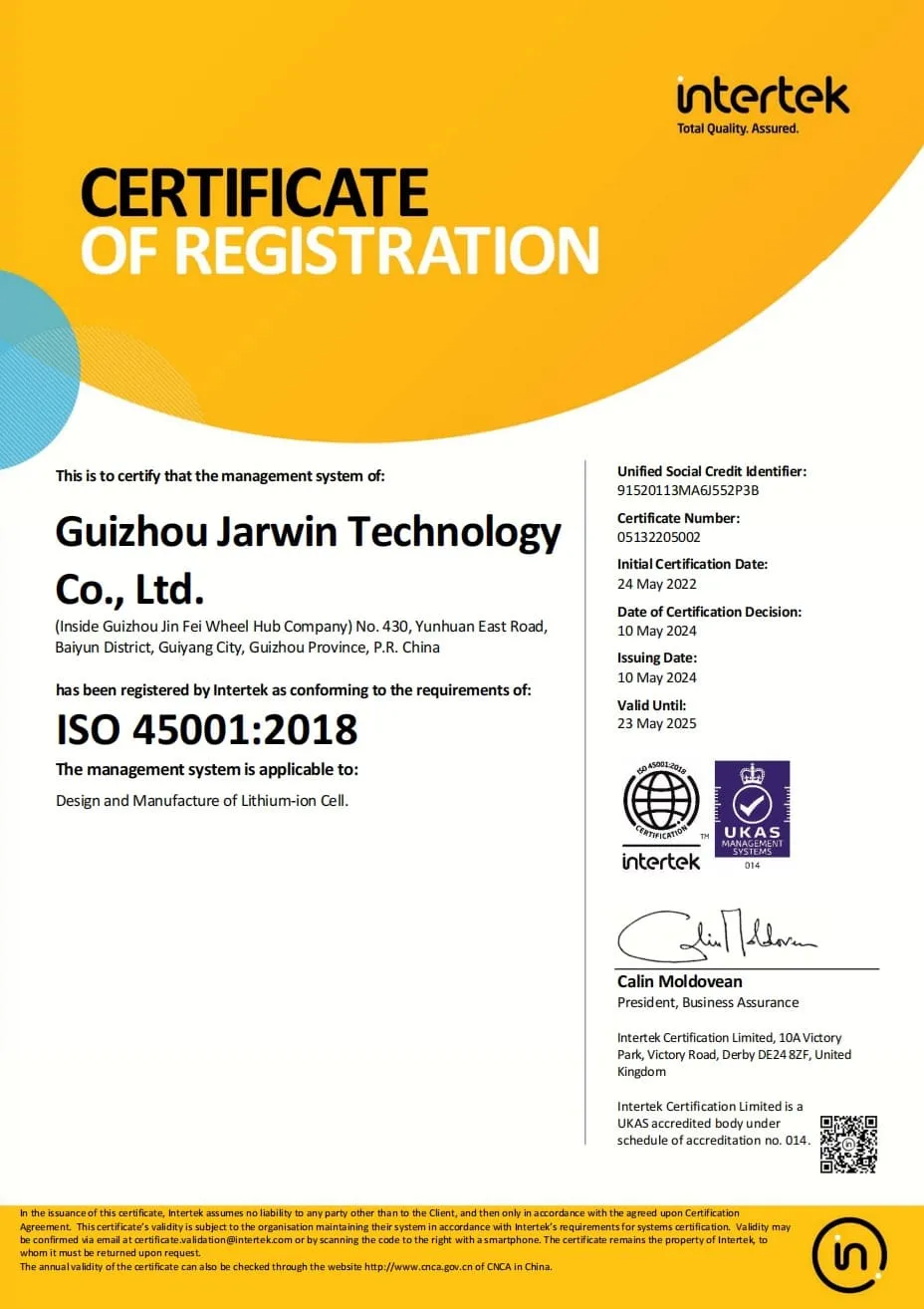
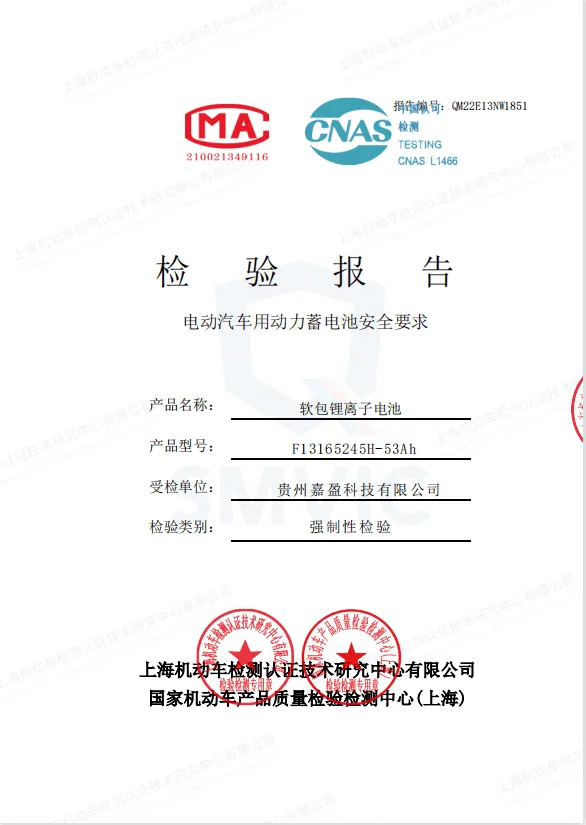
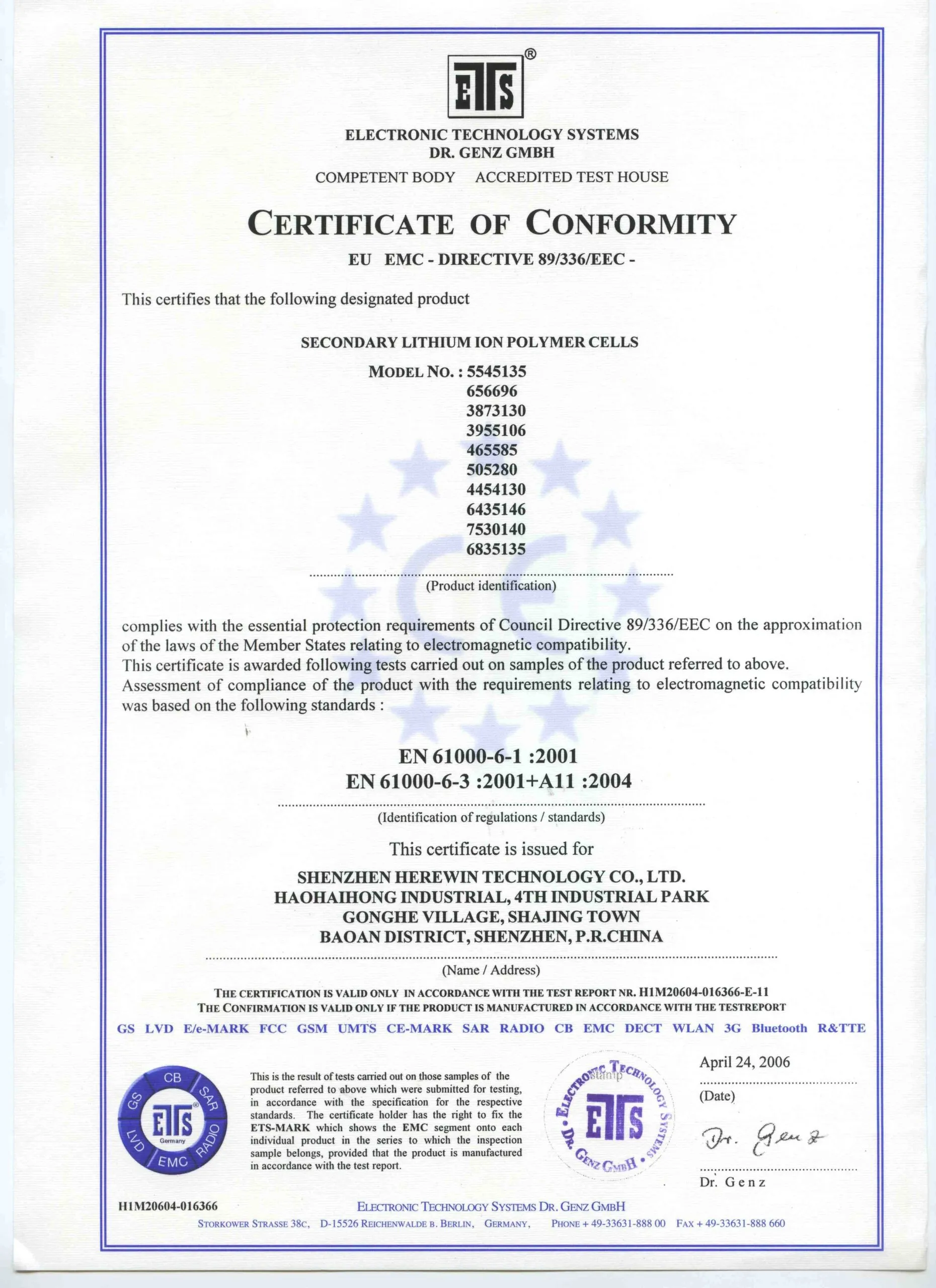
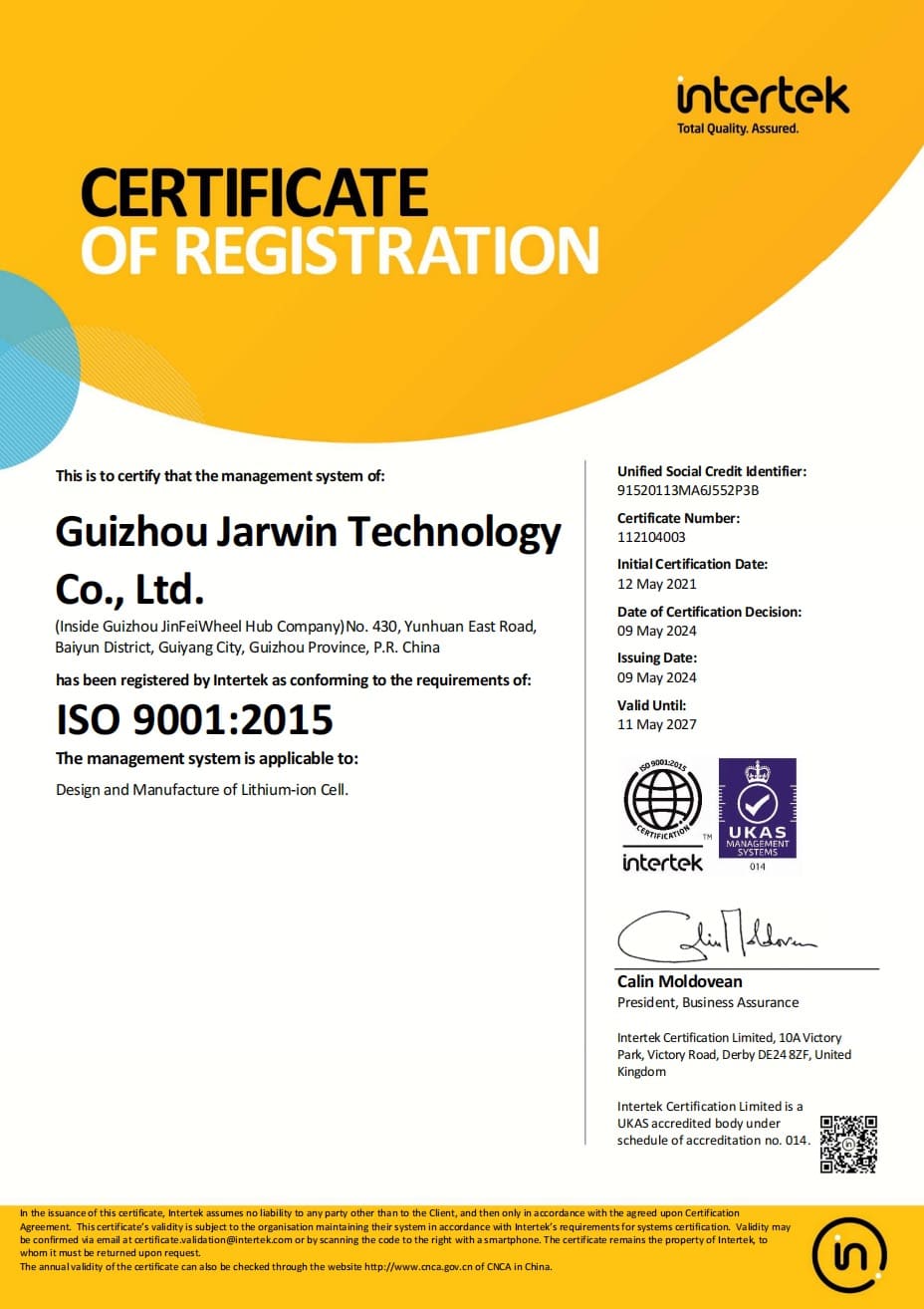
ยุติธรรมและรับรอง
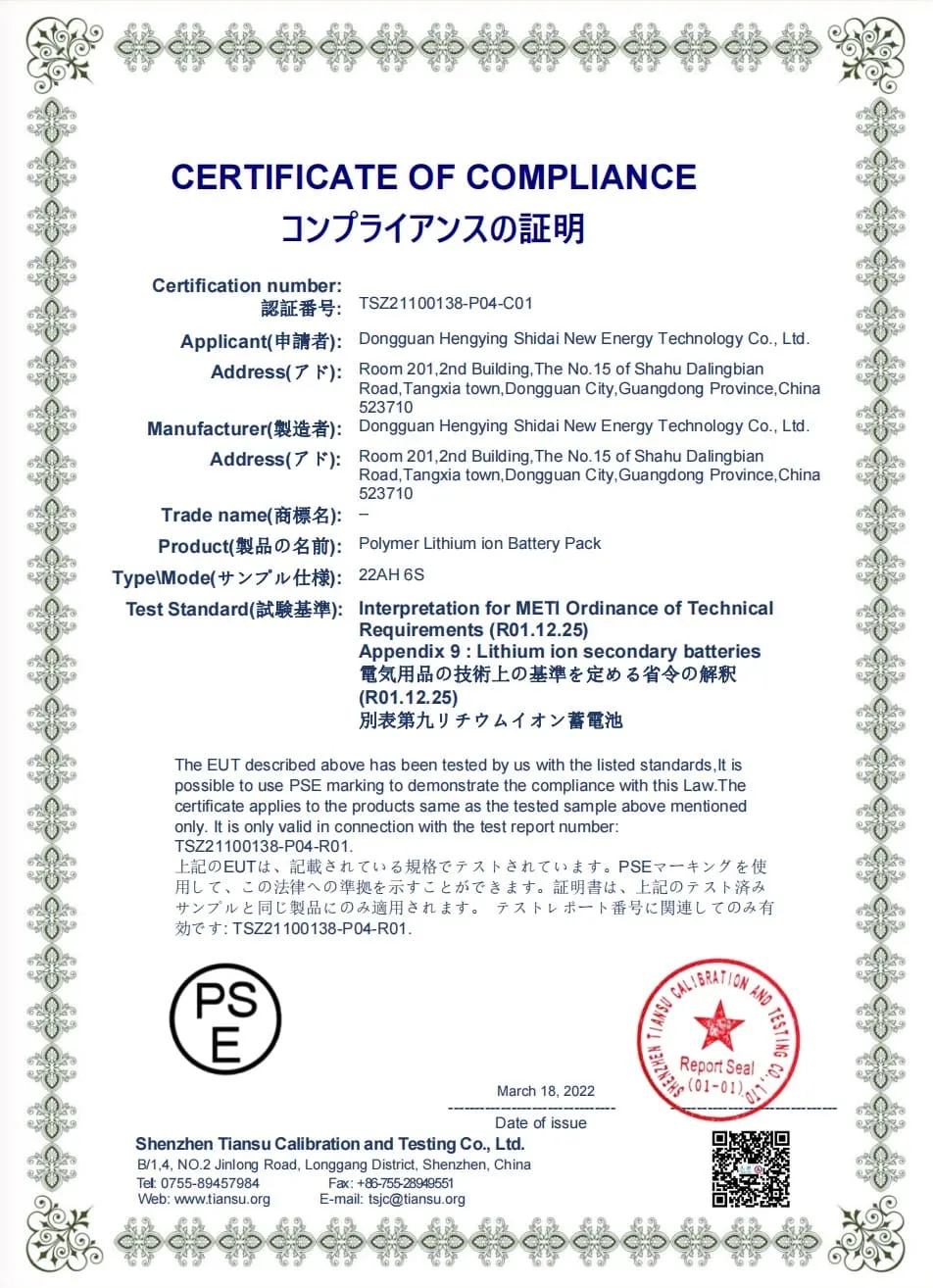
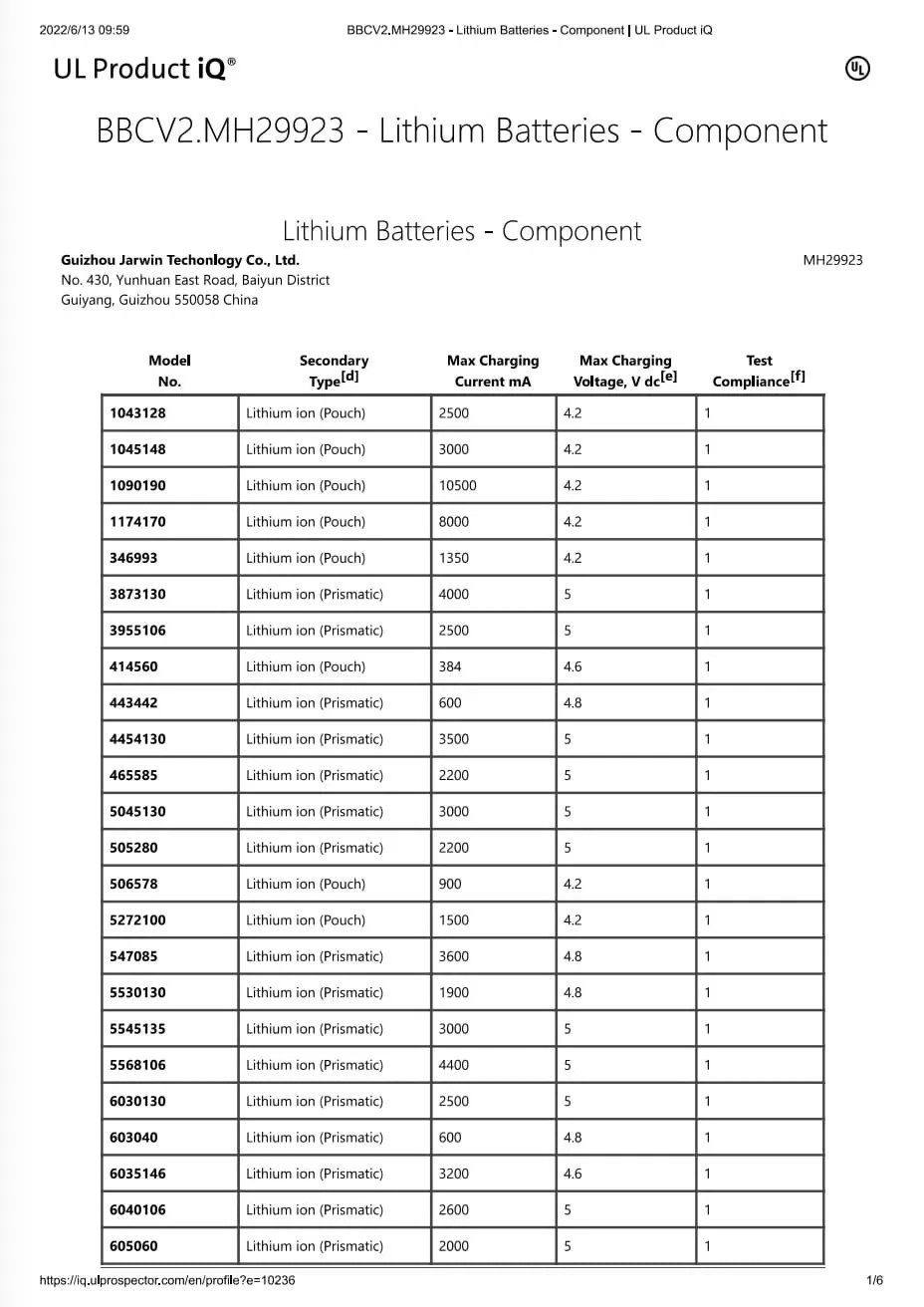
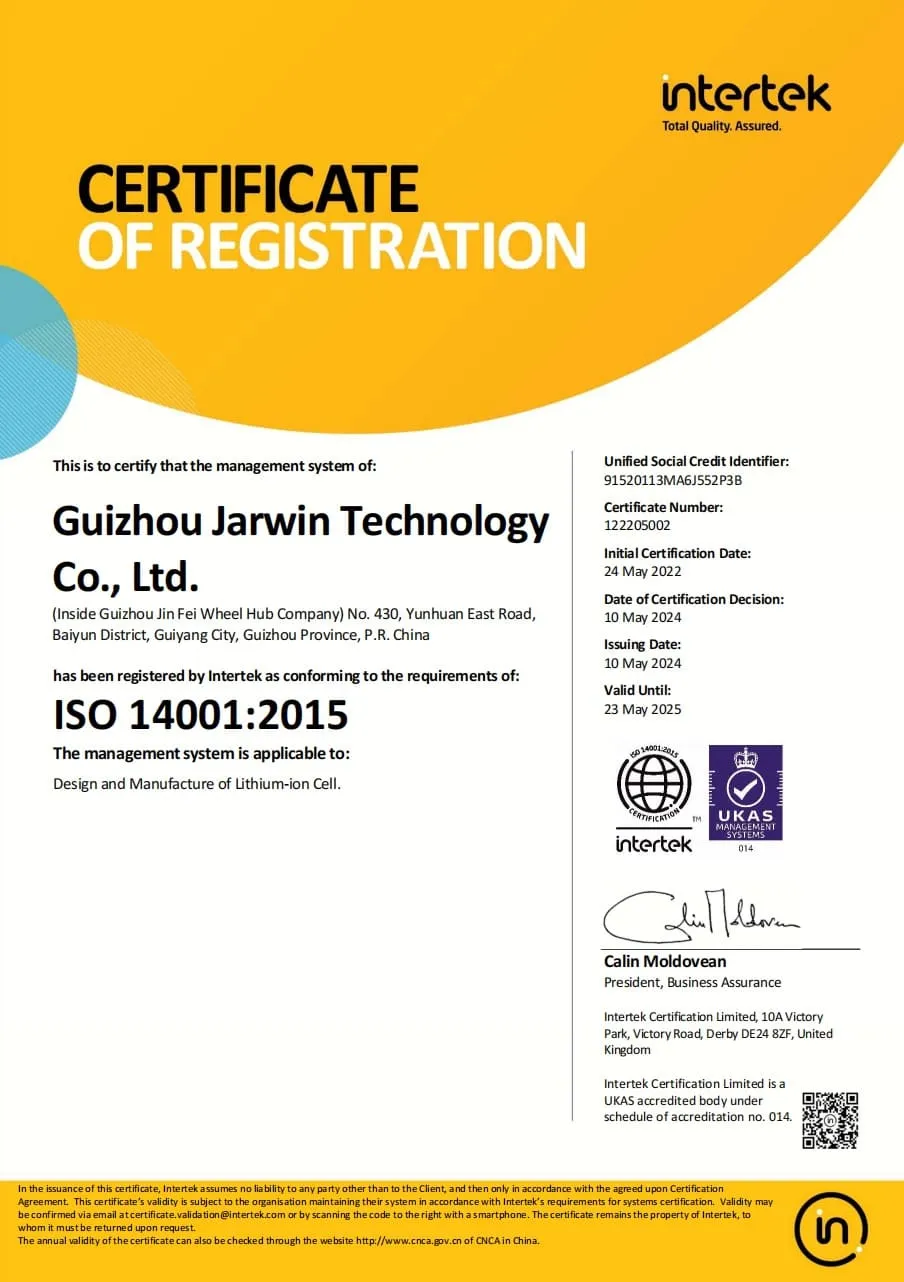
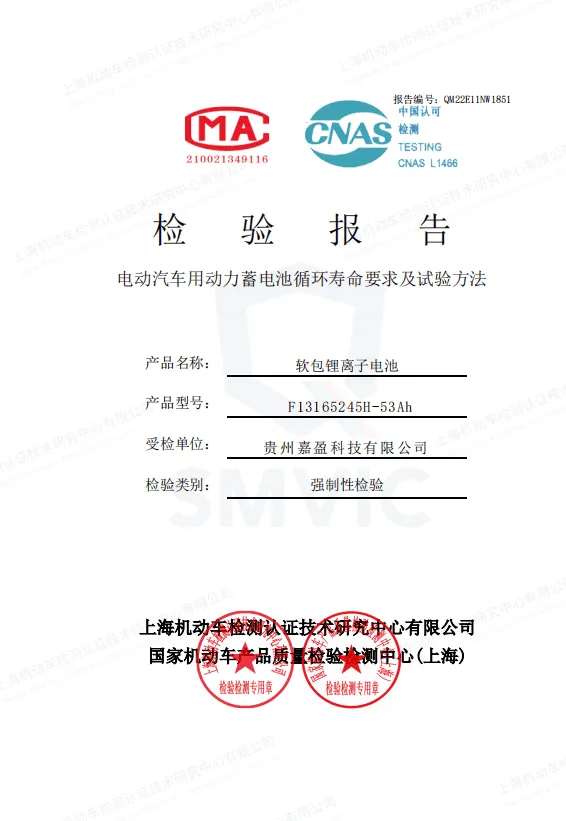
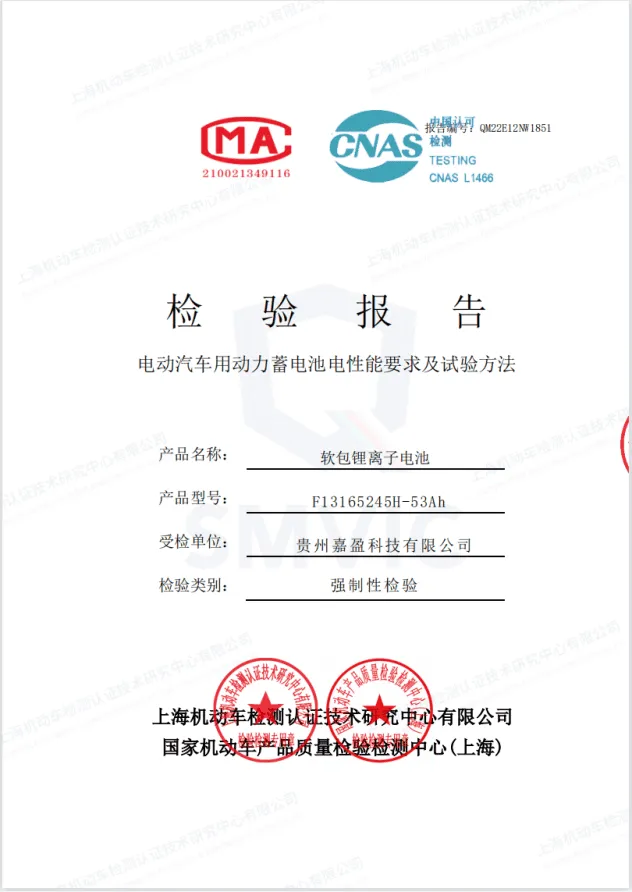
การรับรองคือจุดแข็งที่ยิ่งใหญ่ที่สุดของที่นี่
ตอบสนองความต้องการของตลาดทุกระดับ และโรงงานต้นทางได้รับการรับรองคุณภาพอย่างครบถ้วน
Need Longer Flight Time Without Adding Battery Weight?
Increasing battery capacity alone may also increase aircraft weight and power consumption. Our engineers evaluate specific energy, battery weight, discharge performance, voltage sag, thermal behavior, and propulsion-system compatibility together to identify a more effective UAV battery solution.
คำถามที่พบบ่อย
A high energy density UAV battery stores more energy per unit of weight or volume than a conventional drone battery. Higher specific energy can help extend flight endurance, reduce battery mass, or increase available payload.
Gravimetric energy density is normally measured in watt-hours per kilogram, or Wh/kg. It can refer either to the cell level or the complete battery pack level. Pack-level energy density is lower because the enclosure, cable, connector, BMS, insulation, and structural components add weight.
Herewin currently provides cell-level energy density platforms ranging from approximately 320 Wh/kg to 400 Wh/kg, depending on the cell technology and product configuration. The final pack-level energy density must be calculated according to the enclosure, BMS, connector, cable, and structural design.
บล็อกที่เกี่ยวข้อง
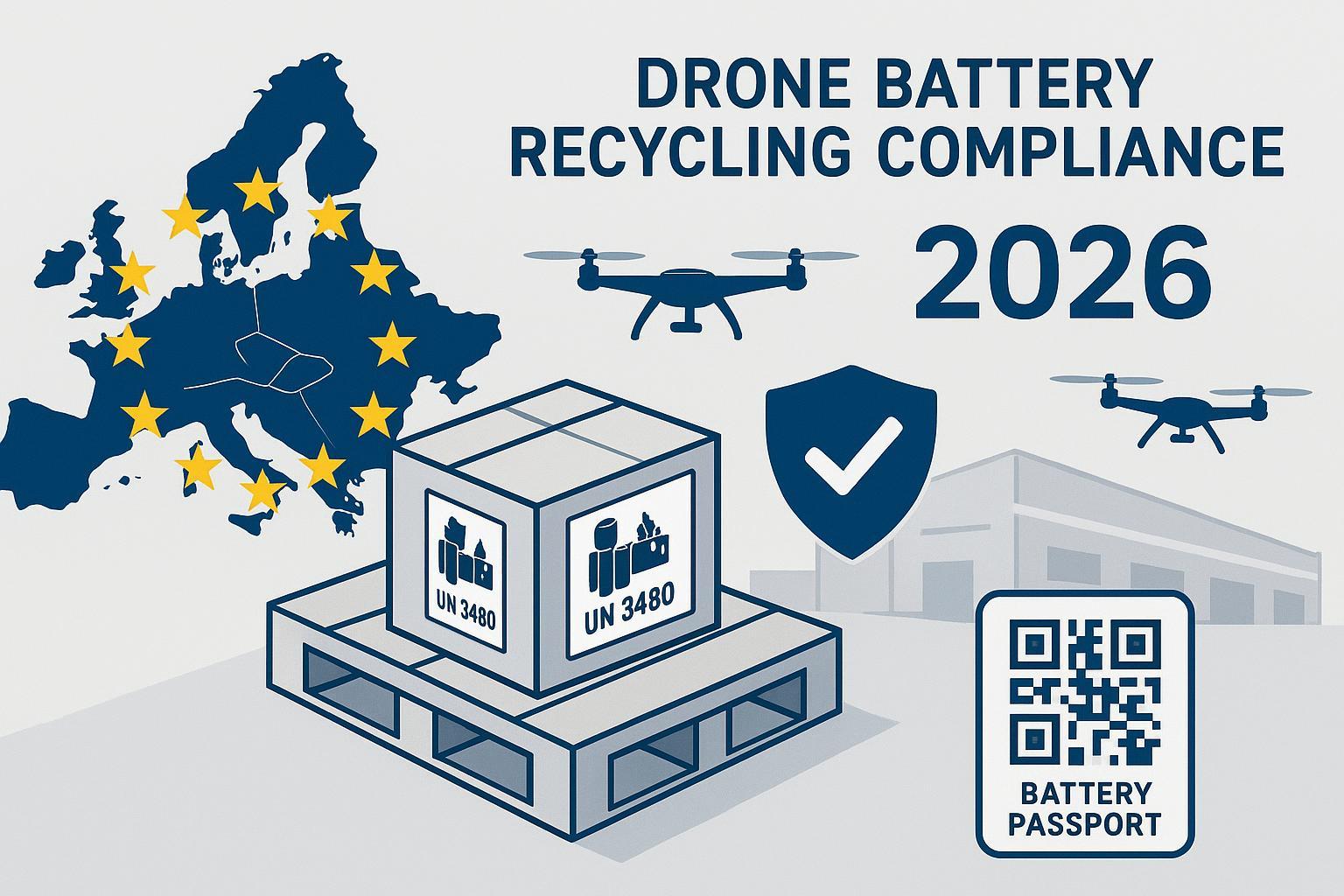
Cross-border drone fleets are evolving. The focus has shifted from simple “battery disposal” to strategic energy asset governance. In 2026, […]