

...

Batterijcellen

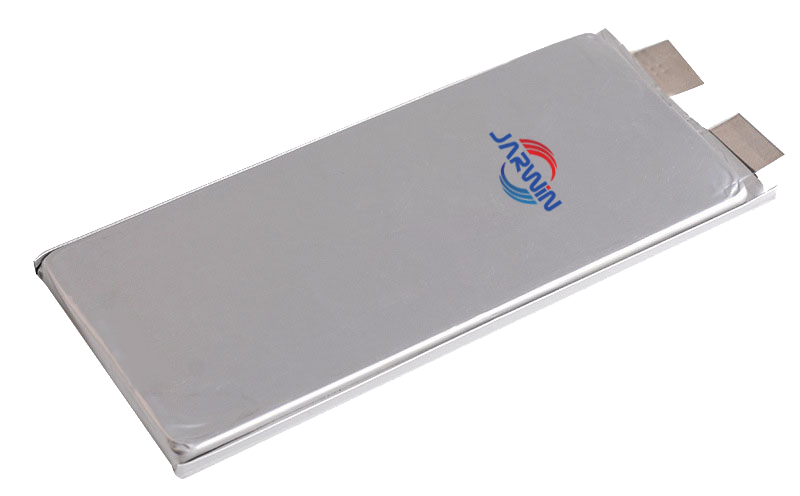
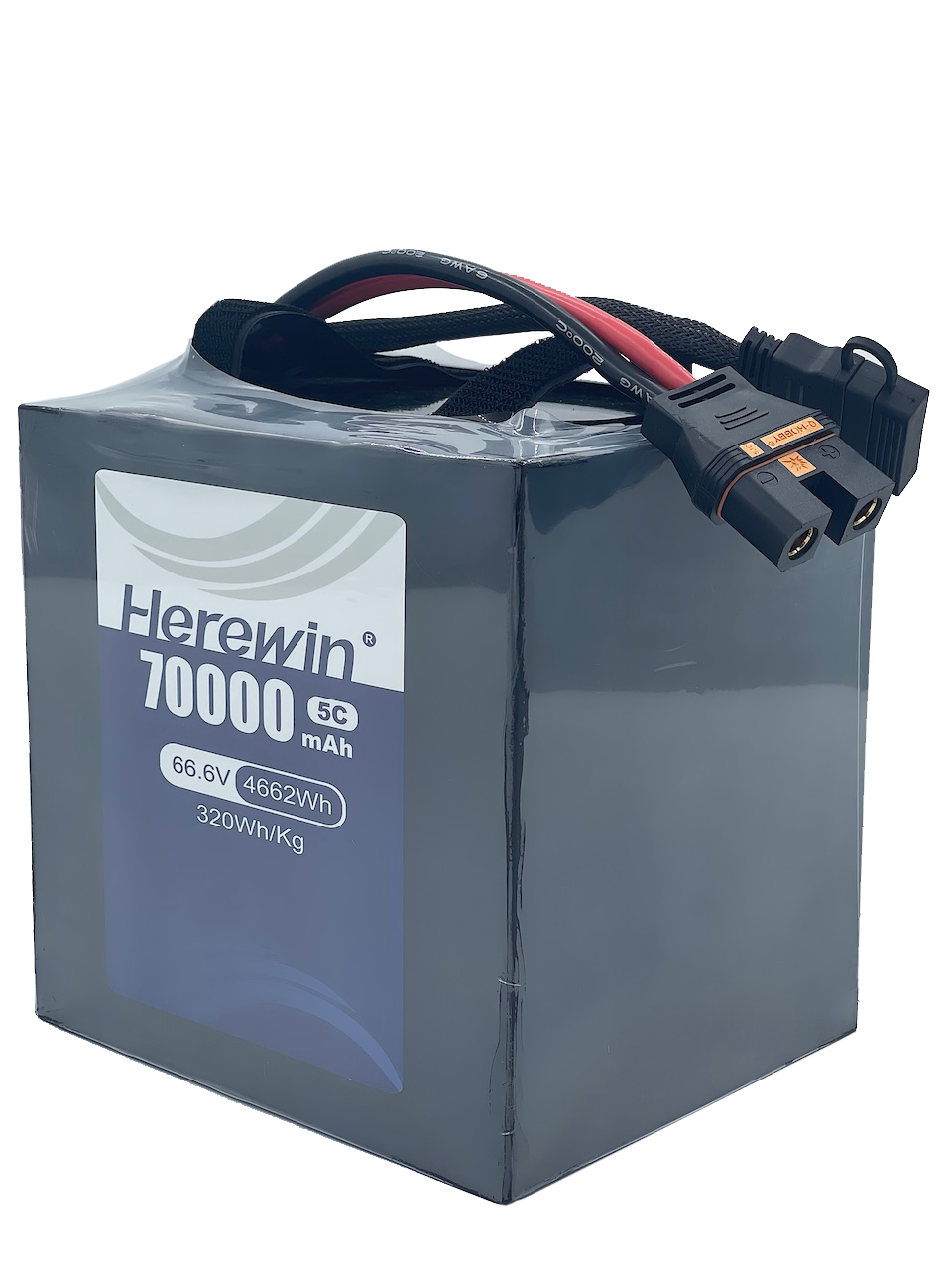
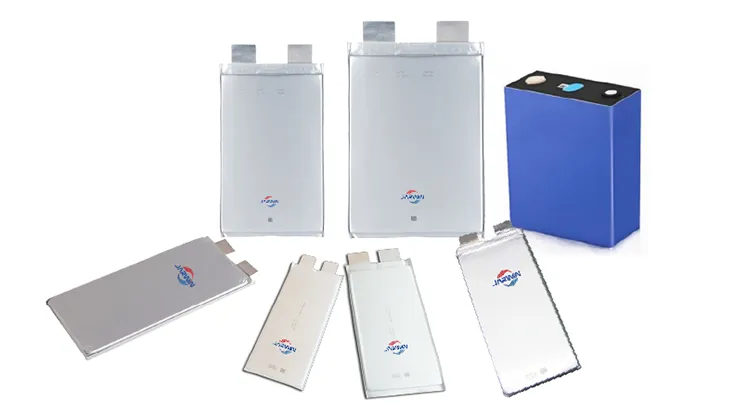
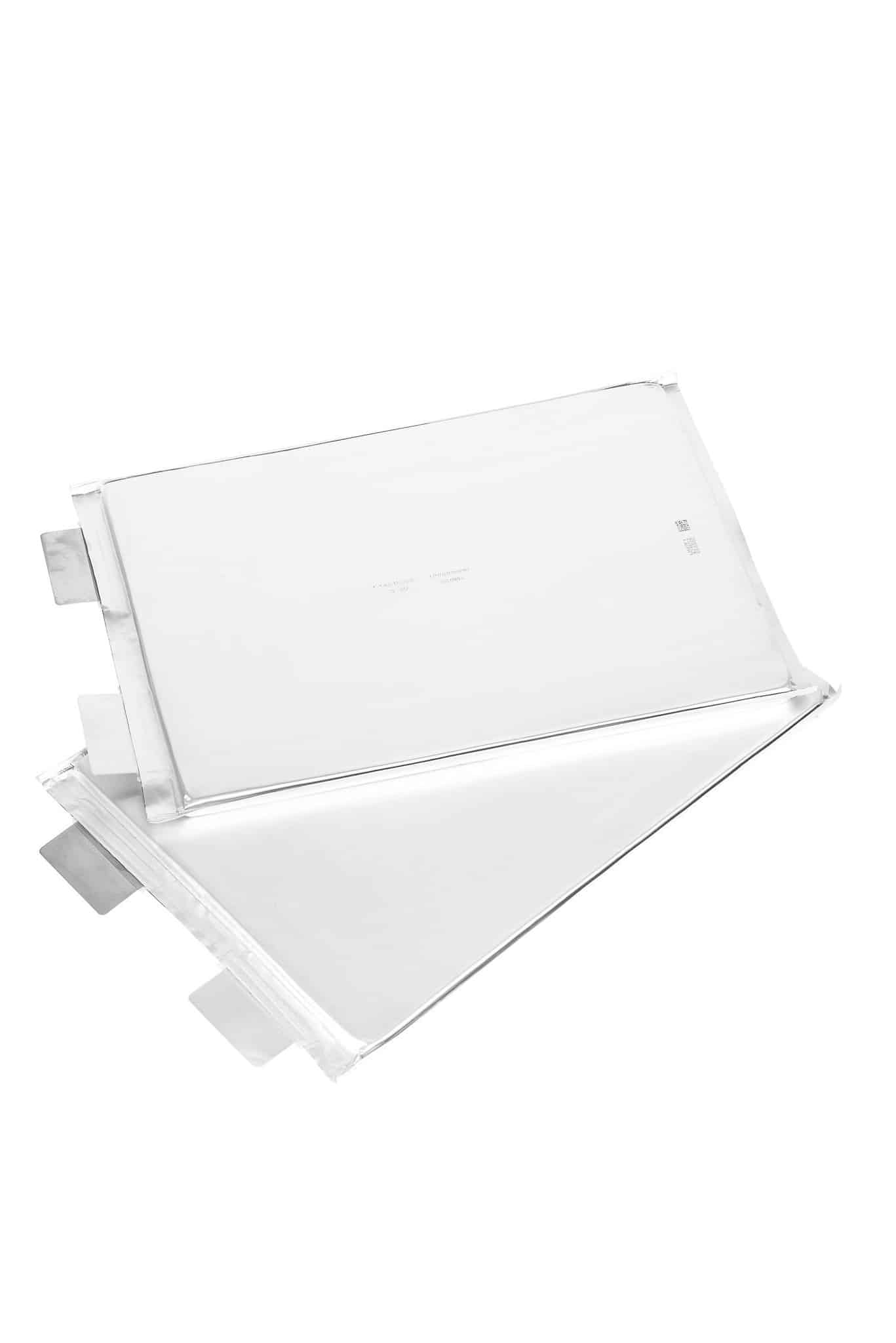
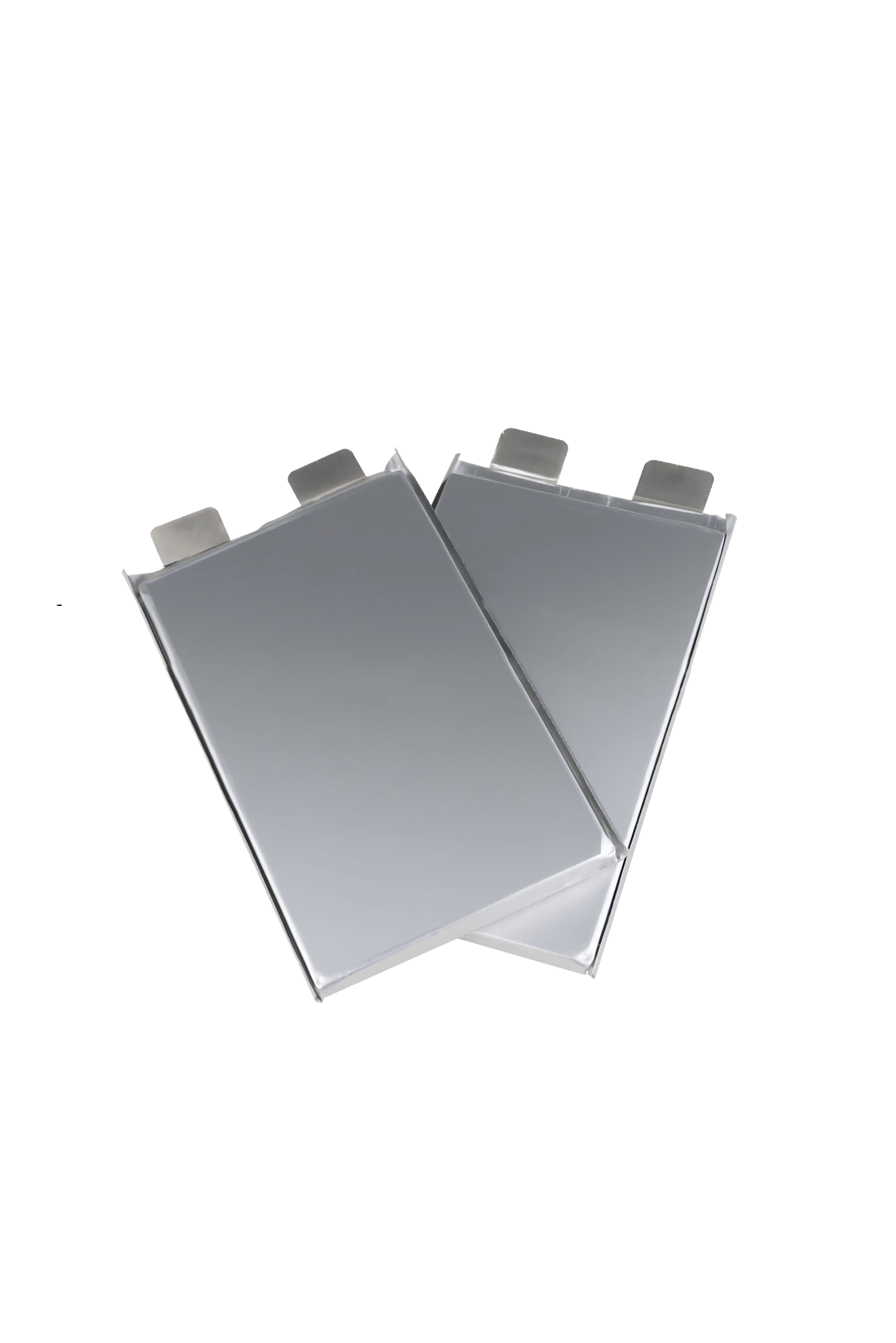
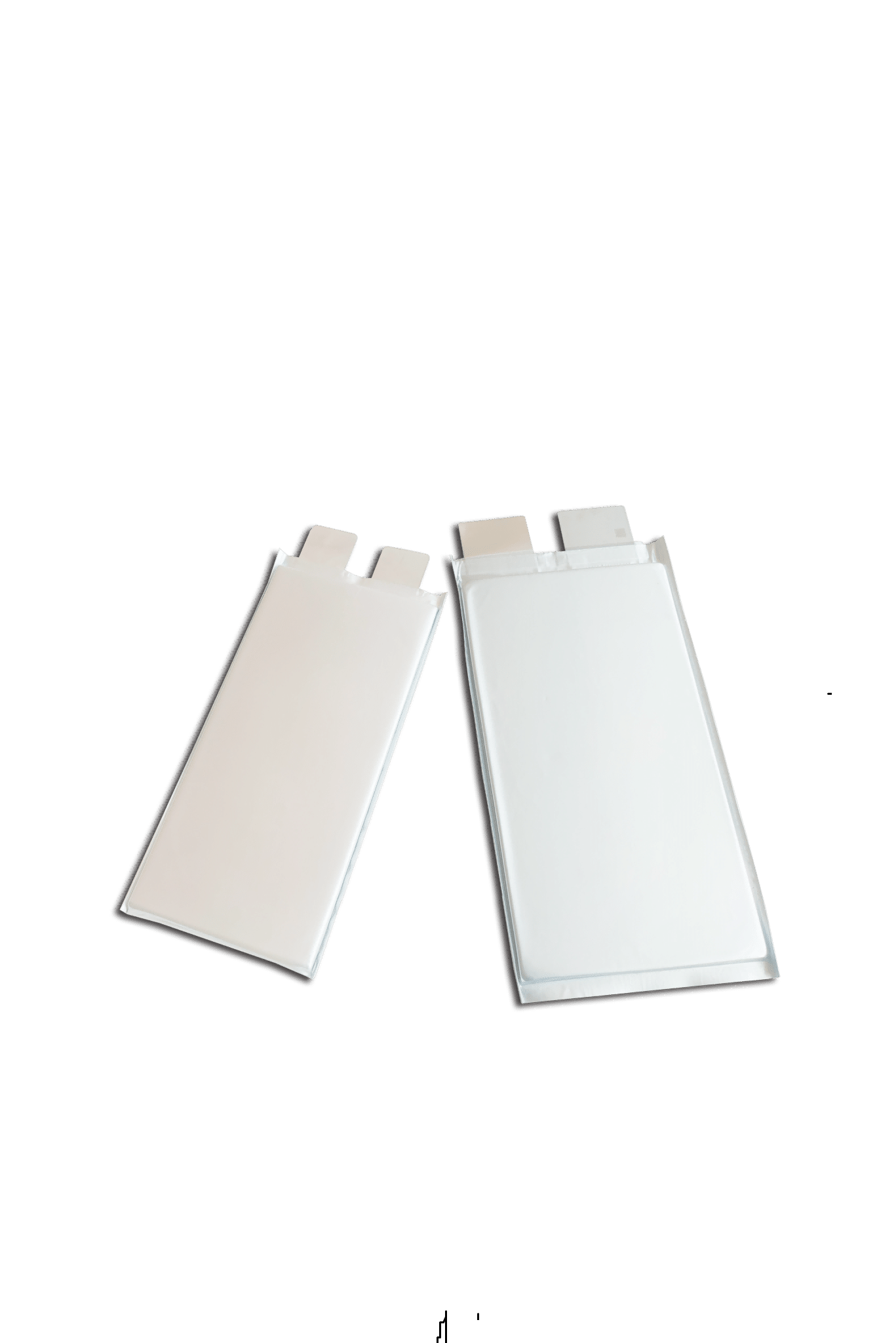
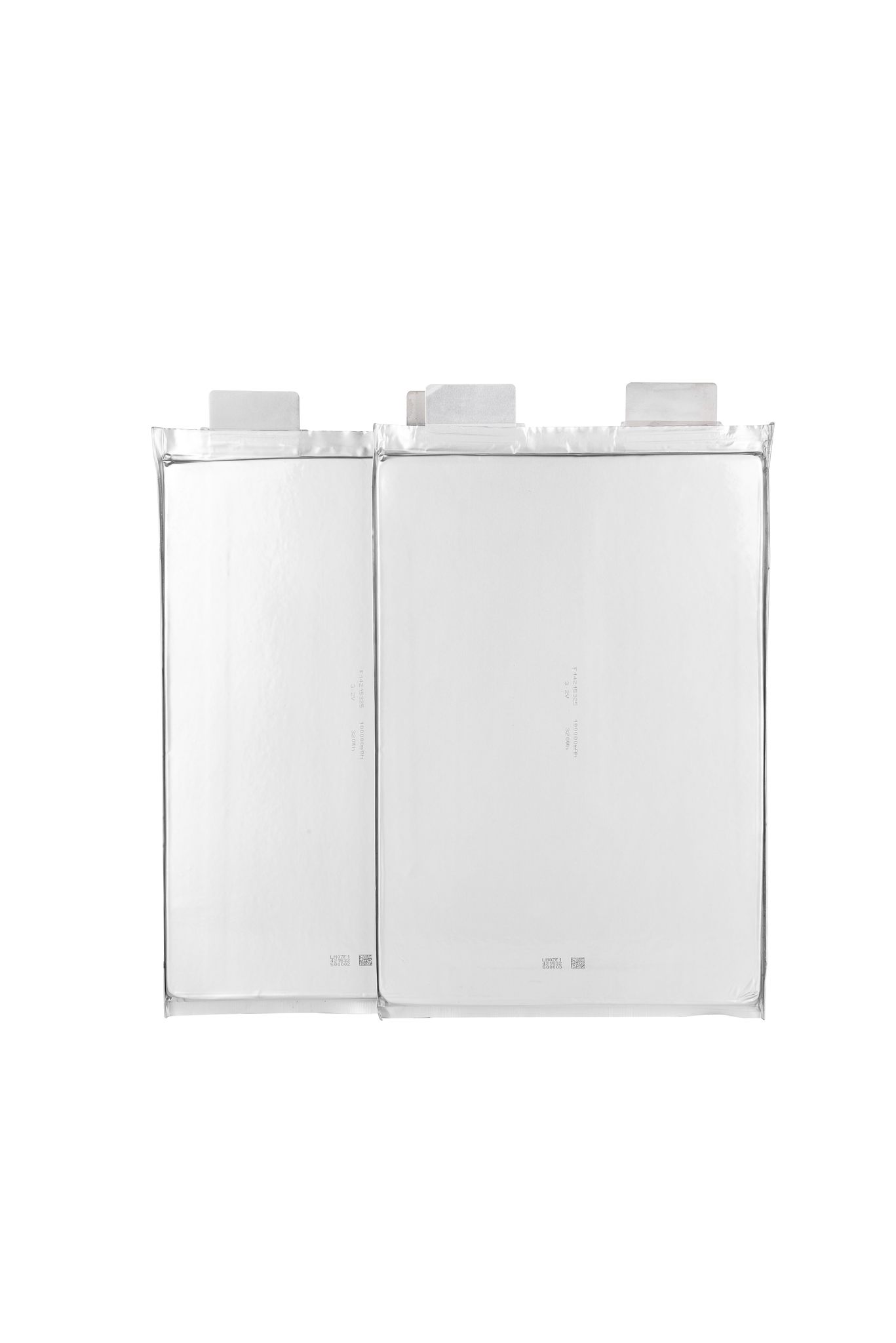
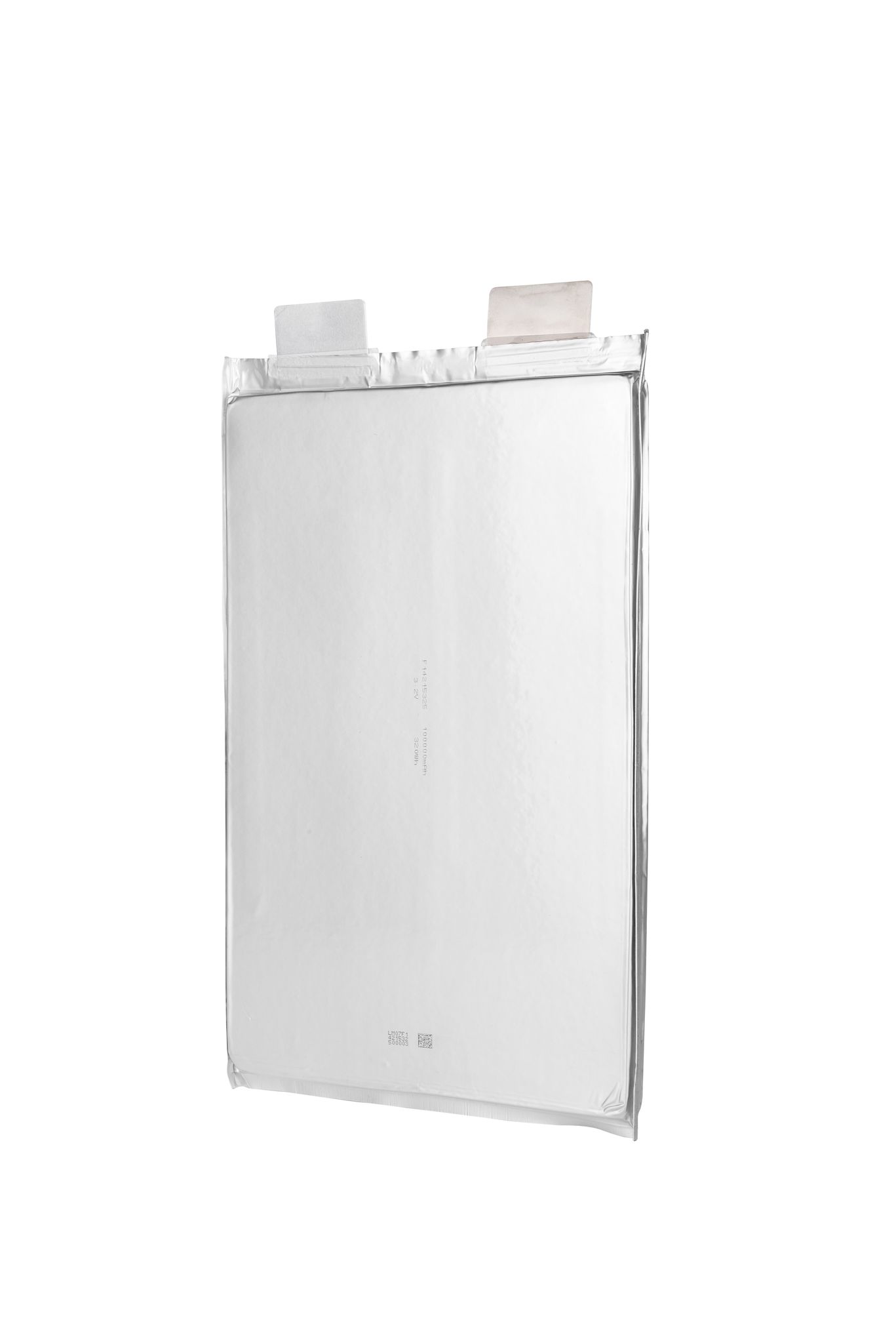
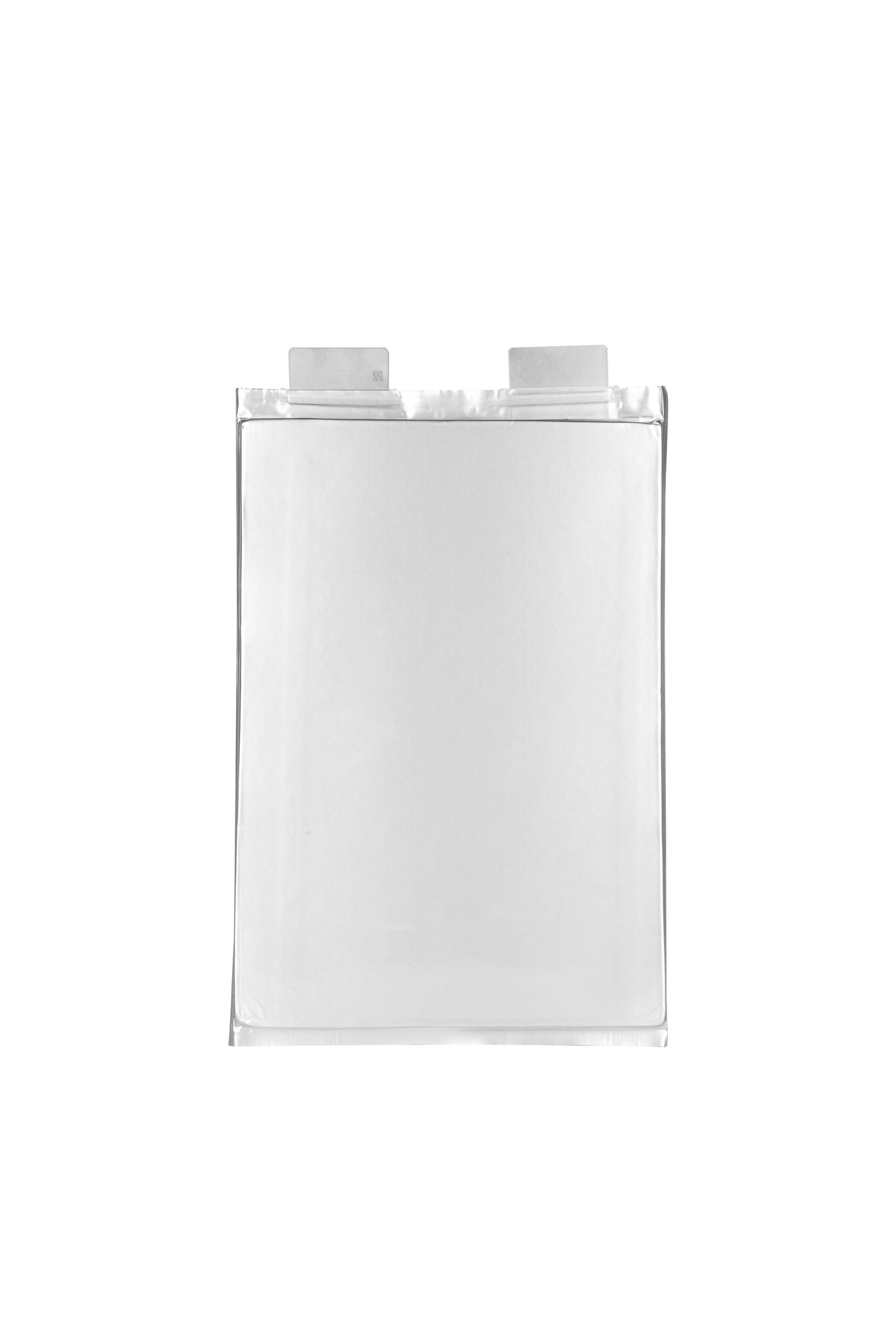
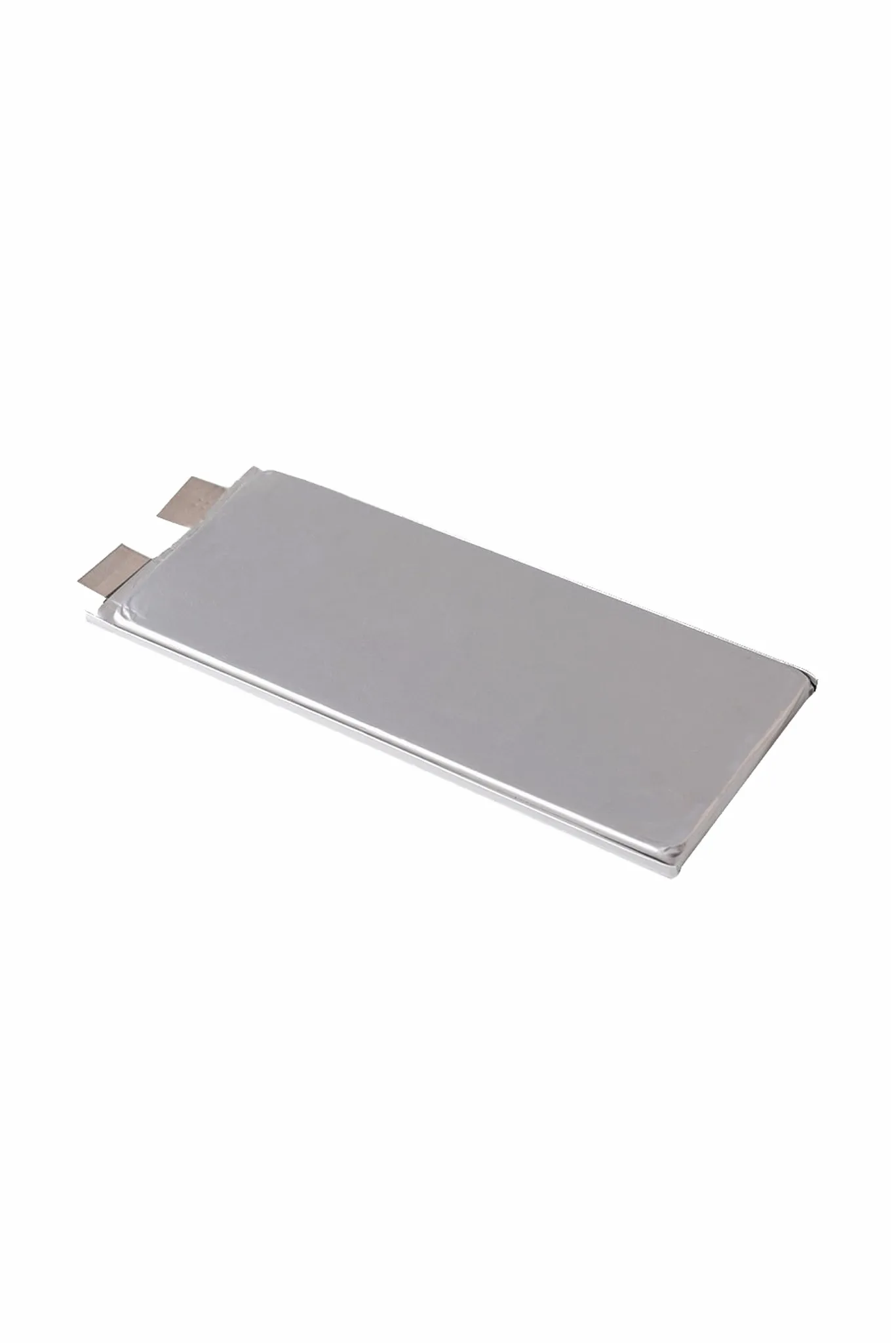
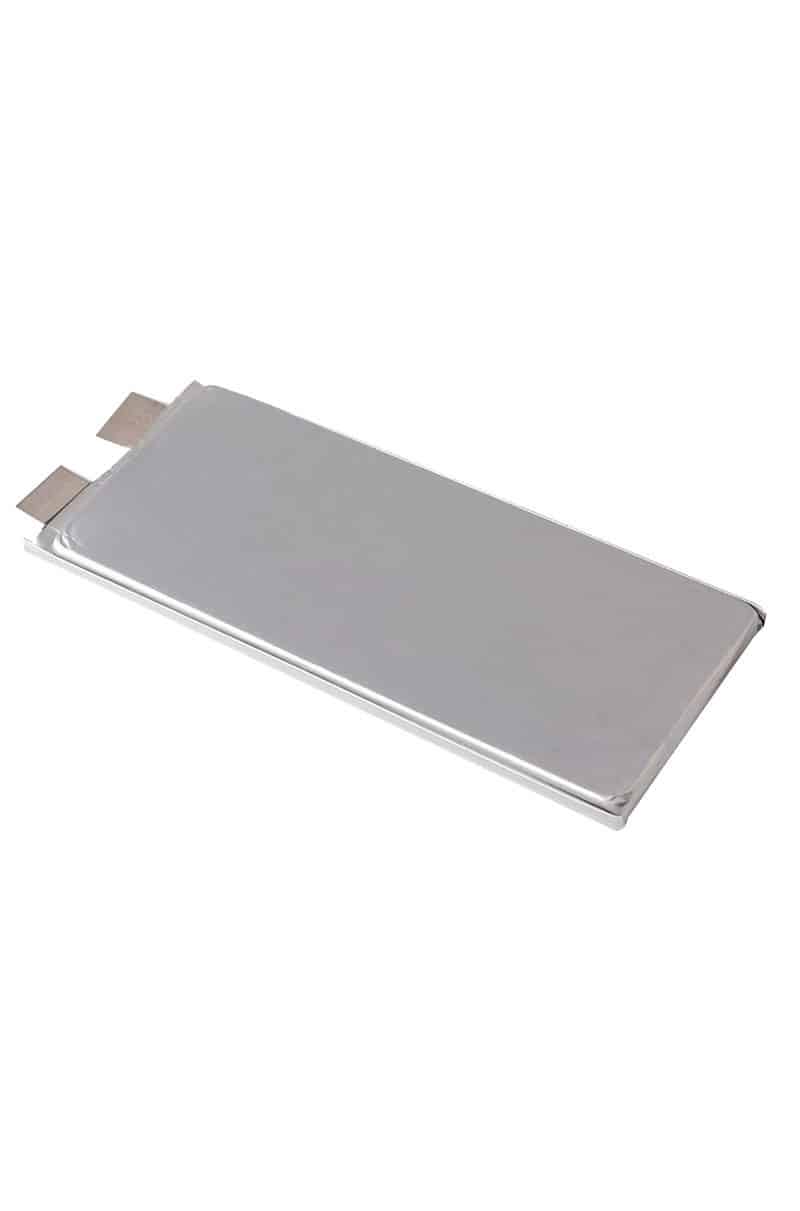
Battery cell is the smallest energy unit of the battery system, realizing the storage and release of electric energy through electrochemical reactions. Its performance directly determines the energy density, life and safety of the battery module and system, which can be categorized into lithium ternary (NCM/NCA), lithium iron phosphate (LFP), lithium cobalt oxide (LCO),  Lithium manganese iron phosphate(LTO) and other types according to the material system.

Battery-Cells-1
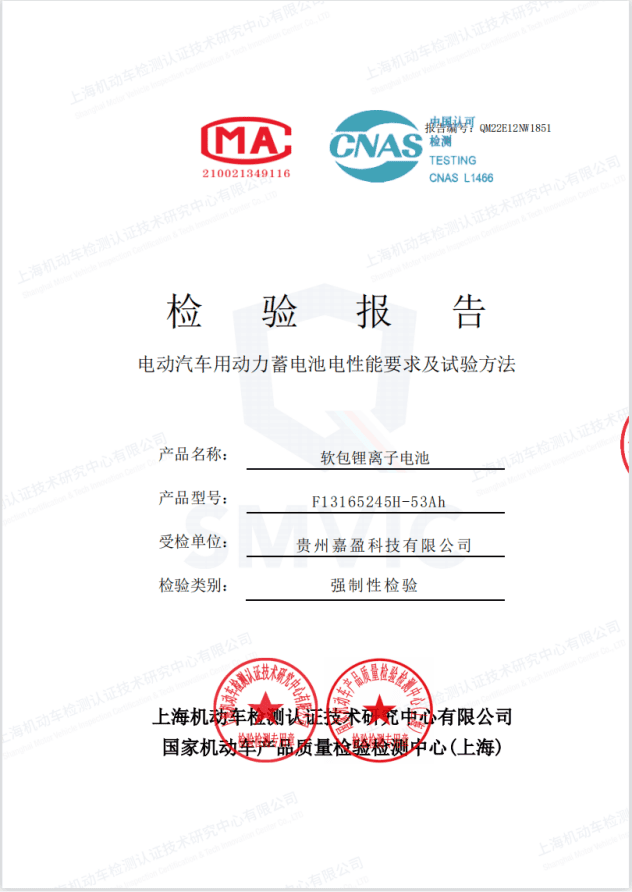
F13165245H 3.2V 50Ah LFP

Maximum continuous discharge: 0.5C

Maximum continuous charging: 0.5C

Cycle life: ≥ 2000 times

Cell weight:~970g

P88110165KV 3.85V 24Ah

Maximum continuous discharge: 10C

Maximum continuous charging: 2C

Cycle life: ≥ 500 times

Cell weight:~400g

P1345135KH 3.8V 8.5Ah

Maximum continuous discharge: 10C

Maximum continuous charging: 2C

Cycle life: ≥ 300 times

Cell weight:~160g

P1243126KV 3.85V 8.5Ah

Maximum continuous discharge: 10C

Maximum continuous charging: 2C

Cycle life: ≥ 500 times

Cell weight:~130g

P1245135KH 3.8V 8Ah

Maximum continuous discharge: 10C

Maximum continuous charging: 2C

Cycle life: ≥ 300 times

Cell weight:~150g

P1143126KH 3.8V 7.5Ah

Maximum continuous discharge: 10C

Maximum continuous charging: 2C

Cycle life: ≥ 500 times

Cell weight:~125g

T9045135Z 3,7V 5Ah

Maximum continuous discharge: 40C

Maximum continuous charging: 2C

Cycle life: ≥ 400 times

Cell weight:~105g

T12105212GH 3.8V 30Ah

Maximum continuous discharge: 15C

Maximum continuous charging: 4C

Cycle life: ≥ 750 times

Cell weight:~530g

Producten Categorieën
Ontvang een gratis offerte
Contactformulier demo (#3)

Toepassingen

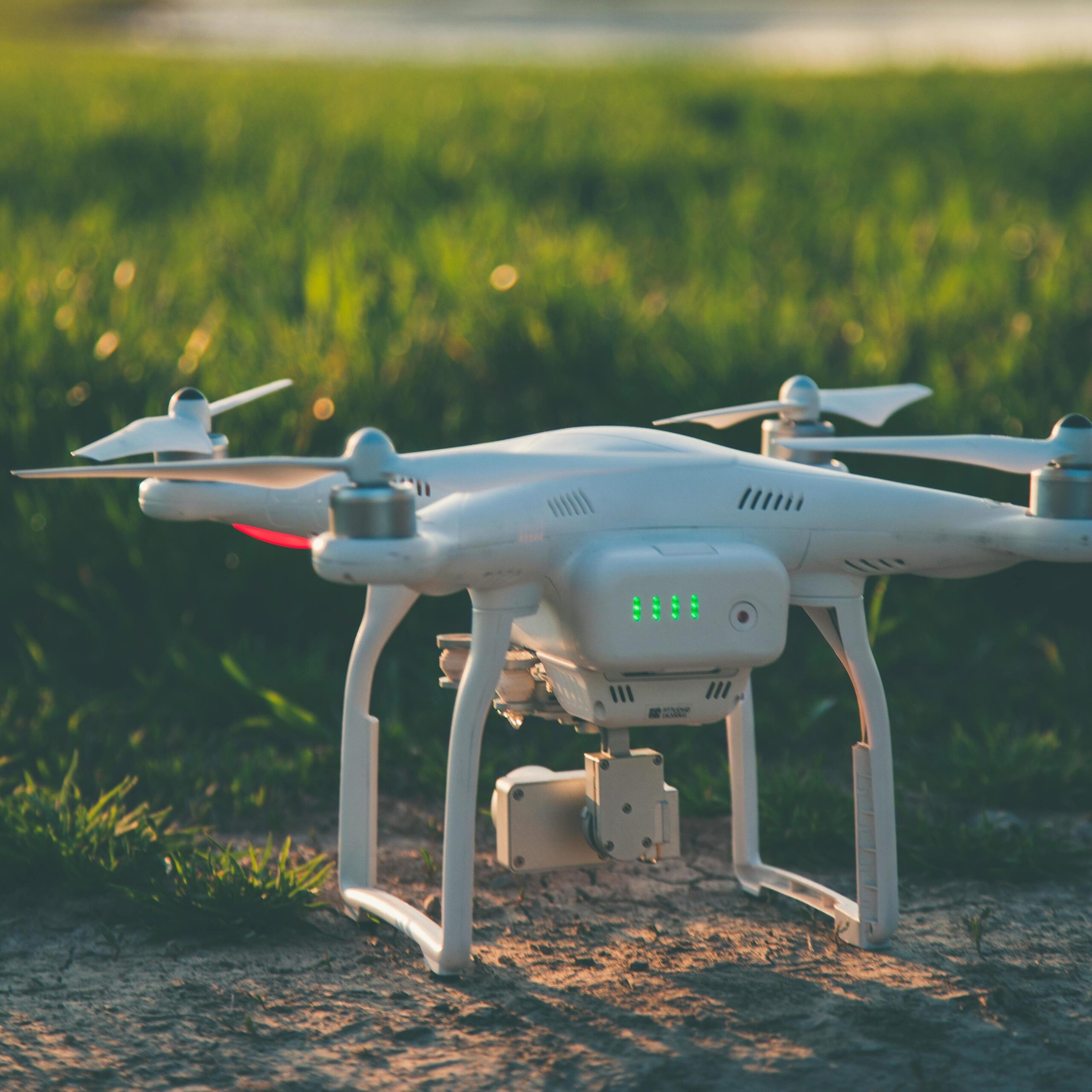
Agricultural-Drone-Spraying
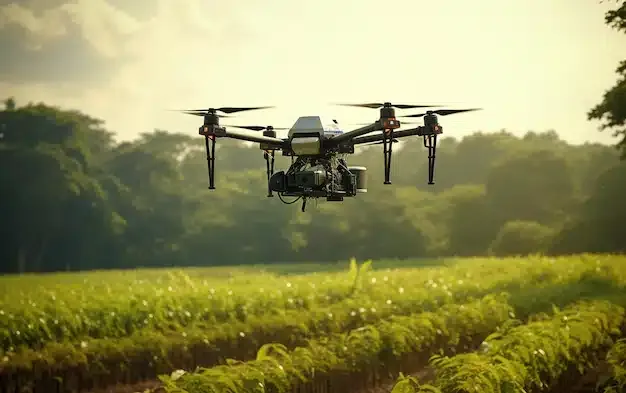
Agricultural Drone Spraying

Crop spraying operations requiring extended flight time, fast charging, and support for frequent takeoffs/landings in high-intensity environments.
Drone-Surveillance-Inspection-1
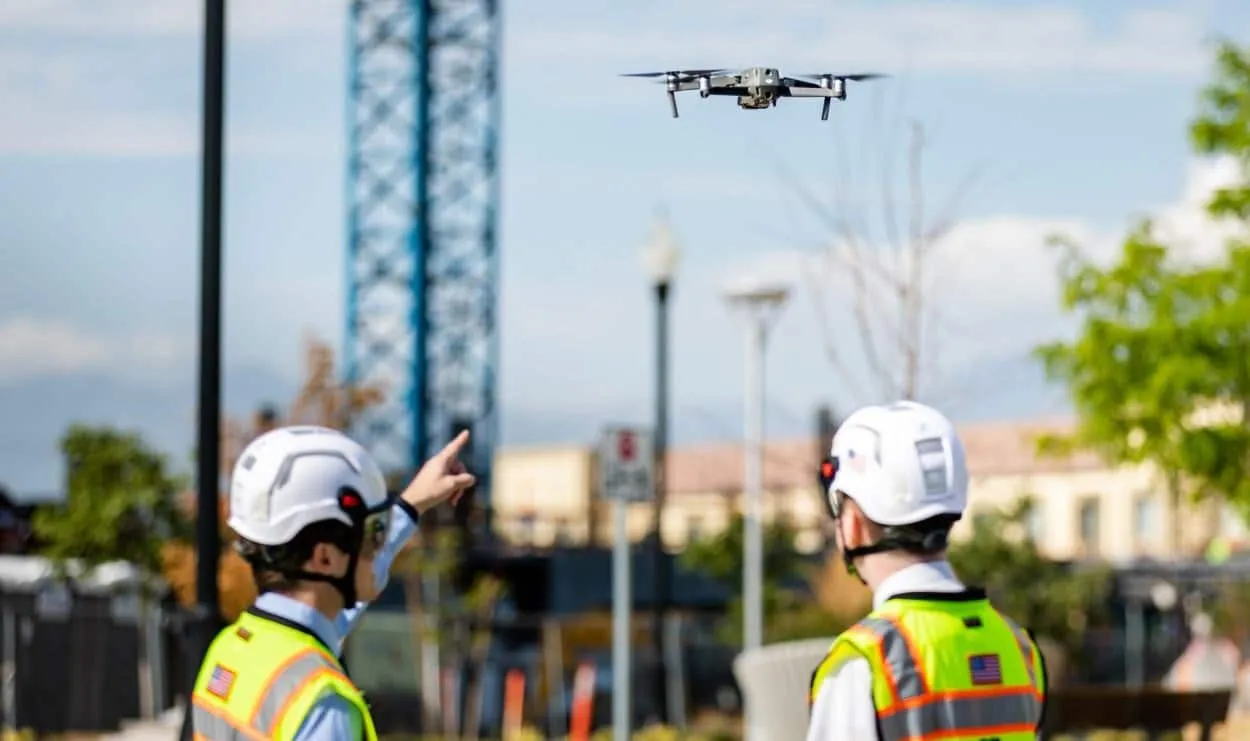
Drone Surveillance & Inspection

Environmental monitoring, security patrols, or equipment checks; requires weather-resistant operation and persistent endurance.
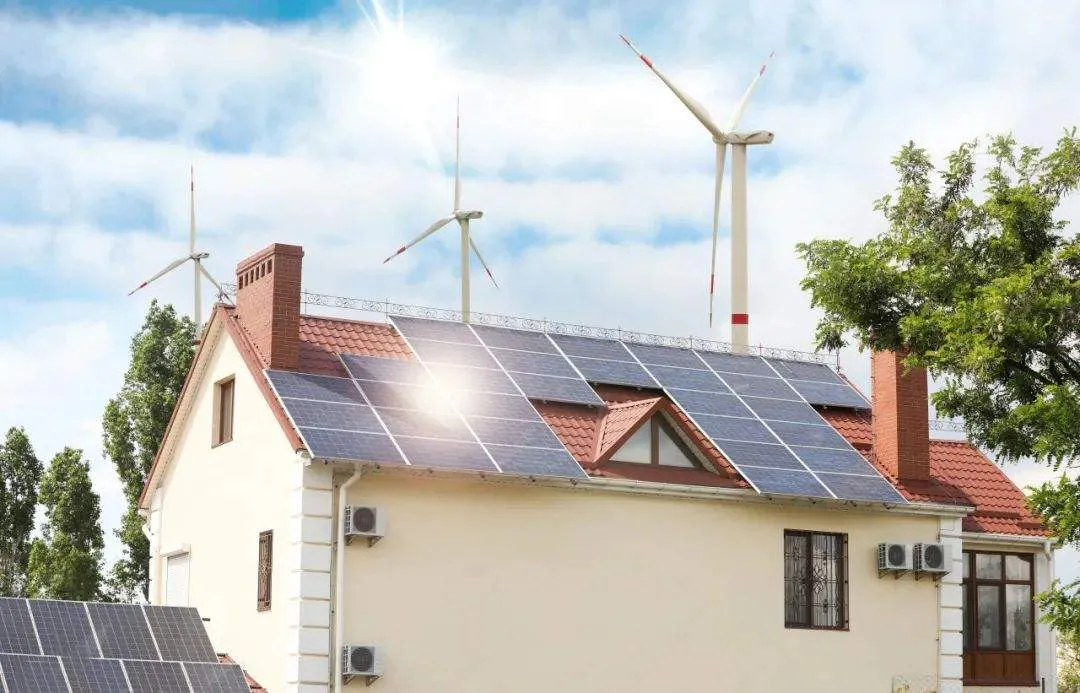
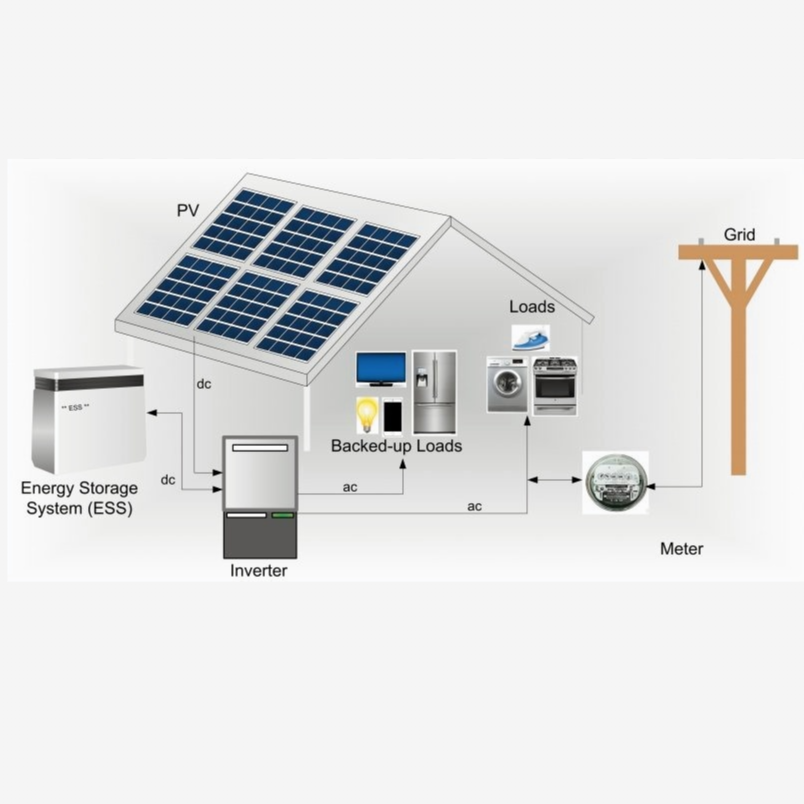
Home-Energy-Storage_
Energieopslag thuis

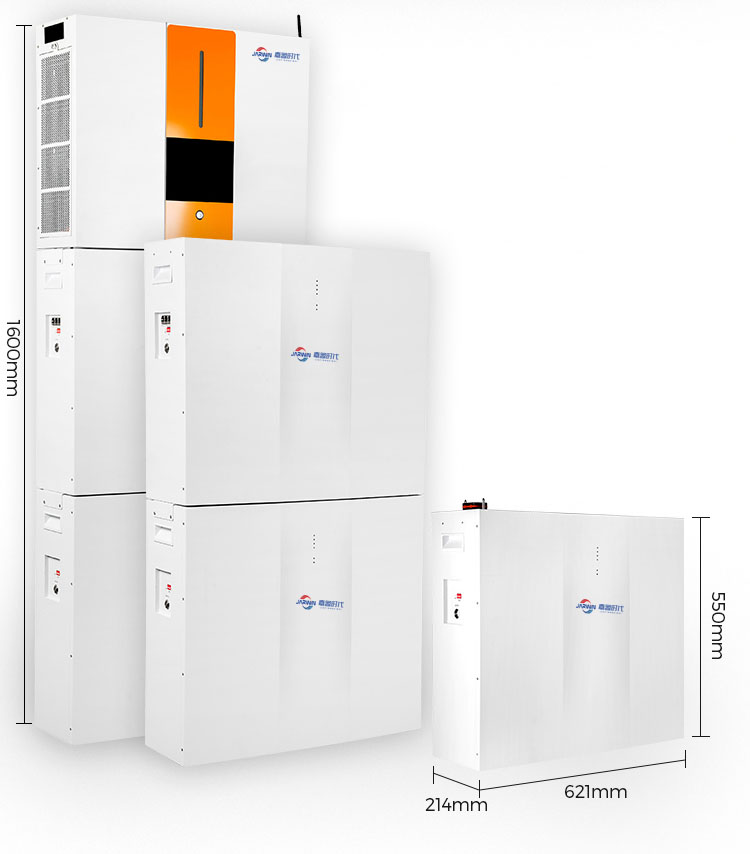
Stores solar/grid power for household use, prioritizing safety and stable long-term charge/discharge cycles.
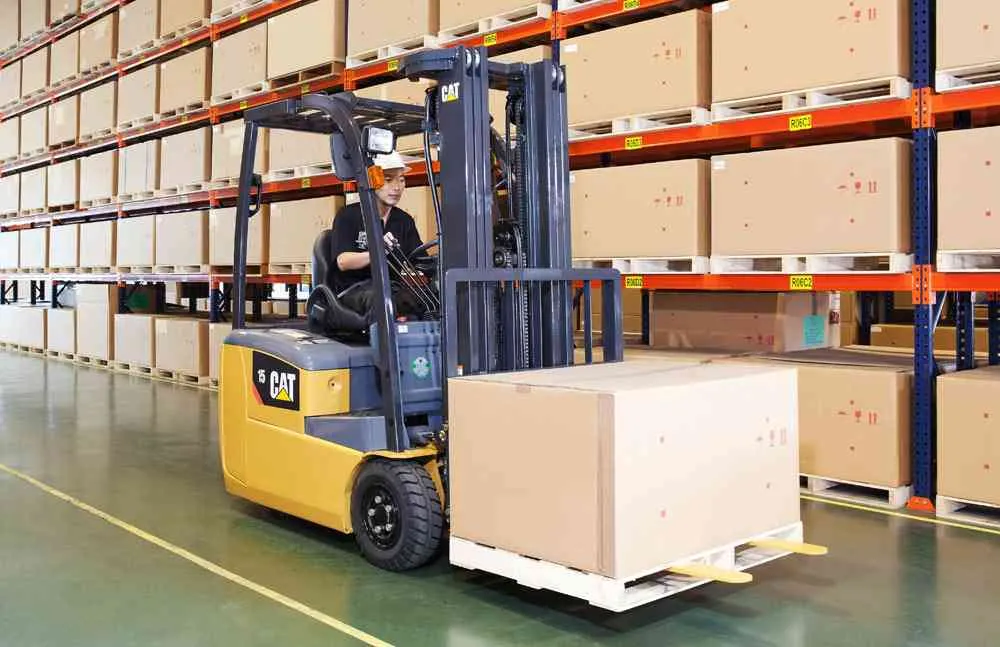
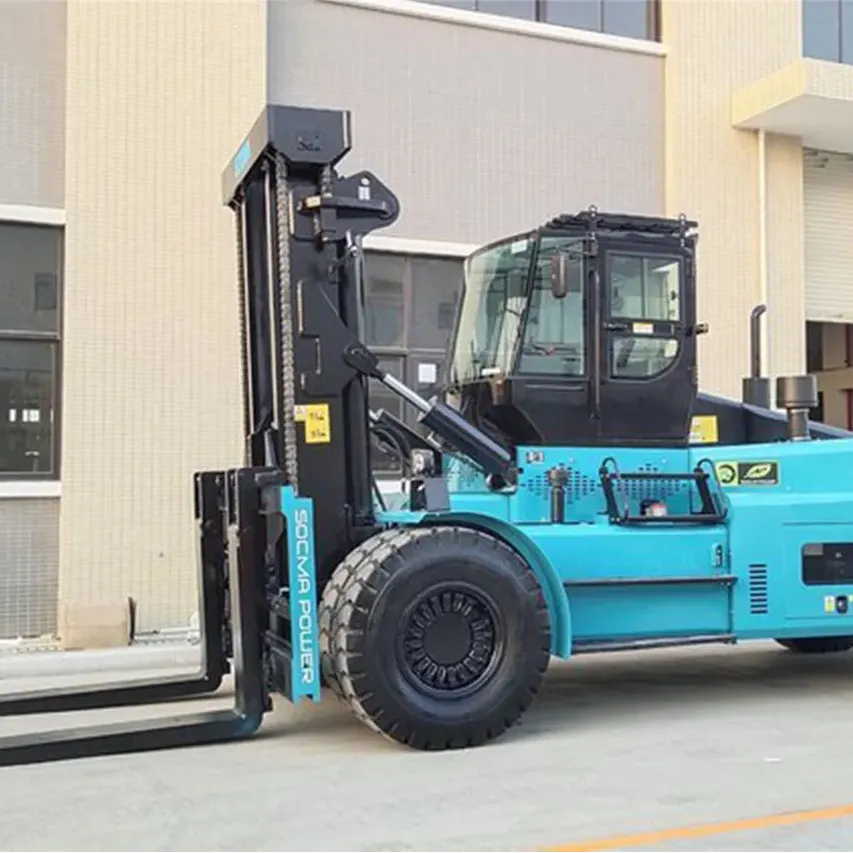
Electric-Forklift-Power
Electric Forklift Power

Replaces lead-acid batteries for longer runtime and rapid charging in warehouse logistics.

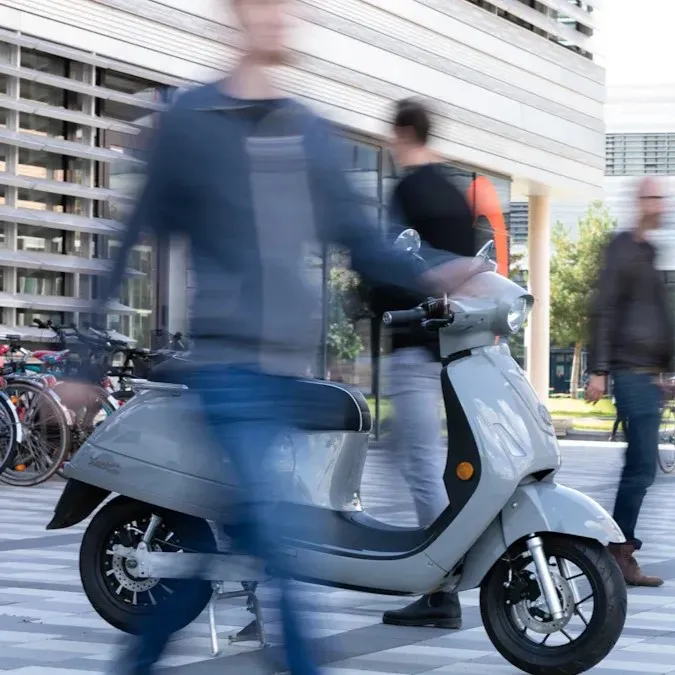
Electric-Vehicles-scaled_
Electric Vehicle Power

High-density battery cells provide longer range and ultra-fast charging to optimize EV efficiency and quickly replenish power.
GRATIS ONTWERP

Op maat gemaakte exclusieve batterijplannen! Professionele technici plannen batterijprogramma's één-op-één.

Maximaliseer het effect van je drone met onze batterijoplossingen op maat

EES-Propose-Requests
Verzoeken voorstellen
Customized-Solution
Oplossingen op maat
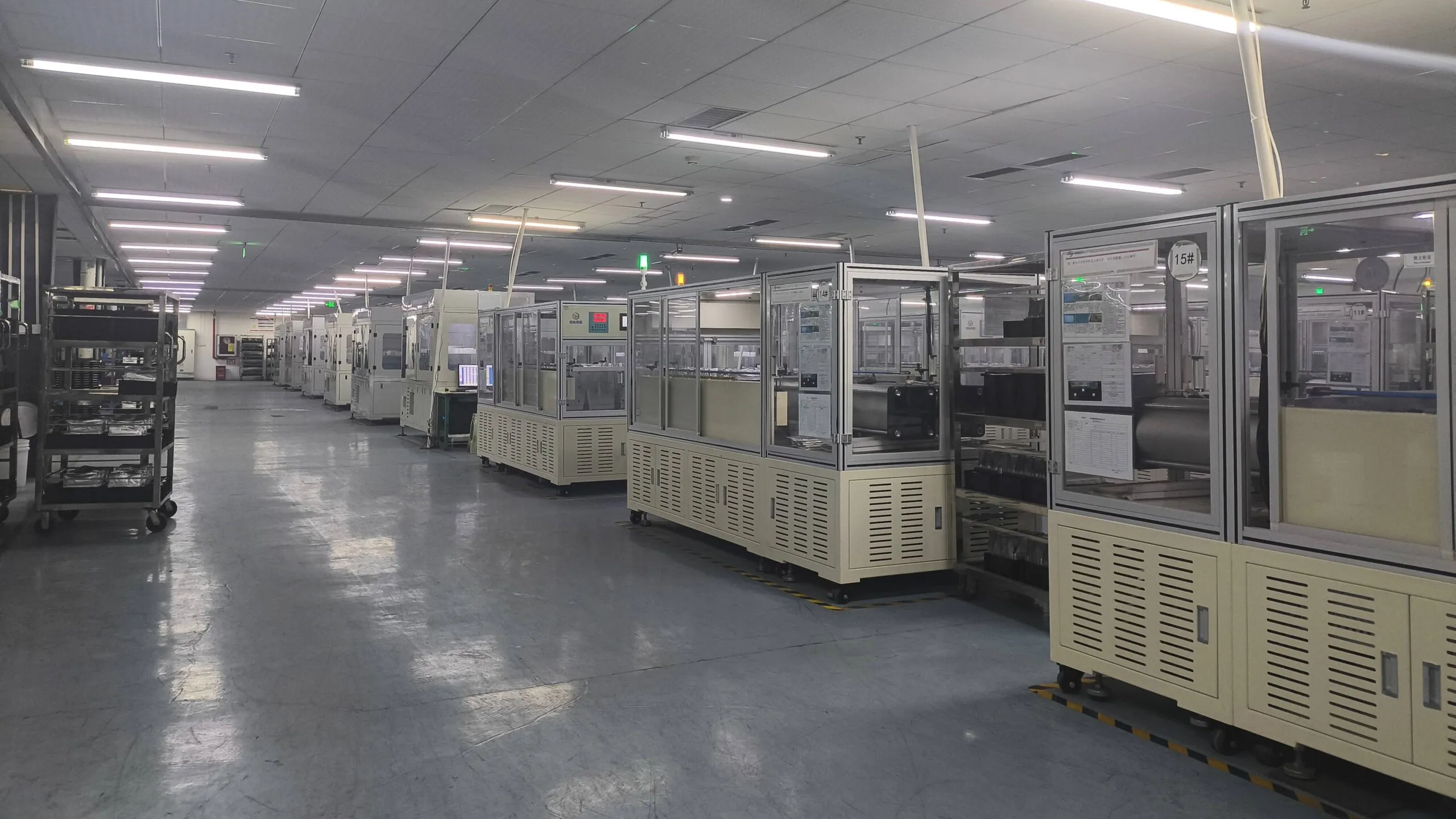
End-to-End-Controlled-Production-Testing
End-to-end gecontroleerde productie en tests
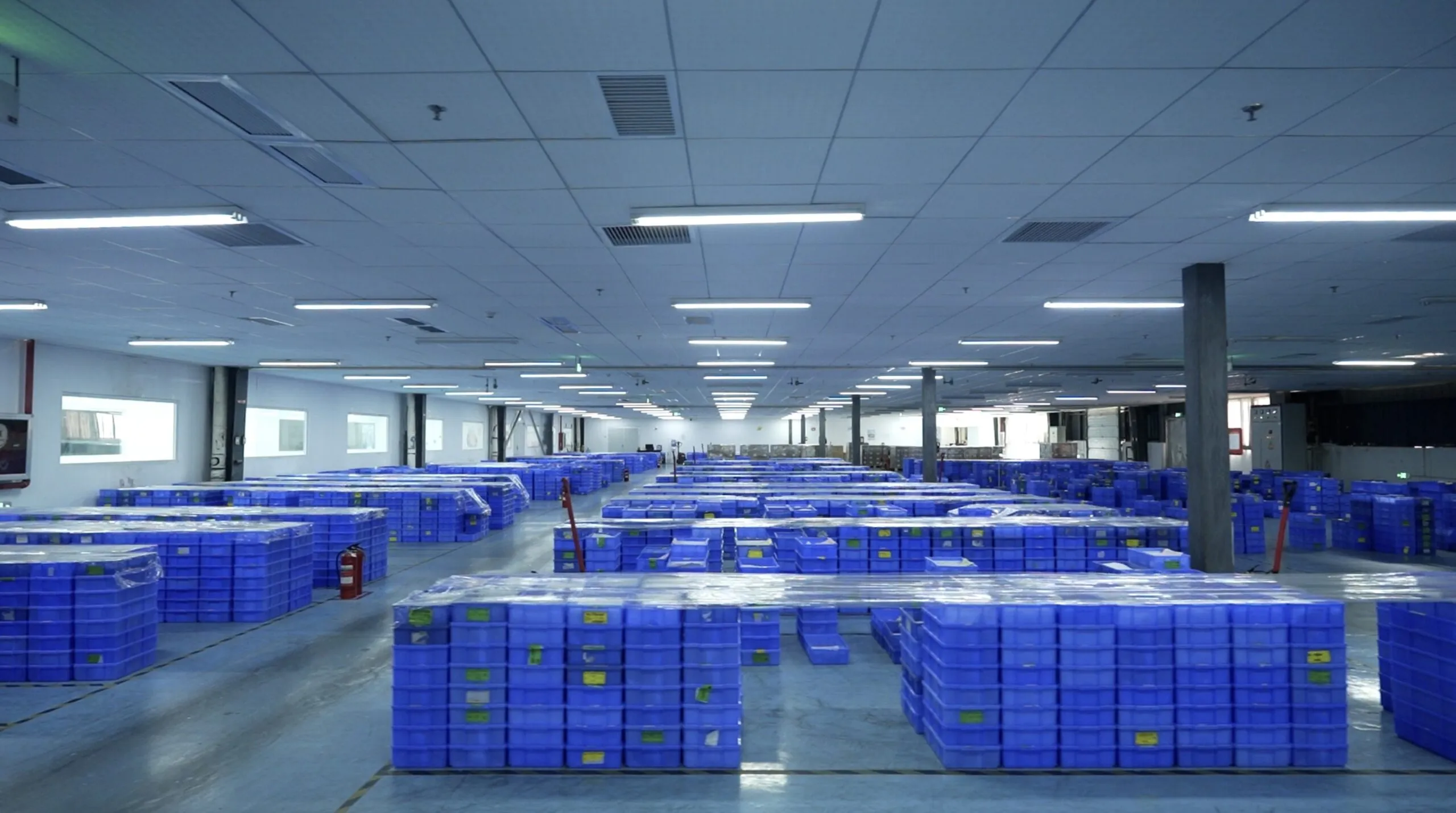
Warehouse-and-shipped-out
Magazijn en verzonden

Ontdek de Herewinfabriek: De bron van kwaliteit

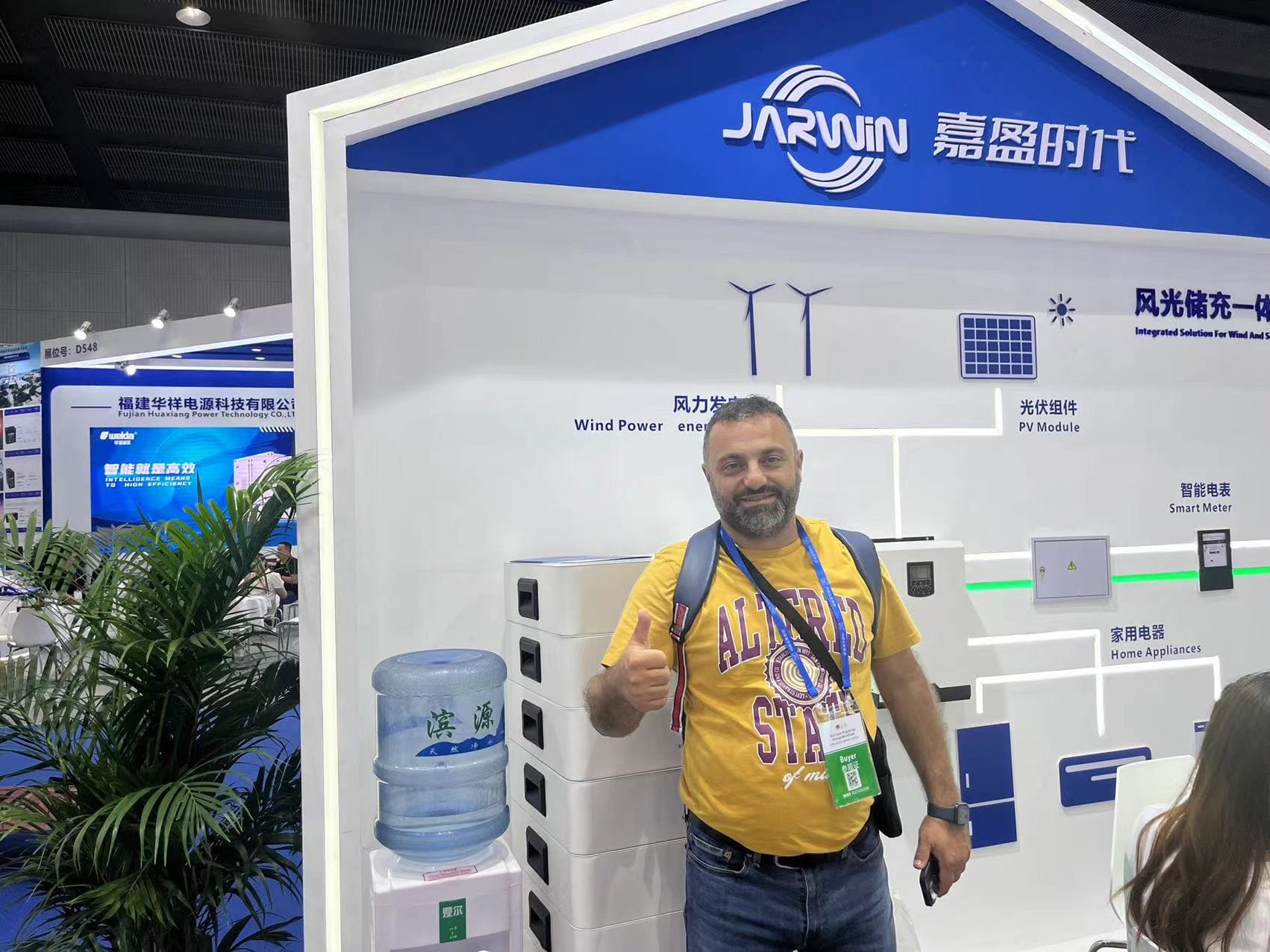
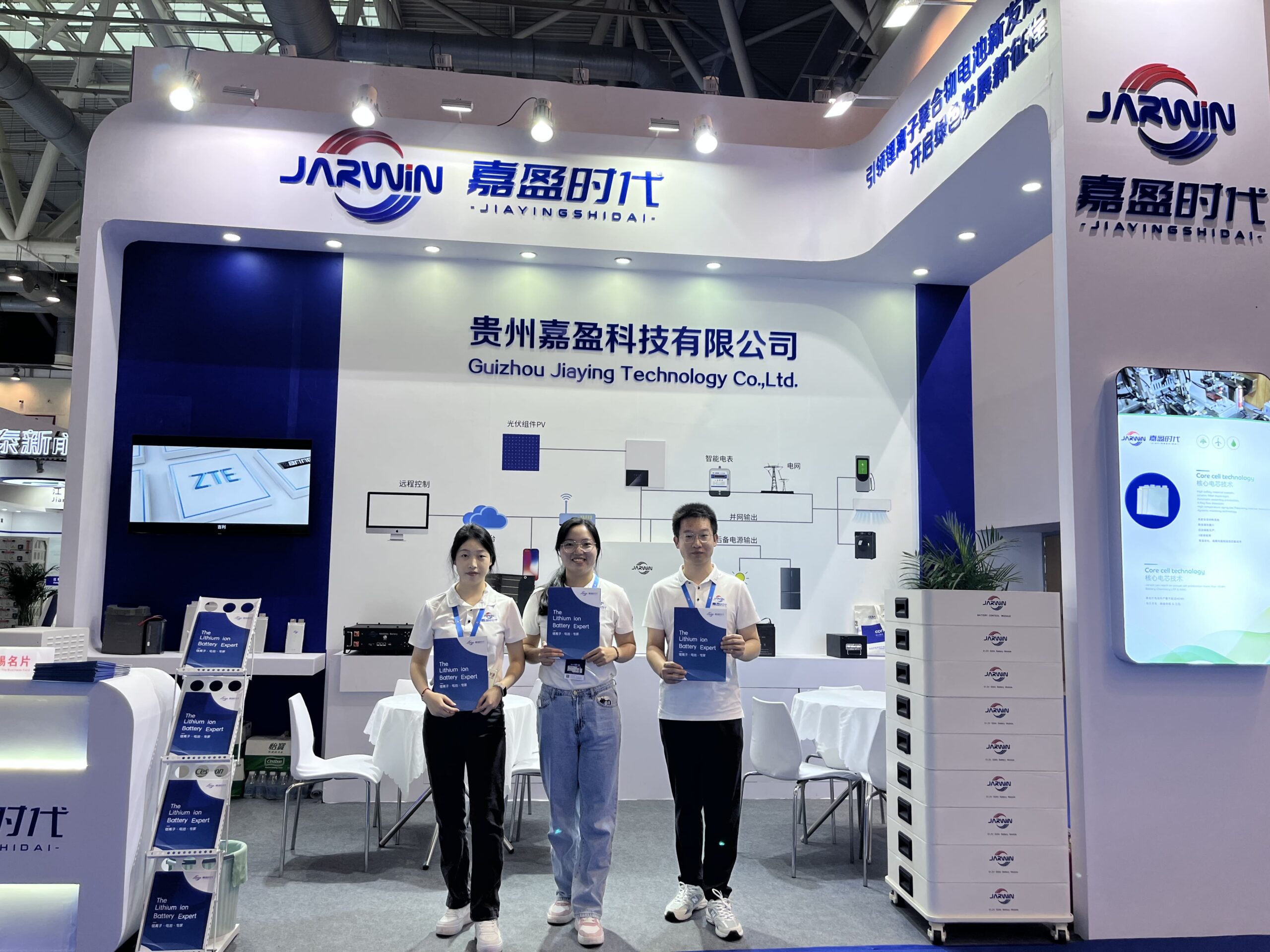
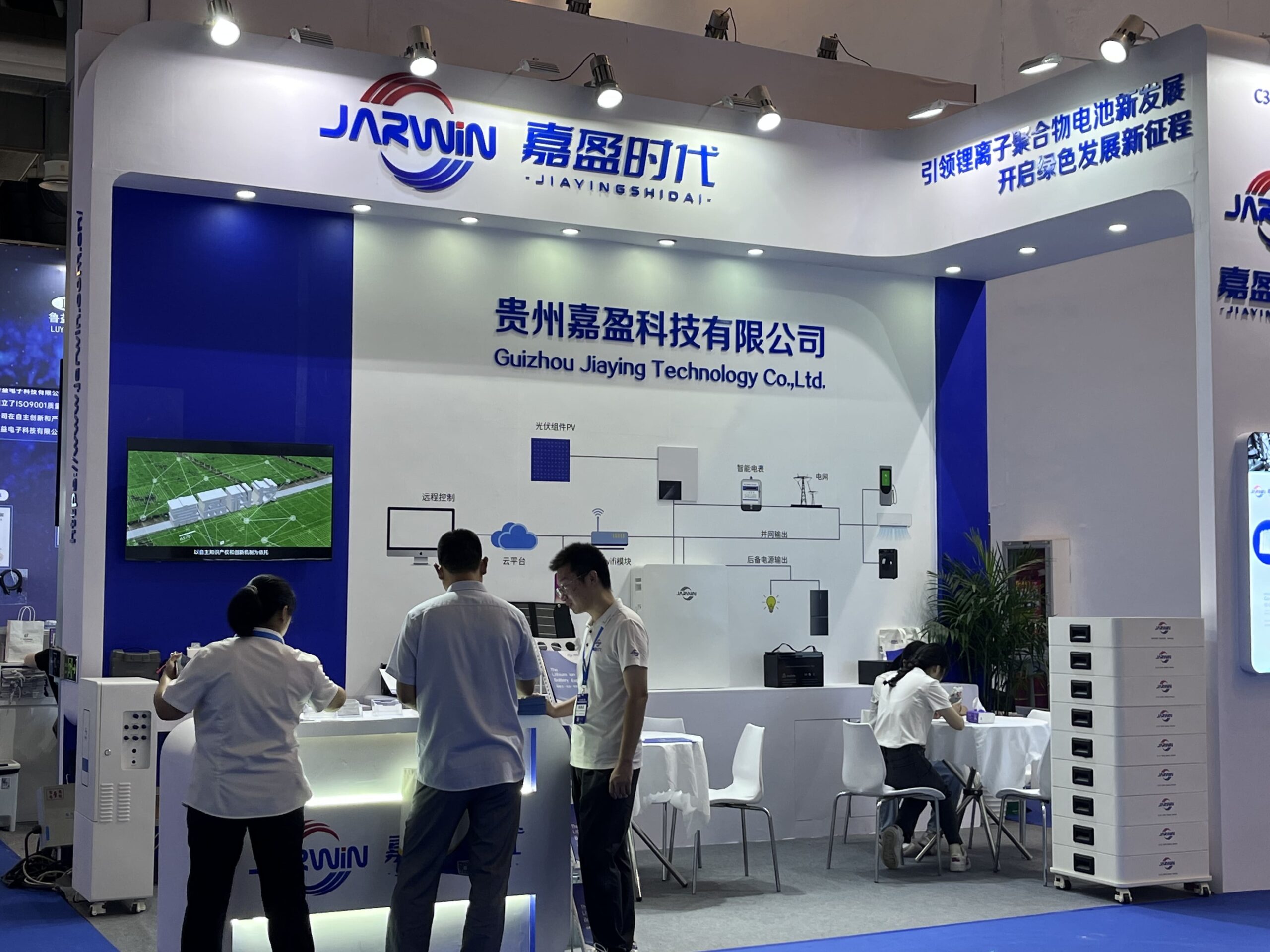
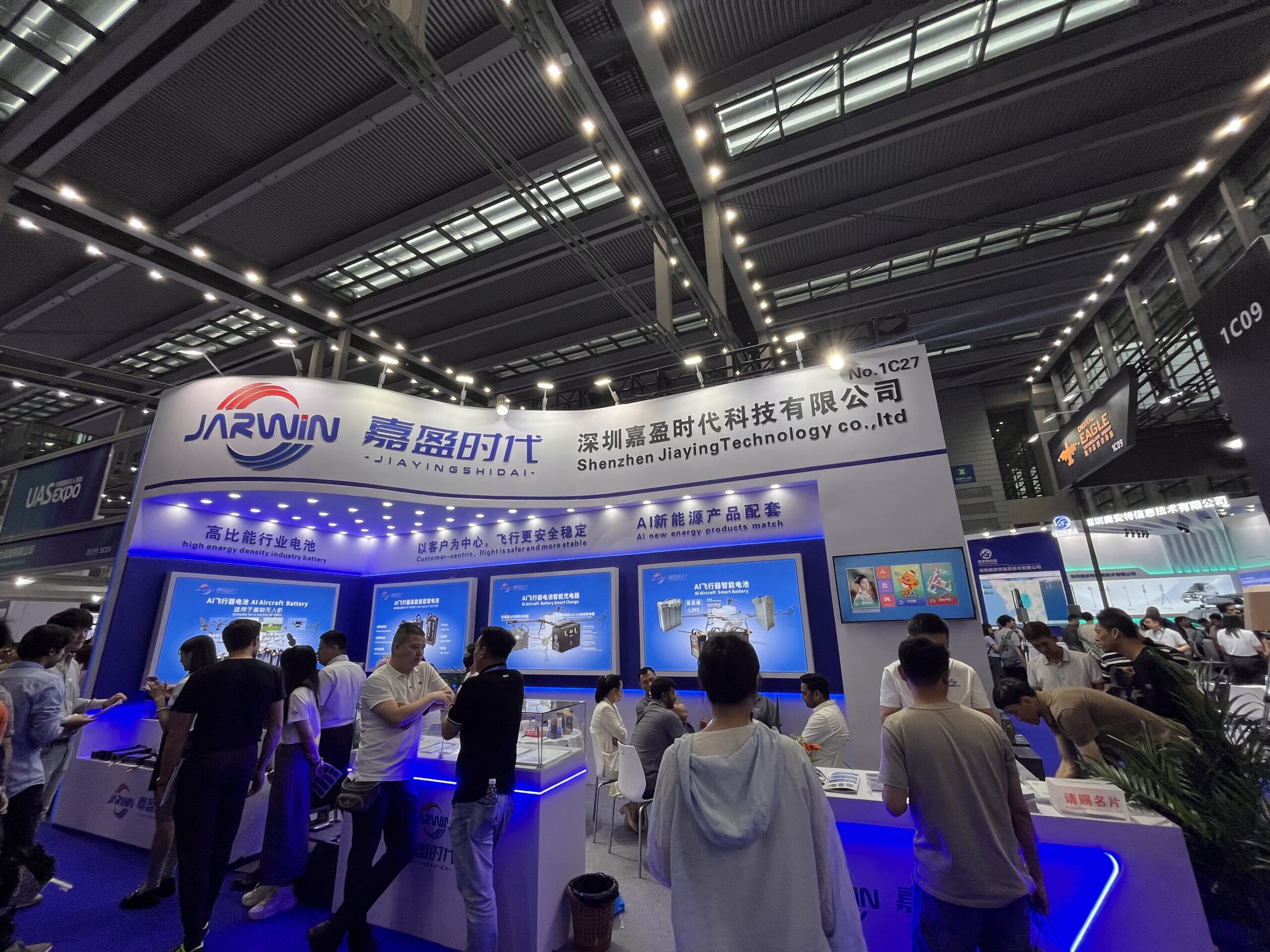
Shenzhen Jarwin Time Technology Co, Ltd is opgericht in 2019 en wordt ondersteund door een oprichtings- en operationeel team met meer dan 20 jaar uitgebreide ervaring in de batterij-industrie. Het bedrijf is gespecialiseerd in de ontwikkeling en productie van hoogwaardige lithium-ion-polymeerbatterijen.
Krijg een uitgebreid inzicht in wie we zijn en waar we voor staan. Door de nauwgezette precisie van onze
productielijnen, het efficiënte beheer van onze fabrieken en de oprechte feedback van onze tevreden klanten,
zie je hoe we uitmuntendheid garanderen bij elke stap van het proces

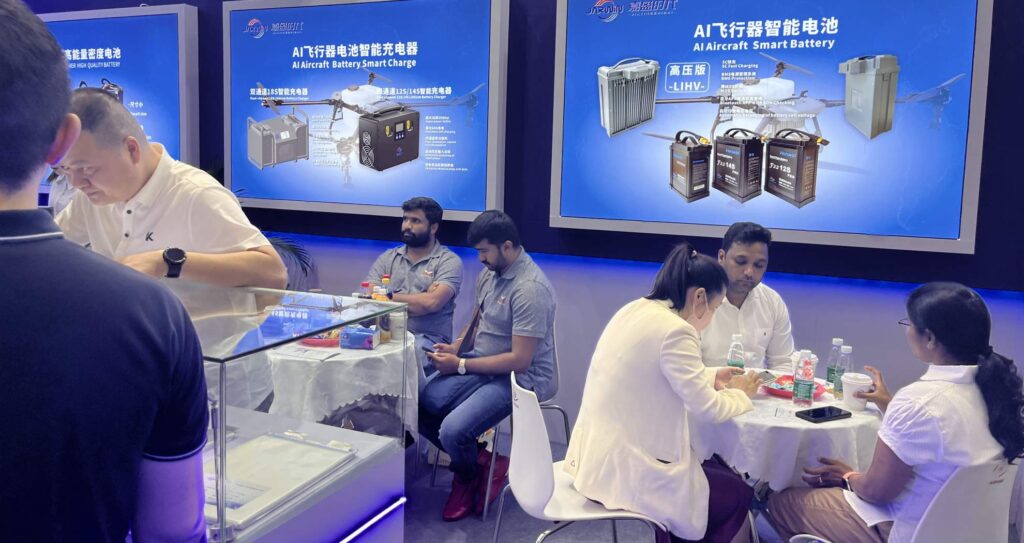
Verschillende services voor klanten met verschillende patronen

VOOR OFFLINE KLANTEN

Flexibele levertijd

Betrouwbare leveringsschema's en ondersteuning bij opslag.

Hoge kosteneffectiviteit

Concurrerende prijzen om de totale waarde te maximaliseren.

Uitgebreide productselectie

Diverse opties voor alle marktsegmenten.

VOOR ONLINE KLANTEN

Laag MOQ

Flexibele MOQ met gemengde productopties.

Aangepast logo

Persoonlijke aanpassing van logo voor kleine batches.

Alles-in-één marketingpakket

Zorg voor kwaliteitsafbeeldingen en video's om de verkoopopbrengst te verhogen.

VOOR MERKKLANTEN

Exclusieve regionale rechten

Alle middelen en mogelijkheden van herewin ter beschikking stellen

R&D Resources

Custom sample within 7 days with R&D capabilities.

Snelle levering

Efficiënte productie en verzending binnen 25 dagen op zijn snelst.

Production Flow of Battery Cells

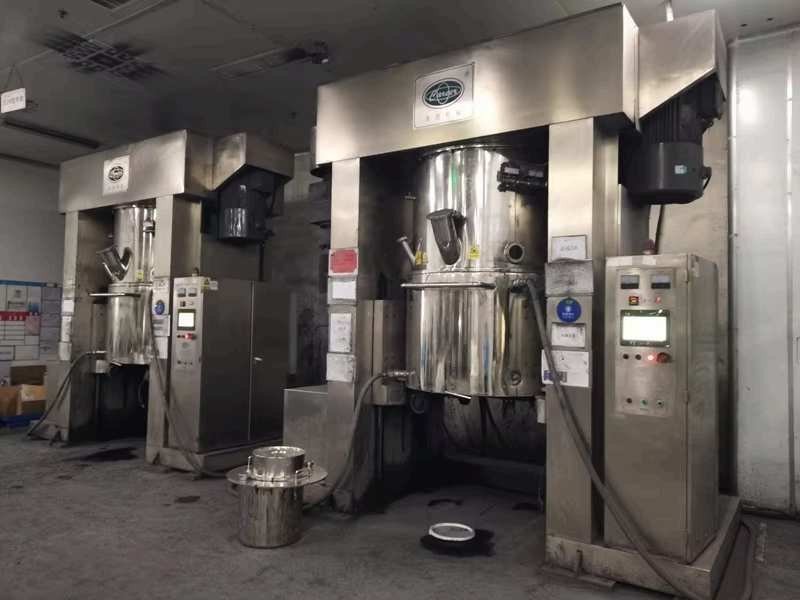
Mixing​
Step 1 :Mixing​

Blends active materials, binders, and solvents into a uniform slurry to ensure consistent electrochemical performance.
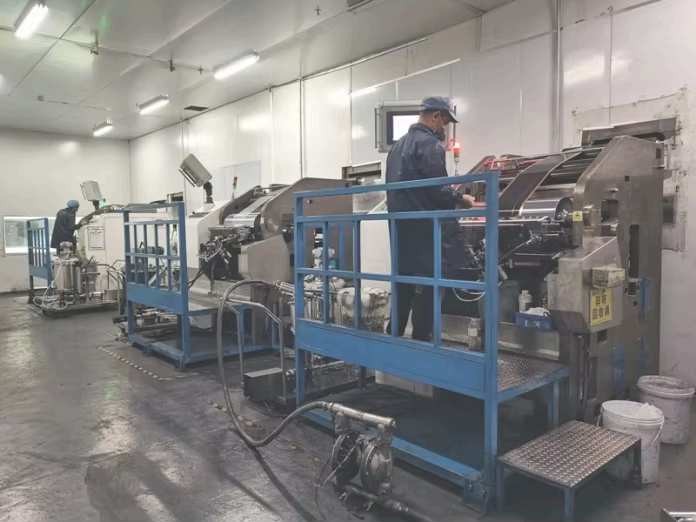
Coating
Step 2 :Coating

Spreads the slurry onto metal foils (anode/cathode) with precise thickness control for optimal energy density.
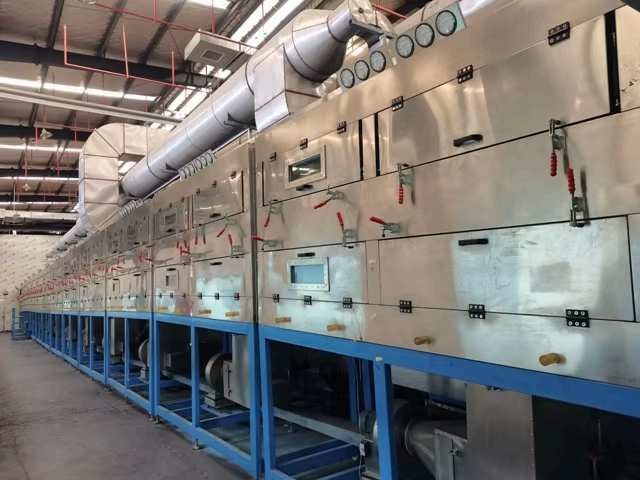
Drying
Step 3 :Drying

Removes solvents from coated electrodes to stabilize material adhesion and prevent cracking.
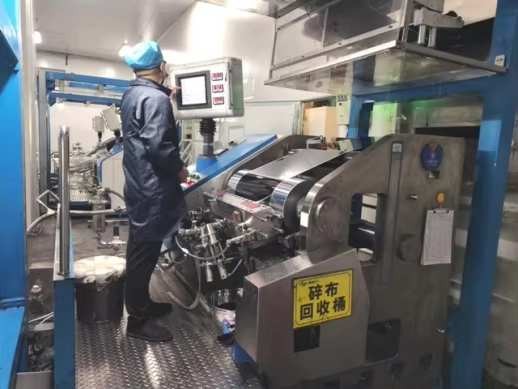
Coating&Winding
Step 4 :Coating & Winding

Combines anode/cathode layers with separators and winds them into a compact jellyroll structure.
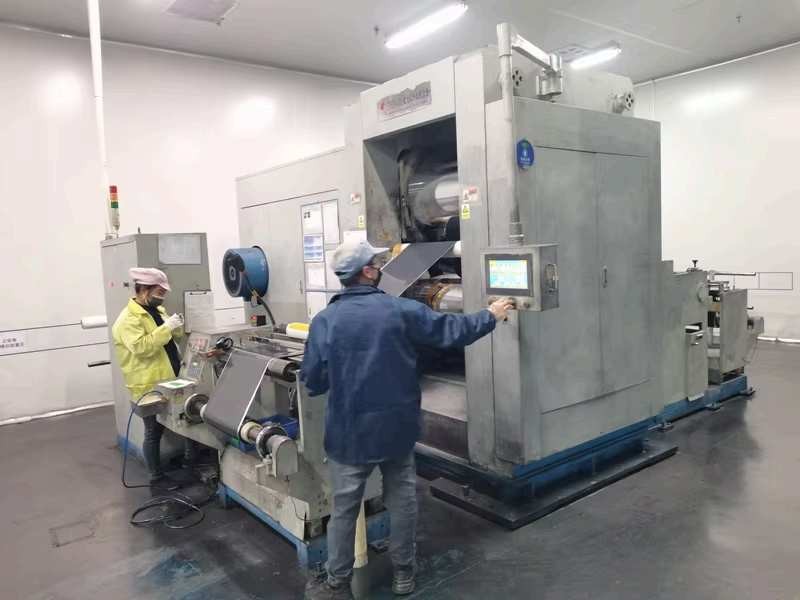
Pressuring Film
Step 5 :Pressuring Film

Compresses electrodes to enhance density and conductivity while maintaining porosity for ion flow.
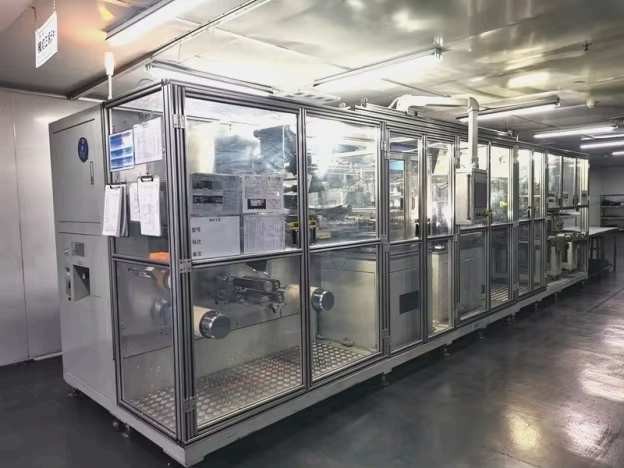
Making Film​
Step 6 :Making Film​

Trims electrodes into precise dimensions to fit battery cell specifications.
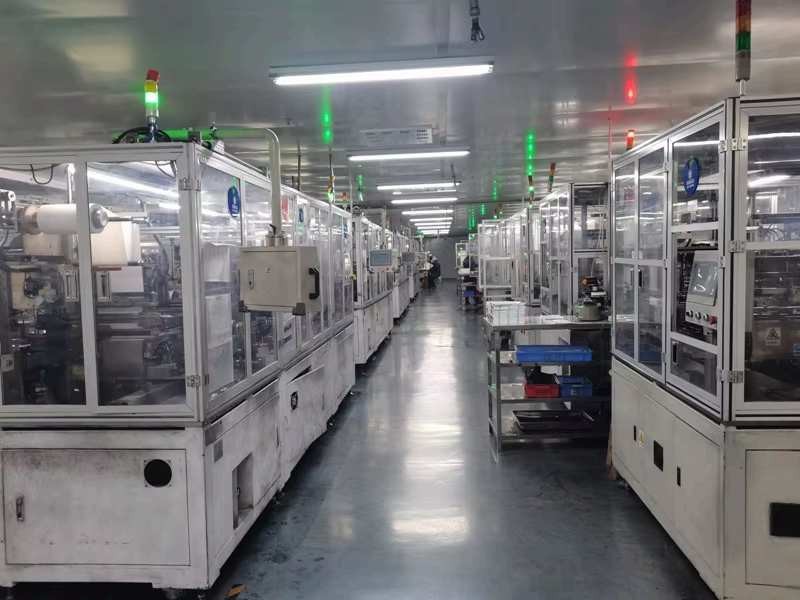
Stacking
Step 7 :Stacking

Aligns anode/separator/cathode layers in a Z-fold pattern to maximize space efficiency.
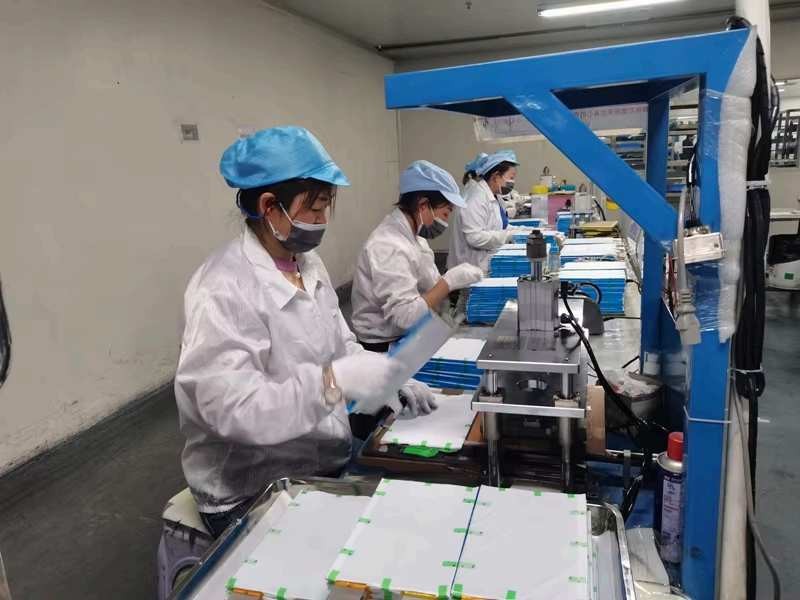
Welding
Step 8 :Welding

Joins electrode tabs using laser welding to minimize resistance and ensure current stability.
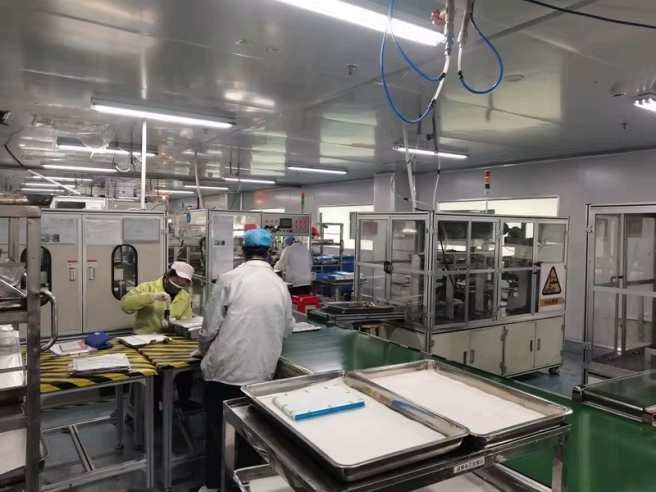
Encapsulation​
Step 9 :Encapsulation​

Seals cells in aluminum-plastic film to protect against moisture, dust, and mechanical stress.
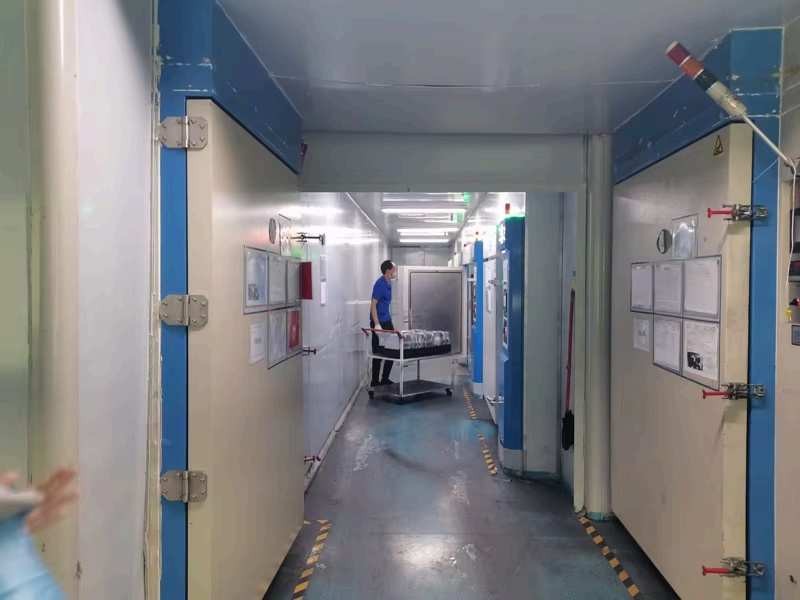
Baking
Step 10 :Baking

Removes residual moisture from cells under vacuum to prevent electrolyte degradation.
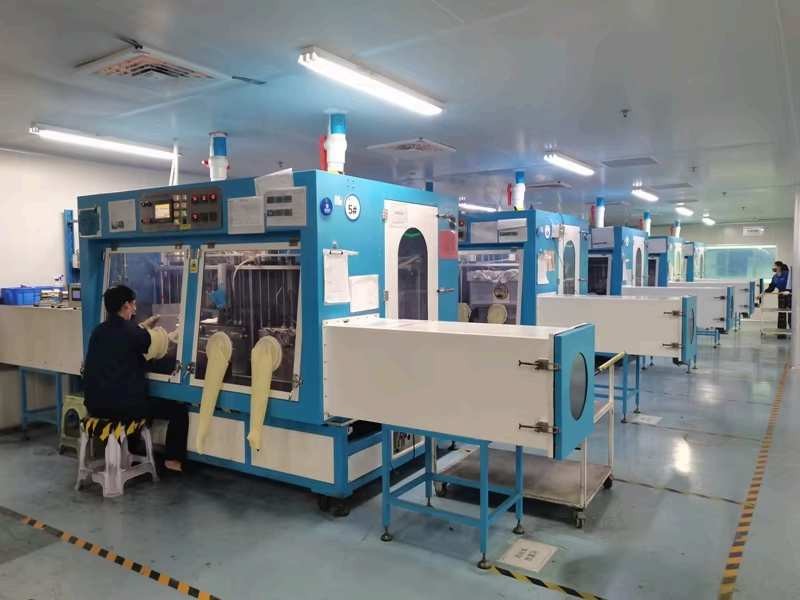
Injection
Step 11 :Injection

Fills electrolyte into cells to enable ion transport between electrodes.
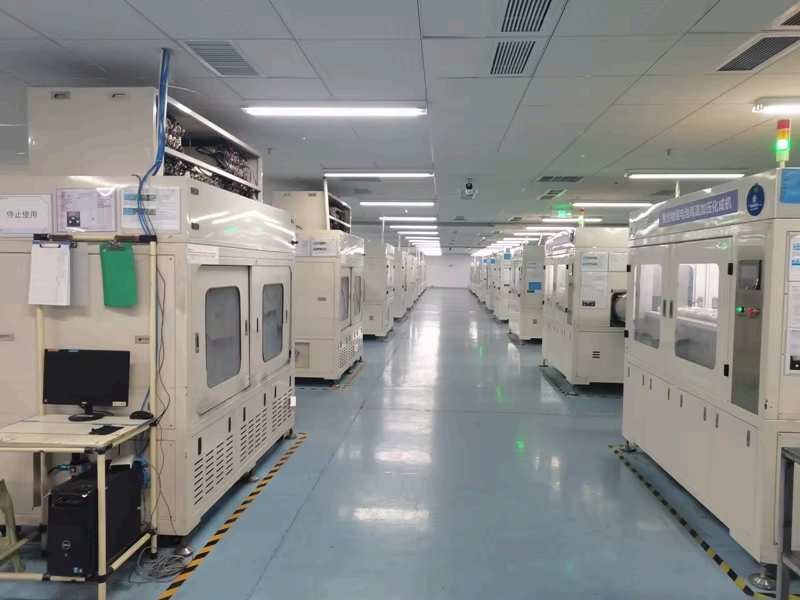
Charging
Step 12 :Charging

Activates cells with initial charging to form a stable solid-electrolyte interface (SEI).
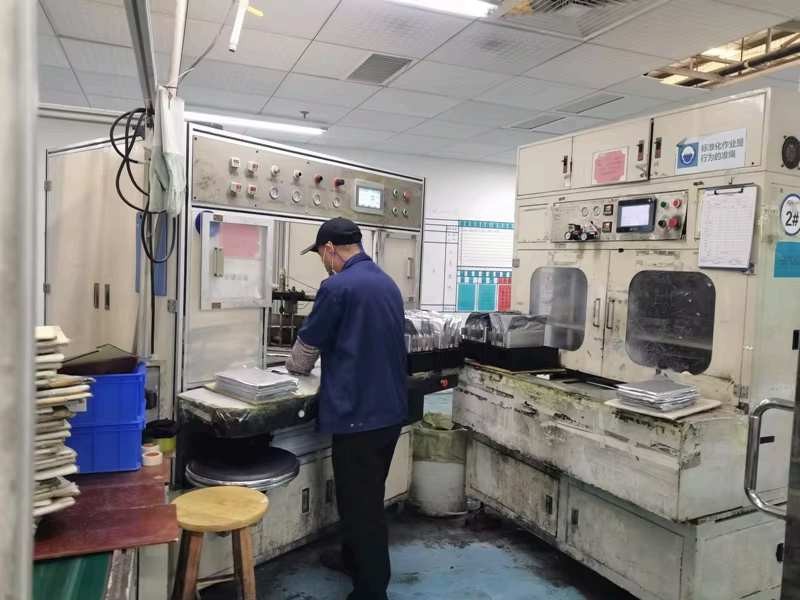
Extracting Air​
Step 13 :Extracting Air​

Evacuates gas from cells to eliminate air pockets and ensure full electrolyte penetration.
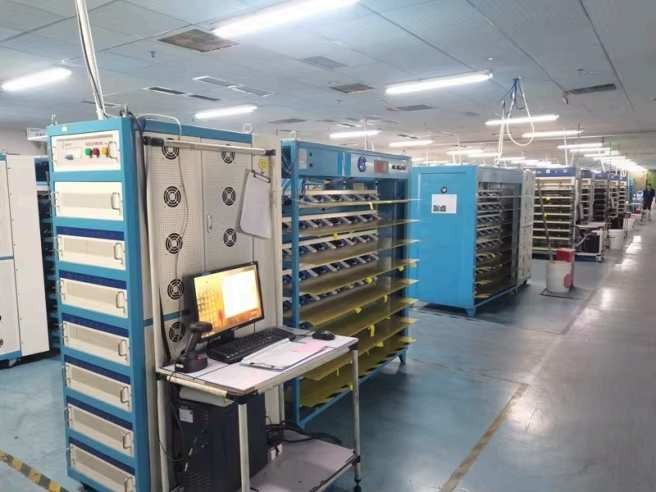
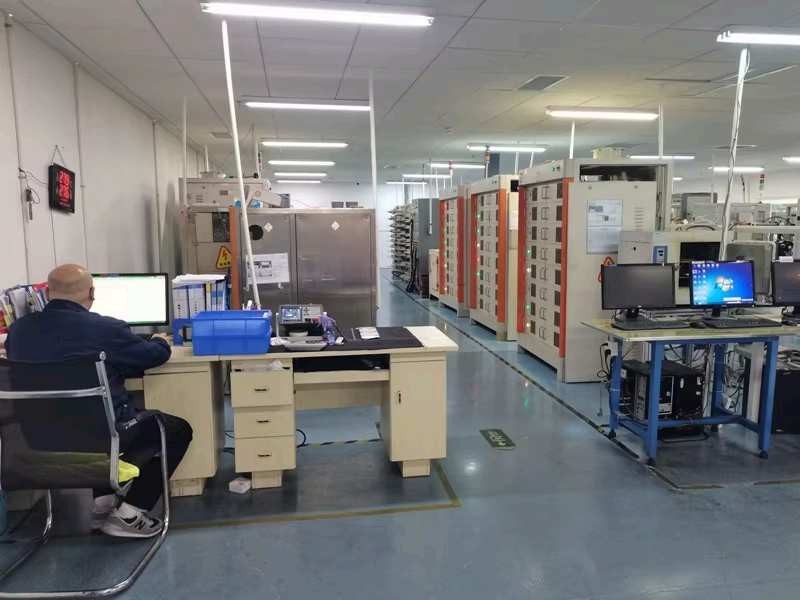
Charging and Discharging​
Step 14 :Charging and Discharging​

Cycles cells to stabilize performance and screen out defects before final assembly.
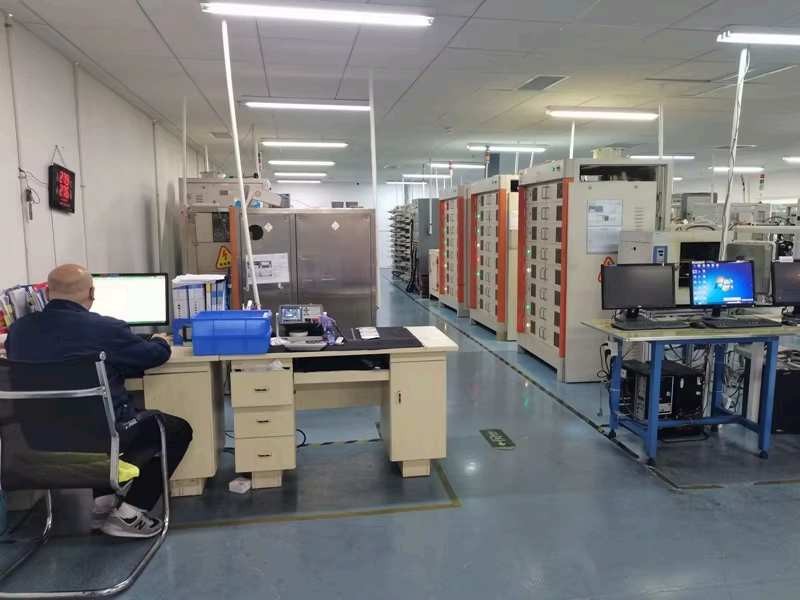
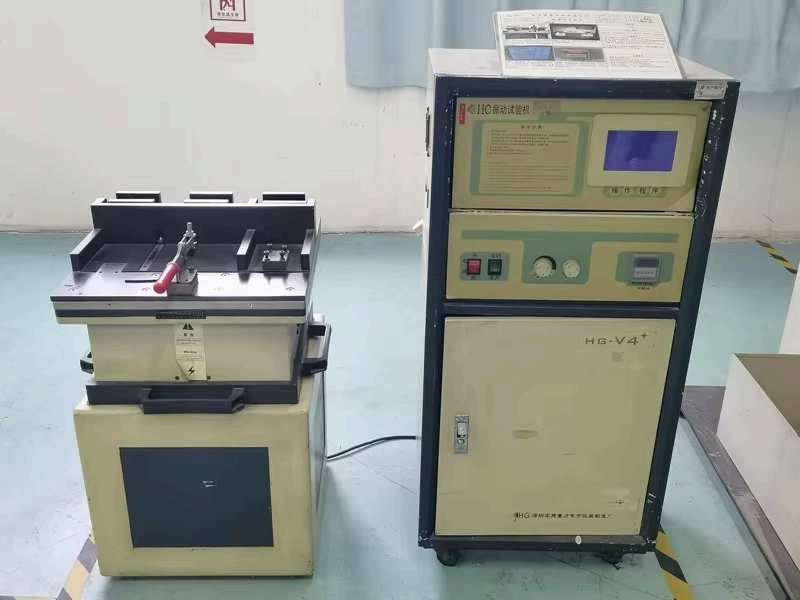
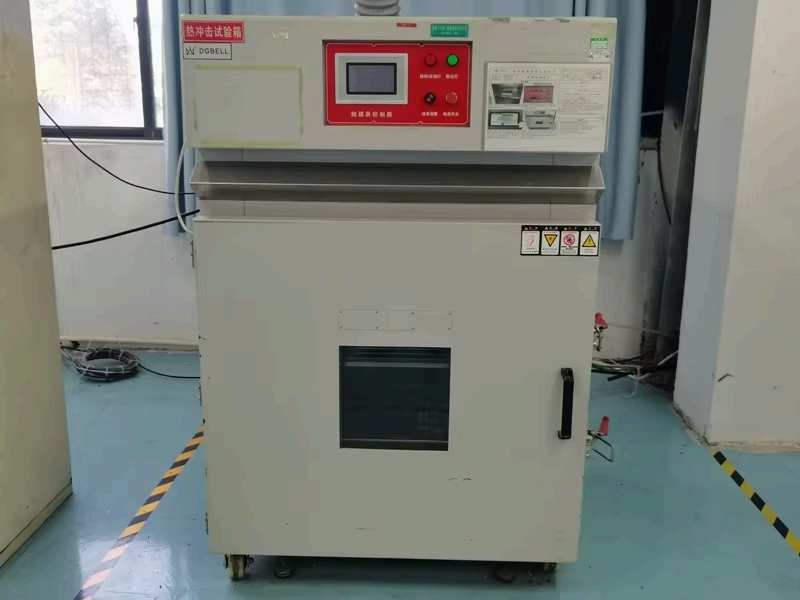
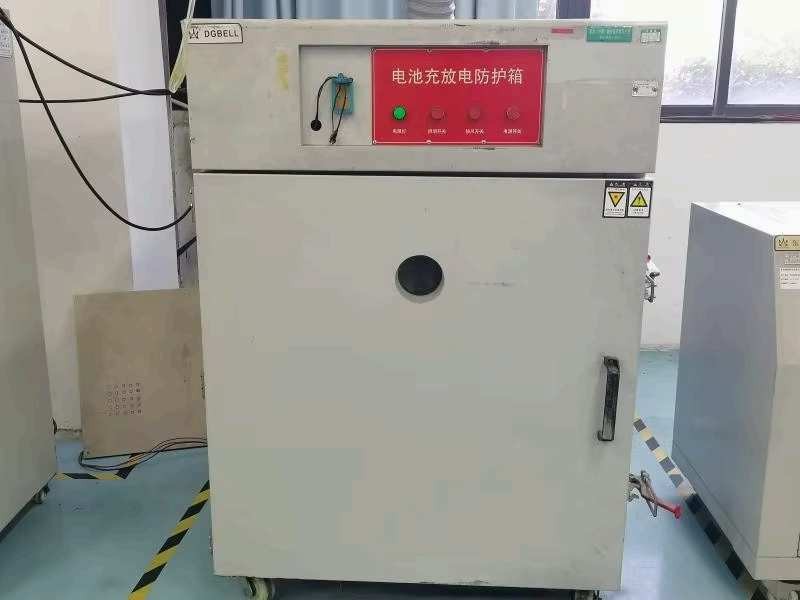
Testing
Stap 15 :Testen

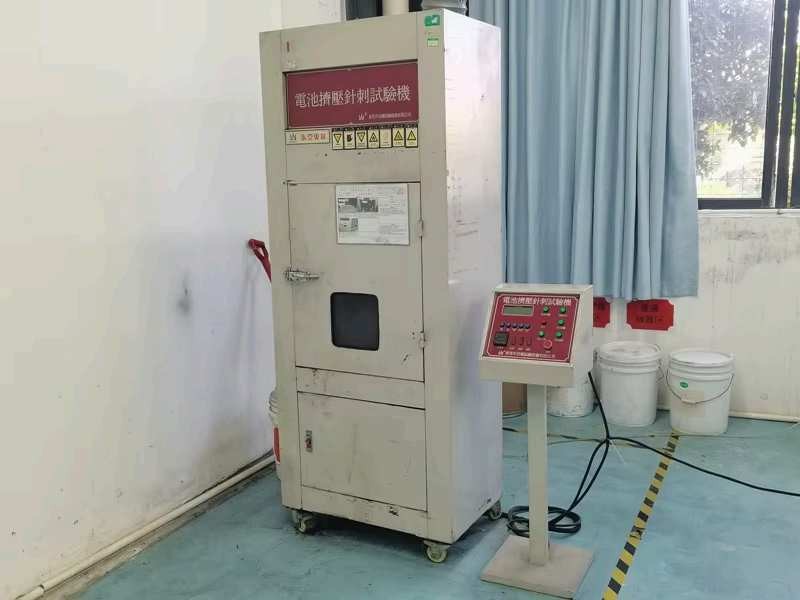
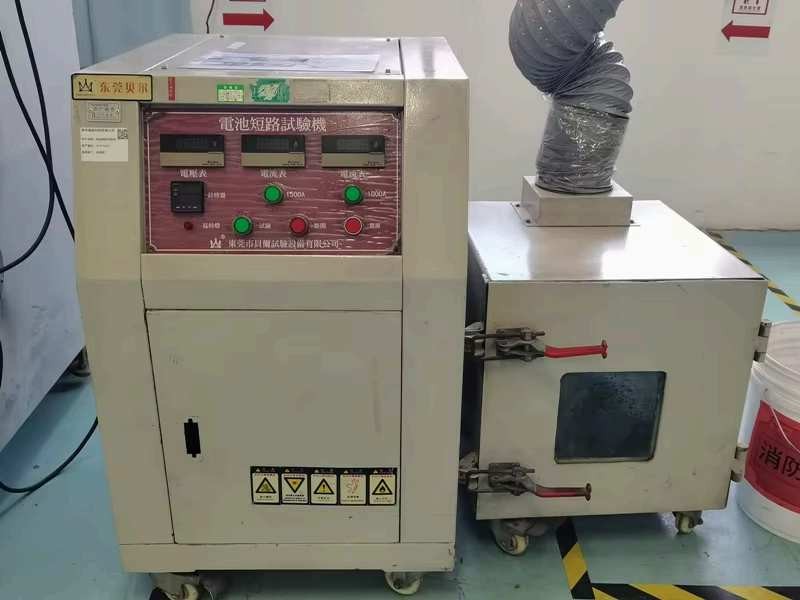
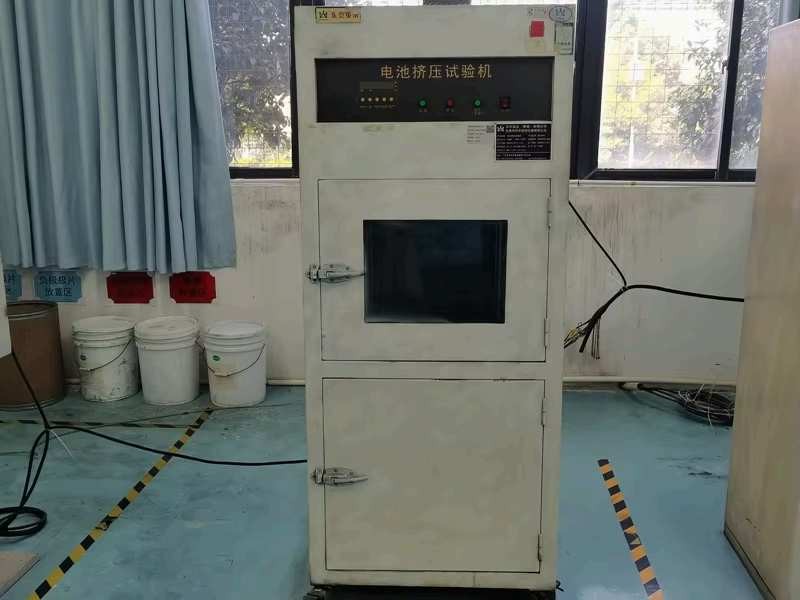
Valideert capaciteit, impedantie en veiligheid (bijv. overladen, kortsluiting) volgens strikte protocollen.
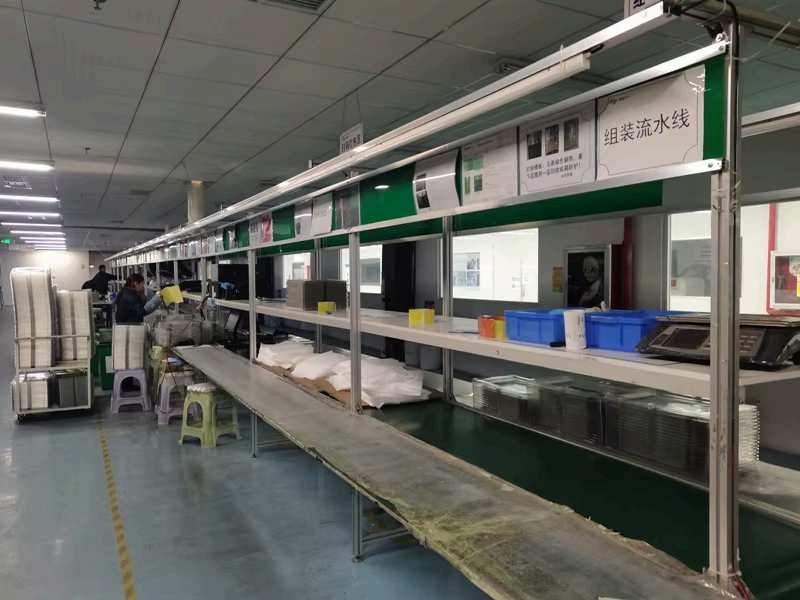
Assembling​
Stap 16 :Monteren

Integreert cellen in modules of pakketten met BMS, bedrading en systemen voor thermisch beheer.
MEER INFORMATIE

Meer informatie over productiedetails en het productieproces

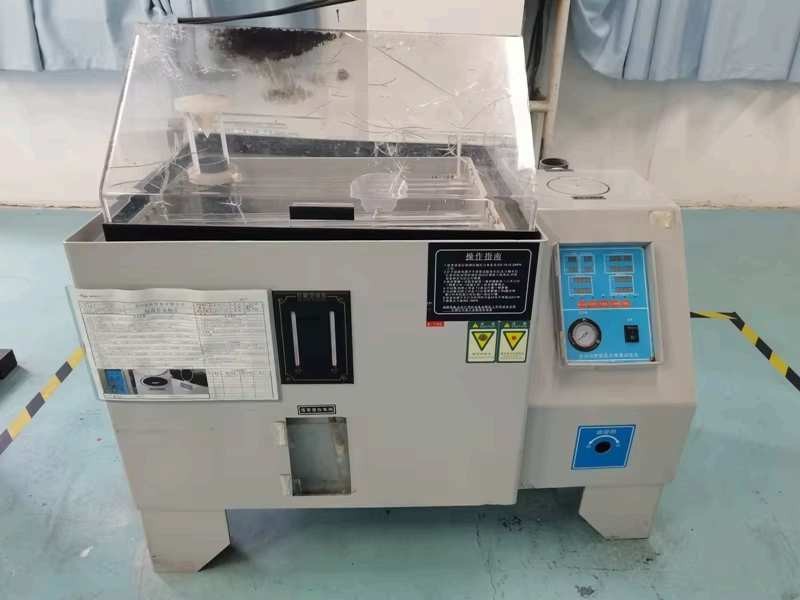
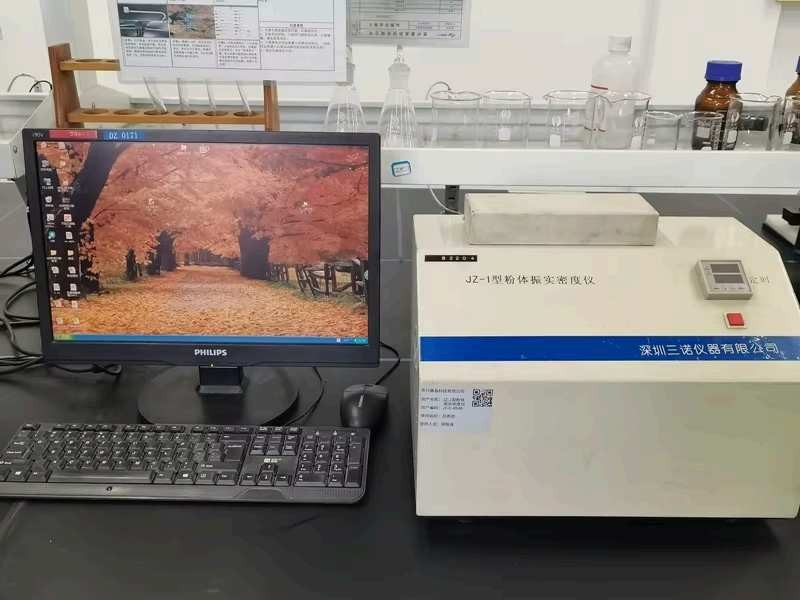
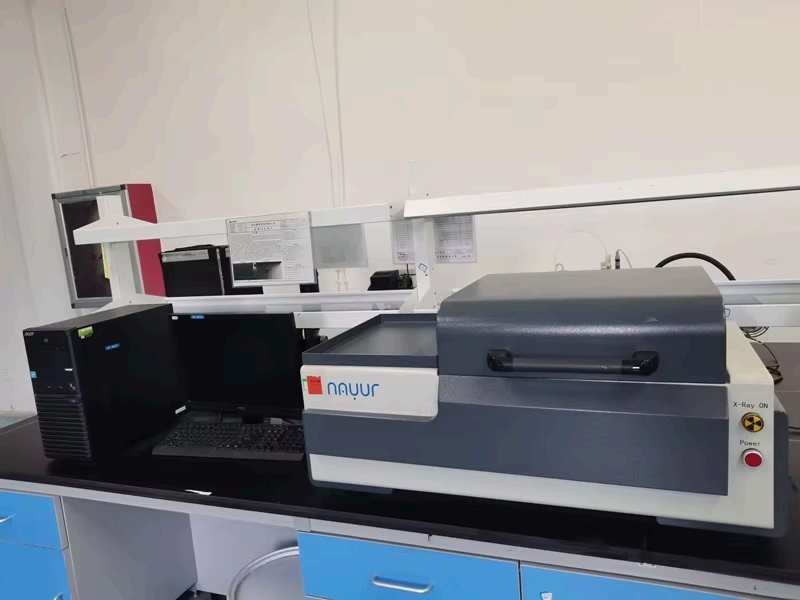
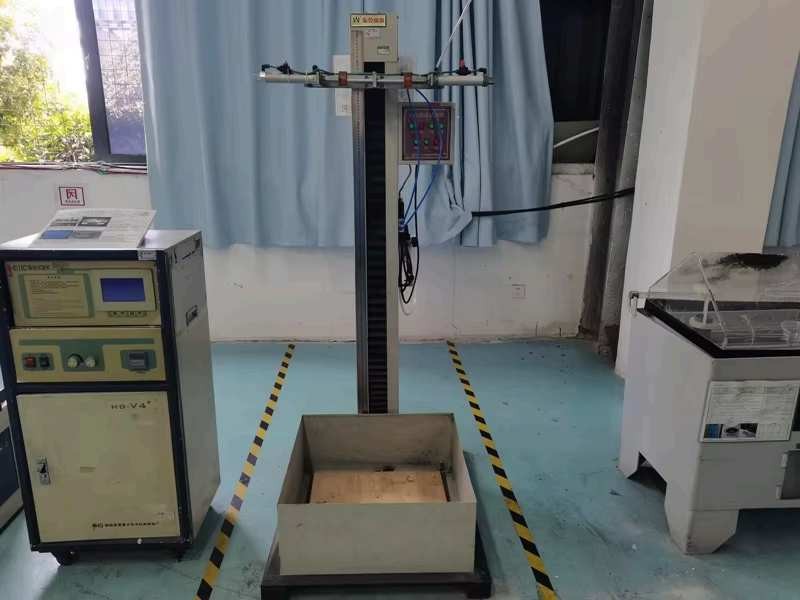
Testproces

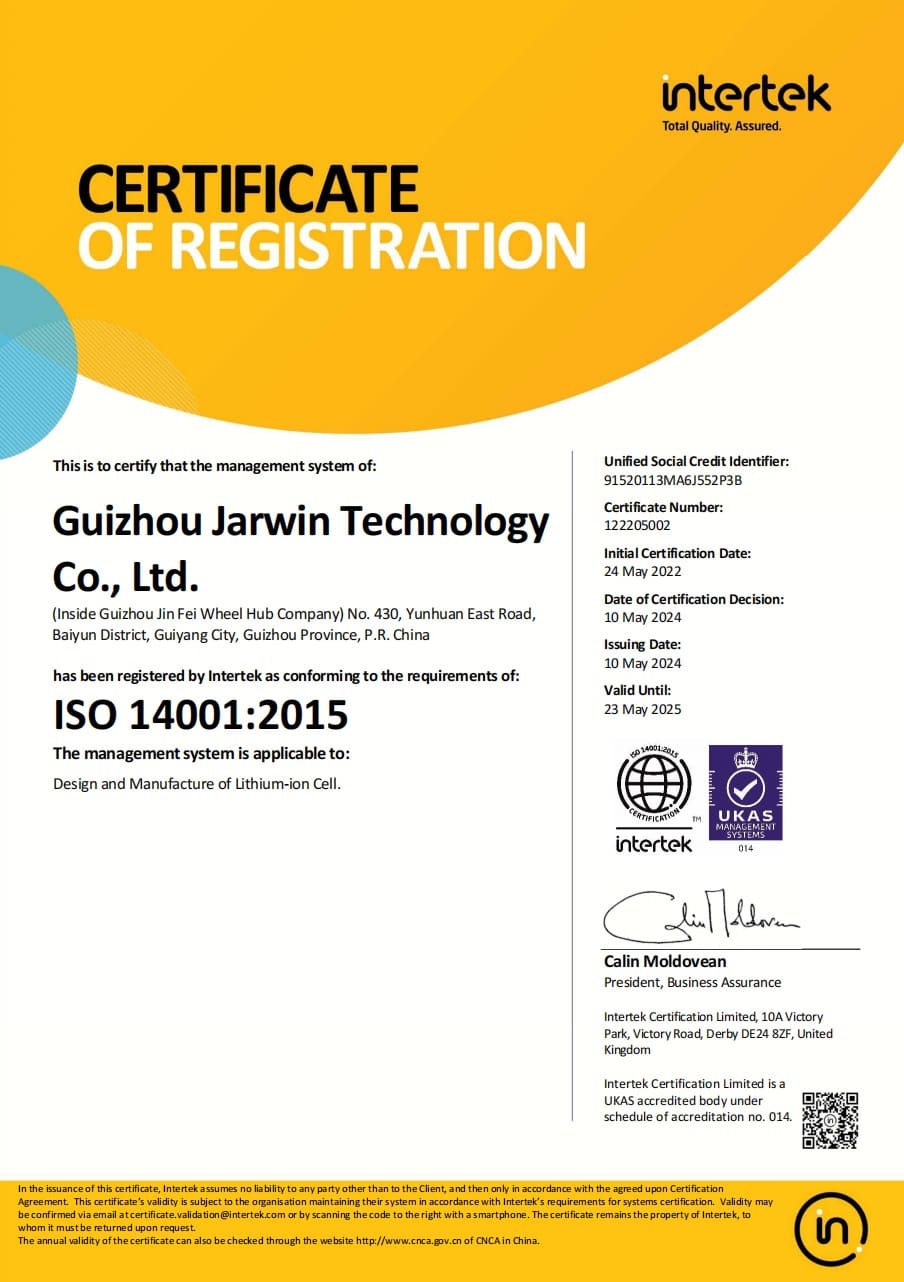
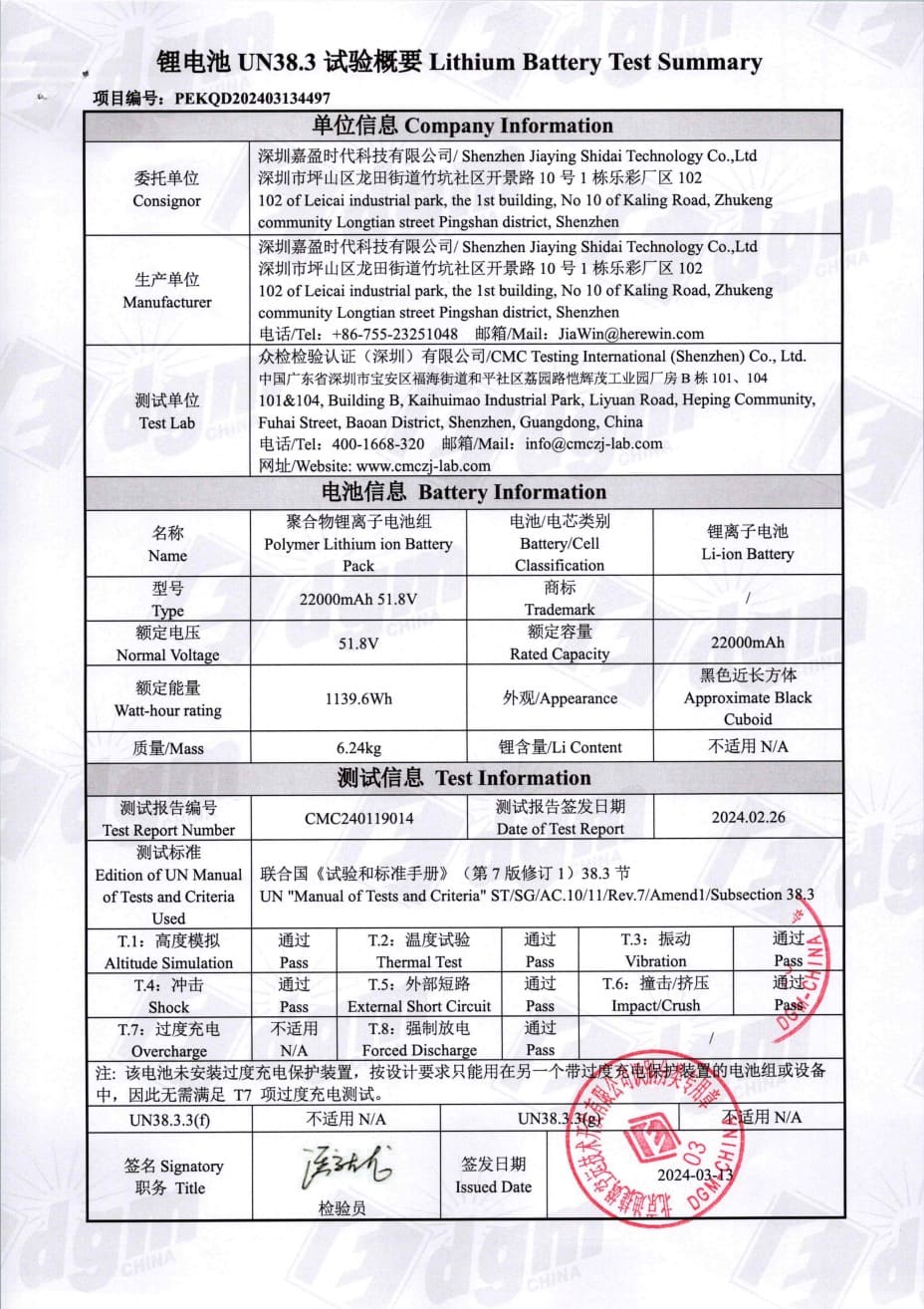
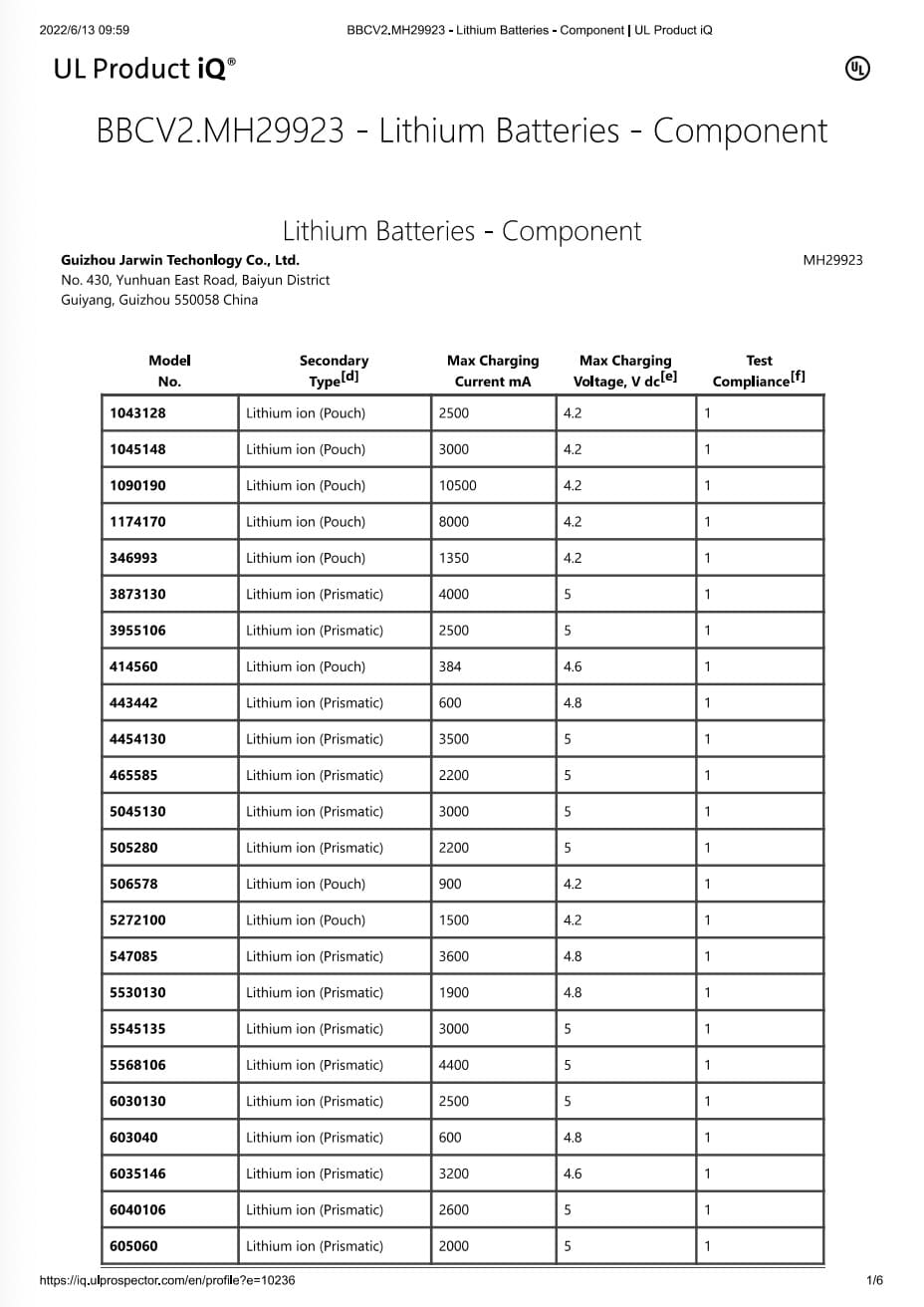
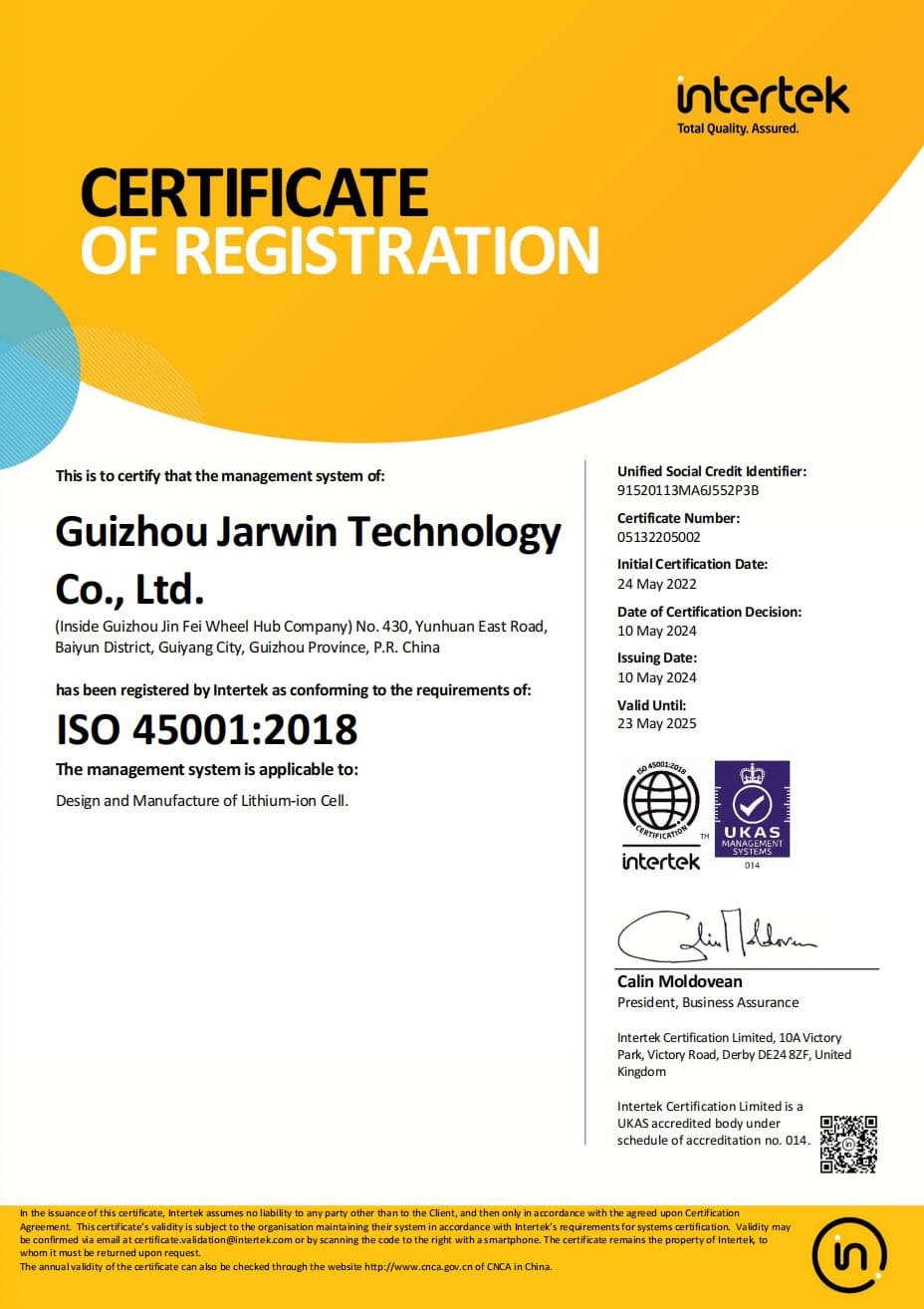
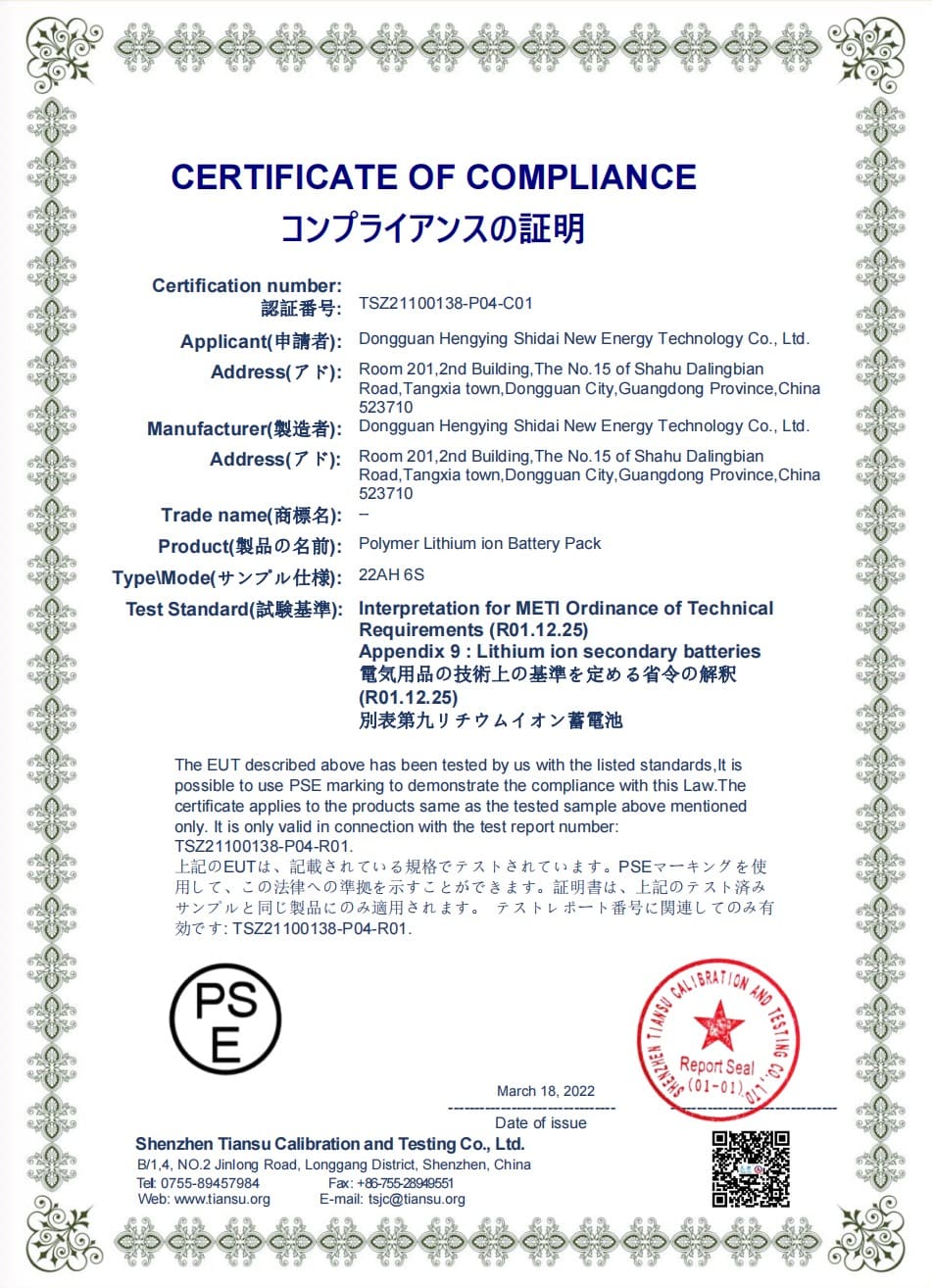
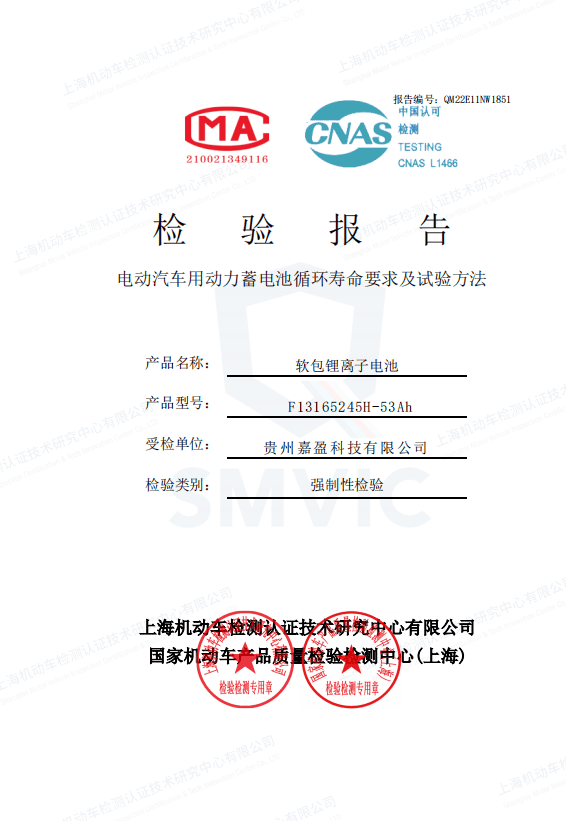
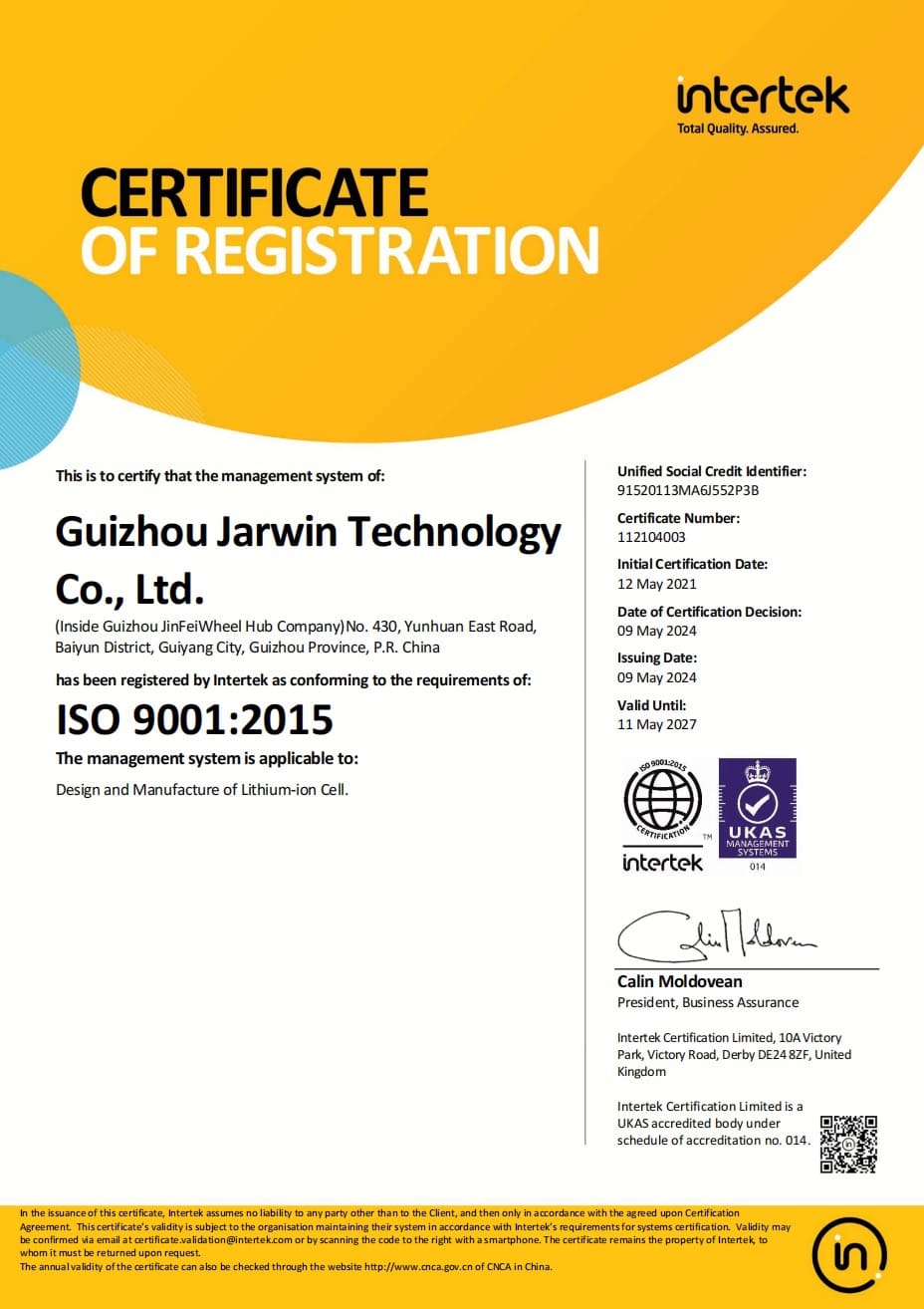
Eerlijk&Certificering

Certificeringen zijn de grootste kracht van herewin.
Voldoet aan de behoeften van alle markten en de bronfabrieken zijn volledig gecertificeerd om kwaliteit te garanderen.

Default Title
Default Title
Default Title
Default Title
Default Title
Default Title
Default Title
Default Title
Default Title
Default Title
Default Title
Default Title
Default Title
Default Title
Default Title
Default Title
Default Title
Default Title
Default Title
Default Title
Default Title
Default Title
Default Title
Default Title

IN CONTACT KOMEN

Wil je weten welke referenties jouw markt nodig heeft? Neem contact met me op en ik stuur je een afbeelding in hoge resolutie

FAQs

What distinguishes Li-ion polymer cells from traditional lithium batteries?

Li-ion polymer cells utilize gel polymer electrolyte technology, offering key differences compared to traditional liquid lithium batteries:

Electrolyte Composition

  • Hybrid gel polymer + liquid electrolyte (vs. pure liquid electrolyte in traditional cells).

Safety Improvements

  • 60% lower leakage risk and 40% reduced combustion potential.

Structural Advantages

  • 30% smaller volume, 20% lighter weight, and support for flexible/custom shapes.

Performance Metrics

  • Energiedichtheid: 170-350 Wh/kg
    (Traditional liquid: 160-170 Wh/kg; Semi-solid energy storage series: 170-190 Wh/kg; High-density semi-solid series: 300-350 Wh/kg).

  • Charging Efficiency: 50% faster than traditional batteries.

  • Levenscyclus: ≥2,000 cycles.

What are the core advantages of polymer cells?
  1. Veiligheid

    • Passes nail penetration and crush tests.

    • Stable operation at 70-80°C (158-176°F).

    • UL/CE certified.

  2. Charging Performance

    • 30-minute fast charging (up to 80% capacity).

    • Compatible with mainstream fast-charging protocols.

  3. Sustainability

    • ≥2,000-cycle lifespan.

    • 95% material recyclability rate.

  4. Compact Design

    • 30% smaller size and 20% lighter weight vs. traditional cells.

Where are polymer cells commonly used?

Mainstream Applications

  • Consumer Electronics: Smartphones, TWS earbuds (prioritizing slim designs + fast charging).

  • New Energy Vehicles: Power batteries (20% range increase), flexible in-car displays.

  • Industrial Energy Storage: Residential energy storage systems (safety + longevity), backup power units.

Emerging Applications

  • IoT sensors (flexible integration), vaping devices (miniaturization), wearables.

Verwante blog

Heavy-lift Industrial FPV Battery Solutions: 2026 Comparison of Semi-Solid vs. Standard LiPo
Compare heavy-lift industrial FPV battery solutions: semi-solid vs. standard LiPo. Discover energy density, safety, and lifecycle benefits for 2026.
2026 SAR Drone Battery: Semi-Solid Tech for Mission Reliability
In 2026, SAR drone battery advancements with semi-solid technology ensure mission reliability, offering high energy density and thermal stability.
Lower Field Logistics TCO with Semi-Solid Power Solutions
Lower TCO in field operations with low-temperature resilient portable power solutions, enhancing efficiency and reducing costs in remote logistics.
LFP Battery Housing Selection Guide: Aluminum vs Steel vs Composites for Rack Mounted BESS
This LFP Battery Housing Materials Selection Guide compares aluminum, steel, and composites for rack-mounted BESS, focusing on safety and performance.
Shielding Autonomous Missions: Overcoming EMI in High-Voltage Drone Inspections
Shielding is essential for High-Voltage Autonomous Inspection, ensuring drones overcome EMI challenges for reliable and safe operations.
Navigating Germany’s ZEZ Mandates: A Fleet Manager’s Compliance Guide to Lead-to-Lithium Innovation
Fleet managers can ensure compliance with Germany’s ZEZ mandates by adopting Lead-to-Lithium technology, enhancing efficiency and sustainability.

Onze nieuwe catalogus

Learn more about battery cell, and the full range of products

nl_NLNederlands
Scroll naar boven

Vraag nu een gratis offerte aan!

Contactformulier demo (#3)
Als je vragen hebt, aarzel dan niet om contact met ons op te nemen.
#!trpst#trp-gettext data-trpgettextoriginal=2547#!trpen#Seraphinite Accelerator#!trpst#/trp-gettext#!trpen##!trpst#trp-gettext data-trpgettextoriginal=2548#!trpen#Optimized by #!trpst#trp-gettext data-trpgettextoriginal=2547#!trpen#Seraphinite Accelerator#!trpst#/trp-gettext#!trpen##!trpst#/trp-gettext#!trpen#
#!trpst#trp-gettext data-trpgettextoriginal=2549#!trpen#Turns on site high speed to be attractive for people and search engines.#!trpst#/trp-gettext#!trpen#