
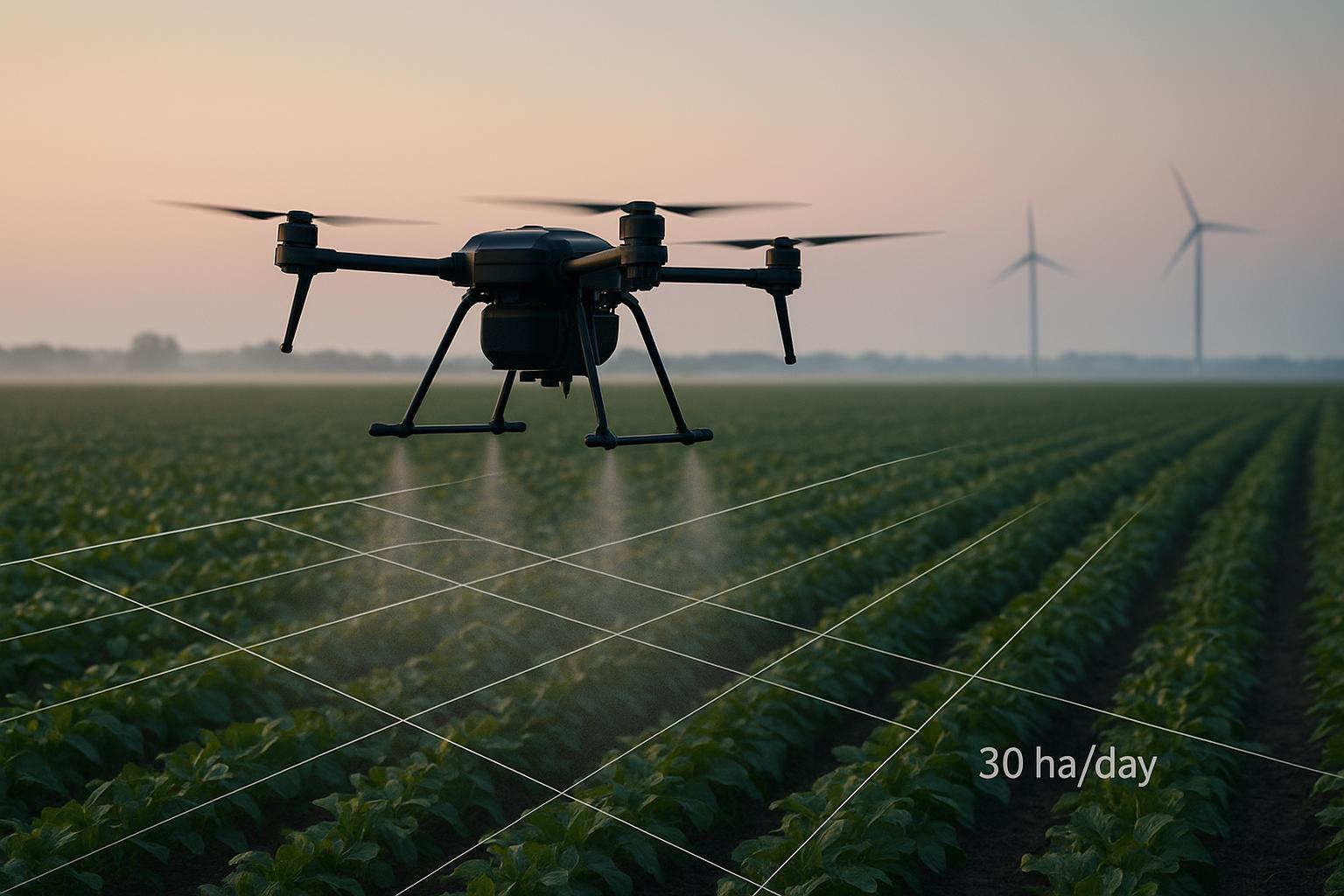
Germany is becoming a test market for agricultural drones—but not because German farms are unusually eager to try new technology.
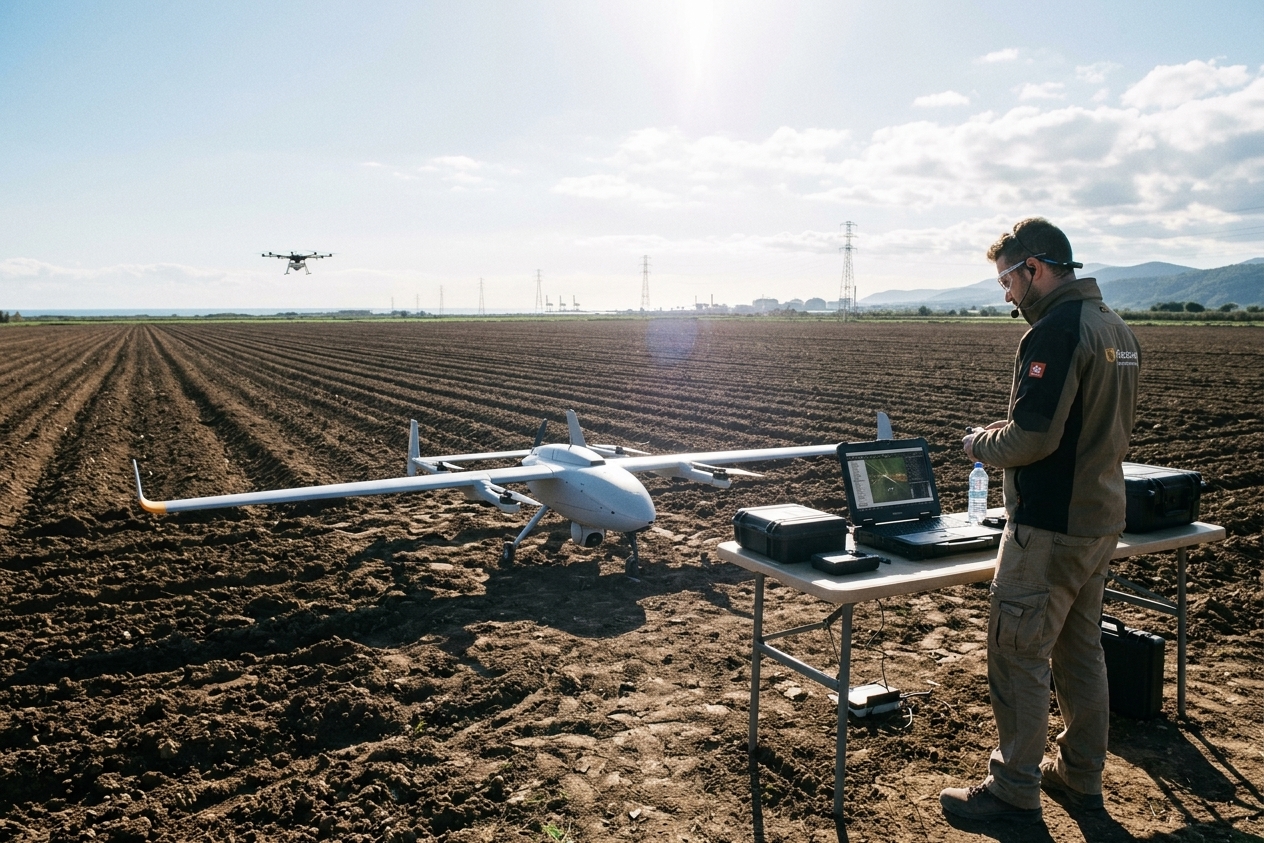
Germany matters because it’s one of the first European environments where agricultural drone work is being pushed from adoption into scaled operations. Under real-world pressure—tight labor, tighter compliance, and narrow weather windows—the conversation shifts fast from flight capability to throughput economics: hectares per day, repeatability, and how much of your fleet’s time is lost on the ground.
Germany’s Agricultural Challenges Are Creating Demand for Drone-Based Operations
If you want to understand why Germany is pulling Europe forward, start with what German operators are being asked to deliver: predictable outputs under tighter constraints.
Labor shortages are increasing pressure on farm operations
On many farms, labor isn’t just expensive—it’s a scheduling constraint. When you can’t reliably staff peak-season tasks, you start looking for tools that convert planning into execution.
That’s the practical role drones are sliding into: not “innovation theater,” but a way to complete monitoring and crop-protection work with fewer people on the ground.
Environmental regulations are changing how crop protection is performed
Germany isn’t unique in wanting lower-impact agriculture. What’s distinctive is how policy direction is turning sustainability into day-to-day operating rules.
At the EU level, the Common Agricultural Policy (CAP) links payments to environmental baselines and supports practices that go beyond them. The European Commission’s CAP guidance explicitly notes support for sustainable pesticide use and even “green investments such as precision sprayers” via rural development measures in its overview of CAP support for sustainable pesticide use and precision sprayers.
For drone operators, this matters because it changes what customers value:
Less drift exposure near sensitive areas
Better targeting and documentation of application decisions
Proof that “precision” isn’t marketing language—it’s an operational method
Precision agriculture is moving from innovation to necessity
Precision agriculture used to be a competitive edge. Increasingly, it’s the operating baseline.
Once a farm has already adopted digital mapping, variable-rate logic, and data-driven planning, an agricultural drone stops being a separate “drone project.” It becomes another actuator in the system—one more way to execute a plan when labor and windows are tight.
Why Germany Provides an Ideal Environment for Agricultural Drone Adoption
Many European countries face similar drivers. Germany is showing faster translation from driver → deployment because several enabling conditions are already in place.
In practice, three things stand out: large, mechanized farm structures that reward schedule-driven execution; widespread comfort with digital planning and documentation; and a comparatively clear regulatory pathway that turns compliance into a known operating constraint rather than a surprise.
That combination is what makes Germany useful as a reference market: it surfaces operational bottlenecks early, when drone programs shift from “can we do it?” to “can we repeat it at scale?”
Germany Is Already One of Europe’s Leading Agricultural Drone Markets
Germany is not only useful as a “scaling laboratory”—it’s also one of the European markets analysts watch most closely for agricultural drone adoption and commercial activity.
Market-research summaries consistently place Germany at or near the top of Europe’s agricultural drone market in recent years (for example, Market Data Forecast’s Europe agricultural drones market overview notes Germany leading the region in 2025). Exact market sizing varies by methodology, but the signal is consistent: Germany is where commercial deployments and service-provider activity tend to appear early, and where operational bottlenecks show up sooner.
That’s why Germany is worth studying—because it combines real adoption with real operational pressure.
Why Germany Scales Earlier Than Other Markets
Germany tends to hit the “scaling” phase sooner because its operating conditions make it easier—and more necessary—to turn new tools into day-to-day routines.
In many regions—especially parts of eastern Germany—operators work around large, highly mechanized arable farms. Combine that with high labor costs and tight seasonal windows, and you get a strong incentive to replace ad-hoc work with predictable, schedule-driven execution.
The result is that scaling questions show up earlier: how to chain fields efficiently, how to stage refills and energy, and how to keep output stable when the window is short.
Germany Is Europe’s Agricultural Drone Scaling Laboratory
Germany isn’t just adopting drones—it’s stress-testing whether drone spraying can be run like a repeatable service operation.
What scaling reveals in Germany
Service-provider growth changes the operating model. More work is delivered by specialized operators serving multiple farms, which forces scheduling, maintenance, and refilling/charging to be managed like a production line.
Process discipline matters more than pilot skill. In a scaled operation, you don’t optimize for the “best-case” flight. You optimize for the median flight across a long season—across teams, fields, and changing weather. That pushes operators toward repeatable workflows, checklists, and predictable handoffs.
Documentation becomes operational infrastructure. In practice, documentation isn’t an afterthought—it’s a throughput factor. When compliance requirements are strict, teams that can produce consistent logs, batch traceability for inputs, and clear operating records spend less time reworking paperwork and more time delivering hectares.
Repeatability beats peak performance. A drone that can produce high output on paper isn’t the same thing as an operation that can produce stable output in the field. Germany’s environment rewards the latter.
Why scaling is easier to operationalize in Germany
Germany’s larger arable operations are already structured around mechanized workflows—planned runs, predictable inputs, and equipment scheduling. That matters because drone spraying scales fastest when it plugs into an existing rhythm for mixing, refills, staging, and maintenance rather than reinventing the entire field workflow.
German operators also don’t have to sell farms on the logic of data-driven decisions. Many are already using digital tools for mapping, planning, and documentation, so drone work naturally fits as another execution layer that produces the logs, field-level traceability, and repeatable plans scaled operations depend on.
Finally, regulation functions more like a known constraint than an unknown risk. Europe’s drone framework is harmonized through EASA’s “open/specific/certified” categories (see EASA’s open/specific/certified category framework), and Germany adds practical requirements (registration/e-ID, commercial insurance, and location restrictions) that operators can plan around (summarized in Germany’s commercial drone requirements). The result is that compliance becomes part of the throughput plan—not a last-minute blocker.
Agricultural Drones Are No Longer Experimental Tools
This is the first pivot Germany forces.
In many projects, the conversation is no longer:
Can the drone fly?
Can it spray?
It’s:
Can the operation run on schedule, repeatedly?
Can it produce stable hectares-per-day output?
Can the business forecast cost and downtime?
From crop monitoring to routine operational workflows
Drones started as monitoring tools because monitoring is low-risk: you can miss a pass and still recover.
Crop protection isn’t like that. If you miss the window, you lose the window.
That’s why, once drones move into spraying workflows, the operational bar rises:
standardized pre-flight checks
defined field setup and teardown
repeatable route planning
consistent droplet and coverage outcomes
This is also where the phrase precision spraying drones Europe stops being a trend label and becomes a service-delivery obligation.
Service providers are scaling beyond individual projects
Germany’s market is increasingly shaped by service providers, not just equipment owners.
For operators, that shifts the focus to delivery KPIs—booking density, geographic coverage, and fleet availability—because consistency matters more than a handful of perfect demo flights.
Daily productivity is becoming the key performance metric
As soon as a business is doing more than a handful of demonstrations, the metric becomes unavoidable:
How many hectares can you cover per day—reliably—during peak season?
That question collapses dozens of sub-questions into one number:
How often do you stop?
How long do you stay stopped?
How quickly can you restart?
How much of your team’s time is burned on the ground?
Agricultural Drone Operations in Germany Are Now Limited by Throughput
This is the chapter that matters if you run an agricultural drone service.
Many operators assume the solution to higher output is buying another aircraft. In practice, many fleets leave productive hours unused because ground operations can’t keep pace. Germany is among the first European markets where this gap is becoming visible.
In many cases, the next hectare comes from reducing ground time—not adding airframes.
A typical peak-season morning: planned vs. real output
Here’s an illustrative scenario (the exact numbers vary by crop, aircraft, and local rules):
07:00 Start operations; conditions are good
09:30 First battery rotation; refills start stacking up
11:00 Wind increases; route plans tighten
12:00 Spraying stops as the window closes
Plan: 200 hectares
Actual: 130 hectares
Why: ground turnaround time (refill + battery rotation + checks) couldn’t maintain the planned mission loop
When flight controllers, route planning, and aircraft reliability hit “good enough,” the limiting factor moves somewhere less visible: the system that keeps the aircraft flying.
Flight performance is no longer the primary limitation
Aircraft capability still matters, but in many German operations the limiting factor isn’t whether the drone can perform the mission.
It’s whether the mission can be repeated without losing the day to setup, charging, and coordination.
The number of hectares covered per day matters more
Think in throughput variables—not specs:
available spraying window (hours)
average mission cycle time (minutes)
interruptions (count)
interruption duration (minutes)
The KPI is simple: hectares per day. The constraints are not.
Every minute on the ground reduces fleet utilization
Here’s the scenario that keeps showing up in operations reviews:
The weather is good in the morning.
The usable spraying window is effectively ~4 hours (wind, drift risk, farm coordination).
The aircraft can fly and spray.
But battery turnaround can’t keep up.
The economics are brutal because the constraint is time-bounded. You can’t “make it up later” if the wind picks up.
To make the hidden cost visible, use a simple throughput model.
Throughput variable | What it means | Why it matters |
|---|---|---|
Spraying window (hours) | Time you can legally and safely spray | Caps the entire day’s revenue potential |
Flight cycle (minutes) | Takeoff → spray → land | Determines theoretical output |
Ground turnaround (minutes) | refill + swap/charge + checks | Dominates utilization when it’s slow |
Effective utilization (%) | Time spraying ÷ total window | Predicts output more than max speed |
Abort/restart rate | Weather or operational resets | Converts “paper capacity” into real hectares per day |
Key Takeaway: When the spraying window is fixed, the biggest lever is usually turnaround minutes そして effective utilization—small improvements on the ground can unlock more real hectares than another airframe.
This is where “battery” stops being a part number and starts being a planning object:
how many packs are in rotation per aircraft
charge rate versus cycle-life exposure
how field power is provisioned
how fast you can re-enter the mission loop
The downstream KPI is the one buyers actually care about: hectares per day drone spraying in real conditions, not in brochures.
What German Operators Are Learning About Scalable Drone Operations
Germany is useful as a test market because it forces operators to mature their system earlier.
Not because Germans are more enthusiastic. Because the operating environment punishes inefficiency.
Fleet productivity depends on more than aircraft specifications
When managers compare two aircraft, it’s tempting to compare flight time, payload, and speed.
But once you run more than one drone, the question is really:
Can your ground system keep the fleet in the air?
That includes:
standardized loading and mixing workflows
disciplined maintenance routines
battery inventory management
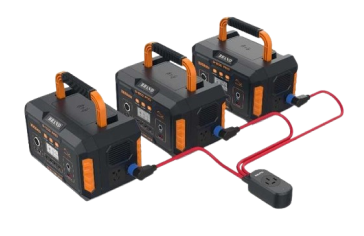
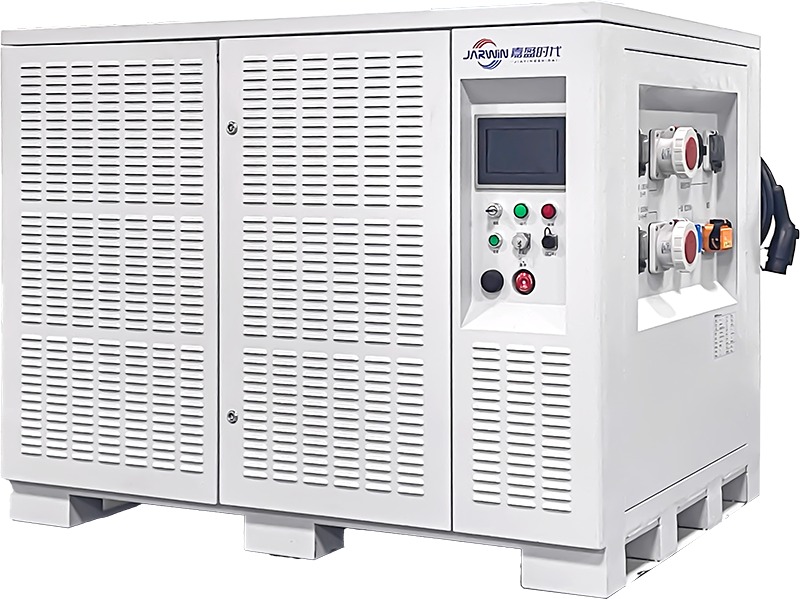
field power and charging setup
compliance documentation readiness
Energy logistics increasingly affect operational efficiency
Energy logistics is the layer most operators under-invest in early.
It often shows up as a few predictable symptoms:
waiting on charge cycles
an inconsistent turnaround rhythm
rising replacement cost with no clear lifecycle plan
If your energy system isn’t designed as infrastructure, it becomes friction.
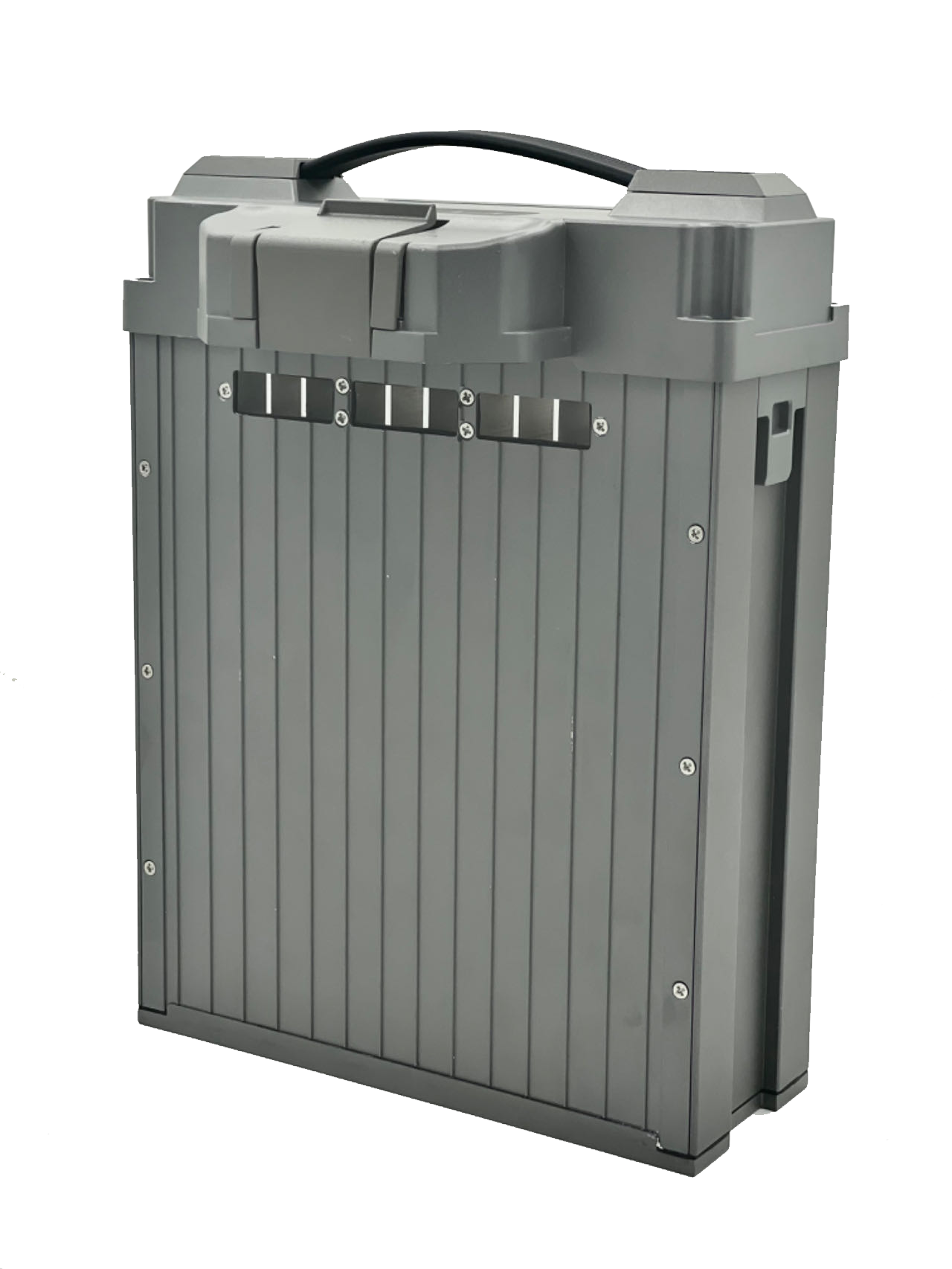
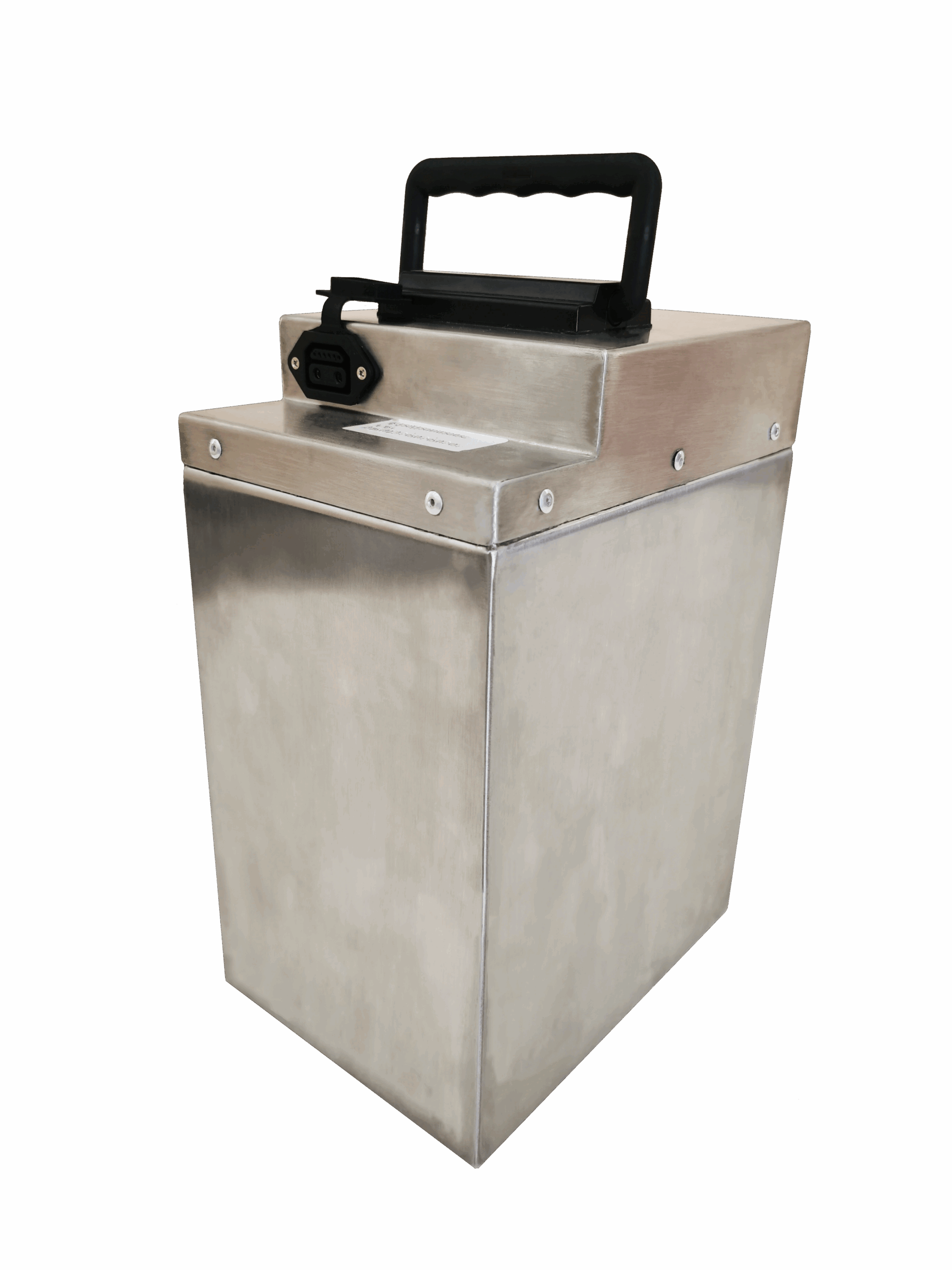
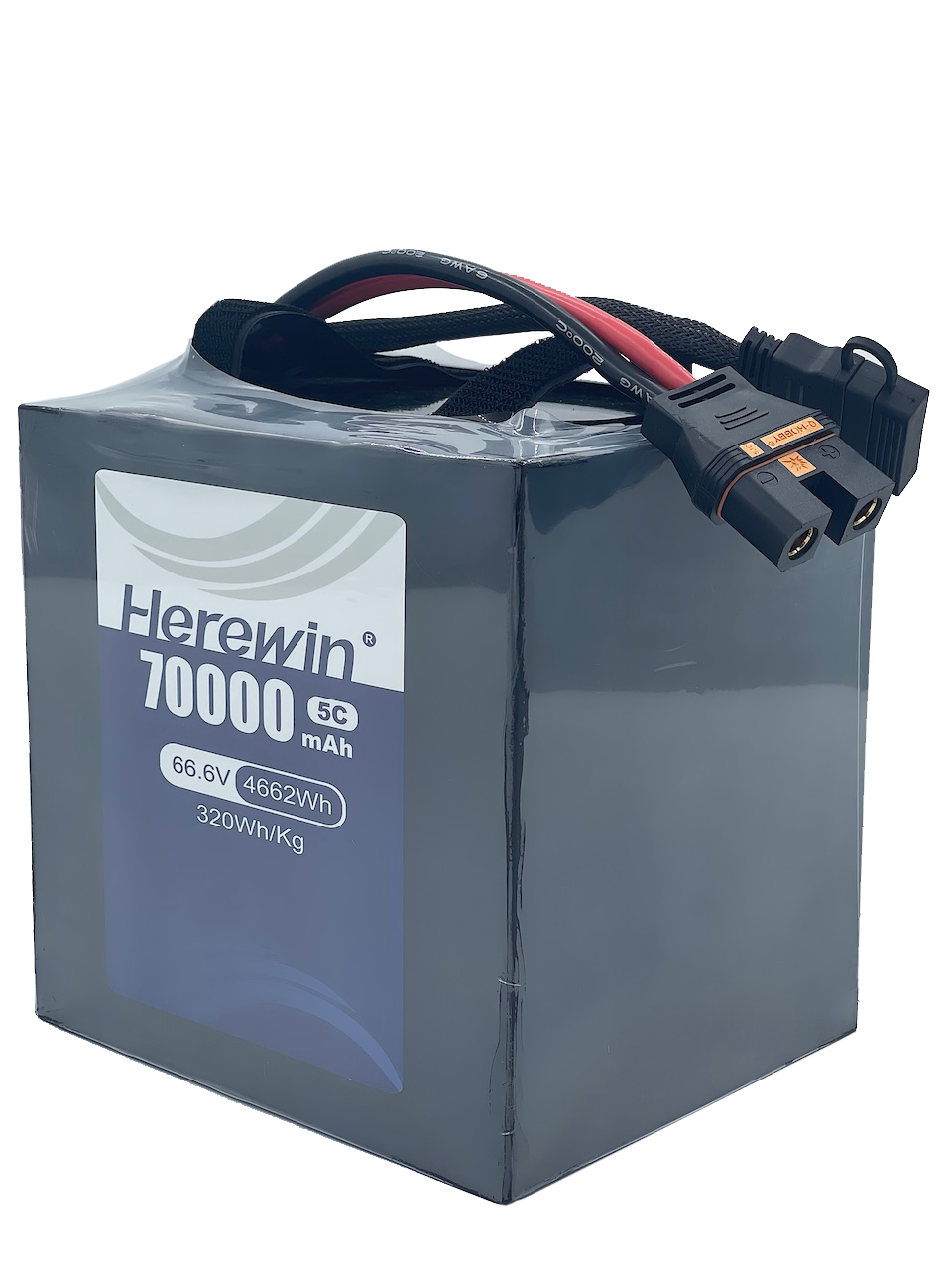
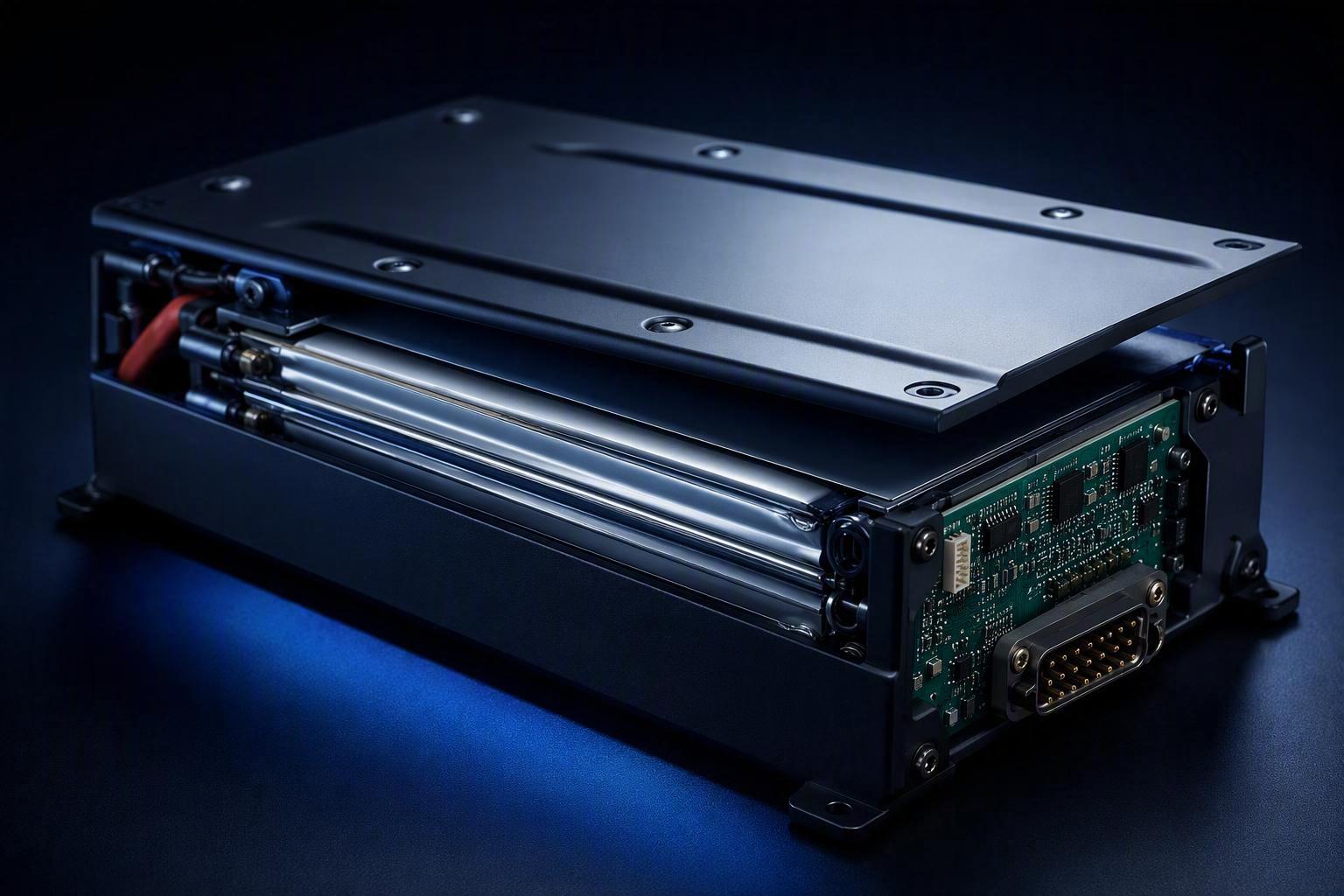
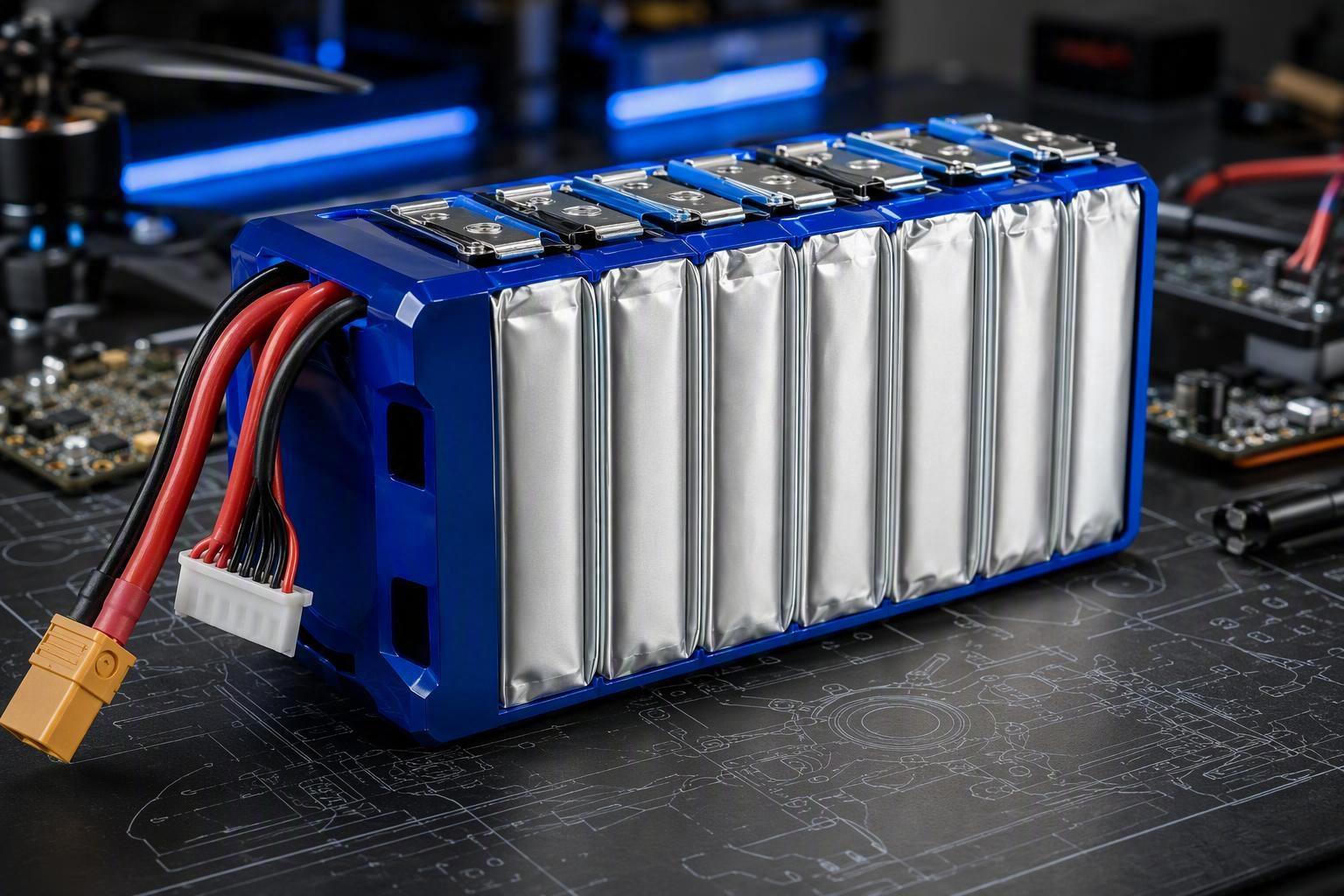
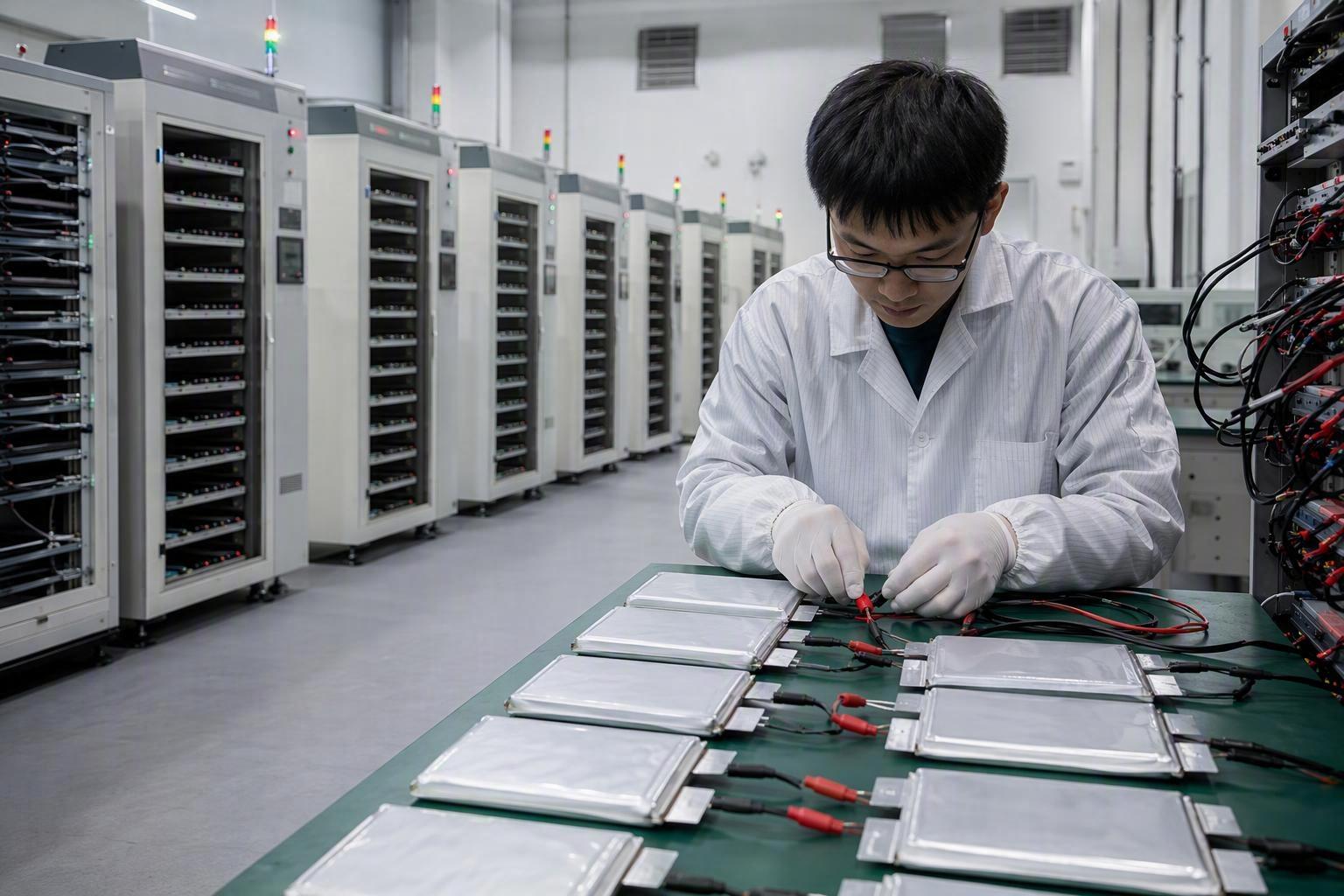
This is also where suppliers matter—not as a brand badge, but as a process partner. As operations scale, suppliers are increasingly evaluated on factors beyond pack specs, including consistency, traceability, lifecycle support, and integration readiness. That’s why some operators work directly with OEM/ODM partners rather than treating batteries as interchangeable consumables.
Energy capacity is becoming a fleet-planning variable
In mature operations, it’s more accurate to treat energy as infrastructure, not a consumable.
Energy planning is increasingly becoming capacity planning: it determines whether you can complete today’s schedule—and what assets you’ll need to scale next month.
That shows up in planning questions like:
Rotation capacity: how many battery sets are required per aircraft to sustain the day’s schedule?
Charging infrastructure: does charger throughput match the mission cadence—or create queues?
Field power availability: what’s the realistic power plan at the edge of the field?
Cycle-life economics: what replacement rate is acceptable over a season, and how is it tracked?
The shift is subtle but important: batteries stop being “spares.” They become throughput capacity.
Germany May Be Previewing Europe’s Next Operational Challenge
Germany’s significance isn’t that it has more drones than everyone else. It’s that Germany is one of the first European markets where agricultural drone operations are being managed as repeatable service businesses rather than technology demonstrations.
When that transition happens, the bottleneck shifts.
The question is no longer:
Can the aircraft fly?
The question becomes:
Can the operation reliably deliver hectares per day during narrow seasonal windows?
And increasingly, the answer depends on everything that happens between flights: ground turnaround, energy infrastructure, documentation readiness, and the process discipline that turns “capable hardware” into predictable output.
Other European markets will likely follow the same curve
France, Spain, and Poland face similar pressures—labor constraints, sustainability policy direction, and the push toward precision agriculture. The difference is timing.
Germany’s role as a test market may have less to do with drones themselves and more to do with what happens after adoption.
Most technologies look successful in demonstrations. Far fewer prove they can operate as repeatable service businesses.
That’s the transition Germany is helping expose today—and the transition many European operators will eventually have to navigate.
If you’re trying to improve hectares/day without buying more aircraft, start by auditing your ground-time losses (rotation capacity, charging throughput, refill workflow). For reference, here’s a practical overview of working with an ODM/OEM battery solutions partner.
If you’d like a second set of eyes on your rotation and charging capacity plan, you can contact Herewin to discuss integration readiness and lifecycle support.

 日本語
日本語  English
  Español
  한국어
한국어  Deutsch
  Français
  Русский
  Bahasa Indonesia
  ไทย
ไทย  العربية
  Português do Brasil
  Italiano
  Nederlands