

German agriculture is changing — but not in the way the technology pitch usually describes.
Germany isn’t a “generic EU farm market.” It’s a high-mechanization, high-compliance environment where documentation is part of day-to-day farm management, and where operating costs (especially labor and machine time) make efficiency improvements pay back sooner than in lower-cost regions.
That’s why precision agriculture Germany in 2026 isn’t about more sensors or more data. It’s about converting precision into measurable results on the farm.
German farmers don’t buy technology. They buy results they can validate.
In practice, those outcomes cluster into four priorities:
Lower inputs (pesticides, fertilizers, fuel, time)
Meet environmental requirements with fewer surprises
Protect soil (especially reducing soil compaction and cumulative structure damage)
Improve operational consistency (predictable results, repeatable execution)
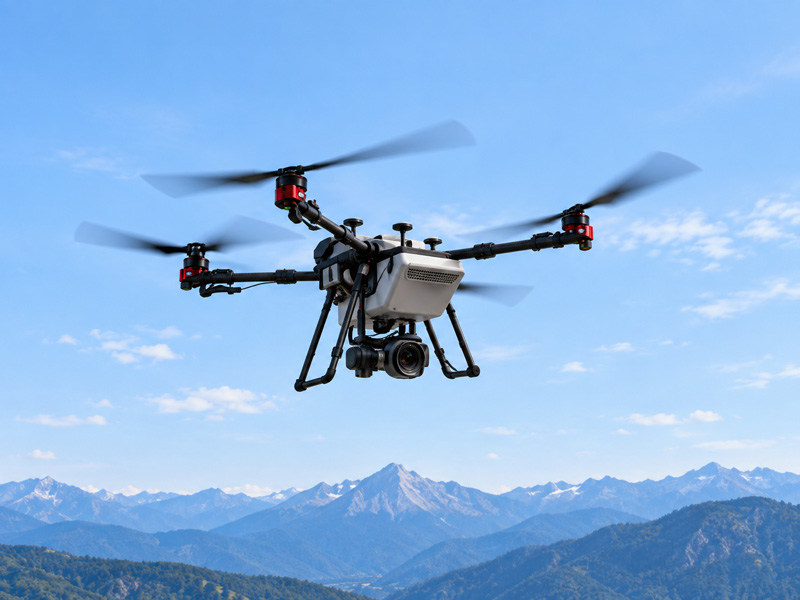
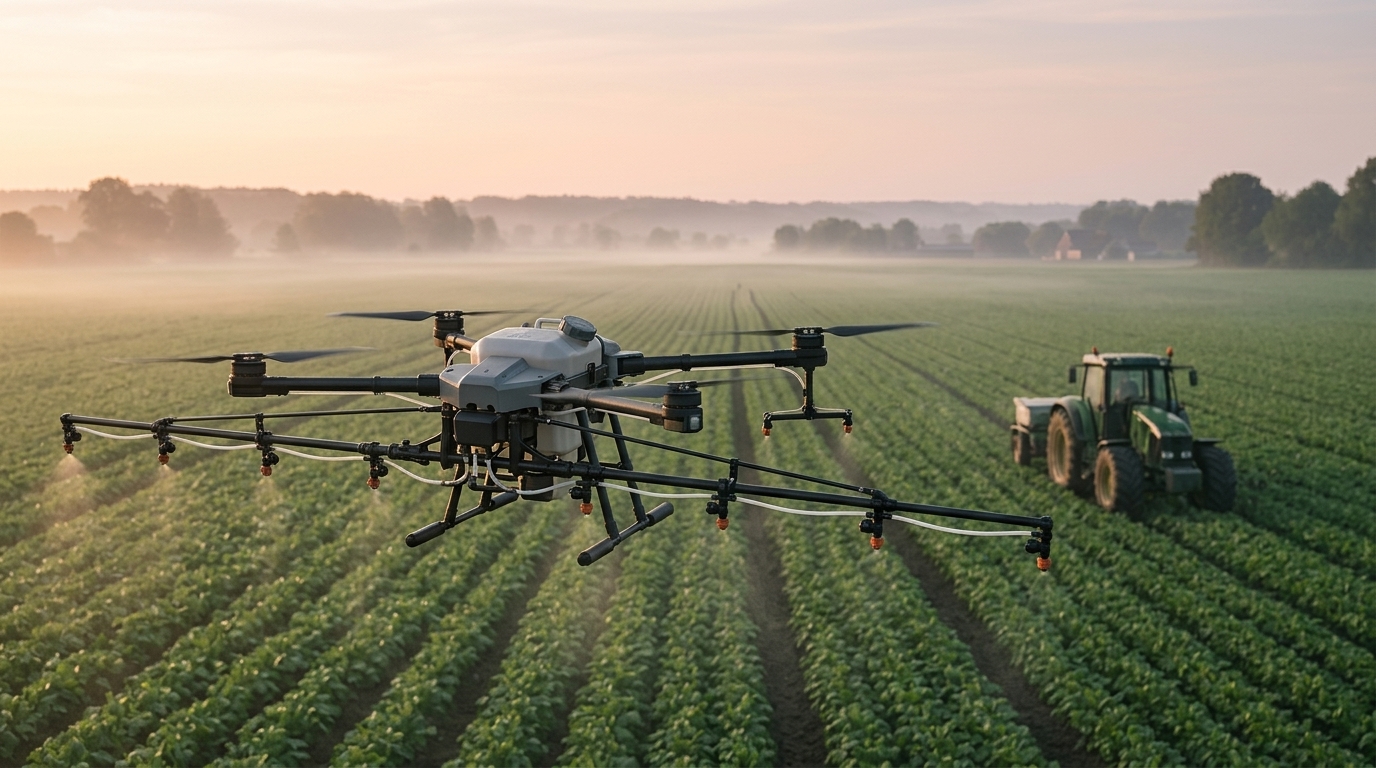
Agricultural drones are increasingly evaluated as one tool inside that outcome-driven toolbox — not as a replacement for ground equipment, and not as a “future of farming” story.
Why drones keep appearing in these conversations
Agricultural drones keep showing up across all four priorities — not because German farms are chasing “drone adoption,” but because drones can reduce in-season disruptions in the field.
In practice, they’re evaluated as a flexible operational layer:
Lower inputs: targeted interventions instead of whole-field passes.
Meet requirements: cleaner, easier-to-document actions.
Protect soil: avoid one more heavy pass.
Improve consistency: execute in narrow windows with less rework.
Precision agriculture Germany is no longer about technology adoption
Most farm operators in Germany don’t need another explainer on GPS guidance, variable-rate maps, telemetry, or site-specific application.
The remaining barrier is not awareness. It’s whether a tool produces reliable improvement under real constraints: labor, time windows, weather volatility, and compliance limits.
Back in 2018, “precision agriculture” was often a shopping list of features. In 2026, it increasingly translates into operational questions:
Where do we lose money through over-application and rework?
Which environmental requirement creates the most operational friction?
Which fields are quietly degrading because traffic is unmanaged?
Where do we need more consistency instead of peak performance?
The purchase decision becomes a practical test: can the farm validate improvements in-season without running an IT project? If not, a new feature list won’t save it.
Why German Agriculture Is Under Pressure to Produce More with Less
German farms are being pulled in three directions at once: cost pressure, environmental expectations, and operational constraints.
Precision agriculture keeps coming up because the baseline for “acceptable operations” is rising.
Labor costs continue to rise
Labor is a constraint not just because wages increase, but because availability and seasonality are harder to manage.
When labor is tight, the value of precision shifts toward repeatability:
fewer exceptions,
fewer rework passes,
more predictable execution during peak windows.
Environmental requirements are becoming stricter
The policy direction is clear even when details evolve: more scrutiny on environmental impacts, more requirements tied to payments, and more documentation.
For example, the EU’s CAP green architecture emphasizes eco-schemes and conditionality (including GAEC standards as part of the baseline), with eco-schemes described as a major intervention that shapes how farms access support.EU CAP Network’s “Eco-schemes: evolving the CAP’s green architecture” (2023)
Separately, the EU Green Deal / Farm to Fork direction has included a political target to reduce the use and risk of chemical pesticides by 2030, reinforcing the push toward lower-input approaches.Nature Food: “Pesticide reduction amidst food and feed security concerns in Europe” (2023)
That’s why “reduce pesticide use in the EU” is not just a sustainability slogan; it’s becoming a management constraint.
Input efficiency is becoming a profitability issue
Inputs are not only a cost line. They’re also a volatility amplifier.
When fertilizers, crop protection products, fuel, and labor all fluctuate, the farm that can keep application tight and predictable has a different risk profile than the farm that can’t.
Compliance is becoming an operational capability
In Germany, “meet environmental requirements” often translates into something very operational: can the farm prove what happened, when it happened, and why it was the right decision?
That proof requirement is growing as rules tighten and as payments, audits, and buyer expectations depend on documentation.
So farms are investing in systems that make compliance easier to execute under pressure:
Cleaner records: field logs and application records without rebuilding the season from memory.
Workflow-fit traceability: data capture that matches machines, operators, and contractors.
Fewer grey-area decisions: targeted actions that are easier to justify later.
This is one reason precision agriculture Germany is moving from feature adoption to outcome procurement: the outcome isn’t just lower inputs — it’s fewer compliance surprises.
Reducing Chemical Inputs Is Becoming a Top Priority
Reducing chemical inputs is often framed as an environmental goal. In practice, German farms treat it as a margin lever and a compliance risk control.
The logic is basic: match application to need and reduce waste. But it only works when execution matches intention — which depends on timing, operator workload, and whether the prescription is simple enough to trust.
Targeted spraying is attractive because it can cut unnecessary applications and make field operations easier to defend under tighter rules. It’s less about “using advanced tech,” and more about reducing the number of questionable decisions in a busy season.
Even without pretending there is one euro-per-hectare number for every crop, the chain is stable: less chemical volume, fewer passes, less machine time, and less rework. That is why precision agriculture in Germany is increasingly sold internally as risk-managed cost control.
Reducing Soil Compaction Is Gaining More Attention
Many German farms treat soil as an engineered asset. Compaction is one of the most expensive ways to quietly lose future performance.
A widely cited review summarizes the mechanism: compaction increases bulk density and soil strength while reducing porosity and hydraulic conductivity — constraining soil function over time.Shah et al., “Soil compaction effects on soil health and crop productivity” (2017)
Compaction is not only about axle load. It’s also about how often the soil is trafficked. A 2023 field-traffic experiment found that repeated passes aggravated hardpan strength and root restriction, with measurable yield penalties under the tested conditions.“Field traffic-induced soil compaction under moderate machine…” (Frontiers in Plant Science, 2023)
The operational takeaway is simple: more traffic and poorer timing increase compaction risk. This is where aerial tools become relevant. Aerial application doesn’t “solve soil health,” but it can avoid one more heavy pass — especially when ground access is costly in hidden ways.
Consistency Is Becoming More Valuable Than Maximum Yield
Many precision agriculture stories still revolve around maximizing yield. German decision-making often looks different. In 2026, consistency is becoming more valuable than peak output.
Predictable outcomes reduce emergency decisions. A consistent 90% outcome can beat a variable 100% outcome when labor is tight and windows are narrow.
Uniform application isn’t just agronomy. It’s management. Uniformity improves input planning, inventory rhythm, and field-to-field comparability.
On many German farms, agriculture is increasingly managed as a process — not a sequence of individual decisions. Consistency supports both planning and proof: you can forecast labor and inventory, compare results field-to-field, and explain decisions with clearer records.
It reduces risk in a chain: fewer misses → fewer re-sprays → fewer extra passes → less traffic → less soil pressure.
Carbon Reduction Is Moving from Sustainability Goal to Business Requirement
Carbon reduction is moving from branding to operations — and in Germany, it’s closely tied to how farms already think about fuel, passes, and record keeping.
On many German operations, the practical carbon conversation isn’t about abstract targets. It’s about what a farm can control in-season: how many times a machine enters a field and how often work has to be repeated.
That’s why carbon keeps getting pulled into precision agriculture decisions in a very specific way:
Fewer field entries. Less rework and fewer “clean-up” jobs.
Easier reporting. Records you can defend in an audit or with a buyer.
A procurement checkbox. Carbon expectations are starting to show up in contracts and finance.
The important nuance is this: German farms aren’t buying “carbon reduction tools.” They’re buying operational efficiency that also happens to reduce emissions intensity because it cuts waste — wasted fuel, wasted hours, and wasted passes.
So a stronger 2026 framing is:
The fastest path to carbon progress on many farms is boring operational discipline — and precision is the system that makes that discipline repeatable.
By this point, the pattern is clear: when the constraint is execution — time windows, soil conditions, labor, and auditability — farms start looking for tools that reduce exceptions, not just tools that add capability.
Why Agricultural Drones Are Becoming Part of the Precision Agriculture Toolkit
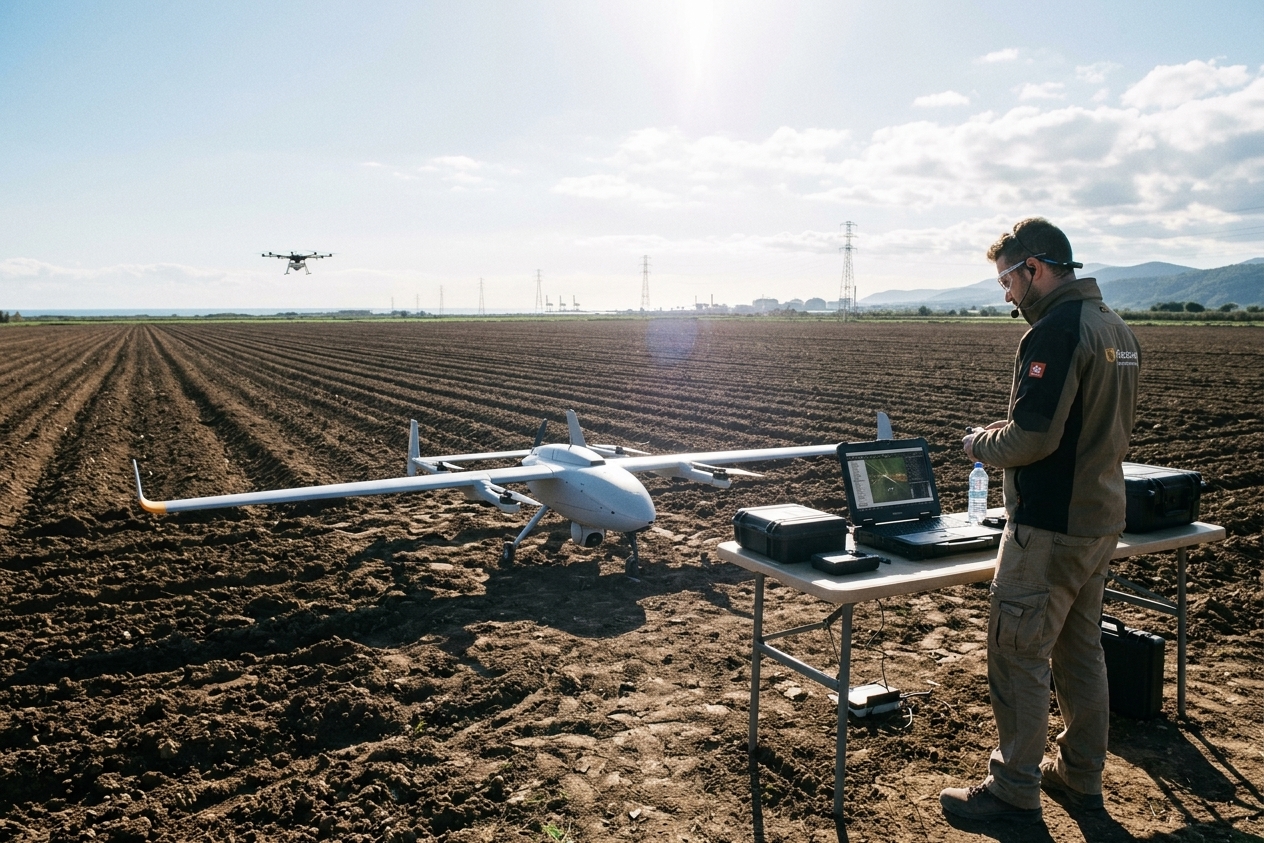
In Germany, drones rarely win because they’re “better technology.” They win when they’re the most reliable way to execute inside constraints: tight windows, limited labor, sensitive soils, and decisions that have to be easy to document later.
That’s why drones are becoming part of the toolkit: they help farms reduce exceptions while still hitting outcomes.
They’re most often evaluated for three practical reasons:
Targeted application: enable precise placement when ground equipment is inefficient or risky.
Less field traffic: avoid an extra pass when compaction risk is expensive.
Operational flexibility: respond quickly to localized pressure or narrow weather windows.
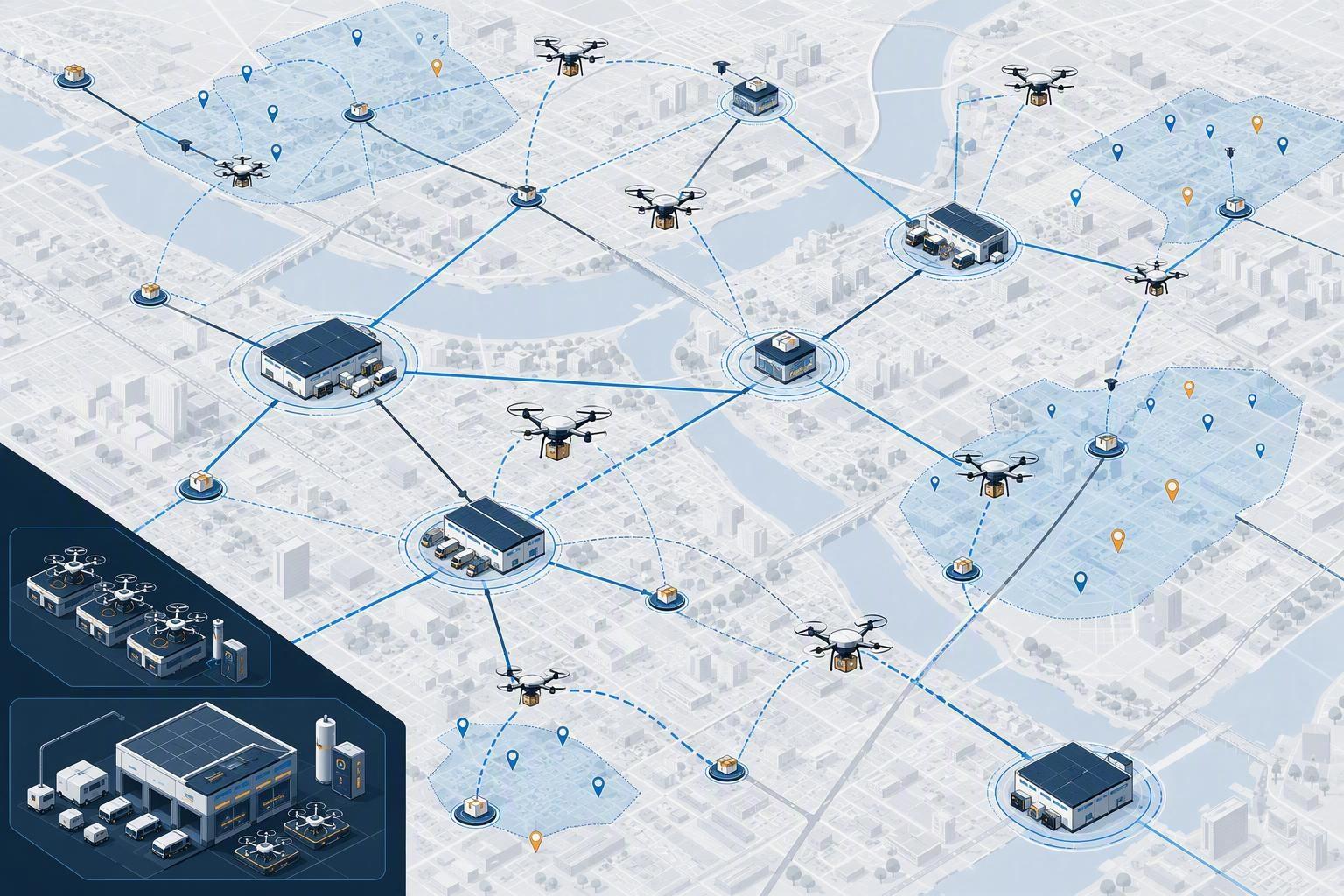
That flexibility depends on the full system: scheduling, operators, charging, and turnaround time.
The Next Question Is Operational Efficiency
As precision agriculture becomes normal, adoption stops being the bottleneck. Execution becomes the bottleneck.
The next question is not whether farms can collect data. It’s whether they can run the operation smoothly in-season.
German farm operators ask:
How many hectares can we cover per day?
What is the turnaround time between refills and missions?
What happens when the window is only a few hours?
This is why “agricultural drones in Germany” are increasingly evaluated through throughput, not just features.
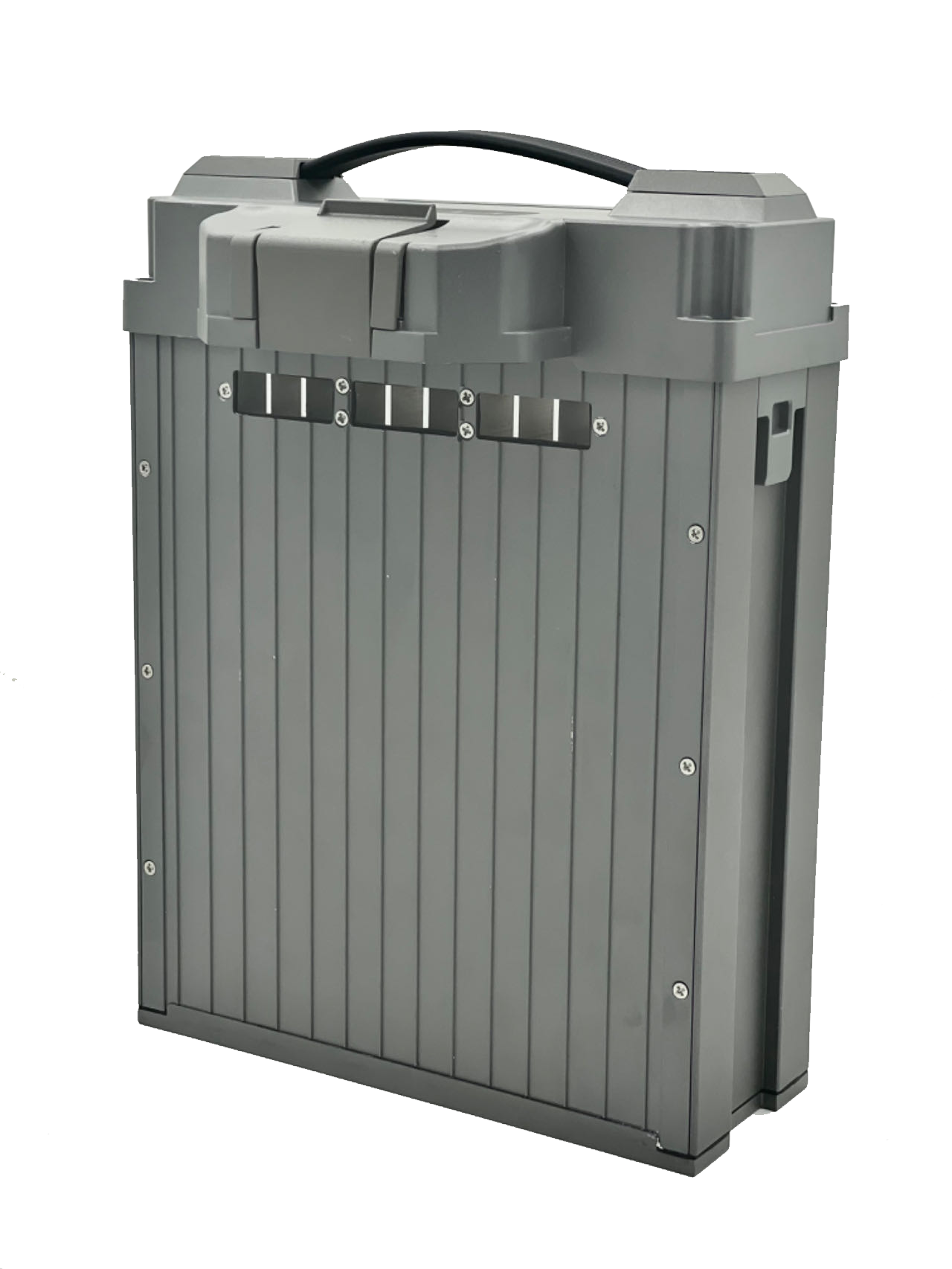
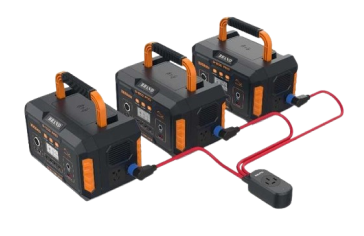
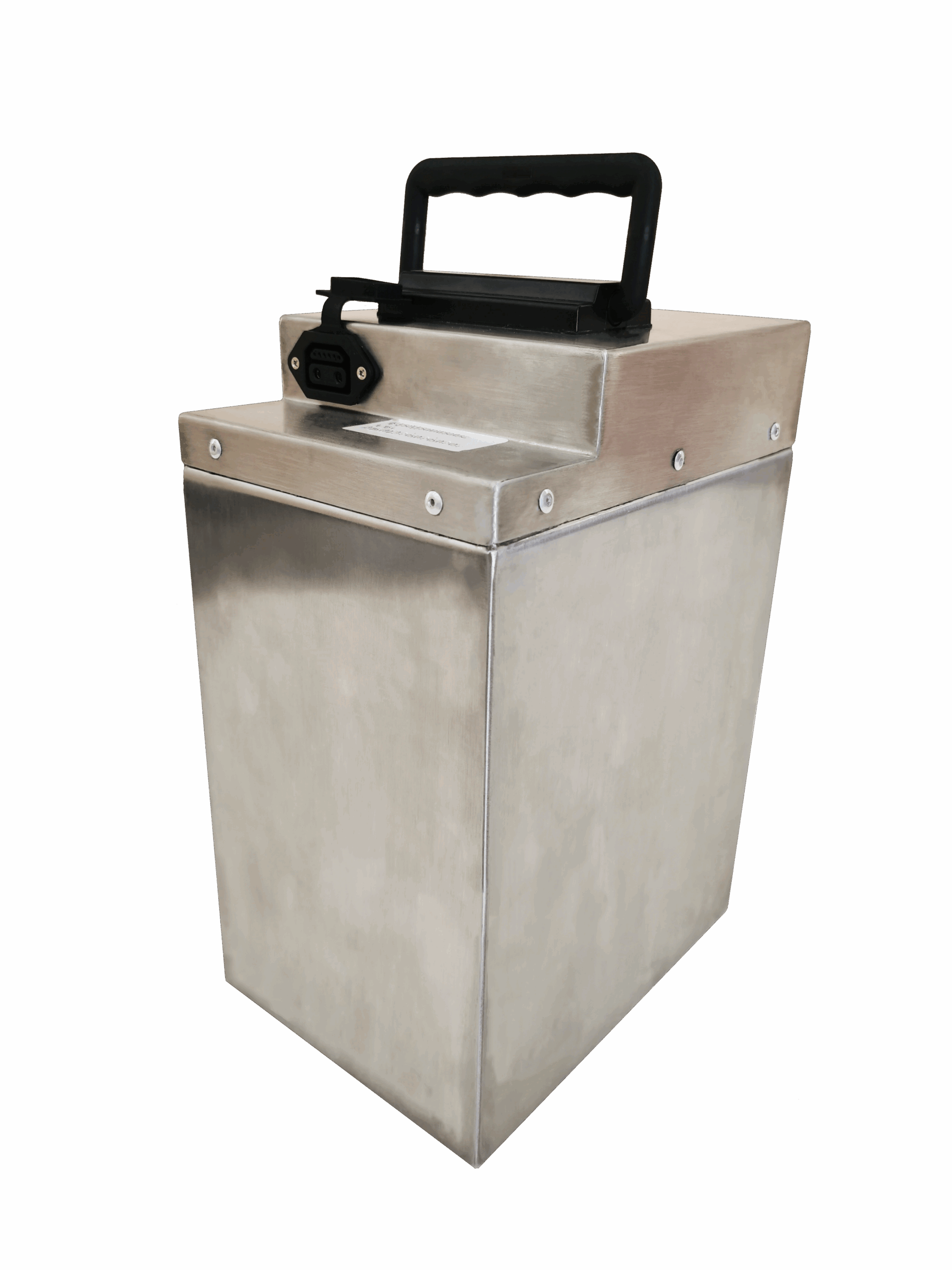
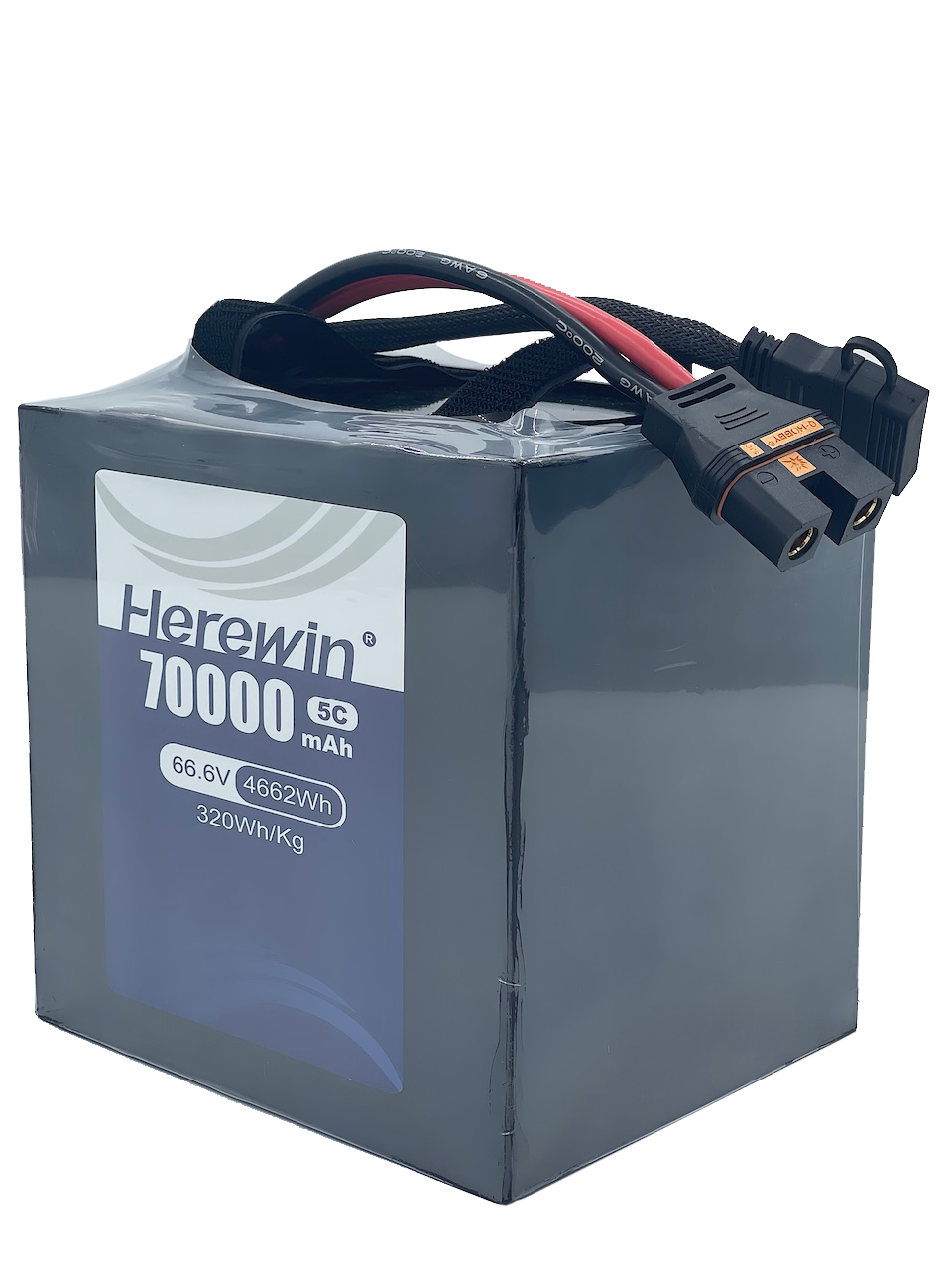
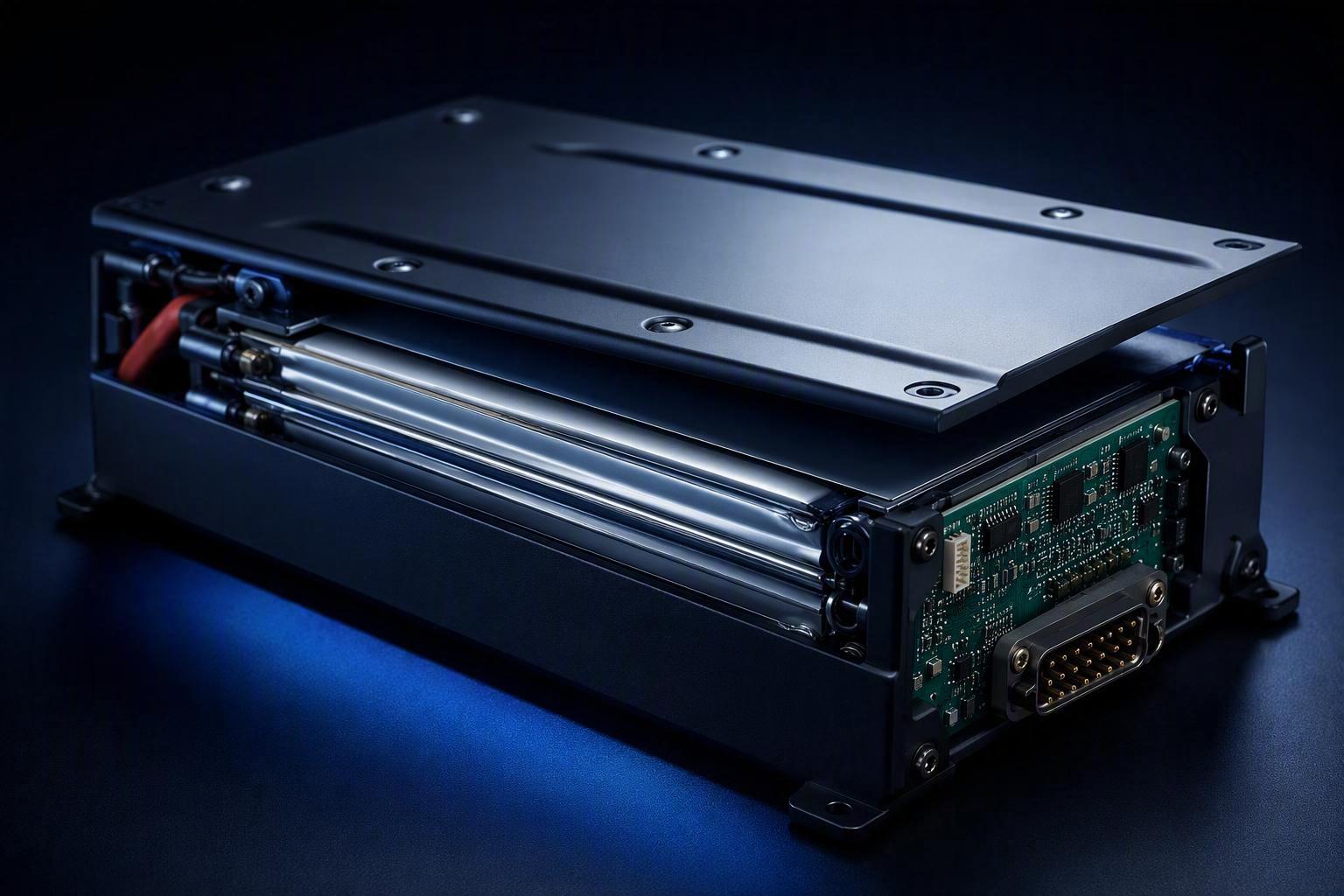
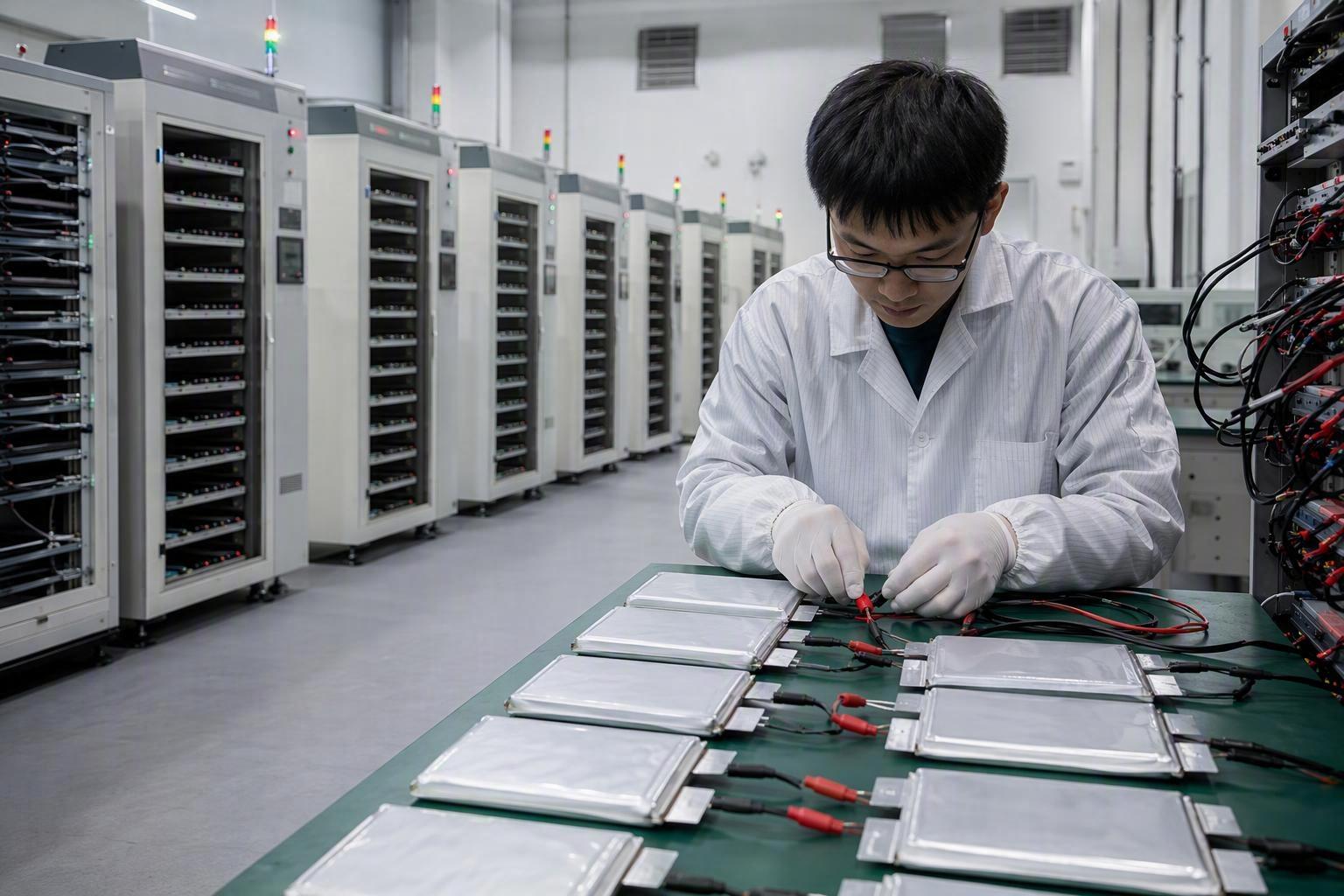
For drone-enabled workflows, energy logistics can determine throughput. Charging time, pack rotation, safety procedures, and spare availability decide whether the drone is a useful tool or an occasional gadget.
This is also why procurement conversations shift from unit price to system cost, including compliance and shipping constraints (for example, transport and certification requirements like UN38.3).
If you want optional background reading on the battery-and-compliance side of drone operations, Herewin has a practical explainer on UL, UN38.3, and compliance guidance.
What These Priorities Mean for Future Farm Investments
The through-line in Germany isn’t “more technology.” It’s more controllable operations.
As precision agriculture becomes normal, investment decisions tilt toward tools that make day-to-day execution easier to repeat, easier to document, and easier to defend — especially when seasons are volatile and labor is expensive.
A quick farm investment checklist for 2026
If you’re evaluating a new precision tool (including drones), German farms increasingly treat it like a short operational checklist:
Can it be set up quickly without turning the season into an IT project?
Does it remove workflow steps and cut rework during tight windows?
Will it reduce in-season disruptions instead of adding new ones?
Can you document the work in real time and avoid end-of-season reconstruction?
Is there a simple in-season validation method the farm can run on its own?
What’s the risk plan for weather, labor gaps, or non-ideal field access?
Suppliers still matter — but mainly as partners in validation and support. If that conversation isn’t clear, the decision usually collapses into price.


 Français
  English
  Español
  한국어
한국어  Deutsch
  日本語
日本語  Русский
  Bahasa Indonesia
  ไทย
ไทย  العربية
  Português do Brasil
  Italiano
  Nederlands