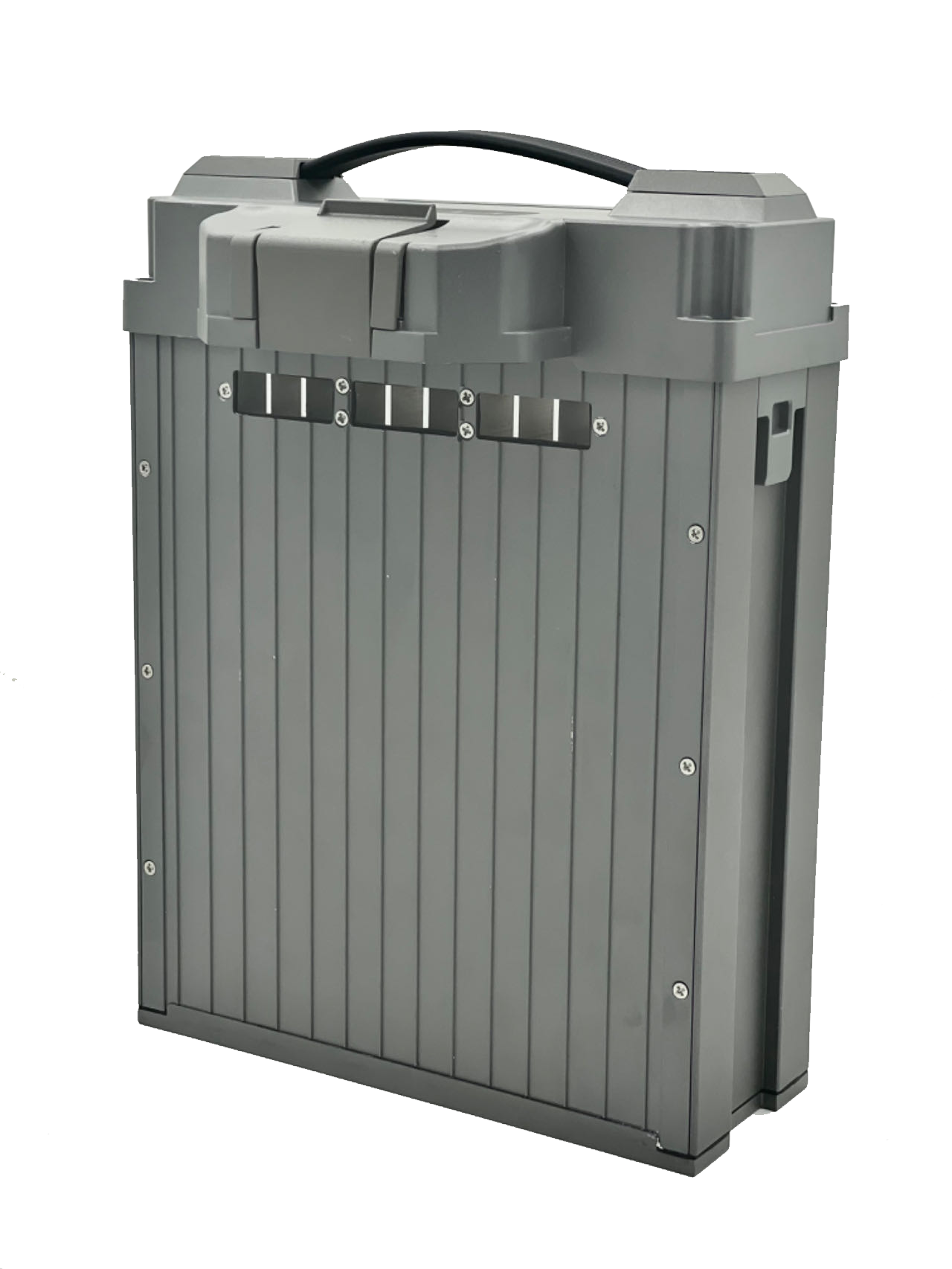
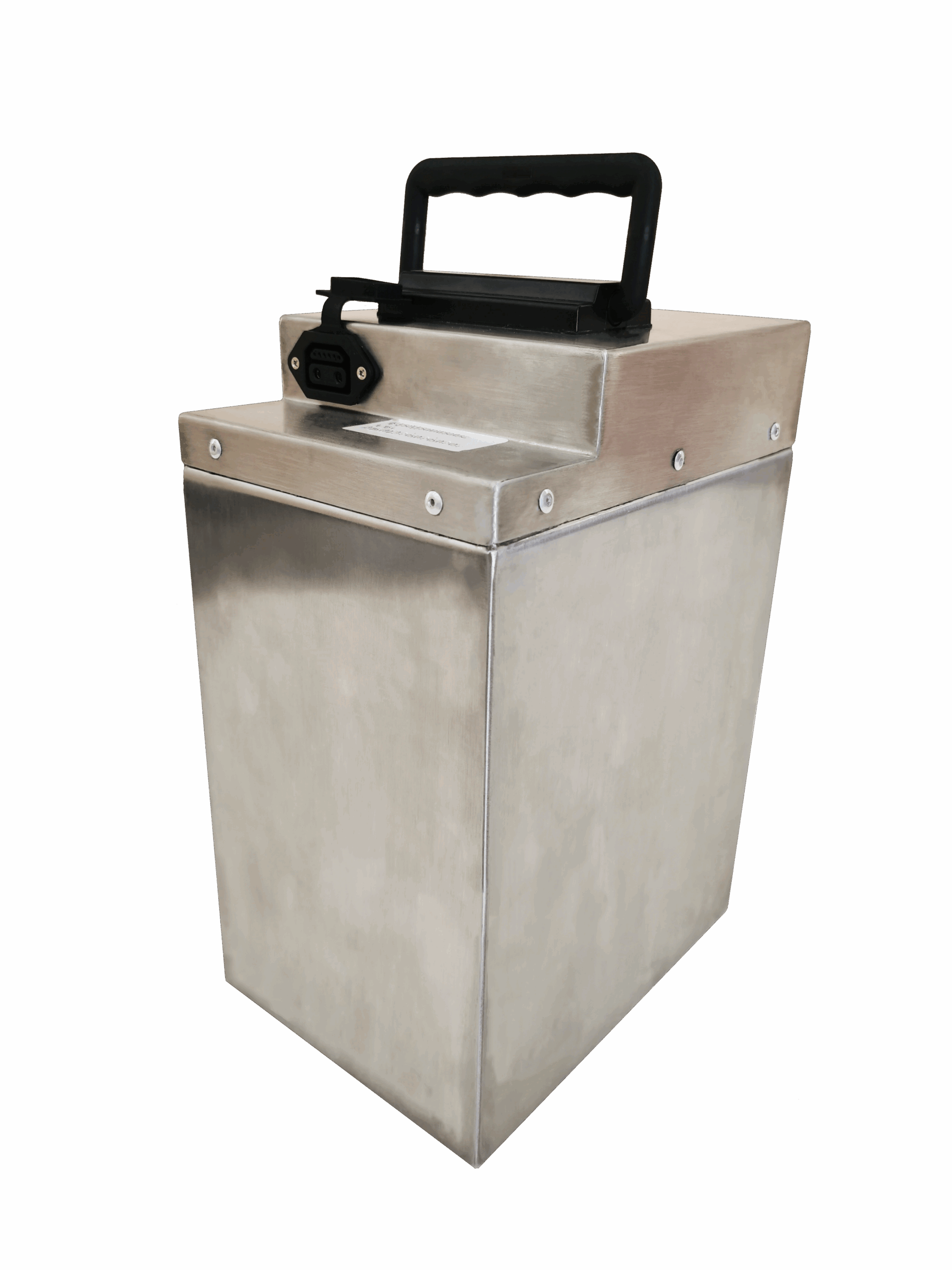




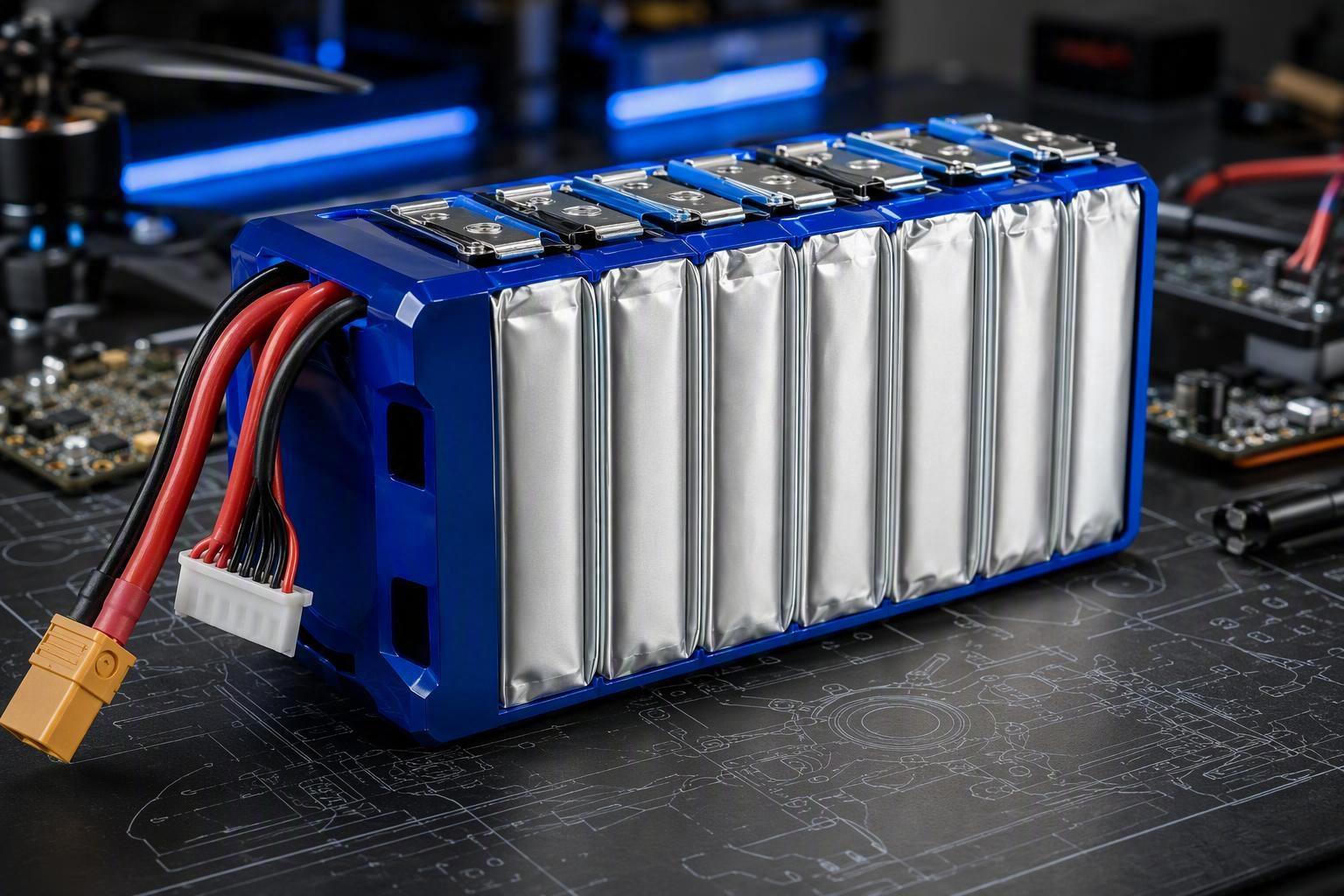
An “agricultural drone battery” should be treated as a procurement-controlled asset, because small variances at the pack level can turn into large variances in field outcomes. This guide aims to reduce outcome variance across three domains:
-
Electrical behavior under heavy load: Performance at takeoff and during sustained spray.
-
Regulatory and transport evidence: Compliance documents and their legal implications.
-
Cross-border execution: Tariffs, logistics, and post-sale dispute handling.
For procurement teams, we provide a technical verification framework rather than a subjective ‘best supplier’ claim. We prioritize high-discharge consistency and supply-chain certainty—treating ROI as a calculable model based on explicit operational inputs rather than a universal promise.
Agricultural Drone Battery Evolution: High-Discharge Systems
Procurement decisions for 30–50L spray drones tend to be decided in the first 30 seconds of a flight: takeoff, climb, and the first sustained high-throttle segment while carrying payload. The battery is observed indirectly through flight behavior—RPM stability, hover margin, swap cadence, and thermal behavior—yet the underlying variables can be made explicit and testable.
Voltage Sag: A Critical Factor in Heavy-Lift Operations
In heavy-lift spray profiles, the relevant electrical question is not nominal voltage. It is how much voltage is available at the exact moment current demand peaks.
A practical working definition: Voltage sag is the transient drop from open-circuit or lightly loaded voltage to loaded voltage during high current demand.
In operations, sag is often observed together with:
-
reduced climb margin immediately after takeoff
-
earlier low-voltage alarms during the spray segment
-
higher heat accumulation in the pack and powertrain
-
larger dispersion in flight time across “identical” packs
For procurement, the objective is to make sag measurable and comparable across suppliers and lots.
What to request in a quote package (minimum technical evidence):
-
Discharge curve at a defined C-rate (example: 10C/15C) and temperature band, with the curve tied to a batch/lot.
-
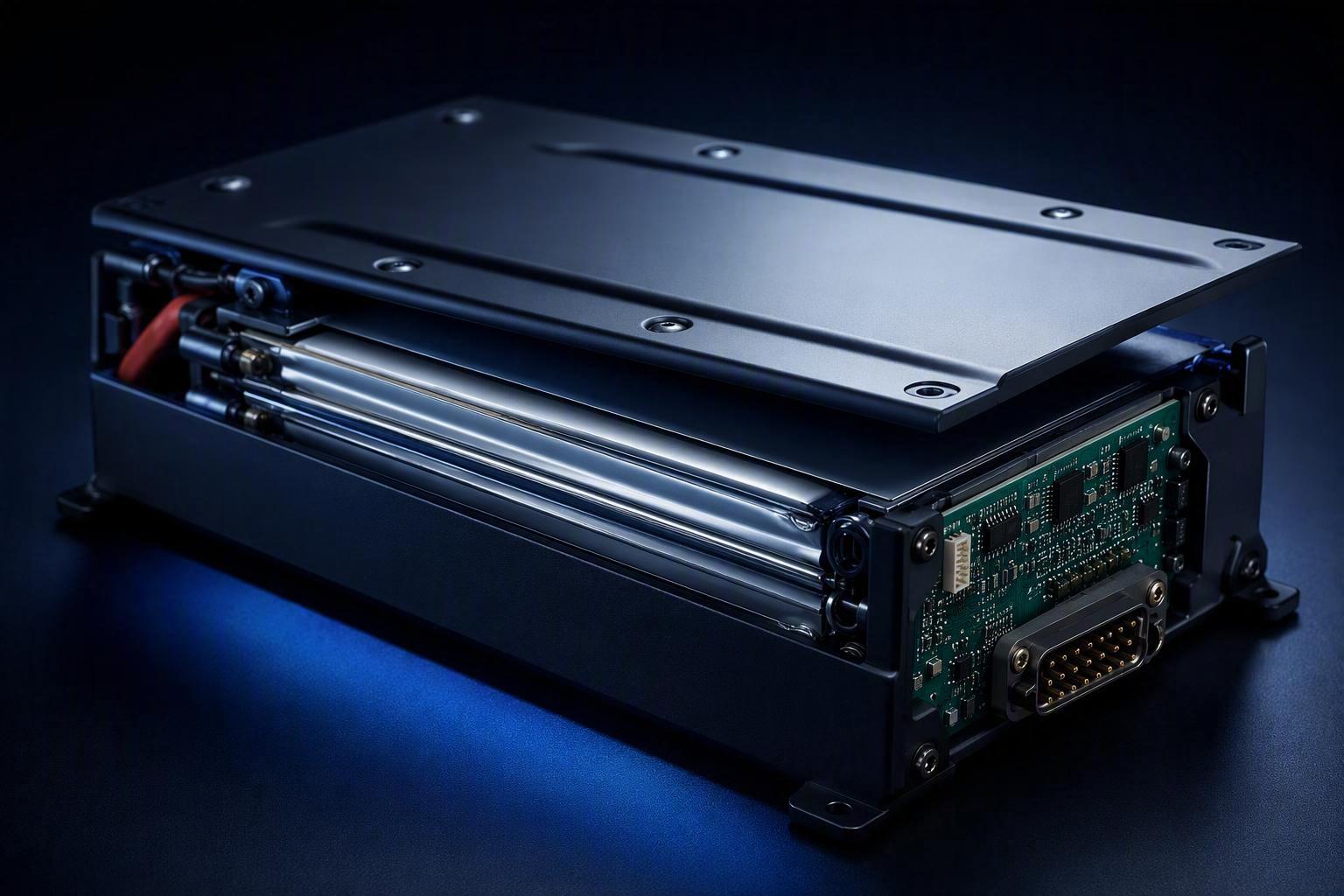
DC internal resistance (DCIR) reporting method and typical range per cell and per pack.
-
Peak current tolerance statement with test conditions (duration, temperature, cutoff thresholds).
-
Thermal rise profile under a representative spray mission (even a bench proxy is informative if the method is consistent).
Procurement evidence pack checklist (keep it auditable):
-
each chart/report shows model/SKU, cell chemistry, sample count, test conditions, and date
-
each report is tied to a lot/batch identifier (and states whether it is cell-level or pack-level)
-
the supplier provides the raw file format used to generate the plot (CSV or equivalent), not only screenshots
-
the quote states which items are guaranteed as acceptance criteria vs “typical/reference” values
For heavy-lift drones, “high-discharge” is less about a headline C-rating and more about how tightly the supplier can control sag and dispersion across production lots.
Semi-Solid-State Technology: An ROI Framework
Semi-solid-state variants are usually positioned around energy density and safety margin. For procurement, the ROI question is narrower: Under the same takeoff weight constraint, how does incremental usable energy convert into operational throughput?
A neutral way to translate “more minutes” into a procurement-relevant number is to treat time as a throughput multiplier.
A simple conversion framework:
-
Let
T_base= average usable flight time per battery (minutes) under your mission profile. -
Let
ΔT= incremental usable time from a higher energy-density pack (minutes). -
Let
A_rate= acres per minute (or hectares per minute) under your spray configuration.
Then incremental coverage per sortie is:
-
ΔCoverage = ΔT × A_rate
Boundary note: ΔT and A_rate are not fixed properties of a chemistry label. They shift with payload, temperature, altitude density, prop/motor efficiency, spray settings, and charge/discharge policy. Treat any supplier-provided “extra minutes” as a hypothesis that must be verified under your mission profile, then plug the measured ΔT into the same throughput framework.
The procurement relevance comes from how ΔCoverage changes:
-
daily battery swap count
-
number of packs required to sustain a peak-day schedule
-
recharge infrastructure load (and queueing variance)
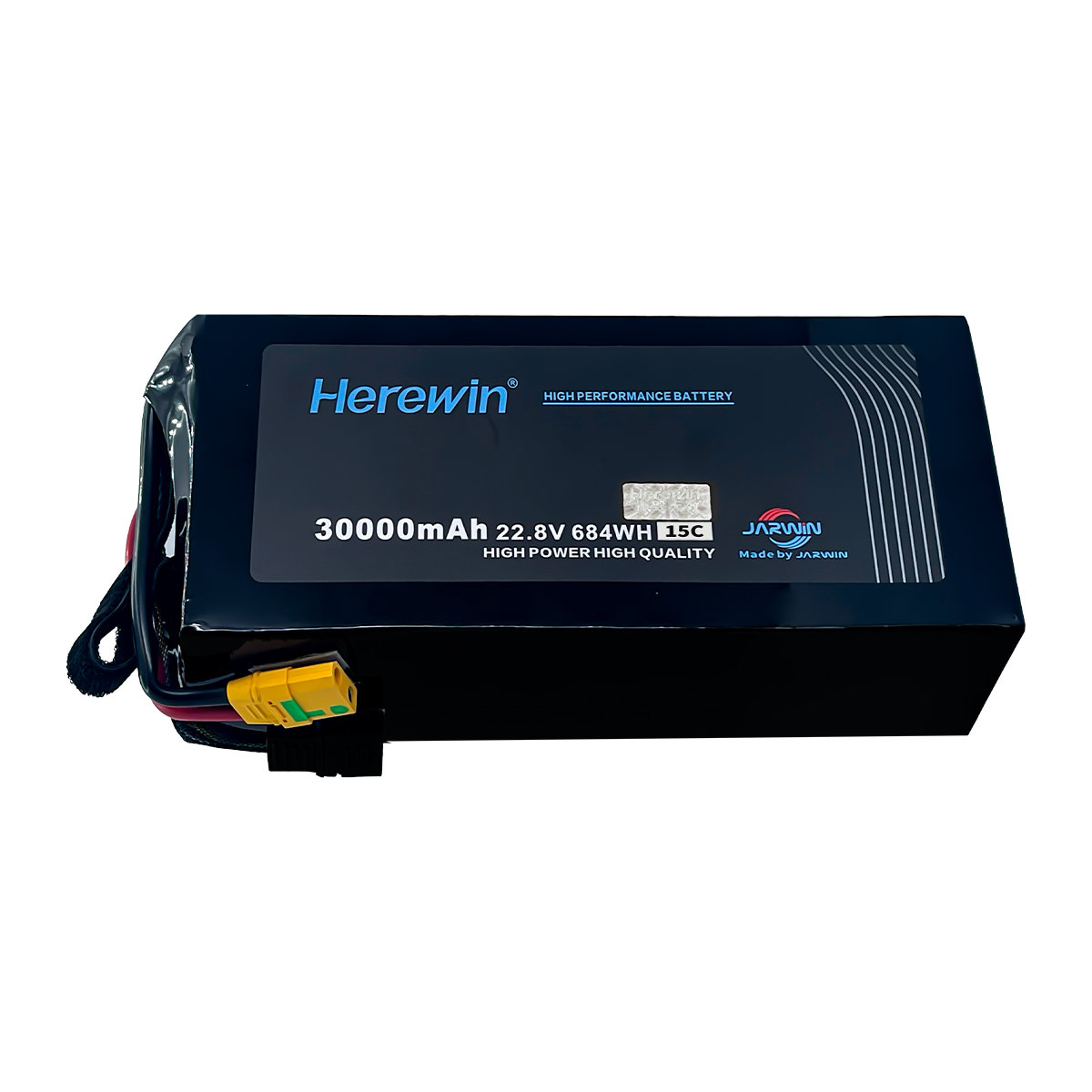
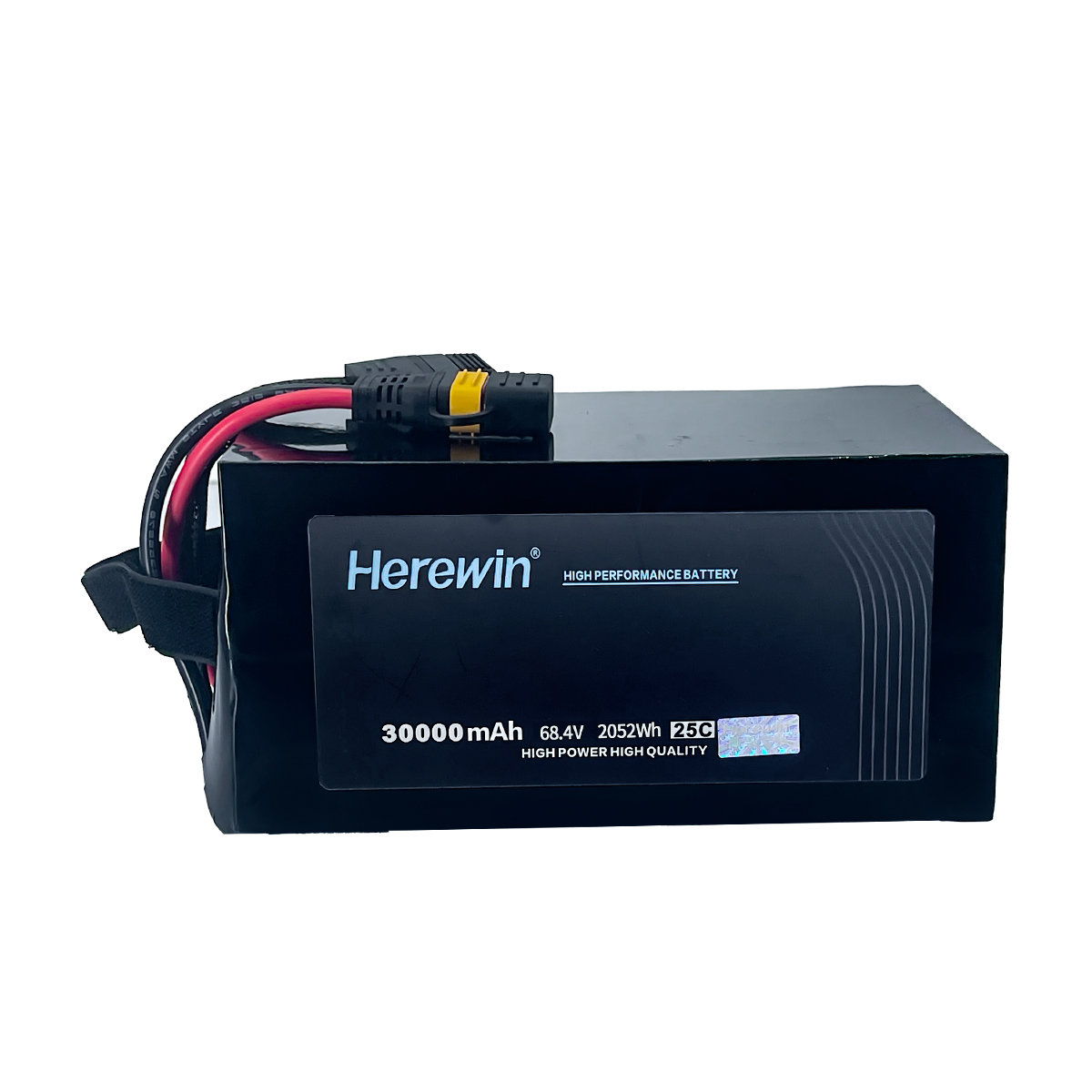
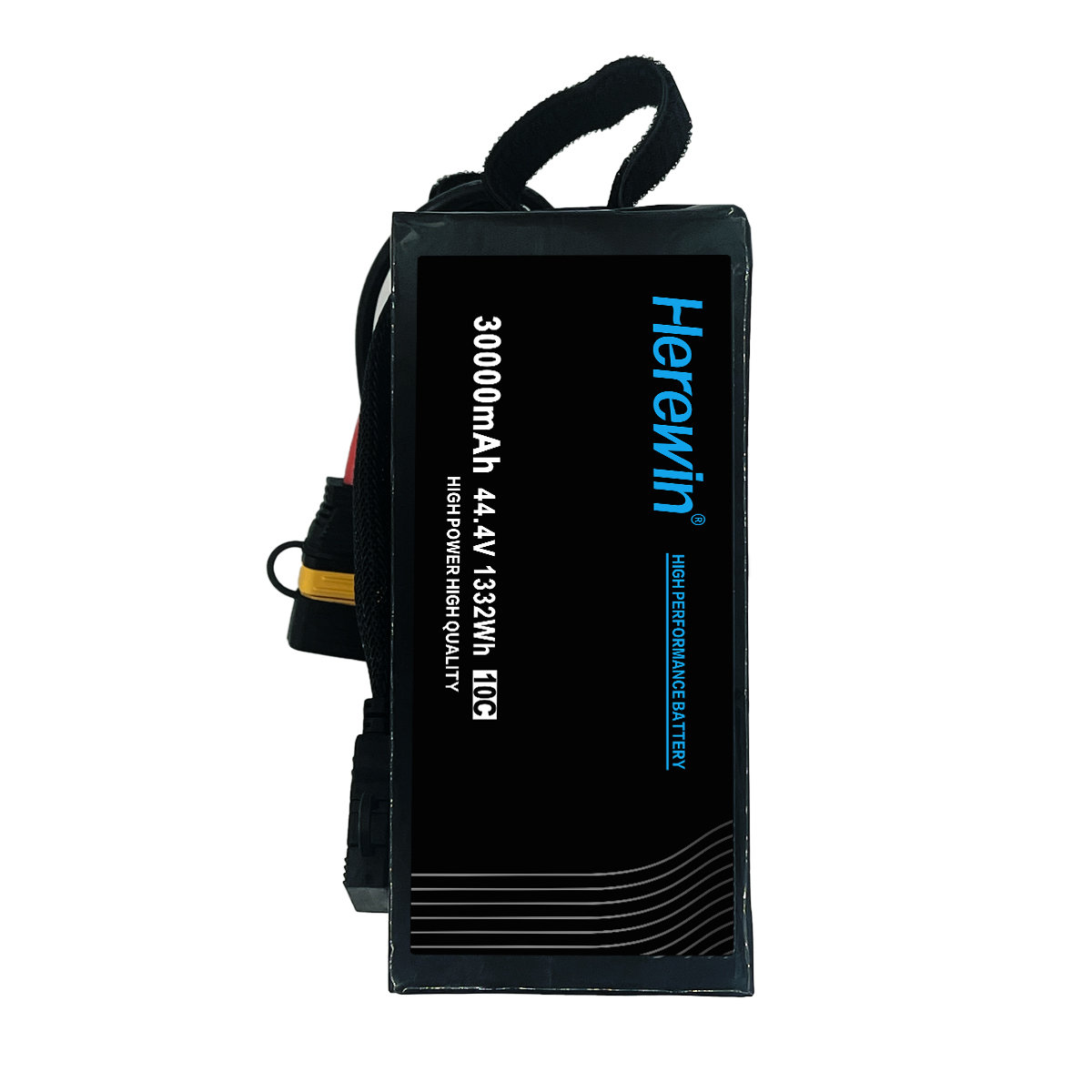
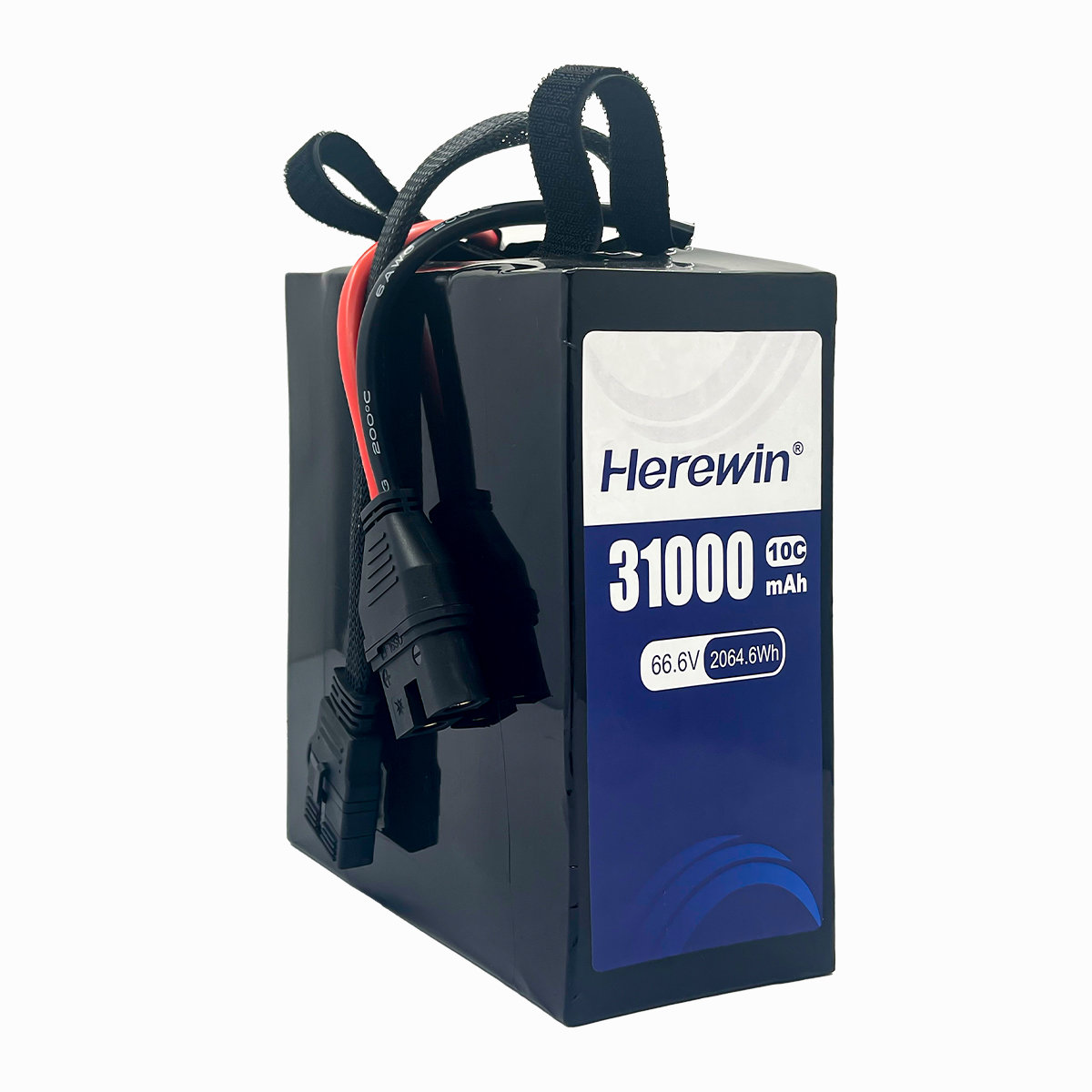
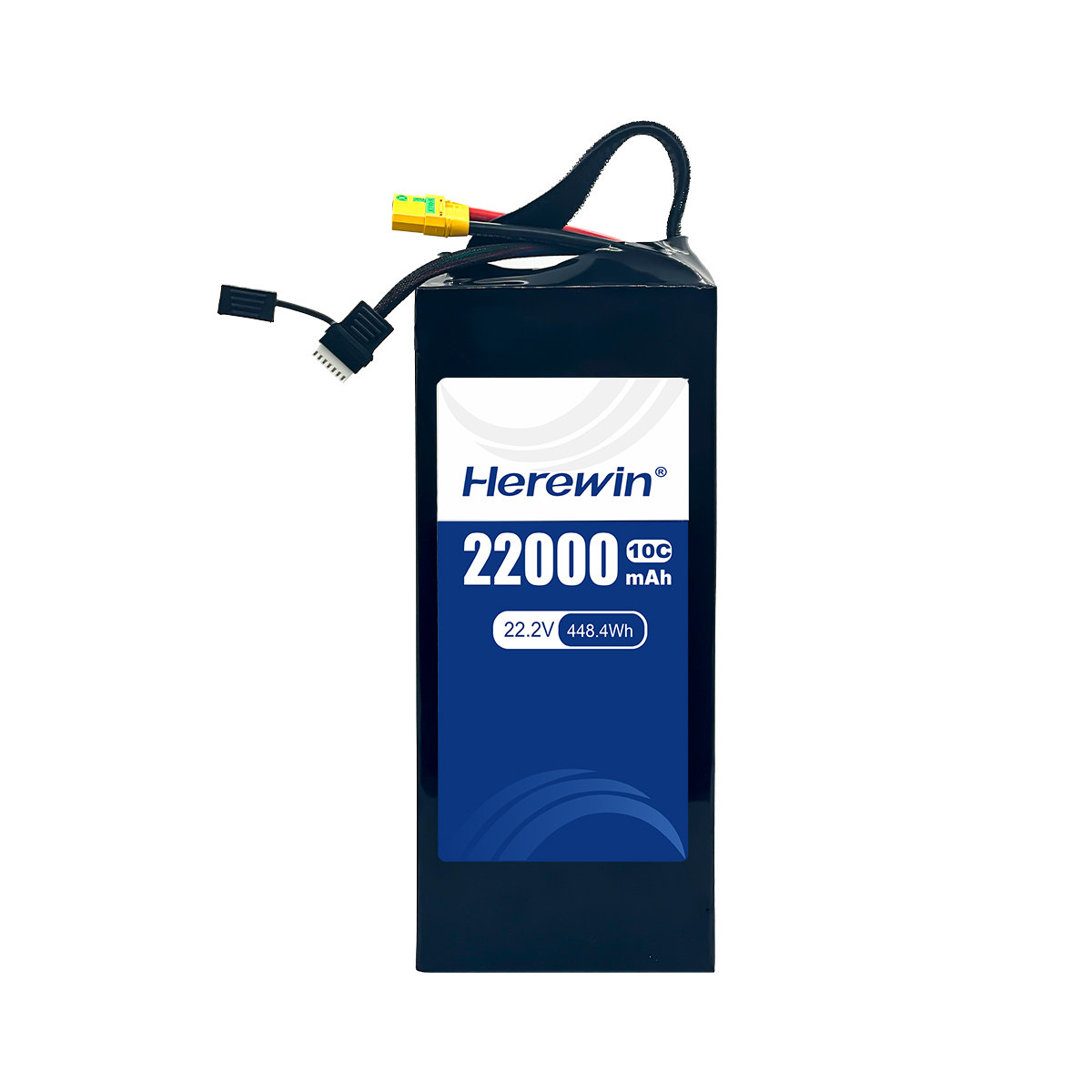
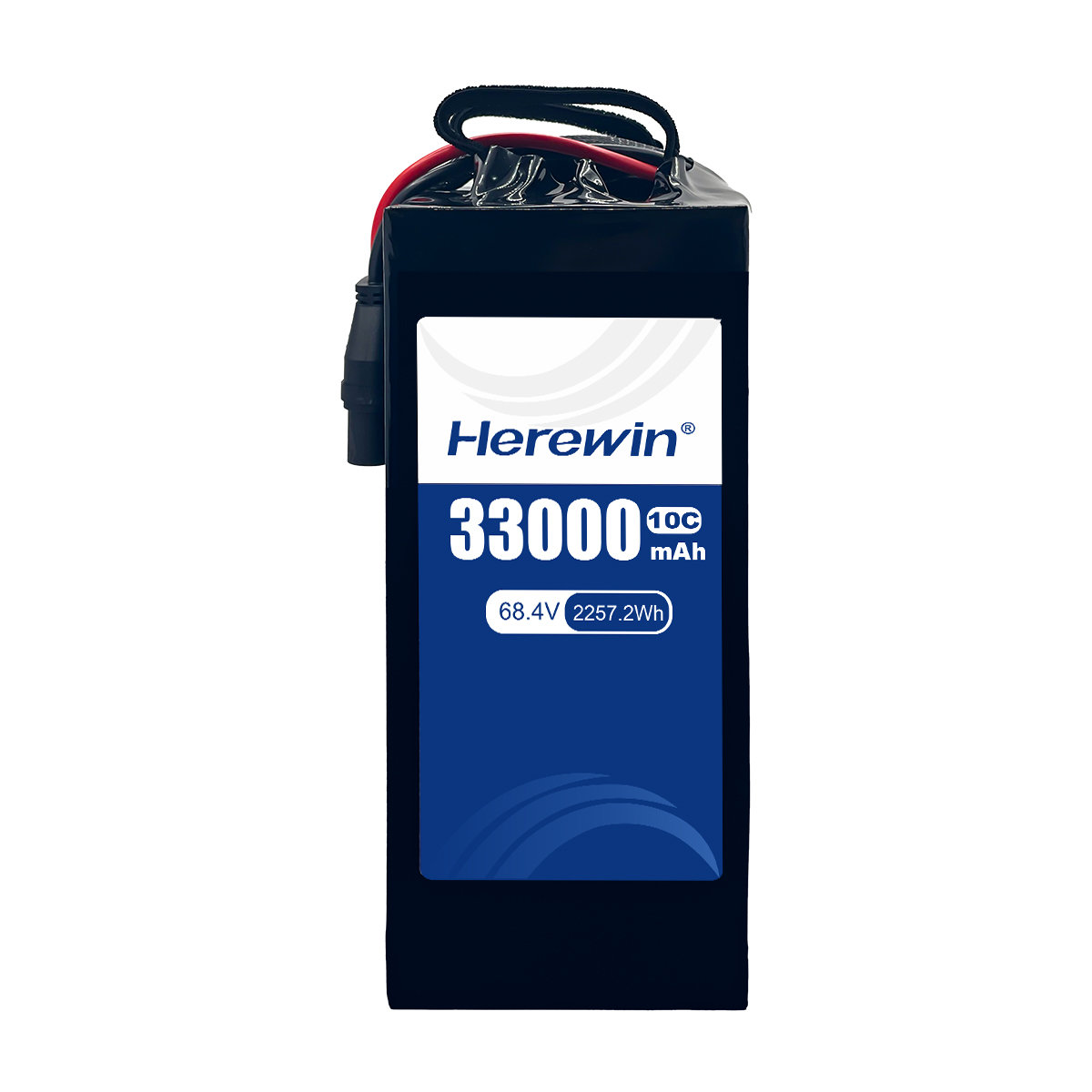
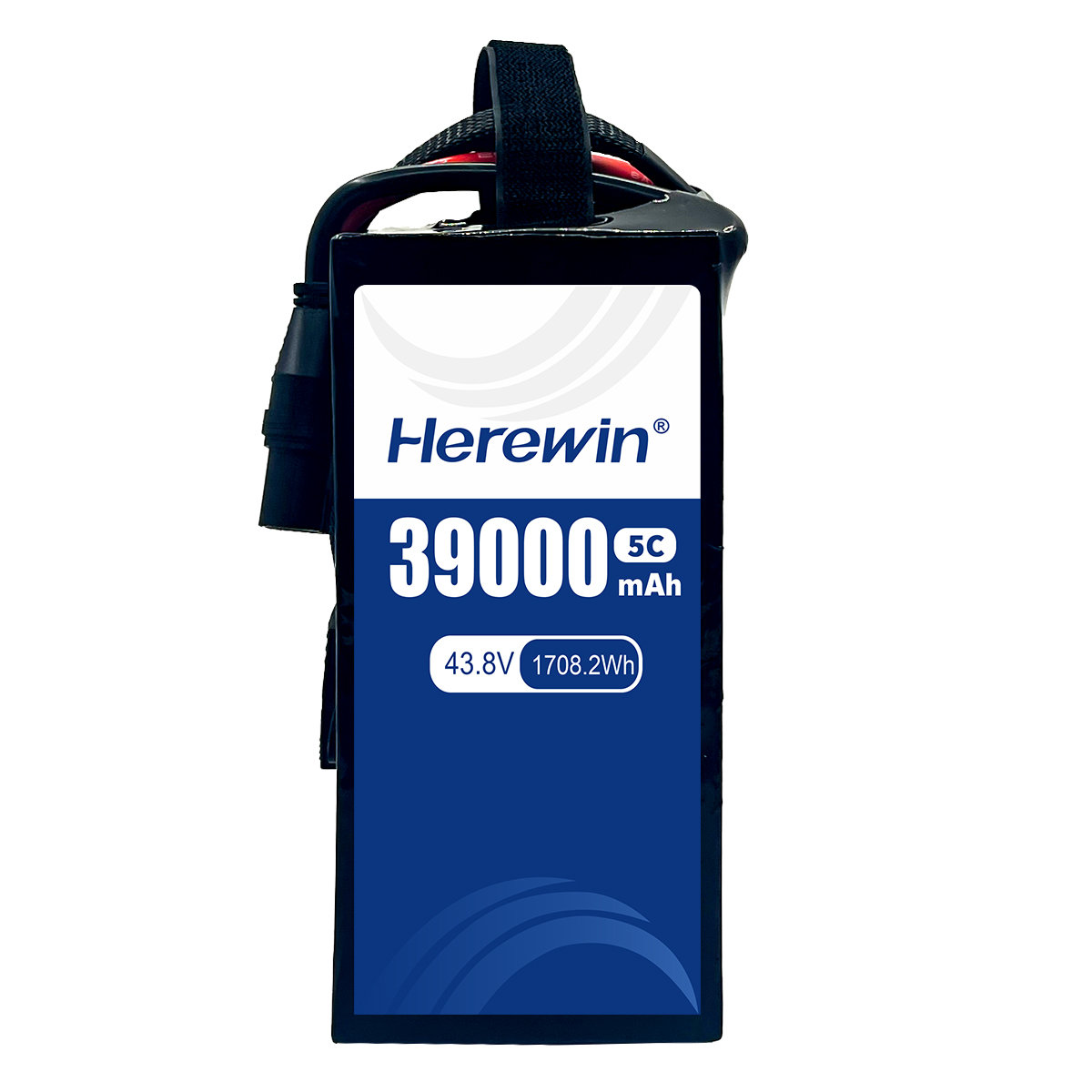
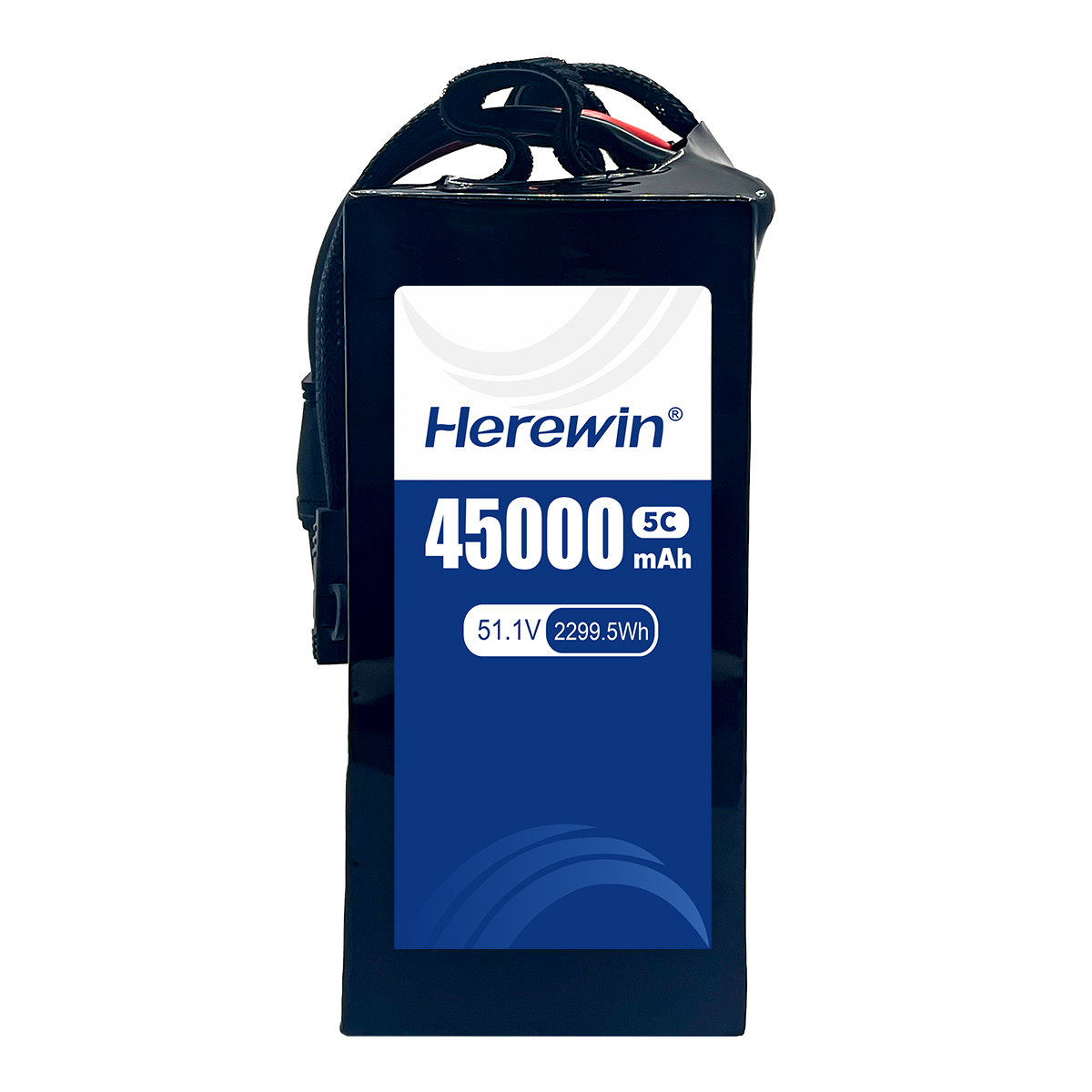
To align model naming during RFQ, you can use Herewin’s semi-solid-state drone battery product category as a reference list of model families, then attach your own acceptance criteria (discharge curve conditions, DCIR method, peak-current duration, and warranty envelope) to the exact quoted SKU.
US UAV Battery Market: Compliance & Risk Management
In the US market, compliance questions tend to split into two different types of risk:
-
Transport / carrier acceptance risk: “Will DG carriers accept this shipment and move it without holds?”
-
Market access and liability risk: “Will downstream buyers, insurers, or auditors accept the battery system in their governance environment?”
A procurement strategy that targets certainty treats these as separate checklists.
UN 38.3, UL & FCC: Navigating Certification Requirements
Fast compliance workflow (procurement view):
-
Identify the shipping configuration (battery alone vs packed with equipment) and the UN classification the forwarder/carrier will apply.
-
Collect UN 38.3 evidence early: request the UN 38.3 test summary and confirm it matches the exact design/SKU you are buying (PHMSA requires availability on request via its guidance linked below).
-
Confirm whether UL is a gating item for your buyer/insurer: ask which UL standard they will accept, then require certificate traceability to the listed manufacturer and model.
-
Trigger FCC review only when needed: if the BMS includes RF modules (Wi‑Fi/Bluetooth/LTE), require the compliance path and module-level evidence; if wired-only, document that architecture in the RFQ so it’s not re-litigated later.
Keep the output of this workflow as a single “compliance packet” folder attached to the PO: test summaries, certificates, declarations, and revision history.
UN 38.3 (transport test evidence)
The US Department of Transportation’s Pipeline and Hazardous Materials Safety Administration (PHMSA) states that lithium cells and batteries offered for transportation must have passed the UN Manual of Tests and Criteria, Section 38.3, and that manufacturers must make a UN 38.3 test summary available upon request (PHMSA: Transporting Lithium Batteries). For shipper-facing detail, PHMSA also publishes the Lithium Battery Guide for Shippers (2024).
Procurement implication: UN 38.3 evidence is treated as a transport gating item. In practice, missing or unverifiable test summary documentation is often observed together with shipment holds, rework, or carrier refusal.
UL standards (product safety certification)
UL standards are commonly used as market-access requirements (retail, enterprise procurement, insurance underwriting, and contractual risk management). In procurement language, UL documentation often functions as “liability posture evidence,” not as a transport document.
Procurement implication: treat UL-related requirements as buyer/insurer-driven gating. Confirm which UL standard is applicable to the specific battery system and end-use category, and require certificate traceability.
FCC (RF emission compliance)
FCC compliance typically applies when a device contains intentional radiators (e.g., Wi‑Fi/Bluetooth modules) or otherwise emits RF energy in regulated ways. A battery pack without RF electronics is often not an FCC subject device; a “smart battery” that includes wireless telemetry hardware might be.
Procurement implication: treat FCC as design-dependent, triggered by the presence of RF components. In RFQ, require a declared architecture: “wired-only BMS” vs “BMS with RF telemetry module,” and ask for the matching compliance pathway.
In US enterprise and public-sector-adjacent procurement, you may also see questionnaires that reference NDAA (National Defense Authorization Act) or “Green UAS” programs. These frameworks are primarily aircraft- and data-system oriented, but they can influence battery questions when a pack includes smart BMS telemetry (especially wireless). The practical way to handle this is not to overclaim compliance, but to prepare evidence-ready answers:
-
a clear statement of whether the BMS includes wireless modules and what data is collected
-
documentation of communication protocols, encryption/authentication approach (if applicable), and firmware update controls
-
a simple architecture diagram that shows what the battery can and cannot transmit
Section 301 Tariff Predictability for US Procurement
For US procurement teams, tariff risk is less about ideology and more about variance: a landed-cost model that is stable in Q2 can fail in Q4 if duties change.
The authoritative anchor for Section 301 changes is the USTR notice published in the Federal Register. The 2024 notice on modifications states that certain battery categories move to higher additional duties on defined effective dates (USTR: Federal Register notice of modification (Sep 2024)).
Procurement implication: treat the Federal Register notice as the “clock,” and build scenarios:
-
Scenario A (pre-effective date entry): duties reflect the earlier schedule.
-
Scenario B (post-effective date entry): duties reflect the updated schedule.
A practical landed-cost worksheet structure:
-
Customs value (invoice basis)
-
Section 301 additional duty (scenario-based)
-
Brokerage / entry fees
-
DG freight (air vs ocean) + insurance
-
Domestic hazmat handling and warehousing
-
Buffer stock carrying cost (working capital)
In RFQ, ask suppliers to quote in a structure that isolates dutiable value and logistics components, so tariff changes can be modeled without renegotiating every line item.
UAV Battery TCO: From Specs to Operational Value
If procurement treats a battery as a unit price problem, the decision tends to reappear as downtime. A TCO model is a method to convert technical dispersion into a budgetable variable.
Cycle Life Modeling for Industrial Spray Drones
Cycle-life claims only matter when you can translate them into cost per mission under your exact test conditions.
Cycle life claims are only actionable if the test conditions are known (depth of discharge, charge rate, cutoff voltages, temperature, and the definition of end-of-life).
A procurement-friendly model can avoid debates about “true cycles” by focusing on cost per mission.
Let:
-
P_pack= price per pack (USD) -
C_usable= usable cycles to your end-of-life threshold (cycles) -
M_per_cycle= missions per cycle (often 1, but can be >1 for lighter loads)
Then:
-
Cost_per_mission = P_pack / (C_usable × M_per_cycle)
If your baseline is standard high‑discharge LiPo used in many spray drones, a common planning range is ~300–500 cycles to a defined end‑of‑life threshold (depending heavily on DoD, charge rate, temperature, and cutoff policy). For comparison, industrial LFP and some semi‑solid positioning often cites ~2000 cycles under controlled test conditions. In an RFQ or TCO table, label the comparison explicitly as: “Based on standard LiPo vs. industrial LFP/semi‑solid benchmarks” and bind it to your own test method and EOL definition.
A scannable way to compare offers is to hold price and mission assumptions constant and vary only C_usable:
|
Assumption (example structure) |
300-cycle pack |
500-cycle pack |
Why procurement cares |
|---|---|---|---|
|
Price per pack (P_pack) |
P_pack |
P_pack |
Keeps the comparison focused on cycle variability |
|
Usable cycles to EOL (C_usable) |
300 |
500 |
The main driver of cost-per-mission |
|
Missions per cycle (M_per_cycle) |
M_per_cycle |
M_per_cycle |
Depends on payload and dispatch policy |
|
Cost per mission (P_pack/(C_usable×M_per_cycle)) |
P_pack/(300×M_per_cycle) |
P_pack/(500×M_per_cycle) |
Converts specs into a budget variable |
|
Relative cost-per-mission (index) |
1.00 |
0.60 |
500/300 ≈ 1.67 → ~40% lower cost-per-mission |
This ratio remains stable even when the absolute numbers vary, which is why procurement teams often prefer ratio logic.
What changes in practice is the variance around C_usable:
-
higher dispersion in early degradation can force premature lot retirement
-
inconsistent packs increase the number of “extra” packs needed to cover peak windows
BMS Adaptation: Solving Cold Weather Performance Issues
Search demand around “lithium-ion battery cold” is a proxy for a field reality: battery performance at low temperature is frequently observed together with higher internal resistance, more sag, and earlier voltage cutoffs. In cold-weather operations, many teams treat 20–25°C (68–77°F) as a practical preheat target band before takeoff to stabilize discharge behavior and reduce early low-voltage events.
A procurement approach that targets certainty doesn’t attempt to solve physics with copy. It asks for BMS behaviors that can be verified:
-
low-temperature charge inhibit thresholds
-
discharge cutoff policy and hysteresis
-
cell balancing strategy and logs
-
temperature sensor placement and fault handling
-
moisture ingress protection approach (housing sealing, conformal coating, venting design)
Evidence forms that reduce ambiguity:
-
BMS log export samples (even anonymized)
-
protection event definitions (what counts as overcurrent, overtemp, undervoltage)
-
warranty exclusions that clarify operating envelopes
Evaluating Drone Battery Suppliers: Logistics & Execution
Pilot-to-procurement case template:
-
Mission profile: drone model, payload (L/kg), spray settings, ambient temperature range
-
Battery spec under test: SKU, nominal voltage/capacity, BMS type (wired vs RF), firmware version (if applicable)
-
Test method: discharge/charge policy, cutoff thresholds, rest time, number of sorties per day
-
Observations to record: voltage sag at takeoff, thermal rise, alarm events, charge time, swap cadence
-
Acceptance criteria for scale-up: pass/fail thresholds, lot-to-lot variance limits, required documents per shipment
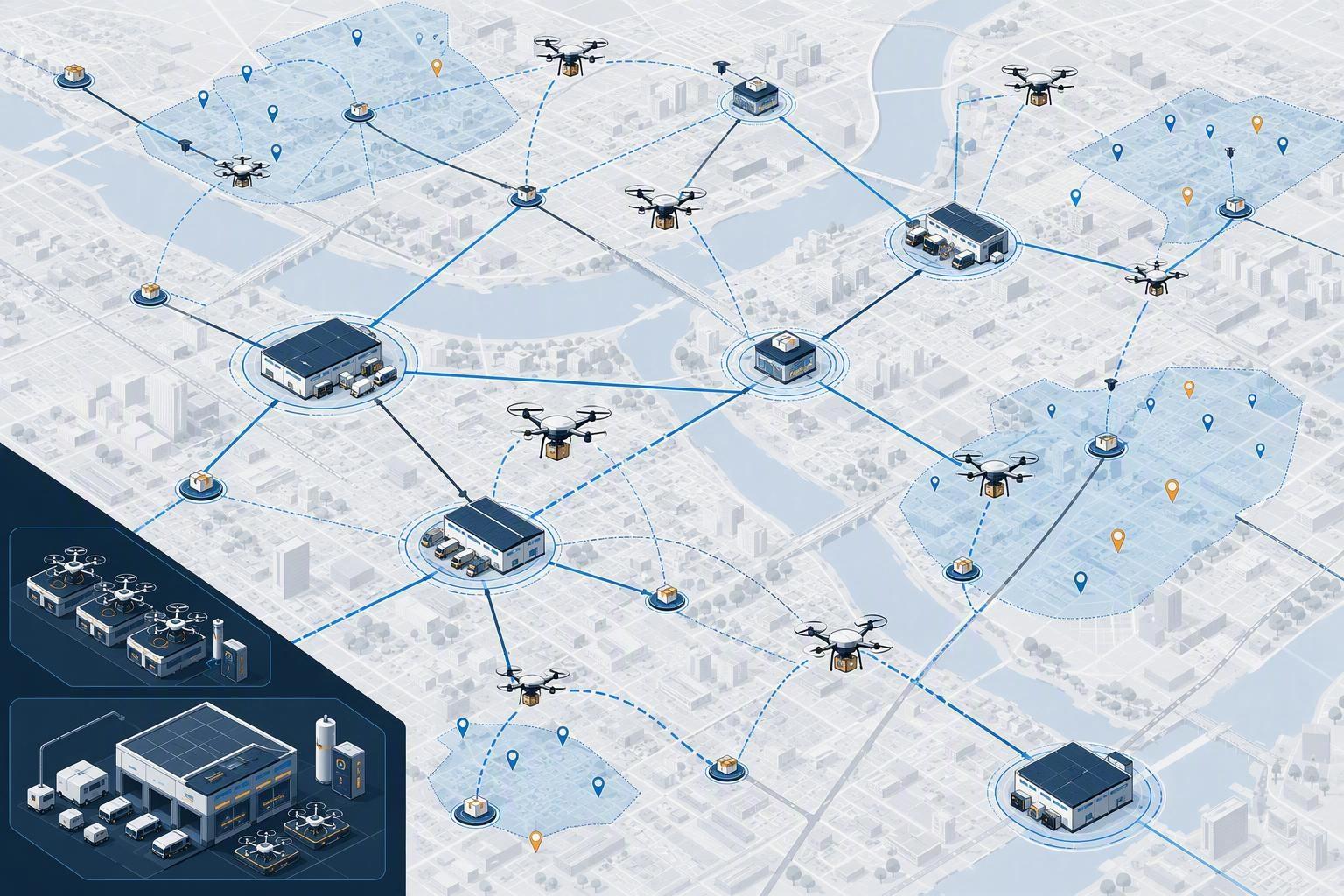
This makes vendor comparisons defensible when you move from pilot lots to peak-season volumes.A supplier can build a pack and still fail procurement if it cannot move the pack predictably across borders, or if post-sale dispute handling is undefined.
DG Logistics & RMA Workflow: Ensuring Delivery Certainty
Lithium batteries are regulated as hazardous materials in transport. In a procurement strategy, DG capability is treated as a “delivery certainty” competence.
A verification-oriented approach asks:
-
Which UN classification applies for the shipment configuration (battery alone vs packed with equipment)?
-
Which packaging instructions, labels, and documentation are used consistently?
-
What is the supplier’s tested pathway to your receiving location (known forwarder lanes, known ports, known handoffs)?
PHMSA’s guidance emphasizes shipper responsibility and UN 38.3 evidence availability.
In decision-stage RFQ, ask for a lane-level plan:
-
typical transit time distribution (not just an average)
-
hold points (export, airline acceptance, import, domestic hazmat transfer)
-
contingency plan when a lane fails (alternate forwarder, alternate port)
UAV Battery RMA Workflow & Dispute Resolution
Cross-border battery procurement is often stable until the first quality dispute. When RMA is undefined, resolution becomes improvisation.
This is especially true for MSPs (Managed Service Providers) running fleets for large farms: battery lot-to-lot consistency directly affects dispatch reliability, swap cadence, and whether SLAs can be met during peak spray windows.
A decision-stage supplier agreement typically defines:
-
what constitutes a valid failure (telemetry evidence, physical inspection criteria)
-
what the buyer must record (photos, logs, cycle count, storage conditions)
-
response time targets (acknowledge, diagnose, propose remedy)
-
repair/replace/credit logic
-
local buffer-stock options for peak season (if applicable)
For procurement, the practical use is to translate those claims into attachable RFQ items: which documents, tests, and acceptance criteria will be bound to the exact quoted model and lot.
FAQ
What is the best C-rating for 30L spraying drones?
There isn’t a universal “best” C-rating. For procurement, the actionable requirement is a verified discharge curve at your mission-relevant C-rate and temperature, plus lot-level dispersion controls (DCIR method, sag under peak current, and thermal rise). If two suppliers both claim “high C,” choose the one that can show tighter variance across batches.
How do Section 301 tariffs affect imported battery costs in 2026?
Treat Section 301 as a landed-cost scenario variable rather than a fixed percentage. Anchor your model to the effective-date language in the relevant USTR/Federal Register notice, then run at least two cases (pre- vs post-effective-date entry). Require quotes that separate customs value from logistics so duty changes can be modeled cleanly.
Do I need UL and FCC for an agricultural drone battery?
UN 38.3 is transport-gating for lithium batteries. UL is often market-driven (buyer/insurer requirements) and depends on the battery system category. FCC is typically triggered only if the battery/BMS includes RF components (for example, wireless telemetry).
Supplier Evaluation: A Systematic Checklist
Decision-stage procurement does not need more adjectives. It needs a system that reduces variance.
The 5 Core Procurement Metrics
-
High-discharge consistency evidence
-
Discharge curve at defined C-rate and temperature
-
DCIR measurement method and lot variability description
-
-
Transport compliance package completeness (UN 38.3 traceability)
-
UN 38.3 pass confirmation and test summary availability per design
-
Clear shipment classification and documentation workflow
-
-
Market-access posture (UL/FCC boundary clarity)
-
Applicable safety certification path identified for your end-use
-
FCC compliance treated as RF-architecture dependent, not assumed
-
-
Landed-cost transparency under Section 301 scenarios
-
HTS assumptions declared
-
Duty scenario table tied to Federal Register effective dates
-
-
Execution certainty (DG lanes + RMA contract)
-
Lane-level delivery plan with contingency options
-
Pre-defined RMA evidence requirements and remedy timelines
-
If you’re building your 2026 procurement plan, don’t wait until a shipment is ready to discover the real landed-cost range. Request a quote package that’s structured to survive duty and logistics variance:
-
a model-specific discharge curve and DCIR method (with lot traceability)
-
a UN 38.3 test summary access path (by design/lot)
-
a landed-cost worksheet with Section 301 scenario lines (so you can model pre-/post-effective-date entry)
-
an RMA workflow with evidence requirements and turnaround targets
By integrating these baseline metrics and documentation requirements into your RFQ, you can bind technical performance directly to your mission-specific acceptance criteria.



 English
  Español
  한국어
한국어  Deutsch
  Français
  日本語
日本語  Русский
  Bahasa Indonesia
  ไทย
ไทย  العربية
  Português do Brasil
  Italiano
  Nederlands