


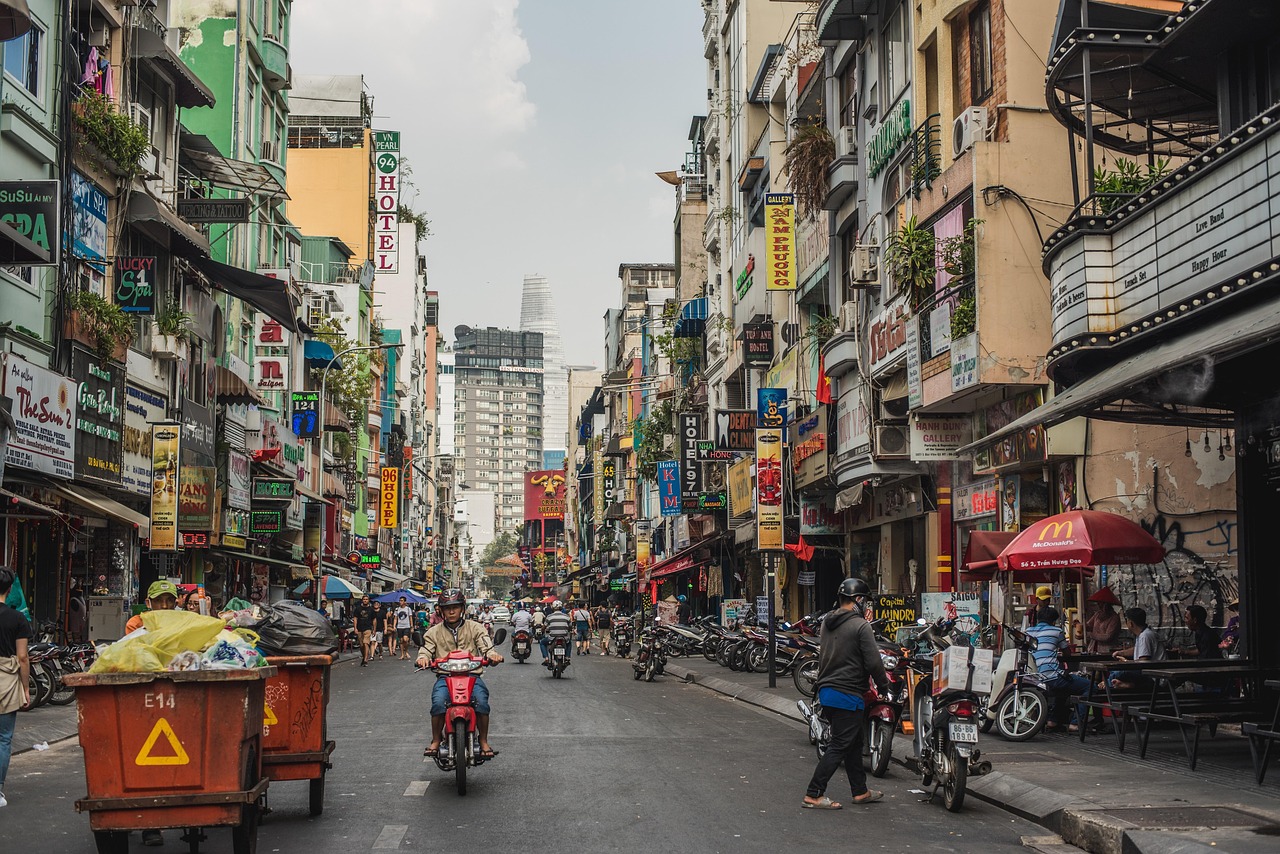
In 2026, Thailand’s electric motorcycle market has entered a milestone era of operational maturity, driven by the strategic BEV 3.5 policy incentives. As last-mile logistics providers shift toward extreme efficiency, the focus has evolved from simple electrification to maximizing asset utility across a 3–5 year service window.
High-performance Lithium Iron Phosphate (LFP) technology is now the decisive edge for these operations. In Southeast Asia’s demanding tropical climate, specialized LFP architecture offers superior thermal stability and IP65-rated resilience, providing a critical safety margin for high-intensity schedules. By synchronizing battery longevity with the vehicle’s primary service life, this technology delivers a measurable reduction in Total Cost of Ownership (TCO), securing long-term profitability for modern fleet operators.
Key Takeaways
Thailand has entered a milestone era of e-motorcycle expansion; the BEV 3.5 policy now drives fleet operators to prioritize long-term asset value over initial cost.
Advanced LFP architecture provides a critical safety margin for tropical logistics, maintaining stability in 40°C+ ambient heat with an IP65-rated defense against monsoon rain.
Utilizing high-performance pouch-cell technology, these packs achieve 1,500+ verified cycles, supporting a 3–5 year service window without the need for costly mid-life battery replacements.
Superior durability and zero maintenance make LFP the strategic choice for 5-year TCO models, substantially enhancing fleet Return on Investment (ROI).
Enhanced capacity retention and fast-charging capabilities ensure maximum daily delivery volume for demanding 24/7 urban courier services.
Policy Incentives and Market Evolution in Thailand
Maximizing Strategic Subsidies for Fleet Upgrades
By 2026, Thailand’s BEV 3.5 policy has transitioned from early-stage adoption to a catalyst for large-scale commercial modernization. For fleet operators, this framework provides critical financial levers to offset the transition to high-performance energy assets:
Tiered Purchase Subsidies: Direct cash incentives scaled by battery capacity, significantly lowering the initial CAPEX for heavy-duty electric motorcycles.
Local Production Incentives: Benefits tied to domestic assembly, ensuring long-term service stability and parts availability for Thai logistics providers.
Import Duty Reductions: Lowering the barrier for advanced, high-safety cell technologies to enter the Thai market.
By aligning with these incentives, fleet operators can accelerate their ROI while securing high-durability hardware that meets stringent 2026 regulatory standards and safety requirements.
Unlocking Long-Term Asset Value
The transition to Advanced LFP Pouch-Cell technology has created a new category of “High-Efficiency Energy Assets”—offering a superior balance between the affordability of LFP and the performance required for intensive logistics.
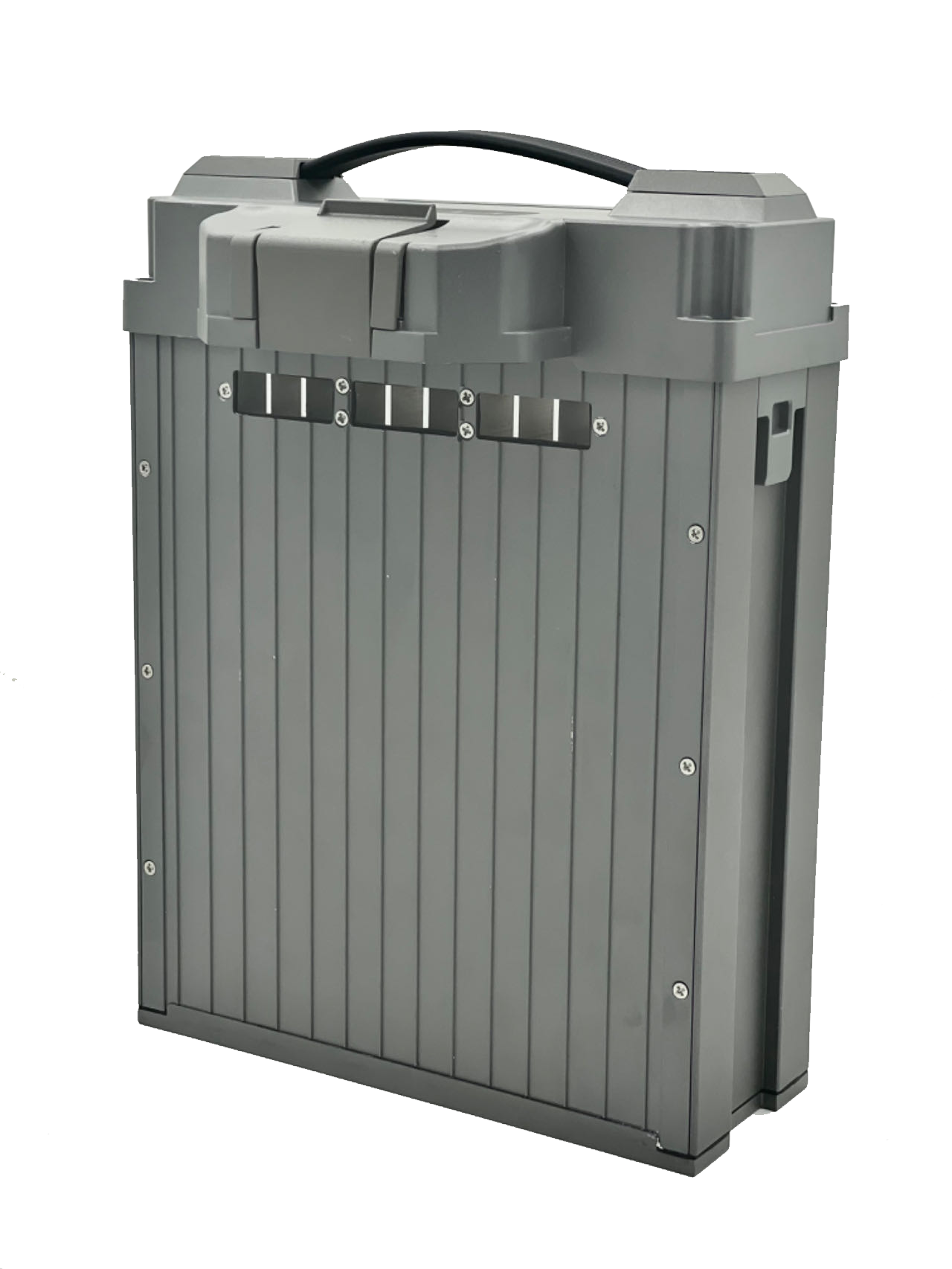
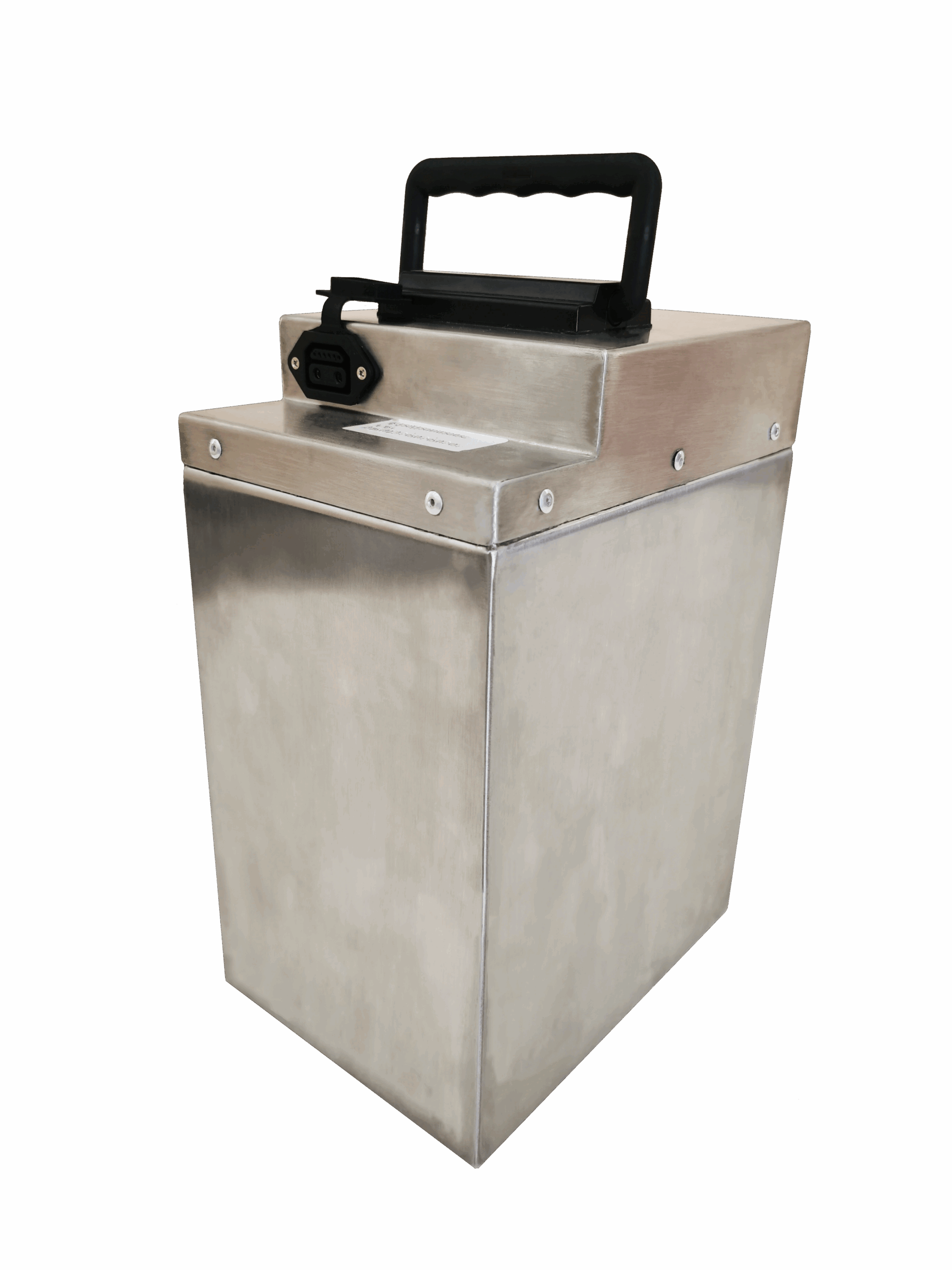
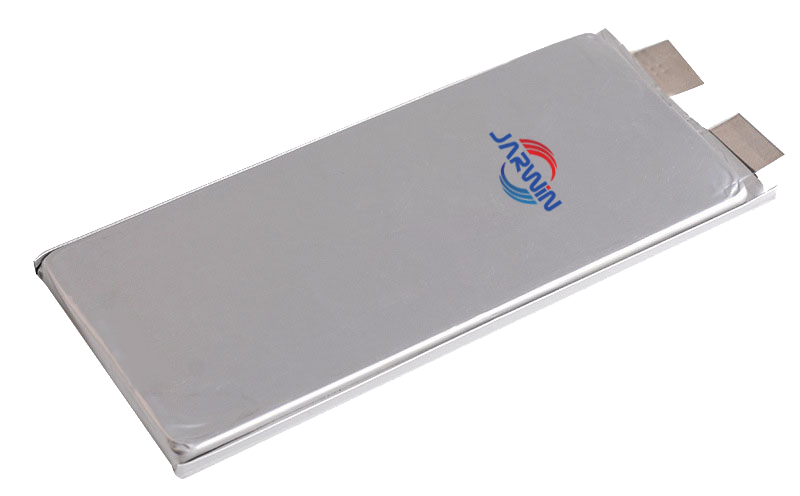
Pouch-Cell Architecture: By utilizing a laminated aluminum-plastic film structure instead of heavy metal casings, this architecture enhances both energy density and structural safety.
1,500+ Cycle Longevity: Engineered for high-frequency commercial use, these cells achieve a verified life of 1,500+ cycles (at 80% SOH). This ensures an operational lifespan of 3–5 years, effectively doubling the service life of standard lead-acid or low-grade lithium alternatives.
Tropical Heat Resilience: Advanced LFP chemistry maintains exceptional thermal stability. In Thailand’s 40°C+ ambient heat, this architecture prevents thermal runaway and ensures consistent power delivery without the performance derating common in standard batteries.
Operational Efficiency: The lightweight pouch-cell packaging reduces total battery weight by approximately 15% – 20% compared to traditional metal-cased LFP. For logistics riders, less battery weight translates directly into higher payload capacity and improved vehicle handling.
Feature | Standard Fleet Battery | Advanced LFP Solution | Commercial Impact |
Cycle Life | ~500 – 800 Cycles | 1,500+ Cycles | Eliminates mid-life replacement |
Thermal Limit | ~300°C | Significantly higher thermal threshold | Zero fire risk in tropical heat |
Energy Density | ~130 Wh/kg | ~160 Wh/kg (Pack Level) | More payload & range per trip |
Weight Reduction | Baseline | -15% to -20% | Improved agility & safety |
Thermal Stress and Reliability Risks in Tropical Climates
Mitigating Heat-Induced Degradation with Advanced LFP Stability
Tropical climates in Thailand, where ambient temperatures often exceed 40°C, pose severe challenges to battery longevity. High heat accelerates electrolyte decomposition and increases internal resistance in traditional liquid batteries, leading to irreversible capacity fade.
Superior Thermal Stability: While standard lithium batteries face risks at high temperatures, specialized LFP architecture maintains cathode structural integrity. This significantly reduces the risk of oxygen release—the primary fuel for thermal runaway.
Resilience Against Accelerated Aging: Laboratory tests indicate that while 45°C exposure can double the degradation rate of standard cells, advanced LFP chemistry maintains long-term capacity retention by suppressing parasitic side reactions.
Consistent Power Delivery: The optimized design ensures stable ion transport, effectively preventing the “power fade” and voltage drops that often hamper delivery efficiency during peak afternoon temperatures.
Combatting Vibration-Induced Failures on Rough Terrains
The physical rigors of Thailand’s urban roads—characterized by frequent potholes and high-frequency vibrations—are leading causes of mechanical failure. Advanced battery architecture addresses these risks through three layers of protection:
Integrated Structural Integrity: Utilizing automotive-grade engineering, next-generation packs replace generic assembly with high-strength structural adhesives, bonding cells into a shock-resistant block.
Pressure-Resilient Pouch Packaging: Laminated Aluminum-Plastic Pouch Packaging allows for superior internal pressure distribution during shocks. These flexible pouches are immune to weld-point fatigue and casing cracks common in rigid metal shells.
Heavy-Duty Anti-Arcing Connectivity: Reinforced, vibration-proof connectors are implemented to withstand constant road shocks, eliminating contact fatigue and micro-arcing during 24/7 commercial operations.
Risk Factor | Impact on Standard LFP | Advanced LFP Solution | Fleet Business ROI |
High Ambient Heat | Rapid capacity loss | Optimized chemistry & thermal padding | 3–5 year primary asset life |
Monsoon Rain | Moisture ingress risk | IP65-rated resilient sealing | Zero rain-related downtime |
Rough Terrain | Connector/weld fatigue | Pouch-cell absorption + Vibration-proof connectors | Minimal O&M costs & Extended mechanical life |
Extreme Loads | Rapid heat buildup | High-conductivity thermal management | Higher daily delivery uptime |
Herewin’s Standards for High-Reliability Operations
Maintaining Cell Voltage Deviation ≤0.05V
In high-frequency commercial logistics cycles, cell consistency is the primary determinant of long-term battery health. Herewin utilizes a Smart BMS with an Active Balancing Strategy to ensure that cell voltage deviation is strictly maintained within ≤0.05V.
Unlike traditional passive systems that dissipate excess energy as waste heat, Herewin’s BMS dynamically redistributes energy from higher-voltage cells to lower-voltage ones in real-time. This “peak-shaving and valley-filling” strategy eliminates the “weakest link” effect, ensuring the entire pack delivers maximum usable energy and consistent performance throughout its 1,500+ cycle lifespan while slowing asset depreciation.
BMS Feature | Technical Standard | Fleet ROI Impact |
Active Balancing | ≤0.05V Voltage Deviation | Prevents sudden capacity drops; maintains stable daily revenue. |
Precision Monitoring | Individual Cell-level Tracking | Extends service life by 20%+ and optimizes charging efficiency. |
Energy Strategy | Real-time Redistribution | Ensures consistent performance over a 3–5 year operational window. |
IP65 & Vacuum-Sealed Pouch Architecture
Unlike stationary energy storage, e-motorcycle batteries in Thailand must withstand intense monsoon rain and high-pressure wash-downs. We combine IP65-rated enclosures with a Vacuum-Sealed Pouch Architecture to provide a dual-layer defense:
Moisture & Corrosion Resistance: The aluminum-plastic pouch’s vacuum seal provides an inherent barrier that is naturally more resistant to humidity and internal corrosion than traditional metal cans, which are prone to condensation.
Thermal-Sealing Synergy: Even under the thermal stress of 40°C+ noon-time operations, the sealing structure maintains its physical integrity, ensuring zero moisture ingress and protecting sensitive internal electronics.
Automotive-Grade Structural Engineering
To eliminate electrical failures caused by Thailand’s challenging road conditions (potholes and high-frequency vibrations), we replace generic assembly with Automotive-Grade Structural Engineering:
Mechanical Resilience: Utilizing high-strength structural adhesives, internal components are bonded into a shock-resistant Monoblock. This prevents internal displacement and eliminates the risk of weld-point fatigue or fractures even under constant road impact.
Heavy-Duty Connectivity: To support frequent battery swapping and fast-charging, the packs feature industrial-grade anti-arcing power connectors. These interfaces eliminate contact fatigue and minimize resistance, ensuring stable power delivery throughout the asset’s lifecycle.
Global Compliance: Every pack is manufactured under ISO 9001 and passes rigorous UN38.3 testing (impact, drop, and thermal cycling) to meet the uncompromising demands of 2026 commercial delivery.
Maximizing Fleet ROI: A Data-Driven TCO Analysis
The Strategic Value of Durability
An analysis of the Total Cost of Ownership (TCO) reveals how high-reliability hardware mitigates the primary financial risks associated with fleet electrification. By utilizing advanced LFP, operators transition from treating batteries as recurring consumables to managing them as long-term capital assets:
Mitigating Mid-Cycle CAPEX Volatility: With a verified 1,500+ cycle lifespan, battery longevity is synchronized with the typical 3–5 year primary vehicle service window. This alignment supports a “One Battery per Vehicle” operational model, significantly reducing the likelihood of unplanned replacement costs—a secondary investment often estimated at 12,000 THB per unit under standard duty cycles.
Residual Value Retention: Sustained State-of-Health (SoH) ensures that assets retain functional value beyond their primary logistics application. These high-performance units remain viable for Second-Life Energy Storage (ESS) applications, offering a projected 15% recovery value upon fleet decommissioning.
Operational Availability: Technical resilience—specifically IP65-rated sealing and Active Balancing—serves as a safeguard for daily revenue. By maintaining uptime during extreme monsoon conditions and peak delivery cycles, these standards protect the fleet’s net profit margins against the costs of unscheduled maintenance and service interruptions.
5-Year TCO Modeling: Quantifying the LFP Financial Advantage
For fleet operators in Thailand’s 2026 logistics market, a 5-year Total Cost of Ownership (TCO) model is the most accurate way to evaluate battery investments. By transitioning to Advanced Pouch-Cell LFP, the financial focus shifts from minimizing upfront costs to maximizing the asset’s cumulative yield over the vehicle’s entire primary service life.
Financial Metric | 2026 Market Context & Standard | Direct Impact on Fleet ROI |
Payback Period | Accelerated by BEV 3.5 incentives | Full return within 2–3 years |
Operational Uptime | High capacity retention | Consistent daily delivery revenue |
Maintenance (O&M) | IP65 & vibration-proof standards | 30-40% reduction in repair OPEX |
Asset Replacement | 1,500+ cycle life (5-year window) | Eliminates secondary CAPEX surge |
Residual Value | High SoH for second-life use | +15% recovery value at end-of-life |
This 5-year modeling illustrates that while high-performance LFP carries a strategic premium, the elimination of mid-life battery replacement costs provides a vastly superior long-term ROI compared to low-grade lead-acid or standard lithium alternatives.
Data derived from controlled laboratory testing and 2026 Thailand energy policy projections. Actual ROI may vary based on rider behavior and utility rates.
Extending Assets via Intelligent SoC Management
Effective State of Charge (SoC) management is a critical technical lever for securing the 1,500+ cycle potential of Herewin’s high-performance LFP assets. By maintaining SoC within optimal ranges, fleet operators can significantly minimize chemical stress and unlock the full cumulative yield of the battery throughout its service life.
Strategic Storage Protocols: During periods of inactivity (such as overnight or low-season storage), maintaining SoC between 50% and 60% significantly reduces internal lattice strain. This prevents the premature “calendar aging” common in tropical, high-humidity environments like Thailand.
Automotive-Grade Voltage Windows: The Smart BMS automatically enforces a safe “protection window,” preventing the two primary killers of battery health: Deep Discharge (<10%) and Sustained Overcharging (>95%).
Digitalized Fleet Governance: Real-time tracking of State of Health (SoH) and charge cycles allows operators to transition from reactive maintenance to predictive asset optimization, ensuring every kilowatt-hour is converted into maximum operational profit.
SoC Strategy | Technical Implementation | Impact on Long-Term ROI |
Idle Management | 50%–60% Storage Mode | Reduces “calendar aging” by ~15% in tropical heat |
Cycle Buffering | 10%–95% Safety Window | Prevents irreversible chemical damage and capacity drop |
Predictable SoH | Real-time Data Feedback | Optimizes resale & second-life value after 5 years |
By implementing these automated SoC strategies, fleet operators in Southeast Asia can transition from reactive maintenance to strategic asset optimization. This systematic approach ensures that electric motorcycle fleets remain both operationally efficient and financially superior throughout their service life.
Enhancing Daily Delivery Throughput
Beyond cost savings, advanced LFP technology significantly enhances daily delivery throughput—the primary revenue driver for commercial logistics.
Maximizing Shift Efficiency: High capacity retention effectively eliminates mid-day “range anxiety.” Riders can complete more delivery loops per shift without unplanned charging stops, even under heavy loads.
Peak Season Reliability: Consistent power delivery ensures that during high-traffic shopping seasons (e.g., 11.11), the fleet maintains maximum performance without the “operational lag” typical of degraded batteries.
Sustainable Power Delivery: Unlike standard batteries that suffer from significant voltage drops as capacity depletes, this advanced architecture maintains a flat discharge curve. This ensures that the vehicle’s top speed and acceleration remain constant throughout the operational shift, even as the battery system approaches the final stages of its 1,500-cycle primary service life.
As Thailand’s logistics sector electrifies under the 2026 BEV 3.5 framework, battery technology has transcended its role as a mere component to become the primary lever for commercial success. High-Performance LFP Pouch-Cell technology is more than a power source; it is a strategic infrastructure asset engineered to endure the extreme heat, monsoons, and high-intensity cycles of the Southeast Asian market.
By synchronizing battery longevity with the vehicle’s full primary service life, this technology ensures long-term financial predictability and a definitive path to positive ROI—achieving the “One Battery per Vehicle” operational ideal.
Contact Herewin’s regional team today for a customized TCO analysis and discover how our advanced LFP solutions can secure your fleet’s financial and operational future.
FAQ
What makes Herewin’s Advanced LFP batteries different from standard ones?
We use Automotive-grade Pouch-cell architecture and vacuum-sealing. This offers superior thermal safety and a verified extended cycle life.
Is Herewin’s LFP a better investment than NMC?
Yes. In tropical heat, NCM risks thermal runaway and faster degradation. Herewin’s LFP provides higher thermal stability and a stable 3–5 year commercial service life, ensuring a more predictable ROI.
What is the expected payback period under BEV 3.5?
Most fleets achieve full payback within 2 years. Our “One Battery per Vehicle” strategy eliminates the cost of mid-life replacements (saving approx. 12,000 THB per unit).
Can these batteries handle Thailand’s monsoons and heat?
Yes. They feature IP65-rated industrial sealing against floods and high-pressure washing. Our thermal design also reduces internal peak heat during noon-time operations.
How do you prevent “sudden capacity drops” over time?
Our Smart BMS Active Balancing maintains cell deviation at ≤0.05V. This ensures uniform cell degradation and maximizes usable capacity throughout the battery’s 5-year service window, slowing asset depreciation.
See Also
Innovative Lithium Battery Options for Indian Two-Wheelers
Tailored Lithium Battery Alternatives for Indian Two and Three-Wheelers
Herewin Batteries Empowering Agricultural Drones in Thailand
The Essential Benefits of Lithium Batteries for Forklift Operations
OEM Battery Solutions for Yadea and Harley Electric Motorcycles
 English
  Español
  한국어
한국어  Deutsch
  Français
  日本語
日本語  Русский
  Bahasa Indonesia
  ไทย
ไทย  العربية
  Português do Brasil
  Italiano
  Nederlands