
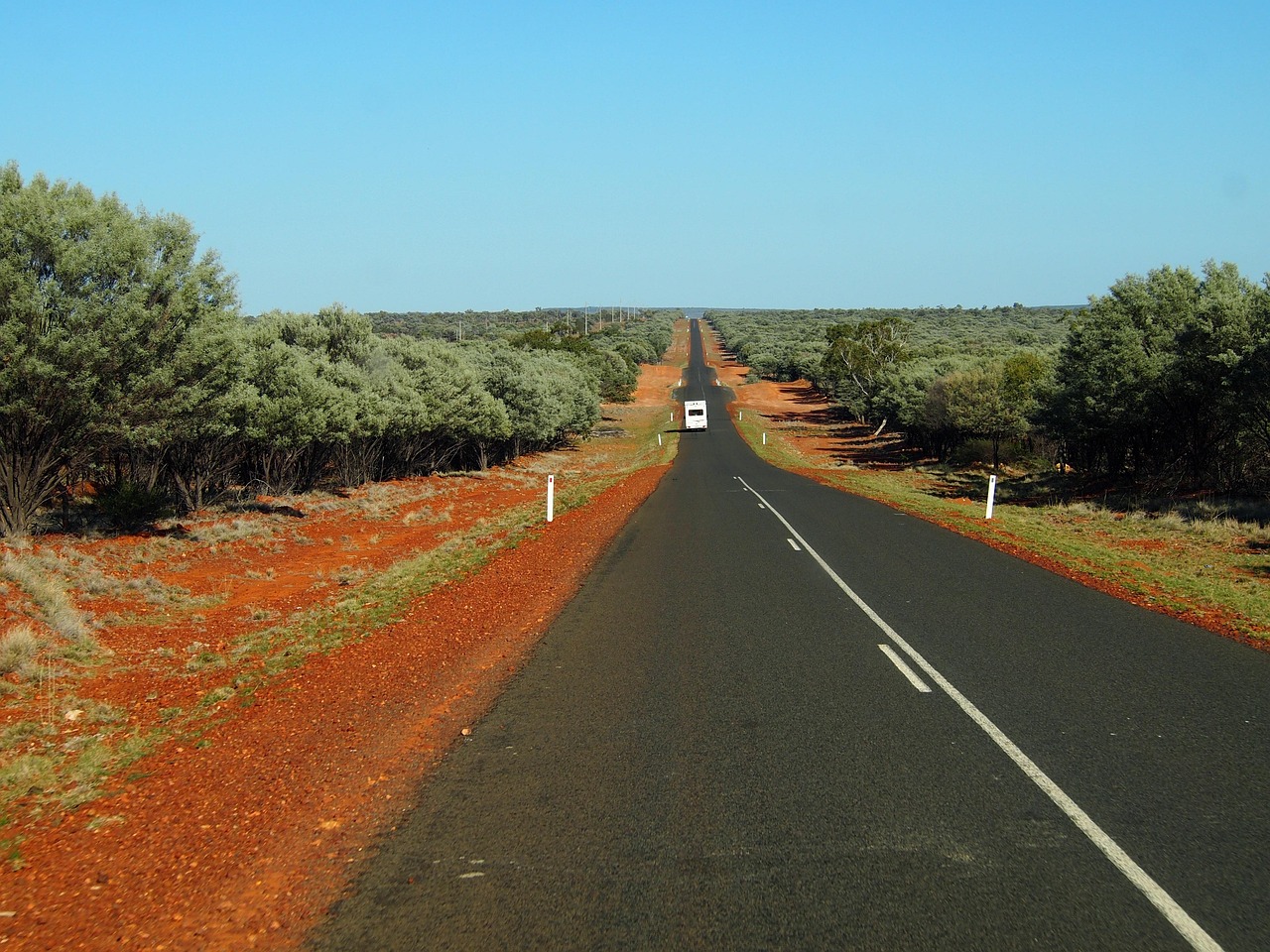
Achieving Off-Grid High-Load Comfort is the definitive goal for modern adventures in the Australian Outback. Yet, the leap toward remote independence often exposes a critical ‘power gap’: the inability to support multiple residential-grade appliances simultaneously. Bridging this gap requires more than simple storage, it demands an integrated energy foundation that transforms a caravan from a basic shelter into a sophisticated, fully-powered mobile residence.
الوجبات الرئيسية
Redefining Independence: Shift from “site-dependency” to total autonomy by bridging the power gap for high-draw appliances.
Infrastructure Optimization: Replace bulky lead-acid banks with high-density lithium to reclaim internal storage space for essential gear.
Mastering High Loads: Implement stable discharge systems to run A/C, induction cooktops, and coffee makers concurrently without system strain.
Strategic Efficiency: Reduce caravan payload by up to 75% (battery weight) to improve fuel economy and vehicle handling.
Predictive Safety: Leverage Smart BMS for real-time thermal and fault monitoring, ensuring reliability in extreme Outback conditions.
Off-Grid Freedom: Redefining Travel
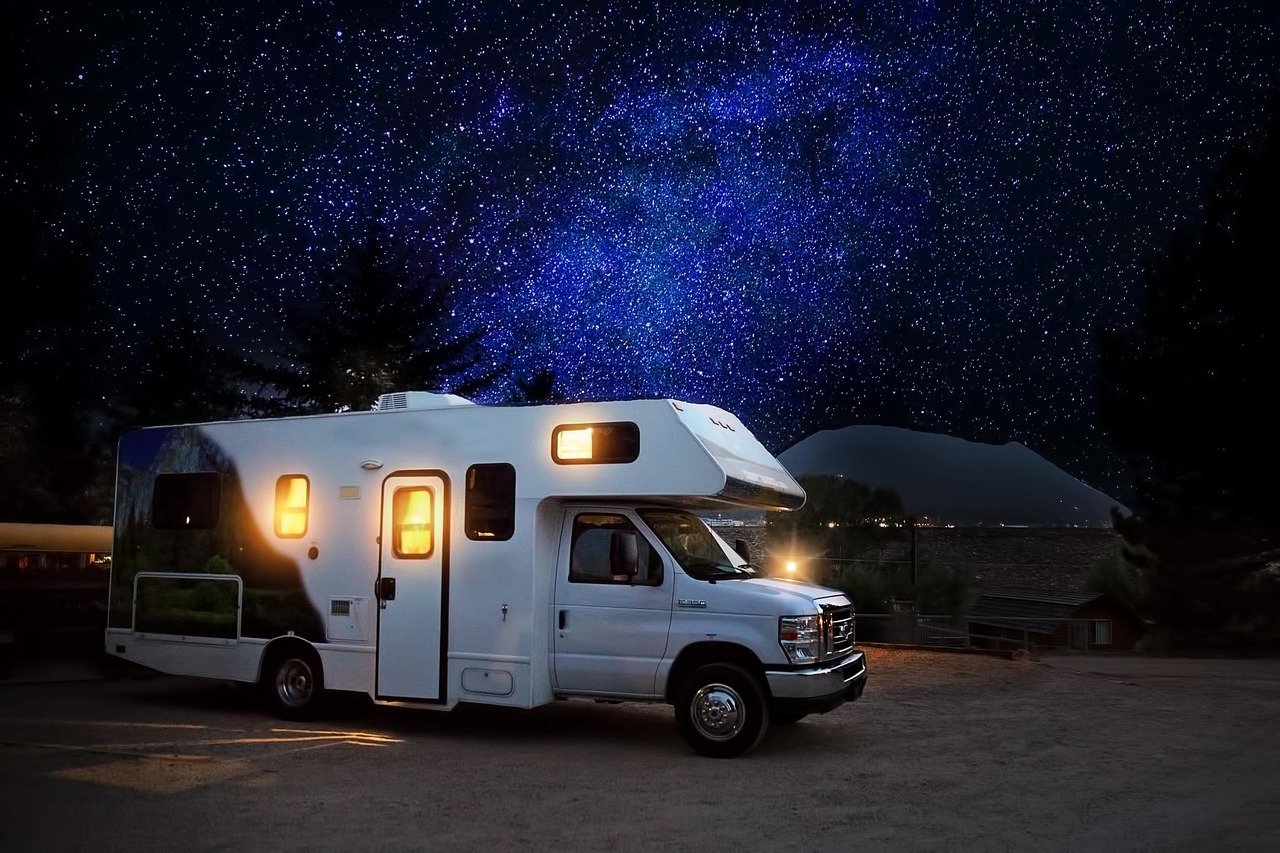
Off-grid autonomy is no longer a niche preference but a standard requirement for the Australian caravan market. This shift is driven by a desire to bypass crowded powered sites and offset rising utility costs. For OEMs and fleet managers, true independence means equipping vehicles with energy systems capable of sustaining residential comfort in remote locations, ensuring the caravan remains fully functional without external tethering.
Independence from Shore Power
Traditional lead-acid systems often fail to keep pace with the rigorous energy demands of extended remote trips. In contrast, advanced lithium-ion solutions provide superior usable deep-cycle capacity and significantly higher recharge efficiency, establishing the essential technical foundation required for sustainable off-grid living. This technological transition enables owners and fleet managers to prioritize the journey and destination, rather than being constrained by manual energy monitoring and the limitations of legacy battery chemistry.
Infrastructure & Space Optimization
In modern caravan design, internal volume is the most valuable currency. Conventional lead-acid battery banks are not only heavy but occupy significant cabin or chassis space, often dictating the layout rather than supporting it. By integrating high-density lithium solutions, manufacturers can achieve a 50-70% reduction in the energy system’s physical footprint.
الميزة | Traditional Lead-Acid (200Ah) | Design Advantage | |
Weight | ~65kg | ~22kg | Save 40kg+ Payload |
Footprint | Bulky Multi-unit bank | Compact Single Unit | Reclaim 60% Space |
Cycle Life | 300 – 500 cycles | 4000+ cycles | Lower OPEX/Replacement |
This Space Optimization allows builders to:
Reclaim Storage: Repurpose former battery compartments for high-value features like internal gear lockers or expanded water capacity.
Enhance Layouts: Position compact energy components in under-utilised areas to lower the center of gravity and improve vehicle handling on uneven terrain.
Increase Payload: Offset the weight of additional luxury appliances by slashing the battery bank’s mass, ensuring the vehicle stays within GVM (Gross Vehicle Mass) limits.
Mastering Comfort: High-Load Performance
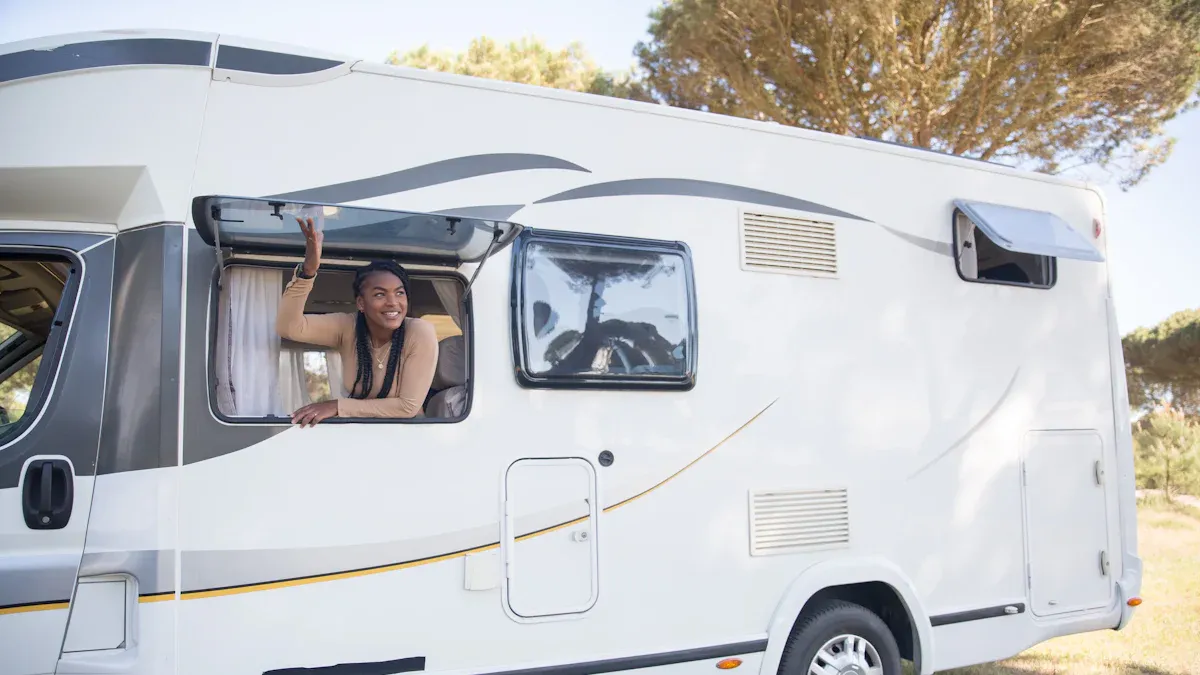
Residential Living in the Outback
Off-grid living should not be defined by the manual rationing of power or scheduling appliance use around peak sunlight. High-Load Performance is about providing a seamless, residential-grade experience where air conditioning, induction cooktops, and high-wattage kitchen appliances function as reliably as they do at home. Advanced energy architectures are specifically engineered to handle the massive surge currents required for appliance startup without triggering system shutdowns, ensuring uninterrupted comfort in the harshest Australian environments.
Sustained Power for Heavy Loads
Running heavy loads, such as rooftop A/C units that require 2000W to 3000W startup surges, traditionally demanded noisy and bulky gas generators. Modern high-rate lithium infrastructure eliminates this reliance by offering superior discharge stability and the high continuous power output necessary to drive large-scale inverters.
Appliance Power Demand: The High-Load Reality
Appliance | Current Draw (Amps) | Operational Benefit |
Rooftop Air Conditioner | 50A – 100A (Startup) | Stable Voltage under High Surge |
2000W Induction Cooker | Max 100A | Sustained High-Current Discharge |
Electric Kettle | ~147A | Rapid Power Delivery |
Microwave | ~93A | Efficiency via Low Internal Resistance |
To ensure reliability for these heavy loads, the focus shifts from manual monitoring to system capability:
Eliminating Generators: High-rate discharge cells allow users to power 240V appliances via inverters silently, removing the fuel, noise, and maintenance burden of gas generators.
Balanced Infrastructure: Integrating high-capacity lithium with smart inverters creates a self-sustaining microgrid that manages energy peaks automatically, without user intervention.
Thermal Efficiency: Low internal resistance ensures the battery remains cool even during high-amp discharge, extending system life in the extreme high-heat conditions of the Outback.
Herewinpower: Built for Extremes
Durability on Corrugated Roads
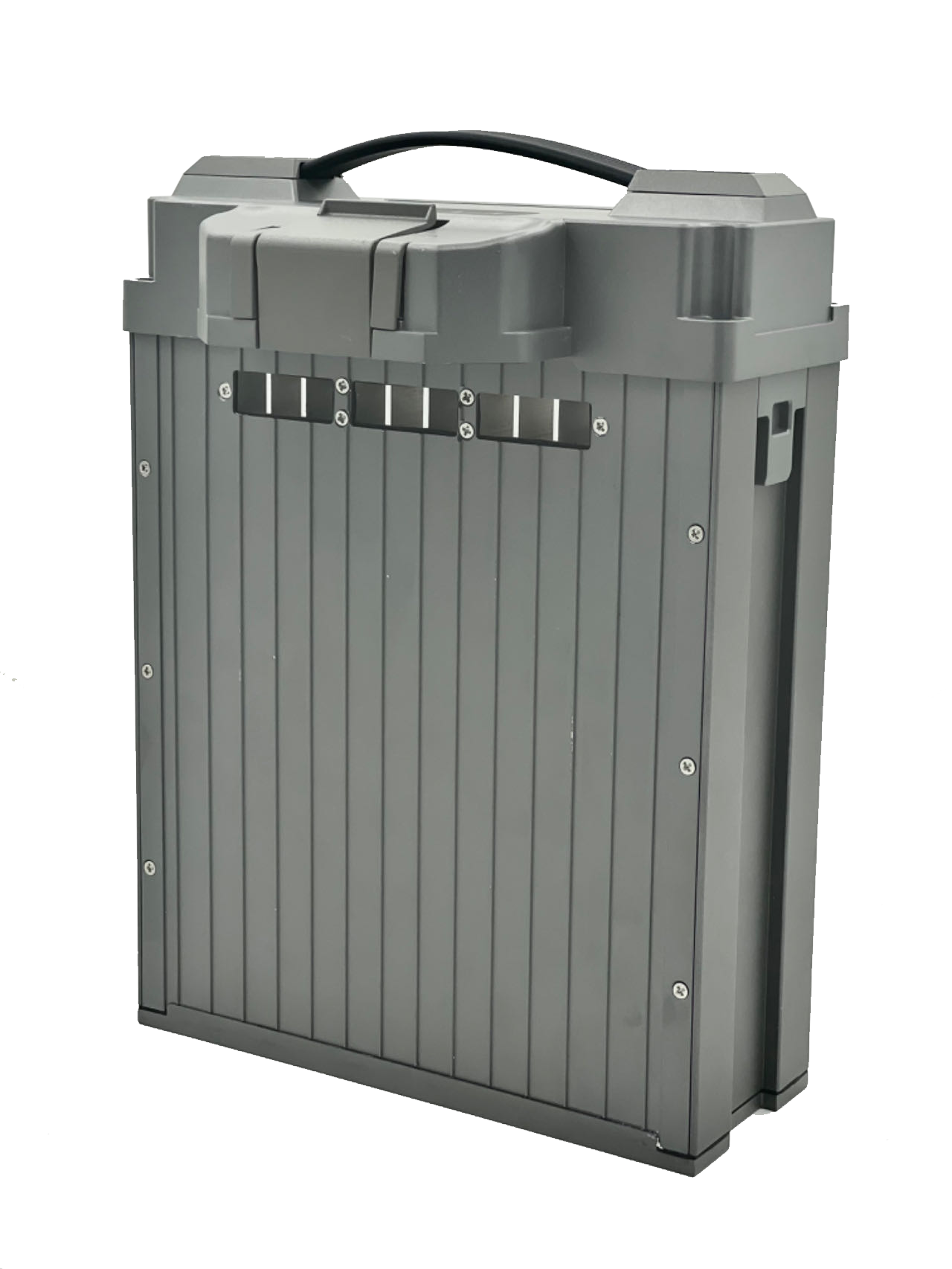
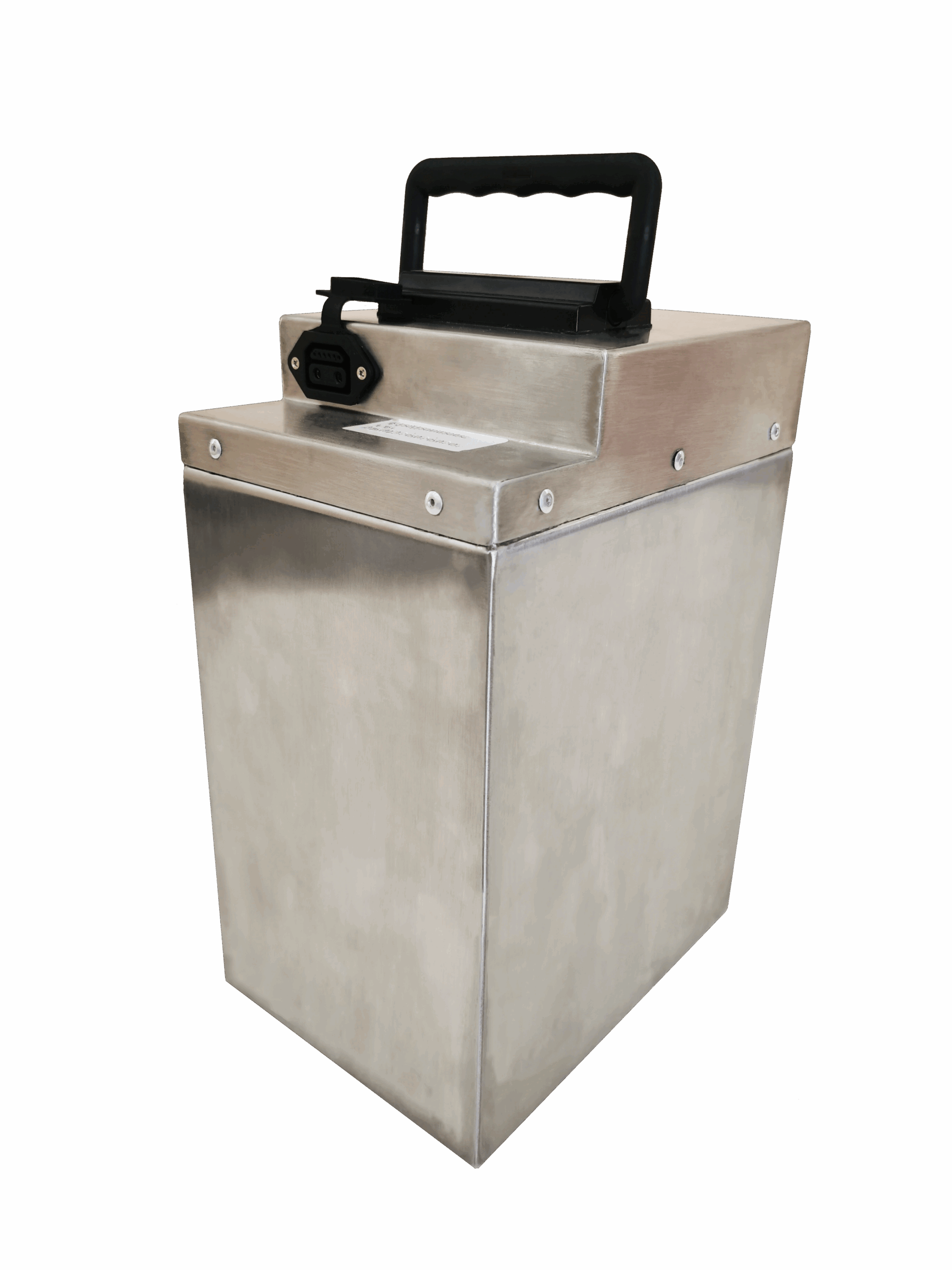
When venturing into the Australian Outback, caravans face relentless high-frequency vibrations on corrugated roads, which often lead to terminal loosening and electrical failure in standard battery setups. Our lithium solutions are specifically engineered for these rugged terrains, featuring Shockproof & Vibration-Resistant construction with reinforced internal cell-brackets that prevent structural fatigue during thousands of kilometres of off-road travel.
Beyond physical durability, thermal resilience is critical in the harsh Australian climate. While many batteries struggle when ambient temperatures exceed 40°C, Herewinpower units are equipped with a high-stability BMS and superior thermal dissipation design. This ensures the system maintains optimal performance from the alpine frost to the extreme red-centre heat, effectively preventing thermal throttling and protecting the battery’s longevity even during the most demanding remote expeditions.
Simplified, Low-Maintenance Energy Management
Modern off-grid energy should be self-sufficient, not a maintenance chore.We eliminates the need for frequent manual inspections by integrating high-level digital monitoring into the core infrastructure. This shift allows users and fleet operators to rely on system intelligence rather than manual hardware checks.
Reliability Metrics: Engineering for Extremes
Key Aspect | Engineering Response | Reliability Outcome |
Vibration Tolerance | Reinforced cell brackets & shockproof housing | Zero maintenance on rough terrain |
Thermal Stability | Operating range: -20°C to 60°C | Reliability in extreme heat & frost |
Predictive Safety | Smart BMS with real-time fault detection | Risk mitigation in remote areas |
Environmental Shield | IP65+ dust and water protection | Ruggedness for river crossings & dust |
By shifting focus from manual upkeep to digital intelligence, We ensures that energy management remains invisible. This allows manufacturers to offer a truly robust product while users focus entirely on their adventure, confident that the system can handle the Australian extremes.
Strategic Investment: Maximizing Caravan ROI
Slashing Weight, Saving Fuel
Upgrading to advanced lithium systems is a strategic move to optimize vehicle dynamics and operational economy. While a standard lead-acid system weighs approximately 70kg, a Herewinpower alternative provides the same capacity at less than a third of that mass. This weight reduction allows manufacturers to reclaim nearly 15% of the total payload capacity, which directly translates into improved fuel efficiency and superior vehicle handling on challenging Australian tracks.
Predictive Safety via Smart BMS
A Smart Battery Management System (BMS) is more than a safety feature; it is an active asset protection tool. By precisely regulating charge cycles and preventing deep discharges, integrated system intelligence ensures the battery maintains peak performance over a decade of use. Beyond basic protection, this system provides real-time thermal and fault monitoring, allowing users to identify and resolve potential issues before they lead to downtime—a critical factor for safety in remote off-grid locations.
Strategic ROI: The Value of Intelligence
ROI Driver | Technical Function | Financial Impact |
Asset Longevity | 4000+ managed cycles | Minimizes replacement CapEx |
Resale Premium | Proven reliability & smart monitoring | Increases vehicle market value |
Risk Mitigation | 24/7 fault & thermal detection | Reduces after-sales service costs |
Fuel Economy | Ultra-lightweight construction | Lowers long-term TCO |
Investing in Herewinpower solutions aligns with modern consumer and manufacturer preferences for sustainable, high-efficiency travel. By providing tangible proof of battery health (SOH) through smart monitoring and combining reduced weight with predictive safety, you ensure that your caravan remains a high-value asset with minimal ongoing operational costs.
We focuses on balancing the physical demands of the Outback with the practicalities of a Long-Term ROI. We provide the infrastructure that allows you to stop worrying about power and start focusing on the journey.
Real-World Efficiency: By significantly reducing battery weight and volume, our systems help you stay within GVM limits and reclaim storage space that matters for long-term travel.
Reliable High-Load Handling: Our high-discharge technology is designed to handle the heavy surge of air conditioners and induction cooktops, providing a silent, generator-free alternative for remote comfort.
Active System Protection: The integrated Smart BMS acts as a constant monitor, managing cell health and thermal safety so that the energy system remains a dependable part of your caravan’s core.
Our goal is to provide a reliable, high-performance energy foundation that stands up to the Australian environment. Welcome to explore our range of lithium battery solutions.
الأسئلة الشائعة
What is Off-Grid High-Load Comfort?
It is the capability to maintain a residential-grade lifestyle in remote areas. This means your energy system can handle the simultaneous startup and operation of high-surge appliances—like air conditioning and induction cooktops—without relying on shore power or noisy generators.
How does a lithium system eliminate the need for gas generators?
High-performance lithium cells, like those from Herewinpower, offer superior discharge rates and stable voltage. When paired with a proper inverter, they can provide the massive “surge current” needed for A/C units, allowing you to enjoy high-load appliances silently and without the burden of carrying extra fuel.
Why is “Weight-to-Capacity” ratio critical for caravans?
In Australia, staying within GVM (Gross Vehicle Mass) is vital for safety and legal compliance. By upgrading to lithium, you can slash your battery weight by up to 70%, which not only improves fuel efficiency but also reclaims nearly 50kg of payload for other essential gear.
Is a Smart BMS really necessary for off-grid travel?
Yes. Beyond simple safety, a Smart BMS acts as an automated “Asset Manager.” It protects your investment by monitoring thermal stability and balancing cells 24/7. This ensures a lifespan of over 4,000 cycles, providing a much higher long-term ROI compared to unmonitored systems.
Does a high-performance battery require complex maintenance?
On the contrary, advanced lithium infrastructure is designed for “set-and-forget” reliability. By moving away from manual maintenance to digital monitoring and rugged, vibration-resistant construction, the system remains dependable on corrugated roads with minimal user intervention.
انظر أيضاً
Comparing Lead-Acid And Lithium Batteries For RV Performance
Battery Innovations For Aerial Cargo Transport In Australia
Durable Battery Options For Australian Cargo Drones
High-Cycle Home Batteries Reduce After-Sales Costs For Dealers

 العربية
  English
  Español
  한국어
한국어  Deutsch
  Français
  日本語
日本語  Русский
  Bahasa Indonesia
  ไทย
ไทย  Português do Brasil
  Italiano
  Nederlands