





Regulatory compliance serves as the backbone of supply chain stability. When shipping processes fail to meet international standards, exporters face significant operational risks, including DG audit failure during booking, port regulatory disposal, and forced returns of cargo. As maritime carriers tighten their safety protocols due to the inherent risks of thermal runaway and short circuits, the responsibility for accurate classification and declaration rests squarely on the shipper . Understanding the core requirements of the IMDG Code and implementing a robust compliance system is no longer optional—it is essential for navigating the evolving maritime landscape and ensuring the seamless delivery of LiFePO4 energy storage systems.
Основные выводы
LiFePO4 batteries are strictly categorized as Class 9 Dangerous Goods, requiring specialized documentation and personnel specifically trained in dangerous goods protocols to avoid booking failure.
Ensure 100% consistency between your UN38.3 test reports and the actual shipping models; any design or material changes necessitate technical re-evaluations .
Professional packaging must include terminal insulation to prevent short circuits and moisture-proof measures to withstand high-humidity maritime environments.
The Dangerous Goods Declaration (DGD) must be completed by qualified personnel and undergo a “Dual-Person Review” to eliminate clerical errors.
Implement a full-chain compliance checklist, including photo-documentation and verifying the State of Charge (SoC) limits required by carriers .
Key Regulations for LiFePO4 Battery Shipping Compliance

Understanding Class 9 Dangerous Goods Classification
In maritime logistics, LiFePO4 batteries are strictly categorized as Class 9 Miscellaneous Dangerous Goods. This classification is not merely a formality; it is a critical safety designation that dictates every step of your export process.
To maintain a stable supply chain, you must understand the following technical and regulatory nuances:
The Safety Profile of LiFePO4: While LiFePO4 batteries are recognized for having superior thermal stability compared to NCM (Nickel Cobalt Manganese) chemistries, they are not risk-free. They still possess the potential for short circuits, temperature spikes, and thermal runaway if internal safety barriers are compromised.
Operational Consequences of Non-Compliance: Maritime carriers have significantly tightened their audit processes. Failing to accurately declare or classify your cargo as Class 9 will lead to DG audit failure during booking, port regulatory disposal, and potential forced returns of the cargo.
Compliance Requirements: Proper classification necessitates more than just a label. It requires specialized documentation, such as the Hazardous Materials Shipping Paper, and ensures that the transport is handled by personnel—including drivers and terminal staff—specifically trained in dangerous goods protocols.
A Shift in Carrier Responsibility: Regulatory agencies and carriers now place the primary responsibility for accurate classification on the exporter. Understanding these core regulations is the only way to avoid the severe fines and shipment holds that define the modern maritime landscape.
UN38.3 Testing: The Safety Foundation
Before shipping LiFePO4 batteries, you must ensure they meet the UN38.3 certification requirements. This testing is essential for verifying the safety of lithium batteries during transportation. The UN38.3 testing process includes eight critical evaluations:
T1–T4 (Environmental Simulation): Altitude simulation, thermal testing, vibration, and shock to simulate the physical rigors of transport.
T5–T6 (Physical Risks): External short circuit testing and impact/crush testing for cells.
T7–T8 (Electrical Risks): Overcharge testing for rechargeable battery packs and forced discharge testing.
Typically, the testing process requires a sample set of 16 cells and 8 battery packs and takes approximately 4 to 6 weeks to complete.
Crucially, the shipping models must perfectly match the details in the UN38.3 test report. Any modifications to the battery design or chemical composition necessitate a technical re-evaluation or re-testing to maintain continuous compliance and avoid shipment rejections.
Proper Packaging for LiFePO4 Battery Transportation
Proper packaging is the primary line of defense in preventing shipment delays and ensuring maritime safety. By adhering to strict packaging standards, you not only minimize the risk of physical damage during the long ocean transit but also ensure your cargo passes carrier DG audits without costly rejections or fines.
Building Physical Safety Barriers
To protect LiFePO4 batteries from the mechanical and environmental stresses of sea freight, the following physical safety barriers are mandatory:
Technical Requirement | Specific Maritime Standard |
Terminal Protection | All battery terminals must be strictly protected with insulation covers or recessed designs to prevent external short circuits during handling. |
Structural Integrity | Packaging must possess sufficient strength to withstand vertical stacking and the typical vibrations and shocks of maritime transport. |
Environmental Shielding | Specialized moisture-proof measures must be implemented to protect battery cells and components from high-humidity ocean environments. |
Mechanical Stability | Cargo must be secured on qualified pallets using robust fixation and anti-slip measures to prevent damage from displacement or collision. |
Visual Compliance: Labeling and Marking
Accurate labeling is a non-negotiable requirement for passing dangerous goods inspections at the port. Every package must adhere to the following international maritime standards:
Label / Mark Type | Compliance Specification |
Class 9 Hazard Label | Displays the Miscellaneous Dangerous Goods symbol; standardized size of at least 100mm x 100mm. |
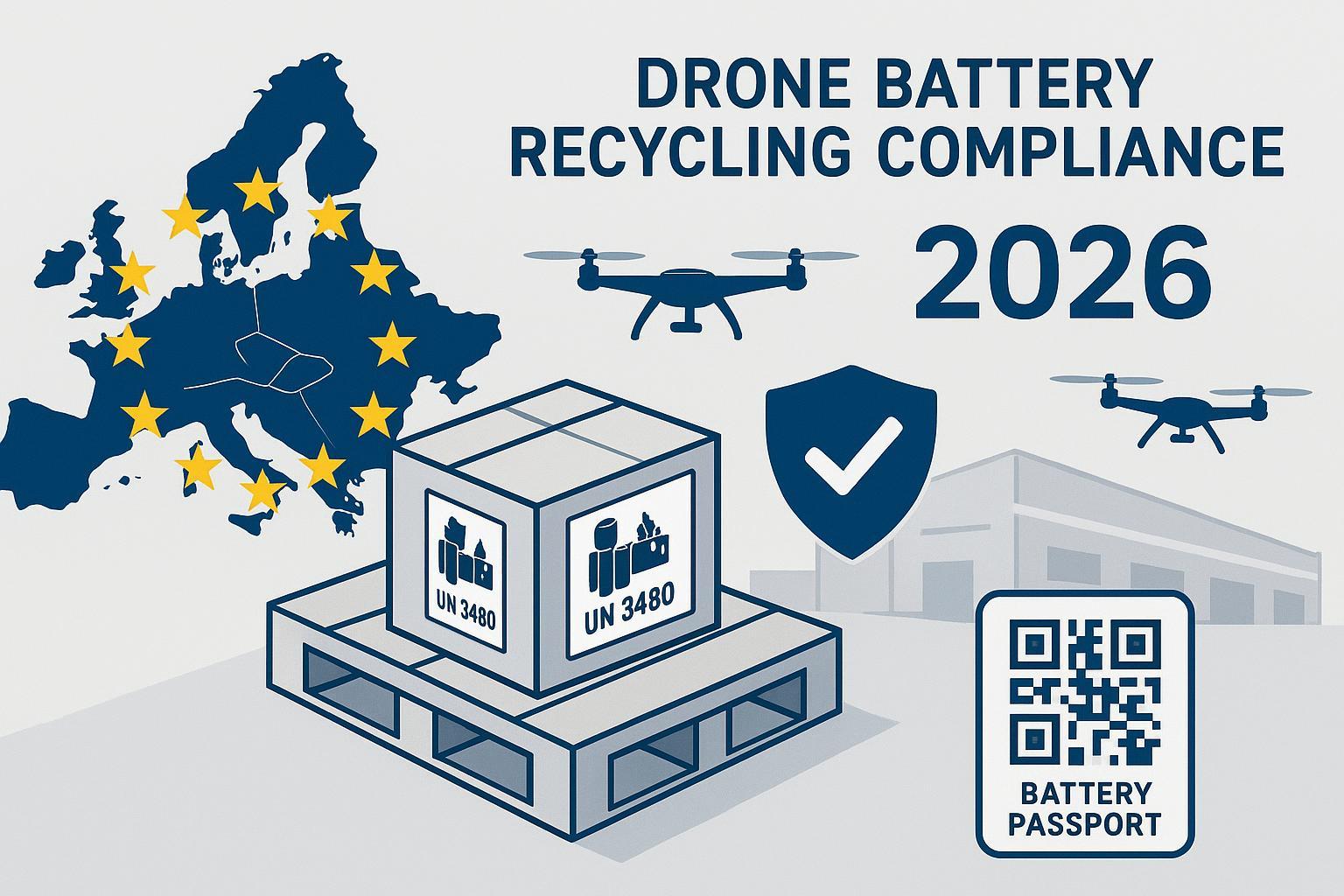
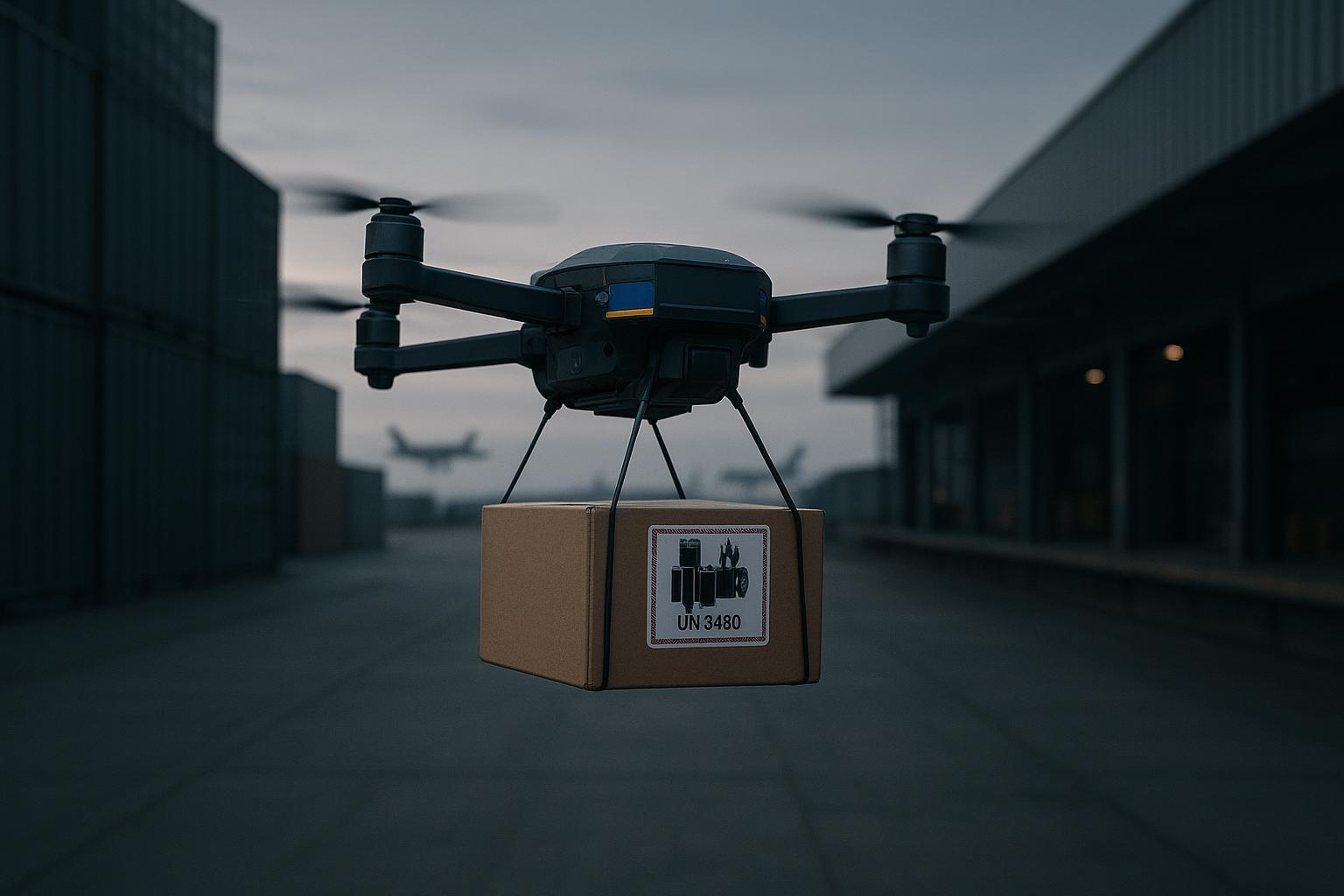
Lithium Battery Mark | Must feature the correct UN number—UN3480 (standalone) or UN3481 (with equipment). |
Marine Durability | Labels and marks must be durable and capable of remaining legible after 3 months of immersion in seawater. |
Ensure you include the correct shipping name and UN number on your labels. By adhering to these packaging standards, you can streamline the shipping process and avoid unnecessary delays caused by label peeling or illegible safety information in extreme maritime conditions.
Declaration and Stowage Guidelines to Prevent Delays
Mastering the Dangerous Goods Declaration (DGD)
To prevent shipment delays, mastering the Dangerous Goods Declaration (DGD) is essential, as it is an indispensable core document for lithium battery sea transport. This document must be completed by qualified personnel with appropriate training to ensure that all technical information is accurate and complete. Incomplete or inaccurate shipping papers are a primary cause of DG audit failure during booking, port regulatory disposal, cargo delays, or forced returns.
Key Elements for a Compliant DGD:
Accurate Shipper and Consignee Information: Use full company names and detailed addresses; ensure contact info is readily available.
Correct UN Numbers & Hazard Class: Include the specific UN number—UN3480 for standalone batteries or UN3481 for equipment-related batteries—and clearly indicate Class 9 Dangerous Goods.
Quantity and Net Weight: Ensure all weight and quantity data perfectly match the loading list and relevant technical data.
24-Hour Emergency Contact: Provide a responsive emergency contact number that is available at all times throughout the entire transport process.
Required Supporting Documents: DGD submissions typically must be accompanied by UN38.3 documentation (reports or summaries) and the MSDS.
The “Dual-Person Review” Protocol To significantly reduce the risk of shipping delays caused by clerical errors, we recommend implementing a “dual-person review” process before submission. Having a second qualified person verify the UN numbers, hazard classes, net weights, and emergency contact details ensures that your documentation meets the strict audit requirements of both the carrier and port authorities.
Vessel Stowage and Spatial Risk Management
Proper vessel stowage is the final physical barrier to ensuring the safe transport of Proper vessel stowage is the final physical barrier to ensuring the safe transport of LiFePO4 batteries. According to the IMDG Code and industry safety standards, you must implement the following spatial risk management practices to mitigate hazards during the voyage:
Heat Source Isolation: LiFePO4 batteries must be stowed away from any obvious heat sources to prevent heat accumulation, which could trigger thermal instability .
Compatibility Segregation: Strictly adhere to IMDG segregation requirements to ensure that batteries are not stowed near incompatible dangerous goods that could exacerbate fire or chemical reaction risks.
Mechanical Stability & Fixation: Use qualified pallets for all shipments. Ensure the cargo is secured with anti-slip and fixation measures to prevent displacement or collision during transit.
Stowage Location: Per IMDG Category A requirements, packages may be stowed either ‘on deck’ or ‘under deck’ as determined by the specific vessel’s safety profile and operational plan confirmed by the carrier .
Avoidance of Sensitive Goods: If applicable, avoid mixed loading or proximity to sensitive goods such as food or medicine to prevent cross-contamination risks.
Improper stowage can lead to severe consequences, including increased risks of fire, DG audit failure, or port regulatory disposal. By strictly following these technical requirements, you ensure both the physical safety of the cargo and a smooth booking audit process.
Your 2026 Actionable Export Compliance Checklist
To ensure seamless maritime logistics and avoid costly shipment rejections or port regulatory disposal, exporters must move beyond basic compliance. Implementing a rigorous, multi-layered verification process is the only way to navigate the evolving 2026 regulatory landscape.
Internal Verification and SOP Management
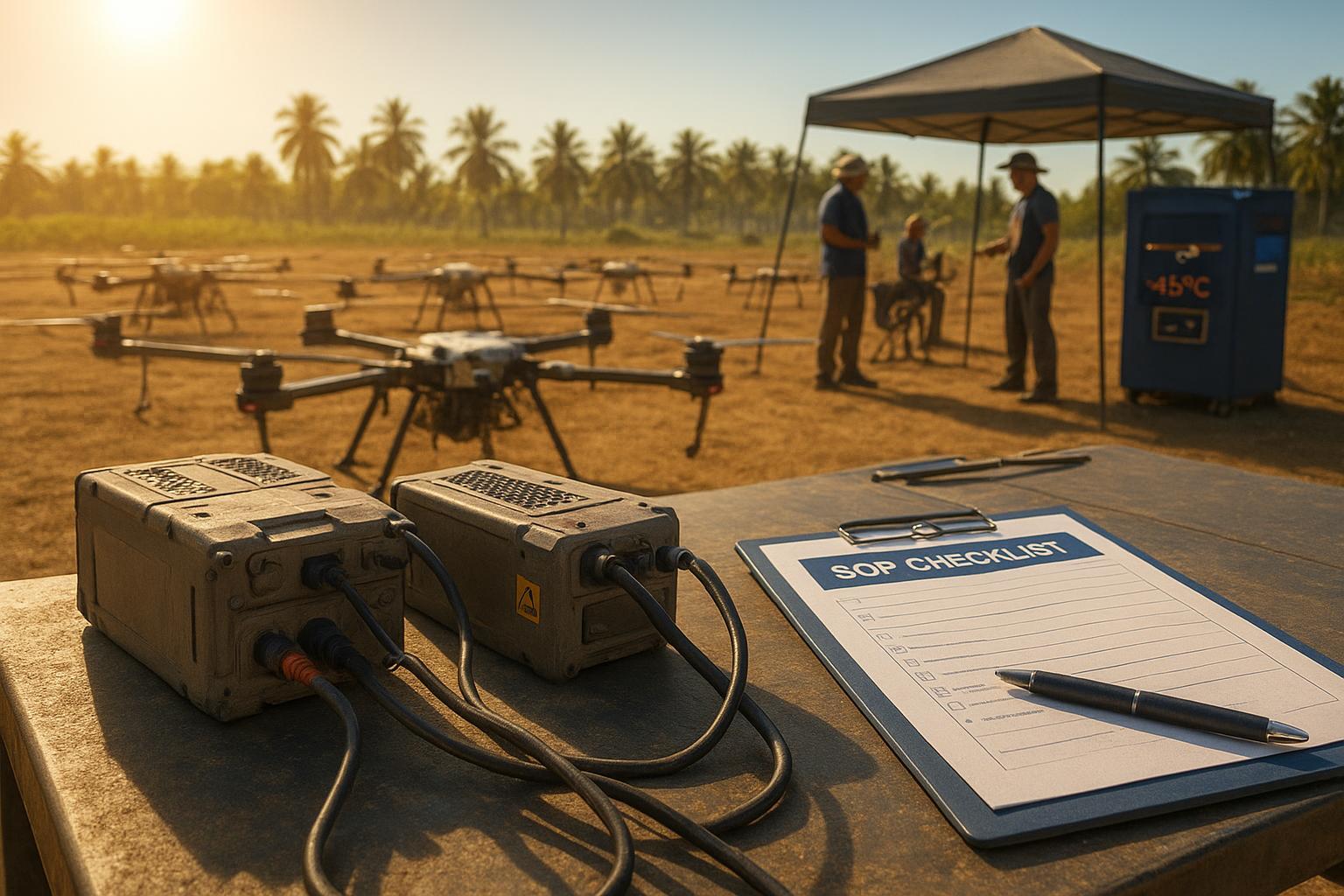
A robust Standard Operating Procedure (SOP) is your first defense against clerical errors. Your internal checklist should include these non-negotiable points:
Precise UN Classification: Confirm whether your cargo is UN3480 (standalone batteries) or UN3481 (batteries in/with equipment). Never use sodium-ion codes (UN3551-UN3558) for LiFePO4 shipments.
Temperature and Environment Control: Verify that storage and transport conditions align with the operational plan confirmed by your carrier to mitigate risks of heat accumulation and thermal runaway.
Photo-Documentation: Capture high-resolution photos of the internal battery units, the insulation of terminals, the pallet fixation, and the Class 9 labels before sealing the container. These serve as vital evidence for DG audits.
Dynamic SOP Updates: Ensure your compliance manuals are updated annually to align with the latest IMDG Code amendments (e.g., Amendment 42-22).
Collaborative Compliance and Strategic Audits
Effective risk management requires verifying not just your own processes, but also those of your logistics partners.
Pre-Shipment Audit Point | Compliance Standard |
Partner Qualification | Ensure your freight forwarder and carrier have verified licenses and expertise in handling Class 9 Dangerous Goods. |
HS Code Accuracy | Verify the 8-to-12 digit HS codes based on the specific destination region’s customs requirements to avoid clearance delays. |
Document Consistency | Perform a “Dual-Person Review” to ensure that the battery model and technical specs on the DGD perfectly match the UN38.3 test report. |
By fostering a culture of proactive compliance and conducting these strategic audits, you can minimize operational risks and ensure your LiFePO4 batteries reach their destination safely and on schedule.
Ensuring the safe transport of LiFePO4 batteries is a multi-dimensional challenge that demands rigorous attention to detail. To prevent costly shipment delays, port regulatory disposal, or safety incidents, exporters must implement a full-chain control system that integrates UN38.3 testing, high-integrity packaging, precise DGD declaration, and strategic vessel stowage.
Each of these steps acts as a critical barrier against the inherent risks of maritime dangerous goods transport. By adhering to the IMDG Code and implementing proactive internal audits—such as the “Dual-Person Review” and photo-documentation—your organization does more than just meet regulatory requirements; it builds a reputation for operational excellence and safety in the global market.
If you require further detailed consultation or a comprehensive compliance audit, please feel free to contact our team.
ЧАСТО ЗАДАВАЕМЫЕ ВОПРОСЫ
What is the most critical factor for LiFePO4 shipping compliance?
Ensuring document consistency is paramount. Your physical cargo must perfectly match the details in your UN38.3 test reports to pass strict maritime DG audits.
What is the required sample size for UN38.3 testing?
A standard test requires 16 cells and 8 battery packs. This ensures both the internal chemistry and external casing are validated for transport safety.
What are the specific maritime packaging requirements?
You must ensure insulation for all terminals and implement moisture-proof measures. Additionally, all labels must remain legible after 3 months of seawater immersion.
Is there a specific State of Charge (SoC) limit for sea freight?
Specific SoC limits are determined by the operational plan confirmed by the carrier and forwarder. Exporters must ensure transport conditions mitigate risks of heat accumulation and thermal runaway according to these specific audit guidelines .
What happens if I modify the battery design after obtaining a UN38.3 report?
Any change in design or chemical composition requires a technical re-evaluation or re-testing. Using an outdated report can lead to port regulatory disposal.
См. также
Boosting AGV Fleet Manager Returns Through Lithium Efficiency
Durable Battery Options for Australian Cargo Drones
Essential Guide for RV Lithium System Compatibility Upgrades
Importance of Advanced Battery Solutions for Safe Drone Logistics



 Русский
  English
  Español
  한국어
한국어  Deutsch
  Français
  日本語
日本語  Bahasa Indonesia
  ไทย
ไทย  العربية
  Português do Brasil
  Italiano
  Nederlands