

Why Professional Drone Training Requires More Than Flight Skills
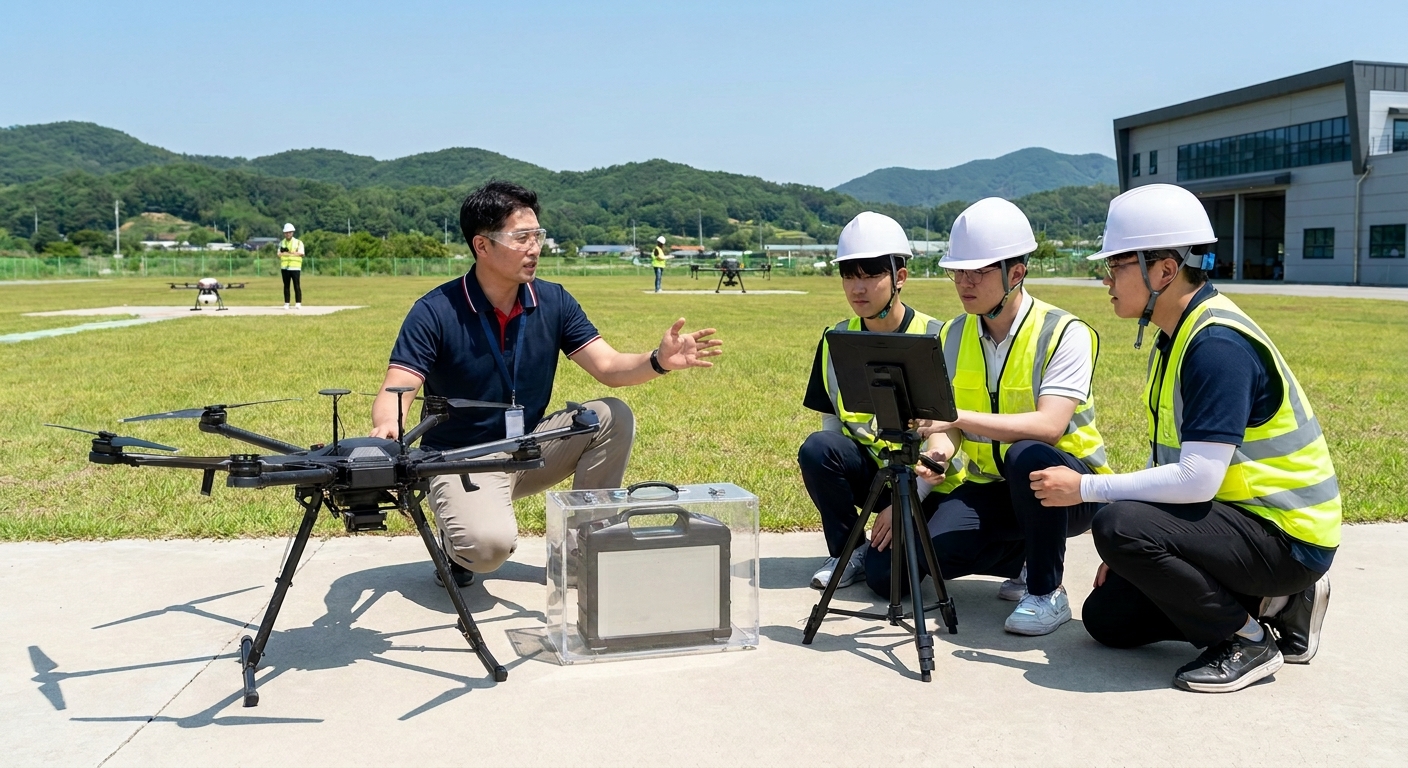
Commercial drone operations are expanding rapidly across agriculture, infrastructure inspection, and public safety, creating unprecedented demand for certified, workforce-ready UAV pilots. Vocational flight centers, university aviation departments, and enterprise flight schools are tasked with transforming novice pilots into skilled commercial operators.
However, building an enterprise-grade training program requires far more than purchasing consumer off-the-shelf aircraft. Flight school operations managers must balance strict regulatory compliance, multi-student operational safety, airframe durability, and long-term operating costs.
In a high-throughput educational environment, aircraft perform multiple daily training flights across rotating student cohorts. Inexperienced pilots frequently subject airframes to hard landings, abrupt throttle commands, and rapid discharge cycles. Under these continuous flight conditions, the power infrastructure—specifically the battery ecosystem and Battery Management System (BMS)—becomes the primary bottleneck for operational uptime and safety.
This buyer’s guide breaks down the essential selection criteria for training drone platforms and high-cycle battery systems, helping educational providers build compliant, durable, and cost-effective flight training programs.
Regulatory Compliance Is the Foundation of Drone Training Programs
Before evaluating airframes or propulsion specs, training institutions must align their hardware procurement with regional aviation authority frameworks. Selecting aircraft that match targeted student pilot certifications ensures that training hours count directly toward official licenses while avoiding compliance exposure during field instruction.
Training platforms should match the exact weight and operational risk tiers specified by local regulatory bodies. Operating non-compliant or incorrectly registered training aircraft exposes academies to liability and invalidates student flight logs.
United States Drone Training Requirements (FAA)
In the United States, commercial flight instruction operates under the Federal Aviation Administration (FAA) regulatory framework. While recreational orientation flights rely on The Recreational UAS Safety Test (TRUST), commercial workforce training centers focus on preparing students for Remote Pilot Certification under Part 107.
To streamline fleet purchasing, aviation programs categorize training aircraft into three primary operational tiers based on the FAA Part 107 commercial guidelines:
Weight Tier | Typical Training Application | Regulatory & Registration Profile |
|---|---|---|
Micro (< 250 g / 0.55 lbs) | Basic stick-and-rudder orientation, indoor lab flight, basic maneuvers | Generally exempt from FAA registration only when operated under recreational flight rules, but must be registered if used for Part 107 commercial instruction. Low kinetic risk. |
Standard (250 g to 25 kg / 55 lbs) | Core commercial pilot training, payload operation, inspection & mapping | Standard Part 107 operational workhorses. Requires FAA registration, Remote ID compliance, and strict flight logging. |
Heavy (> 25 kg / 55 lbs) | Advanced industrial, heavy-lift transport, and agricultural spraying | Requires additional FAA approvals or operational authorizations. Demands specialized airworthiness and battery redundancy protocols. |
European Union Drone Training Requirements (EASA)
European flight academies follow the European Union Aviation Safety Agency (EASA) rules. EASA structures flight competence around risk-based subcategories in the Open and Specific categories.
Training providers operating under EASA Open Category rules align their training fleets according to clear operational subcategories:
EASA Category | Operational Scope | Training & Competency Focus |
|---|---|---|
Subcategory A1 | Operate around uninvolved people under defined restrictions (drones < 900 g, C0/C1) | Entry-level pilot training; online theory and proof of online training completion. |
Subcategory A2 | Fly close to uninvolved people (drones up to 4 kg, C2) | Professional pilot training; requires additional A2 theory exam and practical training requirements. |
Subcategory A3 | Fly far from uninvolved people (drones up to 25 kg, C3/C4) | Industrial and agricultural training conducted at least 150 meters from residential areas. |
Specific Category | Complex BVLOS, heavy-lift, and urban operations | Standard Scenarios (STS) or Specific Operational Risk Assessment (SORA) training for advanced commercial credentials. |
How Training Providers Select the Right Drone Platform
Once regulatory constraints are established, fleet managers must evaluate drone airframes across four core operational metrics:
Regulatory Suitability: The platform must natively support mandatory safety features such as Remote ID, geofencing, and flight parameter logging.
Structural Durability: Student pilots inevitably make mistakes. Training drones require reinforced carbon-fiber arms, high-impact landing gear, and modular prop guards that absorb ground strikes without damaging motor mounts.
Maintenance and Parts Cost: High flight hours mean routine component wear. Platforms with modular, plug-and-play arms, standard ESCs, and readily available spare parts minimize maintenance downtime.
Power System and Battery Ecosystem: The airframe must feature a standardized battery bay and quick-release mechanism. Proprietary, low-cycle consumer batteries inflate operating costs, whereas open or smart industrial power interfaces allow academies to deploy long-lasting, commercial-grade battery packs.
For academies building custom multirotor or VTOL platforms, partnering with an experienced supplier for custom UAV battery and BMS solutions provides the flexibility needed to match power delivery with specific curriculum goals.
Why Battery Performance Matters in Drone Training Operations
While standard commercial drone operators may fly two to three missions a day, a training academy operates under continuous high-stress conditions:
High Daily Cycle Count: A single training drone is flown by multiple students in back-to-back rotations, accumulating multiple daily training flights.
Rapid Charging Cycles: To maintain continuous class schedules without purchasing massive battery inventories, flight schools recharge packs immediately after landing.
Inexperienced Pilot Throttle Inputs: Student pilots lack smooth stick control. Abrupt, full-throttle climb maneuvers create sudden current spikes (high C-rate discharge), triggering severe voltage sag in sub-standard battery cells.
Thermal Stress Accumulation: Discharging a pack under aggressive throttle demands and immediately placing it on a high-current charger creates intense internal heat buildup, accelerating chemical aging and cell swelling.
Sub-standard batteries subjected to this regimen suffer rapid capacity degradation, significantly shortened service life, and heightened risk of in-flight voltage collapse. Selecting high-performance, high-cycle battery architecture is essential to maintaining flight safety and training schedule integrity.
Key Battery Requirements for Training Drone Fleets
Evaluating battery systems for a high-throughput flight school requires looking beyond raw milliampere-hour (mAh) capacity. Four core technical criteria determine whether a battery architecture can withstand the unique operational stress of a flight academy:
1. Cycle Life and Pack Consistency
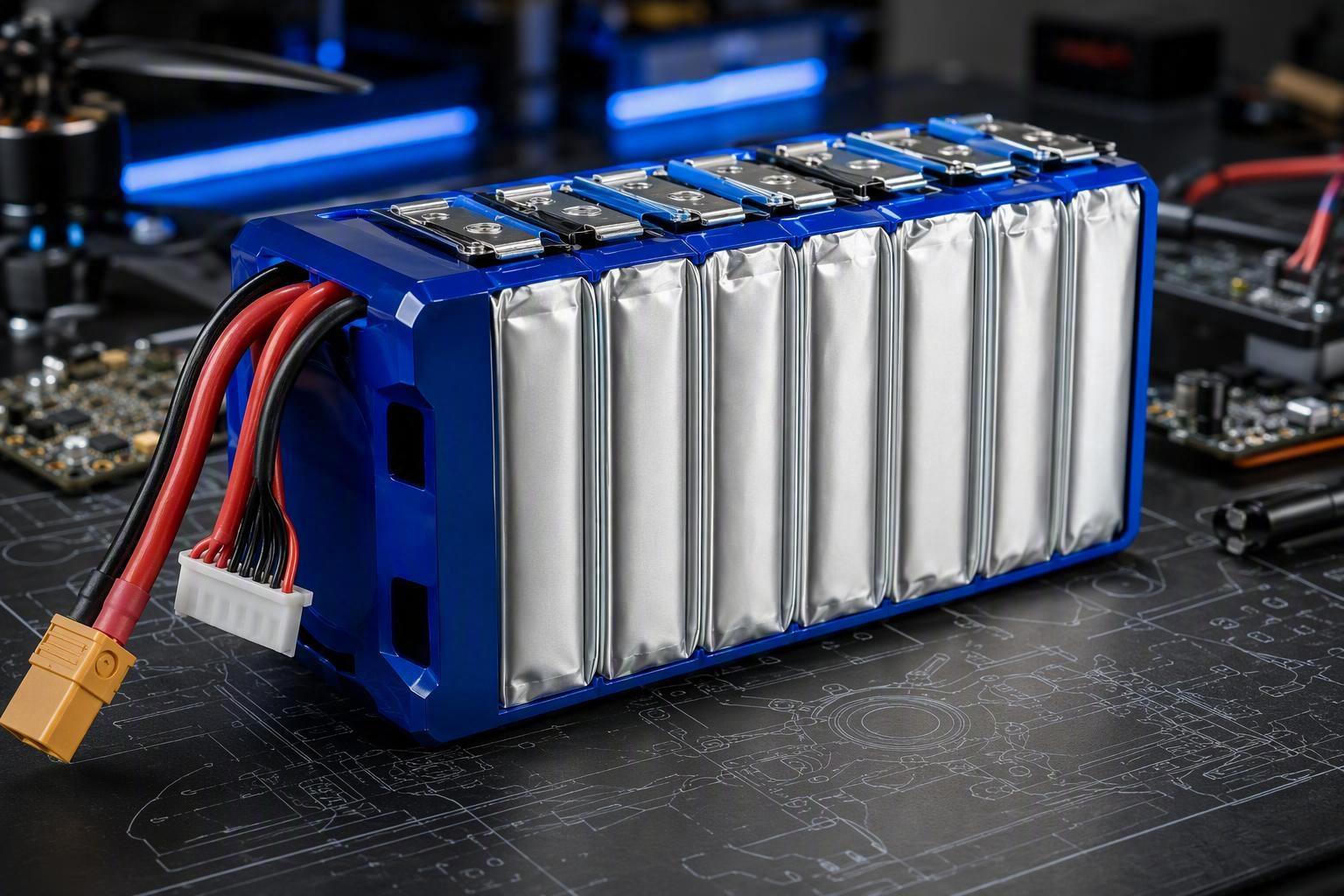
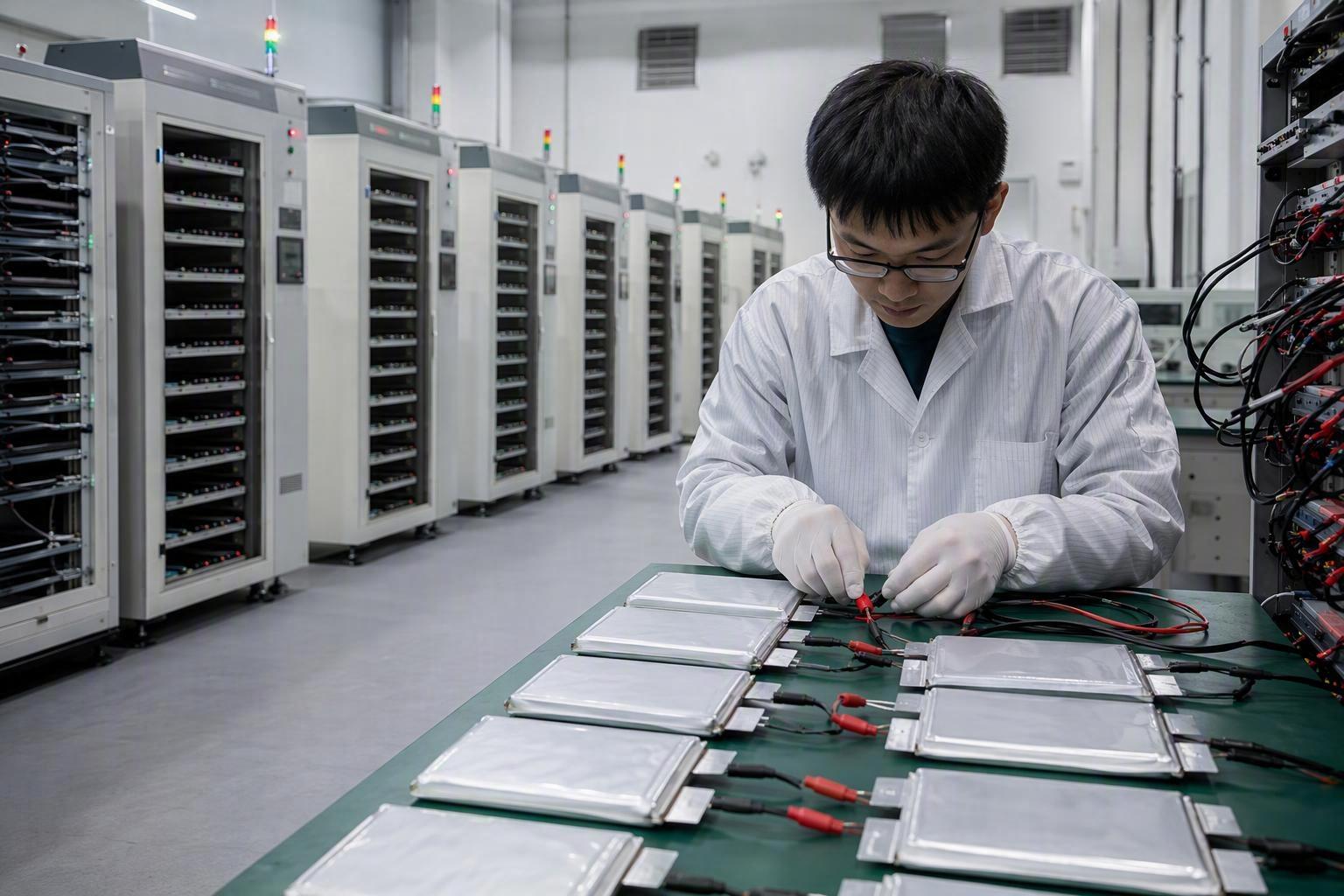
Commercial flight training requires a low Total Cost of Ownership (TCO). Standard hobby-grade LiPo batteries degrade rapidly under daily use. Training fleets require premium smart lithium-polymer and semi-solid drone battery packs engineered for high cycle retention.
Cell-to-cell consistency is equally crucial: internal resistance (IR) and voltage matching across all cells in a pack prevent individual cell premature failure during flight.
2. Discharge Stability and Voltage Sag Prevention
When a student pilot panics and applies 100% throttle to recover altitude, the battery must supply instant peak discharge current (burst C-rate) without experiencing a sharp drop in voltage (voltage sag). Excessive voltage sag triggers low-voltage brownouts in flight controllers, causing unexpected emergency auto-landings or crashes. High-discharge cells with low internal resistance maintain flat discharge curves under heavy load.
Monitor internal resistance (mΩ) per cell during monthly maintenance checks. A cell showing a 20% or higher increase in internal resistance compared to fleet baseline should be retired to bench-testing duties before it causes an in-flight brownout.
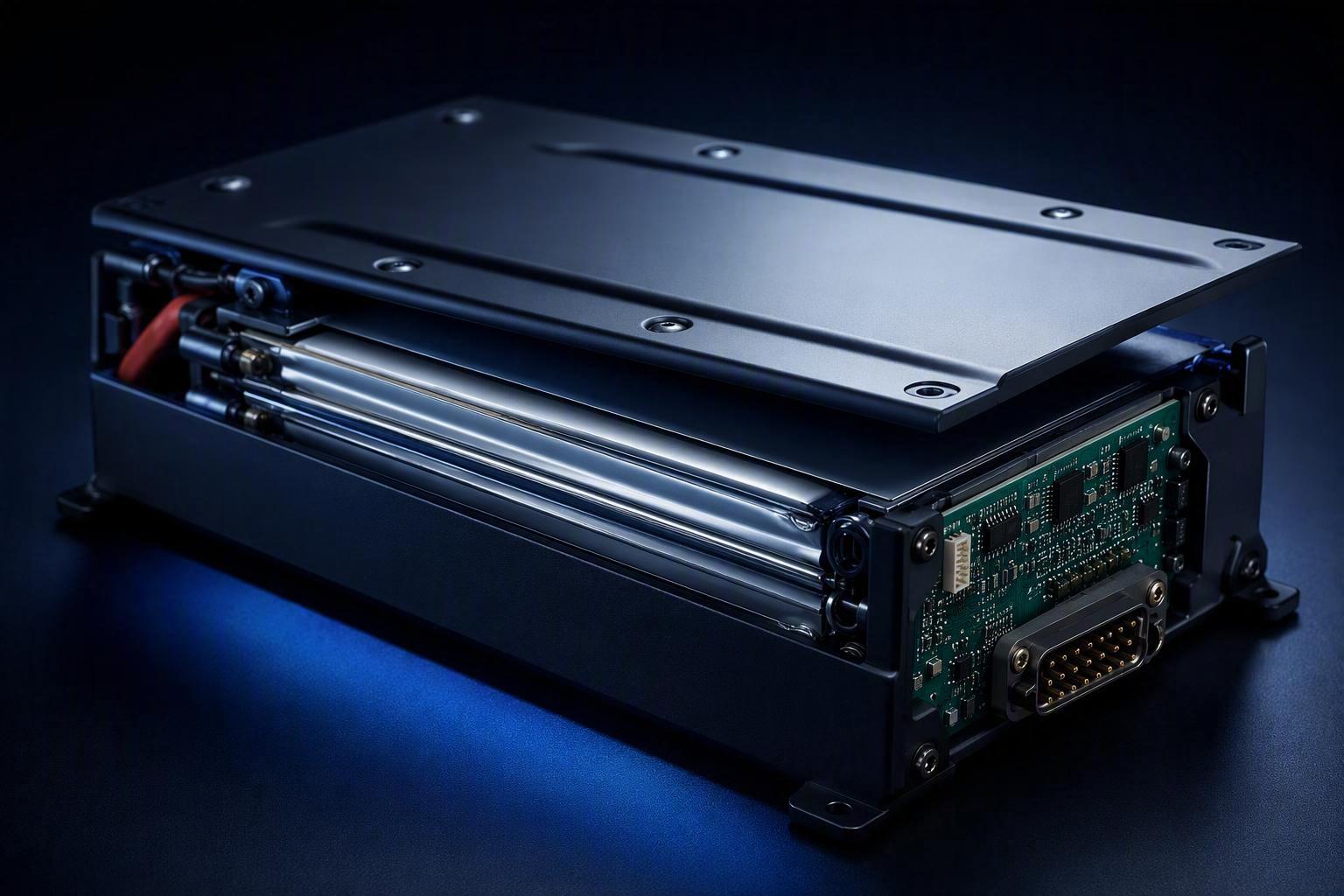
3. Advanced BMS Protective Interlocks
In experienced hands, manual battery management is risky; in a student environment, automated protection is mandatory. A smart Battery Management System (BMS) integrated directly into the battery pack provides active protection against common student and ground crew errors:
Overcharge & Over-discharge Protection: Prevents cell damage if a charger malfunctions or if a student flies past critical low-battery warnings.
Thermal Monitoring & Auto-Cutoff: Suspends charging or alerts the pilot when pack temperature exceeds predefined safety thresholds.
Active Cell Balancing: Continuously equalizes cell voltages during charge and discharge states to preserve pack health.
Smart Storage Mode: Automatically discharges idle packs to a safe storage voltage (3.80V–3.85V per cell) after a pre-set period of inactivity, preventing cell swelling.
4. Fast Turnaround Charging Efficiency
Flight academies cannot afford long ground delays between student sessions. Batteries supporting 2C to 3C fast-charging protocols allow flight centers to replenish packs safely in approximately 20 to 30 minutes depending on battery capacity and thermal conditions. When paired with smart thermal management chargers, fast charging reduces the total number of battery packs required per aircraft, directly lowering capital expenditure.
Example Training Drone Fleet Scenarios
Different training curricula impose distinct demands on drone airframes and power systems. The examples below reflect typical enterprise fleet configurations; actual deployments may vary based on regional aviation regulations, payload requirements, and airframe design:
Program Profile | Target Aircraft & Fleet | Key Technical Focus |
|---|---|---|
University UAV Program | Micro & 2–5 kg Multirotors | High safety, smart BMS telemetry logging |
Agriculture Drone Academy | 25–50 kg Heavy Spray Platforms | Heavy payload, high C-rate, quick swap |
Industrial Inspection Training | VTOL & Mapping Platforms | Steady voltage, long flight duration |
University UAV and Robotics Programs
Primary Objective: Teach aerodynamics, flight dynamics, manual stick control, and autonomous mission planning.
Fleet Configuration: A combination of sub-250g indoor quadcopters for initial flight controls and 2–5 kg multirotors for outdoor Part 107 practical flight testing.
Power Requirement: High safety margins and integrated BMS data logging. Universities require smart battery systems that output real-time telemetry (State of Charge, State of Health, cycle count) via CANBUS or SMBus to flight controllers, enabling students to analyze power consumption during lab sessions.
Agriculture Drone Academy
Primary Objective: Train commercial operators for crop spraying, precision mapping, and Part 137 agricultural application.
Fleet Configuration: Heavy-lift quadcopter or hexacopter platforms carrying liquid payloads (10L to 30L capacity).
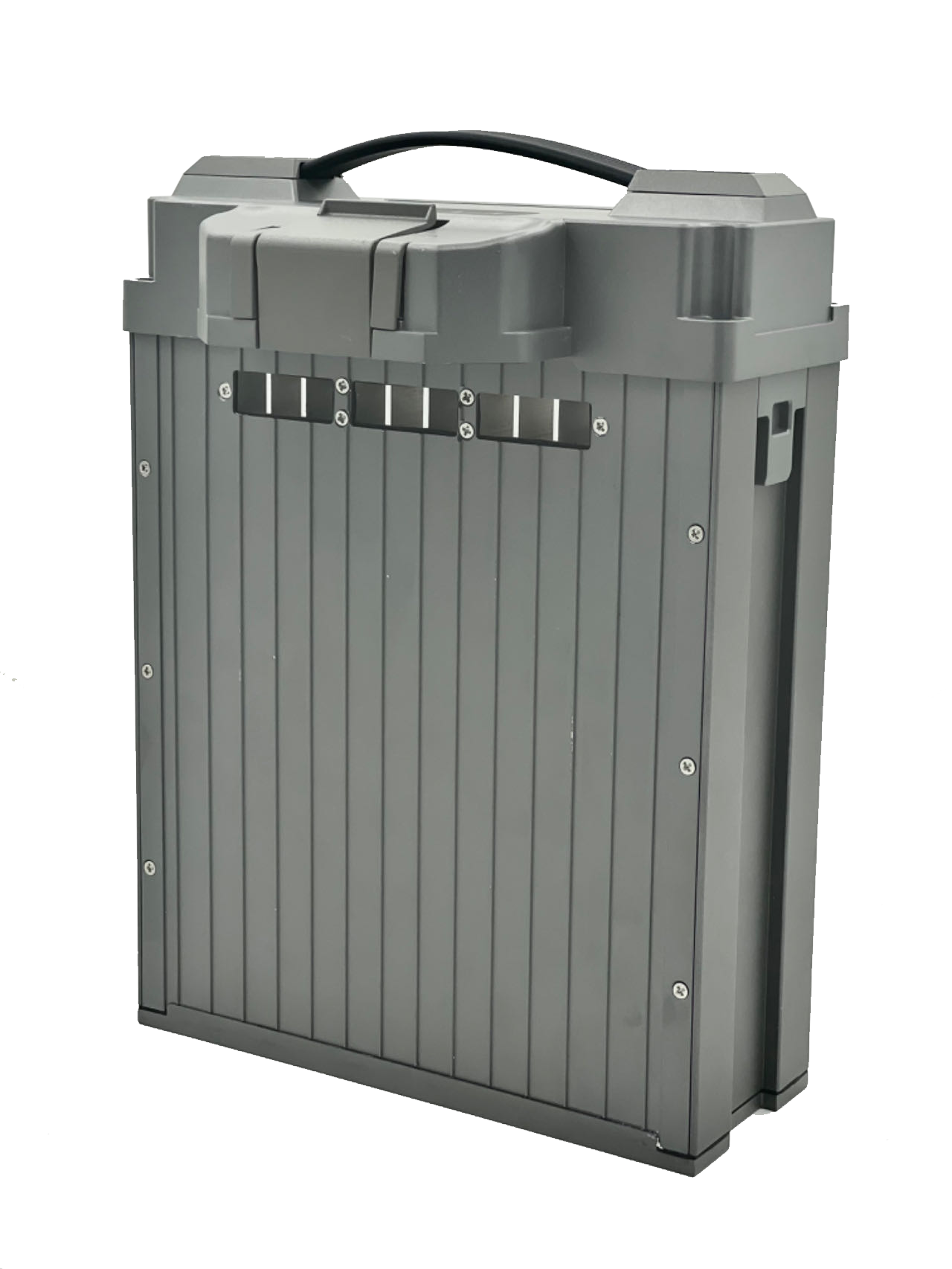
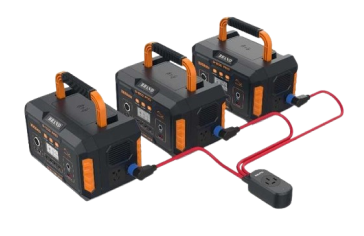
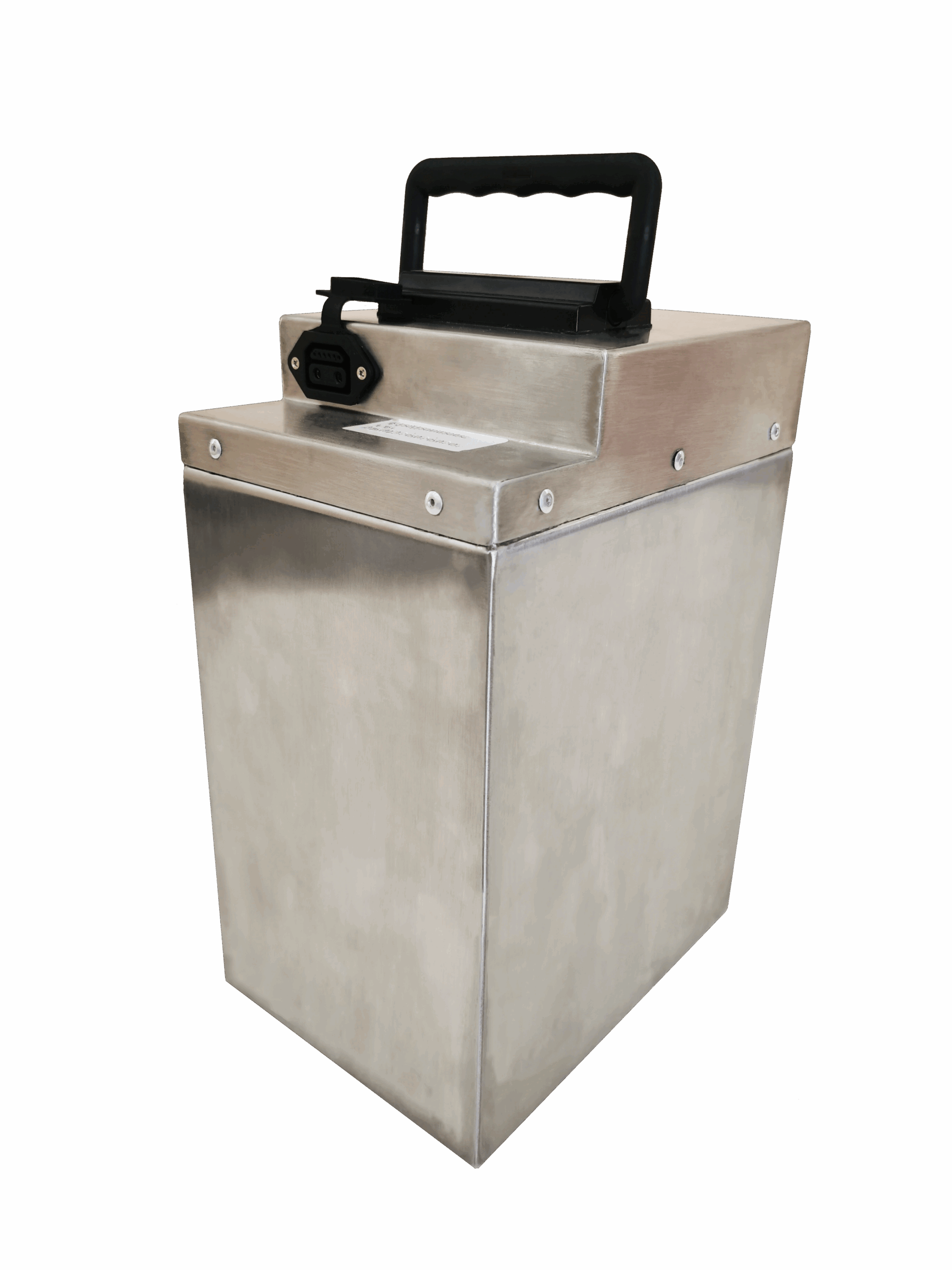
Power Requirement: Extreme current delivery and fast turnaround. Agricultural training involves high-mass takeoffs that demand continuous high discharge rates. Academies deploy heavy-payload custom battery architectures with high-current connectors (e.g., AS150U or QS8) paired with fast-charging generator stations for rapid field rotation.
Industrial Inspection and Mapping Academies
Primary Objective: Train pilots for long-range infrastructure inspection, thermal imaging, and LiDAR mapping.
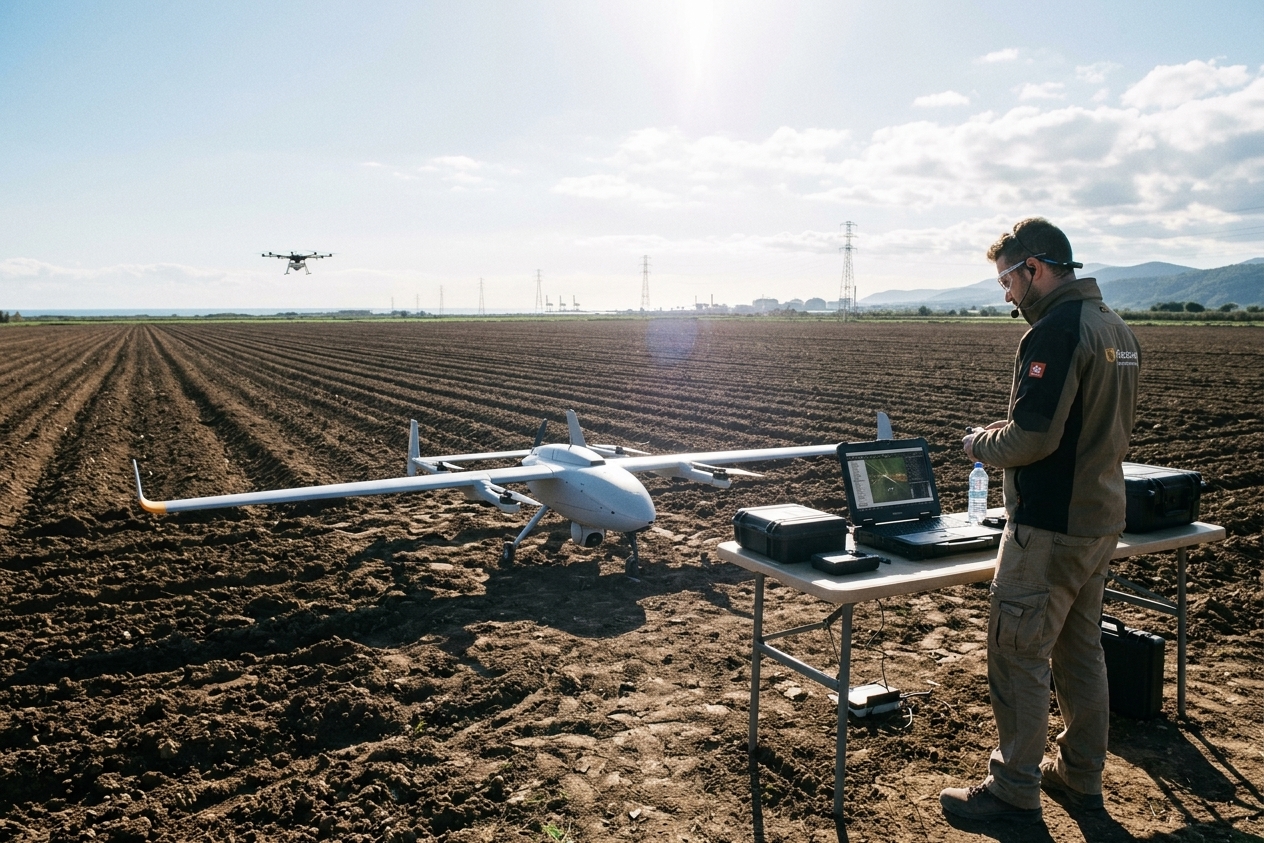
Fleet Configuration: Enterprise quadrotors and hybrid fixed-wing VTOL (Vertical Take-Off and Landing) aircraft.
Power Requirement: Steady voltage regulation and extended flight duration. Fixed-wing VTOL platforms transition from high-draw vertical hover to efficient forward flight. The power system must deliver high peak power during launch and land transitions while maintaining flat voltage discharge during cruise flight.
Building a Reliable Drone Training Ecosystem
Successful drone training operations rely on an integrated ecosystem where aircraft, battery hardware, charging infrastructure, and maintenance SOPs work seamlessly together.
When procuring hardware for professional UAV education programs, flight school directors should adopt a structured four-step framework:
Audit Curriculum Requirements: Match aircraft weight and capability directly to regional regulations, such as FAA Part 107 or EASA Open/Specific subcategories.
Standardize Fleet Power Platforms: Choose aircraft platforms that share common battery configurations (e.g., 6S, 12S, or 14S smart packs) to streamline charging setups and simplify inventory management.
Partner with Reliable Battery Manufacturers: Select suppliers that provide full transparency on cell chemistry, internal resistance, UN38.3 transport certifications, and custom BMS options. Partnering with an experienced OEM/ODM ensures access to industrial-grade cells engineered for long cycle life and thermal stability.
Implement Strict Battery Maintenance SOPs: Establish clear protocols for flight logging, charge management, storage voltage enforcement, and cell retirement.
자주 묻는 질문
What drone weight class is best for beginner flight training?
For initial flight training, sub-250g micro drones are ideal for indoor stick-and-rudder practice because they present minimal kinetic risk and lower repair costs. For official commercial pilot certification (such as FAA Part 107 or EASA A2/A3 practical exams), training schools transition students to standard 2 kg to 5 kg enterprise multirotors equipped with full GPS, optical flow positioning, and dual-operator instructor control systems.
How many battery packs should a flight school purchase per training drone?
Many training programs typically maintain several battery packs per aircraft to support continuous rotation, with the exact quantity depending on charging speed, course schedule, and flight intensity. For example, deploying higher-power smart charging systems (supporting 2C–3C charging) can reduce the total required pack inventory, as packs can be safely recharged in approximately 20 to 30 minutes depending on battery capacity and thermal conditions.
Why do consumer drone batteries fail prematurely in training programs?
Consumer drone batteries are designed for occasional hobbyist flights (1–2 flights per week) rather than daily, high-throughput training schedules. When subjected to continuous back-to-back student flights, rapid charging, and high-ambient temperatures, consumer cells suffer rapid thermal degradation, internal resistance growth, and premature swelling—often experiencing significant capacity loss after relatively limited cycle counts under intensive commercial usage.
What battery certifications are required for drone training centers?
Training institutions must ensure their battery inventory holds valid transport and safety certifications, including UN38.3 (safe transport of lithium batteries), CE, and UL compliance. These certifications are required for legal transport, insurance coverage, and compliance with institutional facility fire safety standards.
Next Steps
Building an efficient drone training program requires aligning compliant airframes with a robust, high-throughput power ecosystem. Choosing the right battery architecture directly impacts daily flight capacity, operational safety, and overall fleet cost efficiency.
When planning custom fleet configurations or evaluating specialized power requirements, training directors can consult with experienced power engineering specialists at Herewin’s Custom UAV Power Center to receive tailored technical guidance on cell chemistry, thermal optimization, and smart BMS integration.
 한국어
한국어  English
  Español
  Deutsch
  Français
  日本語
日本語  Русский
  Bahasa Indonesia
  ไทย
ไทย  العربية
  Português do Brasil
  Italiano
  Nederlands