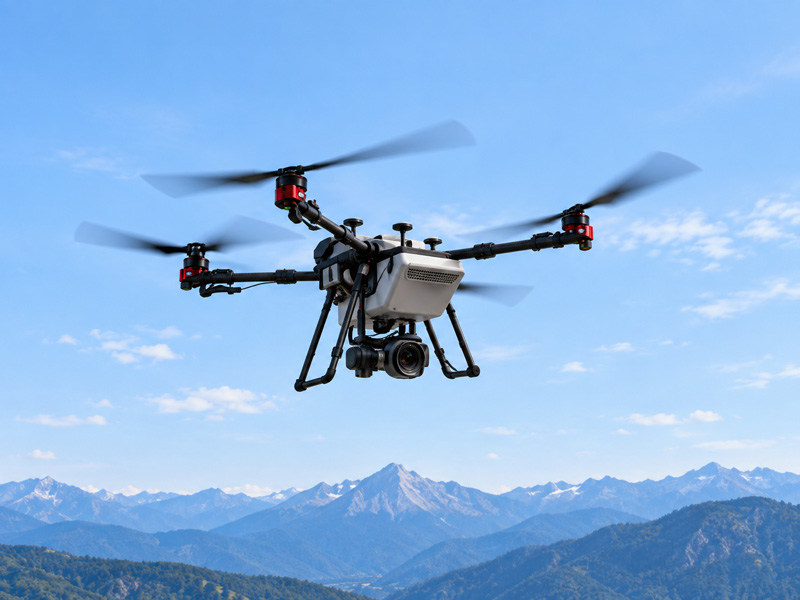


For years, the UAV industry has tried to solve performance limitations through better aerodynamics, smarter flight control systems, and lighter airframes.
But across industrial drone operations, a different constraint is becoming impossible to ignore: Energy density.
In many real-world missions, the limiting factor is no longer whether a drone can technically fly. The real question is whether it can complete a commercially useful mission before battery swaps, voltage sag, or payload compromises begin to reduce operational efficiency.
This problem is especially visible in:
- Heavy-lift logistics drones
- Long-range FPV platforms
- Agricultural spraying UAVs
- Mapping and inspection systems
- Emergency response aircraft
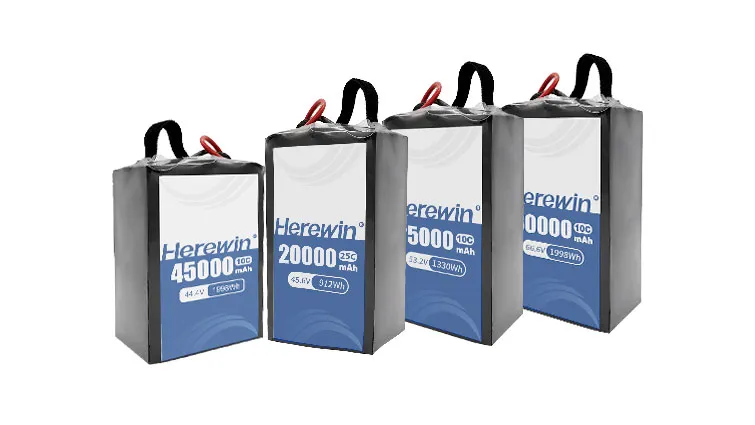
Traditional lithium-ion batteries have supported the industry for years, but most commercial UAV systems still operate within a practical energy-density ceiling of roughly 200–250Wh/kg. That limitation increasingly affects range, payload capacity, flight stability, and fleet economics.
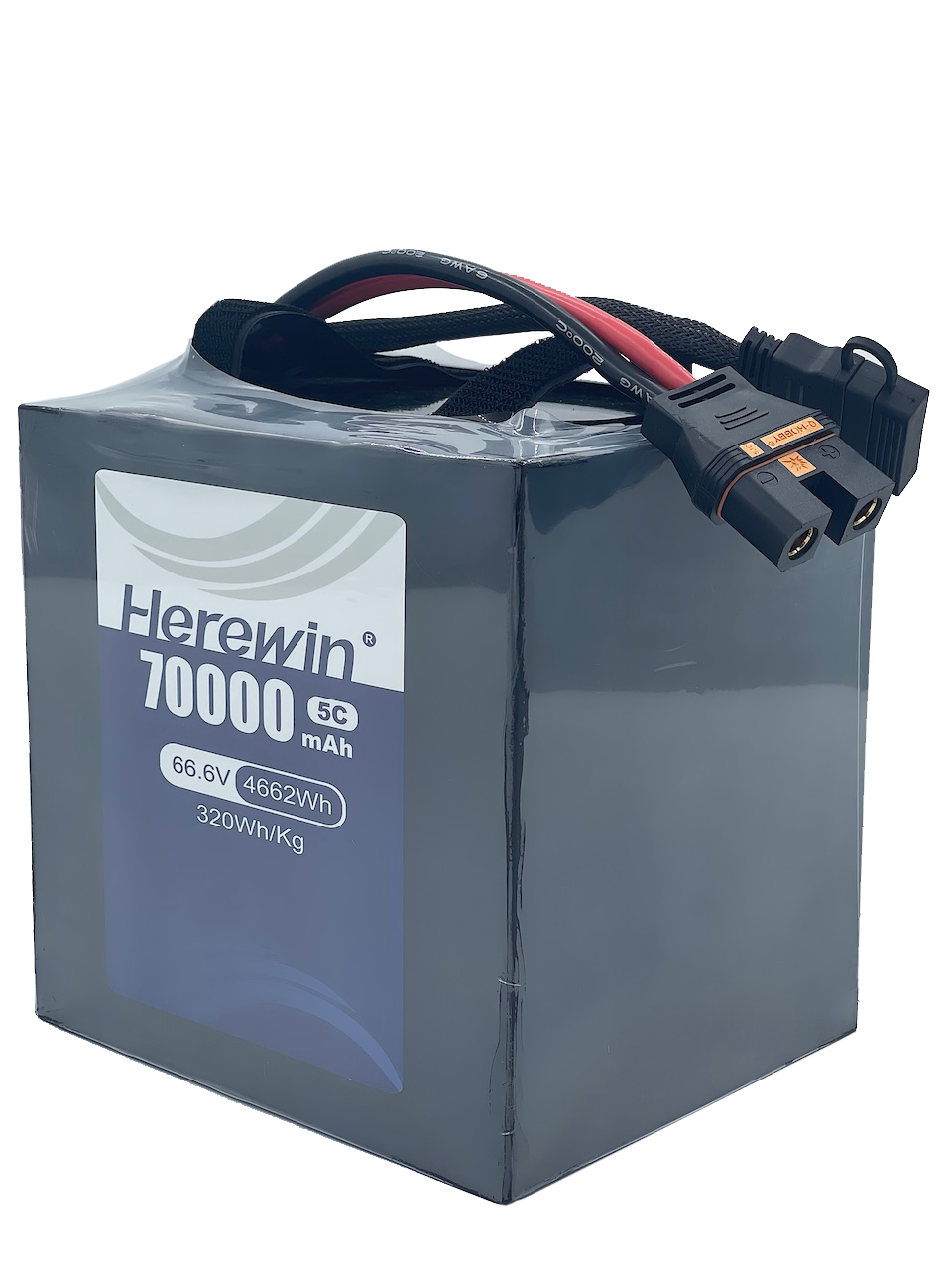
This is why 400Wh/kg semi-solid-state UAV batteries are attracting so much attention.The interest is not simply about “longer flight time.”
What makes these batteries important is their potential to improve the entire operational equation of industrial drones:
- Higher payload efficiency
- Longer mission radius
- Fewer battery swaps
- Better power-to-weight performance
- Improved safety potential
- Lower downtime per operation cycle
The technology is still evolving, and large-scale adoption will not happen overnight. But for many UAV manufacturers and commercial operators, semi-solid-state batteries are starting to look less like an experimental upgrade — and more like a foundational shift in next-generation drone system design.
Why Traditional UAV Batteries Are Reaching Their Limits
The drone industry’s battery problem is no longer just about endurance.It has become a system-level constraint affecting mission capability, aircraft design, and operational profitability.
Flight Time Improvements Are Getting Harder
Most traditional lithium-ion UAV batteries deliver around 200–250Wh/kg.
For lightweight consumer drones, that may still be acceptable. But in industrial environments, those limits become increasingly restrictive.
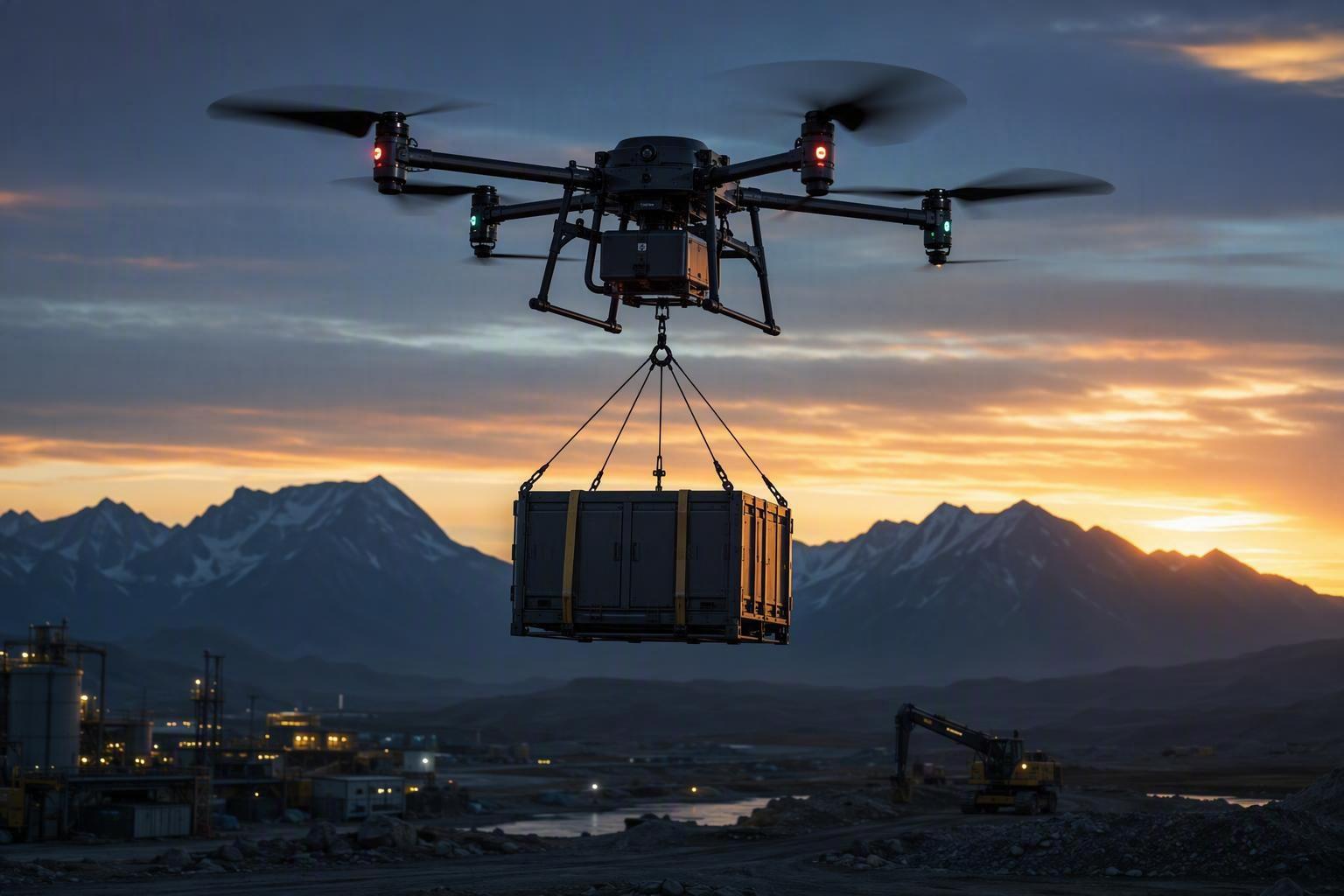
A logistics drone flying a long-distance delivery route, for example, may need to carry battery mass far heavier than the actual cargo itself. Agricultural drones lose productive spraying time because of repeated landings and battery changes. Mapping UAVs often sacrifice sensor payload to preserve flight endurance.
At this stage, many operators are no longer asking:“Can the drone fly longer?”They are asking:“Can the drone finish more work per deployment cycle?”
That is a very different engineering problem.
Battery Weight Is Starting To Reduce Operational Efficiency
Low energy density creates a compounding issue inside UAV systems.
To extend endurance using conventional lithium batteries, manufacturers usually increase battery size and pack weight. But every additional kilogram allocated to the battery reduces the aircraft’s flexibility elsewhere.
The tradeoff becomes especially severe in industrial applications where drones must carry:
- LiDAR systems
- Thermal cameras
- RTK modules
- Inspection sensors
- Agricultural payloads
- Delivery cargo
At that point, battery weight stops being just a power issue. It becomes a payload-efficiency issue.
This is one reason why many heavy-lift UAV platforms now face diminishing returns with traditional lithium-ion architecture.
Safety Risks Become More Serious at Industrial Scale
Battery safety is also becoming harder to ignore as drones move into higher-power and longer-duration missions.
Traditional lithium-ion systems rely heavily on liquid electrolytes, which remain vulnerable to:
- Thermal runaway
- Swelling
- Leakage
- Internal short circuits
- Fire risk under mechanical damage or overheating
For industrial UAV fleets operating in:
- High-temperature environments
- Remote infrastructure zones
- Wildfire monitoring
- Heavy-load operations
battery reliability is no longer only a technical concern. It directly affects operational risk and regulatory acceptance.
What Makes 400Wh/kg Semi-Solid-State Batteries Different
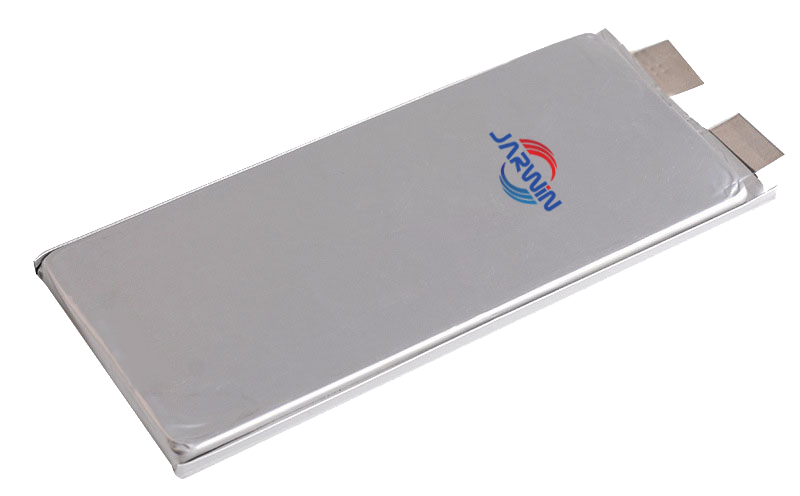
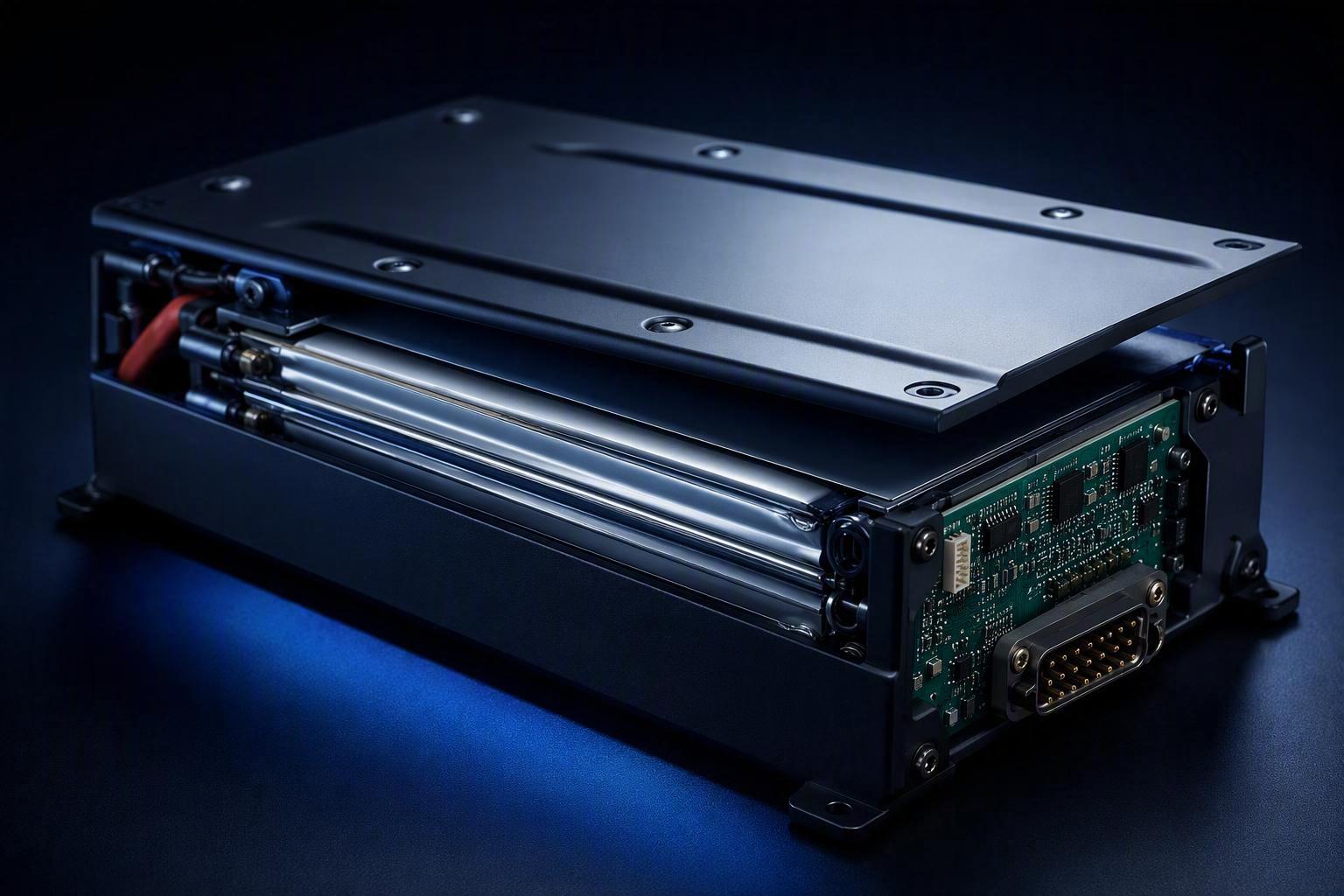
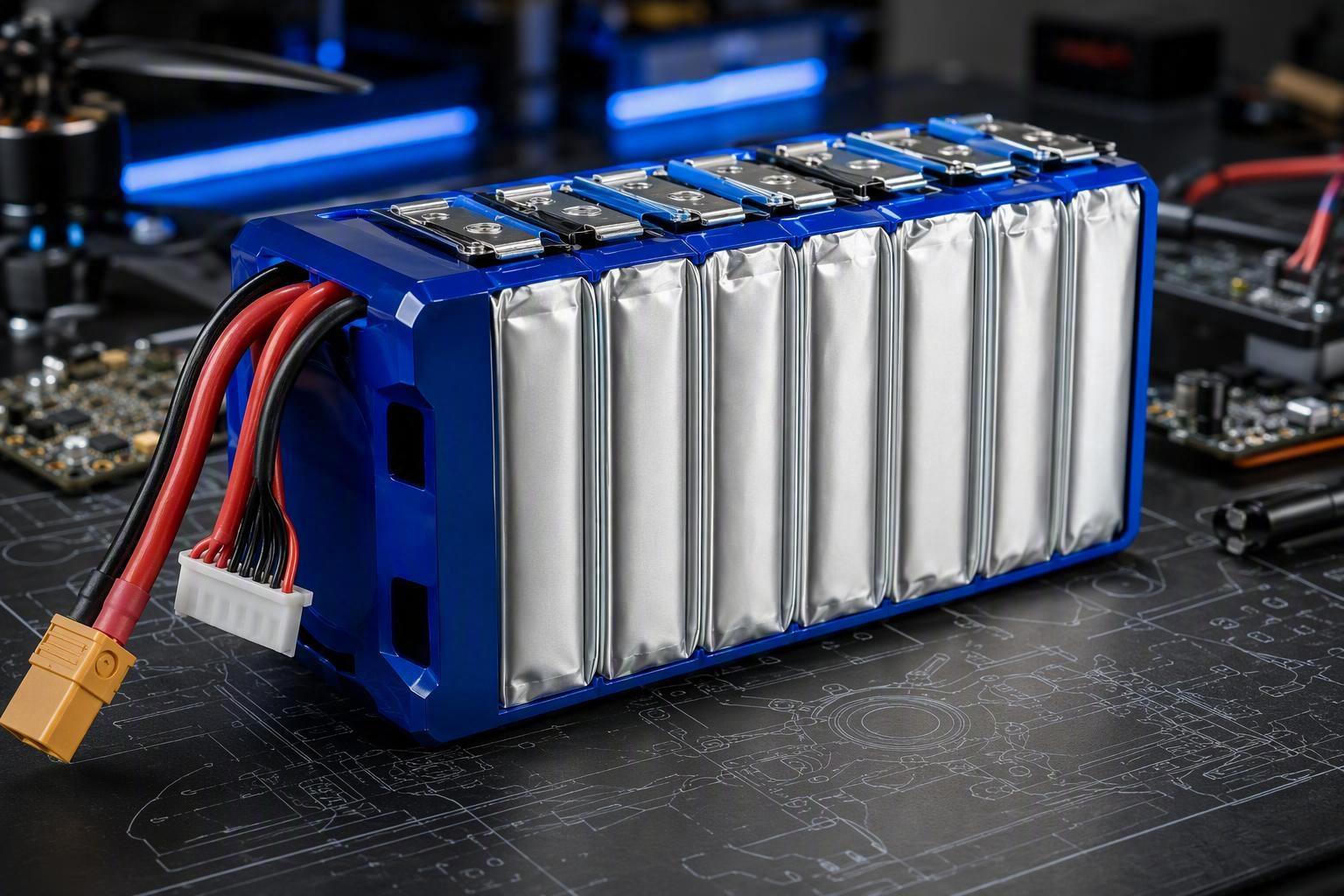
Semi-solid-state batteries sit between traditional lithium-ion batteries and fully solid-state battery systems.Instead of using entirely liquid electrolyte, they combine:
- Solid-state electrolyte structures
- Limited liquid electrolyte content
This hybrid architecture is designed to improve both energy density and thermal stability while maintaining usable ion conductivity.
But the real reason the industry cares about these batteries is simple: 400Wh/kg changes the weight-to-energy equation.Compared with traditional UAV batteries operating around 200–250Wh/kg, semi-solid-state systems can potentially deliver nearly double the energy density.
That creates two possible advantages:
For the same battery weight:
- Longer flight endurance
- Greater mission radius
For the same energy requirement:
- Lower pack weight
- Higher payload capacity
That difference fundamentally changes how industrial UAVs can be configured.
The Biggest Breakthrough May Not Be Flight Time
Longer endurance is the headline feature.But in many commercial operations, the more important improvement is operational efficiency.
Fewer Battery Swaps Mean Higher Fleet Productivity
In industrial drone operations, battery replacement cycles create hidden operational costs:
- Downtime
- Labor interruption
- Charging logistics
- Additional battery inventory
- Mission delays
A UAV that flies 40–50% longer does not simply save energy.It can potentially:
- Complete more tasks per deployment
- Reduce operator interruptions
- Improve fleet utilization rates
- Lower cost per mission hour
For enterprise UAV operators, this matters more than marketing-level flight-time claims.
Payload Efficiency Improves Across Multiple Industries
Higher energy density also improves payload economics.
Instead of using most of the aircraft’s allowable takeoff weight for energy storage, more mass can be allocated to commercially useful equipment.
That matters in sectors such as:
Mapping and Surveying
Longer airborne operation allows larger survey coverage with fewer launches.
물류 및 배송
Higher payload-to-battery efficiency improves route viability.
Agricultural UAVs
More stable power delivery improves spraying consistency and wind resistance.
Emergency Response
Longer endurance allows drones to carry thermal imaging, communications equipment, or rescue payloads deeper into operational zones.
In many cases, the real value of semi-solid-state batteries is not simply “more flight time.”It is better mission efficiency per kilogram of aircraft weight.
Why Semi-Solid-State Battery Integration Is Still Difficult
Despite the advantages, these batteries are not plug-and-play upgrades.Several engineering challenges still limit large-scale adoption.
Existing BMS Architectures Are Often Incompatible
Semi-solid-state batteries behave differently from traditional lithium-ion packs.Differences in:
- Charge curves
- Internal resistance
- Thermal behavior
- Voltage response
Mean that existing UAV battery management systems may not properly optimize or protect them.Without proper BMS integration, operators risk:
- Overcharging
- Unstable discharge behavior
- Reduced cycle life
- Sudden power interruption
For UAV manufacturers, this means semi-solid-state adoption often requires redesigning parts of the power-management architecture itself.
Airframe Design May Need To Change
Battery integration also affects aircraft structure.Semi-solid-state packs may introduce different:
- Dimensions
- Thermal requirements
- Weight distribution characteristics
As a result, manufacturers may need to redesign:
- Battery bays
- Cooling systems
- Internal layouts
- Center-of-gravity balancing
This is especially challenging for existing UAV platforms originally optimized around conventional lithium battery geometry.
Cost Remains One of the Largest Barriers
At present, semi-solid-state batteries remain significantly more expensive than conventional lithium-ion systems.
The reasons include:
- Advanced materials
- Complex manufacturing
- Lower production scale
- Supply chain immaturity
For consumer UAV markets, pricing remains a major obstacle.But industrial operators increasingly evaluate batteries differently.Instead of comparing battery price alone, many enterprise buyers now focus on:
- Mission efficiency
- Fleet uptime
- Maintenance frequency
- Cost per completed operation
- Long-term operational ROI
That shift is important because it changes how next-generation UAV batteries are commercially evaluated.
Which UAV Sectors Will Adopt Semi-Solid-State Batteries First?
Not every UAV category will adopt semi-solid-state batteries at the same pace.The earliest adoption will likely happen in sectors where endurance and payload efficiency create direct economic value.
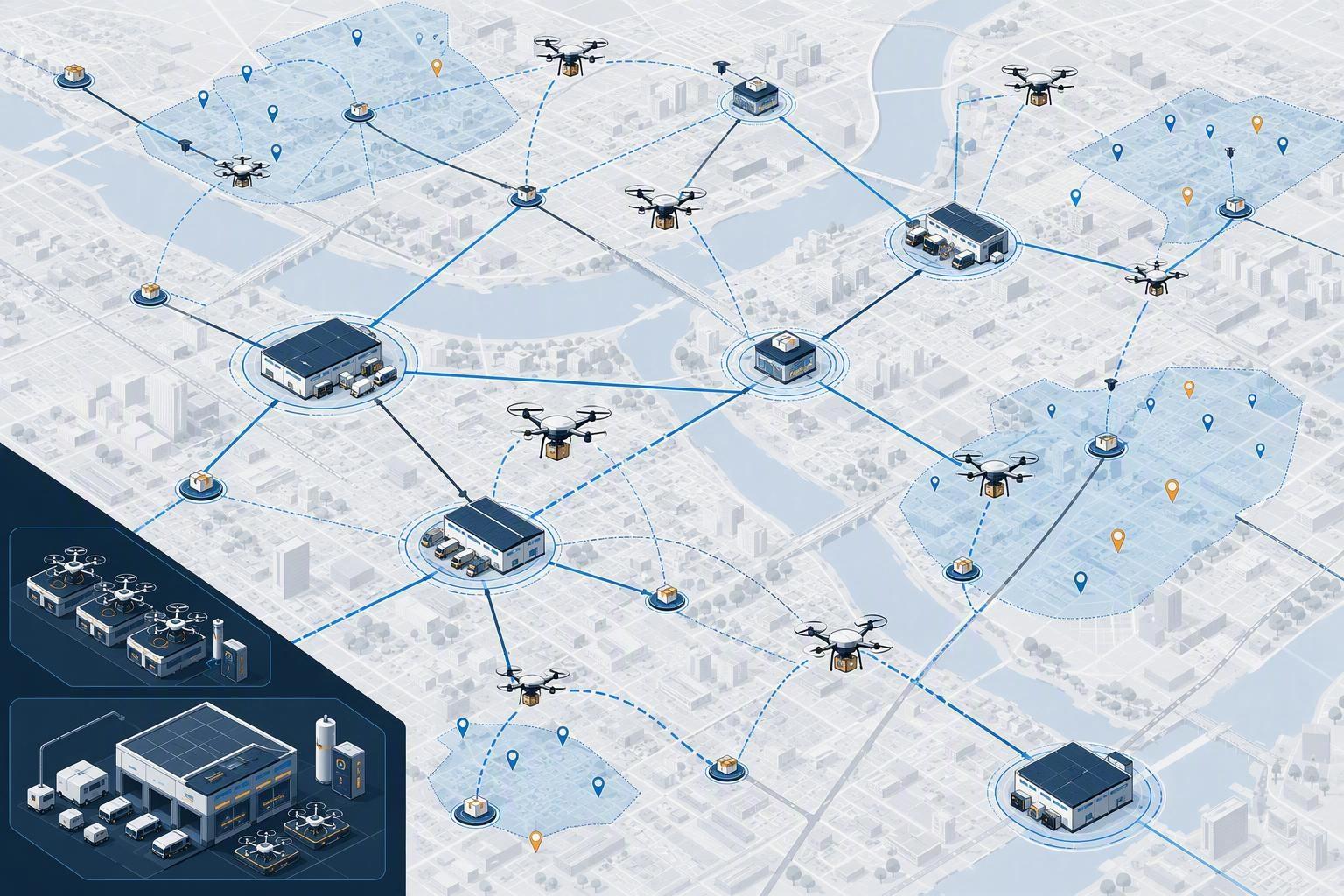
Logistics and Delivery UAVs
Longer range and fewer charging interruptions directly improve delivery economics.
Semi-solid-state batteries may help make:
- BVLOS delivery routes
- Remote-area logistics
- Rural medical supply transport
more commercially practical.
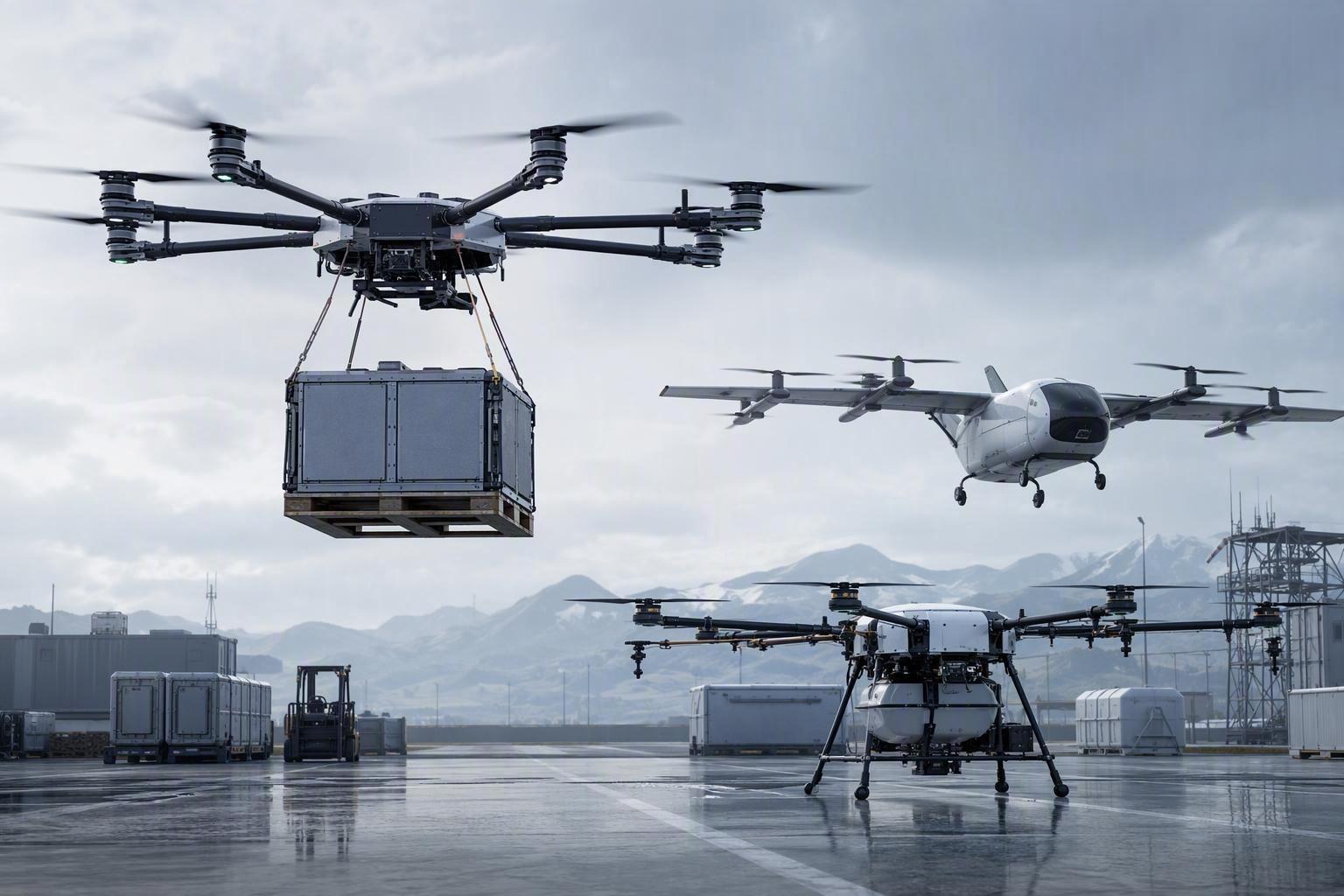
Heavy-Lift Industrial UAVs
Heavy-lift platforms face some of the industry’s most severe battery tradeoffs.
Higher energy density can improve:
- Payload ratio
- Flight stability
- Operational radius
- Mission flexibility
without excessively increasing aircraft size.
Surveying and Inspection Systems
Infrastructure inspection and mapping drones benefit heavily from longer airborne operation.
Extended endurance can reduce:
- Flight interruptions
- Relaunch frequency
- Project completion time
while improving large-area data continuity.
Emergency Response and Specialized Government Operations
Public safety and disaster-response UAVs often prioritize:
- Reliability
- Long-duration operation
- Rapid deployment
- Payload flexibility
These applications may justify higher battery costs earlier than price-sensitive commercial markets.
The Industry Is Moving Toward an Energy-Density Competition
For years, UAV competition focused heavily on:
- Flight control
- Airframe design
- Motor efficiency
- Sensor integration
Those areas still matter.But increasingly, industrial UAV performance is becoming an energy-density competition.
The companies that solve:
- endurance,
- payload efficiency,
- safety,
- and system integration
Will likely define the next phase of commercial drone capability.400Wh/kg semi-solid-state batteries are not yet the final answer.But they may represent one of the most important transitional technologies between today’s lithium-ion limitations and the future of high-end industrial UAV systems.And for many operators, the question is no longer whether the industry will move in this direction.It is how quickly the economics and engineering become practical enough for large-scale deployment.

 한국어
한국어  English
  Español
  Deutsch
  Français
  日本語
日本語  Русский
  Bahasa Indonesia
  ไทย
ไทย  العربية
  Português do Brasil
  Italiano
  Nederlands