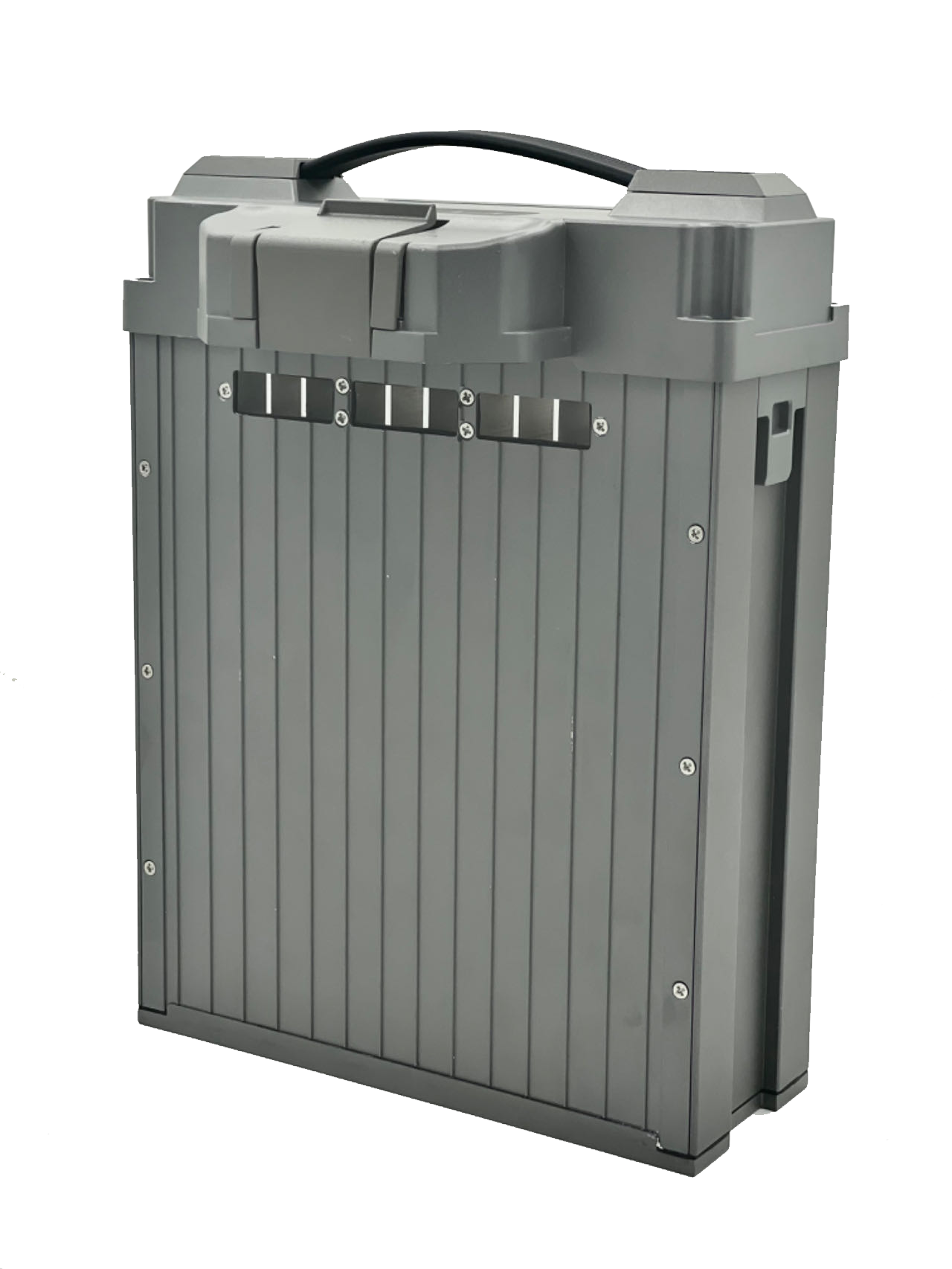
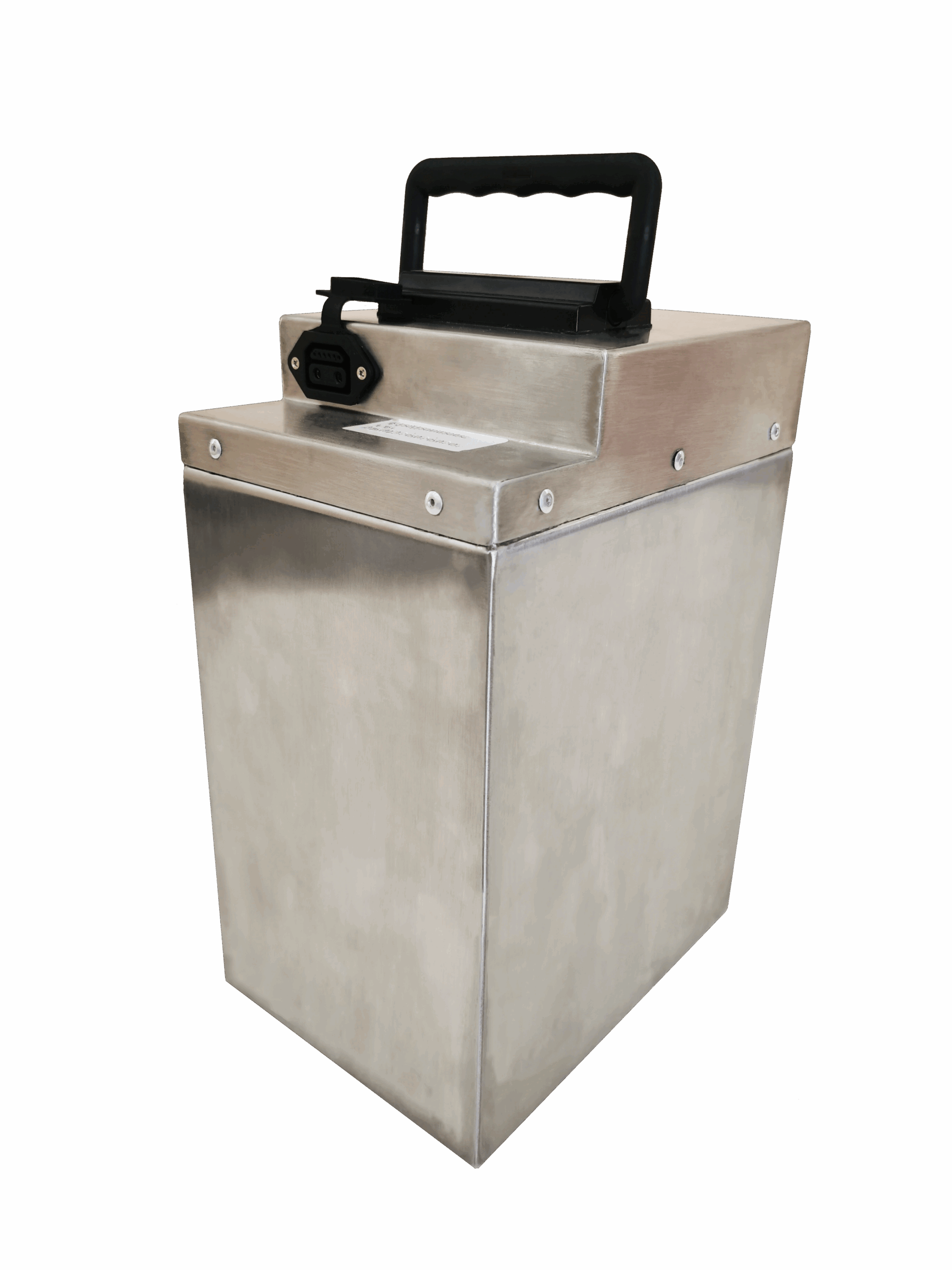
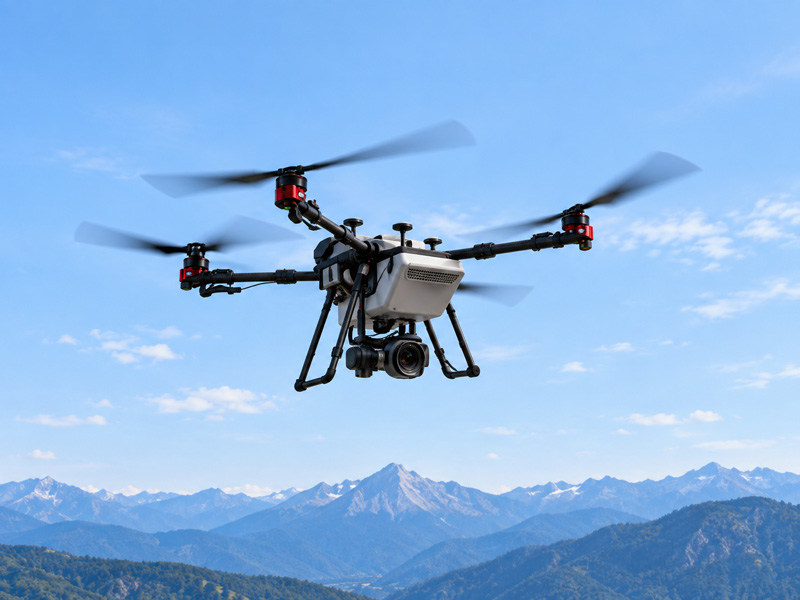

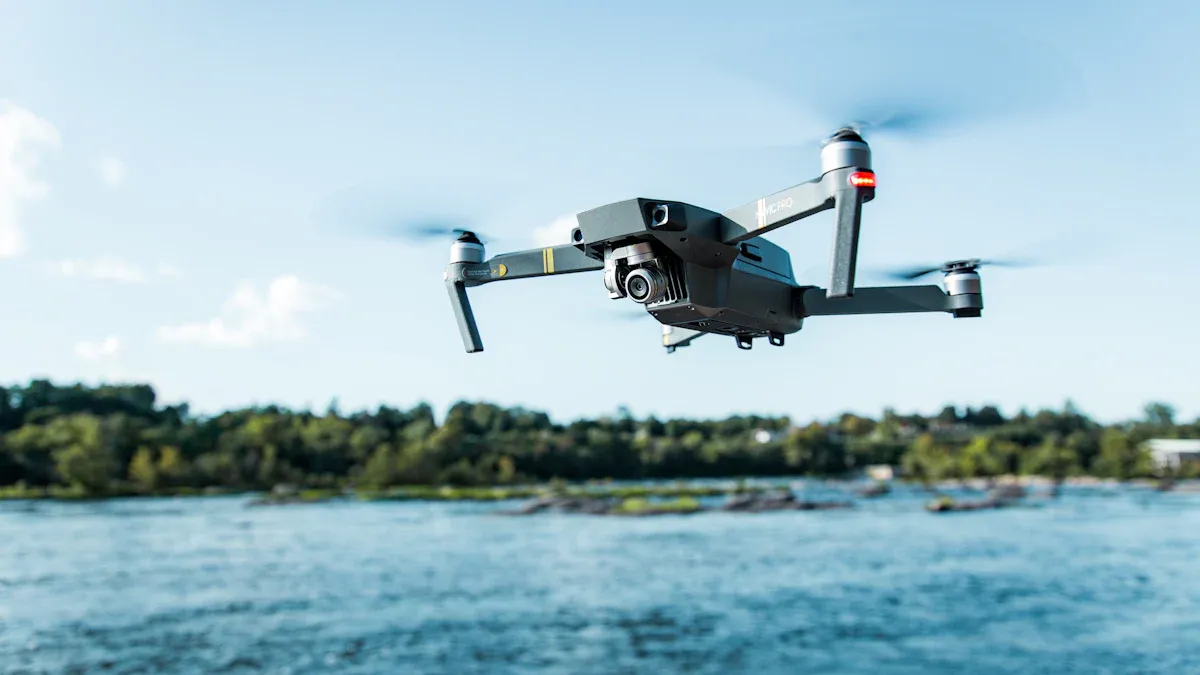
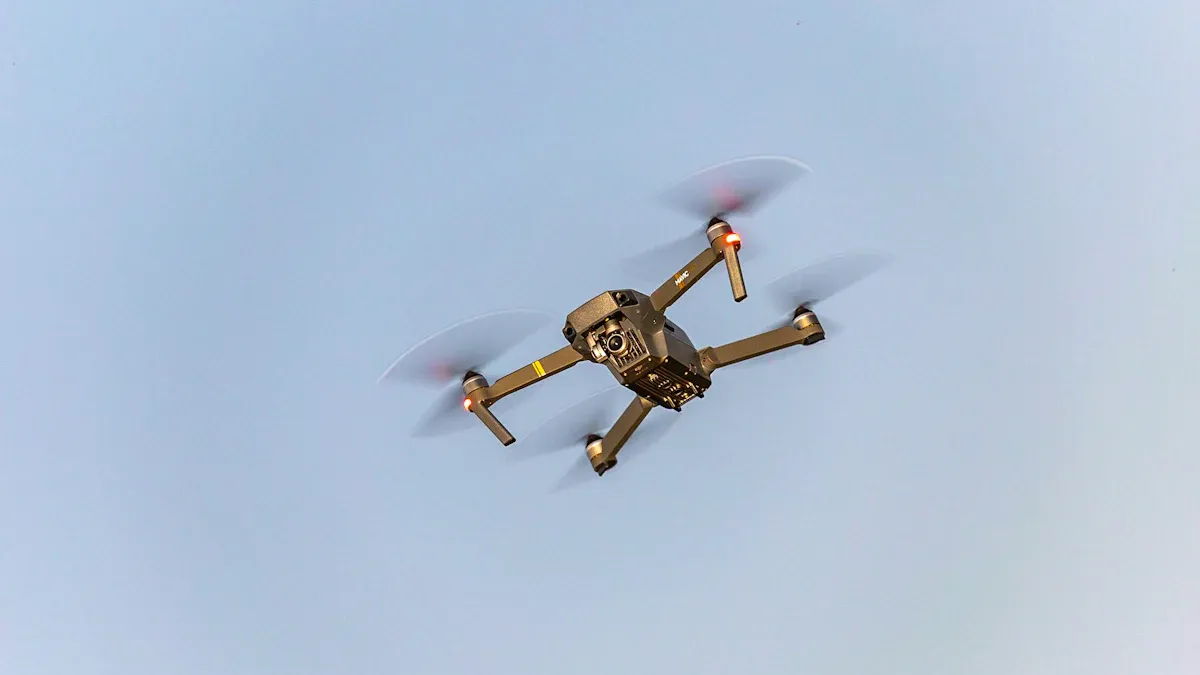
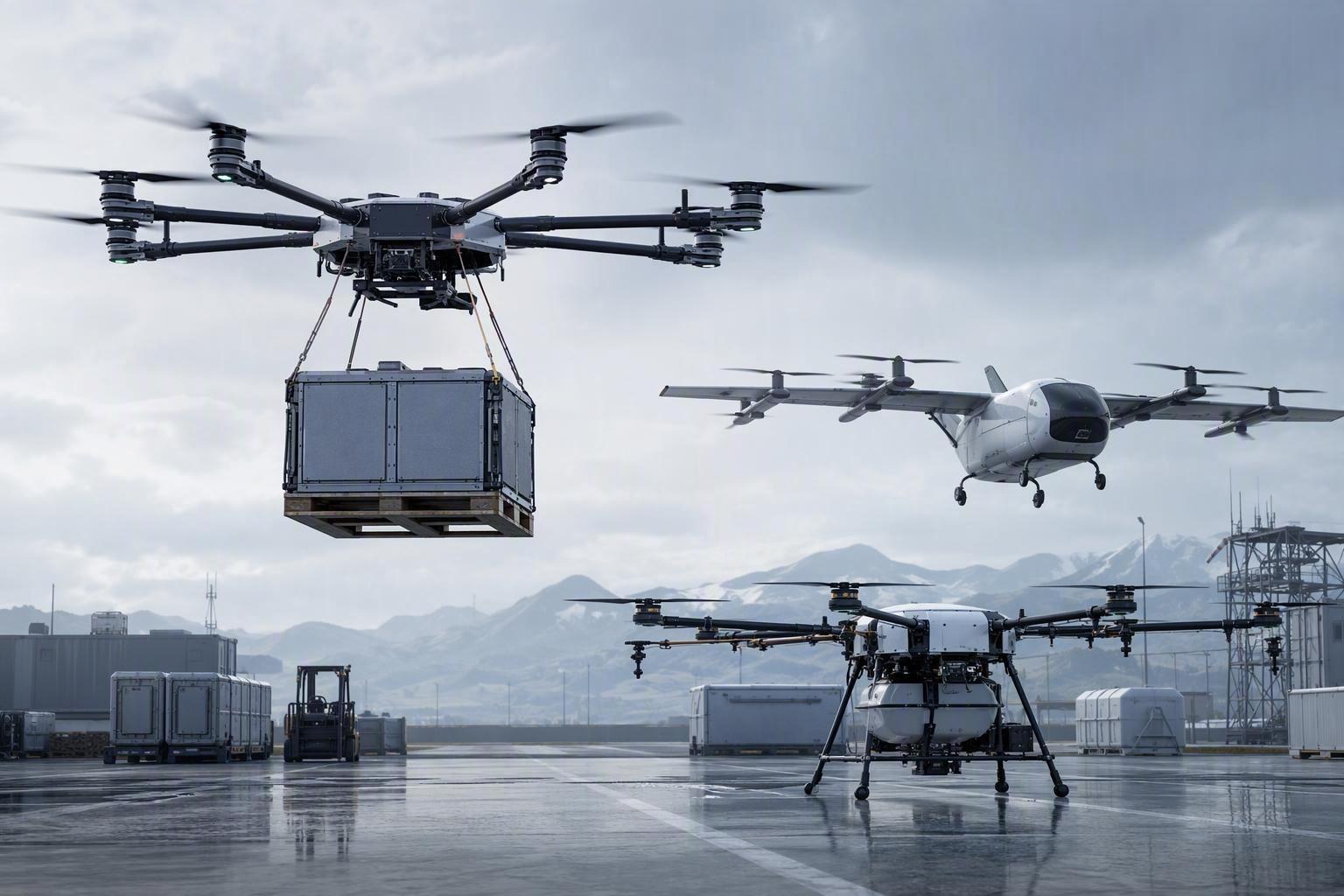
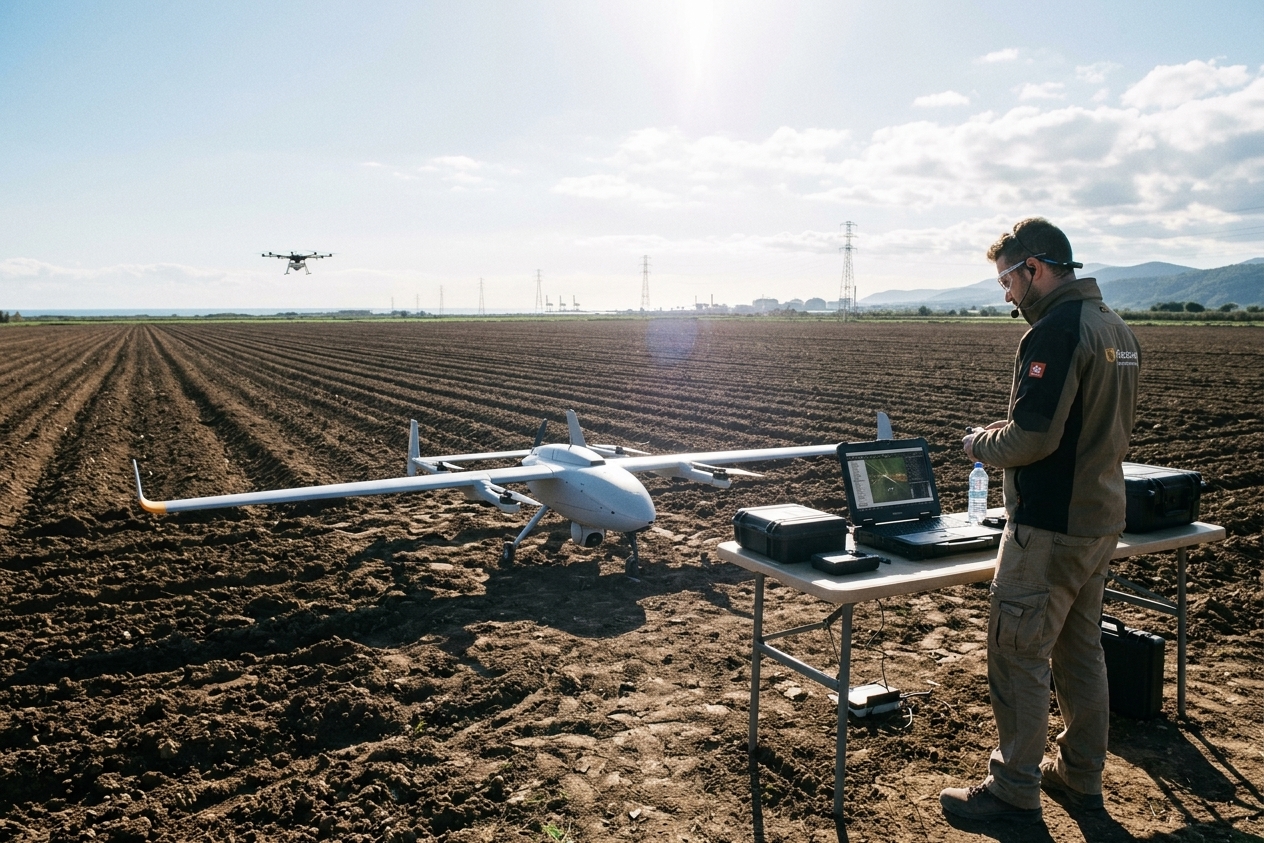
SAR drone battery operations rely heavily on the power provided by advanced drone batteries. Increasing payload demands, such as Lidar systems and medical supplies, push traditional lithium-polymer (LiPo) batteries to their limits. Extreme environments further challenge battery performance, making reliability essential. Semi-solid technology emerges as a mission-critical solution, offering high energy density between 300-400 Wh/kg and superior thermal stability. These features are no longer optional; they are necessities for ensuring successful and safe life-saving missions.
要点
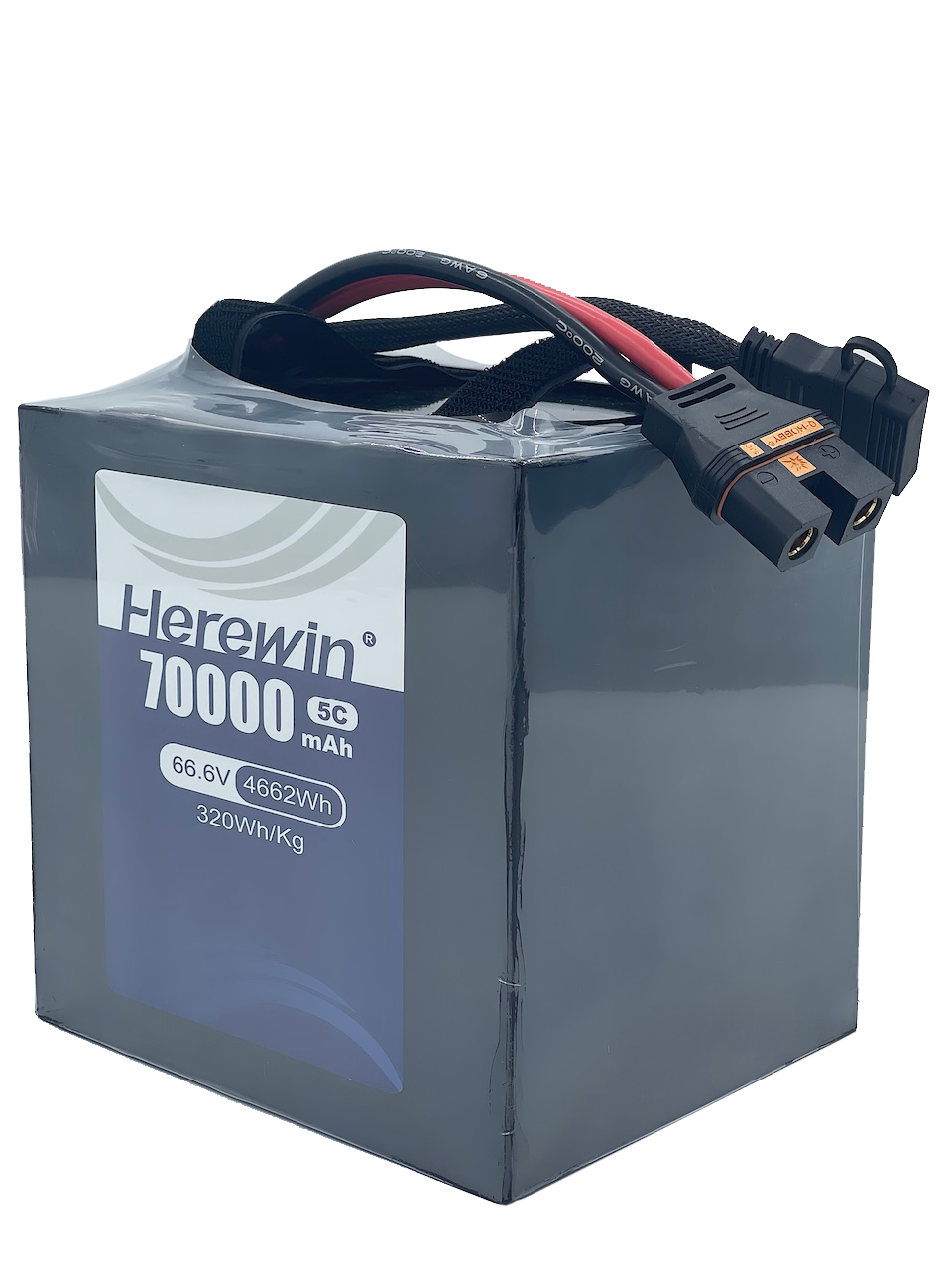
Achieves energy densities of 300-400 Wh/kg, significantly extending the “Search Endurance” of SAR drones to cover more ground during the critical “golden hour”.
Integrated thermal management ensures “Environmental Resilience”, maintaining stable performance in high-heat disaster zones or sub-zero alpine conditions (-20°C to 60°C).
Advanced soft pouch technology swaps battery weight for critical life-saving payloads, such as high-resolution thermal sensors or emergency medical supplies, without compromising flight agility.
Next-gen NCM-Silicon chemistry delivers 1,000+ optimized cycles (up to 1,200), maximizing “Asset Readiness” for emergency deployments and lowering Total Cost of Ownership (TCO).
Full compliance with international standards (UN38.3/CE) guarantees reliability for high-stakes global search and rescue operations.
Next-Gen Energy Density
400Wh/kg Silicon-Carbon Advantage
The integration of semi-solid NCM-Silicon chemistry marks a pivotal shift in SAR drone infrastructure. By utilizing advanced silicon-carbon anodes and alumina-coated solid electrolyte films, these systems achieve an energy density of up to 400 Wh/kg. This high-stability foundation far exceeds traditional liquid-electrolyte limits, functioning as a critical safety barrier against mission failure in high-stakes environments.
Expanded Search Radius: High energy density extends the search radius by up to 50%, allowing SAR teams to cover vast areas during the critical “golden hour”.
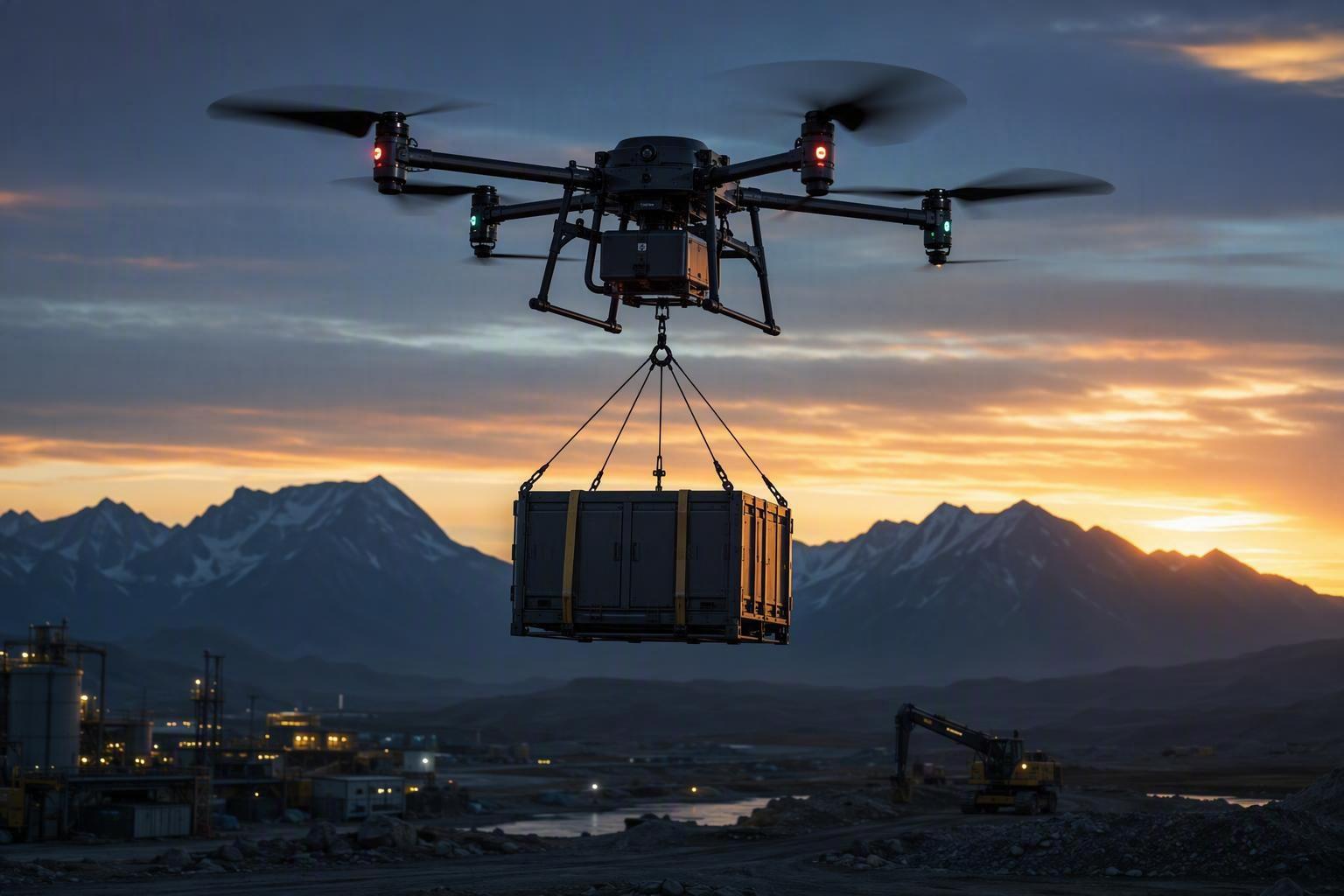
Heavy-Lift Payload Efficiency: The optimized weight-to-power ratio supports advanced Lidar arrays and emergency medical supplies, ensuring drones transport mission-critical gear without sacrificing velocity.
Thermal Risk Mitigation: Beyond density, the architecture inherently suppresses thermal runaway and cell-to-cell propagation. This ensures batteries remain mission-ready even under the high thermal stress of heavy-lift operations in extreme environments.
Maximizing SAR Search Radius
The semi-solid silicon-carbon anodes provide a robust solution for maximizing mission payloads. The lightweight design of these batteries contributes to overall drone performance.
Optimized Weight-to-Power Ratio: The combination of high energy density and reduced weight allows drones to carry more equipment without sacrificing flight time. This optimization is vital for SAR missions, where every second counts.
Reliability in Harsh Conditions: These batteries maintain performance even in extreme temperatures. Whether in sub-zero conditions or high heat, the semi-solid technology ensures that the drone battery life remains stable. This reliability is essential for SAR operations that often occur in unpredictable weather.
All-Weather Reliability
Sub-Zero Performance at -20°C
The semi-solid batteries designed for SAR drones excel in extreme cold, maintaining functionality at temperatures as low as -20°C. Unlike conventional liquid electrolytes, which can freeze and hinder performance, semi-solid systems retain ≥80% capacity retention. This resilience is crucial for missions in harsh winter conditions, ensuring operational resilience during life-saving deployments in extreme climates.
Temperature Range | Performance Implication |
|---|---|
-20 °C | ≥80% Capacity Retention; maintains robust discharge efficiency where liquid Li-ion fails. |
60 °C | Maintains structural integrity and suppresses anodic decomposition during high-output hovering. |
This capacity retention ensures that SAR drones can operate effectively in frigid environments, delivering critical supplies and support when needed most.
Superior Thermal Suppression
In addition to cold-weather performance, semi-solid batteries demonstrate remarkable stability in high-heat scenarios. By utilizing stable passivation surfaces and reducing liquid content to 5%-10%, these units suppress internal temperature rise and thermal propagation risks by up to 70%. This ensures that SAR drones maintain Environmental Resilience during sustained high-load Lidar scanning or emergency hovering in peak summer temperatures, preventing power degradation when every second counts.
Evidence Description | Result | Impact on SAR Missions |
High-Rate Thermal Control | 60% Reduction in Temp Rise Rate | Enhances “Environmental Resilience” during sustained high-load scanning. |
Low-Temp Performance | ≥80% Capacity Retention | Ensures reliable power output in alpine or arctic environments. |
NCM-Silicon Stability | 1,000+ Cycles (Up to 1,200) | Maximizes “Asset Readiness” for emergency deployments. |
Extreme Safety Testing | Structural Integrity Maintained | Eliminates the risk of secondary fires during crash-landing scenarios in sensitive disaster zones. |
These technical features provide a robust safety margin for SAR drone operations. By maintaining thermal stability under high loads, this technology ensures that mission-critical performance is never compromised by battery instability, even in extreme heat.
Soft Pouch Structural Safety
20% Weight Reduction via Aluminum-Plastic
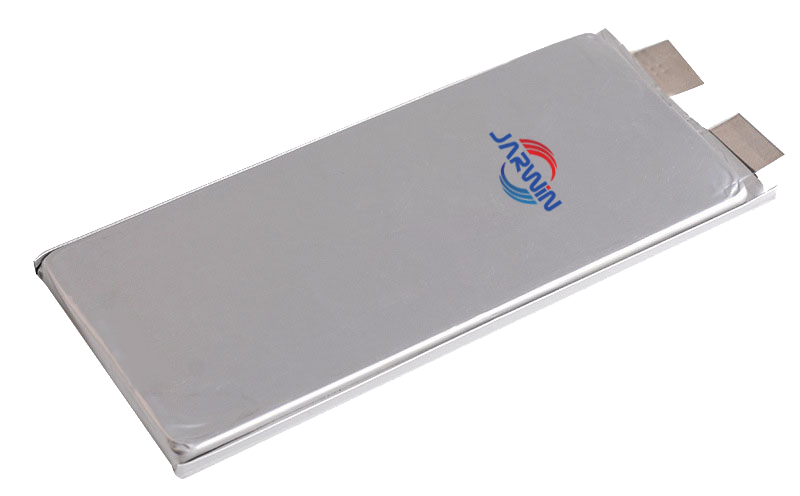
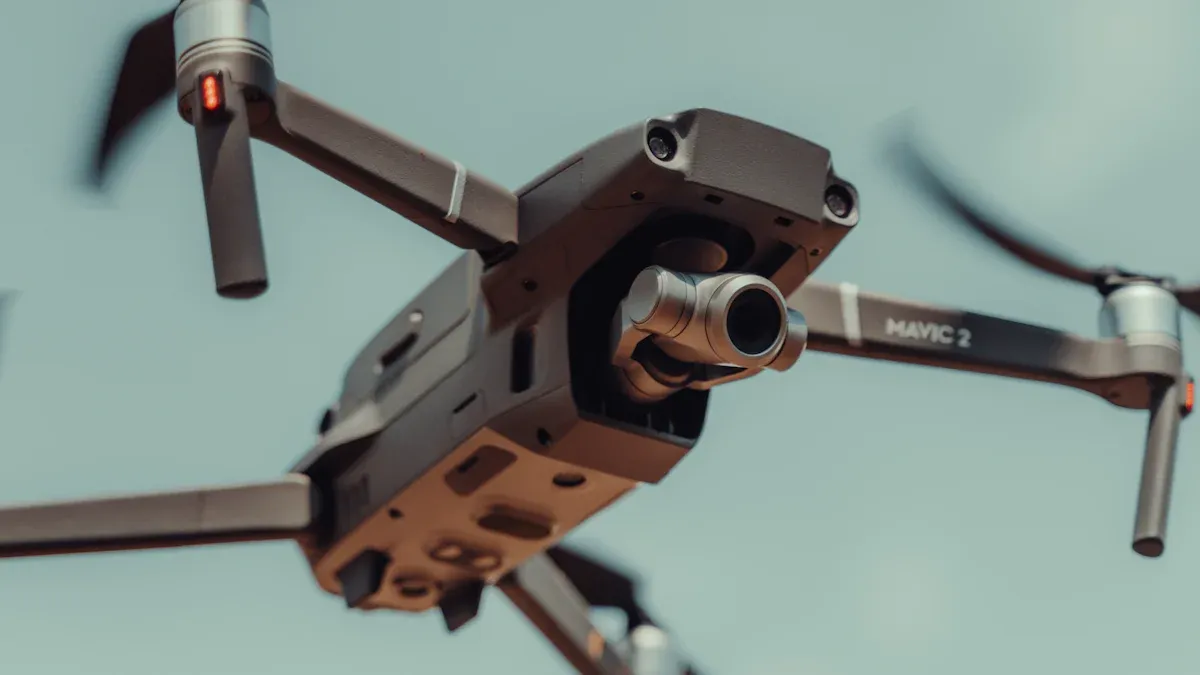
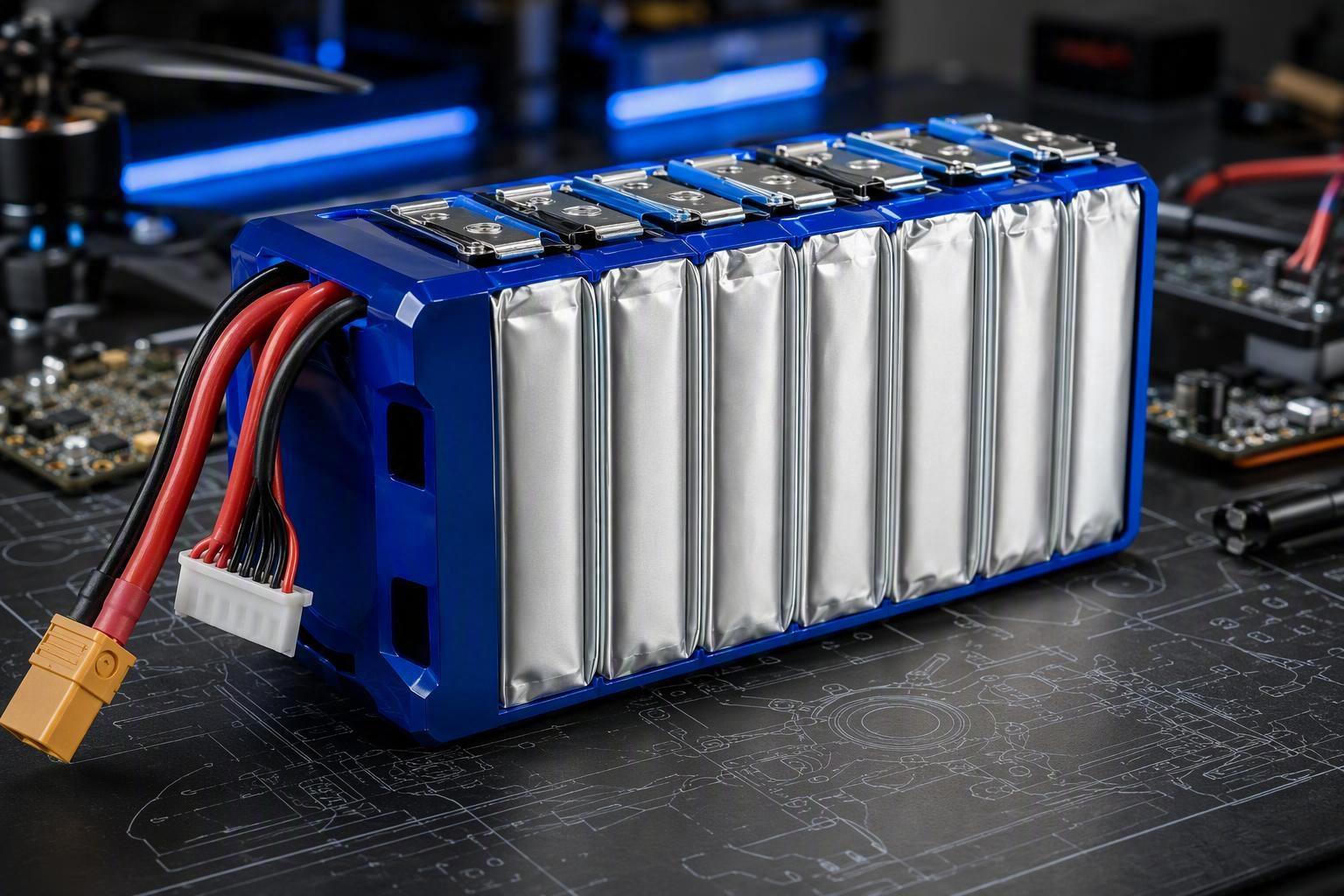
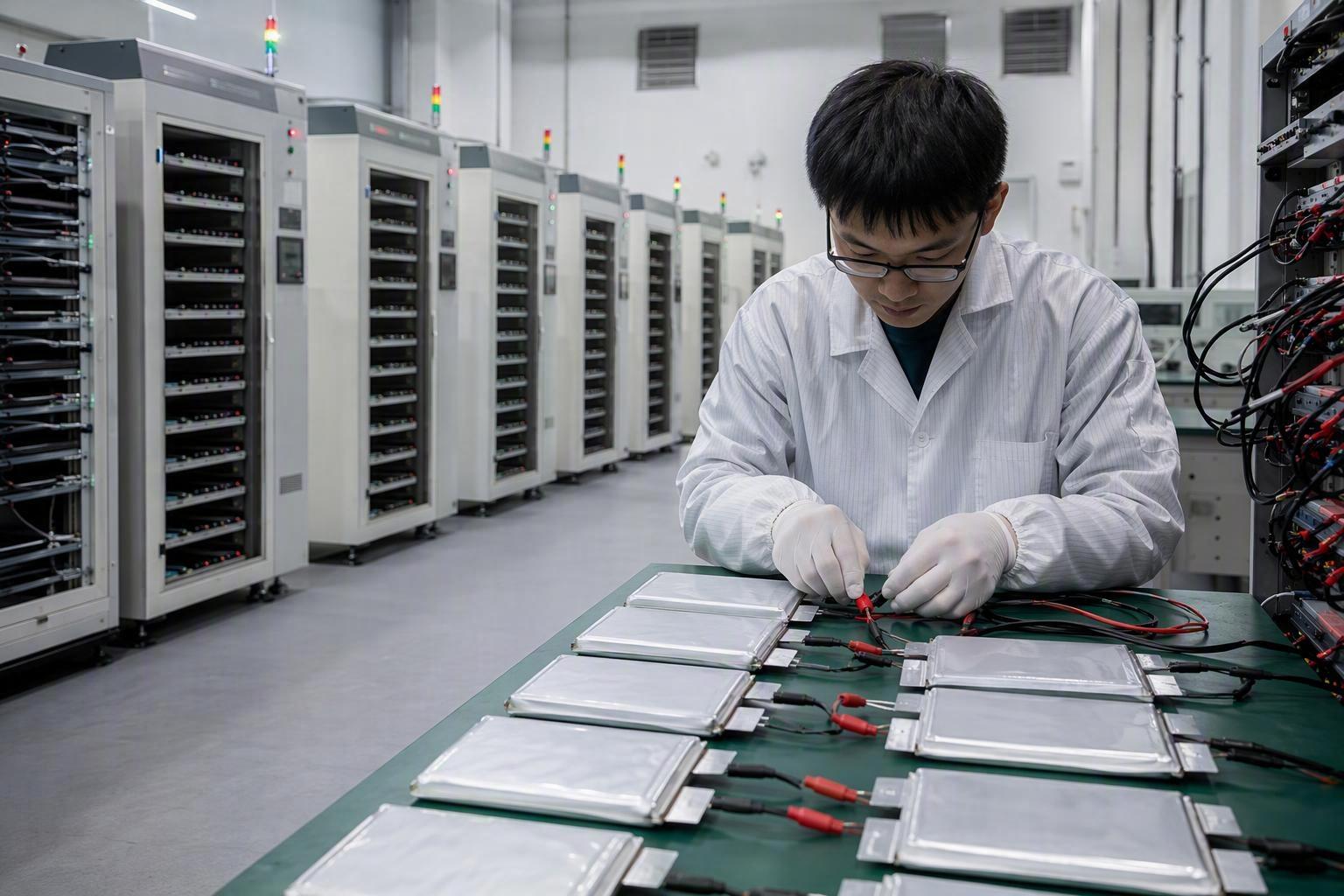
Soft pouch technology replaces traditional metal shells with lightweight aluminum-plastic film, achieving a 20% reduction in weight. This optimized weight-to-performance ratio allows SAR teams to swap battery weight for critical life-saving payloads, such as high-resolution thermal sensors or emergency medical supplies, ensuring drones can transport necessary gear without sacrificing flight agility.
Maximizing “Search Endurance”: By utilizing alumina-coated solid electrolyte films that reduce separator thickness by 30%, the soft pouch design maximizes internal space for active materials. This architecture pushes the energy density toward the 400 Wh/kg frontier, providing the necessary endurance for extended search missions.
Structural Resilience in the Field: The flexible nature of the pouch format prevents structural damage caused by the natural volume expansion of cells during rapid charge/discharge cycles. This resilience ensures that the battery remains a reliable asset during high-frequency emergency deployments, protecting the power system from the mechanical stresses of rugged field operations.
Impact Resilience and Thermal Safety
Semi-solid soft pouch batteries provide a critical safety buffer during high-stakes SAR operations. In rigorous nail penetration and overcharge tests, these units maintain structural integrity, ensuring that the battery itself does not become a hazard even after severe mechanical impact.
Secondary Fire Mitigation: The semi-solid architecture eliminates the risk of secondary fires during crash-landing scenarios in sensitive disaster zones, such as forests or structural ruins.
Thermal Stress Management: A 60% reduction in the internal temperature rise rate ensures consistent power delivery during high-load Lidar scanning or rapid ascent in peak summer conditions.
Mechanical Durability: Designed to withstand the rigors of field operations, the flexible aluminum-plastic pouch protects the cell’s internal chemistry from the mechanical stress and vibrations typical of extreme SAR environments.
Fleet ROl and Compliance
1,000+ Cycles Asset Longevity
The introduction of next-generation semi-solid systems significantly enhances fleet longevity. These systems achieve 1,000+ optimized cycles (up to 1,200), which reduces replacement frequency and maximizes “Asset Readiness” for rapid emergency response. By utilizing soft pouch architectures that prevent damage from volume expansion during cycles, these batteries function as a reliability “hedge” against equipment failure during high-stakes missions.
Operational Continuity: Organizations ensure mission-readiness through 2-3x longer service life compared to traditional high-density LiPos, minimizing the logistical burden of frequent battery rotations.
Increased Availability: Reliable power ensures drones remain mission-ready for extended deployments, reducing downtime for battery management and ensuring a higher sortie rate in disaster zones.
This innovation in battery design not only improves the lifespan of drone batteries but also contributes to overall energy efficiency. As a result, SAR operations can rely on consistent, mission-critical performance without the constant need for technical troubleshooting or battery management.
Certified Global SAR Deployment
Compliance with international safety standards is crucial for SAR drone operations. These advanced semi-solid state batteries meet stringent certification requirements, ensuring reliability across various environments.
Global Standards: These batteries comply with regulations such as UN38.3 and CE, facilitating international deployment.
強化された安全機能: The advanced design minimizes risks associated with thermal runaway, making them suitable for high-stakes missions.
As drone technology continues to evolve, the focus on energy density and safety will drive further innovations. Future advancements may include even higher energy densities and improved thermal management systems, enhancing the capabilities of SAR drones.
The shift toward semi-solid architecture marks a pivotal advancement in SAR infrastructure. By balancing ultra-high energy density with a lifespan of up to 1,200 cycles, this technology doesn’t just extend flight time—it fundamentally lowers the Total Cost of Ownership (TCO).
As mission demands evolve, these power solutions provide the critical endurance and safety needed to protect lives in the world’s most challenging environments.
Contact our engineering team today to explore how these advanced semi-solid solutions can empower your next SAR mission
よくあるご質問
What is a semi-solid state battery?
A semi-solid state battery is an innovative system with a liquid electrolyte content reduced to 5%-10%. It utilizes a solid electrolyte to suppress lithium dendrites while maintaining high ion conductivity, significantly enhancing safety for high-demand applications like SAR drones.
How does temperature affect battery performance?
Temperature significantly impacts traditional batteries, but semi-solid units maintain ≥80% capacity at -20°C. In high heat, they reduce the internal temperature rise rate by 60%, ensuring structural integrity and mission reliability.
What are the advantages of soft pouch technology?
Soft pouch technology replaces metal shells with aluminum-plastic film, achieving a 20% weight reduction. Combined with solid electrolyte films that reduce separator thickness by 30%, this design maximizes internal space for higher energy density.
How long do semi-solid state batteries last?
These batteries deliver 1,000+ optimized cycles (with a technical ceiling of 1,200). This longevity significantly reduces replacement frequency and lowers the Total Cost of Ownership (TCO) for drone fleets.
Are Herewinpower batteries compliant with international standards?
Yes, these advanced semi-solid batteries meet stringent international safety standards, including UN38.3 and CE certifications. This compliance ensures they are safe for global deployment in high-stakes SAR operations.
こちらも参照
The Importance Of Semi-Solid State Batteries For Drones
How Semi-Solid State Batteries Enhance Drone Performance
Understanding Semi-Solid State Batteries In Drone Technology
Exploring The Role Of Semi-Solid State Batteries In Drones
The Necessity Of Semi-Solid State Batteries For Advanced Drones
 日本語
日本語  English
  Español
  한국어
한국어  Deutsch
  Français
  Русский
  Bahasa Indonesia
  ไทย
ไทย  العربية
  Português do Brasil
  Italiano
  Nederlands