




A battery that passes prototype validation proves one thing: the design can work. It does not prove the supplier can reproduce that design consistently at production scale. As order volumes rise, differences in manufacturing processes, quality controls and production planning matter more than they did during sample development.
So the evaluation question is not “can this supplier make our battery?” It is whether the supplier can run a manufacturing system your program can depend on. That is why choosing a UAV battery OEM partner should involve more than approving a prototype; it means evaluating the manufacturing system behind it.
That evaluation is harder for North American OEMs, because distance compounds it. A design question can be settled in a day when both teams share a time zone and a factory floor. Across an ocean and a customs border, every unanswered question turns into lead time and freight.
So the sections below follow the project itself, because the questions worth asking change as a program moves from prototype to pilot production to mass production.
Different Requirements at Each Stage of UAV Development
A supplier can answer one stage well and still fail the next.
Prototype Development is about design and feasibility. You need a supplier that can turn a requirement set into a working pack and iterate as test results come back.
Pilot Production is about the process. By this point the design is defined well enough to build, and the question becomes whether the process can hold the agreed requirements — and what still needs fixing before volume.
Mass Production runs on the baseline the pilot established, with the attention moving to consistency between lots, output targets and delivery.
Those are different capabilities, and each one is tested at a different point in the project. Most of the risk sits in the handover between stages, where the work passes from one team or one set of assumptions to the next.
Where Battery Suppliers Can Fall Short as Projects Scale
Some supplier weaknesses only become clear once volumes grow, which is why sample development rarely settles them.
Changes that never reach the line. A design tweak agreed in a call stays in an email thread, and production builds the previous revision.
Process knowledge that lives with engineers. A prototype may be assembled under close supervision. Scaling means writing that knowledge into work instructions and process controls.
Capacity assumed rather than planned. Orders are accepted on faith, and the ramp date quietly moves.
Functions working separately. Engineering, quality and production each answer their own question, and nobody owns the handover between them.
Most of this is hard to judge from a sample shipment. It tends to surface in the second or third production lot, when the work has to run without the original engineers standing at the line.
The takeaway is straightforward: a customized prototype proves engineering flexibility, not process control, and a supplier has to be evaluated on both.
From Engineering Samples to Pilot Production
Supplier engineering behaviour becomes visible in the transition from samples to pilot production. In the sample phase, problems are expected and cheap to fix. In the pilot phase, the same problem coming back tells you something about the process rather than the design. What matters is how the supplier turns a requirement into a controlled build step, and whether that step is documented well enough to survive a staff change. Some of that documentation is commercially confidential, but most suppliers can still share suitable evidence under a confidentiality agreement.
Engineering Collaboration and Design Changes
Start with whether the supplier can restate your requirement in manufacturing terms. A supplier that understands the project can separate the parameters fixed by the design from those set by the process, and knows which ones need a joint decision. If the reply is only a specification sheet, the requirement hasn’t really been discussed.
The feedback loop after sample testing matters more than the first result. Ask how test findings get back to you, who decides what changes, and where the change is recorded. Each engineering change forces engineering, quality, manufacturing and test to re-align, and a cluster of changes during new product introduction adds up fast. A supplier without a change process tends to absorb that cost in schedule.
Then check who actually talks to your engineers. A named R&D contact who can commit to a change is not the same as a sales channel passing questions along.
Moving from Prototype Samples to Pilot Production
Ask how the requirements fixed during sampling move into production — work instructions, control plans, inspection points, test limits — and whether the supplier has a standard process for this pack type or plans to improvise the line. A pilot that runs on hand-carried parameters has tested the engineers, not the process.
Quality Control and Batch-to-Batch Consistency
Quality is the part of supplier evaluation most often settled by looking at a sample, and that is also the least reliable way to settle it. A sample shows what a process can produce once. Batch consistency shows whether the supplier holds the same requirements across successive lots, different shifts and changing incoming material. What you are evaluating is the quality system, not the artifact.
The first output to ask for from a pilot run is the evidence for that: process data such as first-pass yield, rework and defect records, and a log of corrective actions with the affected unit or lot noted. What matters isn’t the size of the dataset; it’s whether the supplier keeps the data at all and can use it to judge readiness.
Quality Control Throughout the Manufacturing Process
Pack quality control should reach back past the end of the line: incoming materials, assembly, in-process inspection and final release. Ask the supplier to walk you through each gate.
Incoming material inspection. How are cells and other incoming components verified, and against what acceptance criteria? This gate catches variation before it reaches assembly, and cell selection and matching do the rest of the work on consistency.
In-process quality control. Which characteristics get checked during assembly, at which stations, and by what method? Welding and interconnection deserve particular attention.
Final inspection. What is tested on every unit, what is sampled, and what is validated separately? End-of-line voltage and polarity checks confirm basic electrical condition, but they don’t replace capacity testing or tell you anything about service life.
Quality documentation. Are inspection records produced as routine, and can they be retrieved for a specific unit later?
A supplier who can only describe final testing has described a small part of its quality system.
Batch Consistency and Production Traceability
Batch consistency is a claim about variation between lots, so the evidence has to be lot-level: data from successive builds of the same design, compared on the same characteristics. Ask for lot-level evidence rather than settling for a verbal assurance.
Traceability is what makes that comparison possible, and what makes a field issue investigable. Good traceability connects a finished pack to its production batch, cell lot, inspection records and the manufacturing steps that matter. With that in place, a manufacturer can investigate a problem, narrow down which units may be affected and decide whether corrective action is needed. In practice, three questions cover it: how units and lots are identified, which records are kept, and how far back a finished pack can be traced.
How a supplier handles non-conformances is worth a separate look. Fixing the immediate defect is a correction, not a root cause analysis. A useful corrective action explains why the problem happened, and its effectiveness is reviewed again once the change has run through more builds — that’s when you find out whether the cause was really addressed.
Production Capacity and Delivery Planning
Manufacturing capability answers a narrow question: can the supplier build the pack at all? Capacity and delivery planning answer the harder one — can it keep building it as your program grows, and who is accountable when the plan moves? Both are organisational questions rather than technical ones, and they usually decide how a long-term UAV battery OEM partnership holds up after the first production program is running.
Production Capacity and Scalability
Check capacity against your product, not against a headline plant figure. A large annual total says little about whether the equipment, lines and processes suit your pack format, your discharge profile and your order pattern.
Three questions get you there:
What production capacity is currently available for this battery type?
What changes would be required to support higher order volumes?
How much lead time is needed to increase production?
An answer worth trusting ties capacity to your specific model, and comes with a resource plan and a delivery commitment attached.
Delivery Planning and Supply Coordination
Delivery planning starts upstream. Ask how raw material and cell procurement is scheduled against your production dates, and what lead time the supplier assumes for the critical inputs. A delivery commitment that ignores cell lead time is a date, not a plan.
Three things carry most of the weight here. The first is whether cell and material procurement sits inside the production plan or runs as a separate purchasing activity. The second is whether sample, pilot and mass production orders get different lead times and queues — one quoted figure across all three usually means nobody has thought the transition through. The third is what happens when your forecast moves or a material slips: who coordinates the response, and who can re-sequence the line.
Technical Communication and After-Sales Support
Capacity and schedules only hold together if the people behind them stay reachable after the purchase order is signed. Ask for the responsibility split in writing: who owns a technical question, who owns a quality escape, and who owns the commercial conversation when a date moves. A supplier that routes every issue through one sales contact will slow down exactly the problems that need engineering input.
Support deserves the hardest push of all, and it is where a North American buyer has the most at stake. A manufacturer can ship into the U.S. and Canadian market without running warehouses, service teams or after-sales support there, and that gap only becomes obvious when a line is down.
So ask for specifics rather than assurances. Which entity handles a warranty claim, and in which currency? Are replacement packs or cells stocked on your side of the border, and if not, what is the realistic turnaround once customs is included?
Then ask who is actually reachable. Who is on call during your working hours — your engineers, or a sales office in another time zone? And when a production-stopping defect reaches your line, what response window applies, from containment through to sign-off? Export capability and local service capability are separate questions, so ask them separately.
How These Evaluation Questions Apply in Practice
We build UAV battery packs at Herewin, so the checklist above describes our own operation. It is also a standard we have to meet. What follows is how the earlier questions land when you put them to a supplier like us — who owns the work, how quality is held across lots, what the production flow actually looks like, and where support stops being a page in a brochure.
Take the question of who owns the work first. Our ODM and OEM scope begins at the front of a program — structural design, hardware and software, system integration — and runs through to manufacturing and after-sales. What that range is worth depends on staffing, so the question to put to us is who is assigned to your program, and how much of their time you actually get.
Design changes follow closely from that. Cell development and pack assembly sit inside the same company, so a pack design can be reworked around cell behaviour without a supplier boundary in the middle. The change record still has to exist, but the people who agree on it are in the same building.
Quality follows the same logic. Certifications are a starting point, not a guarantee, because what protects a program is how incoming inspection, in-process checks and batch records run for one specific model. That is also the level at which our batch records are kept: tied to the pack model under production rather than to the plant as a whole, which is what makes them useful in a review.
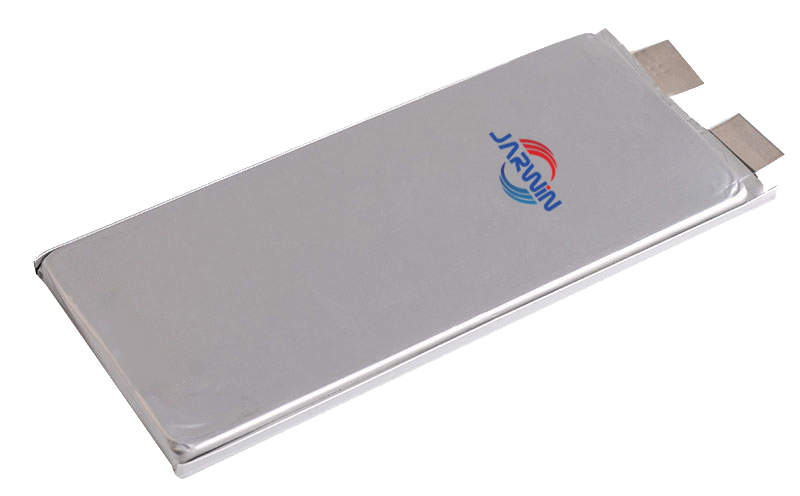
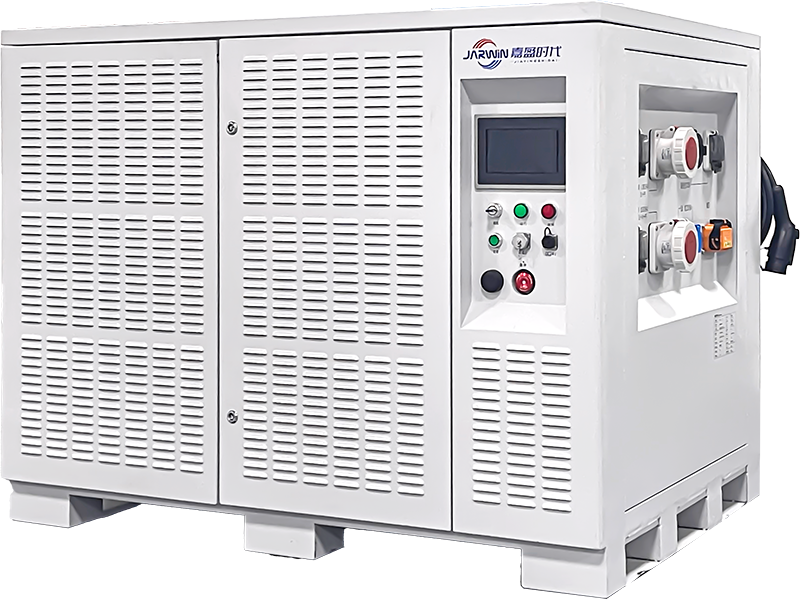
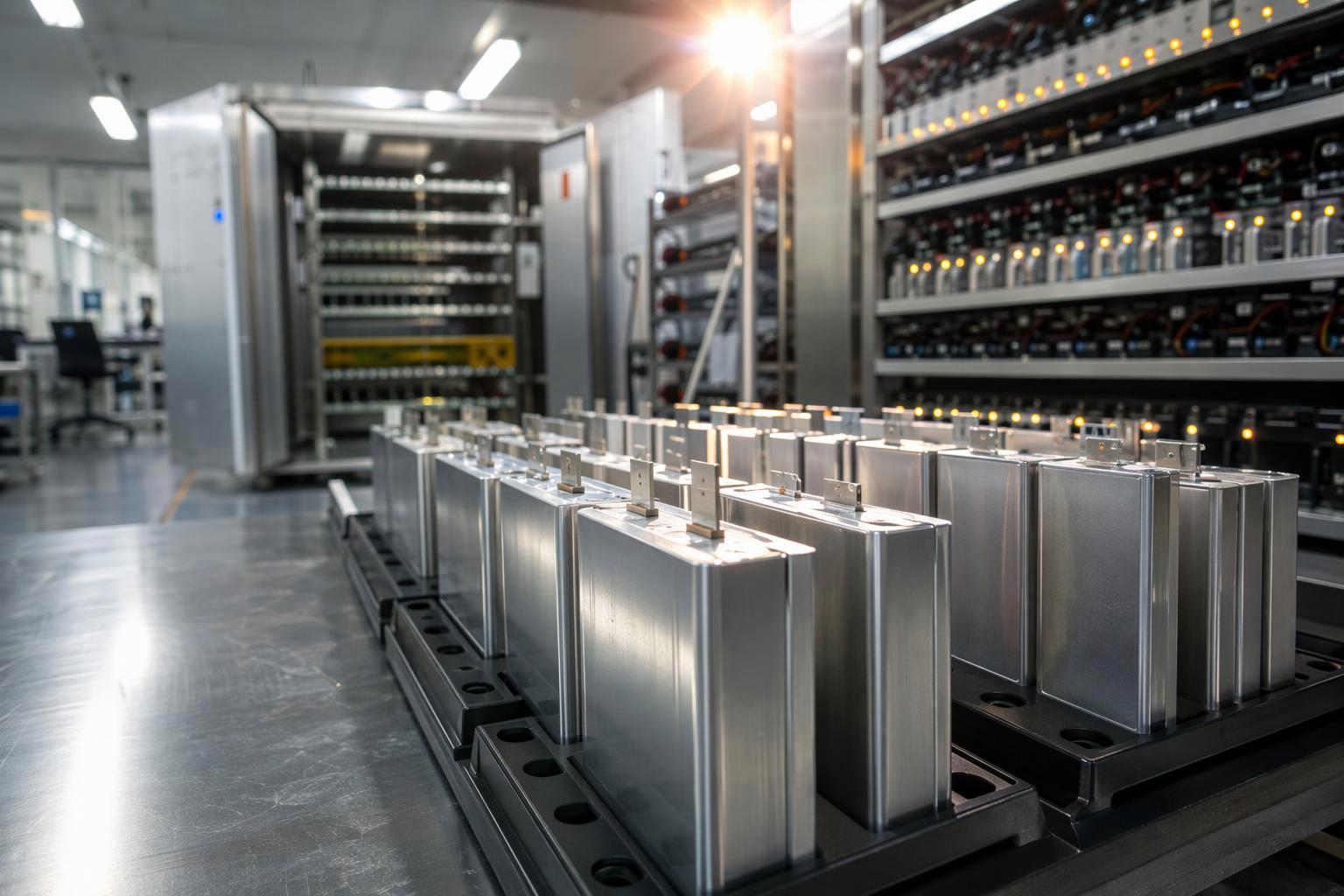
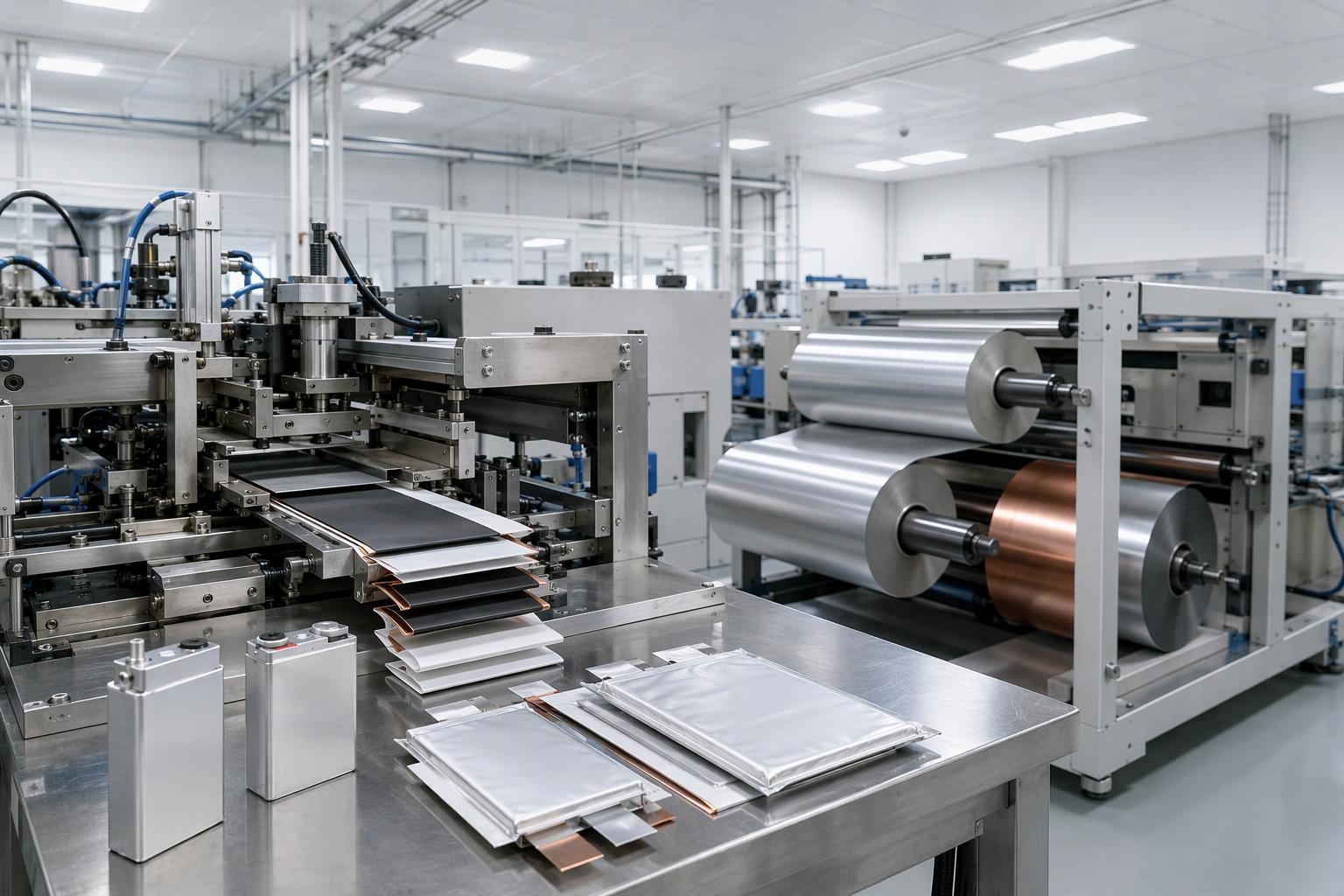
The capacity behind that is public: our manufacturing setup runs four lithium-ion battery production lines with dedicated workshops and an R&D center, and the cell line is documented at more than 20 production steps, 10 critical control procedures and four inspection stages.
Read those figures as where control points sit in cellmaking. It is a cell-level flow, not a count for a finished pack, and the pack-level answer is the production flow below.
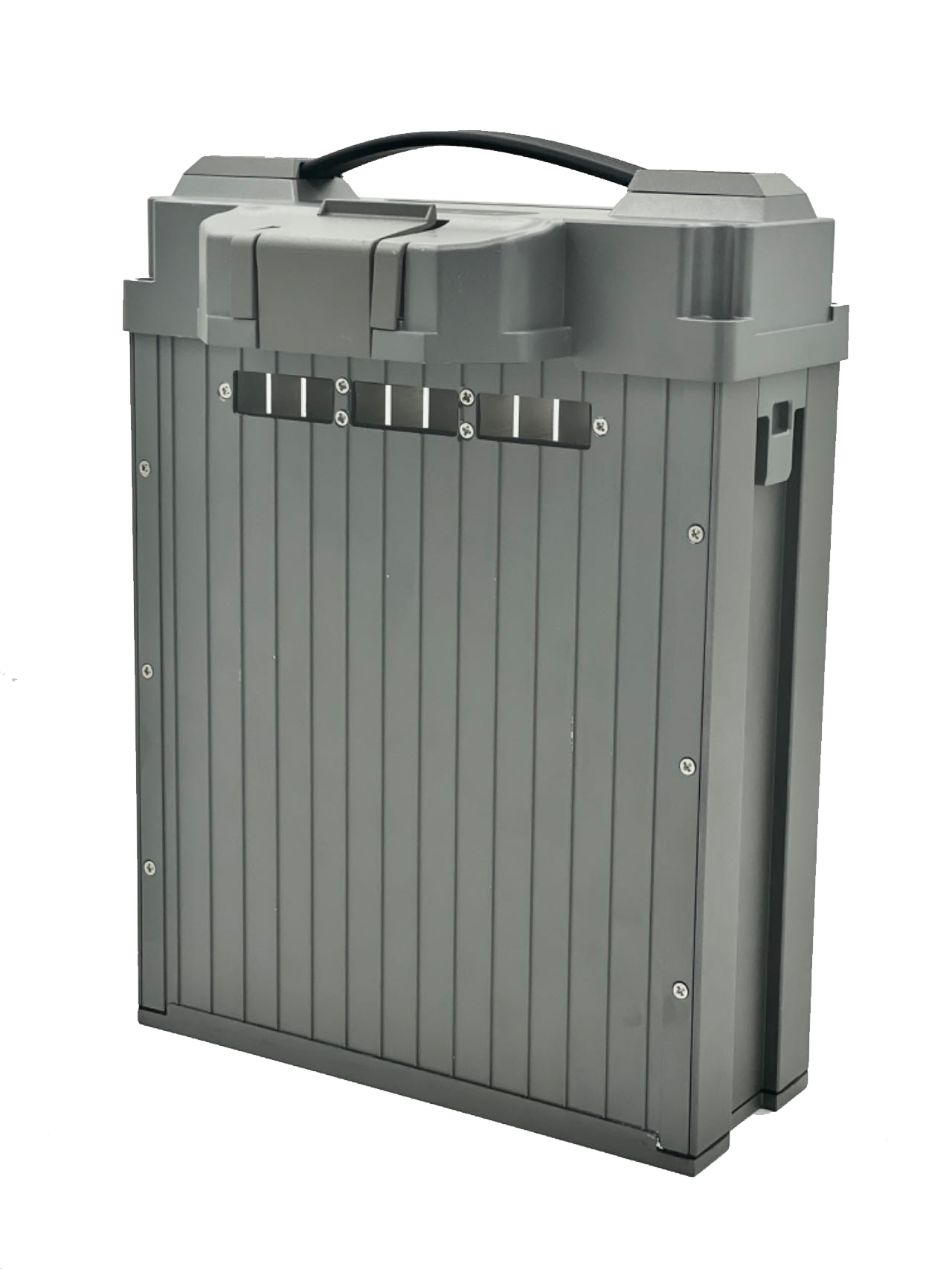
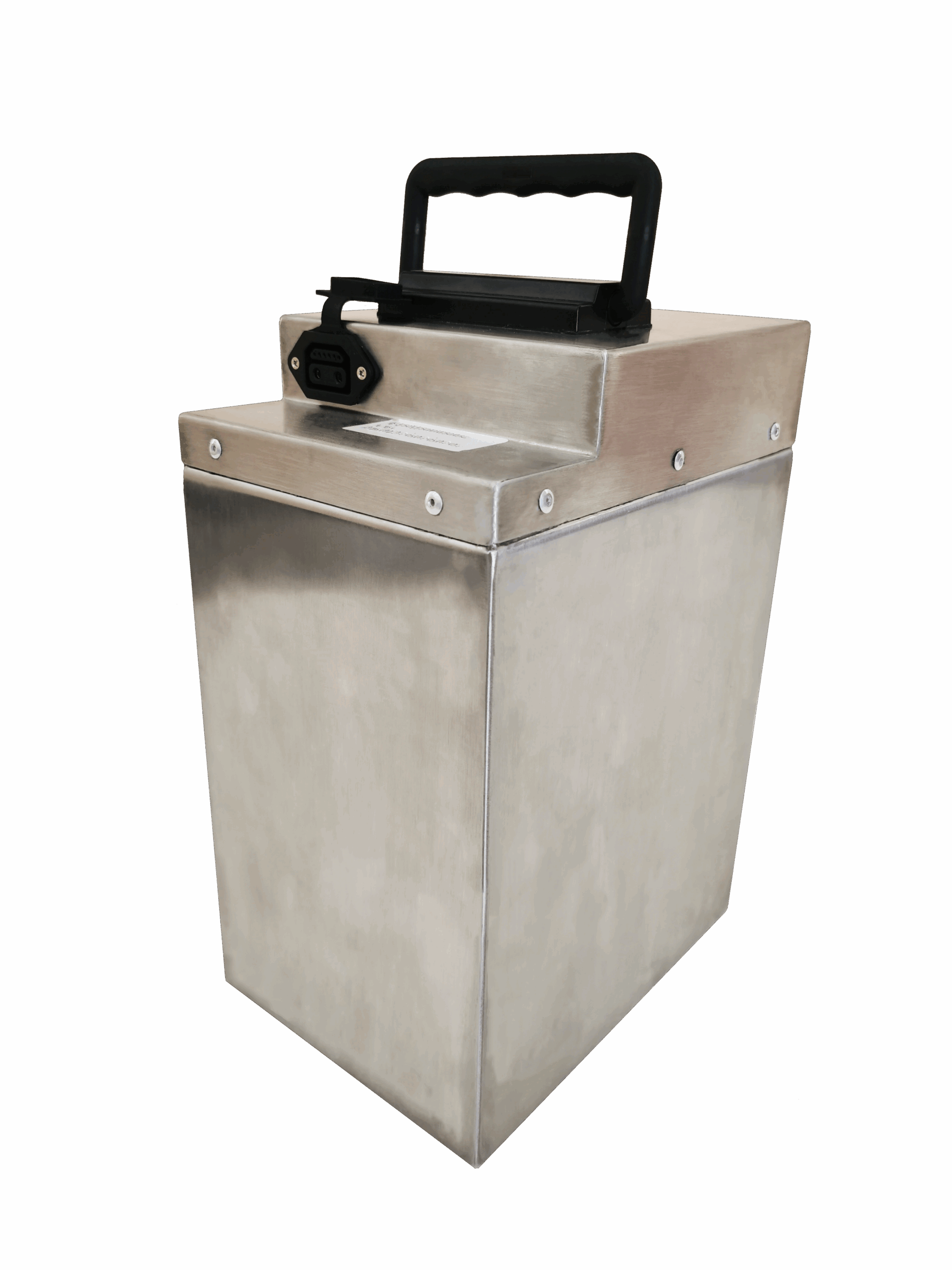
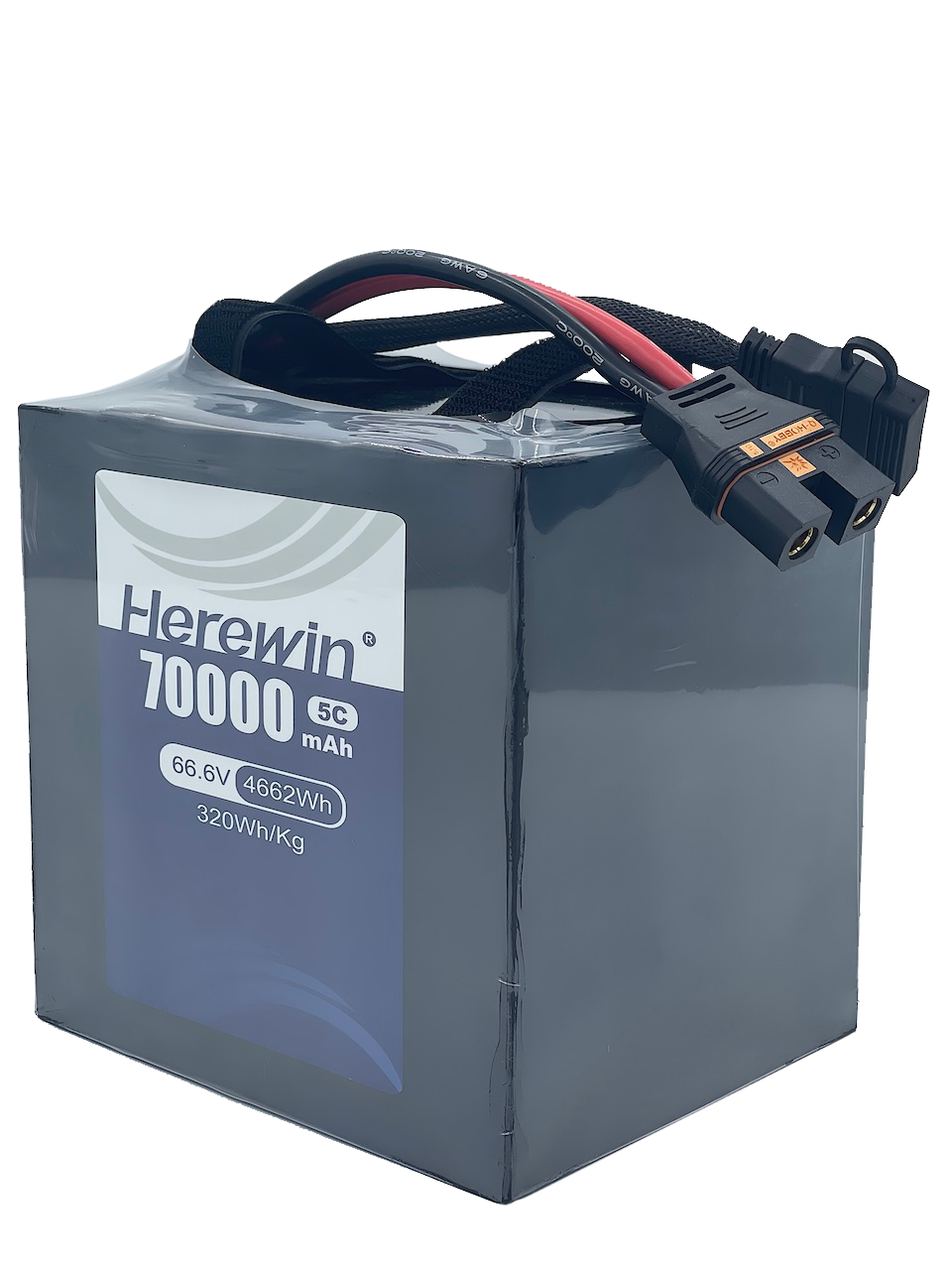
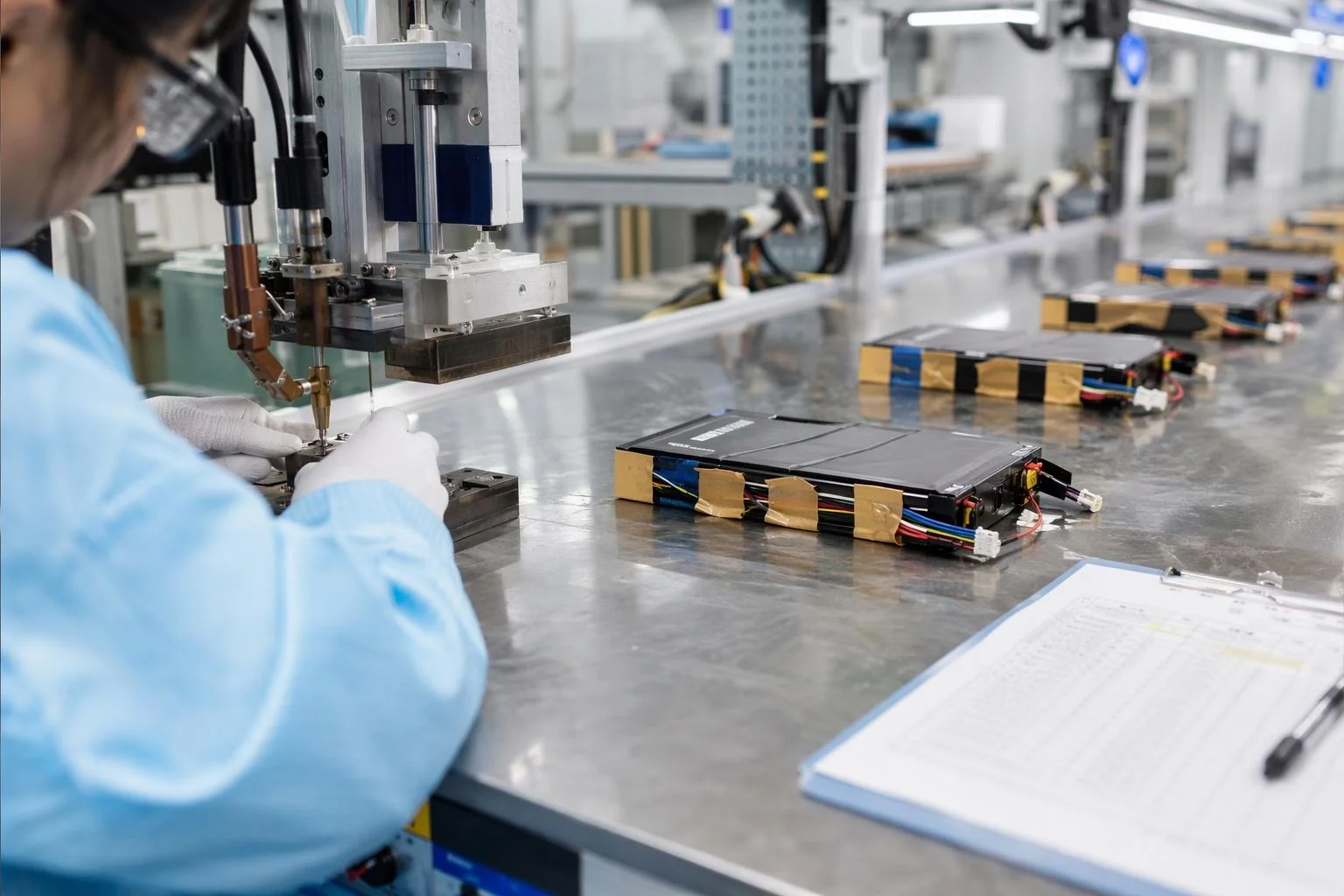
The drone pack production flow is the one to compare against your own checklist, because it covers assembly rather than cellmaking: cell sorting and inspection, welding and interconnection, insulation, sealing, and testing split before and after sealing rather than saved for the end. If you want to audit it, ask where it differs for your pack. A 6S pack for an agricultural airframe and a 14S pack for a heavy-lift platform — two common configurations with different cell counts in series — don’t share welding parameters, insulation schemes or test limits. The configuration alone changes how the pack is built and tested.
Support, then, is the one item that can’t be answered from a product page, because it depends on where your operation sits and what stage the program is at. That is why we would rather scope it in a first conversation than state it on this page: bring those two facts, and the questions raised earlier — who is on call, where a replacement comes from, how a defect gets escalated — can be answered for your situation rather than in general.
If one line sums up the whole evaluation, it’s this: a UAV battery OEM partner should be judged on the process it can repeat, not the prototype it can build once. Engineers approve a prototype; the second and third lot, the record behind them and an honest delivery conversation are what approve a production program.
You don’t need to settle every item here before the first call. Pick the two or three questions you can’t answer from a data sheet — process control, lot-level traceability, or how support is staffed where you operate — and put those to the supplier first. If a battery pack discussion is on your roadmap, our team is happy to talk through a specific airframe.


 Italiano
 English
 Español
 한국어
 Deutsch
 Français
 日本語
 Русский
 Bahasa Indonesia
 ไทย
 العربية
 Português do Brasil
 Nederlands