



In 2026, the hydrogen conversation is back for a simple reason: the missions people are asking unmanned aircraft to run have changed faster than the energy system around them.
BVLOS drone operations are no longer framed as “can we get a waiver” experiments. They’re being scoped as operations: daily, repeatable, multi-site. The most common pain point isn’t autonomy software—it’s sortie economics. If the aircraft spends a meaningful share of the day on the ground waiting for energy, the business case collapses.
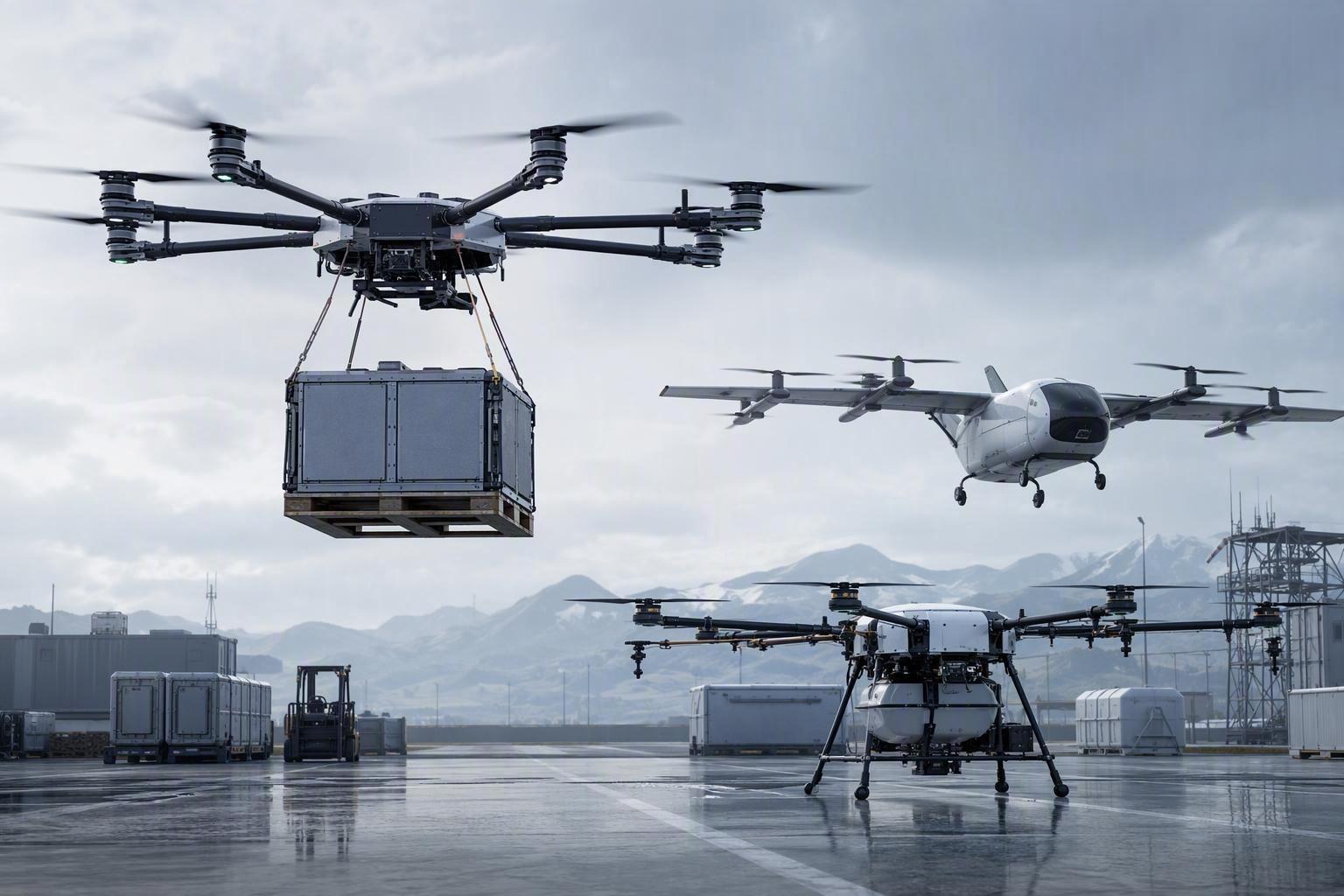
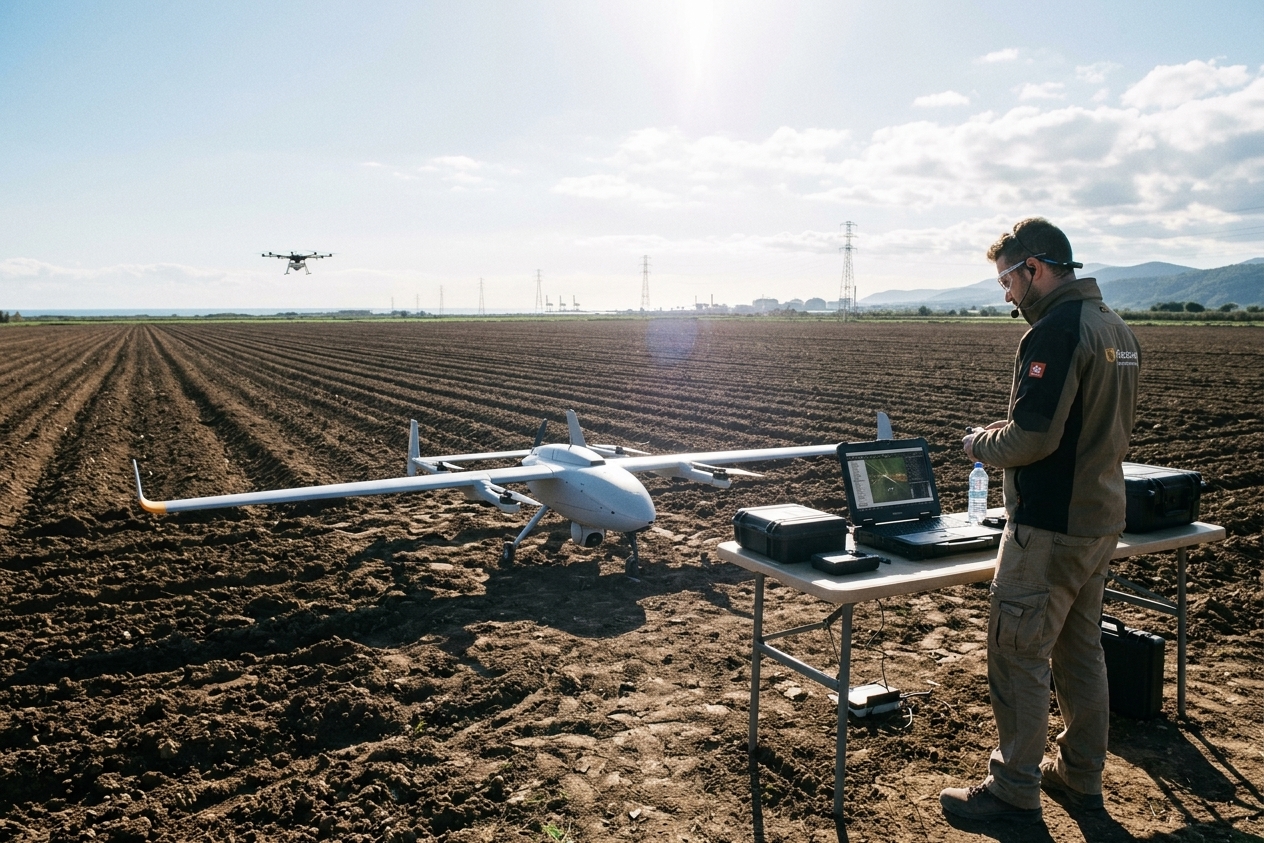
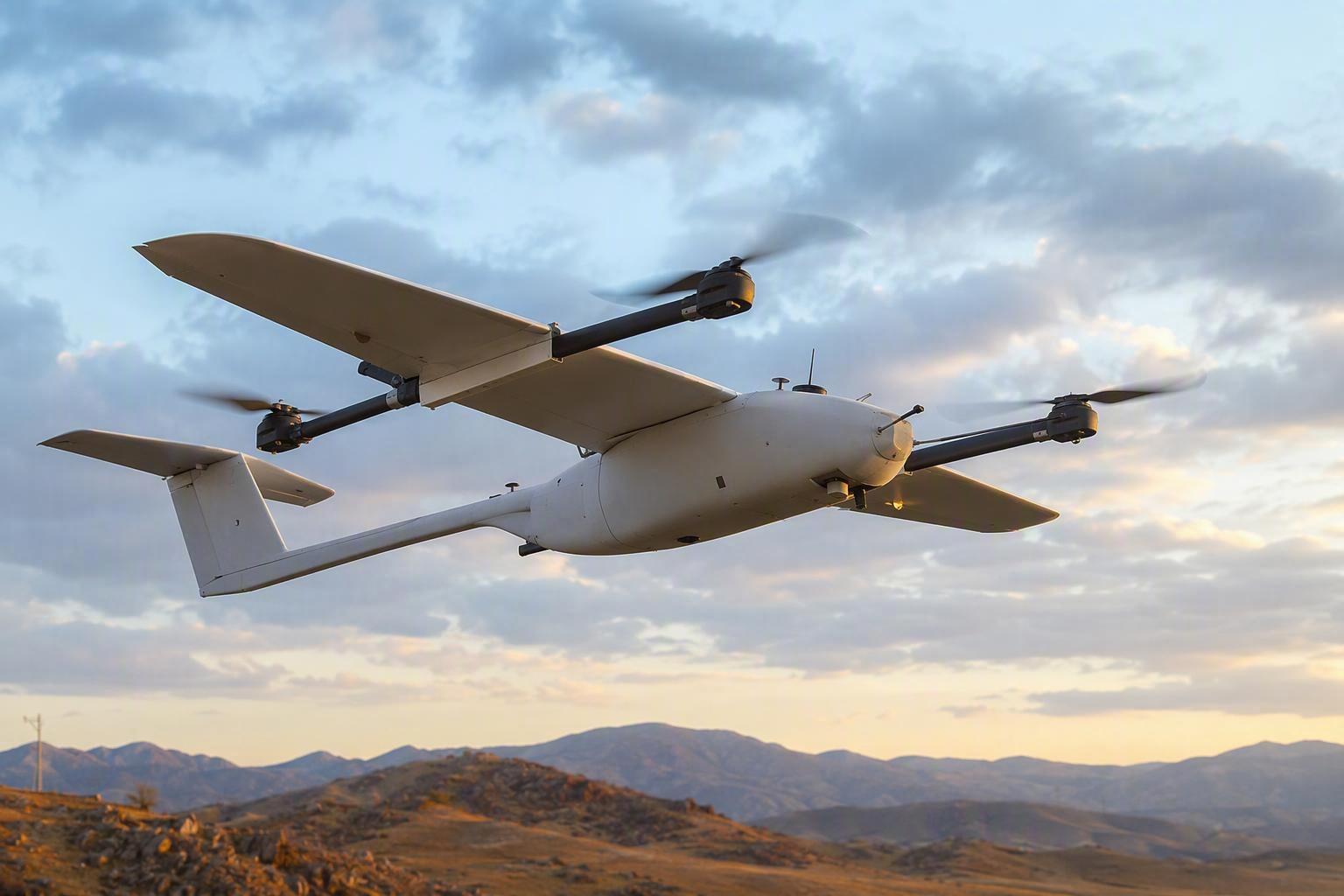
You see the pressure most clearly in long-range inspection drones doing corridor work: pipelines, transmission lines, rail, road, coastlines, and large-area environmental monitoring. These missions punish short endurance because every landing is a logistics event. Landing means a recovery zone, a reset checklist, an energy action, and a decision about whether the next launch still fits the day’s plan.
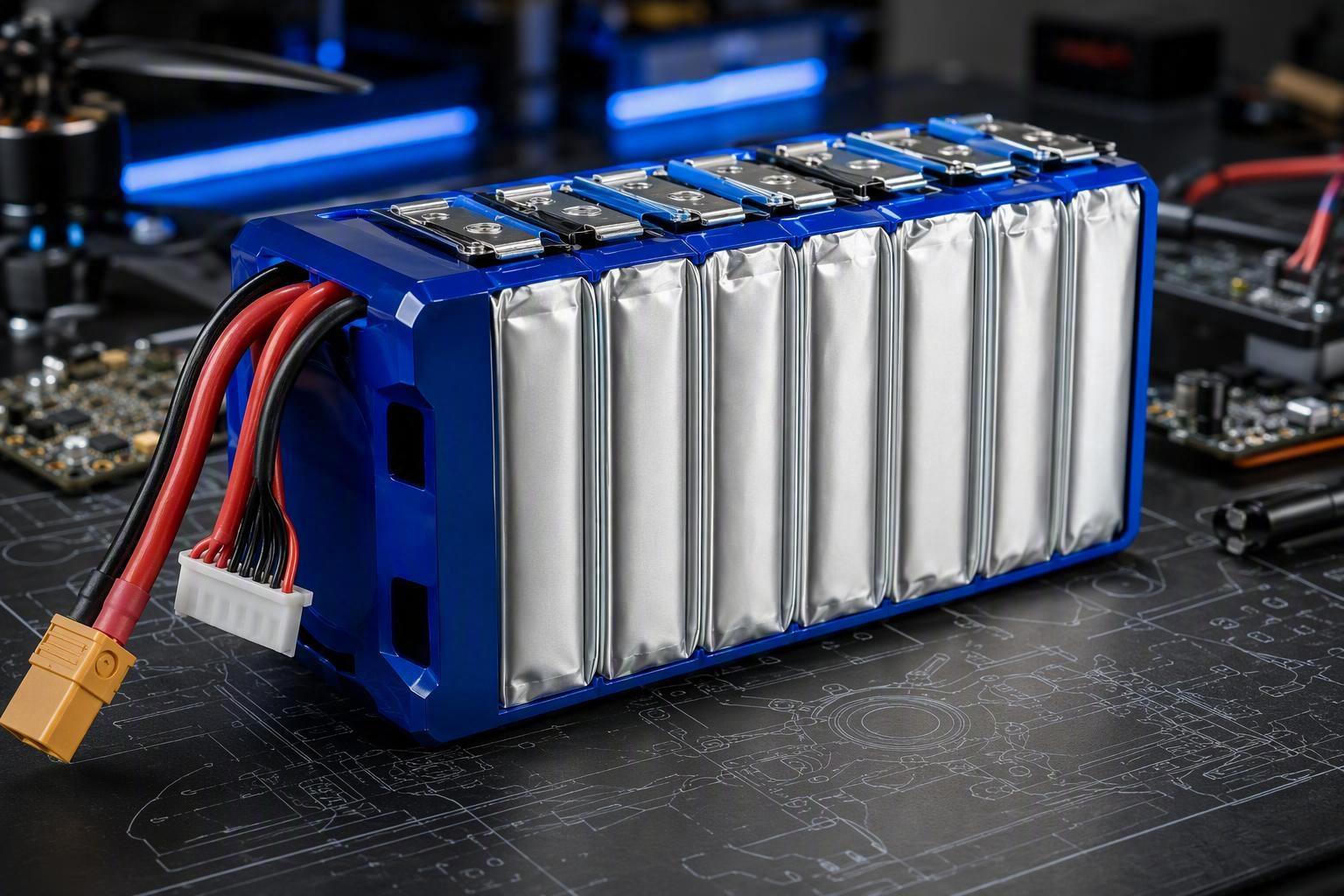
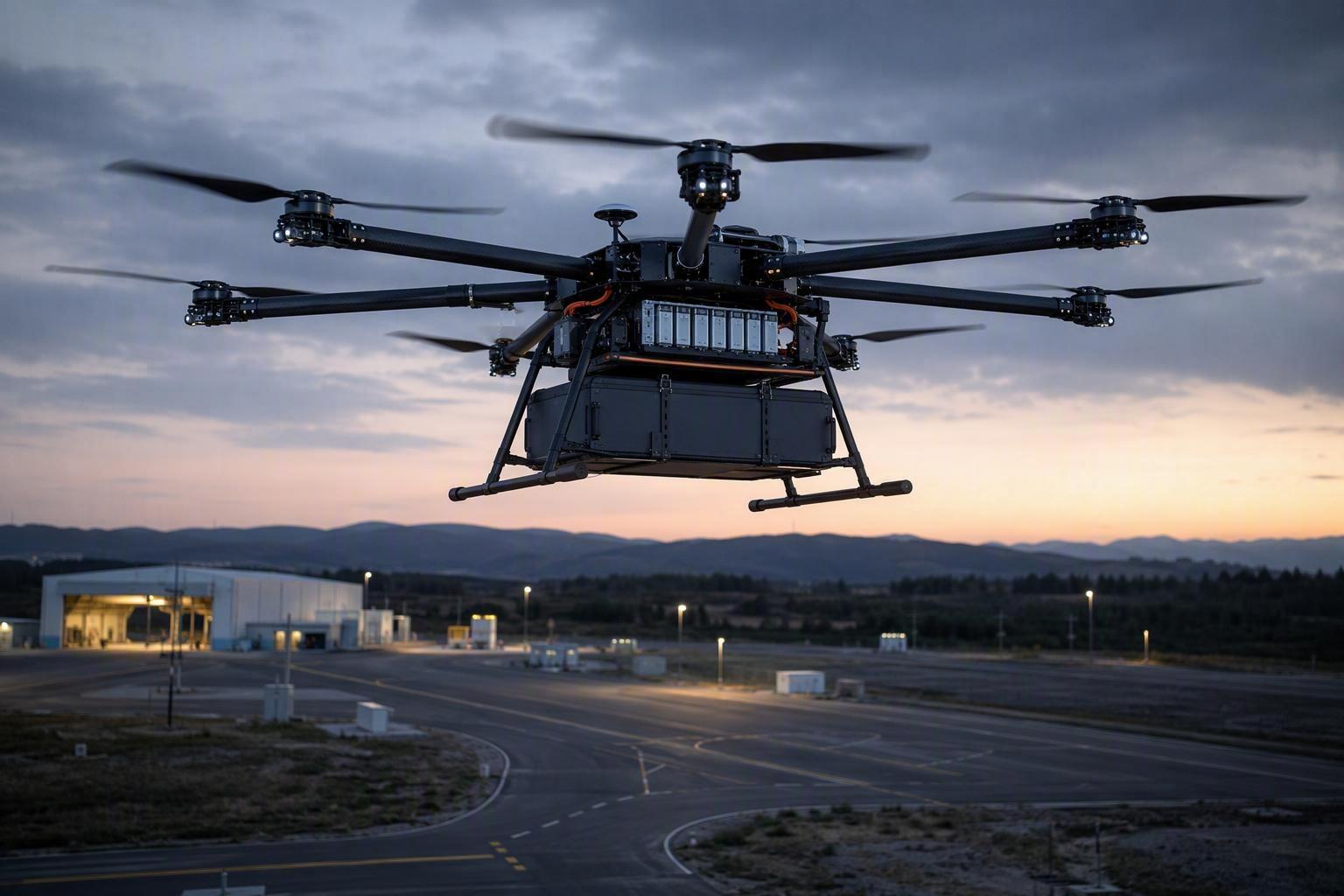
At the same time, industrial drone battery logistics has become its own operating system. It’s not just owning more packs; it’s staging them, cooling them, charging them safely, tracking health, and moving them across sites without losing traceability. Mature teams already run rotation playbooks (cool-down → charge → deploy) because thermal and health discipline is the difference between predictable uptime and random mission aborts.
So the hydrogen debate returned because endurance is now being priced in as an operational requirement—not a nice-to-have. In a BVLOS context, endurance doesn’t just buy range. It buys fewer touchpoints: fewer landings, fewer resets, fewer opportunities for the day’s plan to drift.
What Hydrogen Actually Solves Better Than Lithium
If you want this debate to be credible, you have to concede the real advantage hydrogen brings: it changes the tempo of the operation.
Hydrogen fuel cell drones are attractive because they can reduce the number of “energy stops” a mission requires. For long-endurance work, that translates into an operational benefit that battery systems struggle to match: you can keep the aircraft in the air longer without designing your day around charging queues or a constant pack carousel.
The second advantage is turnaround. In many field concepts, the practical model is not “wait for charging,” but “swap a cylinder and go.” Vendors building hydrogen ecosystems emphasize exactly that: swappable cylinders and on-site refueling approaches designed to keep sorties moving instead of turning every depletion event into a scheduling problem. That’s why hydrogen is repeatedly positioned for long-range inspection and surveillance missions where landing frequency is a tax on productivity.
Third, hydrogen can reduce swaps and the downstream friction they create:
-
Fewer landings means fewer recovery-zone constraints.
-
Fewer swaps means less handling, less connector wear, fewer chances to damage a pack or introduce variability.
-
Fewer battery cycles in a day can simplify how you manage inventory and degradation.
This is the practical heart of the hydrogen pitch: it is not an energy density debate in a lab. It is a reduction in operational interruptions.
If you look at how hydrogen UAV systems are being operationalized, the argument is consistent: extended endurance plus rapid refueling can improve coverage per sortie and increase time-on-task for corridor missions where returning to base—or staging battery infrastructure along the route—becomes the limiting factor.
A reasonable 2026 stance is: hydrogen doesn’t need to be perfect to be useful. It needs to be operationally better in the specific missions where the cost of landing—time, labor, risk, and coordination—dominates the economics.
For an operations-focused example of how refueling is being packaged, see Unmanned Systems Technology’s breakdown of field refueling methods for swappable hydrogen cylinders and Commercial UAV News’ view on whether hydrogen-powered drones are ready for prime time.
Why Lithium Still Dominates Real Industrial Deployments
Hydrogen can win the endurance argument and still lose the procurement decision—because most industrial buyers are not buying endurance. They are buying an operating system they can scale.
Lithium’s advantage isn’t only maturity. It’s operational reproducibility at scale: standardized charging, familiar safety programs, and workflows you can clone from site to site. In industrial procurement, repeatability usually beats theoretical efficiency.
In other words: lithium tends to win when your goal is to deploy the same energy workflow across many sites with minimal retraining, minimal special equipment, and audit-friendly procedures.
1.The infrastructure exists—and it’s modular
Lithium energy infrastructure is banal, which is exactly why it scales. You can move chargers, generators, and battery cases between sites. You can add capacity incrementally. You can run mixed fleets with standardized charging stations. Most importantly, you can expand without rewriting your safety and training program from scratch.
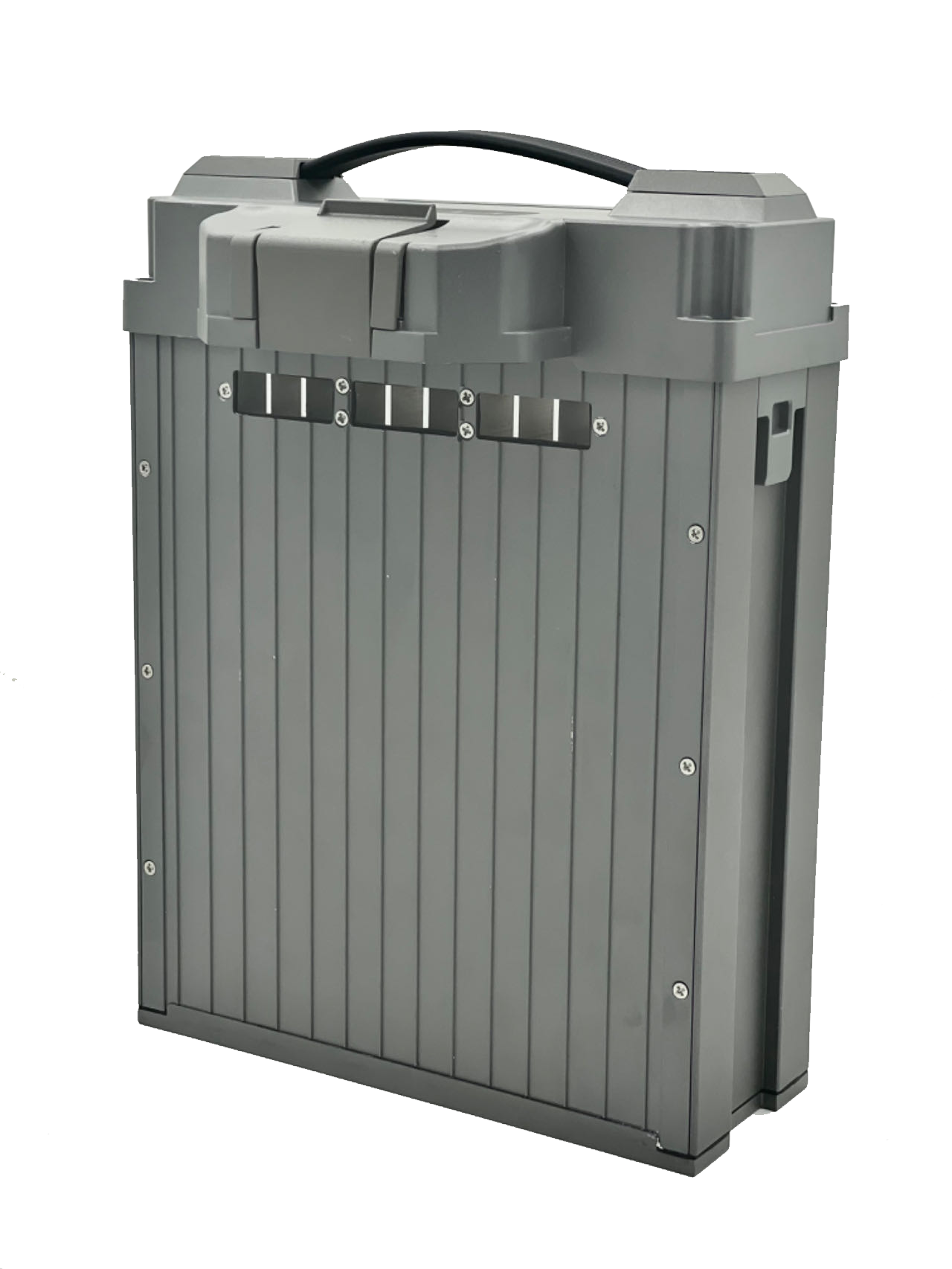
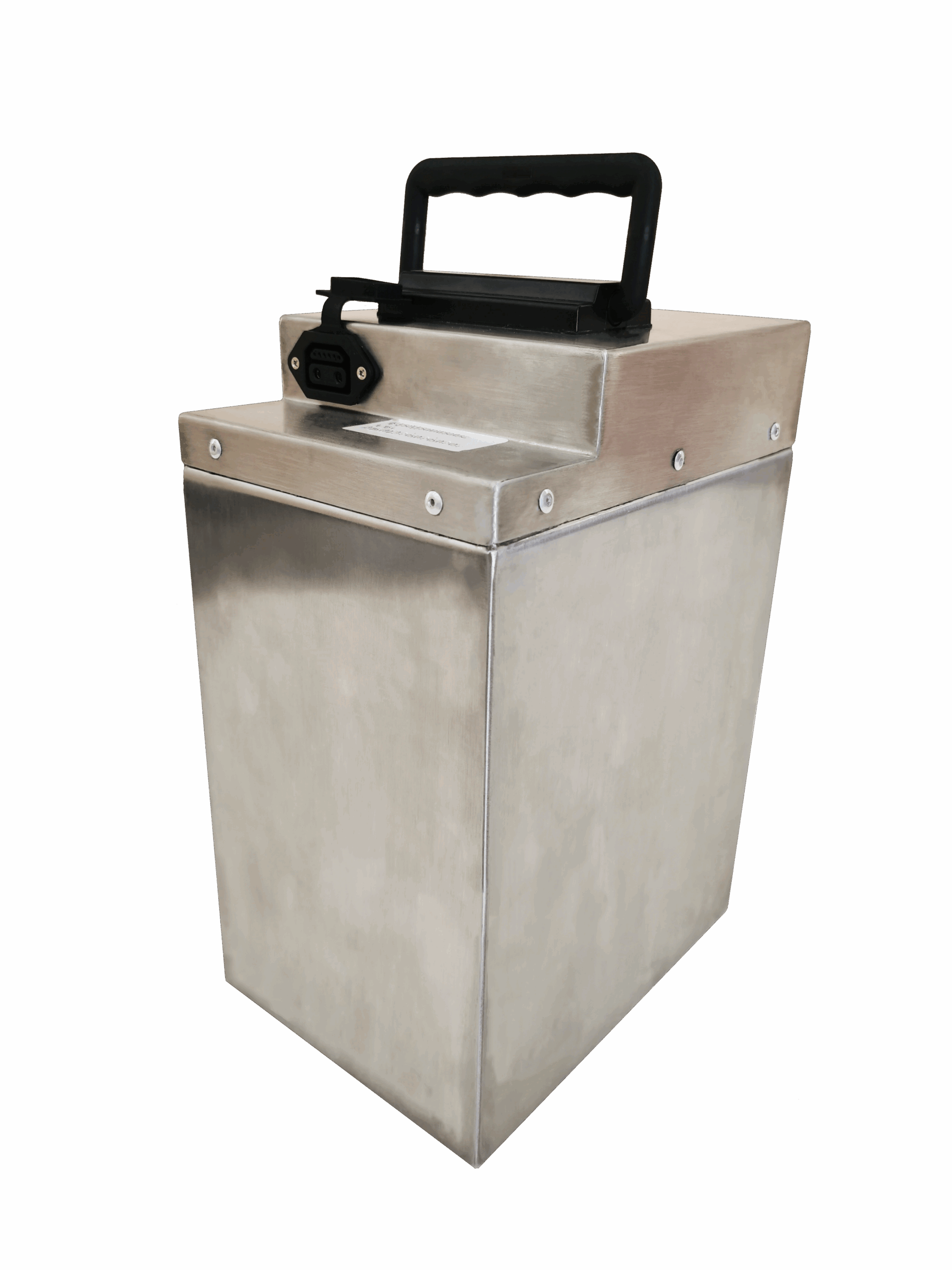
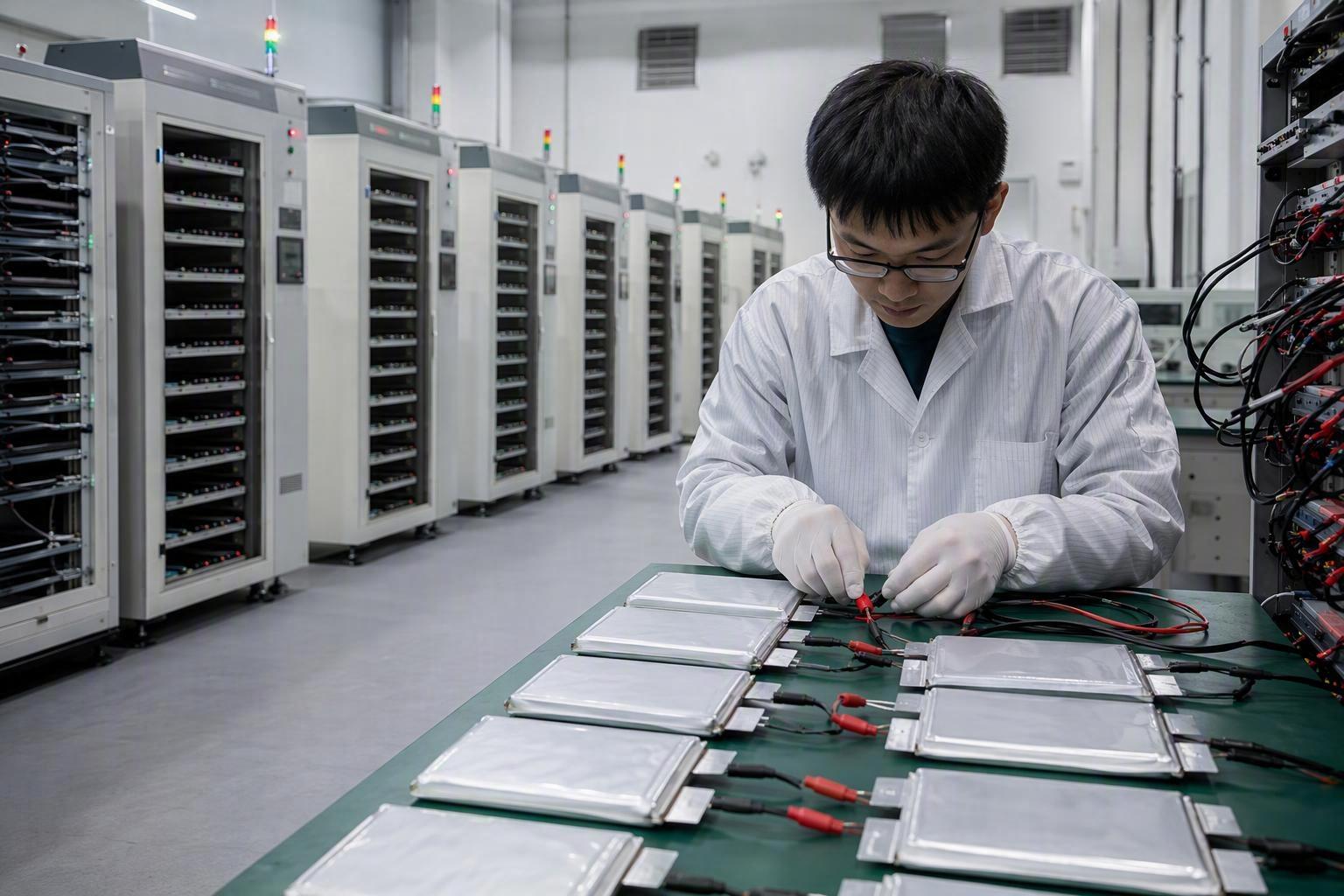
Even when teams choose battery swapping over fast charging, the supporting assets are widely available: spare packs, charging racks, transport cases, and monitoring tooling. As operational maturity increases, teams also formalize the discipline that turns “batteries” into a predictable asset pool.
A practical example is the kind of rotation SOP industrial teams build to prevent thermal abuse and random failures. The idea is simple: a battery isn’t “ready to charge” when it lands; it’s ready when it’s thermally stable and inspected. This is why you see fleet playbooks like a cool-down → charge → deploy rotation. Herewin summarizes one structured rotation approach and inspection discipline in its industrial drone lithium battery maintenance guide.
2.Charging workflows are easier to staff and audit
Hydrogen asks you to operate a fueling process. Lithium asks you to operate an electrical process.
In most industrial organizations, electrical safety programs are already mature: PPE norms, training pathways, and documented procedures. That matters because procurement decisions are as much about organizational readiness as they are about aircraft specs.
Lithium workflows can be standardized into:
-
defined charging windows
-
pre- and post-flight inspections
-
connector cleanliness checks
-
storage SOC rules
-
retirement thresholds based on health data
This is boring—but boredom is a feature in procurement. It means fewer special cases.
3.Lower operational friction compounds over time
Hydrogen’s advantage is concentrated: endurance and fast refueling.
Lithium’s advantage compounds: every month you operate, your workflows get smoother—because the underlying infrastructure is familiar and the parts ecosystem is deep.
That compounding effect shows up in:
-
fewer unique tools per site
-
simpler onboarding for new technicians
-
easier spares planning
-
easier integration with asset tracking and QA documentation
And when a buyer is comparing two imperfect systems, the one with lower friction tends to win—not because it is technically superior, but because it produces fewer surprises.
In 2026, most industrial deployments are still optimized around lithium because the real objective is not “maximum endurance.” It’s “maximum predictable sorties per week with minimum operational drama.”
The Real Bottleneck Isn’t Energy Density — It’s Operational Complexity
A lot of the public debate is framed as a physics question: hydrogen has better energy density potential, so hydrogen should win. That framing misses what operators actually experience.
In the field, energy is not a component. It’s a system.
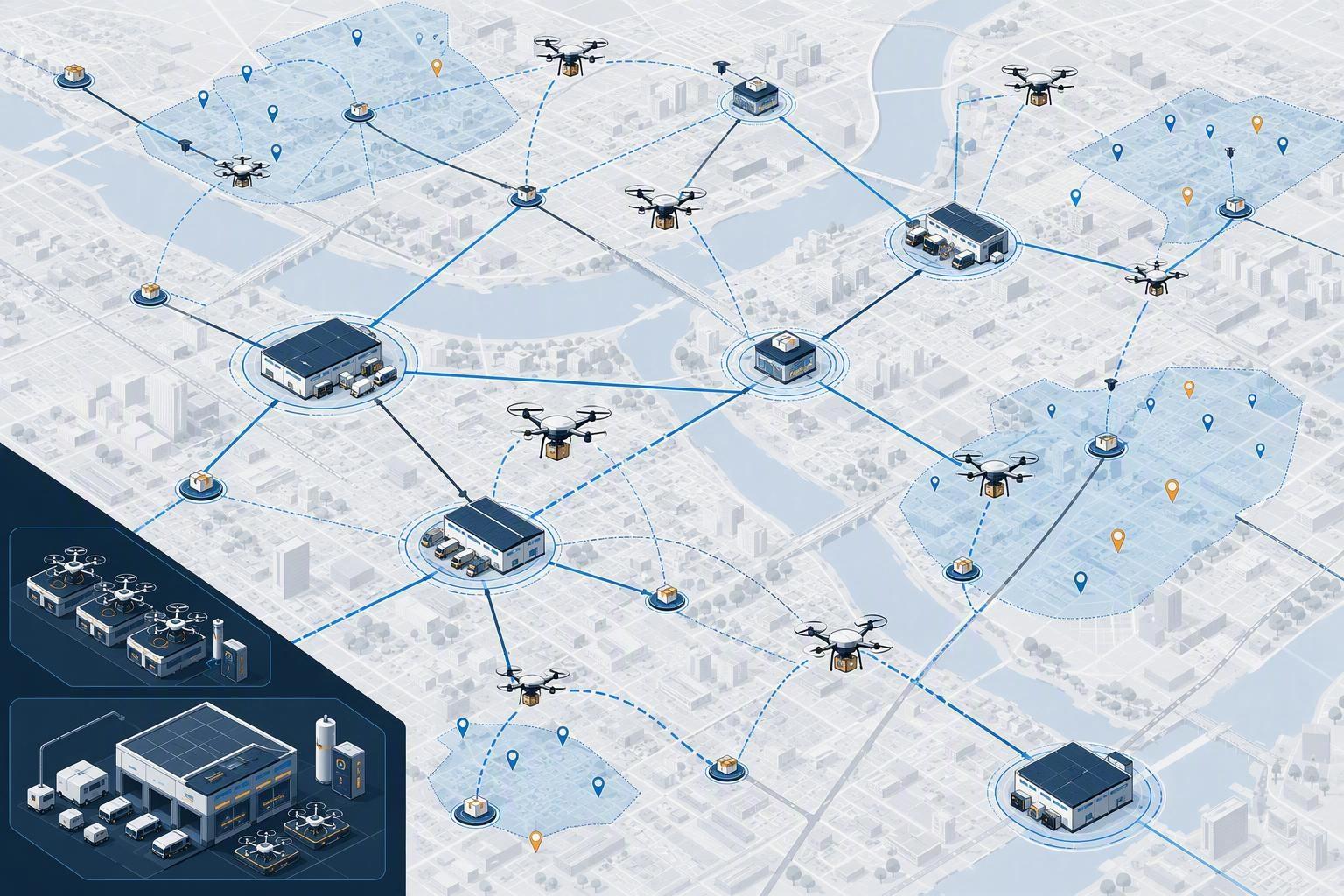
In a scaled BVLOS program, that “system” has to work across multiple sites and crews, every day:
-
fueling logistics (delivery cadence, storage, and what happens when supply slips)
-
storage and handling (containment, chain-of-custody, and the reality of field SOPs)
-
distributed operations (remote sites, variable staffing, weather, and temporary staging zones)
-
safety and compliance (training, checklists, incident response, and audit burden)
Hydrogen tends to add more of this overhead—pressurized cylinder integrity, leak checks, ventilation, ignition-source control, and authorization/training—than most teams expect after a demo. The U.S. Department of Energy’s overview of hydrogen safe operating practices isn’t drone-specific, but the categories map cleanly to field operations.
This is the point where lab logic and demo logic diverge from fleet logic: the aircraft can be ready before the infrastructure, training, and compliance system is.
That’s why hydrogen vs lithium for long-endurance UAVs is rarely decided by a single spec sheet number.
The real comparison is not hydrogen vs lithium. It’s infrastructure maturity vs endurance advantage.
If you view the decision through that lens, the outcomes in 2026 become less ideological and more predictable. Lithium often wins by being easier to replicate. Hydrogen wins when endurance is so valuable it justifies a more complex field system.
Where Hydrogen Starts Making Sense
Hydrogen starts to make sense when the mission value of staying airborne is high enough that you can justify building (or buying) the fueling system—and when your organization can actually run that system consistently.
In practice, that tends to show up in a few scenarios.
Maritime and offshore operations
Offshore inspections compress the operational window: weather, vessel schedules, and the cost of mobilization make “one more landing” expensive. If endurance reduces recoveries and increases coverage per sortie, the economics can flip. Offshore also tends to have clearer staging points (ports, vessels, platforms) where a dedicated fueling workflow can be centralized rather than improvised at dozens of micro-sites.
Border and perimeter surveillance
Long loiter times and wide-area coverage reward endurance. The mission is often continuous, and landing frequency can create gaps in observation—especially when landing forces a ground crew reset or a relocation to a safe zone. Hydrogen can reduce those gaps if the refueling procedure is integrated into the duty cycle, not treated as an exceptional event.
Ultra-long corridor inspection
Pipelines, rail, power corridors, and coastal runs are where hydrogen’s operational value is easiest to explain. If the route is long and the cost of staging lithium infrastructure along the way is high, refuel-in-minutes and fewer landings become tangible advantages. Intelligent Energy frames this endurance-driven logic directly in its note on hydrogen fuel cell drones for pipeline inspection.
Remote missions with weak grid access
Some sites can run lithium perfectly well with generators and standardized swap workflows. But when you’re truly remote—limited power, limited crew, limited resupply—hydrogen can become attractive if you can deliver cylinders reliably and keep the site’s safety procedures tight. This is the key caveat: remote doesn’t automatically mean hydrogen wins. Remote can also mean the opposite, because any missing part (trained handler, compliant storage, reliable supply) can stop the entire operation.
Hydrogen is not a general replacement for batteries. It is a way to buy endurance when endurance is worth paying operational complexity for.
What UAV Buyers Should Actually Evaluate in 2026
If you’re buying for real operations, do not start with chemistry. Start with your mission profile and your infrastructure reality.
1.Mission profile: endurance is valuable only when it removes a bottleneck
Ask:
-
What is the true penalty of a landing? (time, crew, risk, reset procedures, lost coverage)
-
Is the mission corridor-like (pipeline/rail/powerline) or hub-like (short out-and-back)?
-
Are you endurance-limited or workflow-limited?
If landings are “cheap,” lithium will usually win. If landings are “expensive,” hydrogen becomes a serious option.
2.Infrastructure availability: what can you standardize across sites?
-
Lithium: can you standardize chargers, pack formats, storage SOC, and rotation SOPs across every hub?
-
Hydrogen: can you standardize cylinder storage, transport, refueling procedure, leak checks, and emergency response across every hub?
The comparison is not just aircraft vs aircraft. It is operations vs operations.
3.Turnaround model: your sortie cadence defines the energy system
Decide whether your operation is swap-driven, charge-window-driven, or refuel-driven. Your drone turnaround time is not a footnote; it’s the pacing function for the entire program.
4.TCO: model downtime explicitly
Do not do a simplistic “fuel cost per hour” comparison. In industrial fleets, the cost driver is often downtime and labor.
A simple way to expose operational interruption is to model:
-
how many recovery events the mission requires per day
-
how much turnaround time each recovery creates
-
how much labor and downtime cost accumulates around those interruptions
Recoveries/day ≈ H / E
Turnaround downtime/day (hours) ≈ (Recoveries/day × T) / 60
Downtime cost/day ≈ Turnaround downtime/day × (L + D)
Example variables: H = required flight hours per day; E = usable endurance per sortie; T = turnaround time per recovery event; L = labor cost per hour; D = operational downtime cost per hour.
The question procurement can defend is: does hydrogen’s endurance reduce enough operational interruption to pay for its infrastructure and procedural overhead?
5.Operational predictability: what fails, how often, and how you detect it
For lithium, insist on workflow discipline and health-based retirement so pack aging becomes scheduled maintenance, not surprise downtime (see Herewin’s industrial drone lithium battery maintenance guide and long-range inspection considerations in Herewin’s lithium batteries for mapping and inspection drones). For hydrogen, insist on fueling SOPs, training, and site-level infrastructure discipline.
For most industrial UAV fleets in 2026, lithium remains the default scalable choice because the charging and safety playbook is mature and easy to replicate across sites. Hydrogen is becoming credible in endurance-heavy niche operations—but it still requires a higher-complexity field system to run safely and consistently.
In practice, teams end up validating the same basics: turnaround cadence, charging or refueling workflow, thermal behavior, pack consistency, and field reliability.
If you want a deeper, implementation-oriented read, Herewin’s industrial UAV battery resources can be a helpful starting point.
Start with the constraints: cadence, environment, and uptime requirements at each site, then design the energy system around that reality.
 Italiano
  English
  Español
  한국어
한국어  Deutsch
  Français
  日本語
日本語  Русский
  Bahasa Indonesia
  ไทย
ไทย  العربية
  Português do Brasil
  Nederlands