



Industrial UAV teams shouldn’t ask “has anode‑free lithium metal broken through?” The more useful question in 2026 is this: are we entering a transition year—or just recycling lab headlines?
In plain terms: anode‑free lithium metal looks pilot-relevant for select UAV mission profiles, but it’s not a plug‑in replacement for incumbent Li‑ion/LiPo packs.
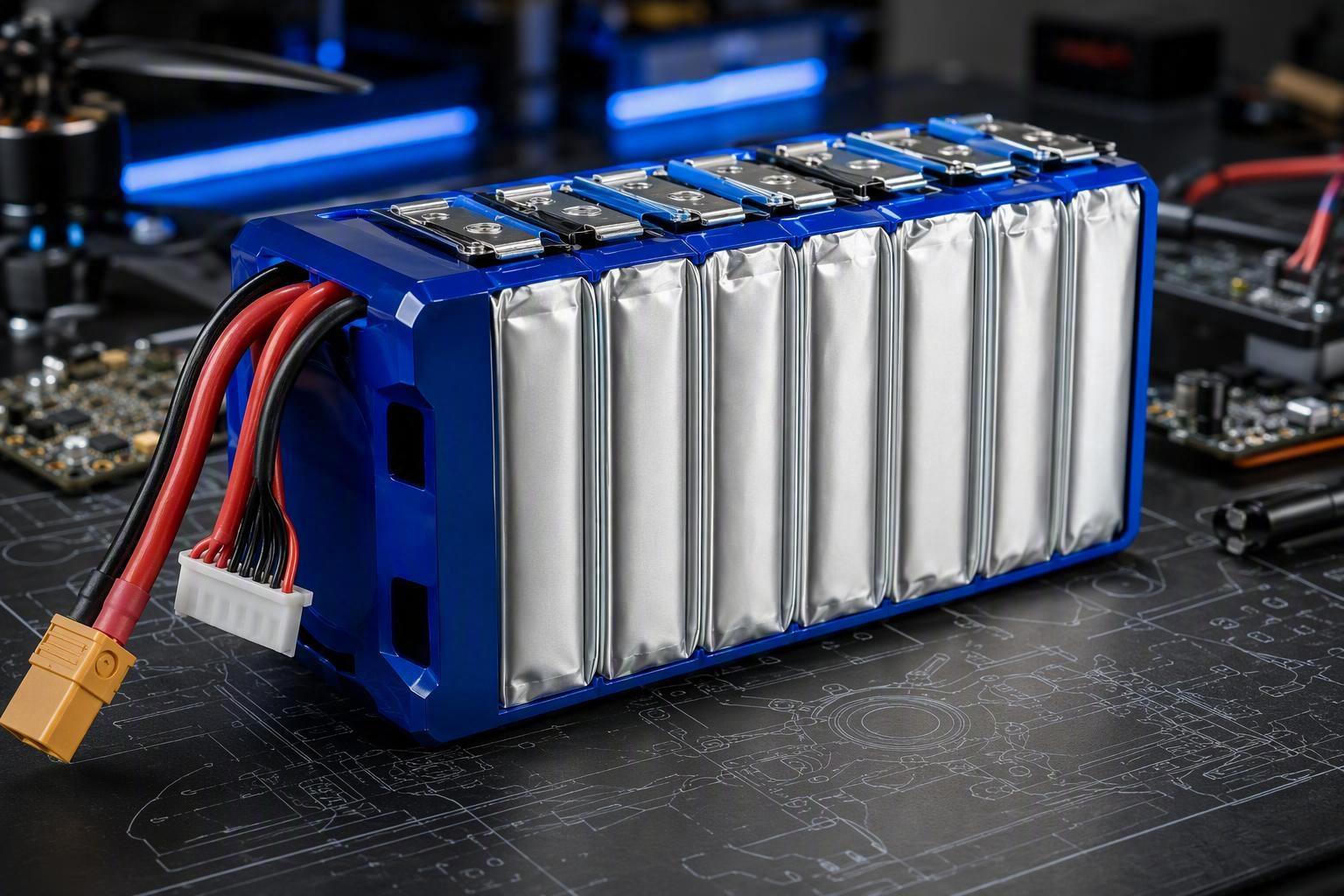
For UAV battery system suppliers, the shift is less about chemistry selection and more about translating cell behavior into predictable, pack-level operating windows.
That’s the core tension: chemistry progress is real, yet operational behavior still isn’t consistent enough for broad deployment. What decides success isn’t peak energy density—it’s operational predictability (voltage under pulses, thermal rise, and SOC/life forecasting).
This article uses anode-free lithium metal batteries industrial UAV adoption as a lens to map integration limits, identify pilot-safe mission profiles, and clarify what will (and won’t) drive commercialization.
Anode-Free Lithium Metal Batteries for Industrial UAVs: 2026 Readiness
A credible 2026 readiness assessment is not about hype cycles. It’s about whether the cell behavior can be bounded tightly enough to run a UAV trial with controlled risk.
From lithium metal to anode-free architecture: what actually changed
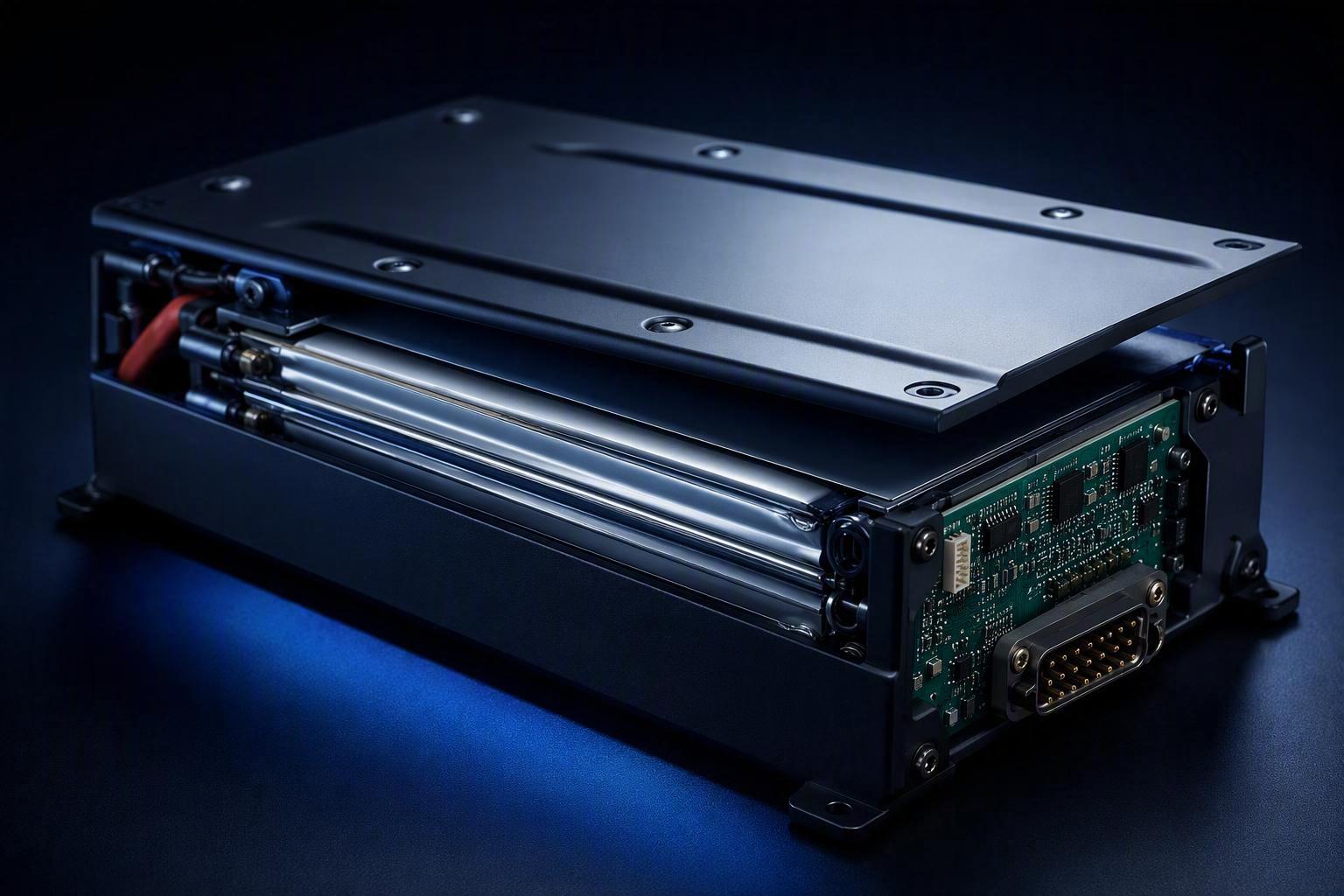
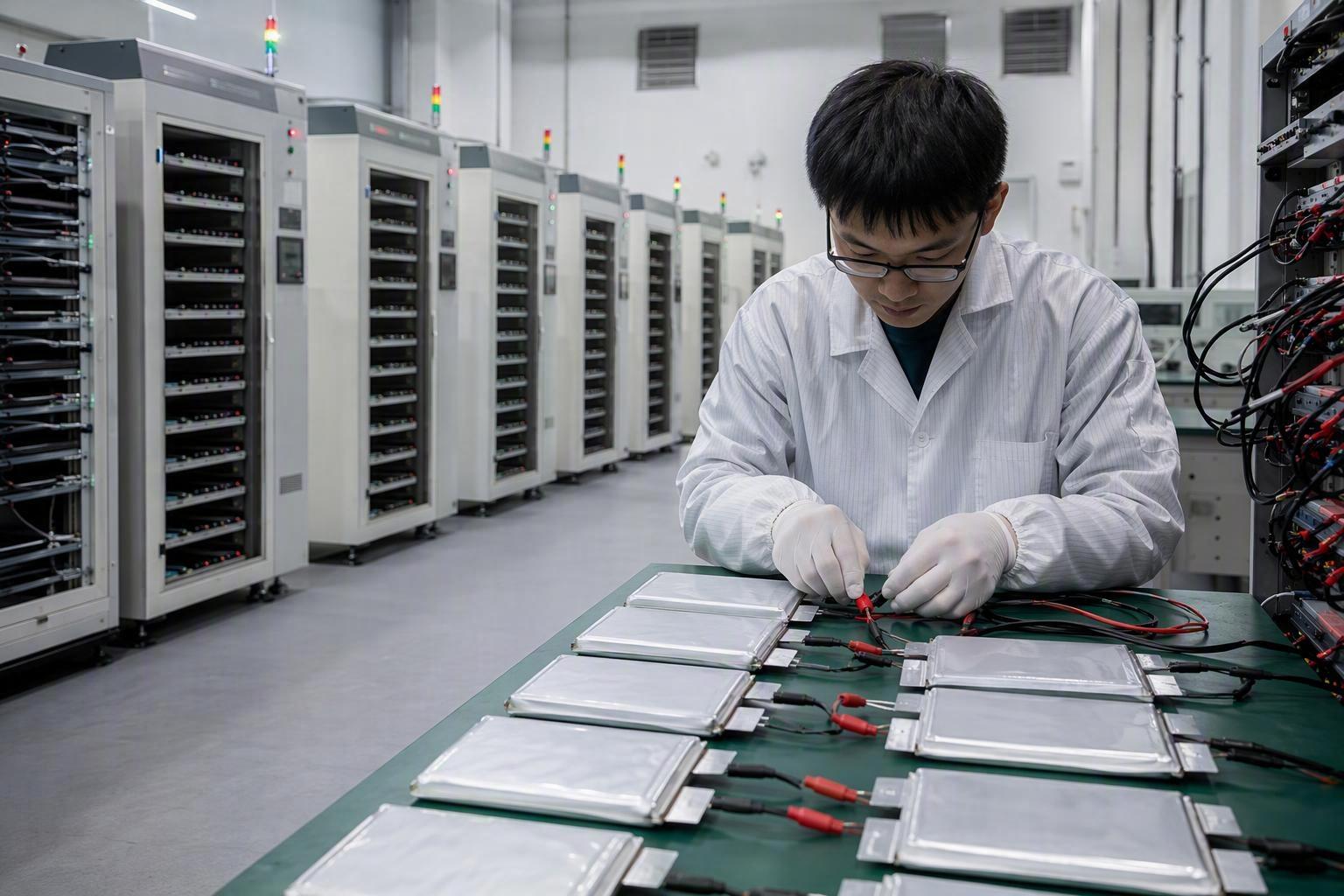
Anode‑free (often described as “zero‑excess” lithium metal) cells remove the pre‑built anode host. At assembly, the negative side is essentially a current collector (typically copper). During the first charge, lithium plates onto that collector; during discharge, it strips back.
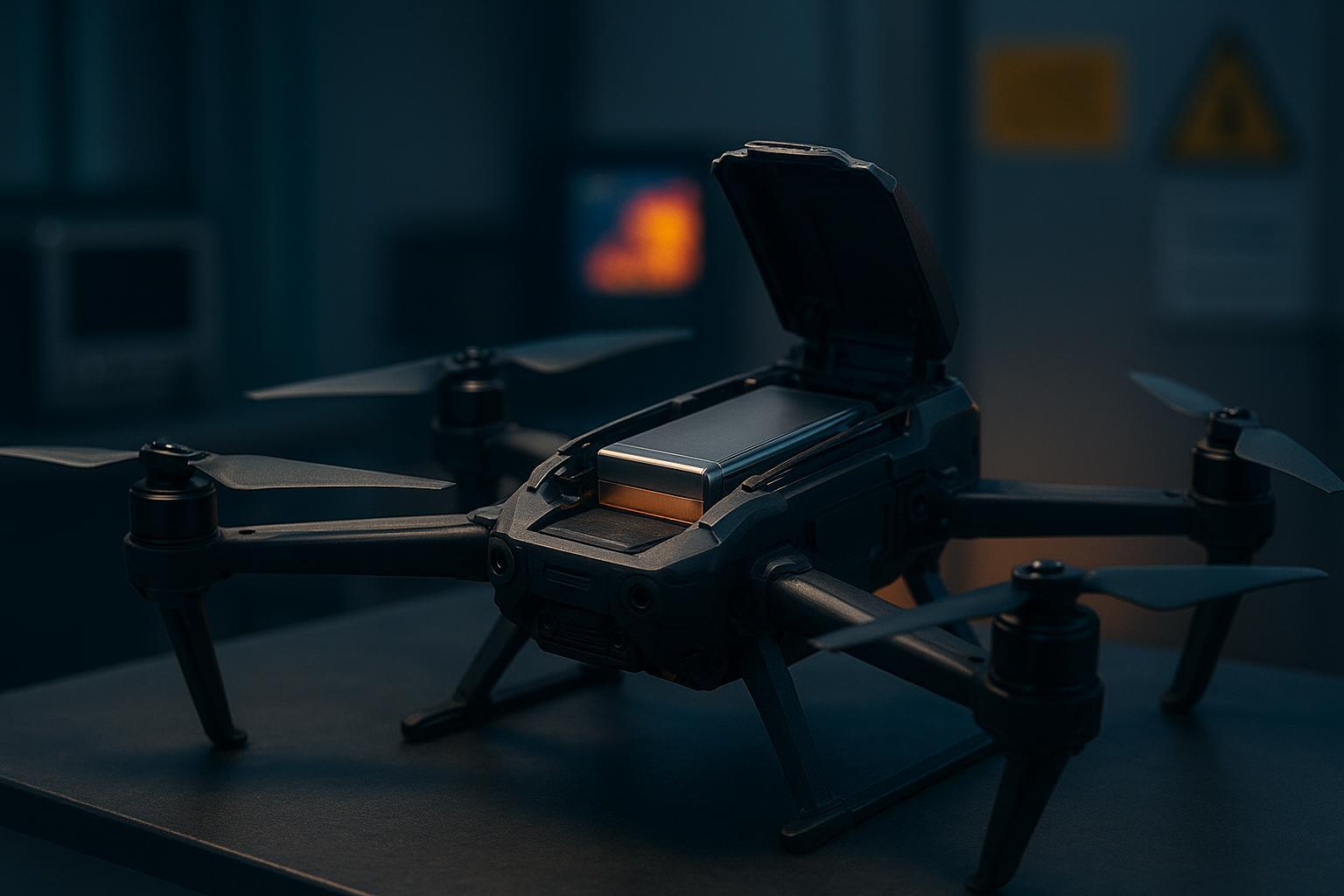
This architecture can lift energy density because the pack is no longer carrying an anode structure that doesn’t store energy. But it also removes a safety buffer: there is no “extra” lithium inventory to spend on side reactions.
A practical definition is captured in Nature Communications’ discussion of anode‑free/zero‑excess cells plating lithium onto a bare current collector in “Active learning accelerates electrolyte solvent screening for anode-free lithium metal batteries” (2025).
How to read readiness without TRL jargon
Instead of debating levels, it’s more useful to watch what the market behavior looks like:
What used to be lab-bound proof is now showing up as tightly constrained UAV trials.
What’s still missing for scale is repeatable behavior across lots and conditions, plus the modeling confidence to forecast life and safety margins.
Only after that does adoption become a procurement default rather than a special program.
In 2026, anode‑free lithium metal is best treated as moving out of lab-only work and into constrained field experimentation. Progress is real (especially via electrolyte/SEI engineering), but the manufacturing-and-mission gap remains.
The practical takeaway is simple: treat “pilot-ready” as a bounded operating window backed by repeatable outcomes—not a headline energy-density claim.
Where will anode-free lithium batteries show up first in UAVs?
Early adoption is most likely in segments with more controllable load profiles, disciplined operations, and a higher tolerance for conservative operating windows.
Good fit: inspection and mapping / survey drones
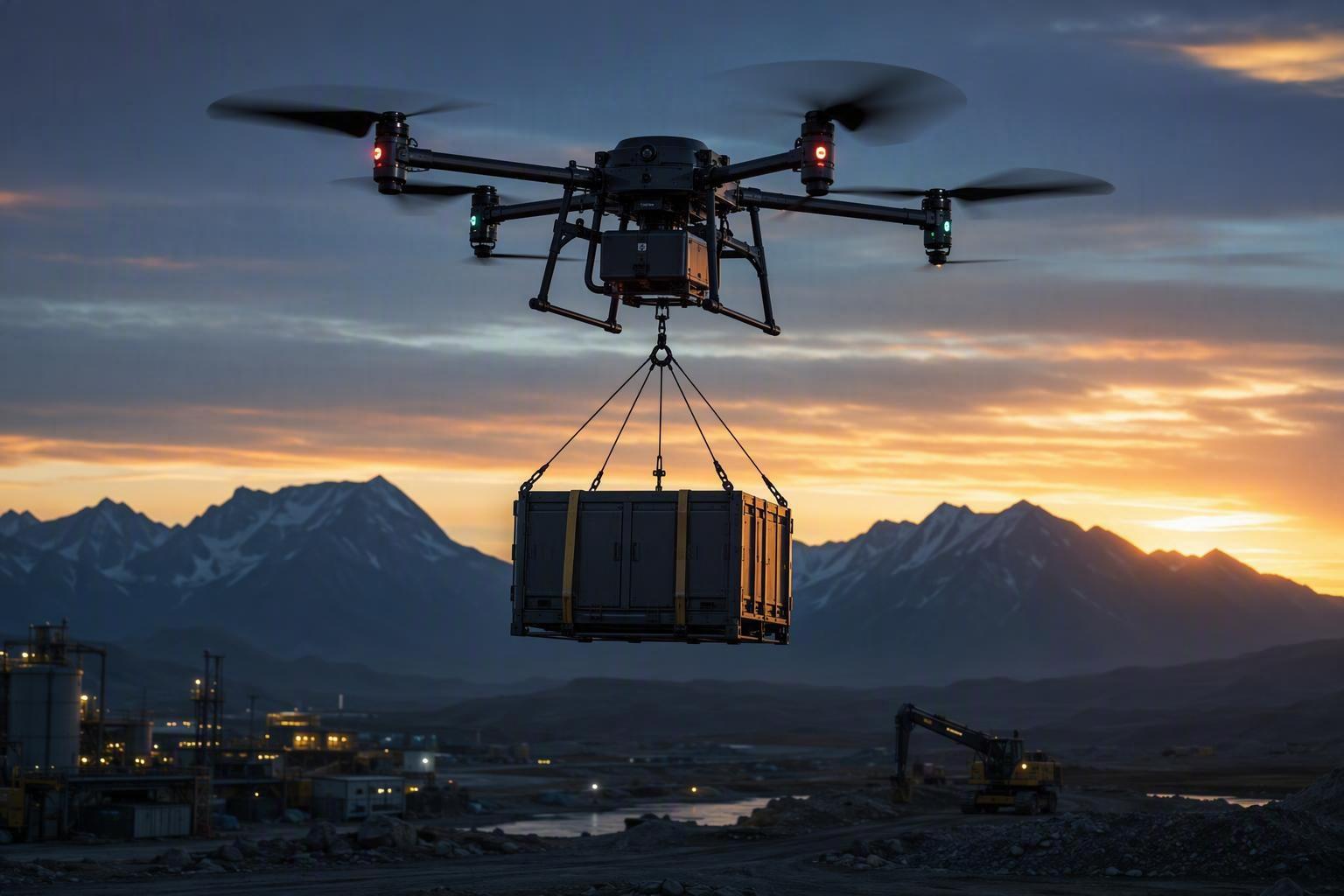
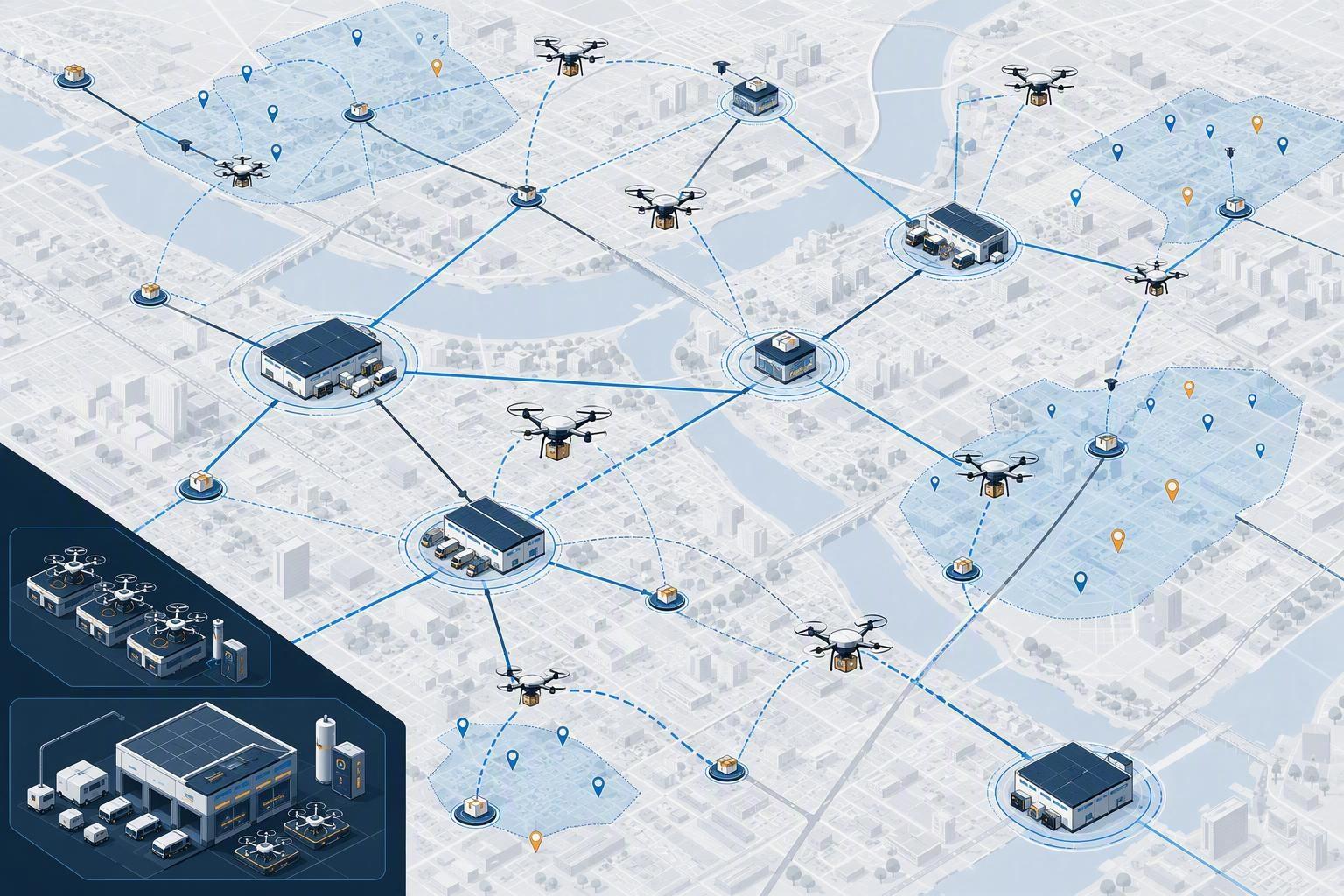
Possible next: logistics and light industrial UAVs
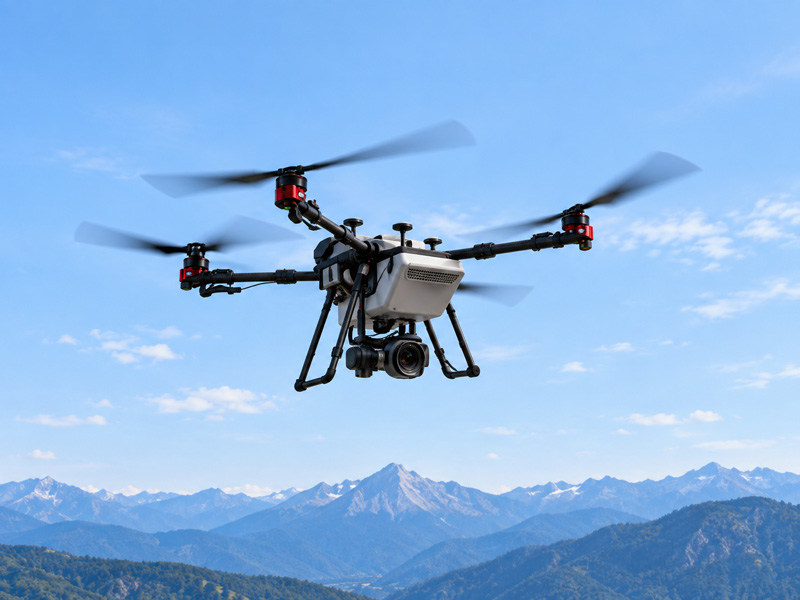
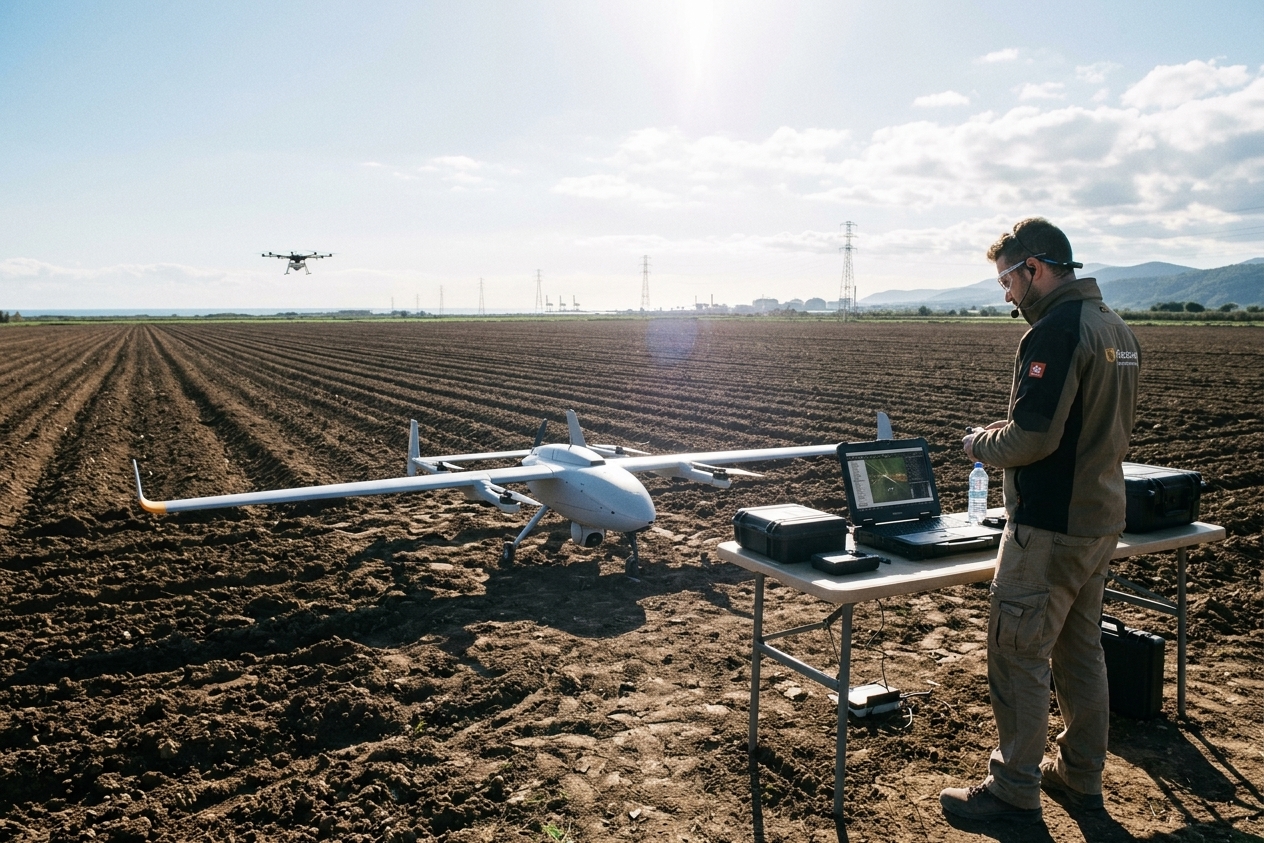
Least likely early adopters: agriculture UAVs and heavy-lift platforms
The pattern is simple: early pilots will prioritize repeatability over raw range.
Why Efficiency Gains Won’t Define Adoption
Higher energy density can be real—and still fail to translate into broad commercial adoption—because industrial UAV operators optimize for predictable outcomes, not headline specs.
This is where most lab optimism breaks down.
Three forces tend to decide whether anode-free lithium metal moves from impressive trials to routine fleet use:
Reliability under mission reality: voltage sag under pulses, thermal rise, and recovery behavior matter more than best-case energy density.
Predictable aging and confidence intervals: operators need degradation that can be modeled and forecasted across temperature, duty-cycle variance, and manufacturing lots.
Operational simplicity: if a chemistry demands tight SOP compliance (narrow charge windows, strict cooldown rules, intensive screening), many fleets won’t scale it—even if the lab results are strong.
In practice, adoption accelerates when performance improvements reduce operational friction—fewer surprises, less derating, and clearer go/no-go signals—not when they merely raise Wh/kg on a datasheet.
Downtime and failure risk under real UAV operations
In fleet environments, the most expensive battery is often the one that triggers:
unplanned mission aborts
increased inspection labor
conservative derating that reduces usable energy
higher insurance or compliance burden after incidents
For Li‑metal paths, risk is not abstract. Safety literature emphasizes the coupling between internal shorts and high heat release in lithium‑metal systems (see the mechanistic safety review cited above).
When higher energy density increases operational cost instead of reducing it
Energy density increases cost when it forces you to buy:
heavier thermal hardware
stricter operational SOPs you can’t execute consistently
additional spares to hedge unpredictable aging
more conservative charge windows that erase the energy gain
In other words: if the technology improves Wh/kg but worsens predictability, your TCO goes up.
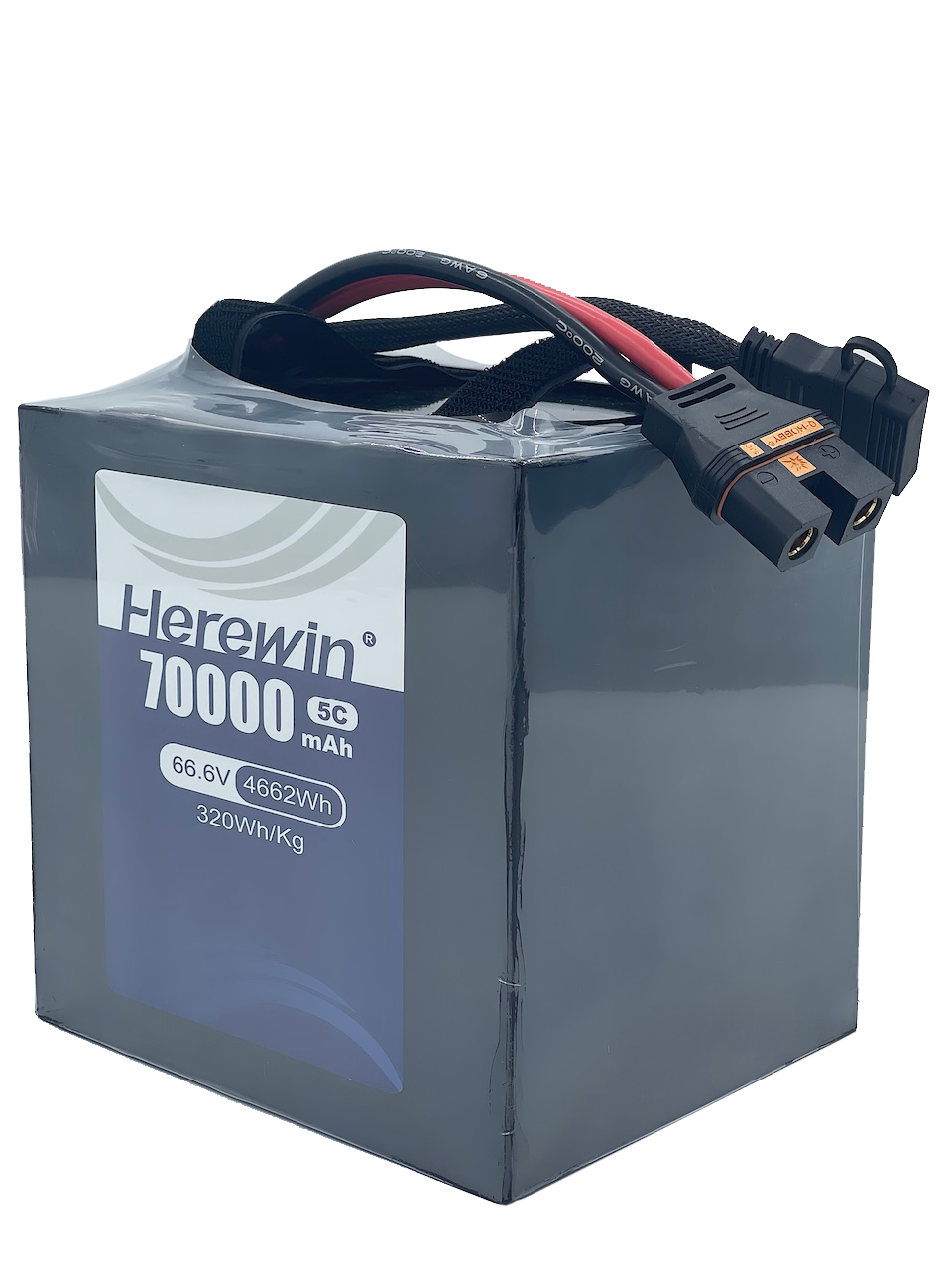
For a vendor-neutral view of how high energy density ties into operational economics, Herewin’s overview of high energy density UAV batteries is a useful starting point—especially as a reminder that endurance gains must be evaluated alongside safety and lifecycle constraints.
2026 outlook for UAV lithium metal batteries
Controlled pilots are emerging, but no broad adoption window is expected yet.
In 2026, the commercialization story is less about a single “breakthrough” and more about repeatability: consistent performance across lots, predictable behavior across temperature and mission variance, and a credible path from pilot learnings to scalable manufacturing.
A small number of system integrators are beginning to act as validation layers between cell chemistry and UAV deployment—turning lab performance into bounded operating windows that flight teams can actually trust.
At the system level, the competitive edge will come from who can define safe operating envelopes and validate them across mission profiles, not who can claim the highest theoretical energy density.
If you’re tracking the space, 2026 won’t be defined by breakthroughs in chemistry. It’ll be defined by whether operational stability can be demonstrated—consistently, across real UAV missions, temperatures, and production lots.
In other words: transition year, not breakthrough year.
2026 will not be defined by breakthrough chemistry, but by whether operational stability can be proven across real UAV missions. That is what will determine who moves from pilot programs to scale.


 Italiano
  English
  Español
  한국어
한국어  Deutsch
  Français
  日本語
日本語  Русский
  Bahasa Indonesia
  ไทย
ไทย  العربية
  Português do Brasil
  Nederlands