


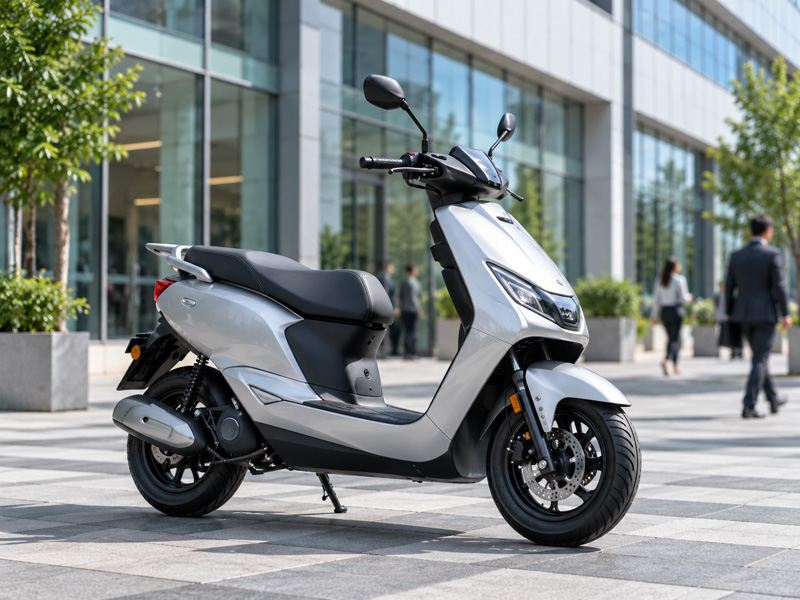

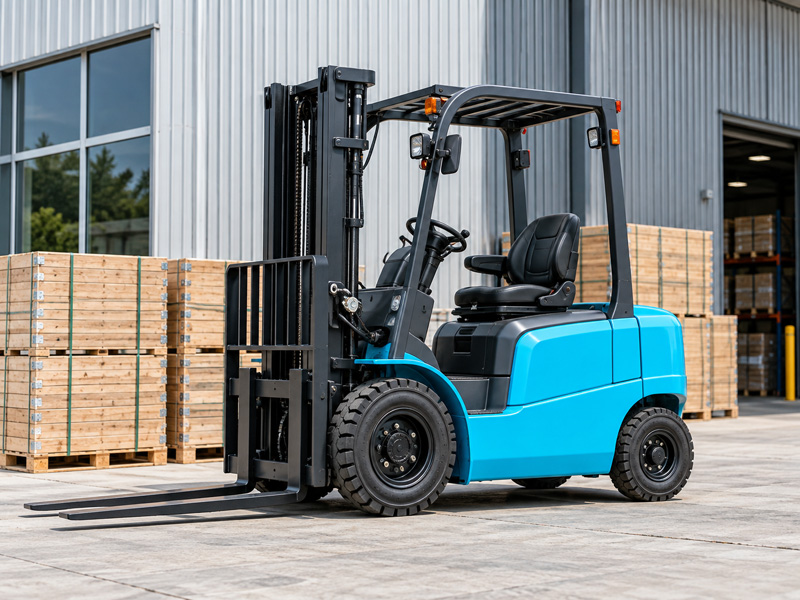

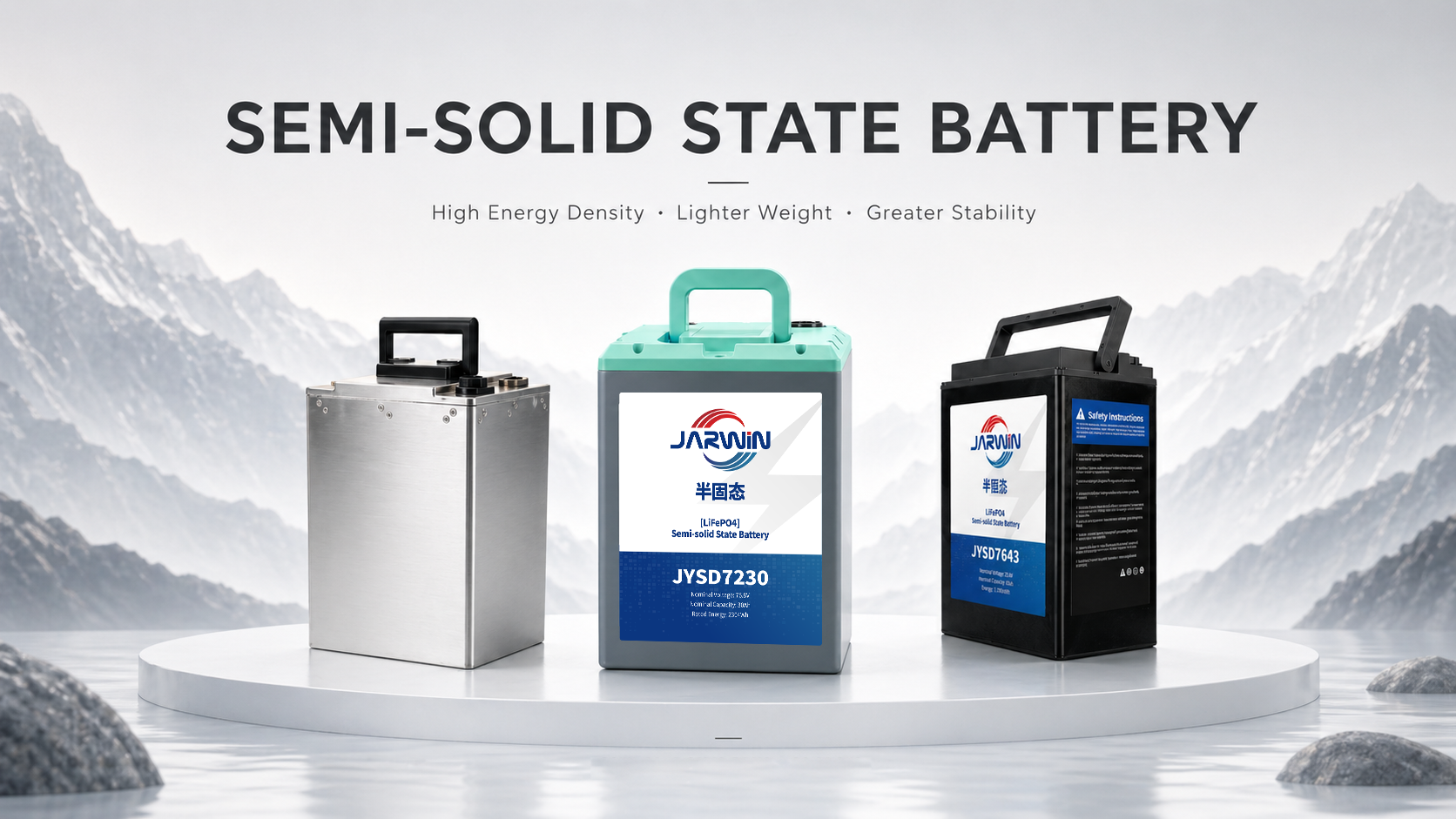
Across Southeast Asia, two-wheel fleets are running into a hard reality: when fuel becomes more expensive—or simply less predictable—operators have to re-price every kilometer. The squeeze hits high-utilization riders first, where small per‑km swings quickly turn into churn, incentives, and thinner margins.
To put a number on that operational pressure, treat 2026 as a stress-test scenario (not a macro forecast): fuel prices step up ~30–32% year-over-year.
On April 1, 2026, Reuters described a “fuel crisis” driving a surge in EV interest across Asia-Pacific (via TradingView’s mirror of the Reuters report). In Vietnam, March 10, 2026 coverage citing Petrolimex data reported gasoline up 32% since the end of the prior month, with diesel and kerosene rising faster (see The Economic Times coverage). Adoption still varies by country depending on swapping/charging coverage, policy choices, and rider behavior.
That first-wave story is mostly about averages: cost per kilometer, headline range, and rollout speed. The second-wave story is about variance—and whether your battery and station system stays predictable at scale.
But the bigger question is what happens after the first wave of rollout. In tropical heat and humidity, fleet economics are less likely to be decided primarily by MSRP or headline range. They tend to hinge on:
how fast batteries degrade across the population (not one lab sample)
how much unplanned downtime a swapping network absorbs
how resilient the supplier’s compliance and logistics chain is under scale
By 2026, the winning operators treat electrification as a supply chain + reliability problem.
The energy arbitrage: why ICE economics break first for high-utilization riders
When fuel volatility increases, high-utilization riders (ride-hailing, courier, and platform fleets) feel it immediately. The driver’s margin compresses, and retention becomes a cost line.
Electric two-wheelers create an “energy arbitrage” opportunity:
electricity is often less volatile than fuel on a per‑km basis
electric drivetrains convert more input energy into motion
swapping (when engineered well) converts rider charging time into centralized operations
This is why the decision frame shifts from “green mobility” to cost predictability. But that predictability only holds if uptime, degradation variance, and exception handling are engineered into the system—not patched in later.
Battery swapping in Southeast Asia: the operational tipping point
A fuel-shock scenario accelerates adoption—but adoption at speed exposes weak systems.
Two realities converge:
Infrastructure is capital-intensive at national scale. VietnamNet’s 2025 analysis, “Vietnam’s $60 billion EV challenge: the cost of battery swapping transition”, illustrates why cabinet deployment and circulating battery inventory become financing problems, not engineering trivia.
Fleet success depends on uptime economics. Your network is only “fast” if it is available.
So the core question isn’t “Can we deploy swapping?” It’s “Can we keep availability high while battery health stays consistent across the fleet?”
If your organization is modeling this transition, make sure the discussion is explicitly about fleet TCO electric motorcycle vs gasoline—and that TCO includes variance, not averages.
The tropical trap: why rapid expansion breaks low-end fleets
Tropical conditions don’t just reduce performance; they increase uncertainty.
In practice, tropical climate battery degradation often shows up as a distribution problem, not a single “typical” outcome:
a subset of packs fade faster than expected
impedance rises unevenly, creating inconsistent rider experience
exceptions rise at stations (more manual interventions and quarantines)
This doesn’t mean every pack will fail early.
It means quality, thermal design, sealing, and validation discipline separate predictable fleets from fragile ones. If the lower tail isn’t managed, the business impact can compound: more failures → more inventory buffers → higher capital lock‑up → more cashflow stress.
Heat and humidity: what’s happening inside the pack
High temperature accelerates multiple degradation pathways. That’s why resistance growth and capacity loss often speed up when packs spend more time above their preferred thermal window—patterns discussed in ACS Omega’s 2022 paper, “Heat Generation and Degradation Mechanism of Lithium-Ion Batteries…”.
Humidity is a separate exposure channel. Over time, moisture intrusion and corrosion can raise the odds of connector problems and material degradation. For a practical, non-standards overview, see “How Air Humidity Affects Battery Performance and Longevity” (2025); treat it as directional context and validate against your own tests.
In tropical fleets, the most expensive failure mode is often silent variance—your “average cycle life” looks acceptable while the lower tail breaks your ops.
Battery swapping station downtime: the cost operators miss
Battery swapping is sold as speed. Operators live the reality: it’s a distributed reliability system—mechanical wear, corrosion exposure, software drift, and battery health uncertainty.
Downtime isn’t inevitable, but it is sensitive to execution. Maintenance discipline, sealing and corrosion protection, and firmware/remote ops governance often matter as much as the cabinet BOM.
Common downtime drivers:
weak battery health telemetry (you learn about degradation from rider complaints)
connector wear, cabinet mechanical faults, and poor sealing
corrosion/dust accumulation, especially near coastal and high-humidity corridors
firmware and configuration drift across a growing cabinet base
safety shutdowns triggered by inconsistent charging practices
The practical fix is boring—and decisive: inspection discipline, cleaning, remote diagnostics, and firmware governance. If you want a maintenance checklist-style reference (written for charging infrastructure, but transferable in logic), Qmerit’s 2024 guide, “Five Commercial EV Charging Station Maintenance Tips”, is a useful starting point.
Closing the TCO loop: requirements that protect unit economics
If you want predictable economics, procurement needs requirements that read more like aviation checklists than consumer electronics spec sheets.
A simple parity model you can defend in an audit
Example assumptions (illustrative only):
Input | ICE motorcycle | E‑motorcycle + swapping | Notes |
|---|---|---|---|
km/day | 160 | 160 | High-utilization fleet use |
days/month | 26 | 26 | — |
energy cost per km | $0.06 | $0.015 | Replace with your scenario |
downtime hours/month | 6 | 2 | Swapping advantage depends on uptime |
downtime cost/hour | $8 | $8 | Missed orders + idle labor |
battery replacements/month | — | variable | Driven by variance + warranty terms |
Core equations (keep them simple, then stress-test the assumptions):
ICE energy cost =
km_month × fuel_cost_per_kmEV energy cost =
km_month × electricity_cost_per_kmDowntime cost =
downtime_hours × downtime_cost_per_hourBattery program cost =
replacement_rate × unit_cost(model as a distribution)
BMS telemetry predictive maintenance: turning packs into managed assets
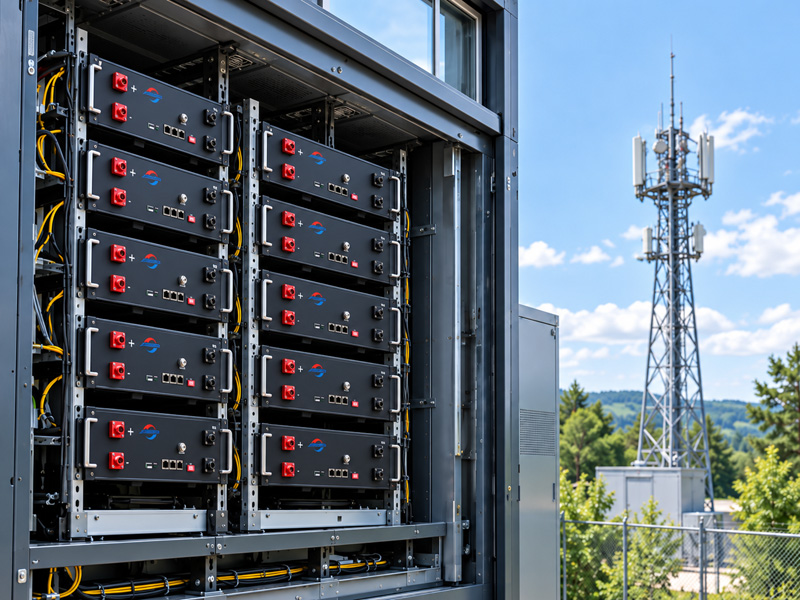
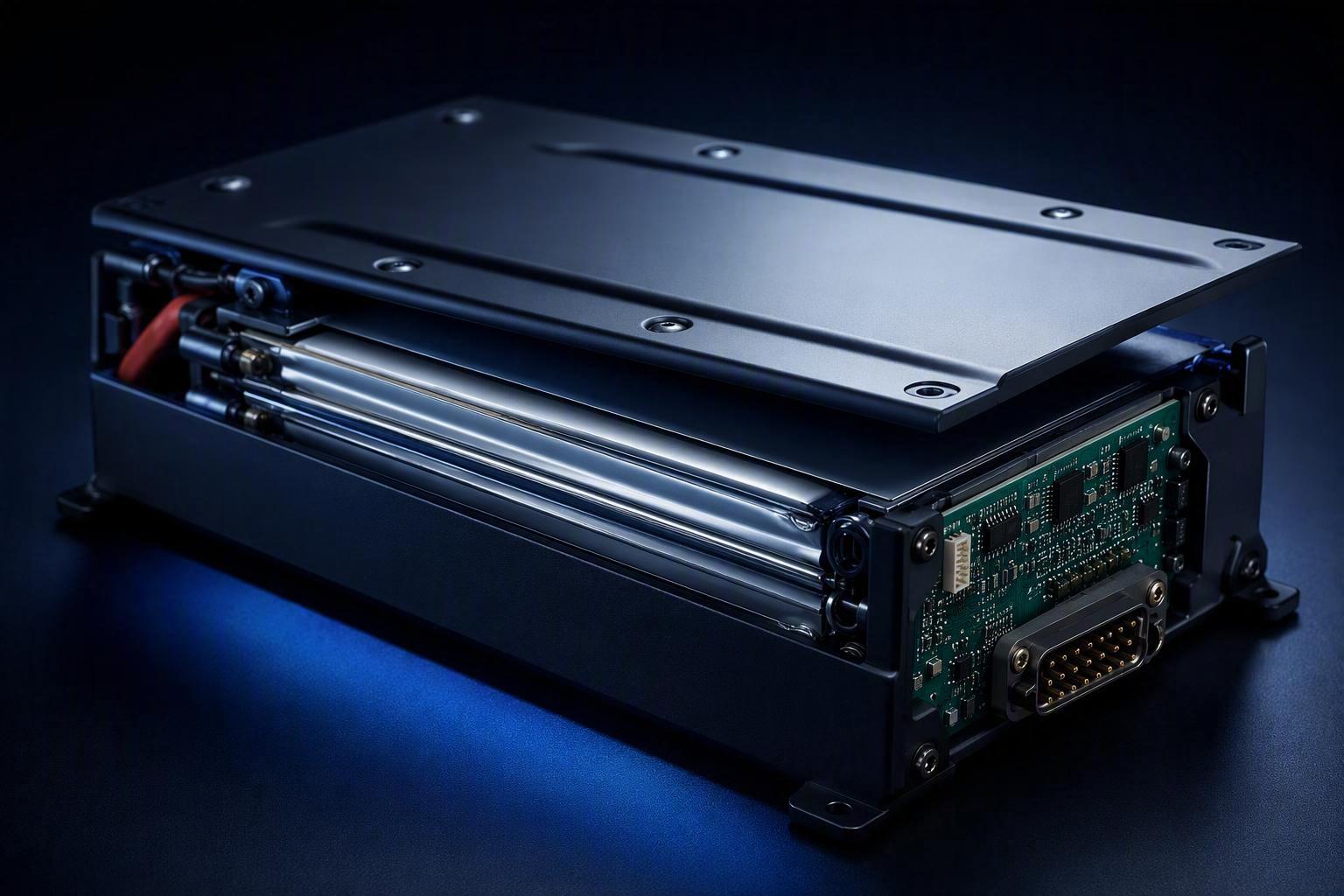
For swapping operators, the BMS isn’t only a safety layer. It’s the main operational data plane.
But it only pays off when it’s paired with strong station SOPs, firmware governance, and a clear warranty/exception workflow.
Minimum requirements to put into an RFQ:
cell/pack temperature and voltage monitoring
SOC/SOH estimation with event logs for warranty adjudication
alerts and quarantine rules (what happens when a pack crosses thresholds)
data export or API access for ops dashboards and exception workflows
Keep the requirements testable: define a small set of acceptance metrics (e.g., station availability, MTTR, quarantine rate, and SOH thresholds) so procurement terms map cleanly to field performance.
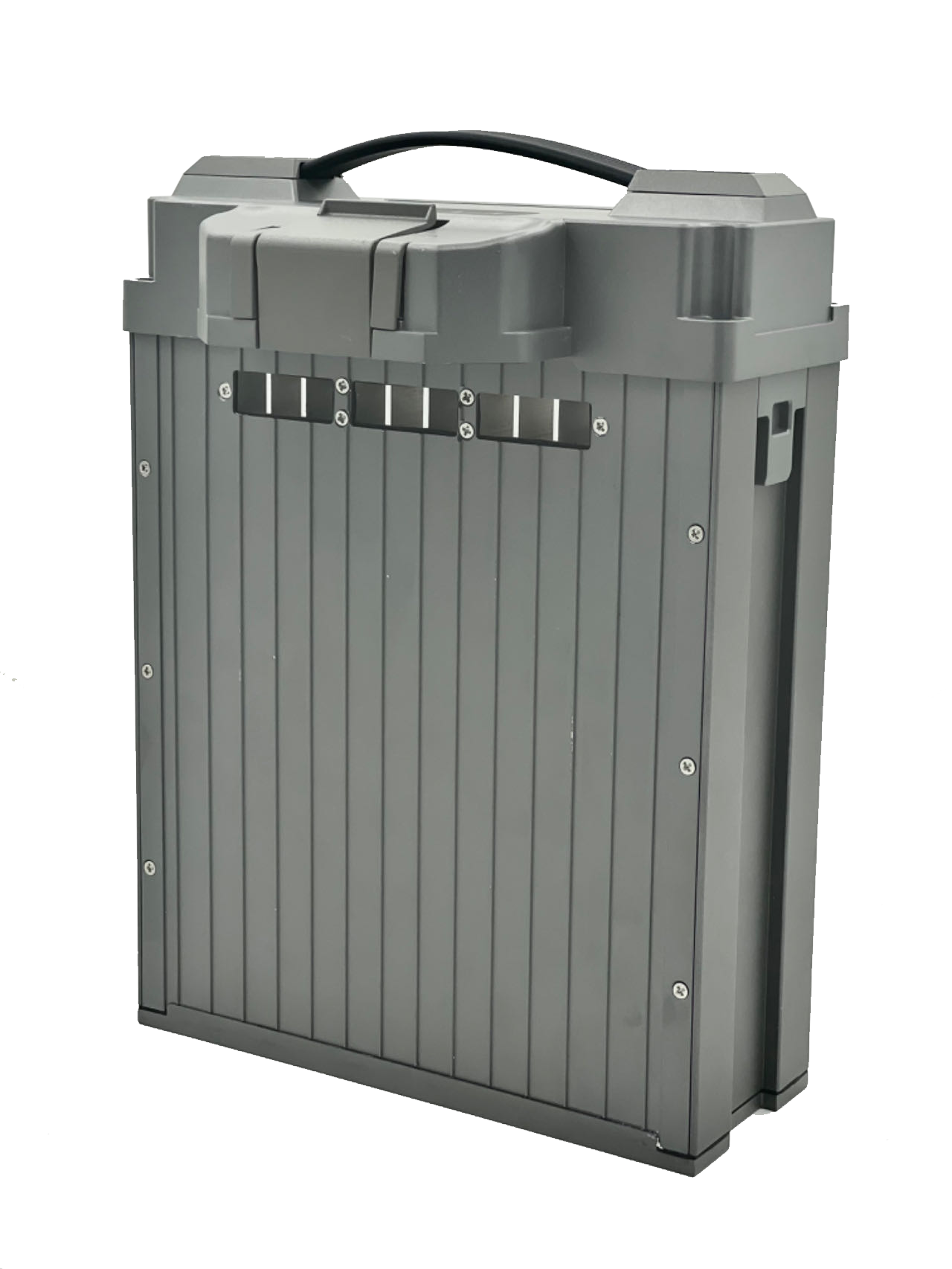
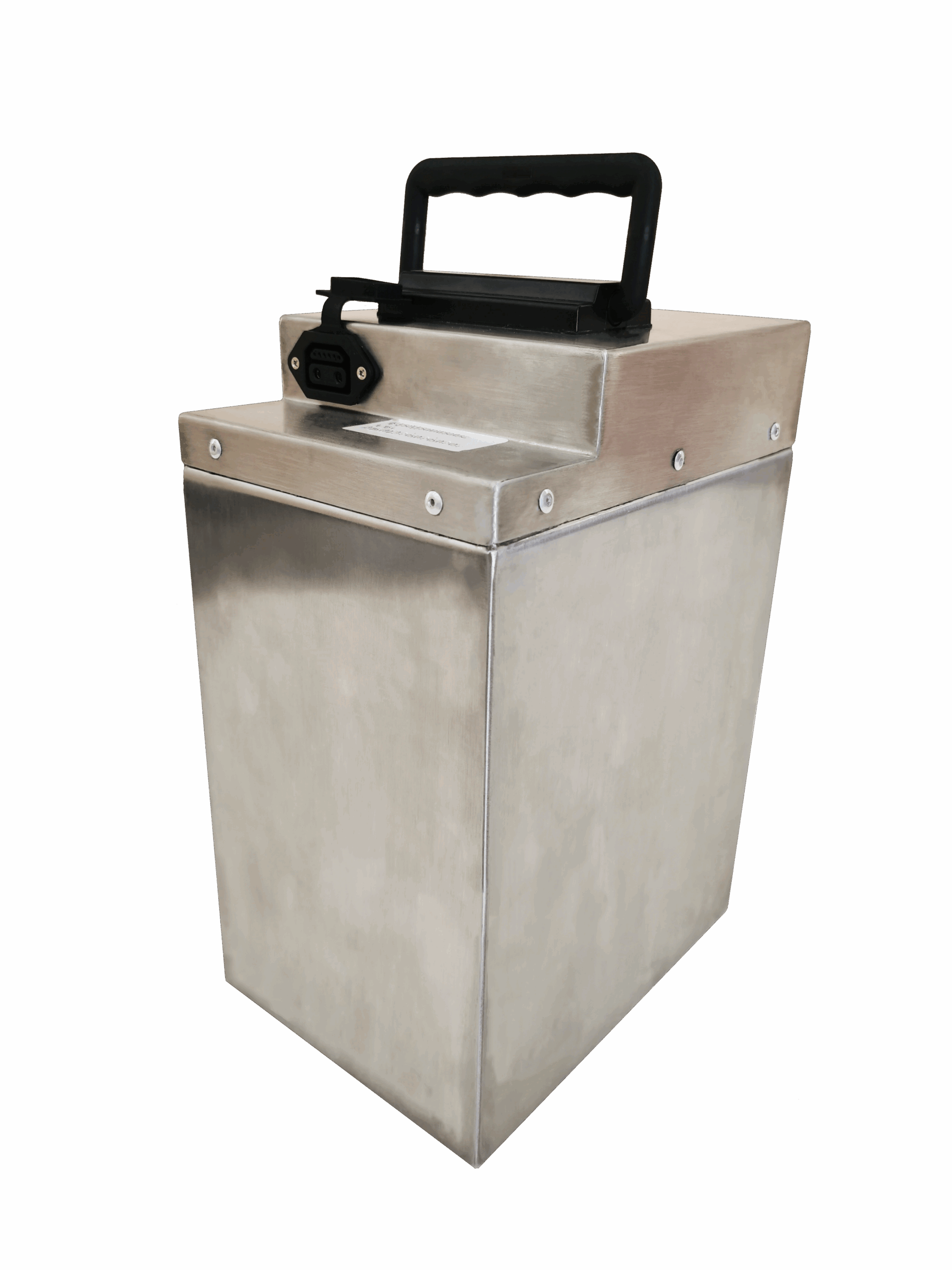
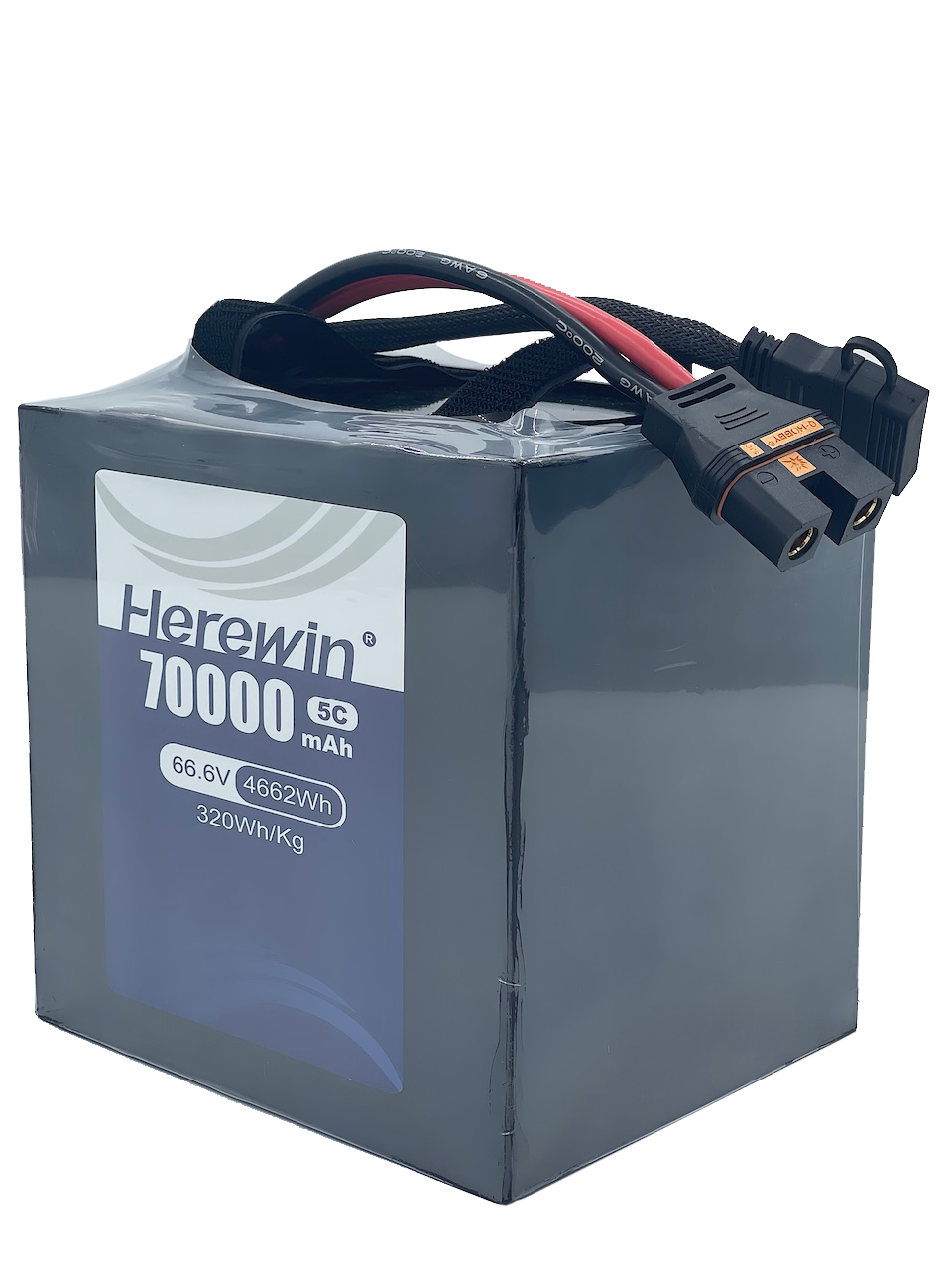
For example, suppliers that provide ODM/OEM low-speed mobility battery packs often highlight how monitoring and safety features can support day-to-day operations. If you want a concrete starting point, see Herewin’s low-speed power solution overview. Use it as a directional input, then translate it into acceptance tests, SLAs, and telemetry deliverables in your RFQ and rollout governance. If you want a more specific reference point—such as BMS telemetry data items, exception workflows, and documentation for RFQs—contact Herewin’s team directly via the contact page.
Supply chain advantage compounds under scale
In a 2026 scale-up window, advantage concentrates in teams that can document three things—clearly and fast:
Tropical durability evidence (duty cycle, cabinet conditions, population variance)
Compliance readiness (certification files, traceability, audit trails)
Supply certainty (capacity planning, QA throughput, SLA-backed replacement pipelines)
For most operators, this translates into a simple due-diligence ask: a documentation pack that supports battery certifications UN38.3 UL CE (plus local-market requirements), and the paperwork you’ll need for cross-border transport and insurance.
Just keep in mind: even with strong durability, compliance, and supply coverage, outcomes can still hinge on route density, financing terms, local partnerships, and rider trust.
Next step: request a readiness assessment
Before you expand vehicles or cabinets again, request a supply-chain + certification readiness assessment.
You should leave that assessment with:
a tropical durability validation plan (tests + acceptance thresholds)
a certification/documentation pack aligned to routes and markets
a telemetry requirement spec for swapping operations
a capacity + SLA review that matches your rollout plan
If your team wants an engineering-led, audit-friendly assessment, we can support this work as an ODM/OEM partner—focused on repeatability, compliance, and uptime rather than one-off prototypes.


 Français
  English
  Español
  한국어
한국어  Deutsch
  日本語
日本語  Русский
  Bahasa Indonesia
  ไทย
ไทย  العربية
  Português do Brasil
  Italiano
  Nederlands