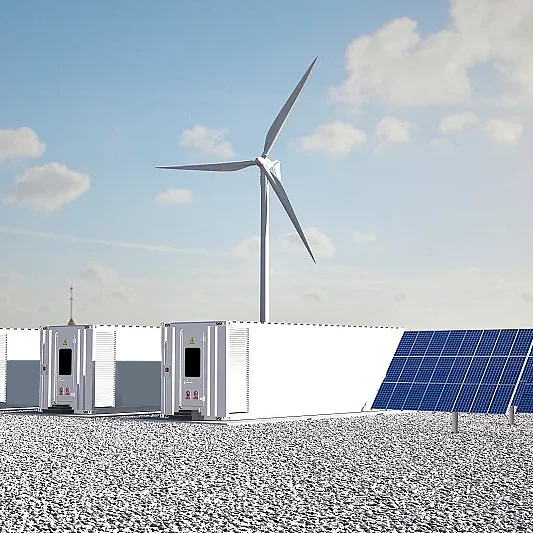


Australia’s harsh environmental stressors—characterized by intense UV radiation, pervasive micro-conductive dust, and corrosive salt mist—present existential challenges for standard energy storage systems. These factors accelerate hardware degradation and compromise system reliability. In Oceania, high-ingress protection is no longer a premium feature; it is a fundamental requirement for securing project bankability and long-term ROI. Adopting a hybrid architecture with IP65-rated battery protection represents a proactive strategy to neutralize geographical risks and guarantee asset longevity.
Key Takeaways
IP65-rated hermetic seals for battery modules are essential to safeguard sensitive chemical assets against Australia’s micro-conductive dust and saline air.
C5-grade protection and UV-resistant seals ensure a 15-year asset lifecycle in harsh environments.
Integrated liquid cooling and BMS dew-point prediction logic maintain cell stability at 45°C extremes without power derating.
Total Cost of Ownership (TCO) is significantly reduced by mitigating the high costs of remote labor and unplanned O&M expenses.
100% availability during peak demand enhances project bankability and supports Australia’s transition to a reliable, renewable-heavy grid.
Australia’s Environmental Stressors

Fine Dust Ingress in the Outback
Australia’s arid Outback presents an aggressive environment characterized by pervasive micro-conductive red dust. In standard air-cooled systems, these fine particles easily infiltrate the enclosure, accumulating on heat exchangers, air filters, and sensitive Power Conversion Systems (PCS). This accumulation creates a dual threat: it acts as a thermal blanket that induces overheating and, if moisture is present, can become conductive, leading to catastrophic insulation failures.
The critical impacts of fine dust on non-sealed ESS include:
Thermal Bottlenecks: Obstruction of airflow in heat exchangers, forcing cooling fans to run at maximum capacity and reducing overall round-trip efficiency (RTE).
Insulation Degradation: Dust accumulation on PCBs and busbars increases the risk of “tracking” (leakage currents), which can trigger unplanned system shutdowns.
Abrasive Wear: Fine silica-rich dust acts as an abrasive on mechanical seals and moving parts, accelerating the aging of the enclosure’s physical barrier.
Coastal Salt Mist Corrosion
In Australia’s coastal regions, salt mist acts as a high-performance electrolyte, significantly accelerating the galvanic corrosion of metallic frames and critical electrical interfaces. Without high-grade atmospheric protection, this saline environment leads to the rapid oxidation of external structures, eventually breaching the hermetic seal and exposing the battery modules to corrosive humidity.
The critical impacts of salt mist on standard ESS include:
Structural Pitting: Accelerated degradation of enclosure hinges, door seals, and mounting frames, leading to premature structural failure.
Electrical Interface Failure: Corrosion of external connectors and grounding points, which can increase contact resistance and trigger system faults.
Compromised Sealing Integrity: Salt buildup on gaskets can compromise the protective barrier, allowing saline moisture to infiltrate sensitive internal components.
Thermal Cycling and Internal Condensation
Australia’s inland regions experience diurnal temperature swings exceeding 30℃, creating a “breathing effect” that subjects enclosures to intense thermal cycling. This repetitive mechanical stress can induce micro-fractures in electrical busbars and compromise soldered interconnects, threatening long-term electrical continuity.
Beyond structural fatigue, these fluctuations pose a severe risk of internal condensation. Rapid nighttime cooling can cause internal air to reach its dew point, leading to moisture formation directly on sensitive power electronics.
The consequences of unmanaged thermal cycling include:
Insulation Degradation: Moisture-induced leakage currents that trigger system ground faults.
Component Fatigue: Micro-cracks in high-current paths leading to localized overheating.
Internal Corrosion: Accelerated oxidation of non-protected internal circuitry and connectors.
To neutralize the risks of internal condensation, a sophisticated BMS (Battery Management System) must evolve beyond simple temperature monitoring to include a Dew-point Prediction Algorithm. By actively tracking internal humidity levels and ambient thermal shifts, the BMS can preemptively trigger climate control mechanisms before moisture forms.
This proactive management ensures that the internal environment remains consistently above the dew point, effectively preventing the “sweating” effect. In Australia’s volatile climates, such an intelligent control logic is essential to safeguard the system’s high-voltage integrity and prevent the insulation degradation that leads to unplanned downtime.
Hybrid Engineering for Climate Resilience
While intelligent algorithms manage the internal micro-climate, the system architecture serves as the first line of defense. A superior engineering approach prioritizes a hermetic seal at the module level that remains uncompromised under decadal environmental exposure, ensuring the critical battery assets are isolated from the cumulative effects of the external climate.
Hermetic Sealing via High-Elasticity Materials
To maintain a persistent IP65-rated seal for core battery modules in Australia’s high-UV index regions, advanced hermetic sealing engineering must utilize high-elasticity EPDM (Ethylene Propylene Diene Monomer) and silicone-based composites. Unlike standard industrial seals that become brittle and lose their compressive strength under intense solar radiation, these high-performance materials are specifically rated for long-term UV stability. This choice ensures the critical internal compartments remain dust-tight and moisture-proof over a projected 15-year operational lifecycle, providing a robust defense against atmospheric degradation.
These high-elasticity gaskets provide superior compression set resistance, ensuring a persistent hermetic seal even after repeated thermal expansion and contraction cycles—a common occurrence in the Australian Outback where diurnal temperatures fluctuate by over 30°C. By preventing the degradation of these critical interfaces, the system maintains total isolation of core electrochemical components from micro-conductive red dust and saline humidity. This robust sealing strategy significantly mitigates the risk of insulation failure and unplanned downtime, securing the long-term integrity of the high-voltage architecture.
Coastal Durability: C5-Grade Protection Standards
For energy storage assets deployed within 50km of Australia’s vast coastline, salt mist corrosion poses an existential threat to structural integrity. Superior climate resilience is achieved by adhering to the ISO 12944 C5 (Very High Corrosion) category. Under this standard, enclosure systems must undergo rigorous 1,000-hour salt spray testing to ensure zero structural rust and no compromise to the internal IP65-sealed architecture.
The cornerstone of this protection lies in a strategic hybrid material approach. For high-salinity projects, the use of 316L stainless steel is essential for critical external hardware—including hinges, door latches, and fasteners. This grade is prioritized for its molybdenum content, which specifically resists pitting corrosion in saline environments.
This hardware is combined with heavy-duty fluorocarbon-coated galvanized steel for the main enclosure panels. Such a dual-layer defense system prevents the “creeping corrosion” that typically plagues standard frames. By maintaining a pristine, non-corrosive exterior, the system ensures that critical electrical interfaces remain protected, securing the long-term reliability and residual value of the energy storage investment.
Structural Integrity: Material Synergy for Durability
The structural integrity of climate-resilient energy storage systems is built on a strategic synergy between high-strength steel and precision aluminum alloys. This hybrid approach ensures the enclosure is optimized for both mechanical protection and high-performance thermal efficiency.
Reinforced C5-Rated Steel Enclosure: For the external chassis, the use of high-strength galvanized steel treated with multi-layer anti-corrosion coatings is essential. This robust outer shell provides the primary defense against Australia’s harsh physical environment, maintaining its structural load-bearing capacity even after 1,000 hours of salt spray testing.
Precision Aluminum Alloy Internal Architecture: Internally, high-grade aluminum alloys are utilized for battery racks and thermal management components. These alloys offer a superior strength-to-weight ratio and exceptional thermal conductivity. The surfaces undergo a specialized Anodic Oxidation (Anodization) process, creating a non-conductive, ceramic-like barrier that prevents oxidation while facilitating rapid heat dissipation from the battery modules.
Seismic and Mechanical Resilience: This material synergy ensures the system meets stringent seismic and vibration standards. While the steel exterior absorbs external mechanical impacts, the lightweight aluminum interior reduces the overall center of gravity and minimizes internal inertia during transport and seismic events.
By integrating these specialized materials within a climate-resilient architecture, a durable, future-proof foundation is established for the entire 15-year lifecycle of the energy asset.
Balancing Protection and Performance
Active Cooling in Sealed Environments
Effective thermal management is the critical offset to the “insulation effect” inherent in hermetic sealing. In Australia’s extreme heat, traditional air-cooling often forces a technical compromise: either breach the seal for airflow (risking dust and moisture ingress) or accept severe thermal derating to protect the cells. The solution to this paradox lies in an integrated liquid cooling architecture specifically engineered for IP65-rated battery compartments.
By circulating coolant through high-conductivity thermal plates, heat is extracted directly from the battery modules and rejected via an external heat exchanger. This allows the internal battery chamber to remain completely isolated (IP65) from ambient red dust and salt mist, ensuring that environmental protection never comes at the expense of cooling efficiency.
This advanced thermal logic significantly mitigates electrochemical degradation by maintaining cell temperature variance within a precise ±3°C range. Such thermal stability is vital during peak Australian summer demand. While conventional air-cooled systems may trigger thermal derating at ambient temperatures above 35°C, a high-performance liquid-cooled ESS ensures continuous rated power output at up to 45°C extremes. For asset operators, this translates to full discharge capacity availability during the most lucrative high-price events on the National Electricity Market (NEM), securing the financial performance of the asset when grid demand is most critical.
Complementing the hardware, a sophisticated BMS manages the synergy between cooling intensity and internal micro-climate control. By integrating Dew-point Prediction Logic, the system ensures that the liquid cooling plates operate at temperatures that optimize cell longevity without crossing the threshold that triggers internal condensation. This holistic climate control ensures the interior remains dry and stable, even when the external heat exchanger is battling high-humidity coastal air.
Stability at 45℃ Extremes
Operating at 45℃ ambient temperatures is a rigorous test of an ESS’s internal thermal gradient control. While the IP65-rated battery architecture prevents external heat-carrying dust from entering, a superior internal architecture is engineered to prevent localized “hot spots” within the battery modules—a leading cause of premature cell failure. By leveraging low-internal-resistance cell connectivity and optimized fluid dynamics within the cooling plates, the system ensures that the internal temperature remains within the optimal electrochemical window, maintaining high Round-Trip Efficiency (RTE) and preventing the accelerated electrolyte aging common in standard air-cooled installations.
In the context of the Australian energy transition, this capability ensures that energy storage assets are not merely “surviving” the heat, but are performing at peak industrial capacity when the grid needs it most. By securing full output during these thermal extremes, the system provides a dependable anchor for grid stability and maximizes the commercial value of the energy investment. This ensures that assets are not only technologically resilient but also highly bankable components of the national utility infrastructure.
Economic Benefits of Climate-Resilient Storage
Investing in energy storage with module-level IP65 protection offers significant economic advantages in Australia’s challenging environments. This robust architecture leads to reduced maintenance costs and improved reliability, which are crucial for long-term financial planning.
Total Cost of Ownership
The TCO for systems featuring IP65-sealed battery modules is notably lower than that of non-sealed alternatives. While the external enclosure provides C5-grade IP54 protection for structural integrity, the IP65 rating at the module level ensures that the most sensitive chemical assets are protected against micro-conductive dust and moisture. This dual-layer approach extends the system’s lifespan and reduces the frequency of internal repairs, ultimately lowering long-term operational costs.
Minimising Remote O&M and Emergency Service Costs
Beyond technical reliability, the integration of IP65-rated battery engineering translates into measurable financial performance. In Australia’s challenging geography, this architecture significantly reduces long-term operational costs through two primary economic levers.
The Labor Factor
In the vast and sparsely populated Australian landscape, labor costs are a primary driver of Total Cost of Ownership (TCO). For energy storage systems deployed in remote mining sites or agricultural hubs, the logistics of a single unplanned service call—encompassing specialized technician fees, air travel, and multi-day accommodation—can represent a disproportionately high percentage of the system’s initial capital value. In some extreme cases, a single emergency repair in the Outback can cost as much as a significant fraction of the unit itself.
By implementing IP65-rated battery engineering, the necessity for frequent on-site maintenance is drastically reduced. Traditional systems often require intensive internal cleaning to prevent dust-induced overheating; however, a hermetically sealed module architecture eliminates these repetitive tasks. This shift from reactive to proactive reliability allows operators to reallocate their high-cost human resources more efficiently, transforming environmental protection into a direct financial dividend by slashing long-term operational expenditure (OPEX).
Risk Mitigation
Investing in climate-resilient systems is a strategic hedge against multi-dimensional economic risks. In the Australian energy market, systems without high-ingress protection are vulnerable to environmental ingress, which triggers a cascade of financial consequences: from sudden system outages during peak pricing events to accelerated hardware depreciation.
By standardizing on an architecture with IP65-sealed core components, businesses mitigate the risk of catastrophic failures and the subsequent legal and insurance repercussions associated with environmental damage. This proactive engineering choice safeguards the long-term Internal Rate of Return (IRR) and ensures that the energy storage asset remains a high-performing, bankable component of the enterprise’s infrastructure.
Financial Metric | Impact of Hybrid Engineering Approach |
OPEX Optimization | 30% – 50% savings on annual maintenance. IP65-rated battery modules eliminate the need for deep internal cleaning and prevent dust-induced shorts in harsh Australian environments. |
Enhanced LCOE | Lower Levelized Cost of Energy through superior thermal management. Keeping cell temperature variance within ±3°C significantly reduces annual capacity degradation. |
Asset Lifecycle Extension | Project design life is extended to 15-20 years. C5-grade anti-corrosion materials prevent structural aging, maintaining high residual value for the energy asset. |
Bankability & Insurance | High-ingress protection and compliance with UL9540A lower the perceived risk for lenders, leading to reduced commercial insurance premiums. |
Selecting climate-resilient energy storage solutions is vital for ensuring long-term reliability and cost-effectiveness in Australia’s challenging environments. These systems enhance the overall reliability of energy projects by integrating seamlessly into microgrids and utility infrastructure, providing dependable dispatchable power even during extreme weather events.
High-ingress protection standards, such as IP65-rated battery architecture, play a crucial role in neutralizing environmental risks and securing long-term ROI for stakeholders. By investing in these robust, engineering-led solutions, asset owners can safeguard their energy investments and contribute to a resilient and sustainable future.
To learn more about how our climate-resilient engineering can secure your energy investment, we invite you to consult with our technical team.
FAQ
What is IP65 rating in energy storage systems?
The IP65 rating applies to the core battery modules, indicating they are completely dust-tight and hermetically sealed. In Australia, this is critical for isolating sensitive chemical assets from micro-conductive red dust and salt mist, which are the primary drivers of insulation failure and internal system aging.
How do climate-resilient batteries benefit renewable energy projects?
They ensure consistent power availability by eliminating derating during extreme heat. This maximizes revenue during peak demand and secures the asset’s 15-year lifecycle, directly improving project bankability.
What materials are used in these climate-resilient systems?
A hybrid material strategy is employed: utilizing heavy-duty C5-rated steel for the enclosure to resist corrosion, 316L stainless steel for critical external hardware, and anodized aluminum for internal racks to optimize thermal conductivity and structural integrity.
How does thermal management affect battery performance?
Effective thermal management prevents cell degradation. Advanced liquid cooling combined with dew-point prediction logic maintains optimal operating temperatures and prevents internal condensation, ensuring 100% power availability up to 45°C.
Can these energy storage solutions integrate with solar systems?
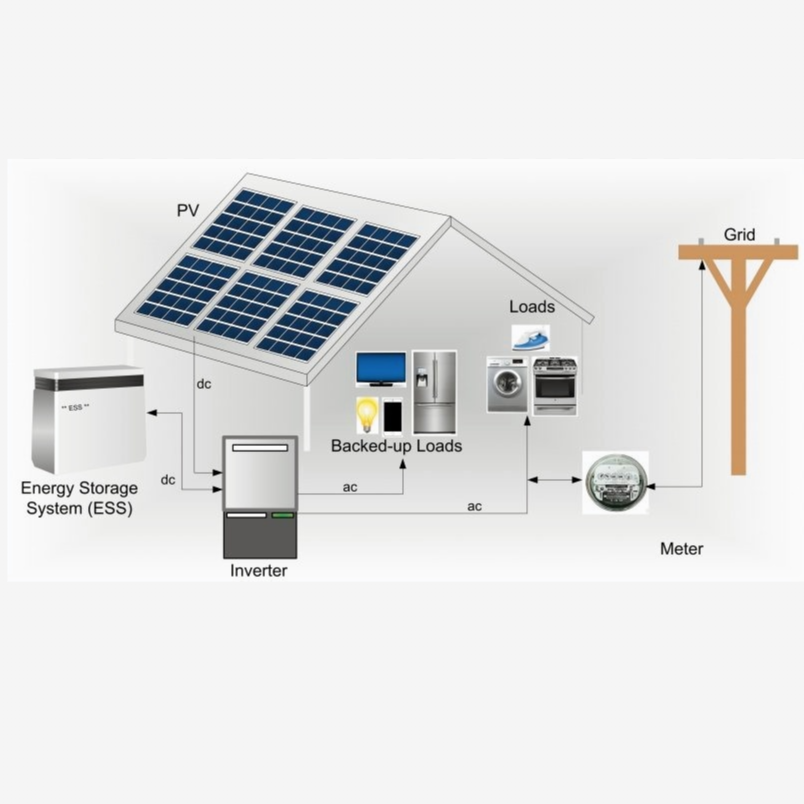
Yes. They are designed for seamless integration with C&I microgrids, industrial facilities, and utility-scale renewable plants to optimize consumption and provide essential grid-firming services.
See Also
Durable Battery Innovations for Australian Cargo Drones’ Weather Challenges
Boosting Australian Caravan OEMs with Off-Grid Lithium Power Solutions
Reliable Power Supply with Liquid-Cooled ESS for Harsh US Climates
The Rise of High IP Lithium for Efficient Cold Storage Solutions
Ensuring Safety and Longevity with High-Temperature LFP Energy Storage

 English
  Español
  한국어
한국어  Deutsch
  Français
  日本語
日本語  Русский
  Bahasa Indonesia
  ไทย
ไทย  العربية
  Português do Brasil
  Italiano
  Nederlands