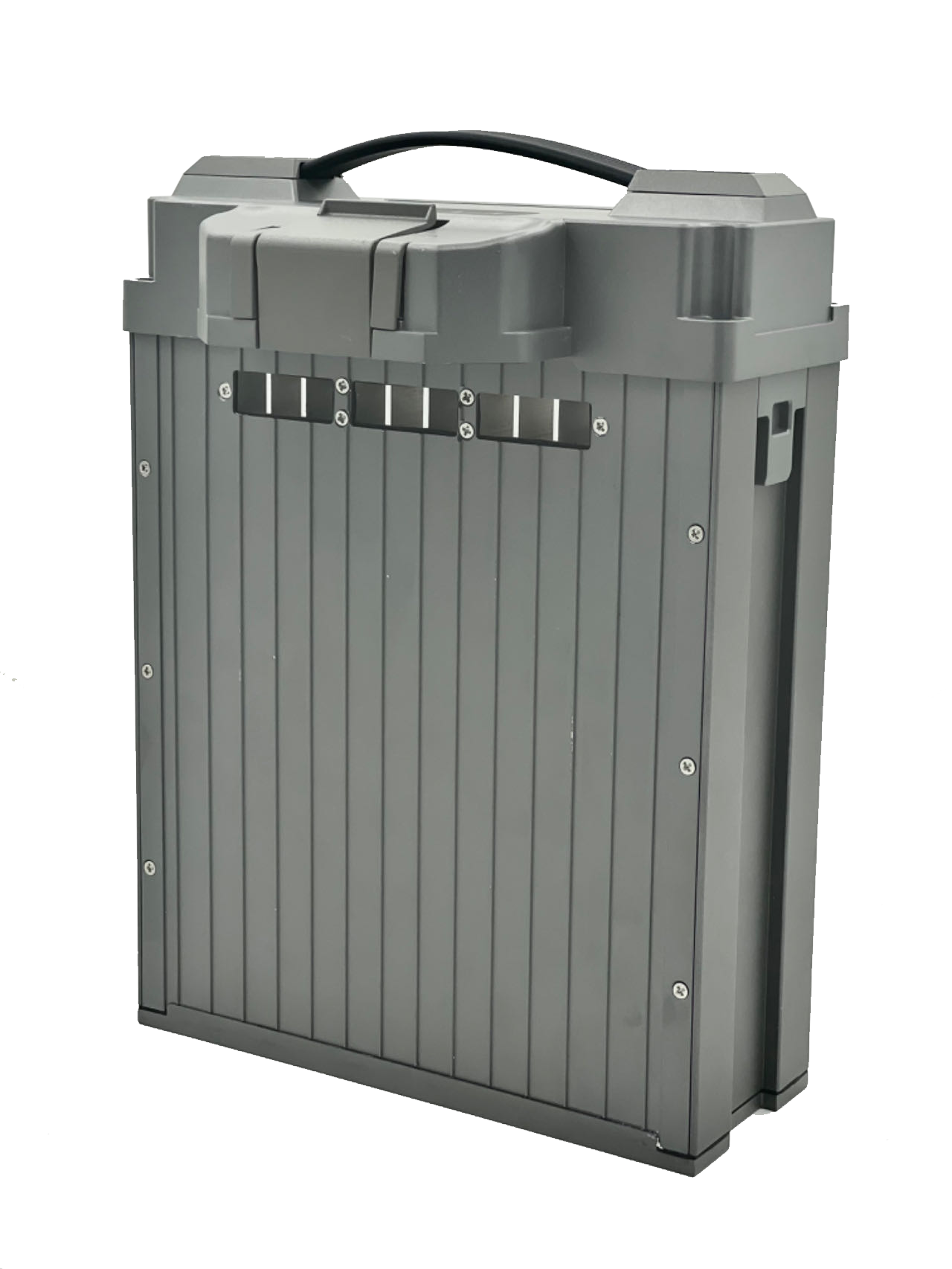
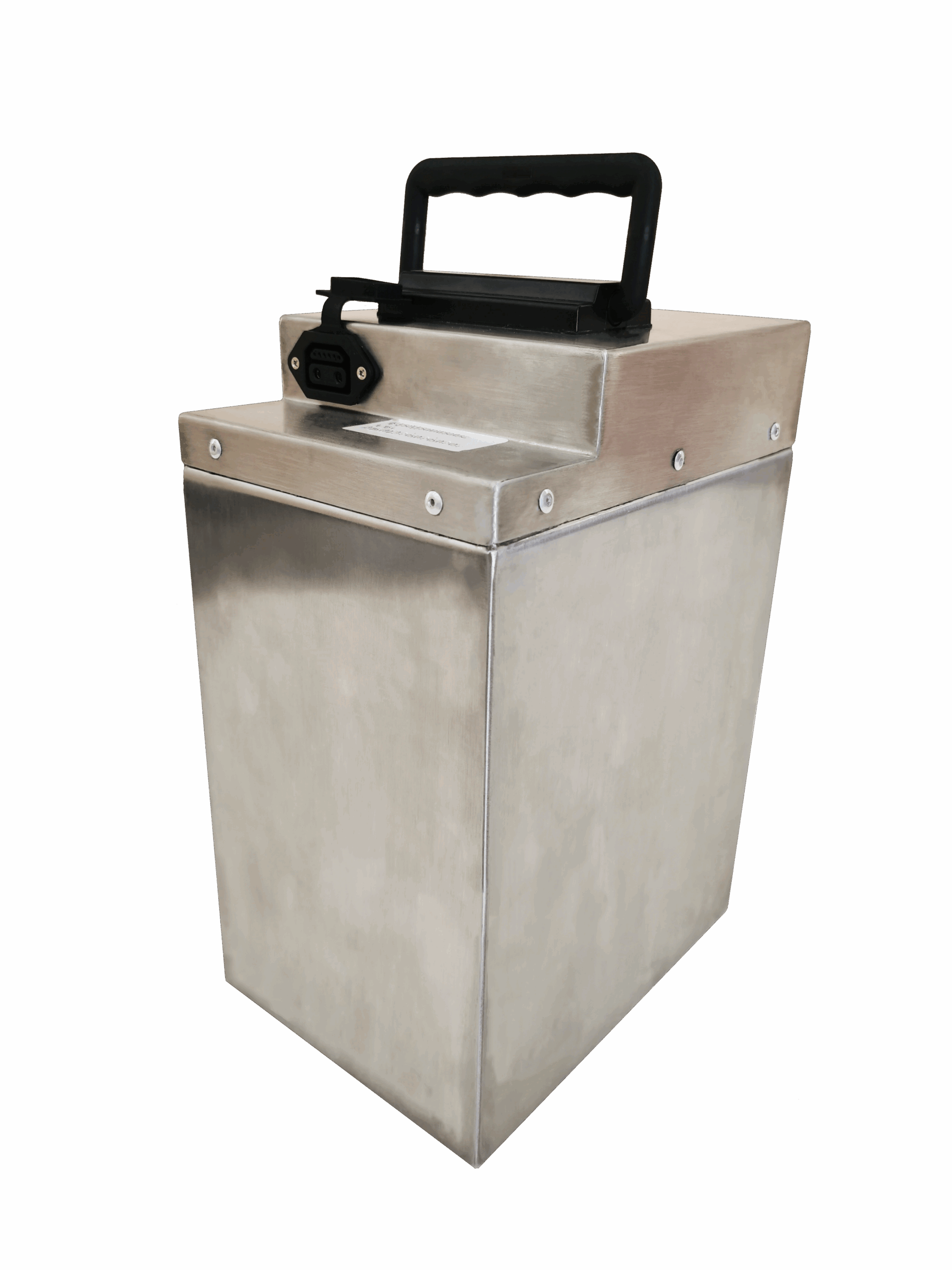


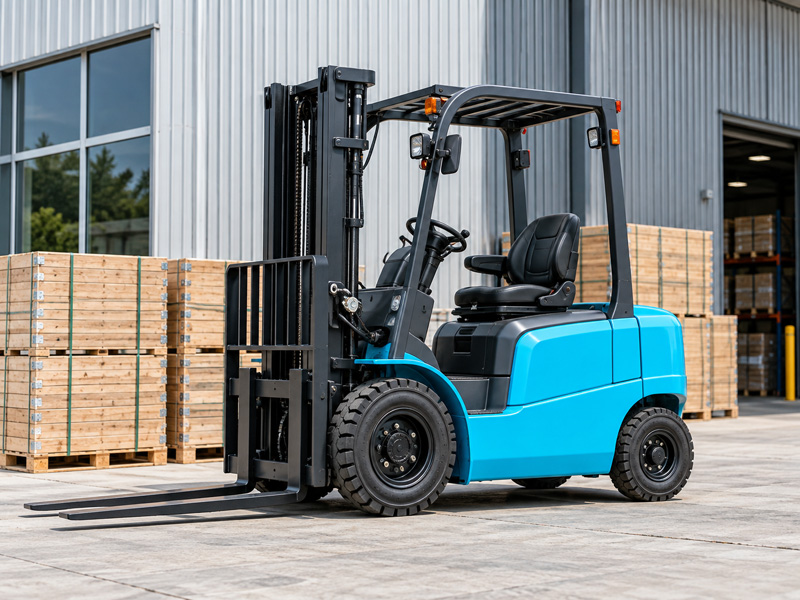


Forklift operations in cold storage environments face significant threats from dampness, acidity, and low temperatures. These harsh conditions can lead to increased operational costs and safety risks. High IP rated lithium batteries for produce processing cold storage forklifts provide a strategic upgrade to combat these challenges. With a lifespan 2 to 4 times longer than lead-acid batteries, they reduce replacement costs. Their ability to maintain consistent performance in temperatures as low as -4°F ensures reliability. Moreover, their fully sealed design minimizes the risk of spills and toxic fumes, enhancing safety for operators.
Key Takeaways
Extended Asset Life and reduced replacement costs.
Consistent Power Output in extreme cold storage environments.
24/7 Productivity enabled by opportunity charging.
Minimal Maintenance requirements, saving time and labor.
Enhanced Safety and TCO for long-term operational savings.
The High Cost of Corrosion: Lead-Acid Failure in Produce Processing
Acidic Mist & Rapid Deterioration
Lead-acid batteries face significant challenges in produce processing environments, primarily due to their susceptibility to corrosion. The acidic mist generated during operation can lead to rapid deterioration of battery components. This degradation not only shortens the lifespan of the battery but also compromises its performance.
In these harsh conditions, the average lifespan of lead-acid batteries ranges from 3 to 7 years, with a cycle life of 500 to 2,000 cycles. In contrast, lithium batteries can last between 7 to 15 years and offer a cycle life of 2,000 to 10,000 cycles. This stark difference highlights the true replacement cost burden. The corrosive effects of the acidic mist lead to internal damage, resulting in decreased efficiency and increased maintenance requirements, ultimately driving up operational expenses.
Cold Stress & Lost Capacity
Cold temperatures exacerbate the issues faced by lead-acid batteries. When exposed to freezing conditions, these batteries can lose 30–50% of their available capacity. This severe loss translates directly to shorter run times for forklifts, drastically hindering productivity in cold storage operations.
The operational impact of cold stress on lead-acid batteries includes:
Reduced battery life and performance.
Increased maintenance needs and downtime.
Shorter operational run times, leading to delays and inefficiencies.
These systemic failures in challenging environments underscore the need for a more robust power solution. High IP rated lithium batteries for produce processing cold storage forklifts maintain consistent performance even in temperatures as low as -4°F, providing the reliability traditional lead-acid technology simply cannot guarantee.
The Lithium Advantage: Unmatched Reliability in Extreme Industrial Conditions
IP65+ Protection: Sealing Out Harshness
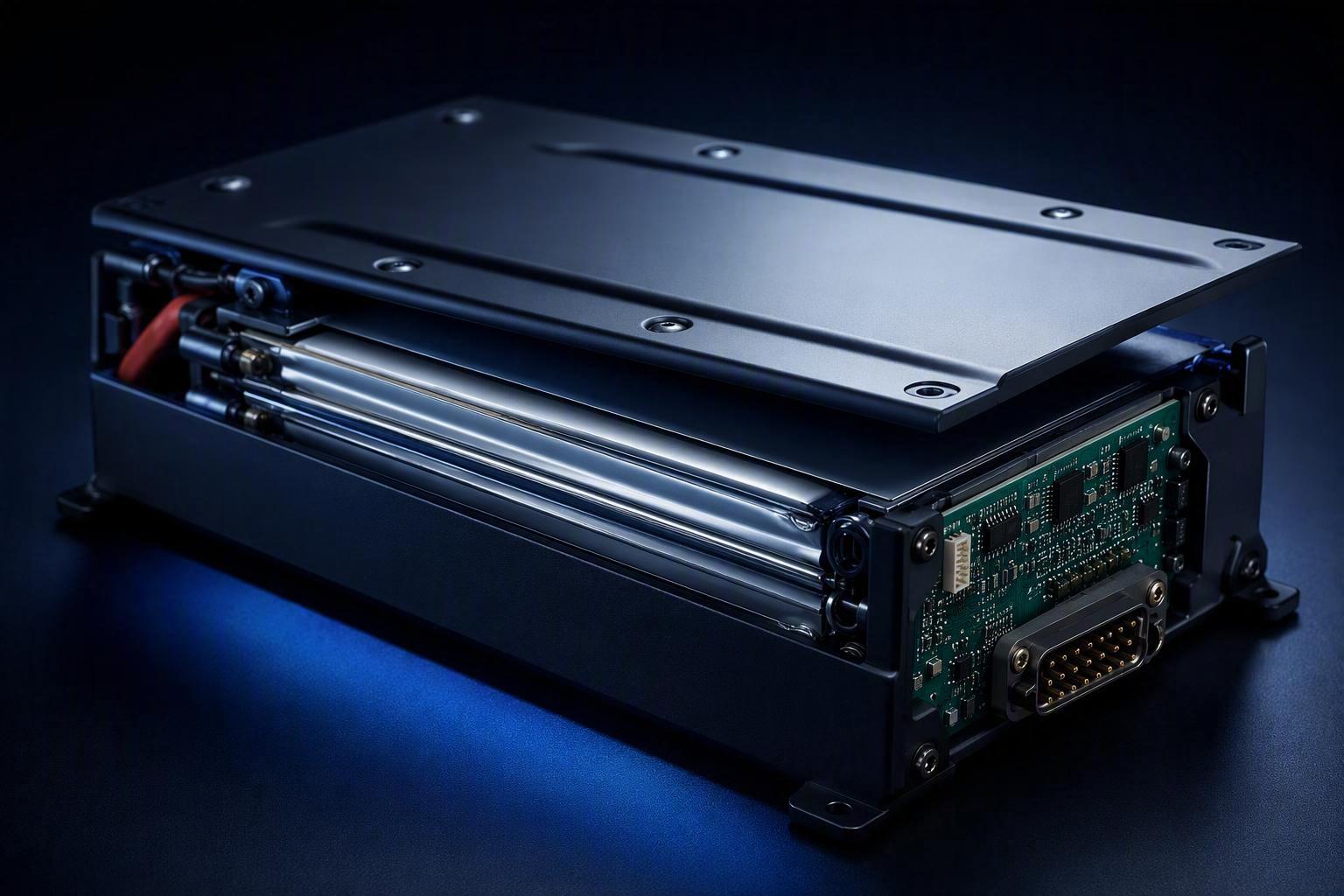
When you operate in a cold storage environment, the integrity of your equipment is paramount. High IP rated lithium batteries, such as those with an IP65 rating, provide exceptional protection against the ingress of dust and high-pressure moisture. This rating ensures that your battery remains operational and safe even in the harshest conditions, including routine washdowns and exposure to acidic mist.
This robust design is achieved through sealed enclosures, High-durability rubber gaskets, and waterproof connectors. These technical features effectively block moisture intrusion, minimizing the risk of internal corrosion and ensuring that your forklifts operate reliably, directly counteracting the failures observed in traditional lead-acid systems.
Consistent Power in Cold Chain
Lithium-ion batteries excel in maintaining consistent power output, a non-negotiable requirement for cold chain logistics. Unlike lead-acid batteries, which can lose up to 50% of their available capacity in freezing temperatures, lithium technology is engineered to withstand extreme conditions, ensuring stable and reliable performance.
This consistency means the voltage remains high throughout the discharge cycle, which is crucial for maximizing lift speed and operational agility. By leveraging advanced thermal stability and specialized cell chemistry, lithium batteries guarantee that your cold storage operations remain uninterrupted and efficient, regardless of temperature fluctuations.
Maximizing Cold Chain Efficiency: Achieving 24/7 Operations and ROI
The True Value of Opportunity Charging
Opportunity charging significantly enhances the operational efficiency of your cold storage forklift fleet. With lithium-ion batteries, you benefit from faster charging speeds compared to lead-acid batteries. This allows you to charge during breaks or downtime, keeping your forklifts ready for action.
Increased Productivity: Lithium batteries can remain in the forklift for multiple shifts, enabling you to charge them whenever needed.
Reduced Downtime: Quick charging capabilities mean less time spent waiting for batteries to recharge.
Enhanced Flexibility: You can adapt your charging schedule to fit your operational needs, maximizing uptime.
This fundamental shift eliminates the need for battery change-outs, specialized charging rooms, and manual handling, directly translating into the 24/7 operational capability required in demanding cold chain environments.
Reduced TCO & Zero Maintenance
Switching to lithium-ion batteries can lead to substantial savings in Total Cost of Ownership (TCO). These batteries last up to three times longer than lead-acid batteries, which means fewer replacements and lower operating costs. In cold storage environments, where equipment usage is high, this longevity is particularly beneficial.
Moreover, lithium-ion batteries require minimal maintenance, virtually eliminating routine tasks like watering and cleaning, which saves significant time and labor costs. This drastic reduction in upkeep translates into direct operational savings and allows you to reallocate resources to core business activities. By leveraging this extended lifespan and near-zero maintenance, you can achieve greater operational efficiency and a substantially improved long-term ROI.
Herewinpower: Custom Energy Systems for Extreme Environments
Engineered for Resilience: Beyond Standard IP
Herewinpower designs its lithium batteries with resilience in mind. These batteries go beyond standard IP ratings, offering enhanced protection against the harsh conditions typical in cold storage environments. You can expect a robust construction that withstands moisture, dust, and extreme temperatures. This durability ensures that your operations remain uninterrupted, even in the most challenging settings.
The advanced engineering of Herewinpower’s batteries includes features such as:
Sealed enclosures that prevent moisture intrusion.
High-durability rubber gaskets that enhance durability.
Waterproof connectors that ensure reliable performance.
These features collectively contribute to a longer lifespan and reduced maintenance needs, allowing you to focus on productivity rather than battery upkeep.
Integrated Industrial BMS for Data-Driven Safety
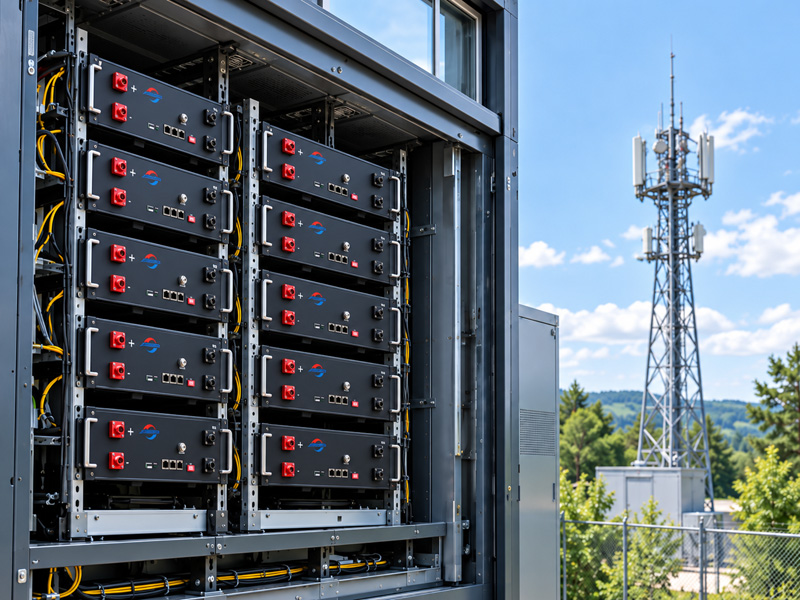
An integrated industrial Battery Management System (BMS) is crucial for ensuring safety and efficiency in cold storage forklifts. Herewinpower’s industrial BMS offers comprehensive, multi-layer protection and monitoring to mitigate risks in extreme environments.
Key safety and management features include:
Multi-layer Protection: Safeguarding against overcharge, deep discharge, and short circuits.
Thermal Regulation: Active prevention of thermal runaway and management of temperature extremes.
Physical Resilience: Shock and vibration resistance built into the design, complemented by a flame-retardant casing.
Data-Driven Performance: Continuous monitoring of cell voltages, temperatures, and currents to estimate the battery pack’s state of charge and health.
The BMS enhances operational safety by communicating battery status to system modules like motor controllers and chargers, providing you with a reliable and safe energy solution tailored for your cold storage operations.
High IP rated lithium batteries offer significant advantages for cold storage forklift operations. They reduce Total Cost of Ownership (TCO) through extremely low maintenance needs and sustained high productivity. Crucially, the sealed design ensures safety in enclosed environments and guarantees zero emissions, making them the ideal choice for stringent food safety supply chains and HACCP compliance.
By implementing these advanced battery solutions, you can enhance your operational efficiency, ensure a safer working environment, and secure a stronger return on investment.
Ready to optimize your cold chain and realize superior ROI? Contact Herewinpower today to discuss a custom high IP rated battery solution tailored for your extreme environment needs.
FAQ
What are high IP rated lithium batteries?
High IP rated lithium batteries offer superior protection against dust and moisture. They are designed to perform reliably in harsh environments, making them ideal for cold storage forklift operations.
How do lithium batteries perform in cold temperatures?
Lithium batteries maintain consistent performance in cold temperatures, unlike lead-acid batteries, which can lose up to 50% of their capacity. They operate effectively in temperatures as low as -4°F.
What maintenance is required for lithium batteries?
Lithium batteries require minimal maintenance compared to lead-acid batteries. You do not need to water or clean them regularly, allowing you to focus on your operations instead.
How long do lithium batteries last?
Lithium batteries typically last between 7 to 15 years, significantly longer than lead-acid batteries, which last only 3 to 7 years. This longevity reduces replacement costs over time.
Can I charge lithium batteries during operation?
Yes, you can charge lithium batteries during operation, a practice known as opportunity charging. This flexibility allows you to maximize uptime and productivity in your cold storage operations.
See Also
Addressing Cold Storage Forklift Battery Performance Issues
Impact of Heat on Forklift Battery Life and Efficiency
Safe Energy Storage: High-Temperature Solutions for LFP Batteries
Optimizing Forklift Battery Efficiency Across Africa’s Markets


 English
  Español
  한국어
한국어  Deutsch
  Français
  日本語
日本語  Русский
  Bahasa Indonesia
  ไทย
ไทย  العربية
  Português do Brasil
  Italiano
  Nederlands