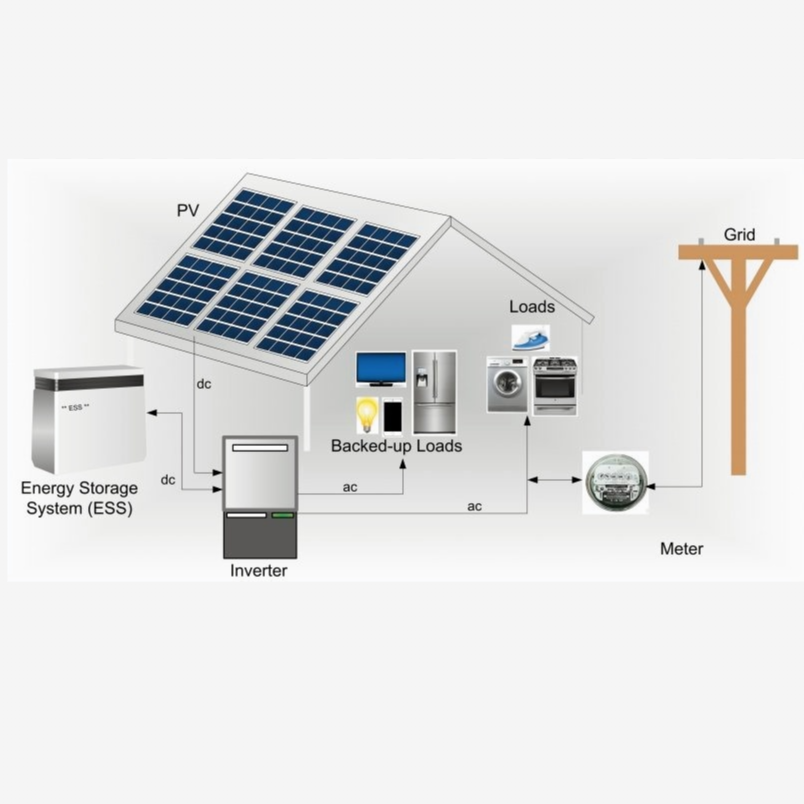




In Japan’s Post-FIT era, the focus has shifted from subsidized energy sales to self-consumption. In this high-cost market, 4,000+ cycle reliability is no longer a technical spec; it is the cornerstone of “Asset Certainty.”
As the Japanese government targets lower system prices—specifically $399/kWh for commercial use by 2030—extending operational life becomes the only viable path to securing a sustainable ROI. Addressing this economic imperative requires a move toward high-cycle hardware. Herewin delivers the 4,000+ cycle performance necessary to transform energy storage into a long-term, bankable financial asset.
Key Takeaways
4,000+ cycle reliability is the defining factor in securing long-term project bankability and maximizing Post-FIT ROI.
Integrating advanced separators and high-performance components is essential to neutralizing the degradation risks of Japan’s extreme summer temperatures.
Utilizing proprietary algorithms to mitigate “Invisible Failures” (Lithium Plating), ensuring stable SOH and minimizing unpredictable site visits.
Investing in premium-cycle hardware eliminates the high labor and logistics costs of mid-life battery replacements in the Japanese market.
Strict adherence to international and local engineering standards (IEC, UN38.3) safeguards your brand’s reputation and customer trust.
Material Integrity: Overcoming Thermal Degradation
In Japan’s Energy Storage Systems (ESS), maintaining material integrity is the physical foundation for achieving 4,000+ cycle reliability. To neutralize thermal degradation—the primary driver of premature battery failure—the system architecture must prioritize structural and chemical stability. By implementing rigorous material selection standards, the objective is to utilize high-performance components that maintain their integrity under prolonged thermal stress.
Thermal Stability via Advanced Separators
Japan’s extreme summer heat poses a significant risk to battery longevity, as persistent high temperatures can compromise separator integrity. To ensure safe and efficient operation, advanced separators are utilized to provide enhanced thermal stability. The following table highlights the specific technologies integrated into the system to maintain performance under thermal stress:
Separator Technology | Key Technical Attributes | Benefit for Japan’s Environment |
Celgard® (Dry-Process) | High oxidative and dimensional stability | Prevents separator shrinkage at high temperatures, preserving cell safety. |
HIPORE™ (Wet-Process) | High mechanical strength; uniform pore structure | Ensures consistent ionic conductivity and reliability during heatwaves. |
These advanced separators serve as a critical defense against thermal runaway, which can be triggered by external environmental stressors or intensive cycling. By adhering to these rigorous material standards, the system remains reliable and maintains its 4,000+ cycle performance even in harsh climatic conditions.
Structural Integrity of High-Performance Components
The longevity of an energy storage system depends not only on cell chemistry but also on the structural durability of its supporting components. Utilizing premium-grade industrial materials ensures that the system maintains its physical and chemical integrity throughout a 15- year service life.
Optimized Electrolyte Formulations: The integration of high-performance electrolytes, such as those utilizing acetonitrile (AcN) based technology, enhances ionic conductivity across wide temperature ranges. This reduces internal resistance during high-heat cycles, directly mitigating the kinetic stressors that lead to capacity fade.
Flame-Retardant and Dimensional Stability: In high-voltage environments, the use of modified polyphenylene ether (m-PPE) provides essential flame resistance and superior dimensional stability. This ensures that internal structures remain intact and do not warp under thermal stress, maintaining critical safety clearances.
Mechanical Robustness: High-strength polyamide (PA) materials are employed for internal brackets and connectors due to their exceptional heat resistance and mechanical toughness. These properties allow for complex, high-precision designs that safeguard the system against physical vibration and thermal expansion.
By integrating these verified material standards into the system architecture, the risks associated with thermal degradation are significantly minimized. This engineering-led approach ensures the long-term reliability required to maximize the return on investment (ROI) in Japan’s evolving ESS market.
Managing Mechanism Analysis
To maximize the operational lifespan of energy storage systems, addressing the underlying degradation mechanisms is essential. The focus is on two critical pillars: the active inhibition of lithium plating and the implementation of predictive algorithms for State of Health (SOH) management. By stabilizing these electrochemical processes, the system ensures consistent performance over 4,000+ cycles.
Active Inhibition of Lithium Plating
Lithium plating remains a primary driver of unpredictable downtime and accelerated capacity loss in lithium-ion batteries. This phenomenon occurs when lithium ions deposit as metallic lithium on the anode surface instead of intercalating into the active material—a process often exacerbated by rapid charging and extreme temperatures.
To mitigate this risk, specific design strategies are employed:
Advanced Anode Architecture: Utilizing anode materials with controlled expansion rates minimizes the surface stress that typically triggers plating.
SEI Layer Stabilization: By optimizing the Solid Electrolyte Interphase (SEI), the system ensures a stable pathway for ion transport, which is crucial for maintaining structural integrity over extended cycling.
Charging Protocol Optimization: Implementing precise control over current density prevents the localized overpotentials that lead to metallic lithium deposition.
These preventative measures eliminate the “invisible” causes of sudden system failure, providing the reliability required for high-stakes energy assets in the Japanese market.
Intelligent Algorithms for Predictive SOH
To ensure the long-term reliability of energy storage assets, the integration of intelligent algorithms for State of Health (SOH) monitoring is essential. By leveraging machine learning to analyze high-frequency time-series data, the system can identify subtle electrochemical anomalies before they manifest as critical failures. This transition from reactive to predictive maintenance is vital for optimizing the lifecycle of high-capacity systems.
Key functional advantages of predictive SOH management include:
Risk Categorization: Differentiating between standard aging patterns and high-risk defects allows for targeted interventions, significantly reducing the likelihood of catastrophic system failure.
Operational Cost Efficiency: By identifying potential issues early, stakeholders can avoid emergency on-site repairs—which carry high labor and logistics premiums in the Japanese market—and instead transition to scheduled, data-driven maintenance.
Real-time Performance Optimization: Continuous data analysis enables dynamic adjustments to charging and discharging parameters, ensuring the battery operates within its ideal chemical window to maximize cycle life.
Through the integration of these predictive mechanisms, the 4,000+ cycle threshold becomes a verifiable technical reality. This intelligence-led approach provides the operational certainty required to secure long-term returns in Japan’s evolving ESS market.
LCOE Optimization: Mitigating Japanese Maintenance Costs
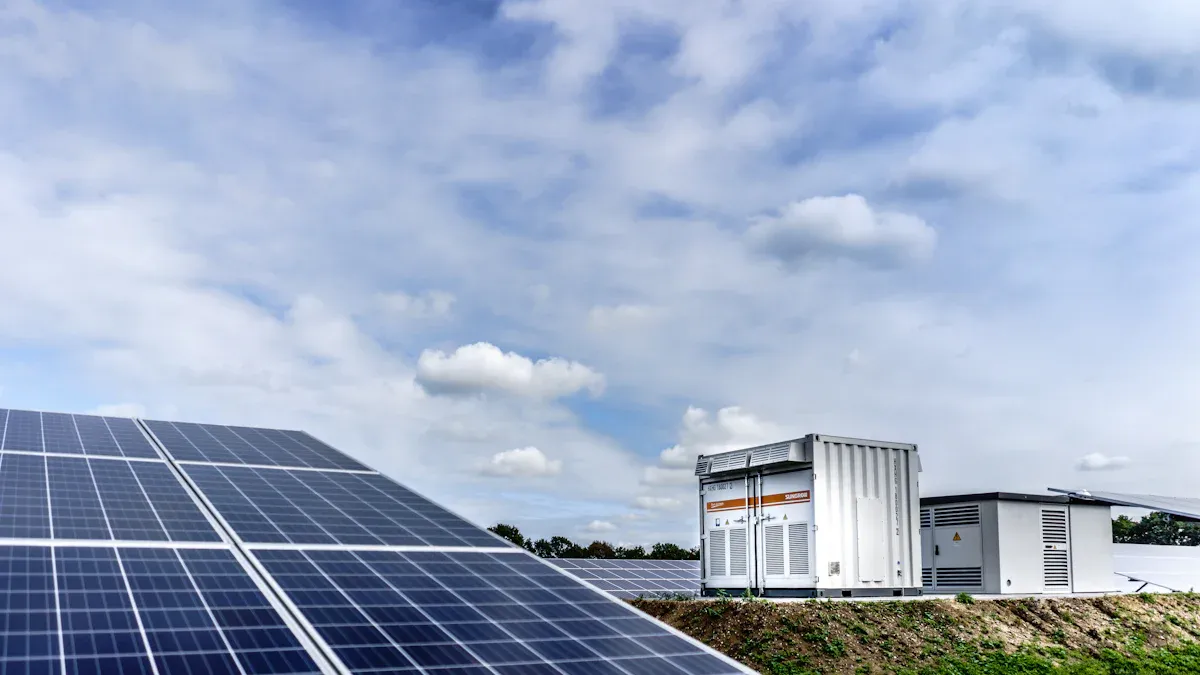
In the Japanese energy storage system (ESS) market, optimizing the Levelized Cost of Storage (LCOS) is the primary driver of financial viability. A critical component of this optimization is the reduction of long-term operational expenditure (OPEX), specifically by extending the system’s service life to match the project’s financial lifecycle. By achieving a 4,000+ cycle benchmark, stakeholders can effectively eliminate the need for mid-life battery replacements, significantly lowering the total cost of ownership.
Eliminating Mid-Life Battery Replacement
Mid-life battery replacements represent a major financial risk for energy storage projects in Japan, where high labor and logistics costs can quickly erode profit margins. Systems with standard cycle lives often require a full battery swap within 7 to 10 years, incurring substantial “hidden” costs:
Labor Premiums: The replacement process requires specialized technical expertise. In the Japanese market, the cost of mobilizing a qualified engineering team for on-site hardware swaps is among the highest globally.
Logistics and Disposal Complexity: Transporting high-capacity lithium-ion batteries and managing the certified disposal of decommissioned units involve complex regulatory and logistical expenses.
Revenue Loss from Downtime: Extensive hardware replacement leads to prolonged system downtime, resulting in lost revenue from missed self-consumption or grid service opportunities.
By investing in hardware with a verified 4,000+ cycle life, these mid-life interventions are rendered unnecessary. This “single-lifecycle” approach not only reduces immediate maintenance outlays but also ensures consistent system availability, providing a superior financial outcome for long-term energy assets.
Quantifying ROI and Project Bankability
The Return on Investment (ROI) for energy storage systems is determined by the interplay between upfront capital expenditure (CAPEX) and long-term operational performance. By achieving a verified 4,000+ cycle life, stakeholders can move beyond speculative projections to a quantified financial model.
Key financial drivers include:
Cash Flow Stability: Extending the battery’s service life significantly reduces the frequency of major capital reinvestments. This ensures a more predictable and stable cash flow throughout the project’s 15-year horizon, which is essential for meeting debt service obligations.
Optimized Efficiency Ratios: High-reliability systems maintain superior round-trip efficiency (RTE) over time, minimizing energy waste and maximizing the revenue generated per kilowatt-hour of stored energy. This technical consistency is a primary contributor to a favorable Internal Rate of Return (IRR).
Enhanced Asset Bankability: In the Japanese market, financial institutions and institutional investors prioritize risk mitigation. Systems backed by high cycle reliability and rigorous mechanism analysis are viewed as low-risk assets. This enhanced bankability often leads to more favorable financing terms, lower insurance premiums, and increased interest from Tier-1 investors.
By securing these financial levers, 4,000+ cycle systems transform from a simple hardware purchase into a strategic investment vehicle, providing the long-term certainty required in Japan’s competitive Post-FIT landscape.
Engineering Standards and Quality Assurance
Engineering standards and quality assurance are the final safeguards for the long-term reliability of energy storage systems. In the Japanese market—where safety and grid compliance are paramount—strict adherence to international and local certifications is not merely a legal requirement, but a fundamental pillar of Asset Protection. By aligning with these rigorous benchmarks, systems ensure stable performance and operational safety over their entire 15-year lifecycle.
The following table highlights the core engineering standards that define the quality baseline for industrial energy storage in Japan:
Standard | Scope and Application | Importance for the Japanese Market |
IEC 62619 | Safety requirements for large-scale industrial Li-ion batteries | Ensures the prevention of thermal runaway propagation in ESS. |
UN 38.3 | Safety requirements for the transport of lithium batteries | Guarantees cell and module integrity during domestic logistics. |
IEC 62485-5 | Safety requirements for stationary Li-ion battery systems | Critical for the safe installation and ventilation of grid-scale assets. |
IEC 62620 | Performance and testing for industrial Li-ion batteries | Validates that capacity and cycle life meet industrial-grade expectations. |
VDE AR 2510-50 | System-level safety for lithium-ion energy storage | Provides a comprehensive application guide for end-to-end system safety. |
Engineering Best Practices for Asset Protection
To safeguard energy assets over their multi-decade lifecycle, engineering excellence must extend beyond the manufacturing line into field implementation. Adopting a proactive protection strategy ensures that the theoretical 4,000+ cycle reliability translates into tangible uptime.
Key engineering best practices include:
Thermal Environment Optimization: Rigorous site commissioning to ensure optimal airflow and cooling efficiency, preventing localized hotspots that accelerate chemical aging.
Continuous Diagnostic Monitoring: Implementing high-resolution data logging to track voltage and temperature consistency across all modules, allowing for early detection of potential cell imbalance.
System-Level Stress Testing: Conducting end-to-end functional testing post-installation to verify that protection circuits and communication protocols are fully synchronized with the local grid requirements.
Strategies for Ensuring Long-Term System Integrity
Beyond hardware robustness, maintaining system integrity in Japan’s evolving energy infrastructure requires a multi-layered operational approach. These strategies focus on the security, traceability, and long-term health of the battery assets:
Predictive Maintenance Protocols: Utilizing the data from intelligent algorithms to schedule maintenance during low-demand periods, avoiding emergency interventions and high labor premiums.
Data Traceability & Lifecycle Management: Establishing a digital record for each battery module to track its performance history, which is essential for future grid service participation and secondary market valuation.
Cybersecurity & Control Integration: Ensuring secure communication between the ESS and the Energy Management System (EMS) to protect against external interference and optimize dispatch logic for ancillary services.
By integrating these rigorous engineering and operational practices, stakeholders can secure their position as reliable providers in the Japanese energy market. This holistic approach to quality assurance ensures that the investment remains high-performing, safe, and bankable throughout its entire 15-year operational window.
High-reliability systems serve as a vital shield against brand liability and escalating operational costs in the Japanese market. As the ESS landscape matures, the definition of value has shifted from initial purchase price to Total Cost of Ownership (TCO). Achieving over 15 years of operational life through technical excellence—including advanced material selection and predictive SOH management—is the only sustainable path to mitigating long-term maintenance risks, fostering customer trust, and ensuring energy storage projects become durable financial assets.
For stakeholders looking to navigate this evolving landscape, we recommend conducting a detailed TCO and Reliability Assessment. Our engineering team is available to help you quantify these financial benefits and transition toward a “single-lifecycle” battery strategy—ensuring your energy investments remain bankable, secure, and high-performing for decades to come.
FAQ
Why is 4,000+ cycle reliability a game-changer for Japanese projects?
It allows the battery system to last 15+ years without a mid-life replacement. In Japan’s high-cost market, this eliminates the massive labor and logistics expenses associated with swapping out batteries halfway through a project.
How do advanced separators protect systems during Japanese summers?
They provide superior thermal stability to prevent separator shrinkage during extreme heat. This ensures the system remains safe and operational even when ambient temperatures spike, reducing the risk of thermal-related failures.
What is the main benefit of using intelligent algorithms?
They shift maintenance from “reactive” to “predictive.” By identifying potential issues before they cause a shutdown, the system minimizes unexpected downtime and the need for expensive emergency site visits.
How does a higher cycle life directly improve ROI?
It lowers the Total Cost of Ownership (TCO). By spreading the initial investment over a much longer operational life and avoiding replacement costs, the project generates more stable and predictable long-term cash flow.
Are international standards like IEC 62619 really necessary?
Yes. These certifications are the “trust baseline” in Japan. They prove the system is safe for grid connection and satisfy the risk-mitigation requirements of banks and insurance companies.
See Also
Japanese Dealers Reduce Support Costs With High-Cycle Batteries
Planning RV Lithium Capacity: Strategies From 200Ah To 600Ah
Enhancing Profitability And Efficiency For German HV ESS Dealers
Lithium Forklifts Enhance TCO For Supermarket Fleet Management

 English
  Español
  한국어
한국어  Deutsch
  Français
  日本語
日本語  Русский
  Bahasa Indonesia
  ไทย
ไทย  العربية
  Português do Brasil
  Italiano
  Nederlands