
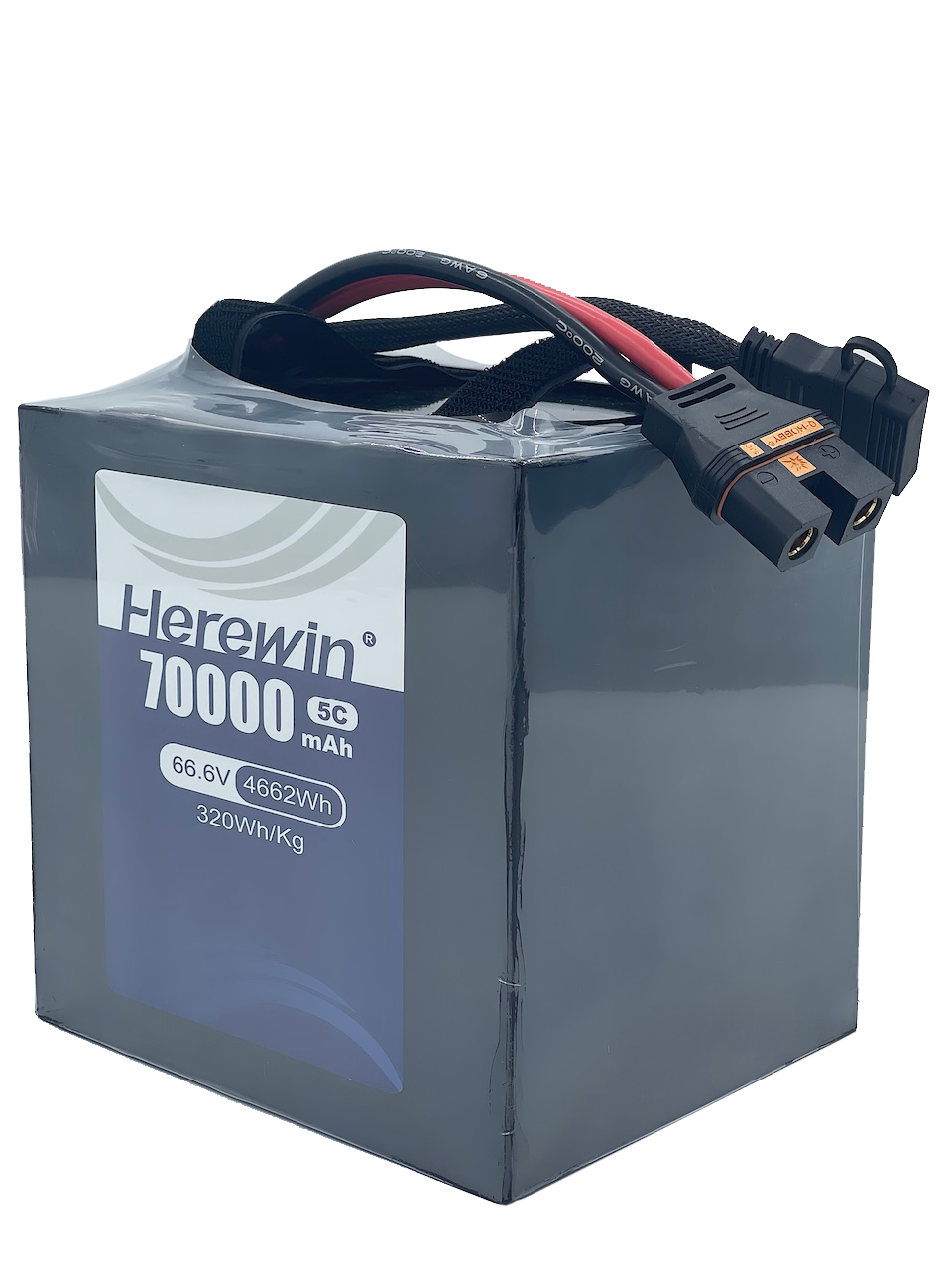
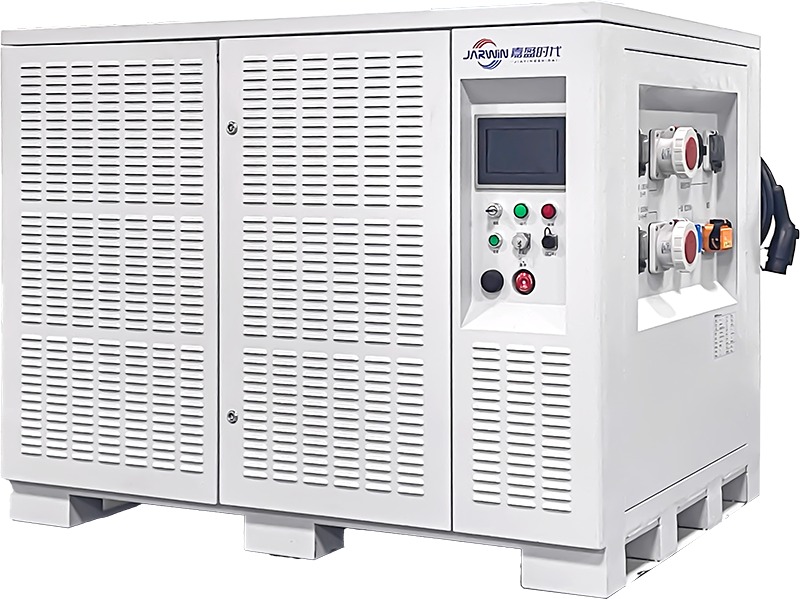
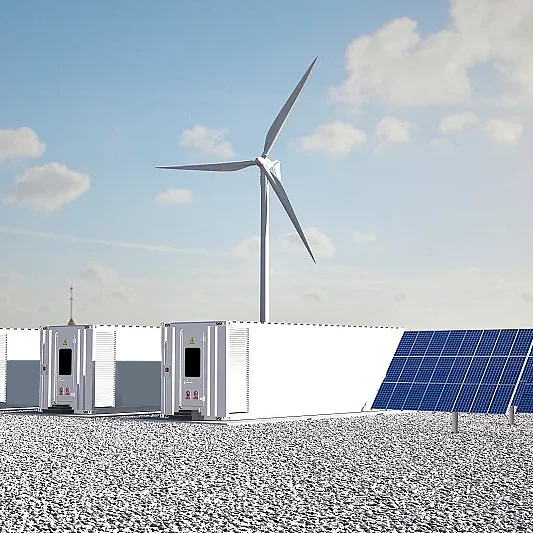
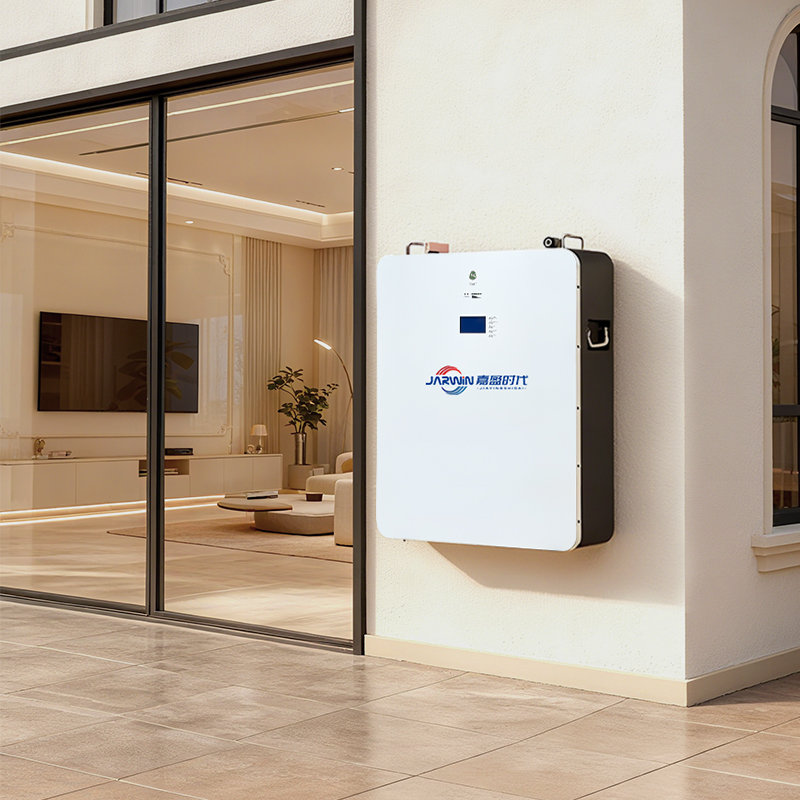





Lithium Iron Phosphate (LiFePO4) batteries have become the preferred power source for energy storage, electric vehicles, and portable devices, thanks to their exceptional cycle life, high-temperature stability, and safety performance. Designed to endure 2000-5000 cycles (until capacity drops below 80% of the initial value), LiFePO4 batteries rarely experience premature failure due to their inherent chemical properties. Instead, over 80% of early degradation cases—such as significant capacity loss, bulging, or damage within 1-2 years of use—stem from two avoidable human errors: the use of incompatible chargers and inadequate cell matching in parallel systems. This guide details how to identify these critical mistakes and implement standardized practices to prevent premature failure, unlocking the full long-lasting potential of LiFePO4 batteries.
الوجبات الرئيسية
- Premature LiFePO4 battery failure is mostly avoidable, caused by incompatible chargers and poor parallel cell matching rather than inherent defects.
- Always use LiFePO4-specific chargers with matched voltage (e.g., 58.4V for 48V packs) and 0.1C~0.2C current to prevent undercharging, BMS malfunctions, and irreversible capacity loss.
- For parallel systems, use cells of the same brand, model, and batch (capacity deviation <5%, internal resistance deviation <10%) and conduct quarterly inspections to replace abnormal cells.
- Optimize operating conditions (20℃~30℃ optimal temperature) and charging/discharging strategies (20%~80% SOC for daily use, avoid deep discharge) to extend lifespan.
- Regular maintenance—including visual inspections, parameter testing, and SOC calibration—helps identify early risks and maintain battery health.
Core Conclusion First: Failure Is Mostly Due to “Human Errors,” Not Inherent Battery Issues
The chemical structure of LiFePO4 batteries determines their excellent durability. Under reasonable charging/discharging and compliant system configuration, their cycle life typically reaches 2000-5000 cycles (until capacity drops below 80% of the initial value), far exceeding that of lead-acid batteries. In practice, over 80% of premature failure cases—such as significant capacity decline, frequent BMS protection triggers, or abnormal charging/discharging within 1-2 years of use—point to two key errors: the use of incompatible charging equipment and insufficient battery cell matching in parallel systems. Both issues can be avoided through standardized operations without relying on complex technical modifications.
Key Mistakes Leading to LiFePO4 Battery Premature Failure
Mistake 1: Using Incompatible Chargers (Hidden Degradation Risks)
LiFePO4 batteries require a Constant Current-Constant Voltage (CC-CV) charging logic: the constant current stage increases the State of Charge (SOC), and once the cell voltage reaches the 3.65V threshold, it switches to the constant voltage stage, with the current decaying to the cutoff value. This mode is crucial for ensuring stable battery performance. In contrast, lead-acid chargers adopt a three-stage mechanism: constant current fast charging, constant voltage trickle charging, and float charging maintenance. This logic is inherently conflicting with the electrochemical characteristics of LiFePO4 batteries—the low-voltage supply during the float charging stage easily triggers internal chemical imbalances. Voltage parameter differences exacerbate incompatibility: LiFePO4 cells have a nominal voltage of 3.2V and a full-charge cutoff voltage of 3.65V~3.8V; 12V lead-acid battery packs have a charging upper limit of 14.4V~14.8V. Using a lead-acid charger mistakenly disrupts the stability of the electrode interface and induces electrochemical side reactions.
Three Dominant Hazards of Incompatible Charging
1. Undercharging & Capacity Miscalibration: Irreversible Range Attenuation
Incompatible chargers fail to match the battery’s charging curve and voltage thresholds, leading to long-term undercharging. This causes the Battery Management System (BMS) to lose its capacity calibration reference, resulting in passivation of active materials, reduced lithium ion intercalation/deintercalation efficiency, and actual capacity degradation. Tests show that long-term charging to 80% of the rated capacity accumulates BMS calculation errors—for example, the displayed SOC may be 50% while the actual usable capacity is only 30%. Passivation of active materials due to insufficient long-term reactions causes irreversible capacity loss.
2. Frequent BMS Protection: Undermining Operational Stability
The BMS activates protection mechanisms by monitoring voltage, current, and temperature. Parameter fluctuations from incompatible chargers exceed the battery’s tolerance range, triggering frequent BMS protection actions that disrupt the normal cycling of cells. This damages the integrity of the Solid Electrolyte Interphase (SEI) film on the negative electrode. Repeated damage and repair of the film lead to increased thickness, higher internal resistance, and reduced charging/discharging efficiency, forming a vicious cycle of performance degradation.
3. Irreversible Capacity Loss Under Long-Term Cycling
Incompatible charging results in inadequate lithium ion intercalation and deintercalation, rendering some active materials permanently ineffective. It also exacerbates cell performance dispersion and degrades battery pack consistency. This consistency decay follows the “barrel effect”: weak cells experience accelerated capacity loss, dragging down the overall performance of the pack. The battery pack thus falls below the design capacity standard prematurely, failing to meet energy storage requirements.
Prevention Strategies: Dedicated Charger Selection & Standardized Charging Practices
1. Precise Matching of Charger Parameters
The core requirement is to use a LiFePO4-specific charger matched to the battery pack’s voltage and capacity—never mix lead-acid or other lithium battery chargers. Dedicated chargers must have precise CC-CV curve control capabilities to match the battery’s electrochemical characteristics. For example, a 48V battery pack (16 cells in series) requires a dedicated charger with an output voltage of 58.4V (3.65V per cell × 16). The charging current should be selected based on 0.1C~0.2C; for a 50Ah battery pack, 5A~10A is recommended, with around 8A balancing charging efficiency and lifespan. High-quality chargers should also integrate overcharging, over-temperature, and reverse connection protection functions, dynamically adjusting parameters to ensure safe and stable charging.
2. Establishing Scientific Charging Habits & Capacity Calibration
Adopt a shallow charging/discharging strategy (20%~80% SOC) for daily use to slow degradation. Conduct a full charge once a week to activate the BMS balancing function, calibrate capacity errors, and reawaken passivated active materials. After full charging, maintain float charging for 10~15 minutes to balance voltage, then disconnect power promptly to avoid overcharging risks—achieving an optimal balance between battery lifespan and range accuracy.
Mistake 2: Current Distribution Imbalance from Poor Cell Matching in Parallel Systems
Core Issue: Dispersion of Capacity, Internal Resistance, & SOC Parameters
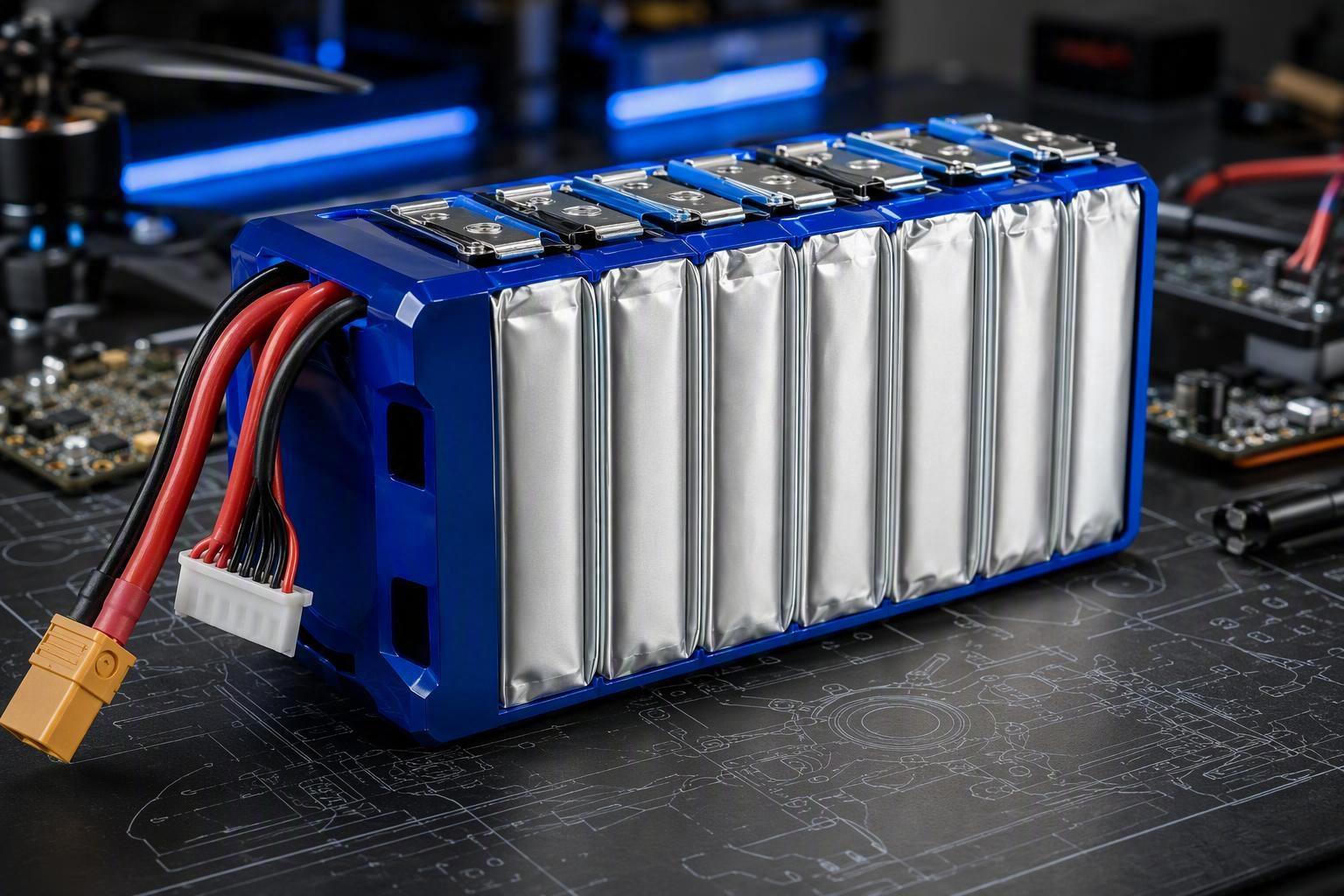
Parallel connection of LiFePO4 batteries increases capacity and current output capability, but stable operation requires consistent cell performance. Excessive parameter dispersion causes current distribution imbalance. Mixing cells from different batches, with different specifications, or new/old cells leads to differences in capacity, internal resistance, and SOC. Production batch variations, varying usage durations, and inconsistent initial SOC collectively pose system performance risks. Research shows that when capacity deviation exceeds 5% and internal resistance deviation exceeds 10%, the current distribution uniformity of parallel systems decreases significantly, increasing circulation loss. Larger initial SOC differences result in more severe circulation shock at the moment of parallel connection.
Chain Reactions of Parameter Mismatch
1. Local Overcharging/Overdischarging: Accelerated Cell Aging
In a parallel circuit, cells with low internal resistance and high capacity bear more current, while those with high internal resistance and low capacity are prone to local overcharging/overdischarging—they fully charge first and are forced to continue charging during the charging phase, and deplete first and are forced to continue discharging during the discharging phase. In parallel systems with a 20% capacity difference, low-capacity cells experience premature overcharging, leading to increased internal pressure, active material shedding, shortened cycle life, and further exacerbation of parameter dispersion.
2. System “Barrel Effect”: Significant Overall Lifespan Reduction
The lifespan of a parallel battery pack is determined by the weakest cell. Premature aging of weak cells becomes a performance bottleneck, limiting charging/discharging depth and causing a sudden drop in overall pack capacity. A battery pack designed for 3000 theoretical cycles may have an actual lifespan reduced to several hundred cycles due to parameter mismatch, with decreased charging/discharging efficiency that fails to deliver long-term advantages.
3. Increased Thermal Runaway Risk: Aggravated Safety Hazards
Uneven current distribution causes some cells to operate at excessively high charging/discharging rates, generating substantial Joule heat and triggering local temperature rise. High temperatures accelerate electrolyte decomposition and SEI film damage, forming a thermal accumulation effect. In insufficient heat dissipation conditions, local high temperatures trigger chain reactions, exceeding the thermal runaway threshold and leading to bulging, fires, or other accidents—posing greater hazards in electric vehicles and large-scale energy storage scenarios.
Prevention Strategies: Standardized Selection & Operation and Maintenance for Parallel Systems
1. Strict Control of Cell Selection
Parallel cells must follow the principle of “same brand, same model, same batch,” with core parameter deviations controlled within 5%. Verify test reports and conduct random inspections during procurement to eliminate unqualified products. Never mix new and old cells. When replacing cells, use products with consistent parameters and pre-charge to balance SOC—controlling dispersion at the source and reducing the risk of current distribution imbalance.
2. Standardization of Parallel Connection Processes
Disconnect power before parallel connection, ensuring correct positive and negative electrode alignment. Use high-quality conductors with matched wire gauges (copper conductors with a current-carrying capacity of 4~6A/mm²) to reduce contact resistance and energy consumption. Insulate connection points and install the battery pack in a well-ventilated location away from high-temperature and humid environments to enhance system stability.
3. Regular Testing & Abnormal Cell Removal
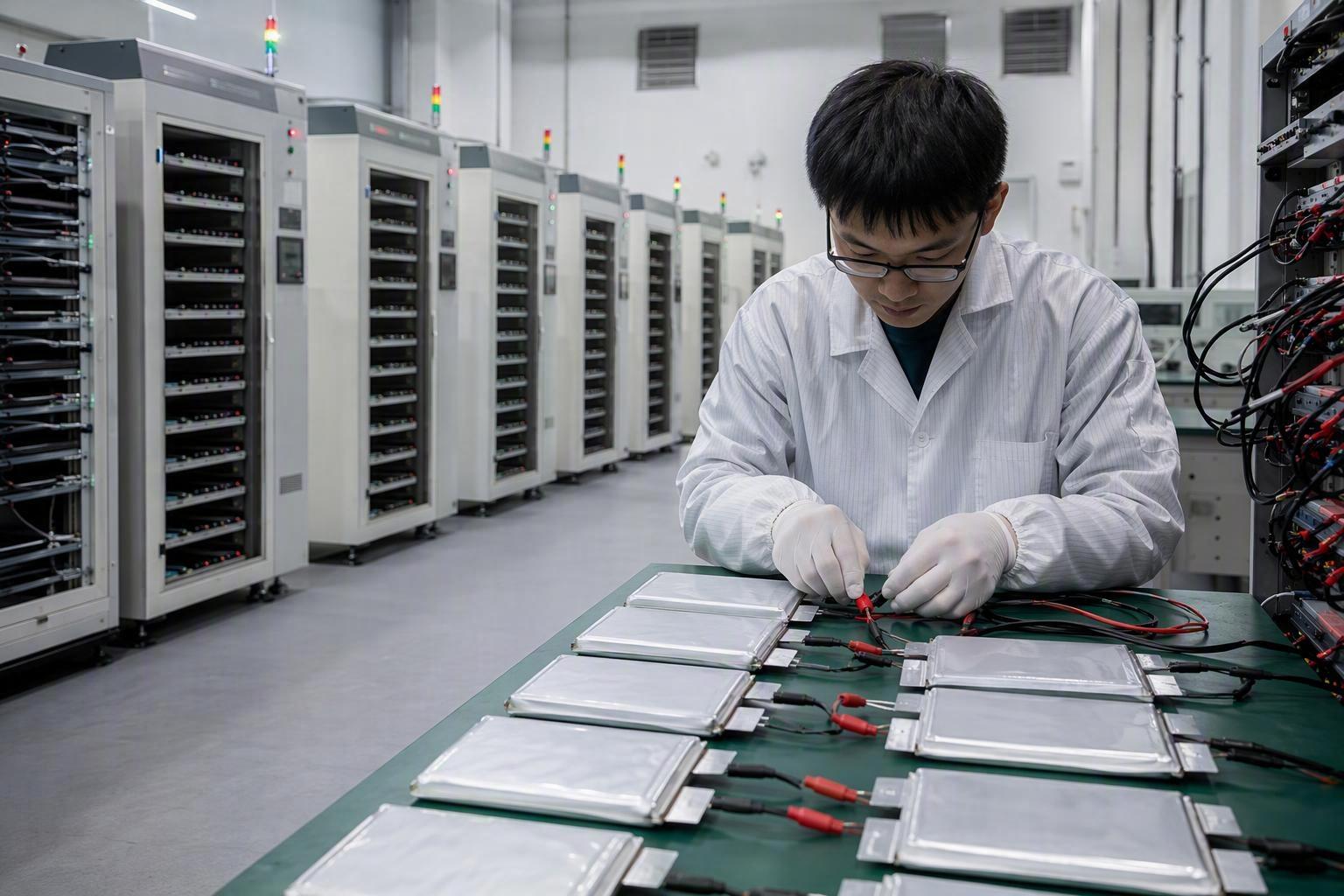
Test cell voltage, internal resistance, and capacity every 3 months. Replace cells with parameter deviations exceeding 10% of the average value promptly to inhibit the expansion of dispersion and prevent weak cells from dragging down overall pack performance. For large-scale systems, integrate online monitoring modules to provide real-time alerts for abnormalities, ensuring long-term stable operation.
Comprehensive Prevention: Key Supplementary Measures for Daily Operation and Maintenance
1.Temperature & Environment Control: Avoiding Extreme Operating Conditions
The optimal operating temperature for LiFePO4 batteries is 20℃~30℃, where lithium ion migration efficiency and reaction rate are maximized. Temperature deviations significantly impact performance and safety. Temperatures above 60℃ accelerate electrolyte decomposition and active material failure, increasing capacity decay rate by over 30%. Temperatures below 0℃ increase electrolyte viscosity, reducing discharge capacity to 50%~70% of the normal temperature level, or even preventing normal charging. During high-temperature seasons, allow the battery to cool for 1 hour before charging, and implement forced ventilation if necessary. During low-temperature seasons, preheat the battery to ensure normal charging. For long-term idle batteries, store them at 50%~60% SOC in a cool, dry place, and recharge every 3 months to prevent damage from over-discharging.
2.Optimization of Charging/Discharging Strategies: Reducing Additional Losses
Avoid deep discharge below 20% SOC—recommend charging at around 30%. Reduce frequent fast charging and prioritize slow charging to lower the incidence of SEI film damage and side reactions. Follow the “charge as you use” principle, avoiding long-term full charge (SOC>90%) or low charge (SOC<20%) to prevent positive electrode decomposition and negative electrode lithium deposition, ensuring battery safety and lifespan. In mobile scenarios, reduce severe vibration to avoid loosening of electrode materials and damage to internal structures.
3.Regular Fault Detection: Early Risk Identification
Regularly inspect the battery’s appearance for abnormalities such as bulging, leakage, or corrosion—these phenomena indicate severe internal side reactions, requiring immediate shutdown and inspection. Monitor the frequency of BMS protection mechanism triggers, combined with internal resistance and capacity data, to accurately assess cell consistency and State of Health (SOH), providing a basis for maintenance. When experiencing sudden range drops or abnormal charging/discharging times, conduct comprehensive inspections to identify issues such as deteriorating consistency or charger degradation, avoiding further fault expansion.
Conclusion: Source Control of Human-Induced Failure to Unlock LiFePO4 Batteries’ Long-Term Advantages
Premature failure of LiFePO4 batteries stems from improper human operations. The core inducing factors are the misuse of incompatible charging equipment and insufficient matching of parallel cell parameters—both of which can be avoided through scientific prevention and control. By selecting dedicated chargers and implementing standardized charging practices, strictly controlling the consistency of parallel cells and connection processes, and combining temperature/humidity management, charging/discharging optimization, and regular inspections, a comprehensive protection system can be established to avoid human-induced failure at the source. Systematic prevention and control can fully unleash the long-term advantages of LiFePO4 batteries, extend their service life, reduce total lifecycle costs, provide reliable support for energy storage scenarios, and promote the large-scale application of this technology.
الأسئلة الشائعة
Why do LiFePO4 batteries fail prematurely?
Over 80% of premature failures result from two key human errors: using incompatible chargers (e.g., lead-acid chargers) that disrupt charging logic and voltage parameters, and poor cell matching in parallel systems (e.g., mixing new/old cells or different batches) causing current imbalance. Inherent chemical defects rarely lead to early degradation.
Can I use a lead-acid charger for my LiFePO4 battery?
Lead-acid chargers use a three-stage charging mechanism (constant current fast charging, constant voltage trickle charging, float charging) that conflicts with LiFePO4’s CC-CV requirements. Float charging at low voltage triggers chemical imbalances, leading to undercharging, SEI film damage, and irreversible capacity loss. Always use a LiFePO4-specific charger.
What are the key requirements for parallel LiFePO4 cells?
Parallel cells must meet three core criteria: same brand, same model, and same production batch. Capacity deviation should be <5%, and internal resistance deviation <10%. Never mix new and old cells. Before parallel connection, pre-charge cells to balance SOC, use matching wire gauges (copper conductors with 4~6A/mm² current-carrying capacity), and ensure proper insulation and ventilation.
What is the optimal charging/discharging strategy for LiFePO4 batteries?
For daily use, adopt shallow charging/discharging within 20%~80% SOC. Conduct a full charge once a week to activate BMS balancing and calibrate capacity, maintaining float charging for 10~15 minutes after full charge before disconnecting. Avoid deep discharge below 20%, frequent fast charging, and long-term storage at full charge (>90%) or low charge (<20%).
How to store LiFePO4 batteries for long periods?
Store batteries at 50%~60% SOC in a cool, dry environment. Avoid extreme temperatures (above 60℃ or below 0℃). Recharge every 3 months to prevent over-discharge damage. Ensure the storage area is well-ventilated and away from high humidity or heat sources.






 العربية
  English
  Español
  한국어
한국어  Deutsch
  Français
  日本語
日本語  Русский
  Bahasa Indonesia
  ไทย
ไทย  Português do Brasil
  Italiano
  Nederlands