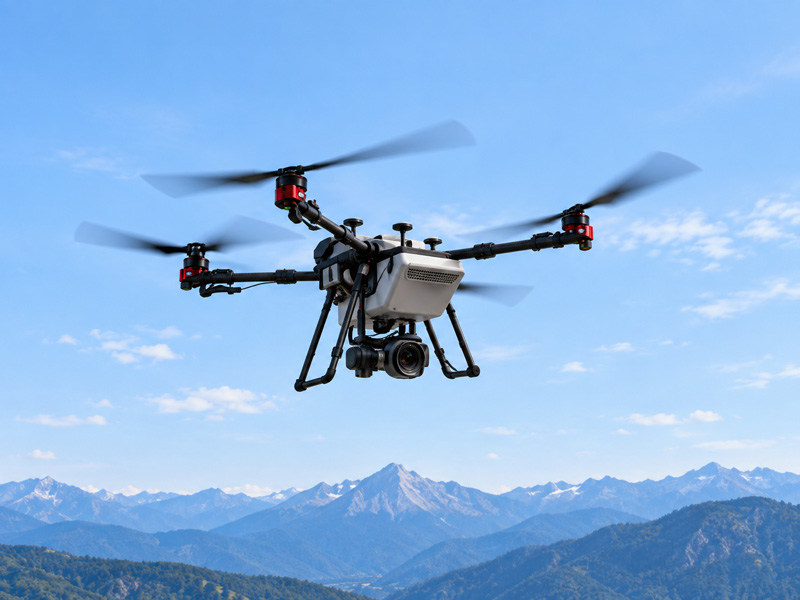
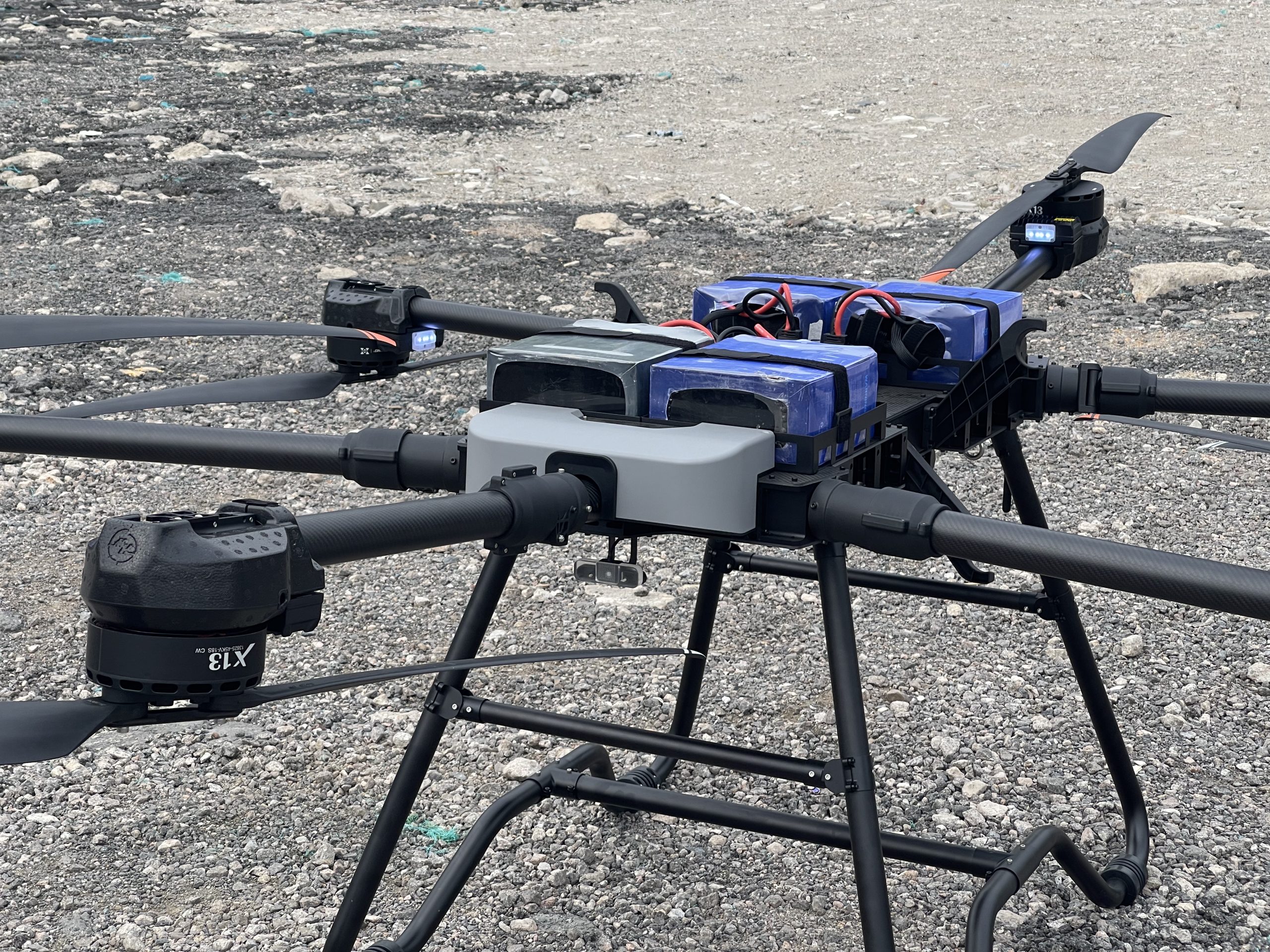
In the industrial drone sector, batteries are often underestimated—but in reality, they are the defining factor behind flight endurance, operational stability, payload capacity, and ultimately total cost of ownership.
By 2026, as drones become deeply embedded in agriculture, infrastructure inspection, and logistics, performance expectations for battery systems have intensified significantly.
This report provides a structured evaluation of three dominant battery technologies—Lithium Polymer (Li-Po), Lithium Iron Phosphate (LiFePO4), and Solid-State batteries—combining technical fundamentals, performance benchmarks, and real-world deployment scenarios to guide optimal selection.
Technical Foundations: How the Three Battery Types Work
Lithium Polymer (Li-Po)
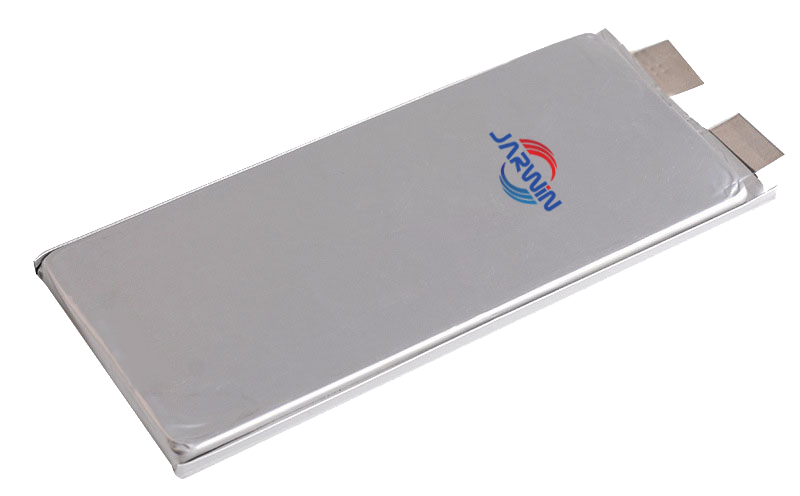
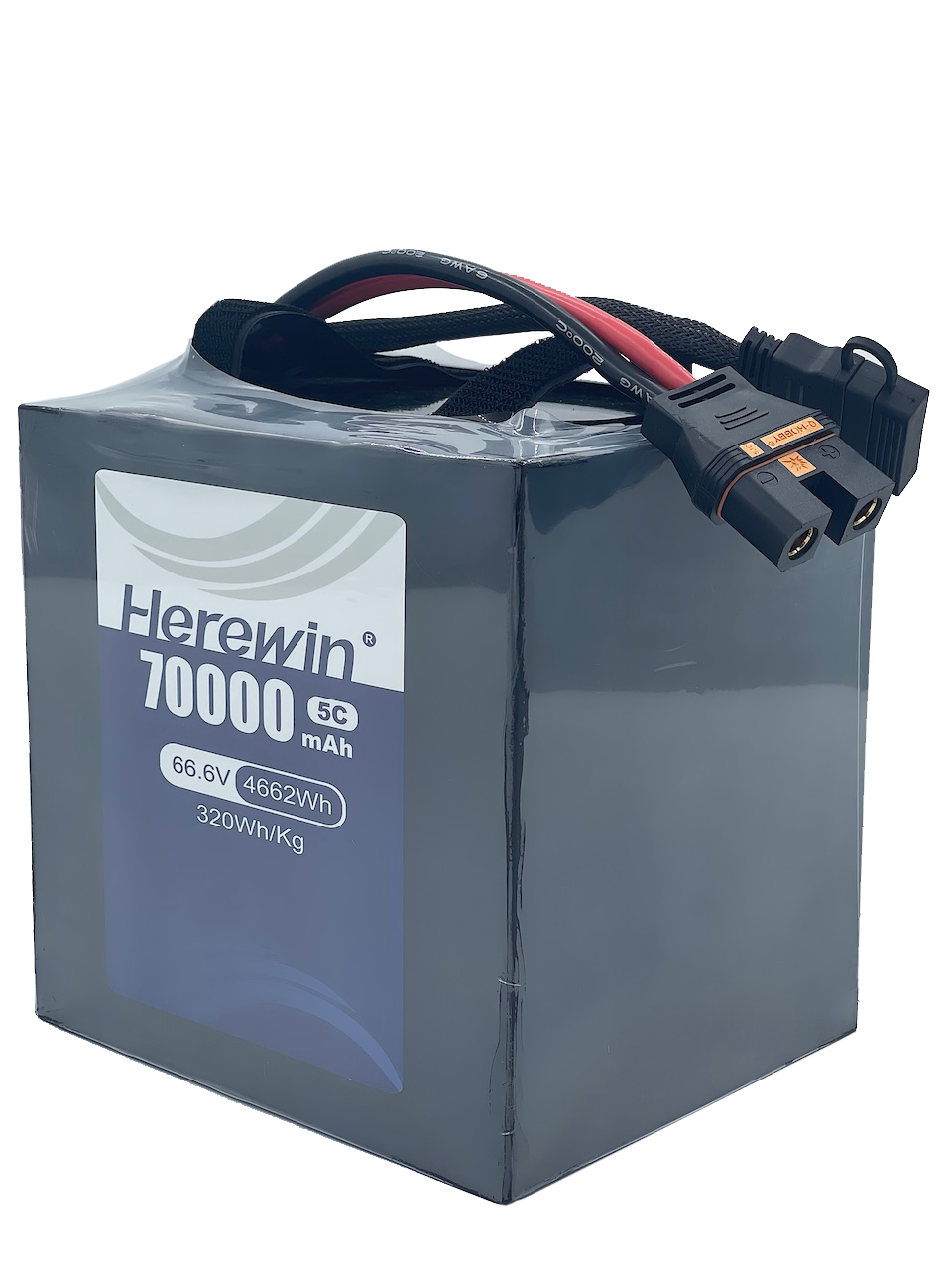
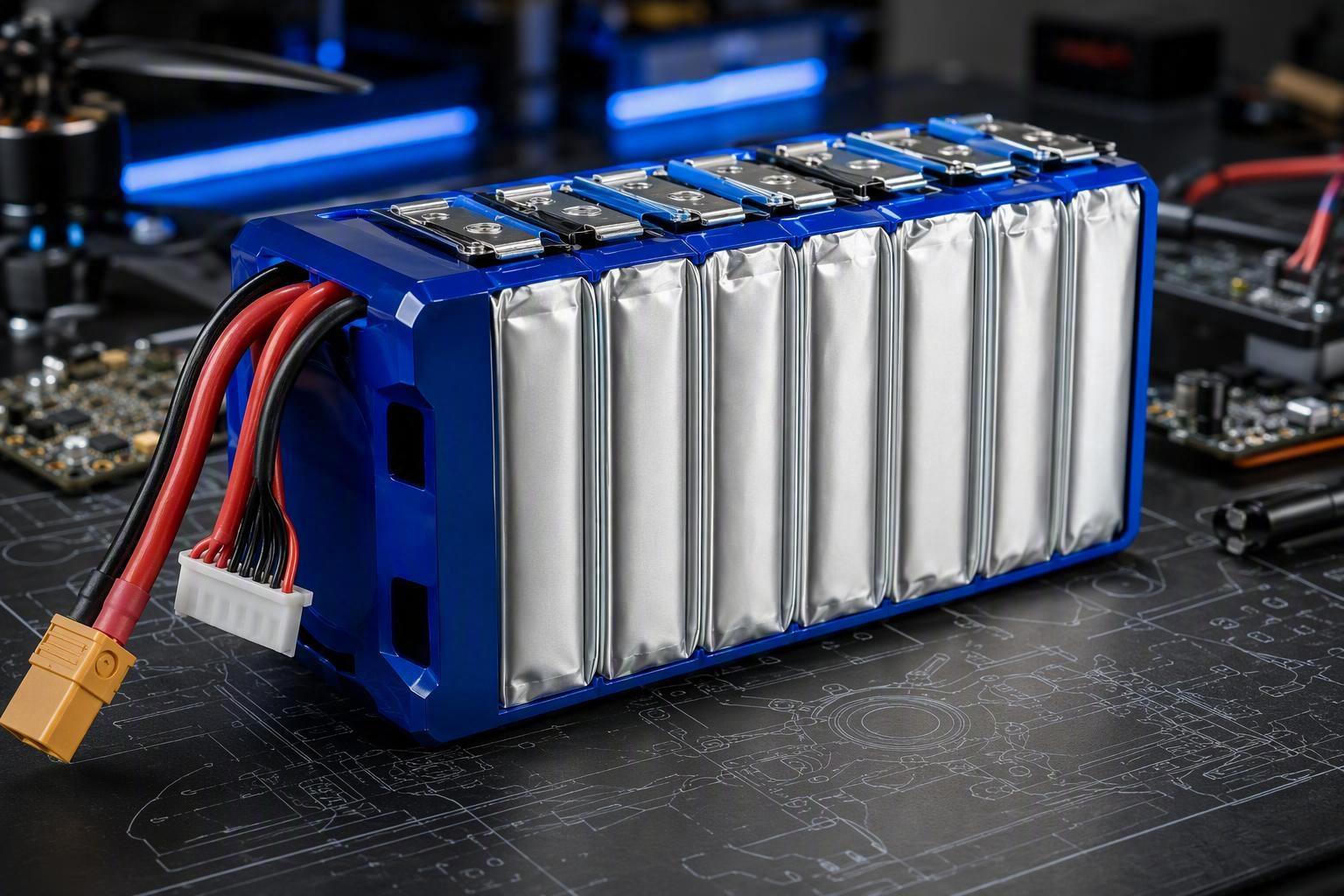
Lithium Polymer batteries are an evolution of conventional lithium-ion systems, using a solid or gel-like polymer electrolyte instead of liquid electrolytes. This eliminates leakage risks and allows for flexible, lightweight, and irregular form factors—making them highly adaptable to compact and mid-sized drone platforms.
At the core, Li-Po batteries operate through lithium-ion migration between the cathode and anode:
- During charging: lithium ions move from cathode to anode
- During discharge: ions flow back, releasing energy
This mechanism ensures stable power delivery but does not fundamentally eliminate thermal risks under stress conditions.
Lithium Iron Phosphate (LiFePO4)
LiFePO4 batteries use lithium iron phosphate as the cathode material and are widely recognized for their exceptional safety and durability. Introduced to the Chinese market around 2004, they have since become the standard for high-reliability industrial applications.
Structurally, they consist of:
- Cathode (LiFePO4)
- Anode
- Separator
- Electrolyte
- Protective casing
Like other lithium batteries, they rely on lithium-ion migration, but their key advantage lies in thermal stability:
- Thermal runaway threshold: ~800°C
- Under extreme conditions: typically smoke without combustion
Cycle life exceeds 2,000 cycles, with a practical service life of 7–8 years, making them ideal for high-risk and high-frequency operations.
แบตเตอรี่โซลิดสเตต
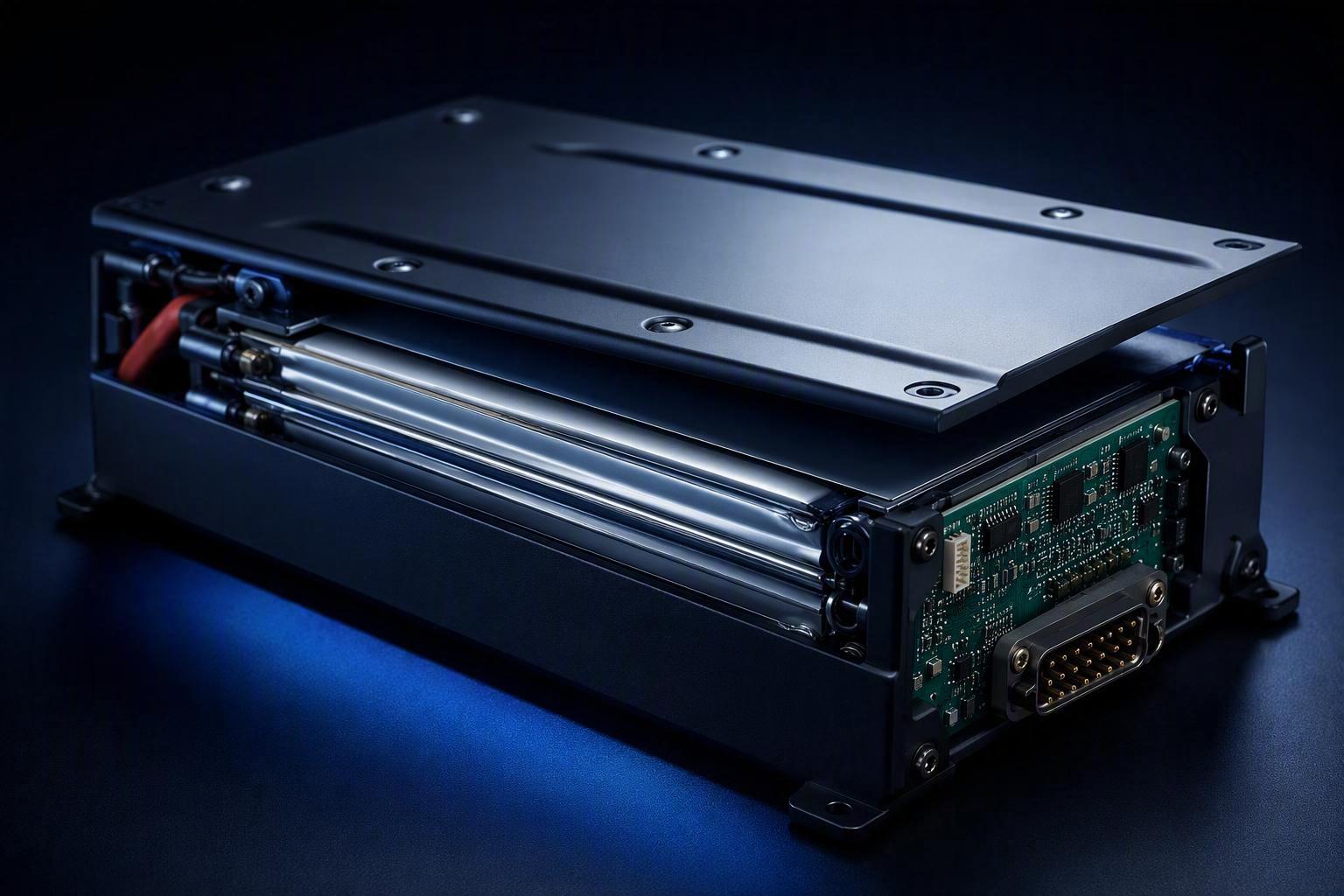
Solid-state batteries replace both the liquid electrolyte and separator with fully solid materials. This structural shift significantly enhances both energy density and intrinsic safety.
While the electrochemical principle remains lithium-ion transport, solid electrolytes enable:
- Higher structural density
- Improved ion transport efficiency
- Compatibility with lithium metal anodes
Current development status:
- Semi-solid-state: 300–360 Wh/kg
- Fully solid-state: 400–600 Wh/kg
Additionally, advanced designs incorporate multi-layer safety barriers to suppress dendrite formation and improve system-level reliability.
Comparative Performance Benchmarks
| Metric | Lithium Polymer (Li-Po) | Lithium Iron Phosphate (LiFePO4) | แบตเตอรี่โซลิดสเตต |
|---|---|---|---|
| Energy Density | 100–260 Wh/kg | 160–180 Wh/kg (cells) 210–230 Wh/kg (pack, CTP) |
300–360 Wh/kg (semi-solid) 400–600 Wh/kg (solid-state) |
| Safety Profile | Moderate; risk of swelling, fire under stress | Exceptional; non-combustible, high thermal stability | Very high; no leakage, strong thermal stability |
| วงจรชีวิต | 300–500 cycles | 2,000+ cycles (80% capacity after 1,000–1,500 cycles) | 2,000+ cycles (lab data) |
| Cost | Low upfront, high replacement frequency | ~0.4–0.6 RMB/Wh | ~1.5 RMB/Wh (early-stage) |
Key Performance Analysis
Energy Density: The Core Driver of Endurance
Energy density directly determines flight time and payload capacity.
- Li-Po:
- 100–150 Wh/kg → 20–30 min flight
- 200–260 Wh/kg → 40–60 min flight
- LiFePO4:
- 160–180 Wh/kg (cell level)
- Up to 210–230 Wh/kg with CTP integration
- Typical endurance: 30–50 minutes
- Solid-State:
- 300–600 Wh/kg
- Enables significant breakthroughs in endurance and payload capacity
Safety: The Foundation of Industrial Deployment
- Li-Po:
Reduced leakage risk, but still vulnerable to:- Overcharge
- High temperature
- Mechanical impact
→ May result in swelling, fire, or thermal runaway
- LiFePO4:
- Thermal runaway threshold ~800°C
- No combustion under extreme conditions
→ Widely used in petrochemical and wildfire applications
- Solid-State:
- No liquid electrolyte → zero leakage risk
- Suppresses lithium dendrite formation
→ Highly reliable in extreme environments
Cycle Life: The Key to Long-Term Cost
- Li-Po:
- 300–500 cycles
- Replacement required within 1–2 years in high-frequency use
- LiFePO4:
- 2,000+ cycles
- 80% capacity retention after 1,000–1,500 cycles
→ Strong long-term cost advantage
- Solid-State:
- 2,000+ cycles (lab stage)
- Expected further improvement with commercialization
Cost: Balancing Budget and Lifecycle Value
- Li-Po:
Low initial cost, but high replacement frequency → poor long-term economics - LiFePO4:
- 0.4–0.6 RMB/Wh
- Lower annual cost due to long lifespan
- Solid-State:
- ~1.5 RMB/Wh
- Limited adoption due to early-stage production
- Expected cost parity with LiFePO4 around 2030
Technology Trends in 2026
Li-Po
- Advancements in electrolytes and electrode materials
- Energy density approaching 300 Wh/kg
- Improved safety via flame-retardant additives and optimized BMS
LiFePO4
- Cost reduction to ~0.3–0.4 RMB/Wh
- Performance improvements via nanotechnology and surface modification
- Better low-temperature and high-rate performance
Solid-State
- Entering acceleration phase of industrialization
- Energy density stabilizing at 400–600 Wh/kg
- Scaling production and gradually reducing cost
Application-Based Selection Guide
Long-Endurance Missions (Mapping, Surveying)
Solid-state batteries are the optimal choice.
Example:
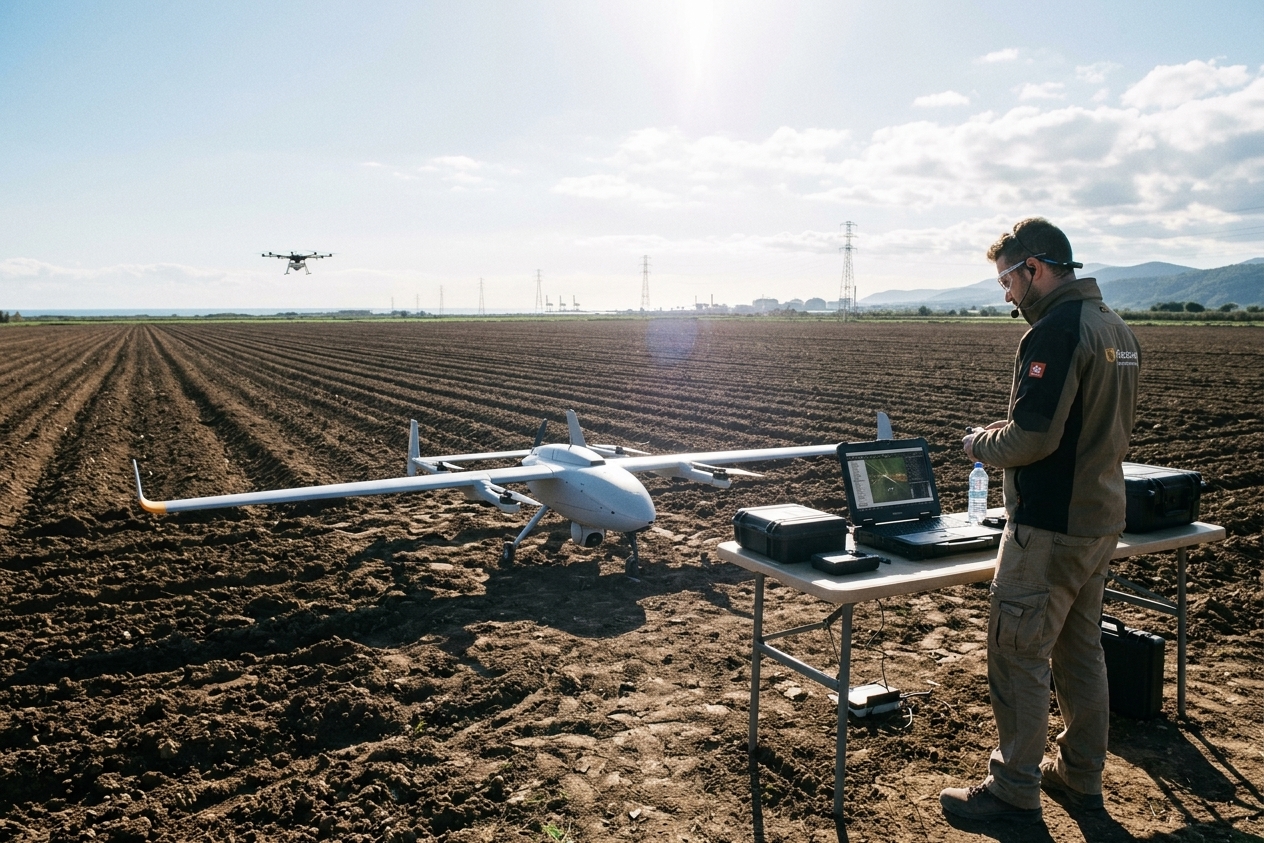
An agricultural mapping drone equipped with a 400 Wh/kg solid-state battery can achieve 8–10 hours of flight time, covering thousands of acres in a single mission.
Extreme Environments
- High-temperature environments (desert, petrochemical inspection):
→ LiFePO4 (superior thermal stability) - Low-temperature environments (Arctic, high-altitude):
→ Solid-state (no leakage, better cold performance)
High-Frequency Operations
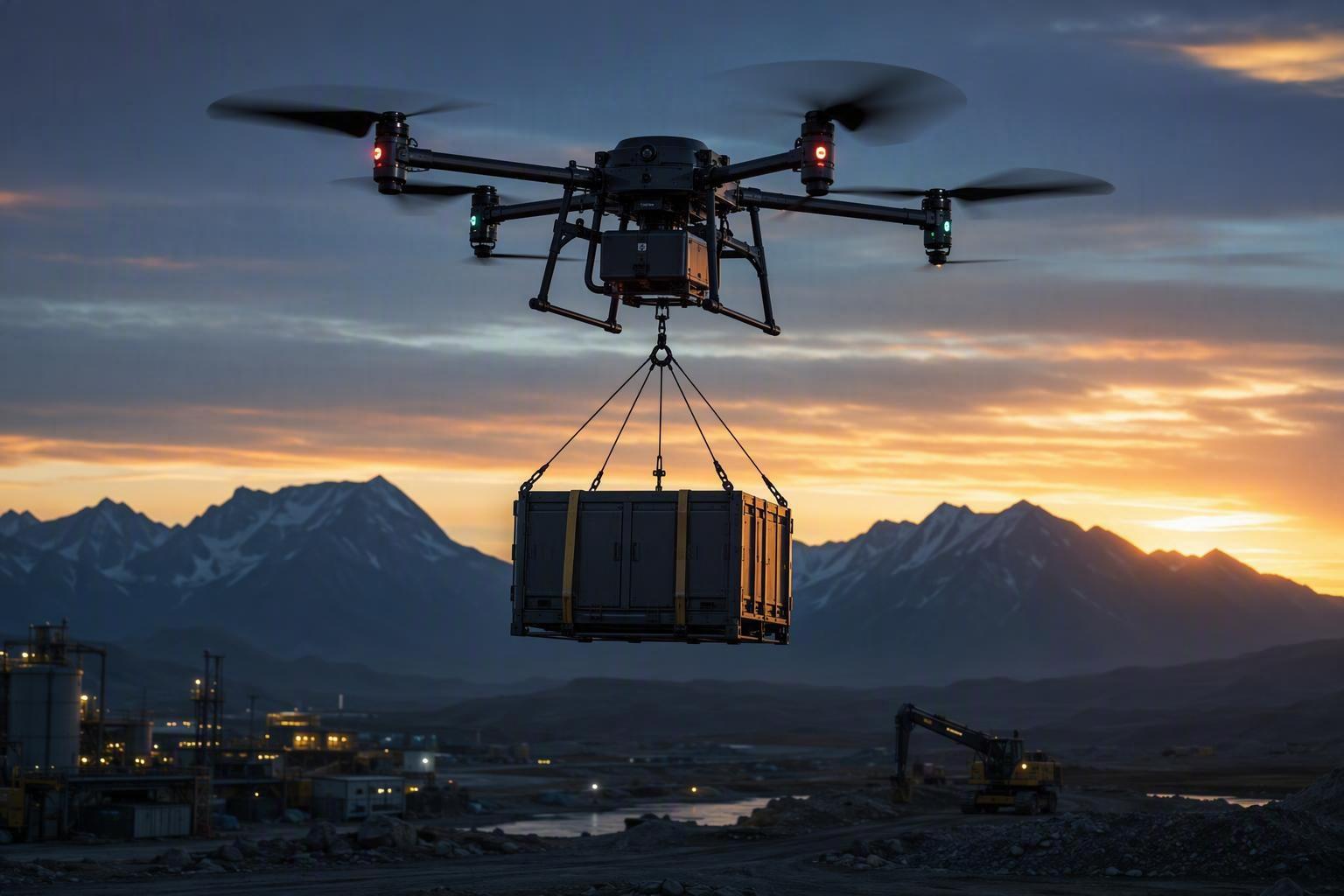
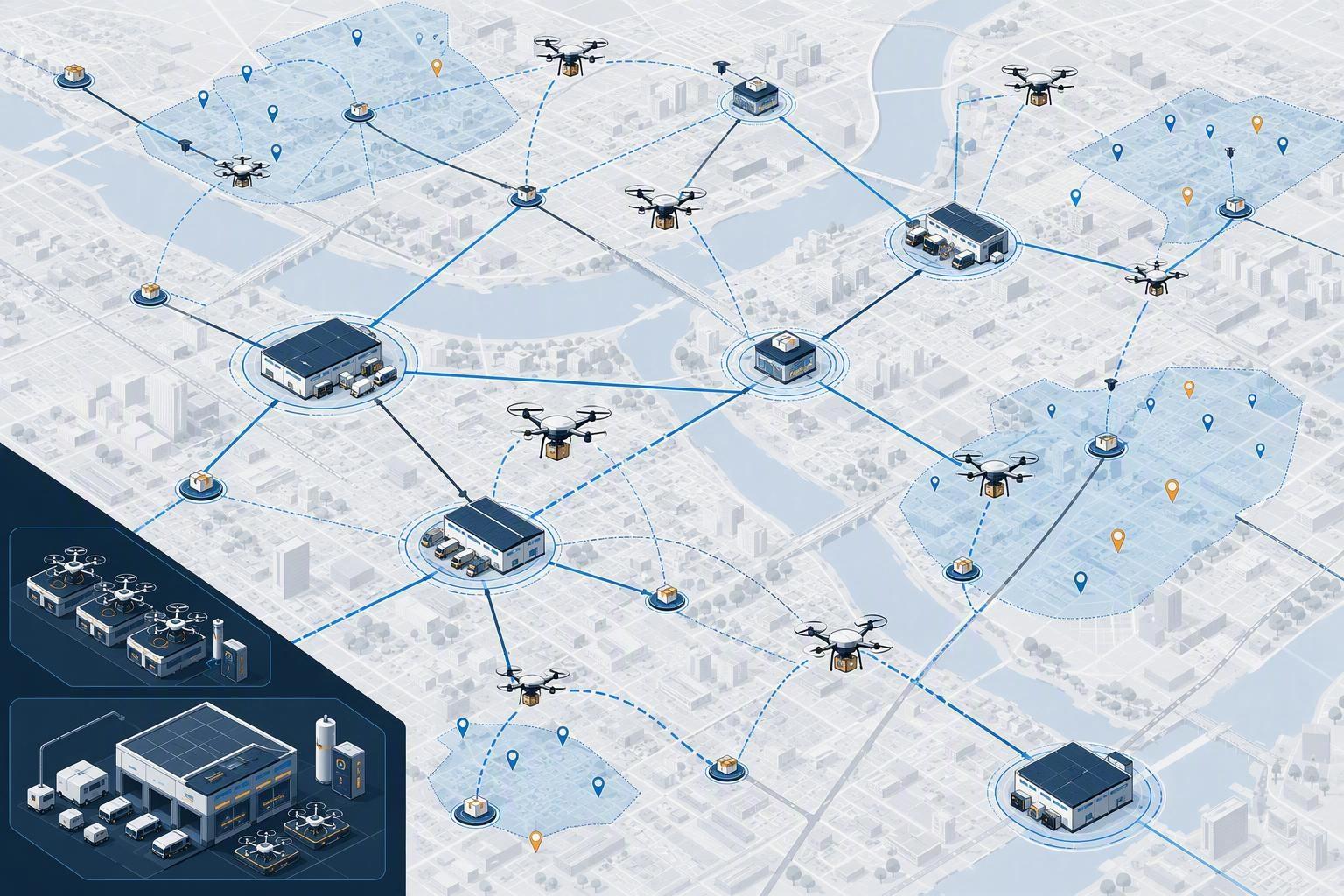
For logistics and delivery drones operating 10–15 cycles per day:
- LiFePO4 provides the best ROI
- Service life: 5–6 years without replacement
Conclusion & Outlook
Each battery technology presents a distinct trade-off:
- Li-Po:Flexible and cost-effective upfront, but limited in safety and lifespan
- LiFePO4:The most balanced solution—safe, durable, and cost-efficient
- Solid-State:Superior performance, but constrained by cost and scalability
In 2026, battery selection is fundamentally scenario-driven:
- Long endurance → Solid-State
- High temperature → LiFePO4
- Low temperature → Solid-State
- High-frequency operations → LiFePO4
Looking ahead, solid-state batteries are expected to become the dominant solution once cost and manufacturing scale mature. Meanwhile, Li-Po and LiFePO4 technologies will continue evolving, further expanding the operational boundaries of industrial drones.

 ไทย
ไทย  English
  Español
  한국어
한국어  Deutsch
  Français
  日本語
日本語  Русский
  Bahasa Indonesia
  العربية
  Português do Brasil
  Italiano
  Nederlands