


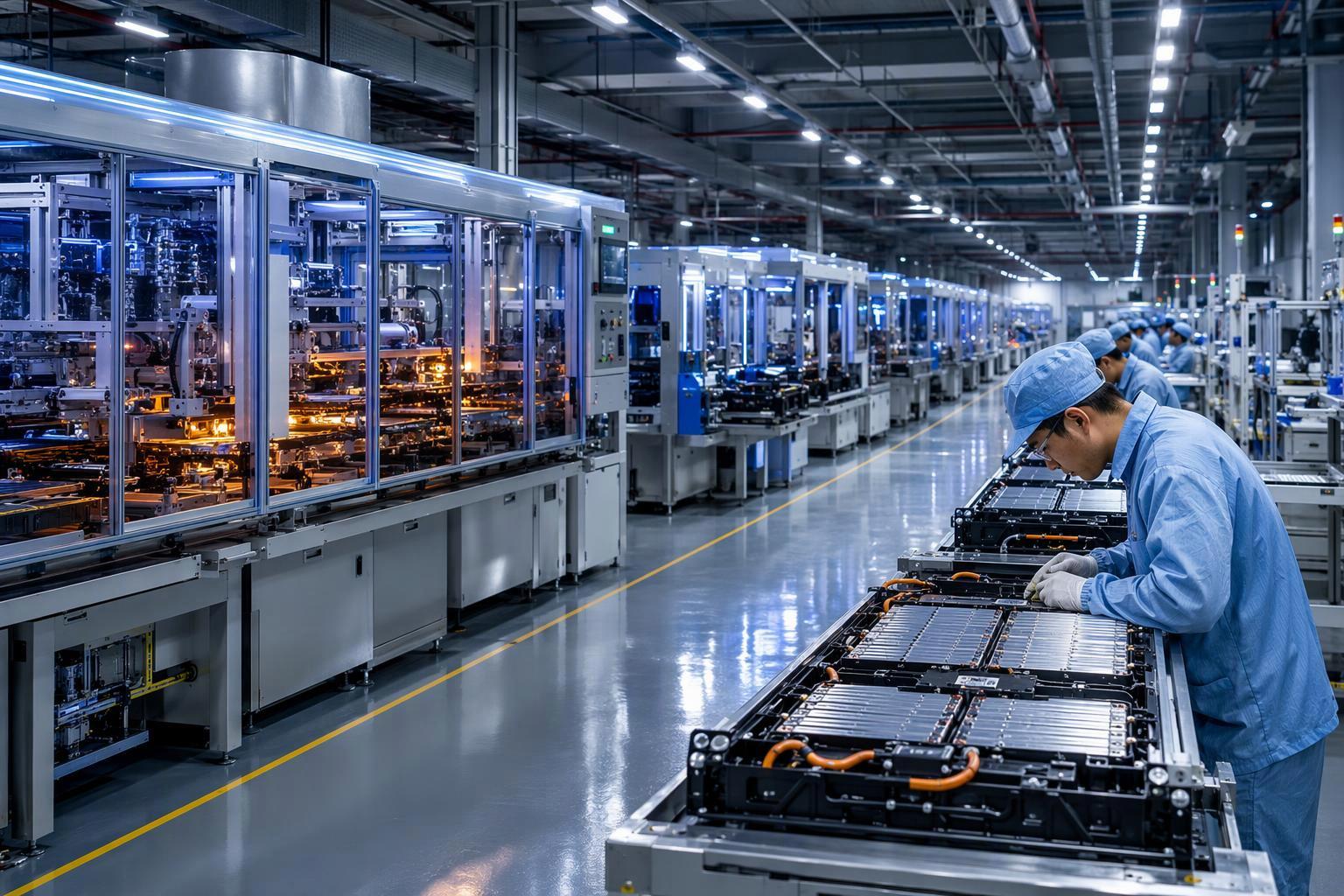
Choosing a lithium battery manufacturer in China is not simply about finding a supplier. It’s about finding one with the right manufacturing capabilities, customization experience, and application expertise for your project. China’s battery industry spans everything from large-scale cell production to specialized battery pack development, and not every manufacturer serves the same needs.
This guide profiles ten Chinese lithium battery manufacturers and explains what distinguishes them, helping buyers assess which type of supplier best fits their requirements.
Published by Herewin, which is also featured in this guide, this article is an industry overview rather than a ranking or purchase recommendation.
Understanding China’s Lithium Battery Manufacturers
Chinese battery manufacturers operate at different points in the value chain, and this affects the products and services they can supply.
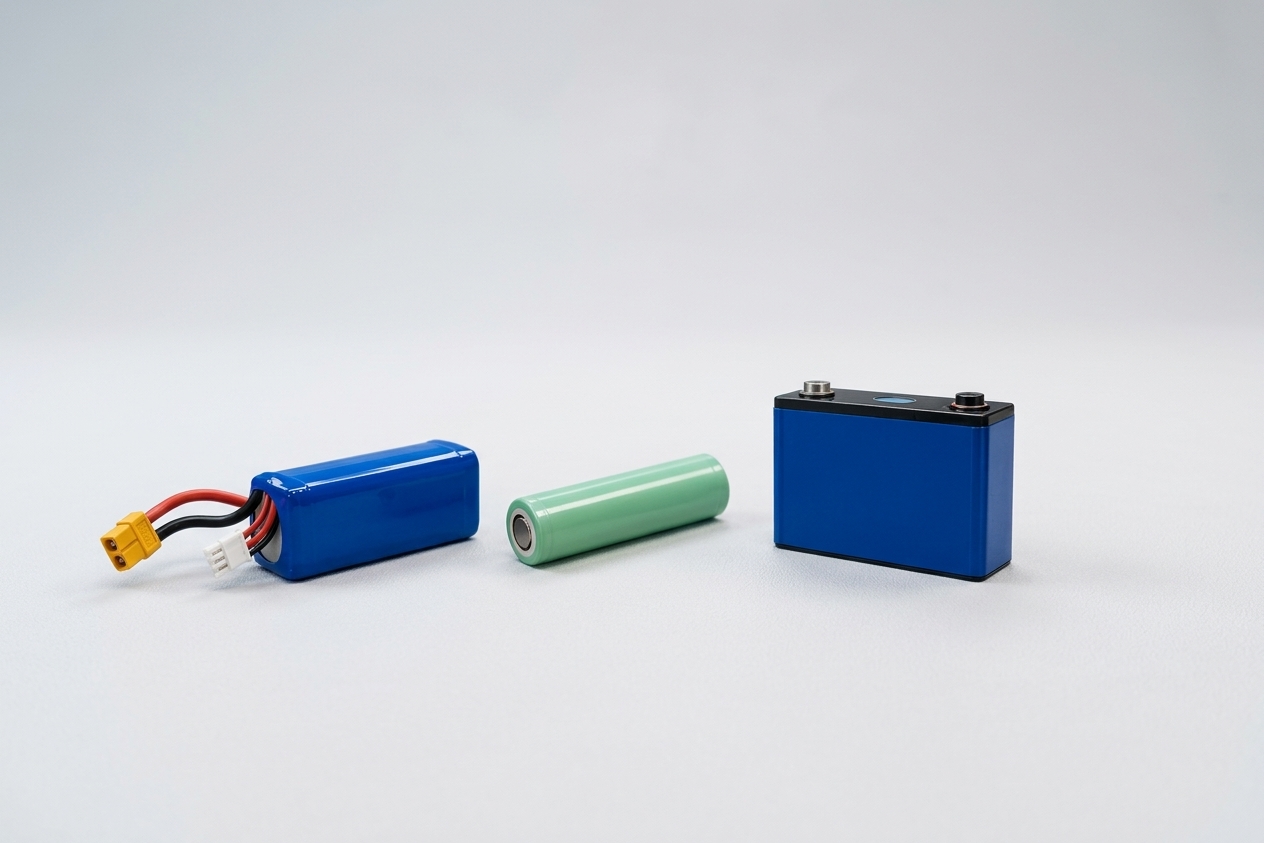
Cell manufacturers produce the battery cell itself — the electrochemical unit that stores energy.
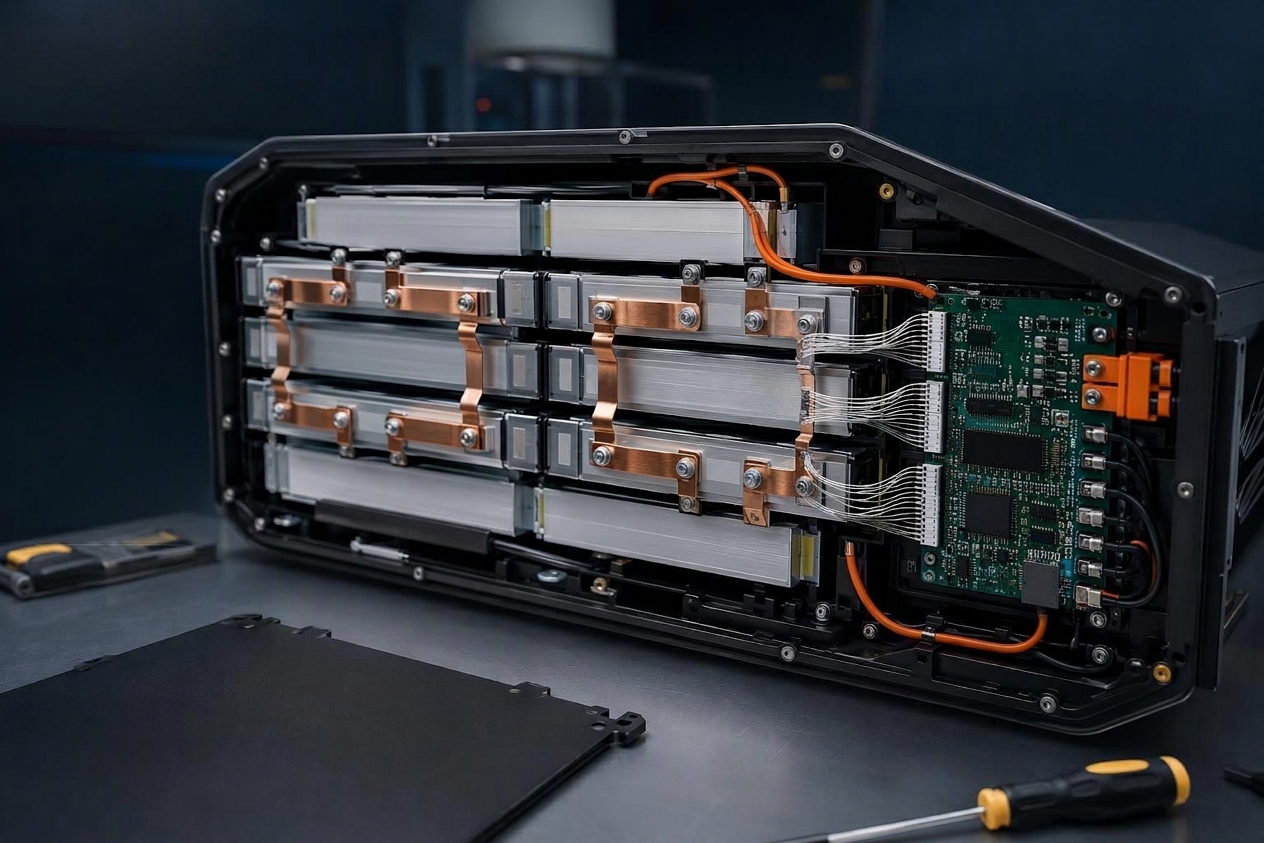
Pack manufacturers take cells and build them into a finished battery: cell arrangement, electrical connections, mechanical design, and BMS integration.
Integrated manufacturers do both, running cell production and pack assembly under one organization.
System integrators combine battery packs with power conversion, control, and energy-management components to deliver complete battery systems.
EV and energy storage programs place considerable demands on cell performance, production scale, and long-term quality control. Consumer electronics place greater emphasis on compact dimensions, energy density, and integration into the finished device. Industrial equipment and UAV applications often require closer attention to discharge performance, pack design, and platform compatibility. A strong supplier in one layer is not automatically a candidate in another.
10 Chinese Lithium Battery Manufacturers to Know
Instead of listing companies by size, this section groups them by what they sell and who they typically sell it to. That ordering answers the buyer’s first question — what am I actually sourcing? — before the conversation reaches price or lead time.
Four groups follow. Most sourcing briefs can be narrowed down to one or more of these groups, depending on whether the project requires cells, finished battery packs, or integrated systems:
Large-scale cell and system suppliers — if you need automotive or grid-scale volume, long-term supply agreements, and system-level integration.
Multi-segment and consumer cell makers — if your product portfolio spans several battery categories and you need one organization behind more than one of them.
Pack integrators and OEM/ODM builders — if you need a finished battery built to your enclosure, connector, and BMS requirements.
Specialized battery manufacturers — if your platform is defined by a specific cell format, weight, discharge demand, or a fixed airframe envelope.
A company can appear in more than one group. The grouping shows where each one’s main business sits, not the outer limit of what it can manufacture. The comparison table after the profiles turns this into a shortlist you can work from.
Group 1: Large-scale cell and system manufacturers
These are the suppliers you approach when the project is defined by volume, cell performance, and a supply relationship measured in years. All four sell cells, and most also sell modules, packs, or complete systems — so the working question is not whether they can supply, but at which level and from which entity.
1. CATL — EV and ESS batteries. CATL is a cell and system manufacturer whose business centers on EV battery systems and battery energy storage. In its 2025 annual report, CATL cited SNE Research data showing that it held a 39.2% share of the global power battery market and ranked first for the ninth consecutive year, with lithium-ion battery sales of 661 GWh. Its share of global energy-storage battery shipments was 30.4%, ranking first for the fifth consecutive year. The two figures use different measures: power battery market share is based on installed volume, while the energy-storage figure is based on shipments.
Fits: large EV and grid-scale storage programs where production capacity, cell performance, and long-term supply terms are assessed together. What a buyer should verify is which legal entity would serve their region and whether the required product is offered as a cell, a module, or a full system.
2. BYD — EV and ESS batteries. BYD operates across consumer batteries, power batteries, and energy storage through its battery business and related subsidiaries. FinDreams Battery, a wholly owned subsidiary, is a key part of that manufacturing structure and is particularly associated with LFP Blade Battery technology. At group level, BYD also supplies integrated energy storage covering battery systems, power conversion, and energy management. As part of a group that also manufactures vehicles, FinDreams operates across cells, modules, packs, and vehicle-integrated battery systems. Because the group spans several battery businesses, the legal entity behind a quote matters as much as the product line.
Fits: vehicle and energy projects where battery integration with a broader vehicle platform is part of the value. Supply arrangements and product availability can differ from those of an independent cell maker, so confirm the contracting entity and which product line would serve your order before comparing terms.
3. Gotion High-Tech — power and storage batteries. Gotion presents a vertically integrated portfolio spanning battery materials, lithium-ion cells, BMS, modules, packs, battery electronics and management systems, and energy-storage systems. That breadth is useful, but it also means the quote depends heavily on the level you define: cell, module, pack, or complete system.
Fits: EV and ESS integrators who already know which level they need. The verification step is naming that level in the brief and confirming which Gotion facility is responsible for it.
4. CALB — power and energy storage batteries. CALB develops lithium-ion battery products and integrated solutions for passenger vehicles, commercial vehicles, energy storage, marine applications, and emerging sectors such as eVTOL and robotics. Its commercial-vehicle portfolio uses modular, platform-based designs, with pack capacity spanning roughly 30–900 kWh, while its energy storage business covers generation-side, grid-side, commercial and industrial, and residential applications.
Fits: vehicle, marine, and storage projects that can be built on an existing product platform, rather than from a blank sheet. Buyers should review the available platforms, the system integration scope, and how much customization is realistic on top of them — rather than assuming a fully bespoke pack is on the table.
Group 2: Multi-segment and consumer cell manufacturers
This group matters when your sourcing spans categories. Both companies below sell into several battery markets, which makes them convenient to work with — and harder to evaluate, because the relevant capability sits in a specific division rather than across the company as a whole.
5. EVE Energy — multi-segment lithium batteries. EVE Energy describes itself as a global lithium battery company with core technologies and solutions across three business lines: consumer batteries, power batteries, and energy-storage batteries. Its product range includes primary lithium batteries, small lithium-ion cells, cylindrical cells, prismatic and pouch NCM cells, prismatic LFP cells, EV cylindrical cells, and power and energy-storage systems.
Fits: buyers sourcing batteries for more than one product category — power tools, smart meters, automotive electronics, or ESS — from a single organization. Each product family still needs its own qualification, so ask which cell format and which business line would actually handle your part.
6. Sunwoda — consumer, power, and energy storage batteries. Sunwoda operates across consumer batteries, power batteries, and energy storage, giving it a footprint in high-volume small-format production, larger vehicle programs, and ESS projects. Its power battery business integrates the development, manufacturing, and sales of cells, modules, BMS, and pack systems, with applications spanning passenger vehicles, commercial vehicles, marine, automotive electronics, and energy storage.
Fits: OEMs and brands with consumer, vehicle-adjacent, or energy storage programs. Consumer pack assembly and power cell supply sit in different parts of the organization with different qualification paths, so identify the business unit responsible for your category before you exchange technical documents.
Group 3: Pack integrators and OEM/ODM manufacturers
These suppliers turn cells into a finished battery. If your requirement is a pack that fits a specific enclosure, connector, and BMS protocol — rather than a standard cell — this is the group to shortlist first. A key distinction inside it: pack assembly does not imply in-house cell production.
7. Desay Battery — battery management and pack integration. Shenzhen Desay Battery Technology (SZSE: 000049) builds its business on lithium-battery power management systems and pack assembly and integration. Its stated applications include smartphones, notebooks and tablets, wearables, power tools, smart home and mobility products, and energy storage. The company is also investing in energy-storage cells, including high-power cells for UPS applications and new storage cell and system products.
Fits: consumer electronics and industrial OEMs that need battery pack integration, BMS development, and power management rather than cells. Two things are worth confirming early: whether the relevant line takes external OEM projects, and which legal entity would handle manufacturing and product qualification. Buyers looking at its storage business should keep the pack-integration operations and the newer cell-manufacturing activities separate when they assess capability.
8. Howell Energy — custom lithium battery solutions. Howell Energy is a battery manufacturer and OEM/ODM supplier with more than 20 years of experience in the battery industry. Its product lines span lithium-ion, lithium-polymer, LiFePO4, NiMH, NiCd, and primary batteries, alongside customized battery packs. The company lists manufacturing facilities in Dongguan, Guangdong, and Jinhu, Jiangsu, and its stated services include battery design, cell selection, development, and BMS integration.
Fits: industrial and specialty equipment builders that need a custom pack across mixed chemistries, in volumes below what a large cell maker will quote. The commercial question that decides the project is cell sourcing — whether Howell buys cells in or makes them in-house — because that determines which tests and certifications actually apply to the finished pack.
Group 4: Specialized battery manufacturers
The last group is small, and its two members specialize along different axes. Farasis is built around cell technology, with pouch as its signature format and a portfolio that now extends into prismatic cells and complete battery products. Herewin is built around application-specific development, particularly packs designed around a defined airframe and operating requirement. A cell format and a platform-driven product category ask for different questions, so the two aren’t direct substitutes even when they serve similar device markets.
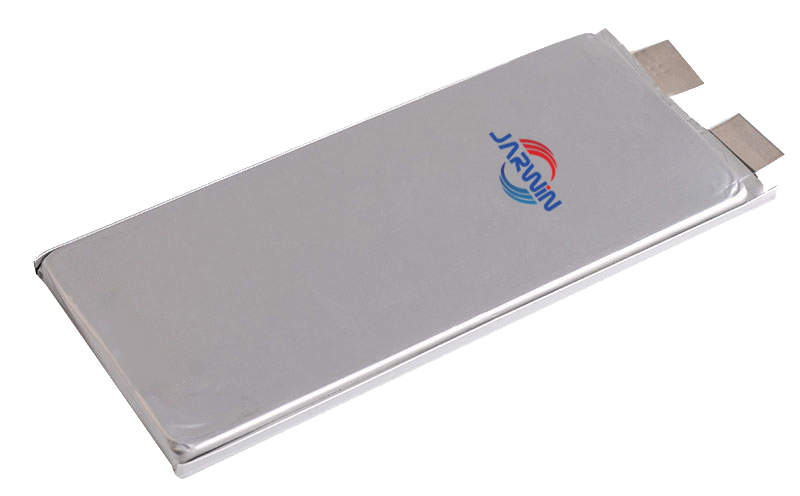
9. Farasis Energy — pouch-focused power batteries. Farasis is a major developer of lithium-ion pouch cells, and its product portfolio also includes prismatic cells, modules, battery packs, customized packs, and energy storage systems. Its applications span passenger vehicles, commercial vehicles, industrial machinery, motorsports, and energy storage, with production sites in China and a joint venture with Togg in Turkey.
Fits: design teams whose architecture already assumes soft-pack cells rather than prismatic or cylindrical formats, and programs that want a cell supplier able to extend into modules and packs. Because cell format drives the mechanical and thermal design, the check runs in the opposite direction from a pack supplier: confirm the format, capacity grades, and tab configuration before you ask about any specific end product. If your design is built around pouch cells, the supplier list narrows quickly; if not, pouch supply adds a redesign rather than an option.
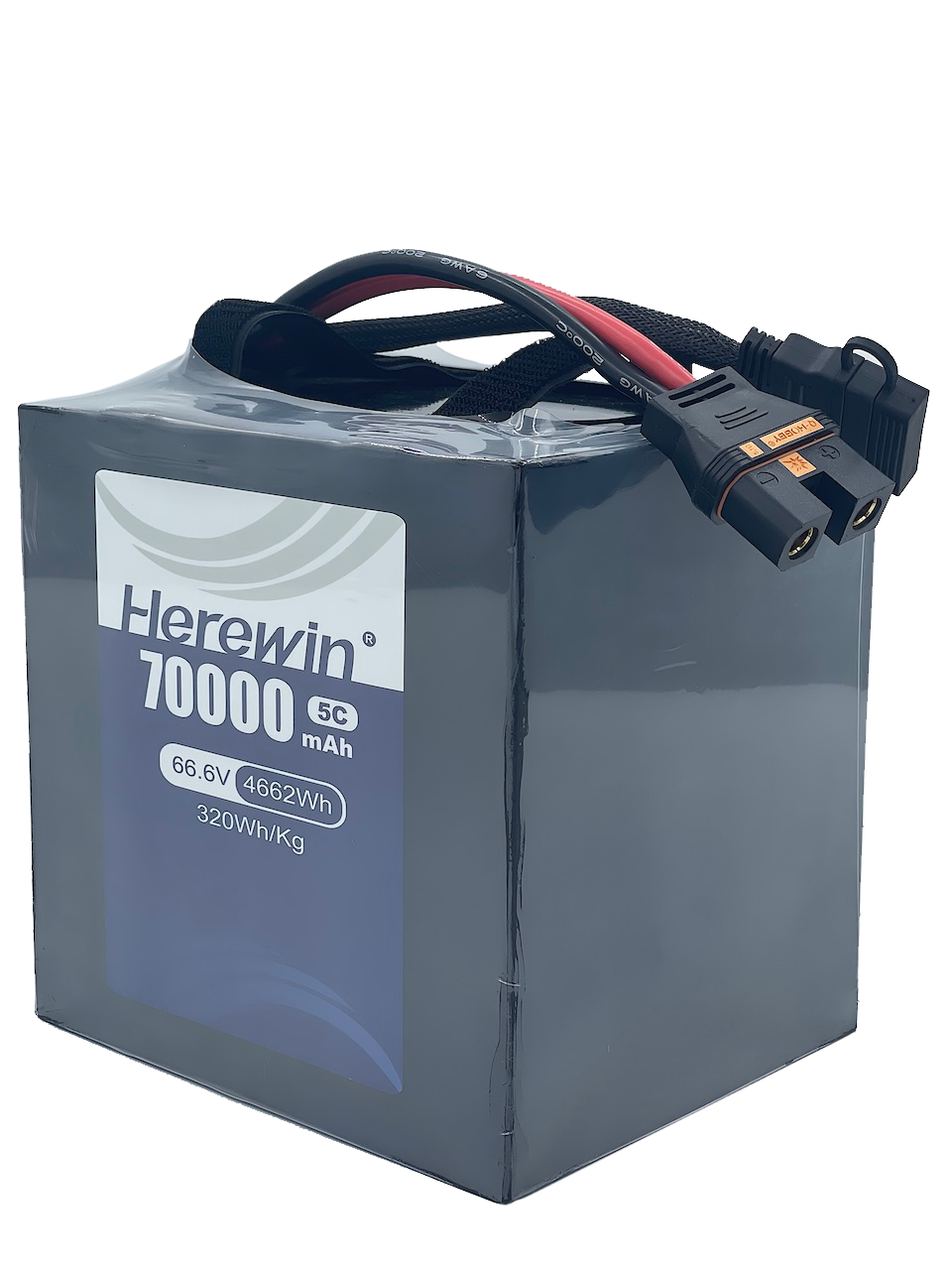
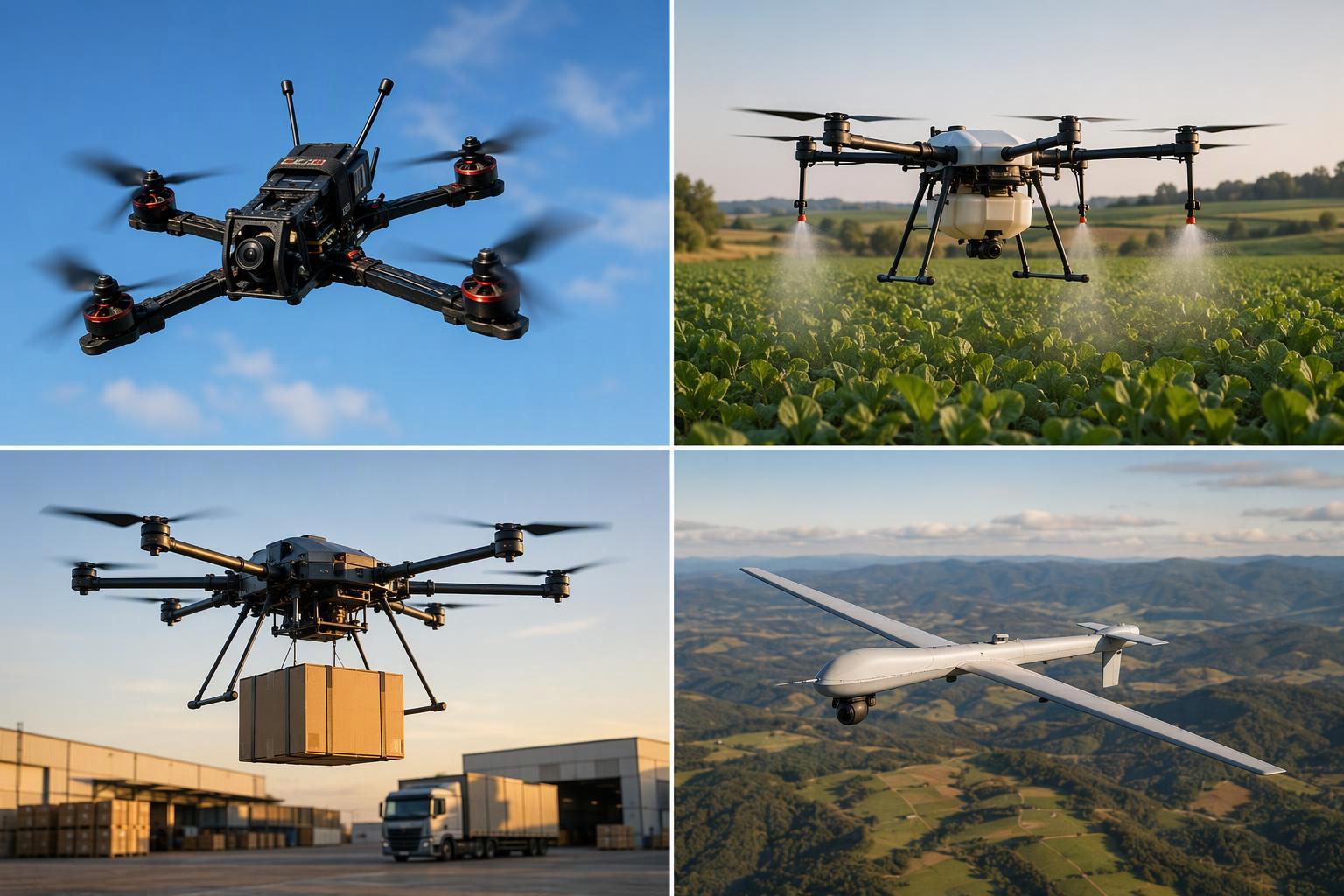
10. Herewin — UAV and specialized battery solutions. Herewin is an application-focused battery manufacturer with in-house cell and pack production. Its stated manufacturing scope covers cell development, pack assembly, and OEM/ODM development, and its UAV product pages list solutions for agricultural, logistics, heavy-lift, FPV, mapping, and training applications, alongside custom packs for industrial equipment.
Fits: UAV and industrial programs where the pack has to be designed around a fixed airframe, a defined discharge profile, and a specific BMS interface — a build-to-specification job rather than a catalogue selection. Here the questions are about platform evidence rather than cell format: flight-load discharge data, pack-level energy density, connector and pinout compatibility, and test coverage for the exact configuration being evaluated, since a platform-level approval doesn’t automatically carry over to a new pack layout. Buyers should also confirm which facility would build the specific configuration.
Manufacturer | Core specialization | Supply level offered | Relevant buyers | What to verify |
|---|---|---|---|---|
CATL | Power and ESS cells and systems | Cells, modules, systems | Large EV and grid-storage programs | Supplying entity, region coverage, and the level quoted |
BYD (FinDreams) | LFP blade cells and integrated battery systems | Cells, packs, vehicle-integrated and ESS systems | Vehicle and energy projects | Contracting entity, product line, and whether the quote comes from the group or FinDreams |
Gotion | Power and storage cells through to systems | Cells, modules, packs, systems | EV and ESS integrators | Which level is quoted and which facility builds it |
CALB | Power and storage batteries on defined platforms | Cells, integrated battery products, systems | Commercial-vehicle, marine, eVTOL, and storage projects | Platform options and realistic customization scope |
EVE Energy | Multi-segment cells and systems | Cells, modules, systems | Multi-category battery sourcing | Cell format and which business line owns the part |
Sunwoda | Consumer, power, and energy storage batteries | Cells, modules, BMS, packs | Consumer, automotive-adjacent, and ESS OEMs | Business unit responsible for your category |
Desay Battery | Power management and pack integration | Packs, systems, storage cells | Consumer electronics and industrial OEMs | External OEM access and which entity handles qualification |
Howell Energy | Multi-chemistry custom packs | Packs, OEM/ODM | Industrial and specialty equipment builders | Whether cells are bought in or made in-house |
Farasis | Pouch-focused power cells and battery products | Cells, modules, packs, ESS | Designs built around pouch format; programs needing packs | Cell format and product-specific qualification for your application |
Herewin | LiPo packs for UAV and industrial platforms | Cells, custom packs, OEM/ODM, ESS | UAV OEMs and industrial drone buyers | Build facility and test scope for the exact configuration |
Read the supply level as the company’s main business, not its outer limit. Several operate at more than one level, and the answer can change between product lines and factories. These manufacturers do not compete for exactly the same projects either: what makes one relevant to your program — supply level, production scale, application requirements, degree of customization — can make another irrelevant, even when both appear side by side in this table.
If you want a starting point, work backwards from your requirement:
Need large-volume cells or a system contract? Prioritize Group 1 suppliers — and arrive with the supply level already decided.
Sourcing across several battery categories? A Group 2 supplier covers more ground per organization, at the cost of a more complex qualification path.
Need a finished pack built to your design? Group 3 is the natural first conversation, especially below large-volume thresholds.
Pouch format or a flying platform? Group 4 splits by cell format versus application, and both should be judged on product evidence rather than capacity figures alone.
How to Choose the Right Chinese Lithium Battery Manufacturer
Define Your Cell or Battery Pack Requirements
Before approaching any supplier, settle what you are actually buying: cells or a complete pack. Define the required chemistry and cell format, along with voltage, capacity, dimensions, weight limits, and electrical interfaces. These requirements help narrow the field early. A cell supplier may not manufacture the finished pack, while a pack assembler may rely on external cell suppliers and have limited control over cell sourcing.
The weight figure deserves particular attention. Battery mass can consume a substantial share of an aircraft’s payload allowance, and the share grows with pack capacity, voltage, and energy. A larger pack therefore reduces what remains available for liquid, equipment, or other mission-specific loads — often by more than buyers expect when they compare capacity figures alone.
The numbers can be surprising. On a light aircraft carrying a 20–25 kg payload allowance, a pack at the top of the available voltage and capacity range can take up something in the region of 40–50% of that allowance before any payload is loaded. That figure comes from specific products rather than an industry standard, but the ratio is the point: treat capacity, pack mass, and payload as one decision rather than three, and ask each supplier which mass boundary its weight figure uses.
Match Manufacturing Capabilities to Your Application
Requirement | Supplier type to prioritize | Evidence to ask for |
|---|---|---|
EV battery projects | Large-scale cell and system makers | Cell qualification data and volume supply track record |
Energy storage systems | Cell manufacturers or ESS system integrators, depending on whether the project requires cells, battery packs, or a complete ESS solution | Safety design documentation and system-level compatibility tests |
Consumer electronics | High-volume small-format cell and pack makers | Dimensional consistency data and batch records |
Industrial equipment | Custom pack builders | Load profile testing and environmental test results |
UAV platforms | Application-specific UAV pack suppliers | Pack-level discharge curves and airframe validation |
The right-hand column is the part most buyers skip. A supplier that can describe its capability in general terms will almost always pass an introductory call; only the test evidence tells you whether that capability applies to your duty cycle.
Audit Manufacturing and Quality Control
Product specifications are the easy part of supplier evaluation, because every credible supplier can produce a datasheet. The harder part is deciding whether the organization behind the datasheet will still be delivering the same battery in year three.
Start with manufacturing scope. Establish which steps are done in-house and which are subcontracted: cell production, pack assembly, BMS design, and final testing are frequently split across different sites or partners. Ask which factory and which legal entity would manufacture your order, and whether an engineering team sits at that site or at headquarters. A supplier that assembles packs from purchased cells is a perfectly good partner for a custom pack project — but only if you know that’s the model before you plan around cell-level control.
Then walk the quality process from incoming cell inspection through pack assembly, in-line testing, and final release. Ask what is measured at each stage — capacity, internal resistance, self-discharge, dimensional tolerance — and what the acceptance limits are. Ask for completed test reports rather than a list of standards the company claims to follow, and check that the report covers the battery type, capacity, and configuration you’re buying.
Verify OEM/ODM and Customization Capabilities
For build-to-specification buyers, this is where suppliers separate. A capable ODM partner handles cell selection and validation, mechanical design of the pack, BMS hardware and firmware configuration, prototype builds, and sample validation against your acceptance criteria. Ask how many revision rounds a typical project takes, who owns the design files, and who is responsible if a pack passes the sample stage but drifts in production.
Customization claims deserve the same scrutiny as quality claims. Confirm whether the supplier can adapt the electrical and mechanical specifications, including the BMS and communication interface, and how it handles platform compatibility and production consistency. A supplier may be able to build a customized sample without having the process control needed to reproduce it at scale. Before volume production, fix the sample acceptance limits for capacity, internal resistance, dimensions, weight, and discharge performance, then ask how each of those parameters is monitored across batches.
Assess Supply Reliability and Certifications
Commercial terms belong in the first conversation, not the last: minimum order quantity, sample lead time, production lead time, and change-notification policy. So does cell supply continuity — if the supplier buys cells from a third party, ask what happens if that cell is discontinued mid-program. A strong technical fit with an unstable supply plan is not a strong supplier.
Certifications need to be checked separately because different documents serve different purposes. Ask for details of the supplier’s quality management system and, importantly, the scope of its certification. Ask how the cells and finished packs are tested, which product-level safety tests have been completed, and whether the applicable UN 38.3 testing and test summary are available for the battery type being shipped.
Keep management-system certification, product certification, and transport testing separate. ISO 9001, for example, concerns an organization’s quality management system rather than certifying an individual battery product, as the ISO definition of certification makes clear. Product certifications apply to specific products and their defined scope, while UN 38.3 addresses transport testing for lithium batteries. One is not evidence of another.
Transport rules also vary by market. For U.S.-bound shipments, the U.S. hazardous-materials rules for lithium batteries specify applicable classification, packaging, marking, and documentation requirements, which don’t carry over to other destinations.
What to Consider When Choosing a UAV Battery Manufacturer
UAV batteries deserve a closer look because they combine every trade-off above at once. They’re also the part of this industry we know best, so we’ll use drone packs as the worked example: the checks below are the same ones we run on our own products and the ones we’d put to any supplier.
UAV battery procurement involves trade-offs between battery weight, discharge capability, thermal performance, pack dimensions, and flight requirements. These factors need to be evaluated together rather than as separate specifications.
Increasing battery capacity usually adds pack mass, while higher power demands can increase resistive heating unless cell resistance and thermal management are adequately controlled. When the pack also has to fit a fixed airframe envelope, space, electrical architecture, and operating profile need to be part of the specification from the start.
To keep these points concrete, agricultural spraying packs vary considerably with aircraft size and payload. Packs in this class commonly sit between 12S and 14S and 16–30 Ah, which works out to roughly 0.7–1.6 kWh of nominal energy — and usable energy is lower once the cut-off voltage the aircraft actually flies to is factored in. Herewin’s own catalogue, for instance, runs from a 12S 16 Ah pack at 44.4 V and about 4.48 kg to an 18S 30 Ah pack at 68.4 V and roughly 10.2 kg, so even within one supplier the spread is wide. Read pack weight, pack-level energy density, and discharge ratings against the actual aircraft and mission profile rather than treating them as industry benchmarks. A figure outside the range you’d expect usually signals a different mass boundary or test condition, so it’s worth a follow-up question.
Electrical Performance and Flight Load
Advertised continuous discharge rates are not the same as usable output under a real flight profile. Take-off, climb, and wind compensation maneuvers can produce current peaks well above typical cruise demand. The pack must maintain adequate voltage through these periods without excessive sag. The rating is also relative to capacity: if 25C is specified as the continuous rating, it works out to about 400 A on a 16 Ah pack and about 750 A on a 30 Ah pack. Those are rating-based values, not confirmation that the assembled pack can hold that current in flight. Usable continuous current depends on the whole chain — connector and busbar ratings, BMS cut-offs, cell temperature, and the discharge limits of the cells themselves.
Ask for discharge curves at realistic load and temperature rather than a single headline rating, and check whether the figures describe the cell or the assembled pack. A curve at the pack’s actual cruise current shows more than a C-rate, provided it states the ambient temperature and the cut-off voltage used.
Pack-Level Design and Thermal Behavior
A cell-level energy density figure describes the cells, not the complete battery assembly, and the gap between the two is not a fixed percentage. The enclosure, wiring, connectors, BMS, potting, and mounting hardware all add mass, and how much depends on the platform, the protection level, and the thermal design. Compare complete-pack energy density and total installed weight against the aircraft’s payload and flight-time requirements, and make sure the supplier states which mass boundary the number uses. Heat is another constraint: a pack that performs well on a bench at room temperature may behave differently during repeated heavy-lift cycles or in high ambient temperatures. Ask for temperature-rise data recorded at a stated ambient temperature and continuous load, such as a payload-heavy mission profile in a 35 °C field, rather than a single best-case measurement.
BMS, Platform Compatibility and Production Consistency
The BMS manages key battery functions, including charge and discharge limits, cell balancing, state-of-charge reporting, fault protection, and communication with the flight controller. Confirm the communication protocol, connector type and pinout required by your platform, as well as whether telemetry can be mapped to your ground station and how the BMS responds to fault events. Meeting the electrical specification is not enough if the pack cannot communicate correctly with the aircraft’s avionics.
Many UAV programs require a battery designed around a defined airframe envelope, so mechanical and electrical compatibility matters from the design stage. During sample evaluation, check that the supplier can validate the pack against the available installation space and electrical requirements, then agree tolerances for dimensions, weight, and performance before volume production. How thoroughly a supplier documents its BMS communication work says a lot about how seriously it treats integration.
The remaining differentiator is harder to see on a datasheet: how much of this the supplier has already done on aircraft. A company that mainly builds packs for ground equipment can meet a voltage and capacity spec and still miss what flight adds. Ask for pack-level test data and validation records from comparable applications — flight profiles, thermal conditions, installation constraints, communication requirements — rather than general product specifications, and see whether the supplier can tell you which tolerance matters on a flying platform and which is nominal.
If you’d rather settle your requirements before requesting quotes, this UAV battery design checklist walks through the parameters worth deciding in advance — nominal voltage, energy, continuous and peak current, cut-off limits, connector and pinout, mechanical envelope, and environmental range.
That’s the ground Herewin works on, and it’s a fair example of how application-specific design plays out. Our drone solutions span agricultural, logistics, heavy-lift, FPV, mapping, training, cleaning, and inspection platforms, and most start from a given airframe rather than a catalogue page — which is exactly why configuration-specific test and certification coverage ends up mattering as much as the spec sheet. Whether you buy from us or elsewhere, treat that coverage as part of the comparison.
Choosing a Supplier Based on Evidence, Not Lists
There is no single best battery manufacturer for every project. What separates a workable supplier from an unsuitable one is rarely the logo — it’s the product level being supplied, the facility that will actually build it, and the evidence available for the performance and qualification your program requires.
So run the guide in two passes: use the four groups to narrow your search to a handful of realistic candidates, then put those candidates through the manufacturing, testing, customization, and supply questions before you spend money on samples. Companies that look interchangeable on a datasheet rarely stay that way on the second pass.
Company information here comes from public corporate websites, product catalogs, and official disclosures. Availability, manufacturing scope, and certification details change, so confirm them with each supplier for the specific part you intend to buy.
 ไทย
 English
 Español
 한국어
 Deutsch
 Français
 日本語
 Русский
 Bahasa Indonesia
 العربية
 Português do Brasil
 Italiano
 Nederlands