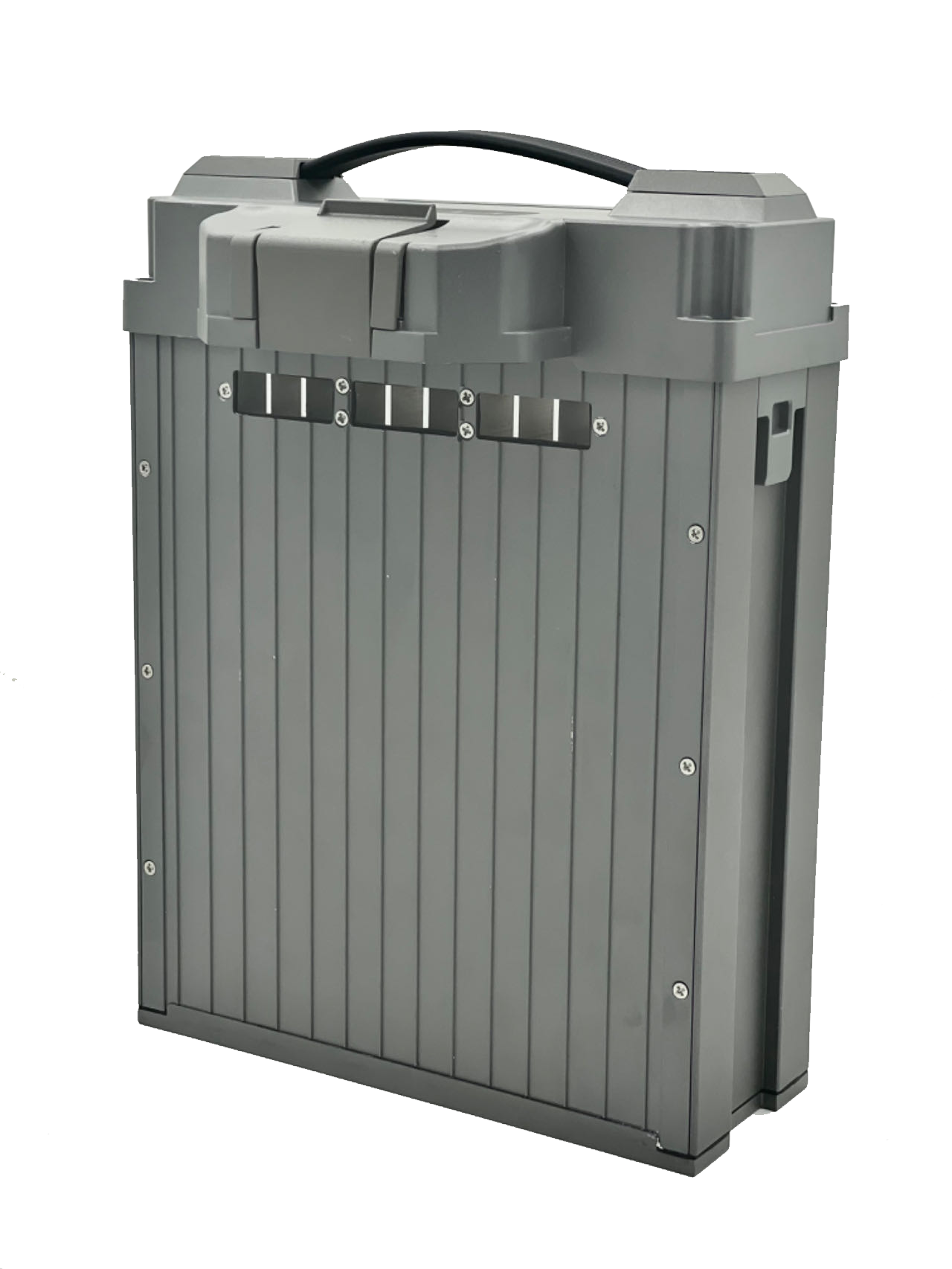
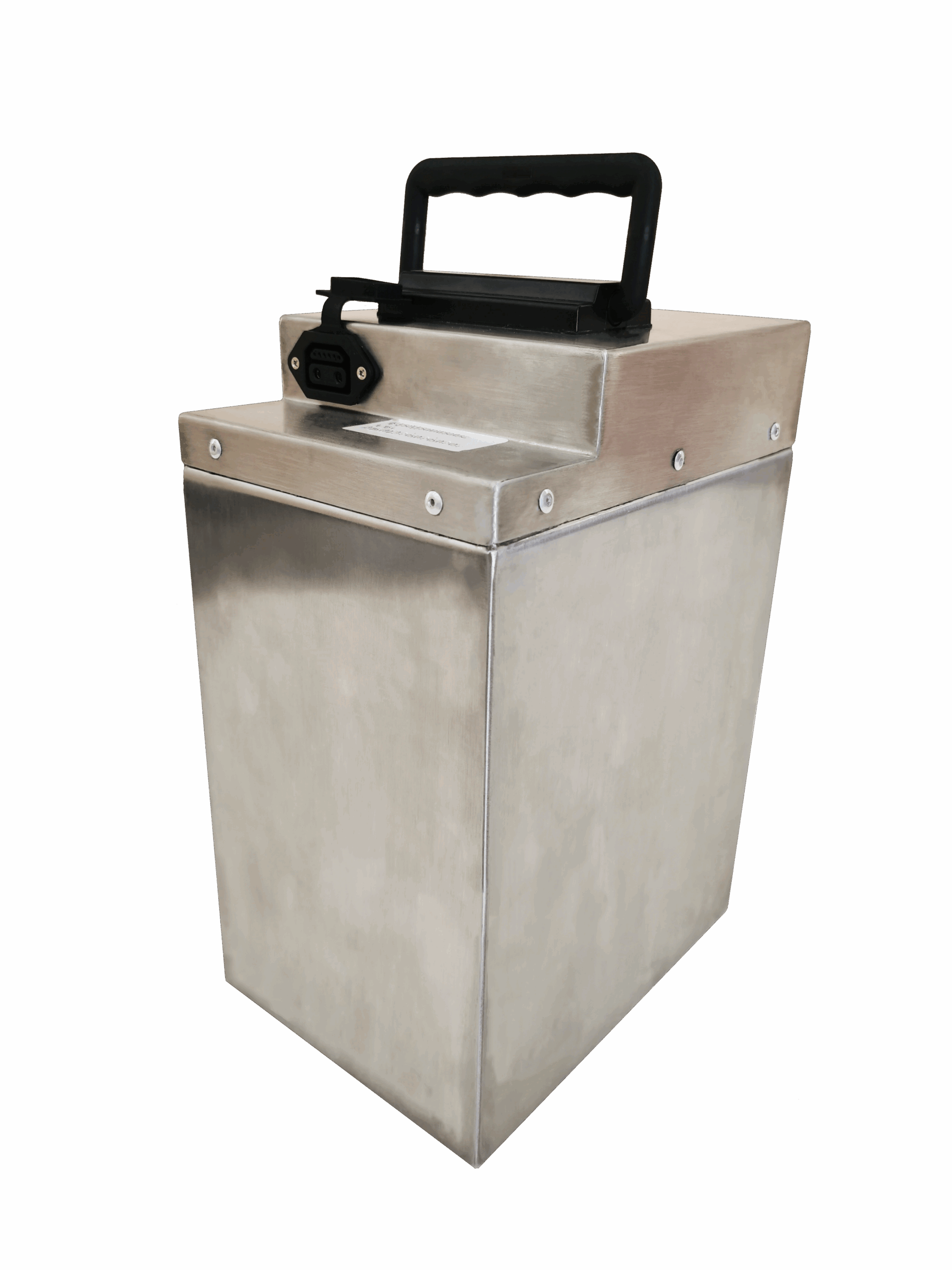


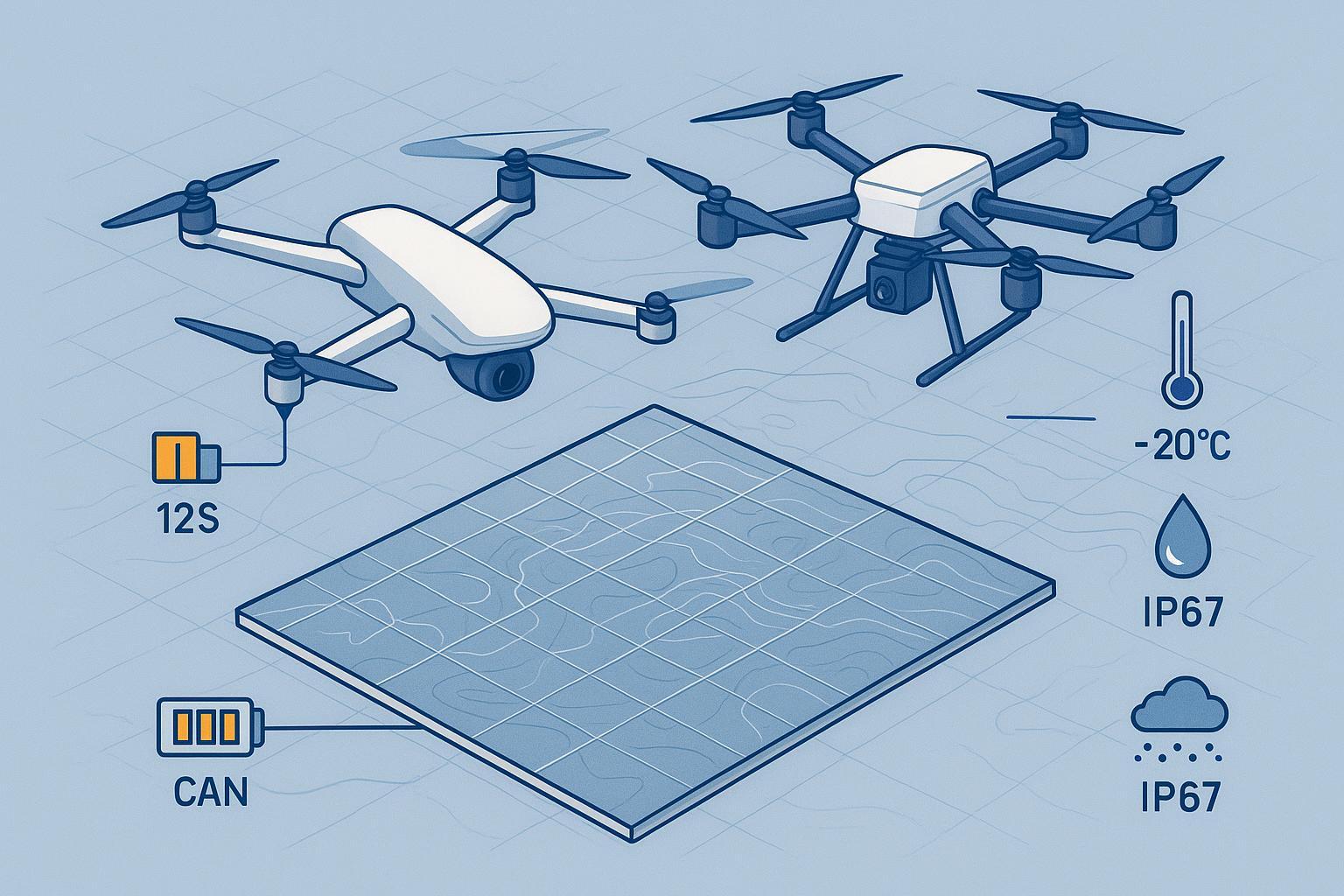
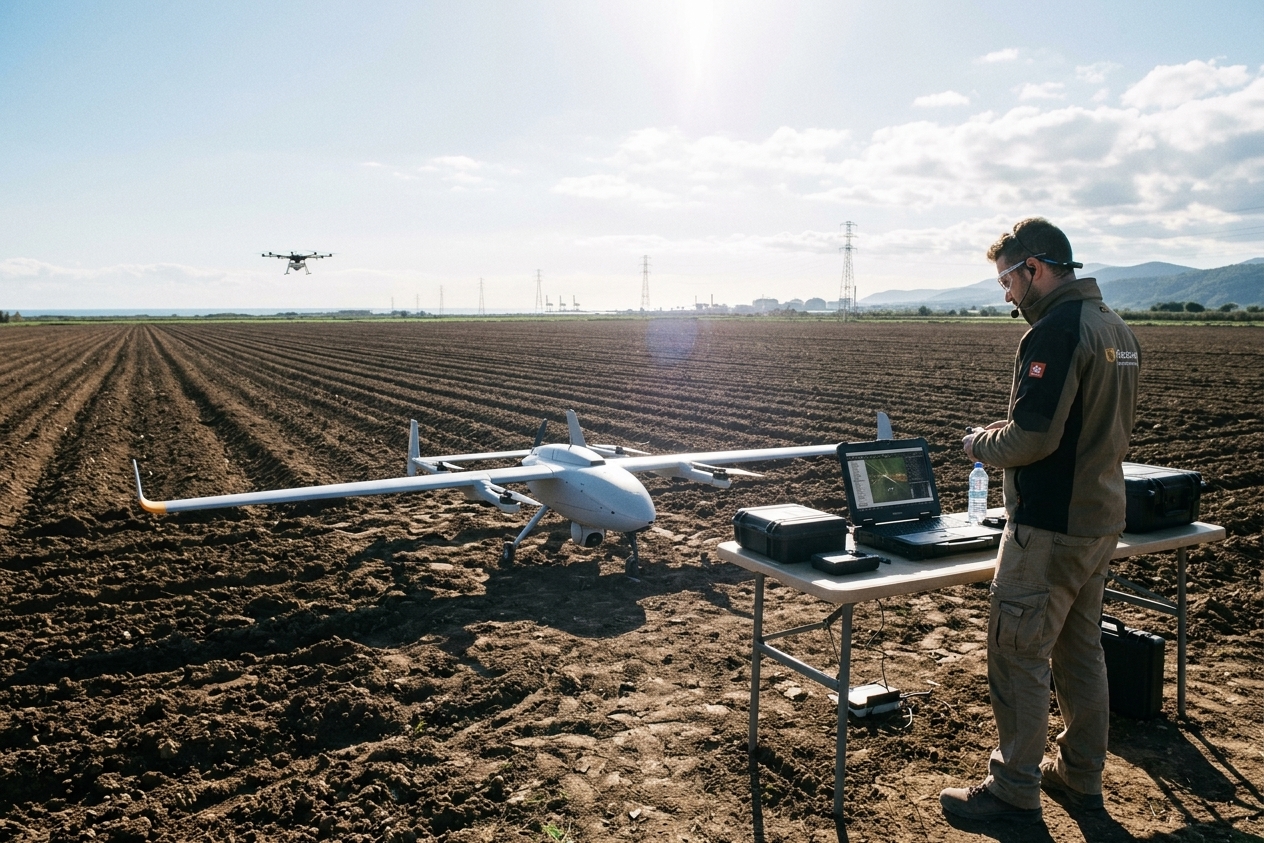
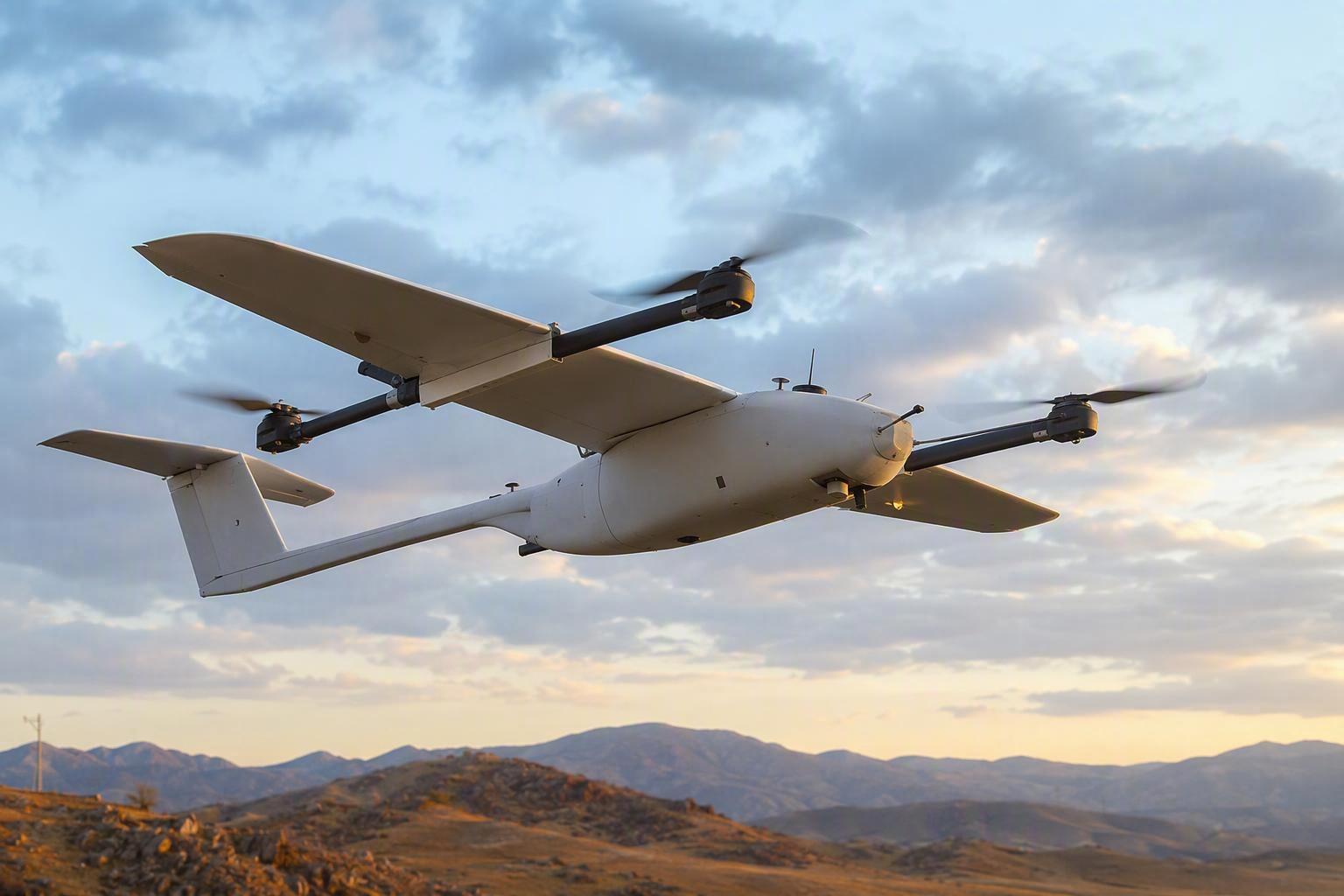
Industrial mapping teams live and die by endurance, reliability, and data quality. For operators of Platform composite-wing or heavy‑lift multirotors, the battery is more than a component—it is the engine of productivity. Your Mapping Drone Battery strategy determines not only your acreage per sortie but also your fleet’s resilience in extreme −20°C alpine surveys or corrosive coastal environments.
Mapping drone battery capacity selection is the foundation of maximizing mission ROI. This guide provides a technical roadmap for integrating high‑energy cell technology and smart telemetry into mission‑critical drone operations.
Core Requirements for Mapping & Inspection Drone Batteries
To achieve the 90–120 minute mission window typical of Platform mapping, the power system must balance energy density with smart integration.
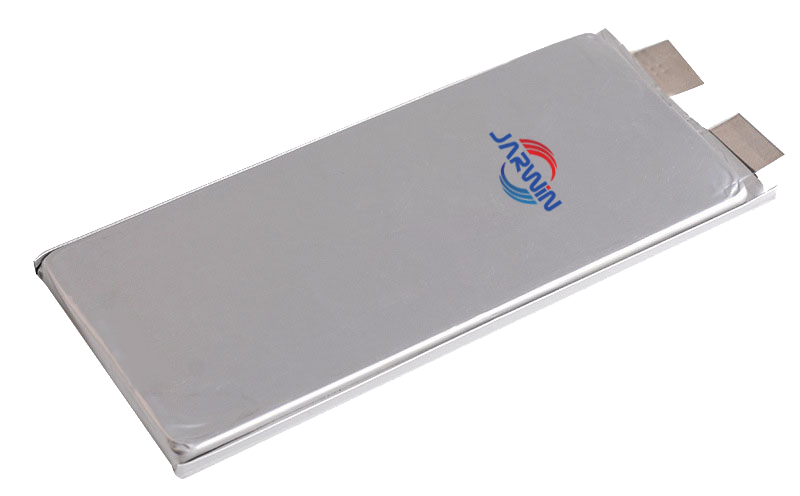
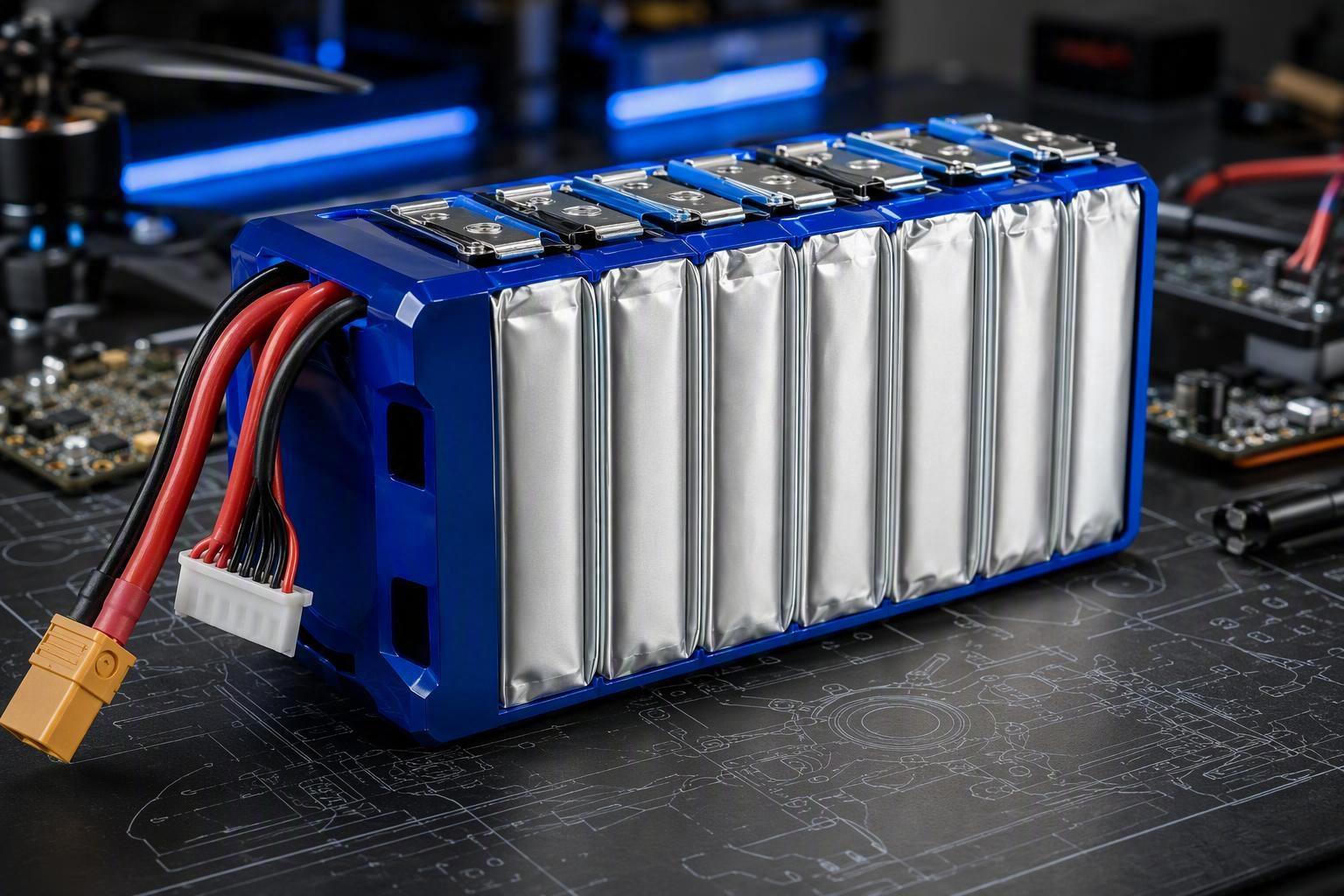
- Semi‑Solid NMC vs. LFP: For industrial mapping, weight is the enemy. Semi‑solid NMC is a solid‑dominant, gel‑type system where a small liquid electrolyte fraction remains. The liquid electrolyte fraction for semi‑solid packs is in the order of 5%–10%; packs with a liquid fraction below ~5% are classified internally as “quasi‑solid.” This solid‑dominant architecture supports higher cell volumetric and gravimetric energy while reducing free‑liquid leakage paths that increase safety risks.
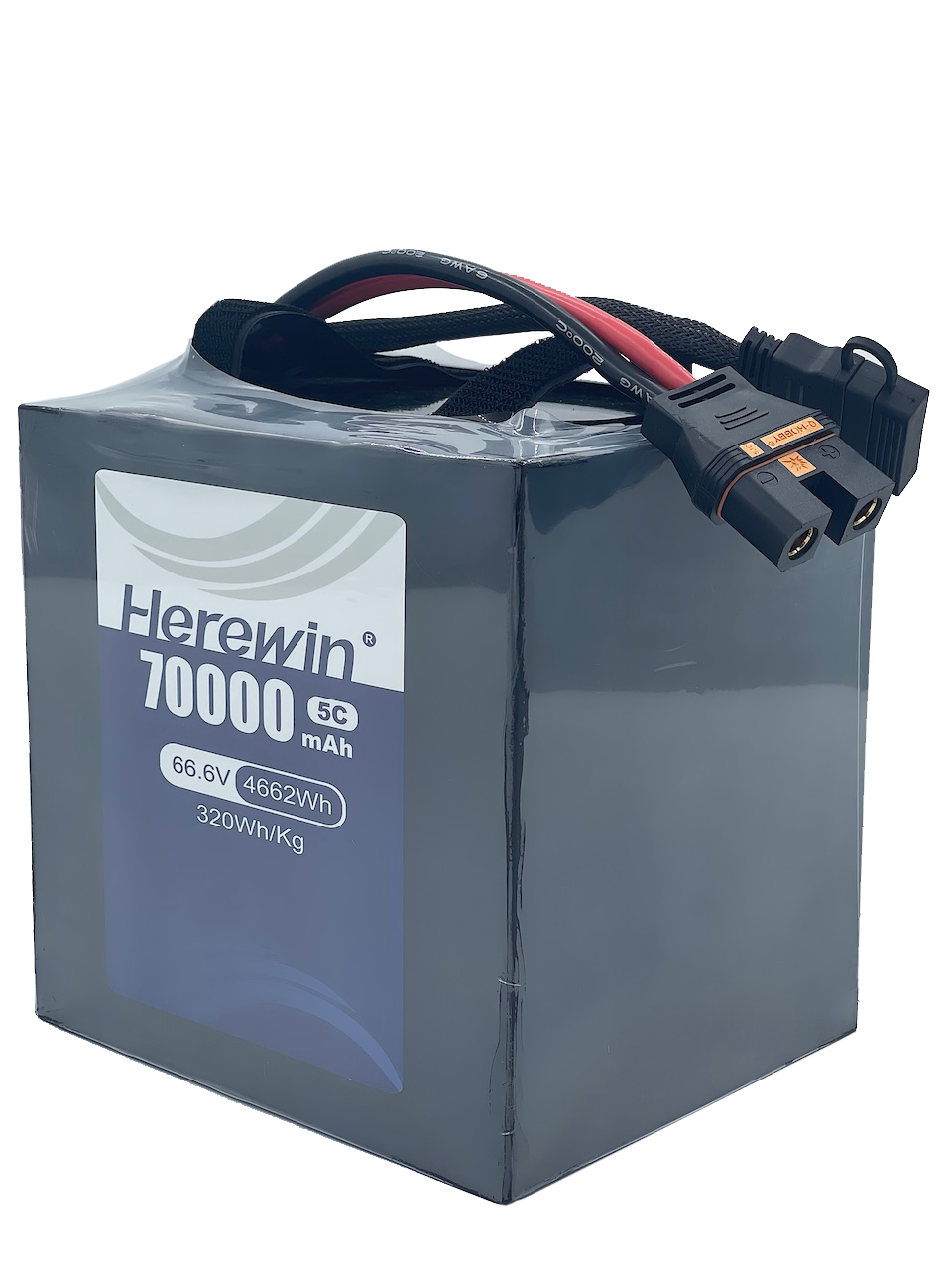
- Energy density: Herewin internal data indicate semi‑solid NMC cells in the mapping series achieve ≈300–400 Wh/kg, versus typical conventional lithium chemistries at 150–250 Wh/kg, enabling larger usable Wh without exceeding the aircraft mass‑fraction budget.
- The 35% Mass Fraction Rule: A professional engineering baseline is to cap battery weight at 30–35% of MTOW. Beyond this range, added capacity delivers diminishing returns because propulsion power rises with vehicle mass.
Technical Specs for Industrial Integration
| Характеристика | Typical industrial benchmark | Operator benefit |
|---|---|---|
| Voltage platform | 12S (≈44.4V) / 14S (≈51.8V) — 14S lowers current for same power (depends on ESC/wiring) | Lower peak current and reduced I²R losses when matched to the drivetrain |
| Connector | AS150 / AS150U — typical continuous ~70–150 A; AS150U adds 4 signal pins | High‑current power + BMS signal path (verify cable gauge and datasheet) |
| Communication | CAN (DroneCAN/UAVCAN) — telemetry: V/I, per‑cell V, temps, SOC/SOH; rates 1–10+ Hz | Real‑time health and energy telemetry (avoid bus saturation) |
| Protection | IP67 (IEC 60529) — dust‑tight, temporary immersion; IP67 ≠ corrosion proof; certification: UN38.3 / CE expected for industrial packs | Protects from dust/short immersion; require salt‑spray/corrosion reports for coastal use |
Procurement: Request full validation suite during vendor evaluation: Datasheets, IP67 report, Salt-spray certs (IEC 60068-2-11), UN38.3, and CE.
Mapping Drone Battery Capacity Selection: Balancing Flight‑Time and Payload
The formula for mission success remains: Flight Time ≈ Battery Energy / Total Power. Total power includes propulsion and payload draw (e.g., 30–80 W for LiDAR/oblique cameras). Increasing battery size is not always the solution.
- The Weight Penalty: As battery capacity grows, aircraft mass increases and propulsion demand rises—diminishing returns kick in once battery mass approaches the 30–35% MTOW band.
- The Semi‑Solid Advantage: Lightweight lithium batteries for mapping drones using semi‑solid NMC allow more usable Wh per kilogram,So you can hit higher endurance targets without breaching the mass fraction limit.
Estimated Endurance Matrix (14S Platform)
Assumptions: High‑efficiency Platform airframe; battery mass within 30–35% MTOW.
| Battery Capacity (Ah) | Nominal Energy (Wh) | 30W Payload (e.g., RGB) | 50W Payload (e.g., Oblique) | 80W Payload (e.g., LiDAR) |
|---|---|---|---|---|
| 22 Ah (Standard) | ≈ 1,140 Wh | 95–110 min | 85–95 min | 70–80 min |
| 28 Ah (Custom) | ≈ 1,450 Wh | 105–120 min | 95–105 min | 80–90 min |
| 33 Ah (Extreme) | ≈ 1,710 Wh | 110–125 min | 100–110 min | 85–95 min |
Note: The diminishing returns between 28 Ah and 33 Ah are driven by increased propulsion load to carry the heavier pack. The 28 Ah semi‑solid pack often represents the operational “sweet spot” for many 14S mapping platforms but must be validated on the specific airframe.
Cell consistency and the “wooden‑barrel” effect: monitor DCIR (direct current internal resistance) across cells. If individual cell DCIR deviates by more than ~15%, the pack will behave like a short staved barrel—usable capacity and peak discharge capability degrade to the weakest cells. Include DCIR screening in incoming inspection and reject batches with wide variance.
Overcoming Voltage Sag: Low‑Temperature Lithium Batteries for Alpine Survey
Cold increases DCIR and polarization, producing voltage sag under load. Herewin internal test reports for semi‑solid mapping series indicate operation down to −20°C with capacity retention ≥80% at −20°C under specified discharge conditions, and a measured ~25% increase in discharge power requirement versus room temperature baseline during the same power draw—data that reduces the risk of unexpected RTH when the pack is thermally managed. (Operators must validate results on their platform.) Why DCIR matters: DCIR combines ohmic and polarization resistance and is the core metric for predicting voltage sag under high‑load conditions; track DCIR trendlines via CAN telemetry to predict capacity loss and per‑cell imbalance. Field SOPs for cold‑weather operations:
- Preheat to 15–20°C: Warm packs before installation to lower initial DCIR; verify cell temperatures with an infrared or contact thermometer.
- Warm‑up routine: Use a gentle climb and short hover to bring cells into a stable operating window before long cruise legs.
- No charging below 0°C: Avoid charging at sub‑zero temperatures to eliminate lithium plating risk.
- Smart monitoring: Use CAN‑bus telemetry for per‑cell voltages, temperatures, DCIR trends, SOC and SOH; prefer UAVCAN v1 for new integrations and validate legacy DroneCAN compatibility with your flight stack.
TCO Analysis: Driving Strategic ROI with High‑Cycle Mapping Drone Batteries
Lifecycle economics determine whether a pack is treated as a disposable consumable or a long‑life asset. Industry practice for high‑energy NMC‑based mapping packs typically falls in the 500–800 cycle range depending on cell selection, pack design and operating profile; using that market baseline makes comparisons more practical for procurement. Herewin’s long‑life series is positioned toward the upper end of advanced pack designs (≈1,200 cycles) and is shown here as a long‑life example for TCO sensitivity analysis. Key quantitative comparison (assumptions: 80‑minute average sortie; identical usable capacity per sortie):
- Scenario A — Market baseline (conservative example: 500 cycles):
- Total mission minutes: 500 × 80 = 40,000 min (~667 flight‑hours)
- Cost‑per‑flight‑hour = PurchaseCost / 667
- Scenario A — Market baseline (optimistic example: 800 cycles):
- Total mission minutes: 800 × 80 = 64,000 min (~1,067 flight‑hours)
- Cost‑per‑flight‑hour = PurchaseCost / 1,067
- Scenario B — Long‑life pack (Herewin example: 1,200 cycles):
- Total mission minutes: 1,200 × 80 = 96,000 min (~1,600 flight‑hours)
- Cost‑per‑flight‑hour = PurchaseCost / 1,600
Interpretation and procurement guidance:
- Using the 500–800 cycle market baseline aligns the analysis with representative commercial NMC pack performance; it avoids understating typical pack life while still showing the practical gains of a specialized long‑life series.
- If a long‑life pack costs more upfront, run an LCOS breakeven that includes replacement labor, downtime, shipping (UN38.3 constraints), and spare inventory. For example, a 1.5× purchase price for a 1,200‑cycle pack still yields substantially lower cost‑per‑flight‑hour versus a 500‑cycle baseline (roughly PurchaseCost×1.5 / 1,600 vs PurchaseCost / 667), which can favor long‑life assets for high‑utilization fleets.
- Use CAN telemetry (SOH, DCIR trends) to retire packs on health thresholds rather than fixed cycle counts; health‑based replacement reduces risk of sudden capacity loss and improves realized LCOS.
For public benchmarking on cycle‑life and chemistry tradeoffs, see comparative analyses such as Mayfield Energy’s NMC vs LFP overview.
Environmental Resilience: Coastal & Dust Protection
Mapping in saline or high‑dust environments requires more than an IP rating.
- Beyond IP67: IP67 (IEC 60529) certifies dust‑tightness and temporary immersion, but it is not a guarantee against long‑term salt corrosion. Request salt‑spray/IEC 60068‑2‑11 or ASTM B117 reports to confirm corrosion resistance for coastal or mining operations.
- Anti‑corrosion construction: Look for conformal coating on PCBs, saline‑resistant gasket materials, corrosion‑resistant terminals (stainless or plated alloys), and protective surface treatments.
- Field protocol: Rinse and fully dry AS150U contacts after coastal missions; inspect seals and fasteners for corrosion periodically.
- Pressure management: Design venting with filtered breathers where altitude swings are frequent; vents must preserve dustproof performance while allowing pressure equalization.
Additionally, verify UN38.3 and CE documentation during procurement as baseline transport and market compliance evidence.
Smart Integration: Telemetry & Connectivity
Batteries are active sensors in modern mapping systems.
- AS150U connector: The AS150U pair carries two high‑current power bullets plus four signal pins used primarily to establish a stable BMS data link (SOC/SOH, temperature sense, balancing lines, and alarm/status signals). The connector family is spark‑proof by design (anti‑spark housings) but confirm vendor datasheets and wiring practices during system integration.
- Intelligent telemetry (CAN Bus): Implement DroneCAN/UAVCAN telemetry for pack‑level V/I, per‑cell voltages, temps, SOC, SOH and DCIR trend reporting. Design thresholds and flight‑controller alarms for low‑voltage, high‑temp and abnormal DCIR rise events.
- Compliance & logistics: Ensure UN38.3 test compliance for air shipment; record BMS SOH logs to support maintenance audits and regulatory checks.
Mission Optimization: Platform & Heavy‑Lift Strategy
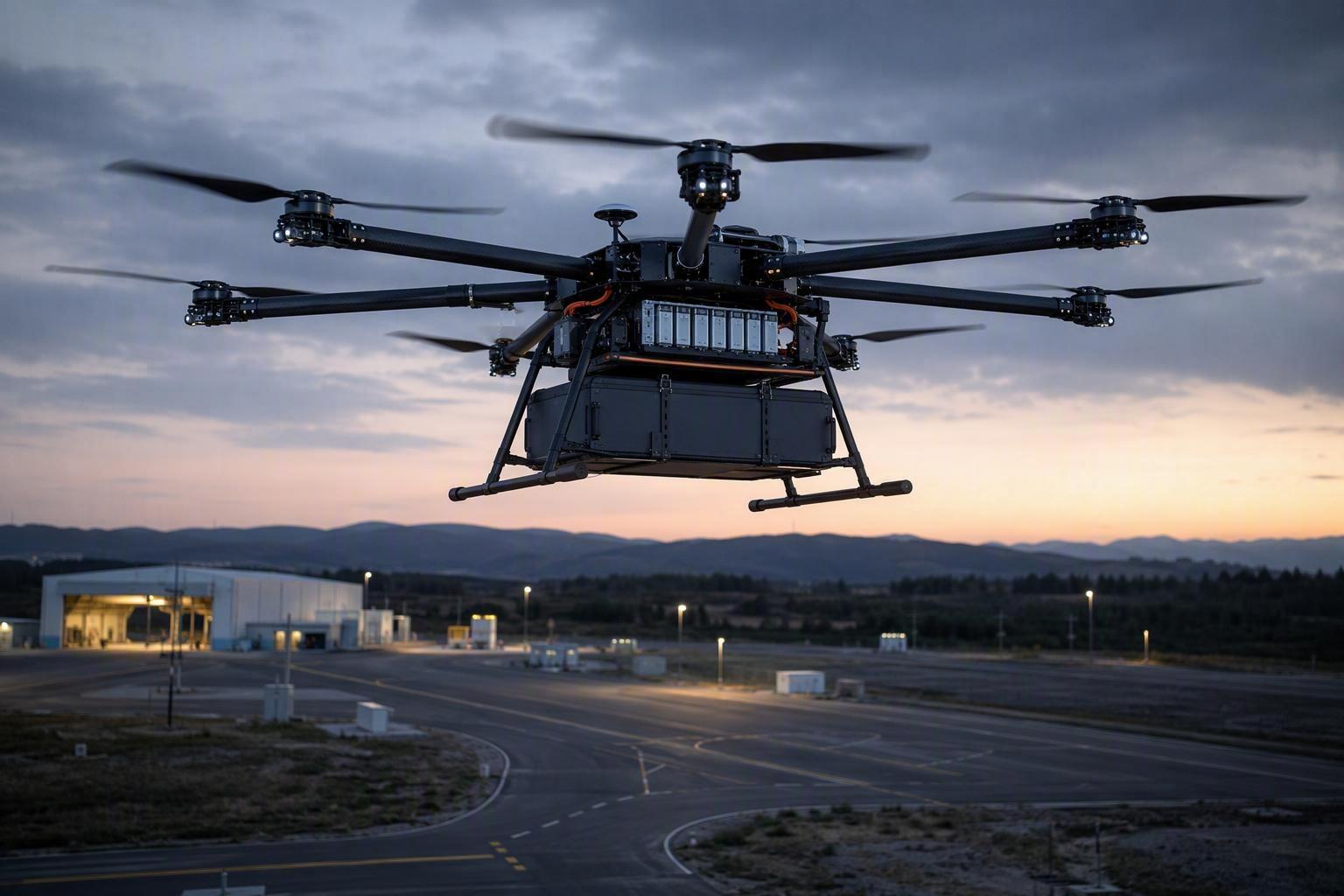
For Platform composite‑wing and heavy‑lift platforms, manage Watt‑hours tightly to maximize acreage per sortie.
- CG and placement: Keep battery CG aligned to minimize trim drag during wing‑borne cruise.
- Thermal discipline: Insulate for cold operations (without blocking ESC cooling) and design active ventilation in hot environments to slow calendar aging.
- Payload power budgeting: Include 30–80 W payload draw in pre‑flight energy budgets; where possible, reduce sensor refresh rates or implement duty cycling to cut constant power draw.
- Hot‑swap vs endurance packs: Hot‑swap strategies favor operational tempo but incur handling and transport complexity; long‑endurance packs reduce logistics overhead but must be validated for life‑cycle economics.
Scenario‑specific battery solutions
Terrain Mapping: The 28 Ah “Sweet Spot”
For large‑area missions a 14S semi‑solid NMC pack around 28 Ah often balances usable energy and the 30–35% mass‑fraction target. Validate using measured cruise power on your airframe and DCIR screening during acceptance testing.
Power Line Inspection: High‑Load Stability
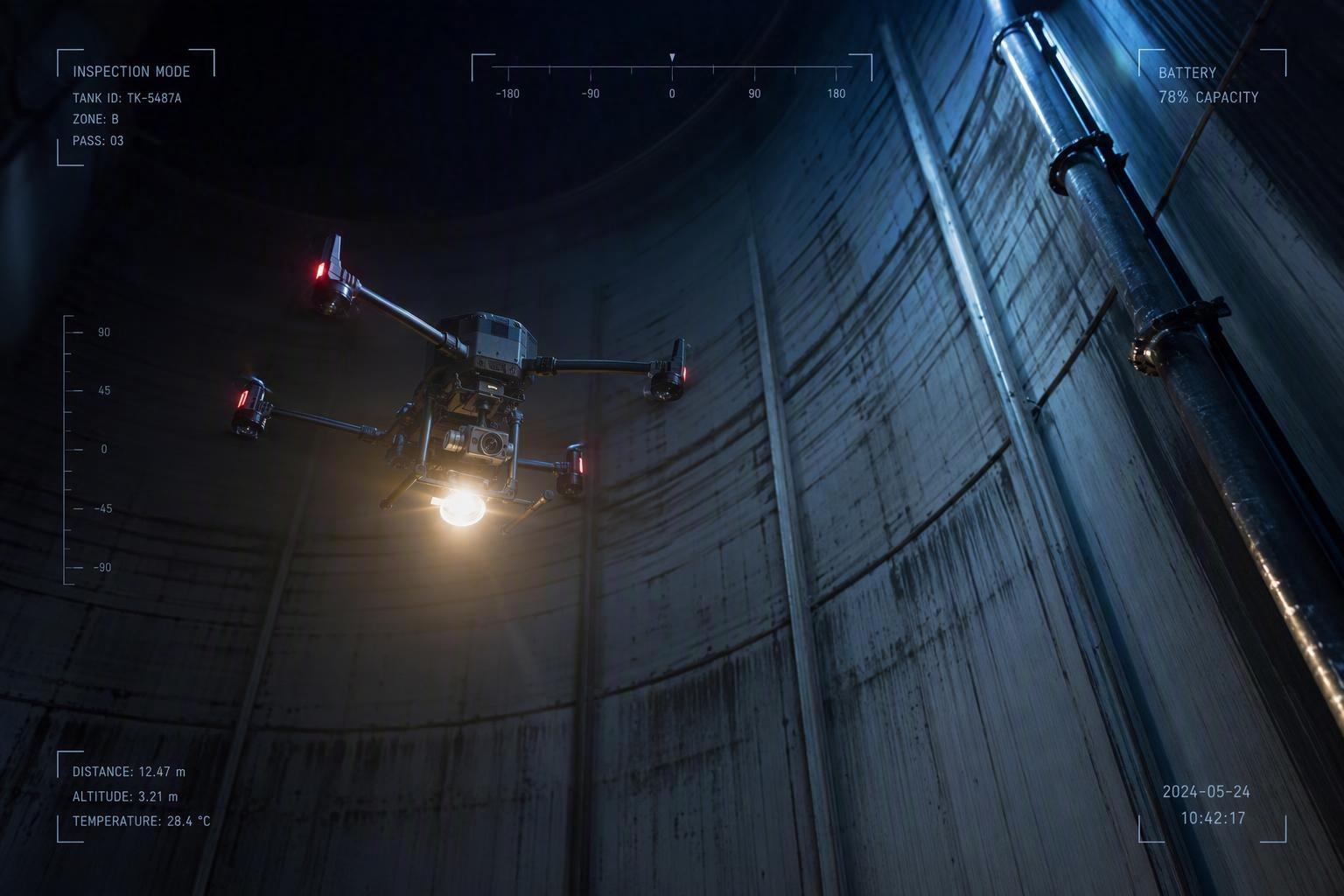
Hover‑dominated inspections need packs with low DCIR and fast‑responding BMS alarms. Mechanically protect high‑current leads and use CAN‑based thresholds for immediate operator alerts.
Pipeline & Ground Surveys: Safety‑First LFP
Where weight is not the limiting factor, LiFePO₄ (LFP) remains attractive for its safety and long cycle life; use it for ground vehicles or low‑altitude persistent surveys.
Coastal & Wetland: Corrosion Defense
Combine IP67 ingress protection with salt‑spray test evidence, anti‑corrosion coatings, and strict post‑mission rinsing/drying SOPs for connectors and seals.
Alpine Survey: Thermal Discipline
To avoid voltage sag at −20°C, use low‑temperature‑rated semi‑solid cells, preheat to 15–20°C before flight, and run tempering maneuvers to stabilize internal resistance early in the sortie. Herewin is an industry-focused innovator; if you have further questions, please contact our technical team via the Herewin contact page.
ЧАСТО ЗАДАВАЕМЫЕ ВОПРОСЫ
Does a bigger battery always fly longer?
Not necessarily. Beyond ~35% MTOW battery mass, weight penalties offset energy gains. To extend endurance without adding dead weight, prioritize high-energy Si-C anode cells which offer ~30% higher capacity in the same footprint.
Is LFP always the safest choice?
LFP is intrinsically stable, but modern NMC packs with composite current collectors now offer a similar safety profile during penetration while delivering the 160–220 Wh/kg energy density required for high-efficiency spraying.
Can I charge packs in freezing temperatures?
Avoid charging below 5°C to prevent lithium plating. If operating in cold weather, use packs with BMS-controlled pre-heating to safely raise cell temperatures to the 15–25°C range before enabling fast charge.
Do I need CAN telemetry?
For professional fleets, yes. Real-time data on cell-delta (target ≤0.03V) and sampling accuracy (≤0.5mV) allows the BMS to trigger predictive alerts, helping you pull aging packs before they cause in-flight failures.
Maintenance tip: Perform a full charge–discharge cycle to 3.0 V/cell and recharge every 20 cycles to re‑calibrate cell matching and extend usable life.



 Русский
  English
  Español
  한국어
한국어  Deutsch
  Français
  日本語
日本語  Bahasa Indonesia
  ไทย
ไทย  العربية
  Português do Brasil
  Italiano
  Nederlands