
Drone delivery stopped being mainly a question of whether a package can fly from point A to point B some time ago. On their own, individual drones have proven the hard parts: they can fly beyond visual line of sight, avoid obstacles, follow automated routes, and set a package down with precision. That box is essentially checked.
The harder question is whether that single flight can become part of a repeatable commercial delivery network. Can the same aircraft fly again, hour after hour, under real demand, inside a regulatory framework, at a cost that keeps coming down? That is a different engineering and business problem, and it is the one the industry is actually solving now.
Zipline, Wing, and Walmart are useful reference points precisely because they sit on different pieces of that transition. This is not a ranking and it is not an argument about whose aircraft is best. It is a closer look at what the expansion of these three programs tells us about the next stage of drone delivery and at the operational constraints that will decide how fast it scales.
From “Can It Deliver?” to “Can It Scale?”
For much of the past decade, industry attention centered on capability. Engineers asked whether an aircraft could take off, reach the target, avoid a hazard, and drop the load. Trials accumulated, and each one answered part of that question.
Commercial customers have moved the conversation elsewhere. When a retailer, a pharmacy chain, or a logistics operator evaluates drone delivery today, the questions look more like this:
How many deliveries can one site complete in a day?
How much of the surrounding population does one station actually reach?
How many sorties can a single aircraft execute in an operating window?
When does the system force a human into the loop?
Does delivery cost per order fall as the network grows, or does it stick?
Do efficiency and reliability keep improving as you add more aircraft, merchants, and delivery points?
What drives those questions is volume, not hardware novelty. That shift reorients the discussion away from drone hardware and toward commercial operations — and it is why the three most visible U.S. programs are best understood as three different answers to the same challenge.
Zipline: From Single Flights to a Delivery Network
Zipline is the clearest illustration of operational density — the ability to complete many missions inside one network, rather than flying one impressive route. Its focus has never really been on how far a single aircraft can go.
Zipline’s earliest operations were medical: flying blood and medicine to rural clinics in Rwanda and Ghana. That healthcare foundation shaped everything that followed, because medical delivery is unforgiving about reliability and cadence — a network that schedules a few heroic flights does not work when the need is continuous and daily. The company later built Platform 2 for home and retail delivery, pairing a hybrid vertical-takeoff-and-landing fixed-wing aircraft with a tethered delivery droid for precise drop-offs.
The scale figures show what density looks like. Zipline passed 2 million commercial deliveries in January 2026, as DroneLife reported in its coverage of the 2-million-delivery milestone. By mid-2026, CNBC reported that Zipline was completing roughly one delivery every 30 seconds and had surpassed 2.5 million commercial deliveries. The company’s intention to keep compounding that density is explicit: the Uber partnership announced in 2026 sets a long-term target of 1 million drone deliveries per day by the end of 2029.
The important milestone is not another successful delivery. It is the ability to make delivery missions routine. Operational density, not range heroics, is what turns an aircraft into a delivery network.
Wing: From Single-Service Delivery to a Platform
Where Zipline emphasizes network density, Wing shows what happens when delivery stops being tied to one product or one customer and becomes an operating platform.
What matters now is the model, not the history. Wing routes orders through the same infrastructure from many places at once: customers order through Walmart’s app, Wing’s own marketplace, DoorDash, and local merchants, and Wing’s software decides which orders are eligible, assigns them to a nest, and dispatches an aircraft.
That multi-merchant, multi-demand structure is what makes the economics resemble a logistics platform rather than a drone project. The same network now serves groceries, pharmacy items, meals, and small retail goods, and each addition raises the utilization of the shared fleet rather than demanding a fresh pilot program. Wing passed 1 million commercial deliveries, as TechCrunch reported in June 2026, most of it through its work with Walmart. In its Logan, Australia operation, Wing reported completing more than 1,000 deliveries in a day, a level of repeat demand that only makes sense across many merchants and many consumers.
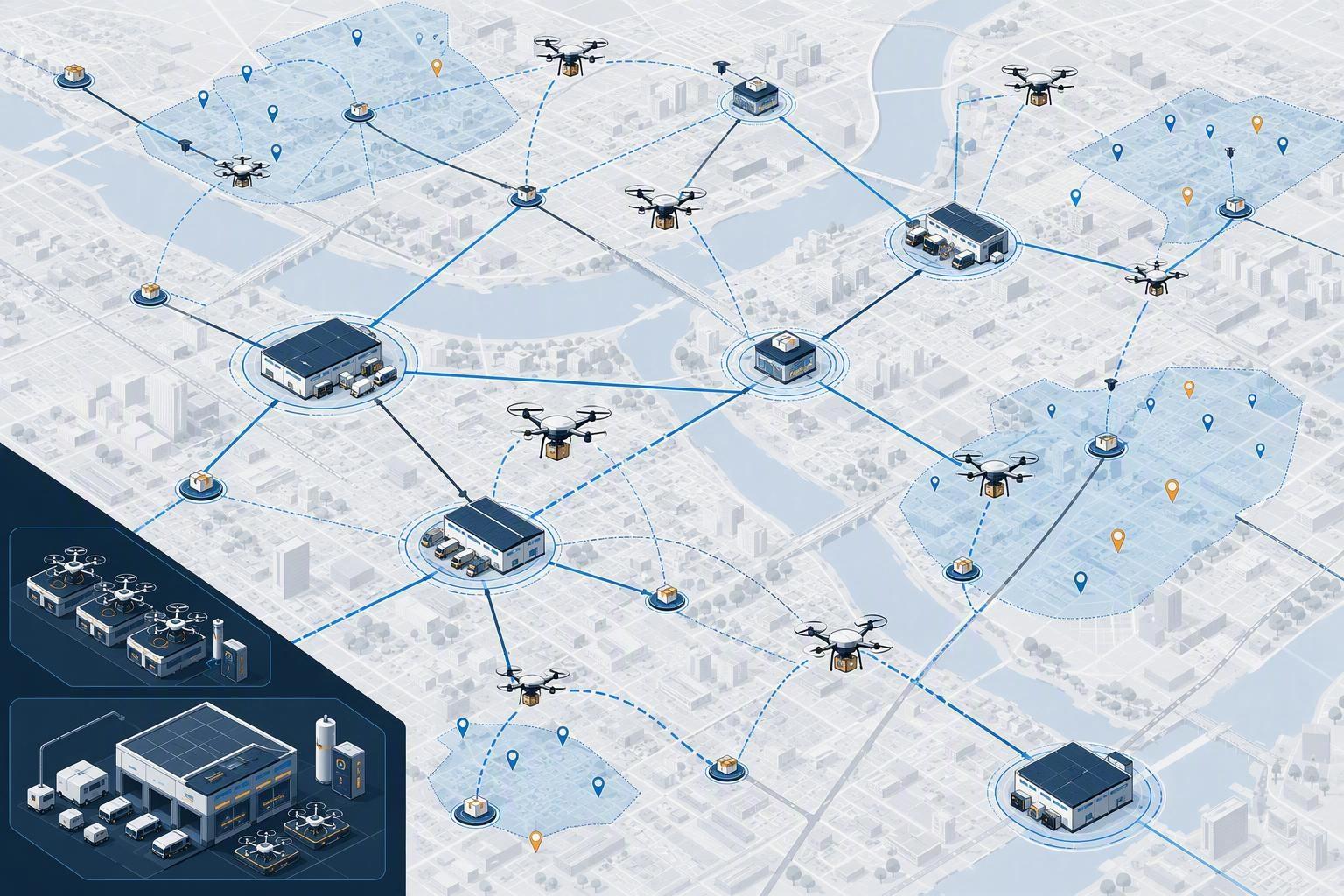
Wing’s densest deployment also makes the turnaround point explicit. Wing’s “nests” combine launch, landing and recharging functions, allowing aircraft to return to the same operating point and re-enter service as part of a repeatable cycle. Because the aircraft returns to the same nest after each short-radius sortie, energy replenishment is baked into the operating cycle rather than retrofitted onto it. Walmart’s path reflects that shared-infrastructure logic: Wing and Walmart announced expansion to more than 270 Walmart locations by 2027, reaching an estimated 40 million Americans.
Once the same delivery network can serve different merchants and different order types, the economics start to look like a logistics platform — and the design problem shifts from “how good is the aircraft” to “how efficiently can the platform keep aircraft in the air.”
Walmart: Why Retail Integration Matters
Walmart is not a drone manufacturer, and that is exactly why it is the most important signpost of the three. Walmart shows how drone delivery can scale faster when it plugs into commerce that already exists.
The traditional last mile looks like this: warehouse → truck → local route → customer doorstep. Walmart is building a drone-enabled variant of that chain: store or fulfillment center → drone → customer, using its existing retail locations as the launch points. Because Walmart’s stores already hold inventory, already sit close to customers, and already operate a fulfillment network, the drone becomes one more delivery node grafted onto infrastructure that was never built for drones in the first place.
The retail operation’s scale milestone makes the point concrete. Walmart announced in May 2026 that it had crossed 1 million drone deliveries, running from 66 stores across four states and five metro markets with an average delivery time around 23 minutes — and that roughly 40 percent of that first million came in a single recent quarter. The acceleration matters more than the total: a retailer that layers drones onto existing store logistics can provide a more direct path to scale than a standalone drone operator that must build both demand and delivery infrastructure.
The strategic consequence is broad. If drone delivery required drone companies to find their own consumers one by one, the achievable scale would stay small. But when the chain runs Retailer → inventory → fulfillment → drone, the incentives change completely: the retailer already owns the demand, the inventory, and the geography. Drone delivery stops being a demonstration and starts being a capacity layer inside a logistics system that was already operating.
What the Three Have in Common
Signal | Zipline | Wing | Walmart |
|---|---|---|---|
Core role | Delivery network | Delivery platform | Retail integration |
Main lesson | Repeatability | Network utilization | Existing demand |
Scaling lever | More missions | More merchants / customers | More fulfillment points |
Industry implication | Operations matter | Network matters | Integration matters |
Three different architectures, one shared conclusion: nobody scales by improving the aircraft alone. Zipline scales by repeating missions densely. Wing scales by sharing one network across many merchants. Walmart scales by attaching drones to fulfillment points that already have customers. The common denominator is that scaling happens at the network and system level, not at the single-flight level.
What Scaling Actually Requires
Set the aircraft aside, and five operational requirements separate a working pilot from a real network.
High mission frequency. Drone delivery is not one flight per day. It is repeated sorties throughout an operating window, which means each aircraft needs predictable energy replenishment, rapid turnaround, and high availability. Managing battery readiness, charging or swap windows, and fleet availability becomes part of the operating discipline rather than an afterthought.
Automation. At scale, no operator can hand-fly or manually supervise every mission. Autonomy stops being a technology nicety and becomes an operational requirement: route planning, dispatch, monitoring, fleet management, and exception handling all need to run with minimal human intervention so that the cost and labor burden per delivery can fall as volume increases.
Infrastructure. Real delivery infrastructure is not glamorous and is easy to under-weight: takeoff and landing sites, charging or swap stations, battery logistics, communications, and maintenance, all connected to local fulfillment. This is the layer that turns individual aircraft into a network, and it is usually where the unglamorous, capital-intensive work lives.
Regulatory capacity. Scaling also depends on whether operators can move from individual approvals and limited operating areas toward repeatable, higher-volume operations. Recent FAA authorizations for Zipline and Wing show that regulators are already evaluating delivery systems at hundreds of flights per day at individual sites. The broader BVLOS framework is still evolving, but the direction matters: large-scale drone delivery needs an airspace system that can support routine operations, not just one-off exemptions.
Economics. In the end it comes down to cost per delivery, not flight time. An aircraft that is brilliant on one sortie but expensive to keep available across a full operating day does not build a business. Operators need the cost per delivery to improve as volume rises, without allowing energy, labor, maintenance, or battery replacement to erase the gain.
Why Battery Turnaround Matters More at Scale
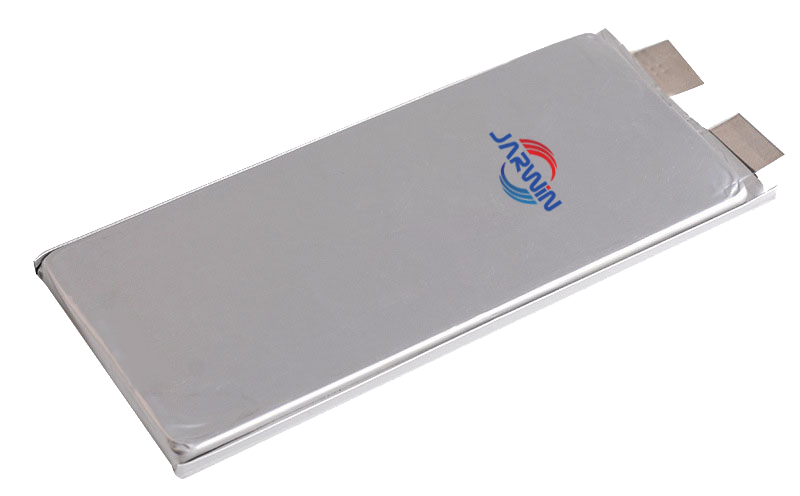
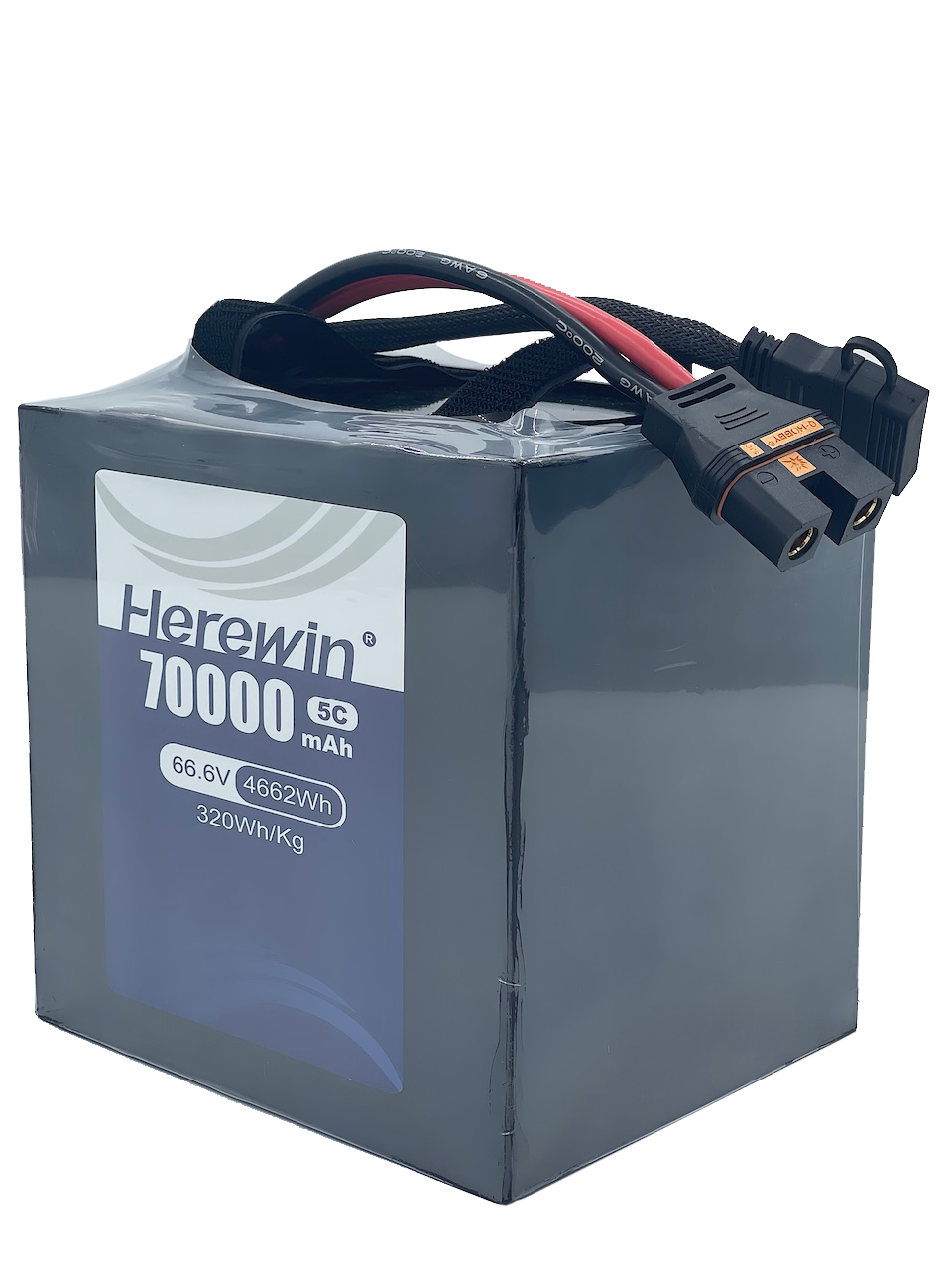
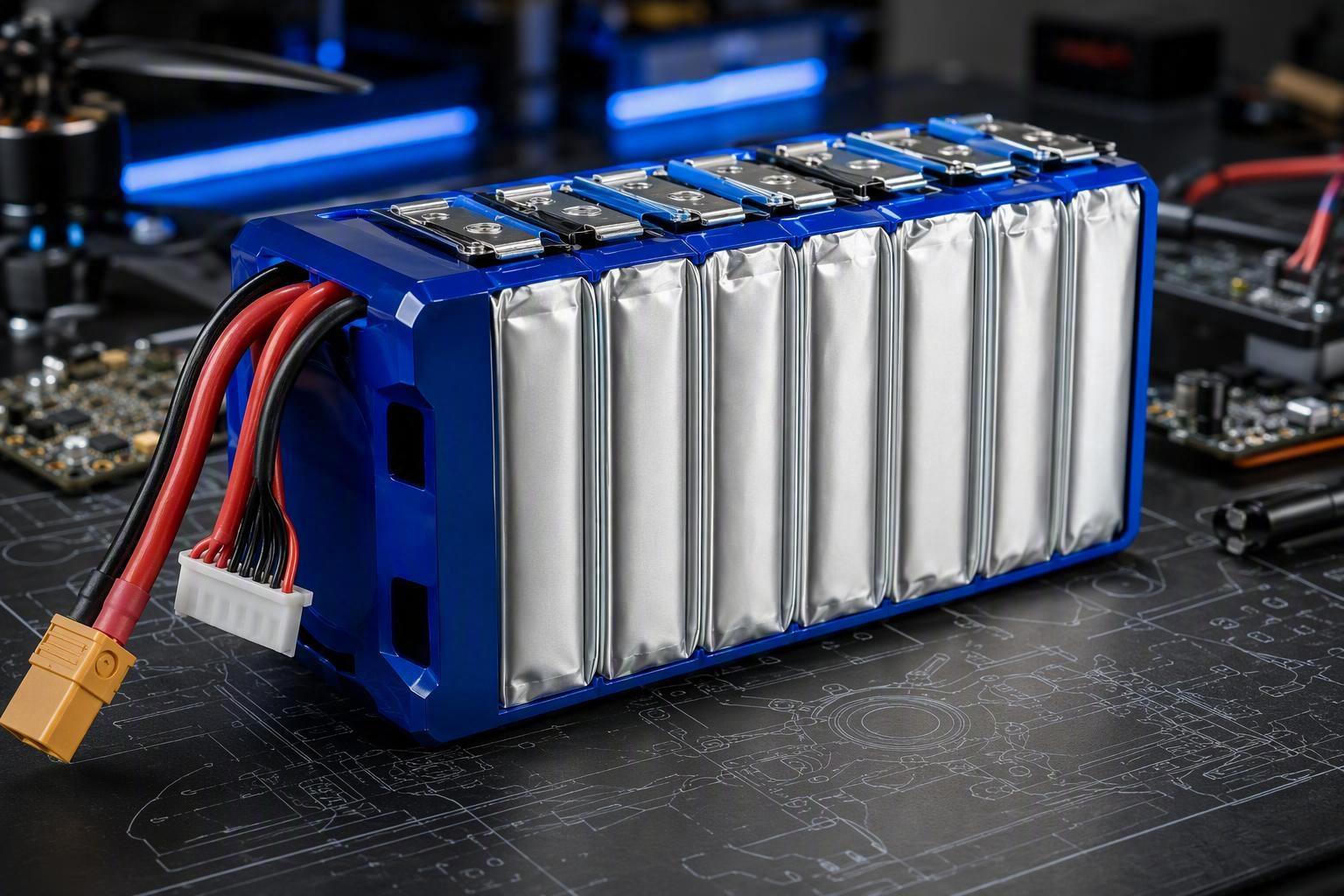
As delivery cadence climbs from tens of flights a day toward hundreds or thousands of sorties across a network, the battery stops being an energy-density spec and becomes a rate-limiting operational asset. This is the point at which battery thinking has to change.
At high mission frequency, different battery properties become critical:
Charging turnaround. Whether the fleet swaps packs or charges on the pad changes throughput directly. A fast battery swap can return an aircraft to service while the depleted pack charges off-vehicle, whereas on-pad charging keeps the aircraft grounded during replenishment.
Cycle life. High-frequency fleets put batteries through many cycles, so replacement cost and downtime are driven by how the pack ages under the actual duty cycle — which changes with charge rate and load, not just with advertised cell ratings.
Thermal stability and consistency. Rapid charge–discharge cycles generate heat, and the fleet needs packs that behave predictably run after run rather than degrading unevenly.
Health telemetry. A delivery fleet also needs to know which packs are safe to dispatch and when they should be retired. Battery telemetry can support state-of-charge, temperature, and landing-reserve monitoring, helping operators quarantine packs before they become a reliability risk.
Fleet-level planning. The operator needs enough charged packs and chargers in circulation so that aircraft do not wait for energy between sorties, with predictable replenishment built into the operating plan.
When a program was a handful of demonstration flights, battery quality was judged by how long an aircraft could stay up. At network scale, battery quality is judged by fleet availability — how many sorties the whole operation can sustain across an entire operating day.
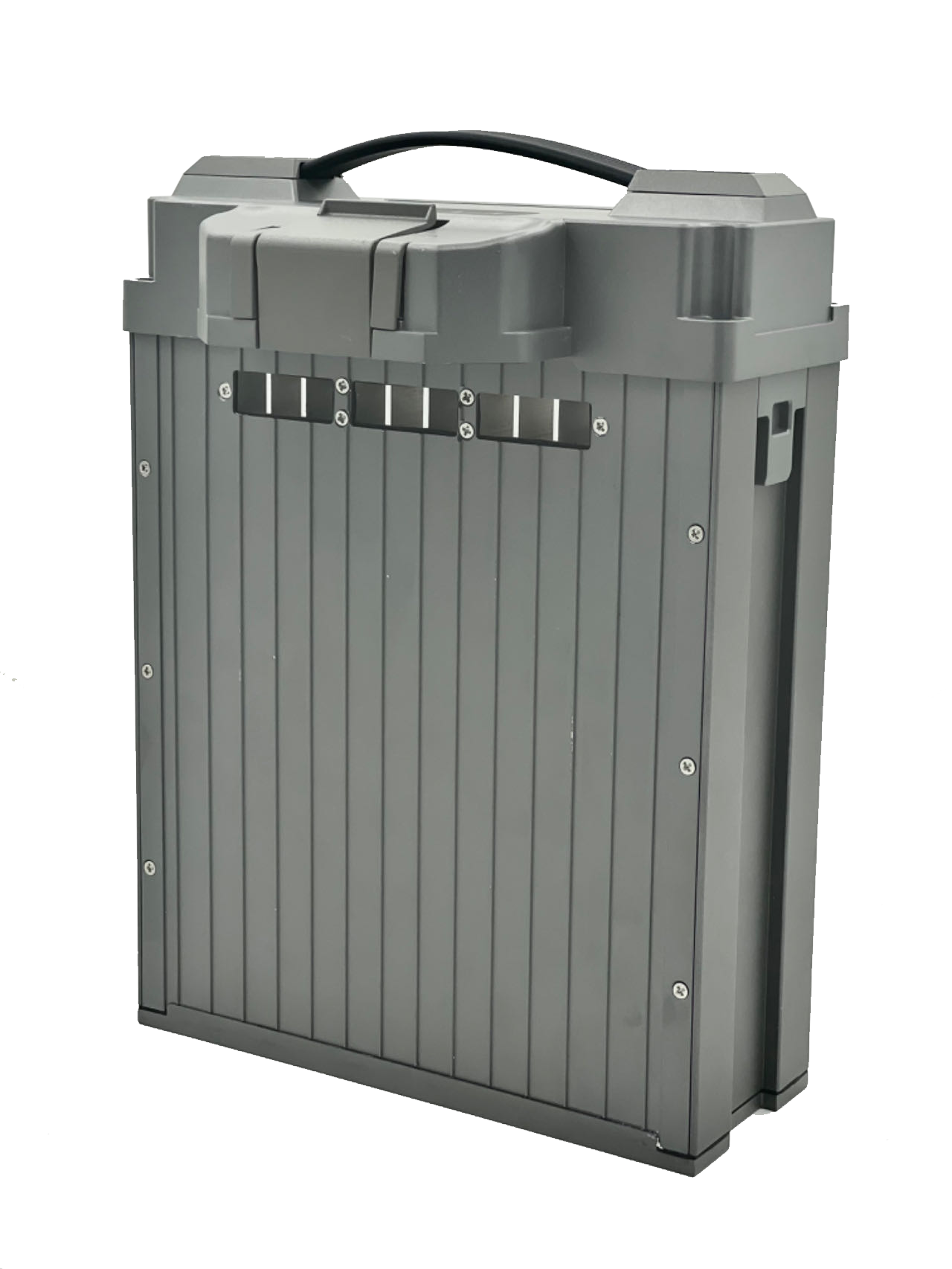
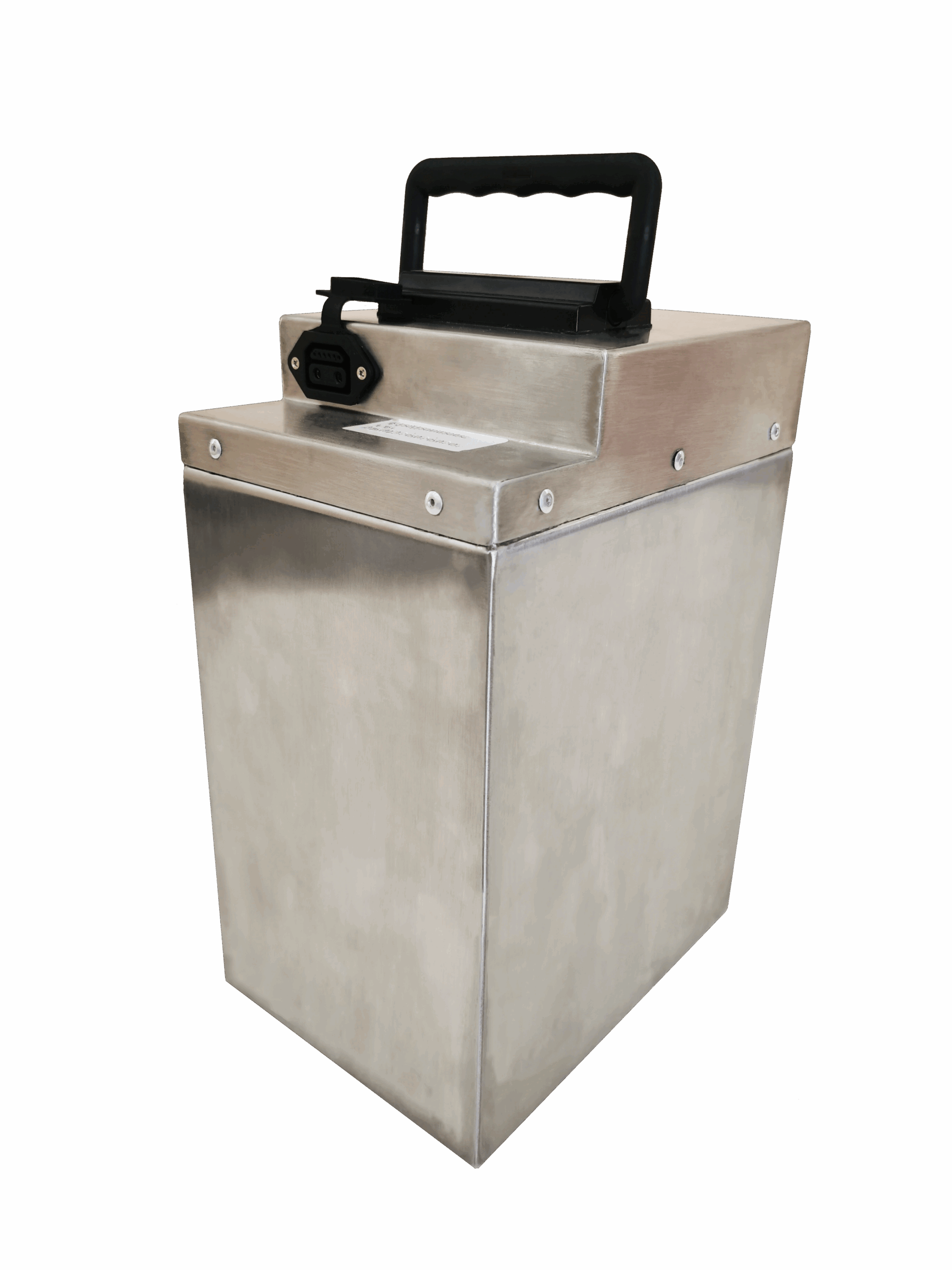
For battery suppliers, that shift changes the design question as well. A delivery drone does not need a battery that merely performs well on one flight; it needs a pack that can support repeated daily missions, predictable turnaround, stable power delivery, and a long fleet service life — engineered so that energy replenishment slots into the delivery operating cycle rather than fighting it.
What Comes Next
The next stage is already visible in how these networks are being built. Delivery networks will matter more than individual drones. Retail and logistics integration will determine where drone delivery has the clearest path to scale, because operators that already own demand and fulfillment geography will compound fastest. And fleet availability and turnaround will become as important as aircraft performance, because at high cadence the expensive asset is a grounded aircraft and a tired fleet.
The next competitive advantage in drone delivery may not be the drone itself, but how efficiently an operator can turn aircraft, batteries, infrastructure, and software into repeatable deliveries.
For high-frequency fleets, that efficiency is usually decided at the battery, not on the aircraft. The goal of battery design at network scale is not simply to maximize flight time; it is to keep packs charged, stable, and ready in circulation so the aircraft is available for the next delivery.

 Português do Brasil
  English
  Español
  한국어
한국어  Deutsch
  Français
  日本語
日本語  Русский
  Bahasa Indonesia
  ไทย
ไทย  العربية
  Italiano
  Nederlands