






Battery-related issues are the primary operational headache for golf cart fleet managers. To maximize uptime and asset longevity, accurate battery assessment is crucial. This article aims to clarify the critical difference between State of Charge (SOC) — the battery’s real-time power level—and State of Health (SOH) — its overall performance capability. Understanding both SOC and SOH enables managers to optimize maintenance, extend battery lifespan, and make informed decisions through enhanced fleet monitoring.
Principais conclusões
State of Charge (SOC) represents the battery’s instantaneous power level, functioning as a real-time fuel gauge for daily operational range.
State of Health (SOH) measures the battery’s long-term capacity and overall fitness relative to its performance when new.
Monitoring both metrics is essential for predictive maintenance, preventing unexpected breakdowns, and maximizing the usable lifespan of the fleet.
Lithium batteries offer superior fleet performance, including reduced weight, faster charging times, and significantly extended cycle life compared to traditional lead-acid technology.
Understanding State of Charge (SOC)
What is State of Charge
State of Charge, or SOC, shows how much battery power is left. It is like a fuel gauge for your golf cart. A high SOC means the battery has lots of power. A low SOC means the battery is almost empty. Knowing the SOC helps managers. They know how far a golf cart can go. This stops carts from breaking down on the course.
Methods for Accurate SOC Measurement
While voltage measurement is the simplest method, readings can be inaccurate due to chemical composition, temperature fluctuations, and the need for lead-acid batteries to rest for hours before yielding a reliable SOC reading. More advanced techniques provide higher accuracy: Coulomb Counting tracks energy flow in and out; and Model-Based Estimation uses complex algorithms, often leveraging Coulomb counting data, to generate reliable, real-time SOC data critical for effective fleet monitoring.
Note: Techniques like Electrochemical Impedance Spectroscopy are generally reserved for lab-based battery diagnostics, not real-time fleet monitoring.
How to Read Golf Cart Battery Voltage
Golf cart battery voltage is a direct indicator of SOC. For instance, a fully charged 48-volt lead-acid battery typically stabilizes in the range of 50.4 to 51.2 volts after resting, though this voltage drops quickly under load. This reading is highly dependent on factors like temperature and battery chemistry. Accurate readings require temperature compensation.Modern Battery Management Systems (BMS) use real-time temperature data to correct voltage calculations, ensuring that SOC indicators are precise and reliable regardless of environmental conditions. This precision is vital for maximizing battery performance and longevity.
Defining State of Health (SOH)
What is Battery State of Health?
State of Health (SOH) is a critical metric that quantifies a battery’s current capacity relative to its capacity when new. It serves as an indicator of the battery’s overall fitness and wear level. A new battery starts at 100% SOH, which gradually decreases over its service life. SOH provides fleet managers with insight into the battery’s true remaining lifespan, looking beyond the immediate charge level to assess long-term performance integrity.
What Changes Battery SOH?
SOH is primarily influenced by several operational and environmental factors:
Cycle Life and Stress: Each charge/discharge cycle introduces stress, leading to a gradual, irreversible loss of energy-holding capacity due to internal chemical changes. This degradation rate varies significantly by chemistry: lead-acid batteries typically last 300 to 500 cycles, whereas high-quality lithium-ion batteries often exceed 2,000 cycles.
Thermal Conditions: Extreme temperatures accelerate wear. High ambient temperatures accelerate internal wear and are a leading cause of premature capacity fade. Conversely, while extreme cold does not cause permanent SOH loss, it temporarily and significantly reduces the battery’s usable capacity and power output, necessitating thermal management by the BMS.
Depth of Discharge (DOD) and Usage: Routinely operating batteries at extreme states (such as deep discharges or high power demands on hilly terrain) significantly increases wear. Letting a battery run completely empty (full DOD) or overcharging them drastically shortens their usable life.
Why SOH Helps Batteries Last Longer
SOH is the crucial metric for long-term capital planning and maintenance scheduling. A battery can indicate 100% SOC, yet still possess poor SOH. This discrepancy means the battery has reached its maximum charge, but that maximum capacity is a fraction of its original energy. Without SOH data, a full SOC reading can mislead managers into believing a battery is fully functional, leading to unexpected range limitations and on-course stranding. Monitoring the long-term trend of SOH allows managers to proactively schedule battery replacements before failures occur, minimizing fleet downtime, optimizing capital expenditure, and ensuring consistent operational readiness.
The SOC-SOH Relationship
Understanding both State of Charge (SOC) and State of Health (SOH) allows fleet managers to move beyond simple charge status and interpret the full picture of battery performance and lifespan, which is critical for making informed operational decisions.
How SOH Impacts SOC Accuracy
The SOH level directly influences the accuracy and meaning of the SOC reading. As SOH degrades—for example, dropping from 100% to 80%—the battery’s maximum energy capacity decreases proportionally. Crucially, the system may still display 100% SOC, but this “full charge” represents only 80% of the original capacity. This discrepancy leads to an unexpected reduction in driving range, creating a high risk of vehicle stranding if managers rely solely on the SOC reading. A high SOC does not necessarily equate to a high-performing battery.
Recognizing Discrepancies in Battery Performance
Monitoring both SOC and SOH concurrently is essential for diagnosing hidden battery issues that visual inspection alone cannot detect. When a battery exhibits high SOC but low SOH, managers will observe the following performance anomalies:
Rapid power loss, despite a seemingly full golf cart battery voltage.
Sudden, sharp voltage drops under load.
Significantly reduced usable energy and driving range.
Frequent intervention by the Battery Management System (BMS) to shut down normal operation due to internal distress. These warning signs indicate a battery nearing its end-of-life and require immediate attention, regardless of the displayed charge level.
The Interplay for Predictive Maintenance
The combined insight from SOC and SOH is the foundation of predictive maintenance. Managers can anticipate potential battery failure by tracking the SOH degradation curve, instead of reacting only when a cart breaks down. A steady decline in SOH, often masked by stable SOC readings, flags a weakening battery. This allows managers to proactively schedule necessary replacements during off-peak hours, minimizing costly operational downtime. Effective fleet monitoring requires this dual focus on real-time charge (SOC) and long-term health (SOH) to ensure optimal resource utilization and asset longevity.
Smarter Fleet Management

Leveraging the combined insights of SOC and SOH empowers fleet managers to make data-driven decisions that enhance operational efficiency and achieve substantial cost savings.
Preventing Unexpected Downtime and Stranding
By utilizing SOC and SOH data, managers can proactively manage battery range and reliability, virtually eliminating the risk of on-course stranding and unexpected vehicle downtime. Unplanned downtime leads to tangible losses, including lost sales, expensive emergency repairs, asset underutilization, and negative customer experience. Furthermore, staff time is wasted tracking down immobilized carts, diverting resources from core operations. This data-driven approach ensures fleet readiness and maximizes operational efficiency during peak demand periods.
Optimizing Charging Cycles and Battery Life
Optimizing Charging Cycles and Battery Life Utilizing SOC and SOH data informs optimal charging protocols, significantly extending battery lifespan. For traditional lead-acid batteries, the core principle is to avoid deep discharge (below 20%) and ensure full recharging after each use (and should be stored fully charged to prevent sulfation). Lithium batteries require different care: to maximize longevity, they should be stored at 50% to 60% SOC during extended non-use periods, rather than storing them at 100% (which can cause slight long-term stress) or 0% (which can damage the cell) for long durations.
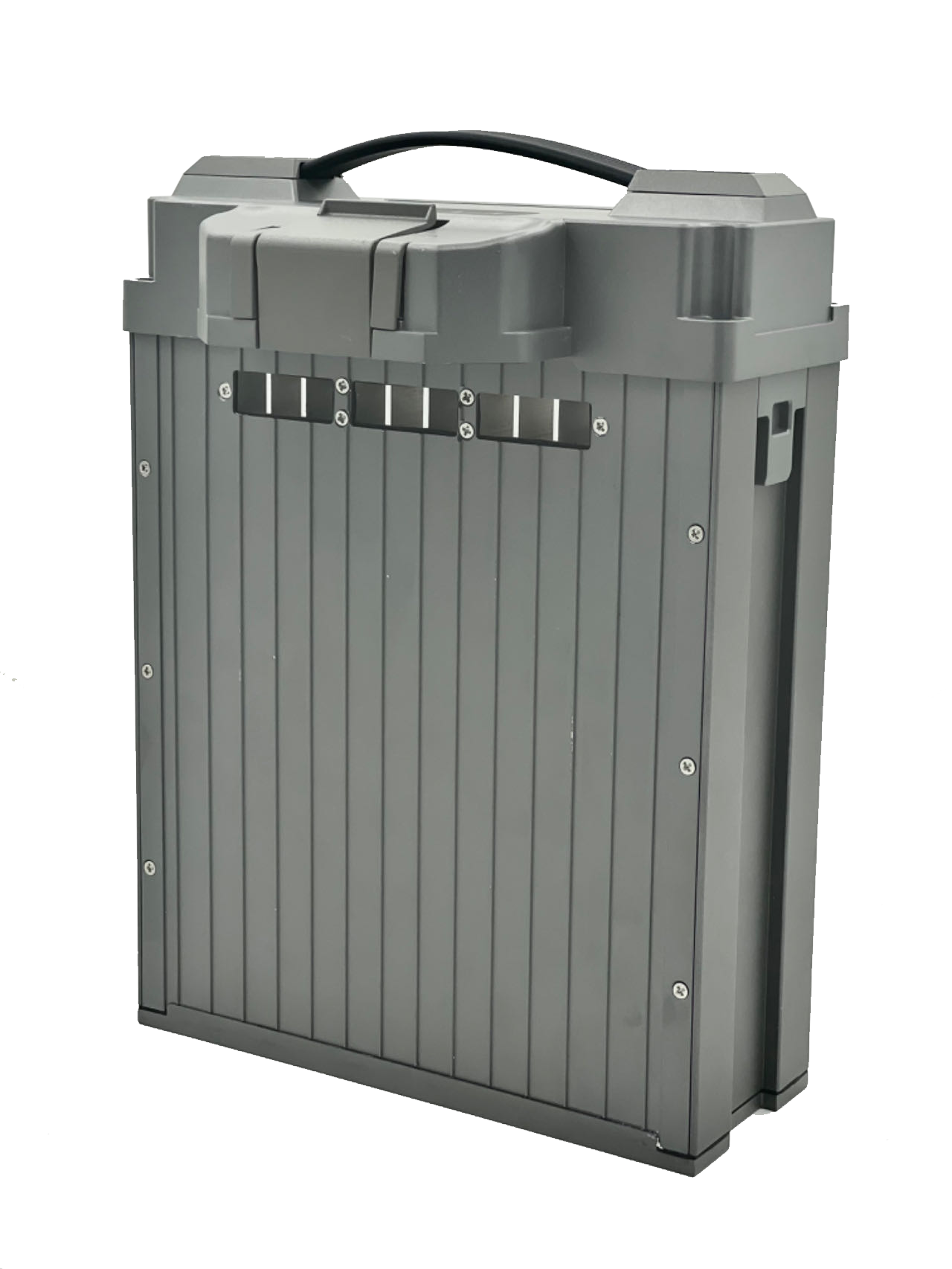
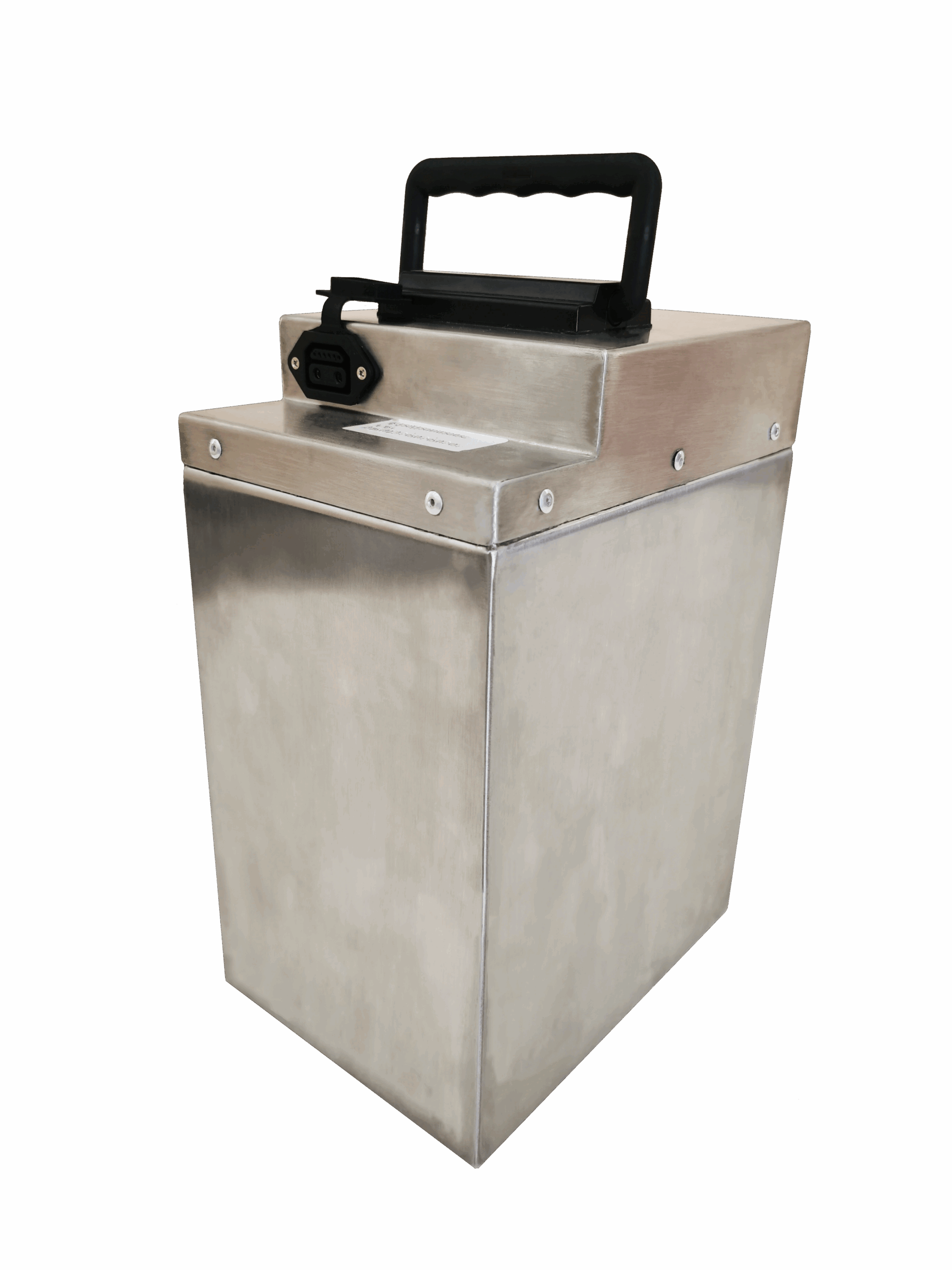
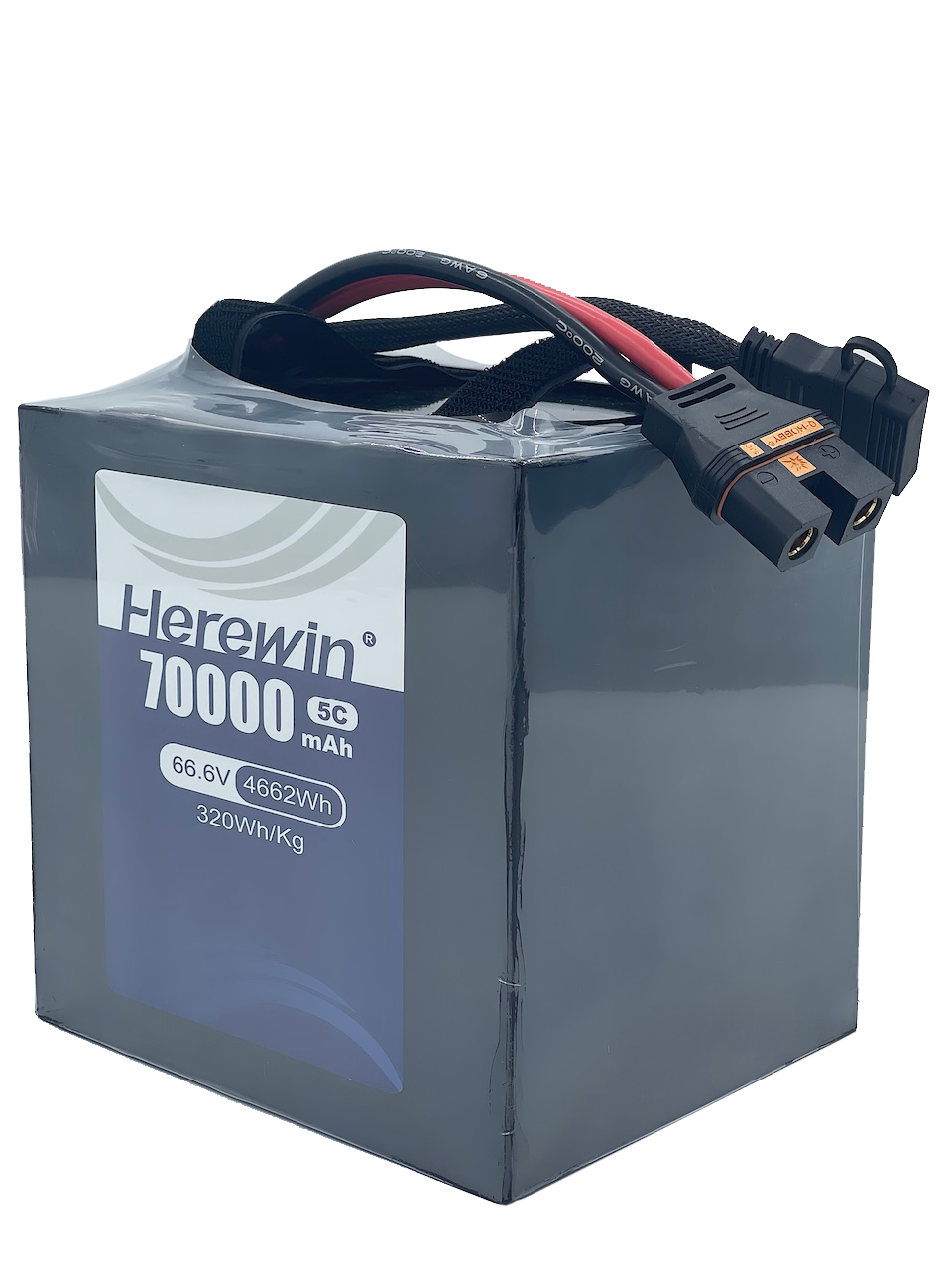
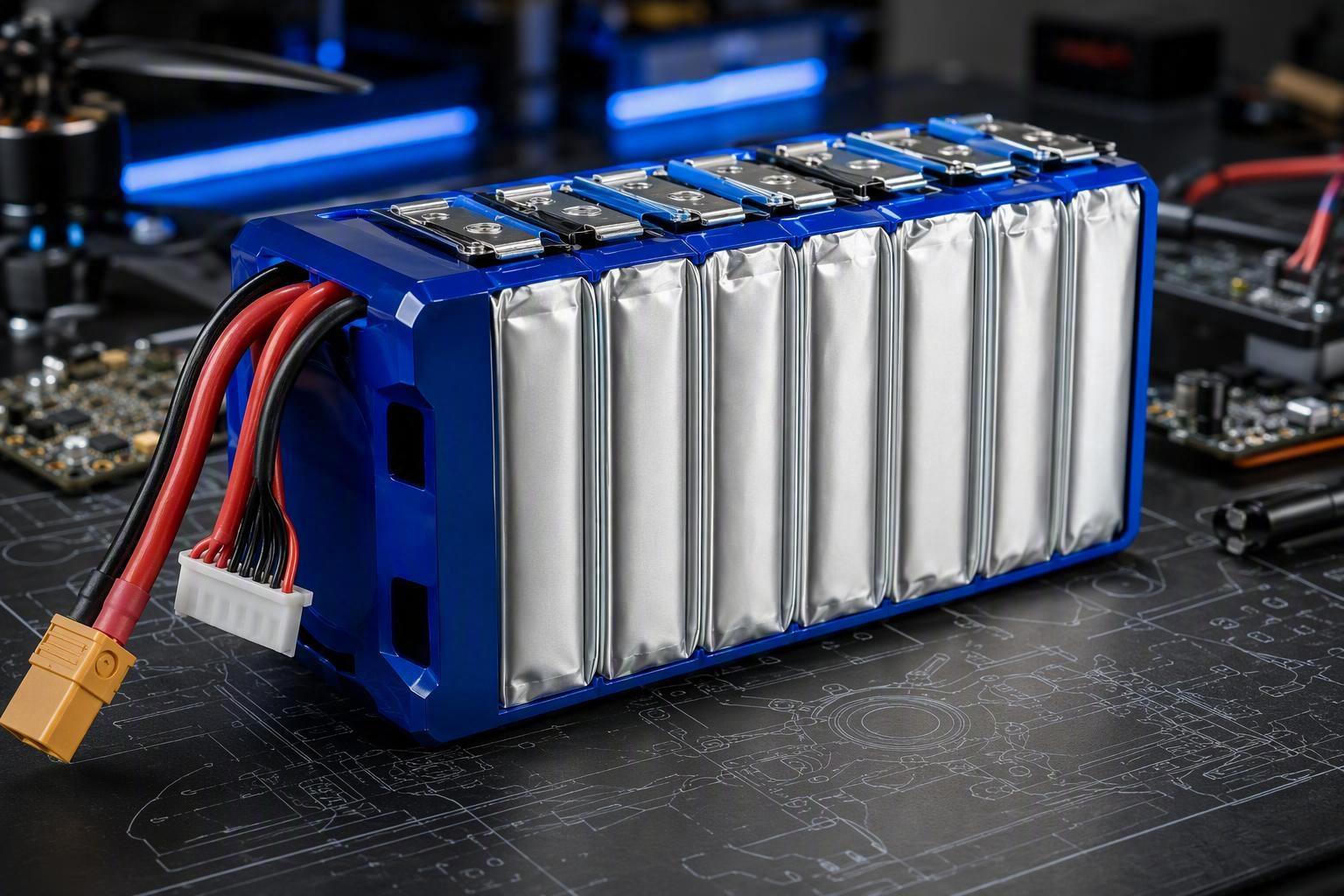
Transitioning to lithium solutions significantly reduces maintenance and boosts performance. Companies like Herewin specialize in golf cart lithium power packs, offering configurations such as 36V, 48V, and 72V. These systems provide high-cycle-life batteries with superior power density and fast-charging capabilities essential for reducing fleet turnaround time.
Informed Battery Maintenance and Replacement Decisions
SOC and SOH insights enable managers to transition from reactive repairs to data-backed capital planning, resulting in substantial cost savings. By tracking SOH degradation trends, managers can accurately identify batteries approaching end-of-life and schedule preemptive replacements. This approach avoids emergency maintenance and costly disruptions, ensuring the maximum return on investment (ROI) from every battery asset.
Monitoring Tools (BMS & Telematics)
Battery Management Systems (BMS)
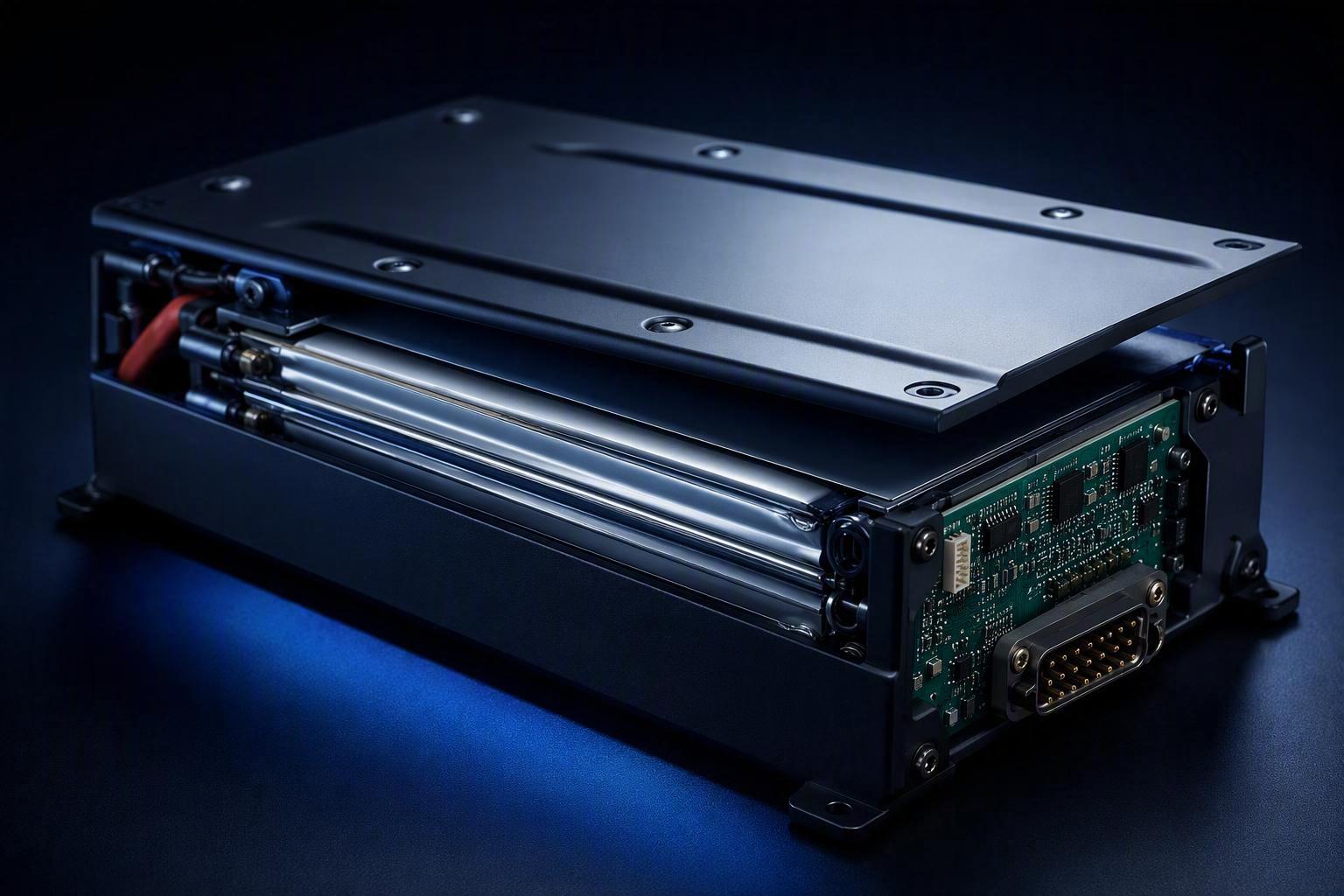
All modern lithium battery solutions integrate a Battery Management System (BMS). The BMS is the central protective core that continuously monitors the battery pack to ensure safety and longevity. Its primary functions include preventing over-discharge, over-charge, and short circuits, while actively managing cell balancing to ensure that all cells within the pack operate uniformly. The BMS uses thermal sensors to monitor temperature, critically limiting power output when temperatures are too high or too low to prevent thermal runaway and premature degradation, which is vital in extreme climates. For severe faults, the BMS can interface directly with the motor controller to initiate an immediate shutdown, safeguarding the system and the vehicle user.
Telematics and Traditional Diagnostics
While traditional tools like digital multimeters offer quick voltage checks, and hydrometers (for lead-acid) provide specific gravity readings, they offer limited insight into long-term SOH. Load testers simulate real-world stress to assess immediate performance. The most powerful tool for fleet monitoring is Telematics, often leveraging IoT technology. Telematics devices collect and transmit comprehensive data points—including real-time SOC, voltage, temperature, motor health, and usage patterns—to a central, cloud-based platform. This integrated system allows managers to visualize custom performance dashboards, track key KPIs, and generate live reports based on factual, continuous data streams.
Leveraging Data for Strategic Planning
The integration of BMS and telematics data provides actionable intelligence for fleet optimization. Remote diagnostic capabilities and intelligent alert systems identify anomalies fast, preempting major failures. Comprehensive historical logs detailing usage, charging history, and thermal profiles are invaluable for Root Cause Analysis and troubleshooting. Furthermore, advanced predictive analytics use algorithms to forecast SOH degradation, optimizing replacement schedules and maximizing the operational lifespan of the asset.
For specialized technical consultation and project solutions, contact the Herewin expert team today.
PERGUNTAS FREQUENTES
What is the main difference between SOC and SOH?
SOC shows how much power a battery has now. It is like a fuel gauge. SOH shows how healthy the battery is. It compares to when it was new. It tells how much the battery has worn out.
Why are lithium batteries better for golf carts than lead-acid?
Lithium batteries are lighter. They charge faster. They last 3-5 times longer. They give steady power. They work in more temperatures. They are better and save money.
How can I make my golf cart battery last longer?
For lead-acid, do not let it run too low. Charge it fully after each use. For lithium, do not store it empty or full for long. Store it at 50-60% SOC when not used.
What is a BMS and why is it important?
A Battery Management System (BMS) watches and protects the battery. It stops too much charging. It stops too much draining. It stops overheating. It balances cells. This keeps it safe. It makes the battery last longer.
Veja também
Optimizing Golf Cart Fleets: Selecting Ideal Battery Voltage and Capacity
Extend Lithium Battery Life: Essential Maintenance for Golf Carts and EVs
Boost ROI: Drone Battery Health, Selection, Management Metrics for Agriculture
Golf Cart Upgrade: Lithium Conversion Case Studies, Performance, and Costs






 Português do Brasil
  English
  Español
  한국어
한국어  Deutsch
  Français
  日本語
日本語  Русский
  Bahasa Indonesia
  ไทย
ไทย  العربية
  Italiano
  Nederlands