





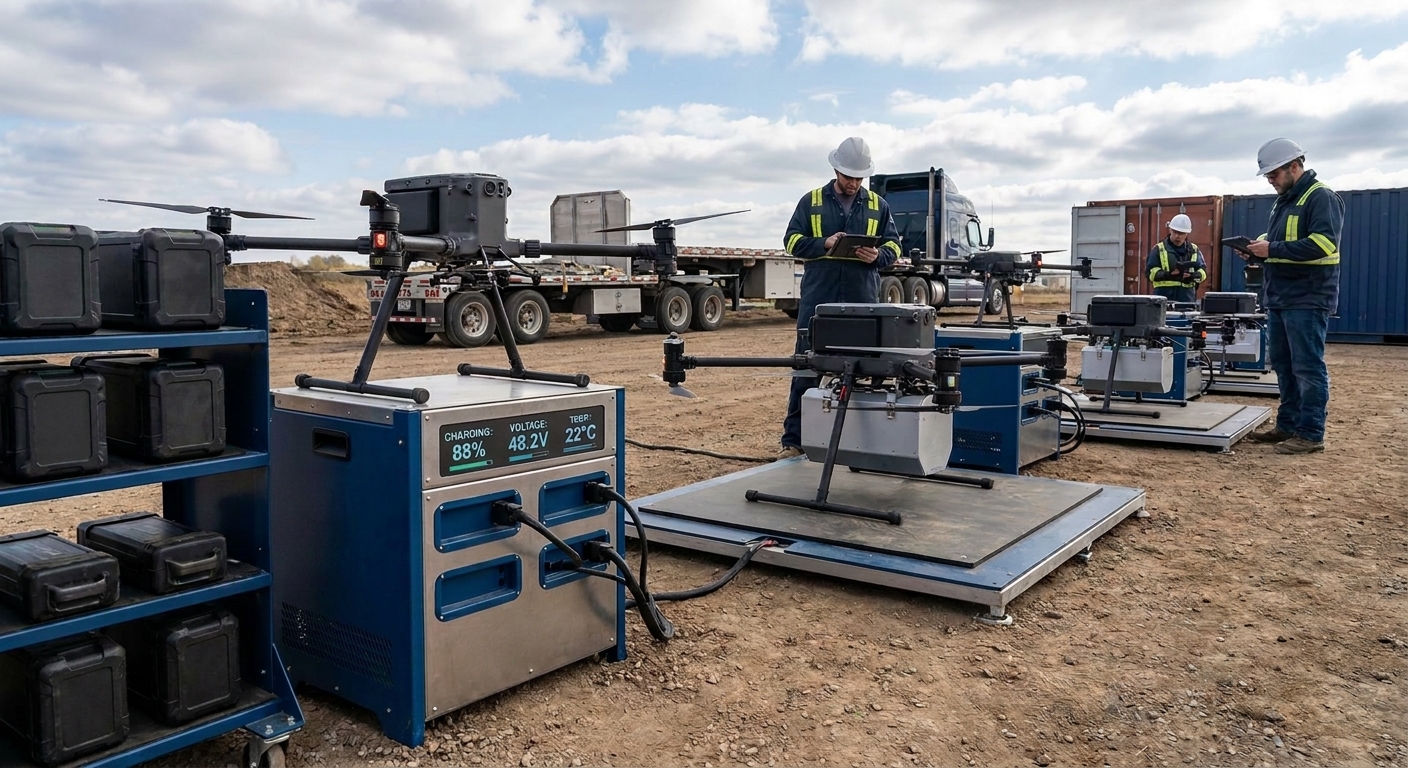
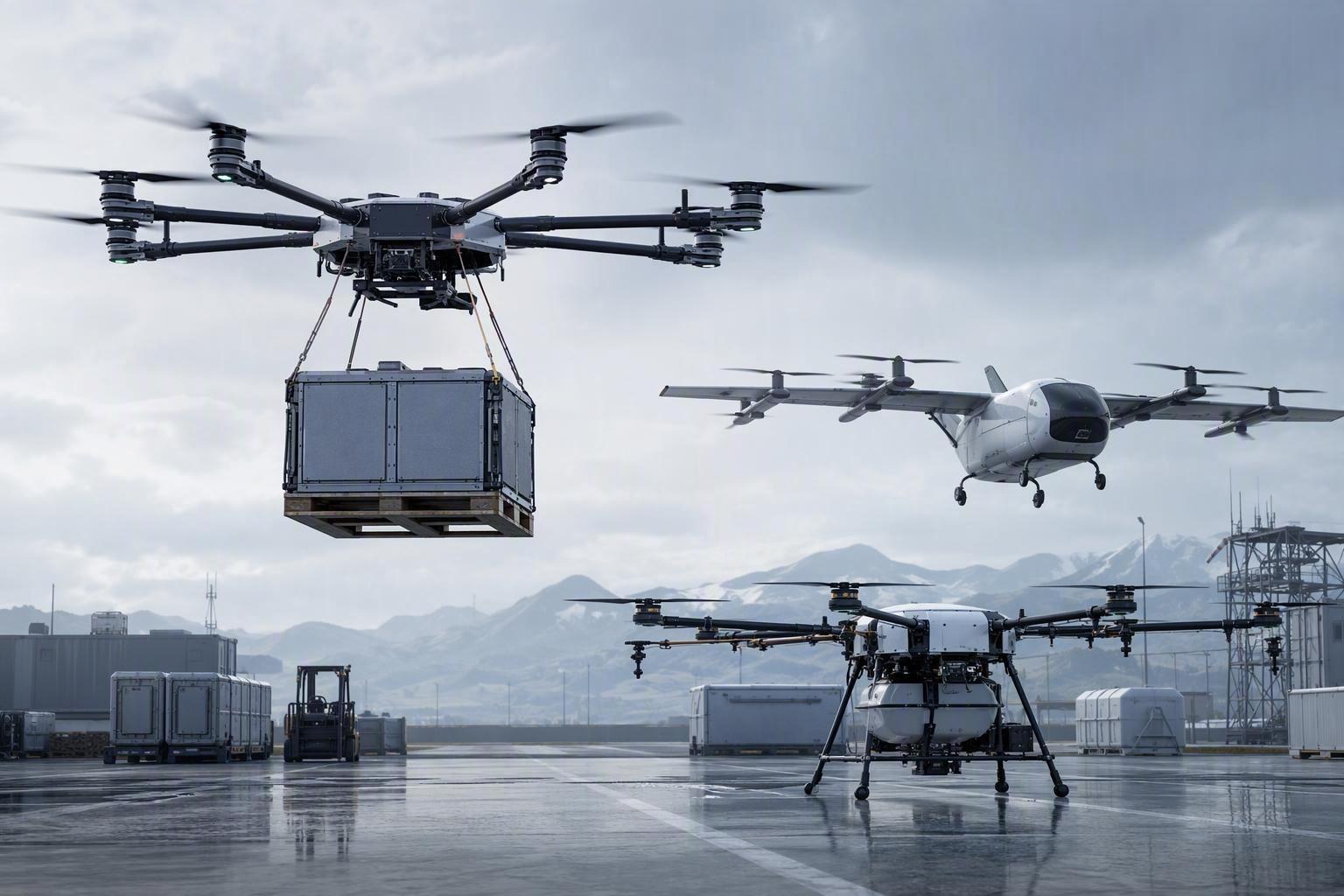
When commercial unmanned aerial vehicle (UAV) programs scale from pilot testing to enterprise operations, engineering focus shifts dramatically. Initial procurement evaluations center on aircraft airframe metrics: maximum payload capacity, hovering efficiency, flight endurance, and wingspan aerodynamics. However, as flight logs transition from single-aircraft field trials to multi-drone daily sorties, a stark operational reality emerges. The primary constraint on mission availability is rarely the aircraft itself, but the energy infrastructure required to keep multiple battery packs safely charged, balanced, and ready for dispatch.
Operating a single industrial drone is relatively manageable. Operators typically rely on a limited battery pool, portable charging equipment, and manual rotation procedures. Operating multiple aircraft demands structured rotation and dedicated field power. Managing dozens of aircraft across distributed operational sites transforms battery power from a simple hardware accessory into a complex logistics and grid management challenge. Without a dedicated drone fleet energy infrastructure, expensive airframes sit grounded on landing pads waiting for battery readiness, power availability, or charging completion, turning energy replenishment into the single largest bottleneck in commercial drone operations.
The Shift From Single Drone Operations to Fleet Operations
Transitioning from individual UAV deployments to fleet-scale operations represents a fundamental shift in operational management. In single-drone workflows, flight scheduling revolves entirely around airframe availability. As long as the aircraft is airworthy, operators swap depleted lithium packs and launch the next mission. Battery charging occurs passively in the background with minimal scheduling rigor.
At fleet scale, flight availability is governed not by airframes, but by energy throughput. Many heavy-lift commercial UAV platforms require significantly longer ground turnaround time than flight duration, especially when battery cooling and controlled charging are included. This ratio between flight time and ground turnaround time means that without parallel charging infrastructure, more than half of a fleet’s capital asset value remains idle at any given moment.
Operational Model | Energy Management Complexity |
|---|---|
Single Drone Operation | Limited battery rotation and basic charging workflow |
Enterprise Fleet Operation | Integrated management of battery inventory, charging capacity, site power, and mission scheduling |
To maintain continuous flight coverage, enterprise operators must manage energy replenishment as a synchronized workflow. Energy scheduling, power supply availability, thermal management, and battery health tracking directly determine how many sorties a fleet can complete within a daily mission window.
Why Traditional Charging Approaches Fail at Fleet Scale
When scaling up operations, many fleet managers attempt to solve power shortages by simply buying more individual chargers and standard battery packs. This ad-hoc approach quickly breaks down in real-world commercial environments due to three structural engineering bottlenecks.
Problem 1: Sequential Charging Creates Mission Delays
Some conventional charging setups rely on sequential charging logic, finishing one pack completely before switching to the next. In a commercial fleet setting, this creates severe operational bottlenecks. Field teams returning with multiple depleted packs face hours of charging delays, leaving airframes stalled and delaying morning flight dispatches.
Problem 2: Peak Power Demand Becomes a Field Constraint
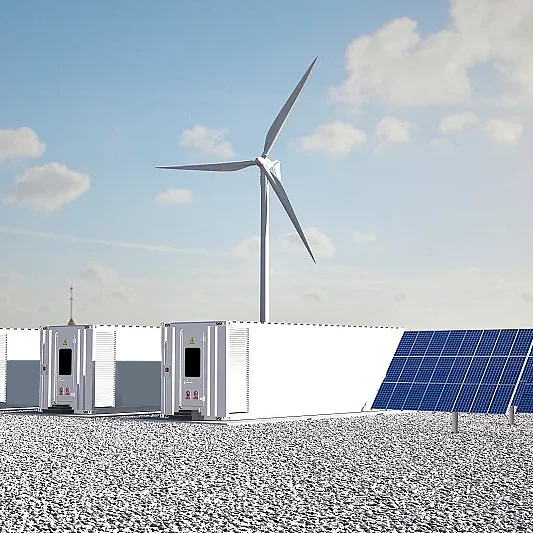
Commercial drone fleets frequently operate in remote, off-grid locations where grid connections are absent. Concurrent fast charging across multiple aircraft can draw substantial electrical power, quickly exceeding the stable capacity of standard portable generators. To overcome grid limitations, enterprise teams must deploy field-ready mobile drone charging field energy systems integrated with Battery Energy Storage Systems (BESS) or hybrid microgrids to buffer peak demand spikes.
Problem 3: Battery Inventory Management Becomes Complex
Managing large industrial battery fleets manually is nearly impossible. SOC percentages alone do not reflect battery health. Enterprise operations require automated tracking of State of Health (SOH), Direct Current Internal Resistance (DCIR), cycle counts, and thermal history. Following an industrial drone lithium battery maintenance guide ensures thermal lockout thresholds and operational windows are systematically enforced, preventing unexpected voltage collapse in flight.
The Key Components of UAV Charging Infrastructure
A complete drone fleet charging infrastructure is not merely a collection of power supplies; it is an integrated energy architecture engineered for reliability, safety, and throughput.
Infrastructure Element | Operational Value |
|---|---|
1. Multi-Channel Charging | Enables simultaneous battery replenishment and higher fleet availability |
2. Thermal Management | Protects battery life during repeated high-rate operation |
3. Smart BMS Telemetry | Provides battery health visibility and charging control |
4. Autonomous Docking | Enables unattended BVLOS operations |
1. Multi-Channel Concurrent Charging Systems
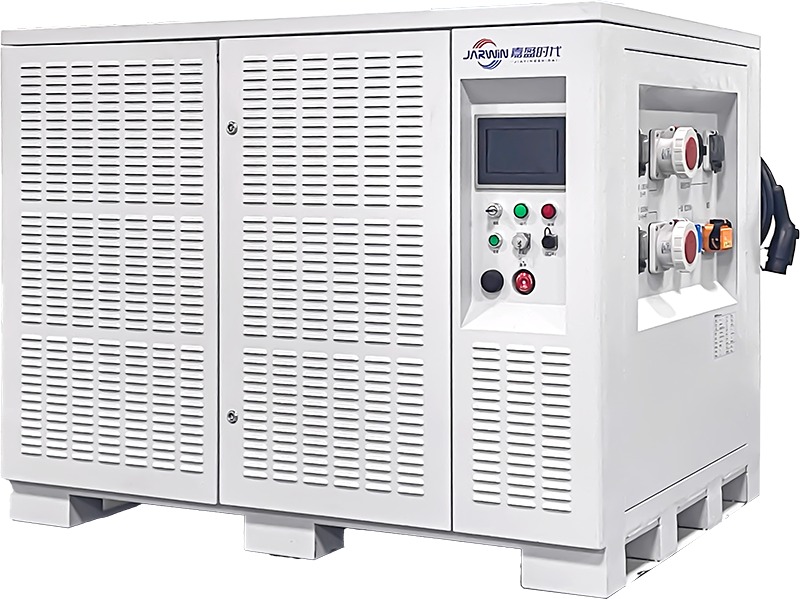
Unlike consumer-grade chargers that switch power sequentially between ports, commercial multi-channel chargers utilize independent power conversion stages per channel. Each charging bay operates as an autonomous, isolated circuit with dedicated current control and voltage regulation.
Independent multi-channel architectures allow fleet operators to charge multiple battery packs concurrently while setting dynamic priority rules. For example, emergency or high-priority inspection aircraft can receive full 3C fast-charging power on channel 1, while routine maintenance packs on channels 2 through 6 charge at a conservative 1C rate to maximize cycle life.
2. Battery Storage and Thermal Management
Lithium-based UAV batteries generate internal heat during high-rate discharge flights and rapid recharge cycles. Initiating fast charging on a hot pack immediately after flight accelerates electrolyte degradation and increases cell capacity fading.
Industrial charging stations incorporate active thermal management enclosures. These systems utilize temperature-controlled forced-air or liquid cooling bays to lower cell core temperatures to a safe operating window before initiating high-current charging. Integrated safety monitoring and thermal protection features help maintain operational reliability, reduce lithium plating risks, and ensure field safety even in demanding environments.
3. Smart BMS and Battery Data Management
Modern high-voltage UAV battery architectures rely on intelligent Battery Management Systems (BMS) to maintain safety. Standard analog charging—where the charger guesses pack parameters based solely on terminal voltage—is unsuitable for high-density commercial operations.
Commercial fleet chargers establish digital, closed-loop telemetry handshakes with the pack’s BMS using CAN bus, SMBus, or Modbus protocols. Implementing smart BMS-to-charger communication protocols allows the BMS to actively dictate maximum charge current, cut-off voltage, and temperature lockouts in real time. If an individual cell voltage diverges or exceeds thermal thresholds, the BMS instantly commands the charger to taper current or suspend operations safely.
4. Automated Charging Stations and Drone Docks
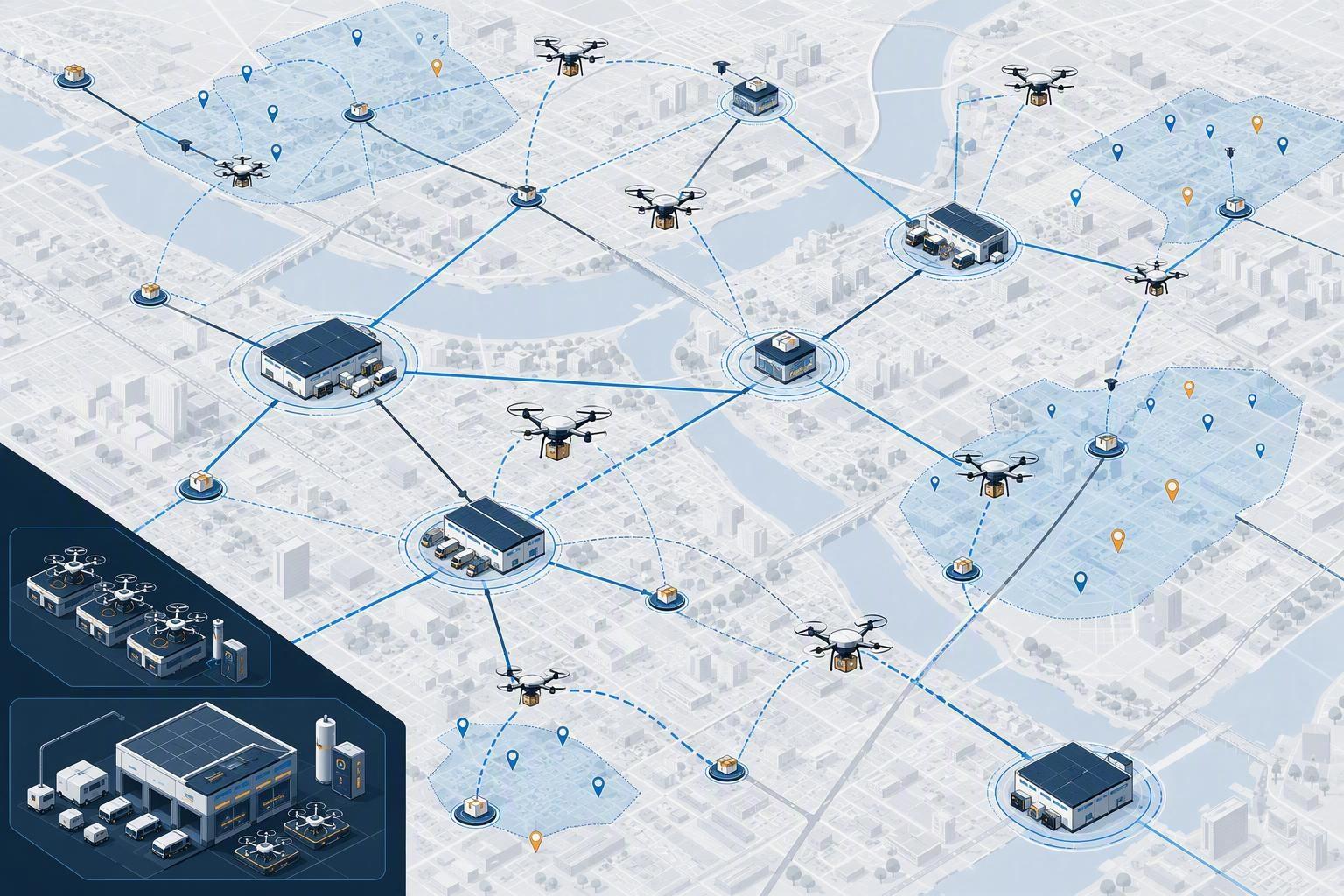
For Beyond Visual Line of Sight (BVLOS) logistics, security surveillance, and linear infrastructure inspection, manual battery swapping represents a major labor cost. The commercial drone industry is rapidly transitioning toward automated charging stations and drone dock networks.
These self-contained ground stations feature precision landing guidance, automated mechanical clamping, weatherproof environmental sealing, and integrated thermal management. Upon landing, the station automatically connects heavy-duty charging contacts or executes automated robotic battery swapping, enabling fully autonomous, uncrewed operation cycles 24 hours a day.
Charging Infrastructure by Application
Energy management requirements vary significantly depending on the commercial UAV operational model.
Application Sector | Operational Characteristics | Key Energy Infrastructure Requirement |
|---|---|---|
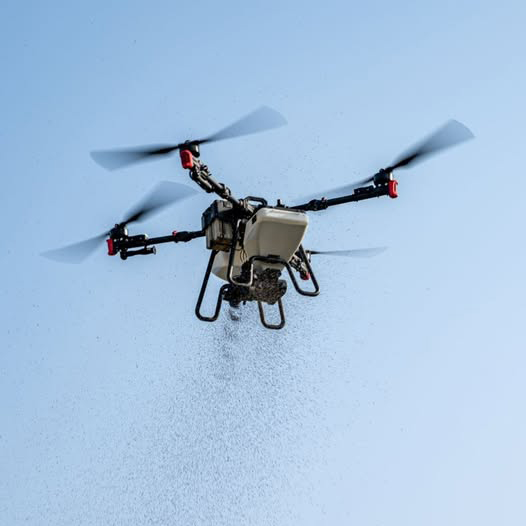
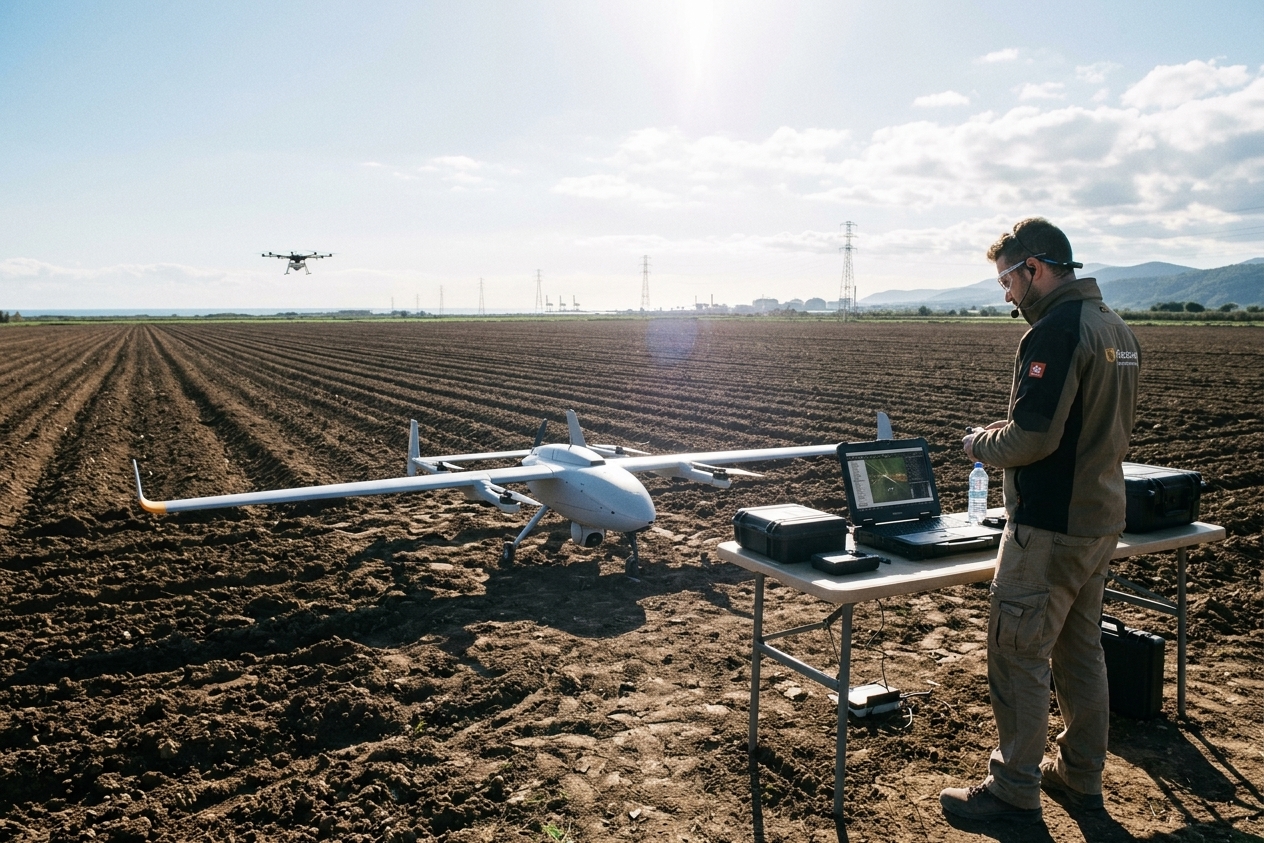
Agricultural Spraying & Seeding | Short weather windows, high daily sortie frequency, heavy payload discharge. | Mobile, high-rate multi-channel field chargers integrated with portable BESS hybrid generators and forced-air cooling racks. |
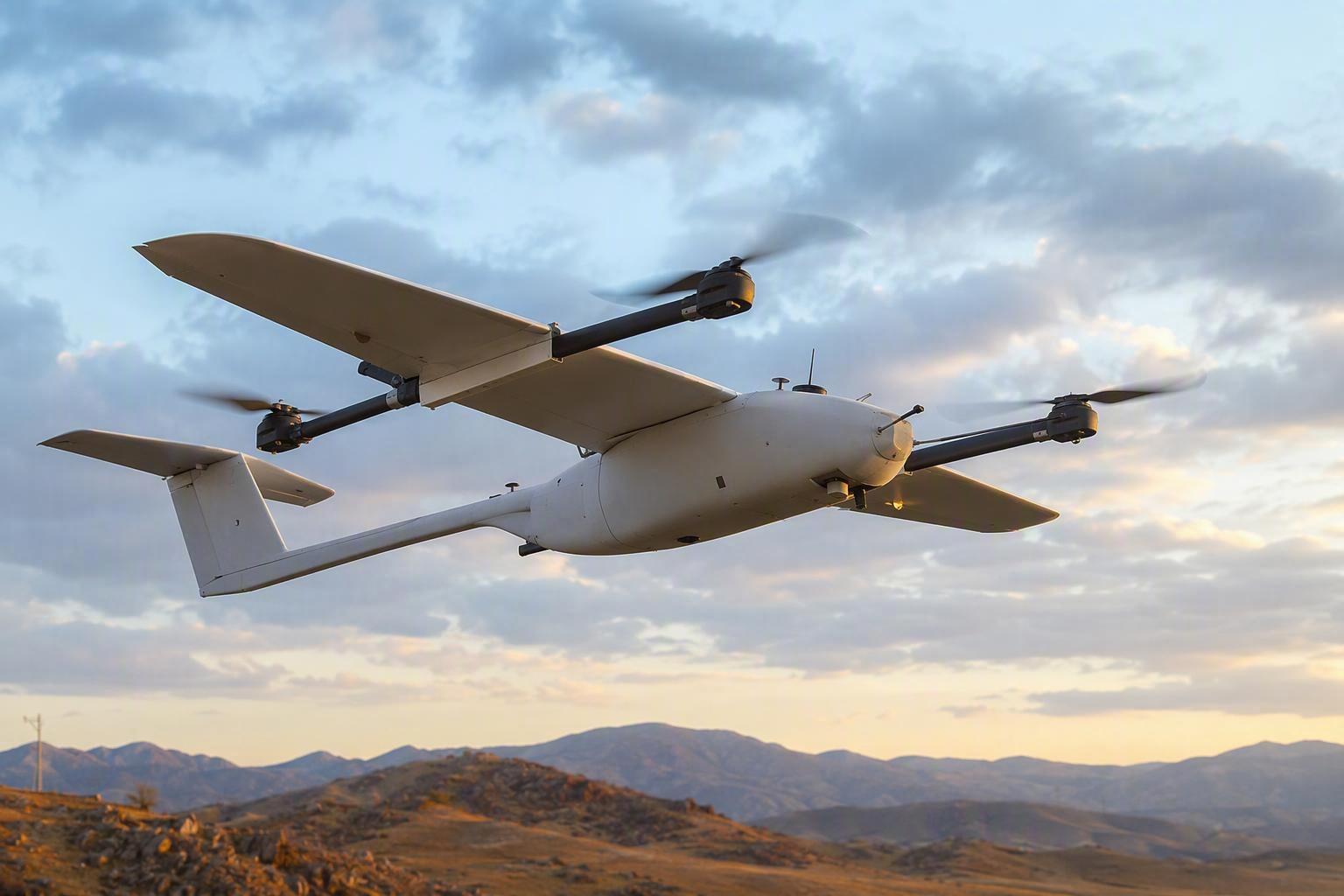
Infrastructure & Utility Inspection | Remote deployment sites, multi-stop linear travel, highly variable ambient weather conditions. | Lightweight, ruggedized portable power banks with universal AC/DC inputs and solar buffering. |
Mining & Construction Site Monitoring | Heavy dust exposure, extreme thermal conditions, high-frequency surveying sorties. | Weatherproof, dust-sealed fast-charging hubs and active cooling enclosures designed for harsh industrial environments. |
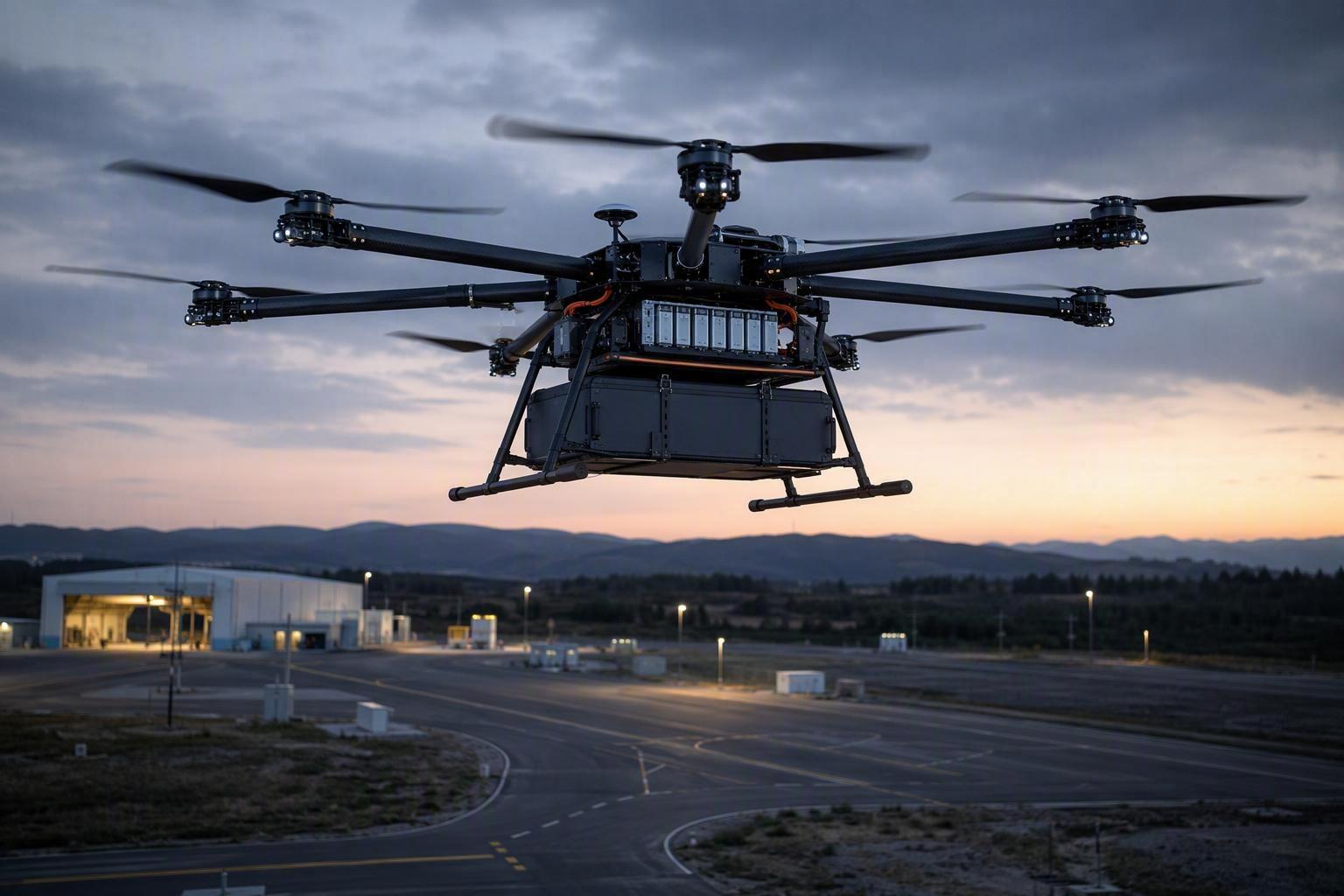
Drone Delivery & Logistics | High daily cycle counts, strict turnaround SLAs, continuous fleet operation. | High-durability automated docking stations, active liquid-cooling bays, or rapid battery swapping hubs. |
Autonomous Drone Dock Networks | Uncrewed remote deployments, perimeter security, powerline and pipeline surveillance. | Weatherproof IP65/IP66 enclosure docks, integrated grid-buffering storage, cloud-linked BMS telemetry, and automated landing systems. |
Evaluating UAV battery swapping vs. fast charging strategies is critical for logistics and inspection operators deciding between high battery inventory overhead (swapping) or high field power hardware overhead (ultra-fast charging).
Charging Infrastructure Is an Energy Management Problem, Not a Charger Problem
The core realization for scaling commercial drone operations is that charging infrastructure cannot be solved by simply purchasing high-wattage power supplies. Fleet energy replenishment is a complete systems engineering discipline.
Total Energy System = Battery Engineering + Charger Hardware + BMS Telemetry + Site Power Buffer + Fleet Management Software + Operational SOPs
Focusing solely on charger wattage while ignoring battery chemistry, ambient temperature, field generator capacity, and BMS telemetry leads to accelerated battery degradation, frequent thermal lockouts, and mission downtime.
Operational and Lifecycle Cost Impact
In high-utilization commercial drone fleets, adopting an integrated energy management architecture yields substantial long-term financial benefits. Rather than constantly expanding battery inventory to cover charging delays, field operators can optimize asset turnover and extend overall equipment lifespans.
Key cost-saving drivers include:
Reduced Battery Inventory Overheads: Concurrent multi-channel charging and optimized thermal cooling allow fewer battery packs to support the same operational flight schedule.
Extended Cell Life Expectancy: Managed CC/CV charging profiles combined with strict BMS thermal gating prevent early degradation, significantly extending usable pack cycle life.
Lower Idle Labor Expenses: Eliminating long turnaround bottlenecks reduces flight crew downtime, ensuring continuous aircraft availability during operational windows.
In high-utilization fleets, integrated energy management can significantly reduce battery replacement frequency and labor downtime, creating measurable lifecycle cost advantages over unmanaged, sequential setups.
How Battery Manufacturers Enable Better Charging Infrastructure
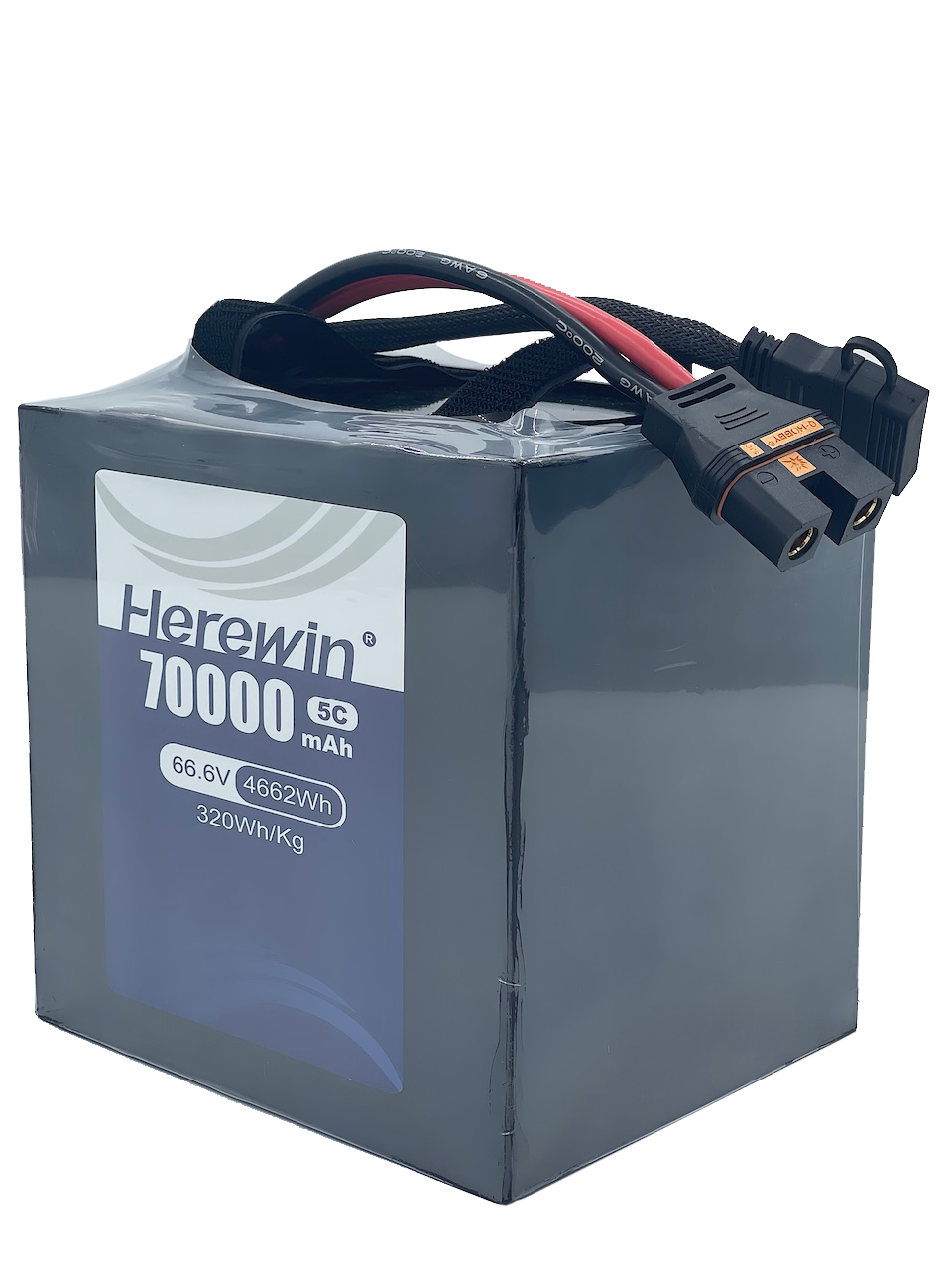
Building a reliable, high-throughput UAV charging infrastructure requires deep integration between battery cell engineering, enclosure design, and charging hardware protocols. As an industrial lithium battery manufacturer specializing in UAV power systems, Herewin participates directly in designing complete energy architectures tailored to specialized commercial flight profiles.
Rather than treating battery packs and chargers as isolated commodities, Herewin provides turnkey engineering support across the entire power ecosystem:
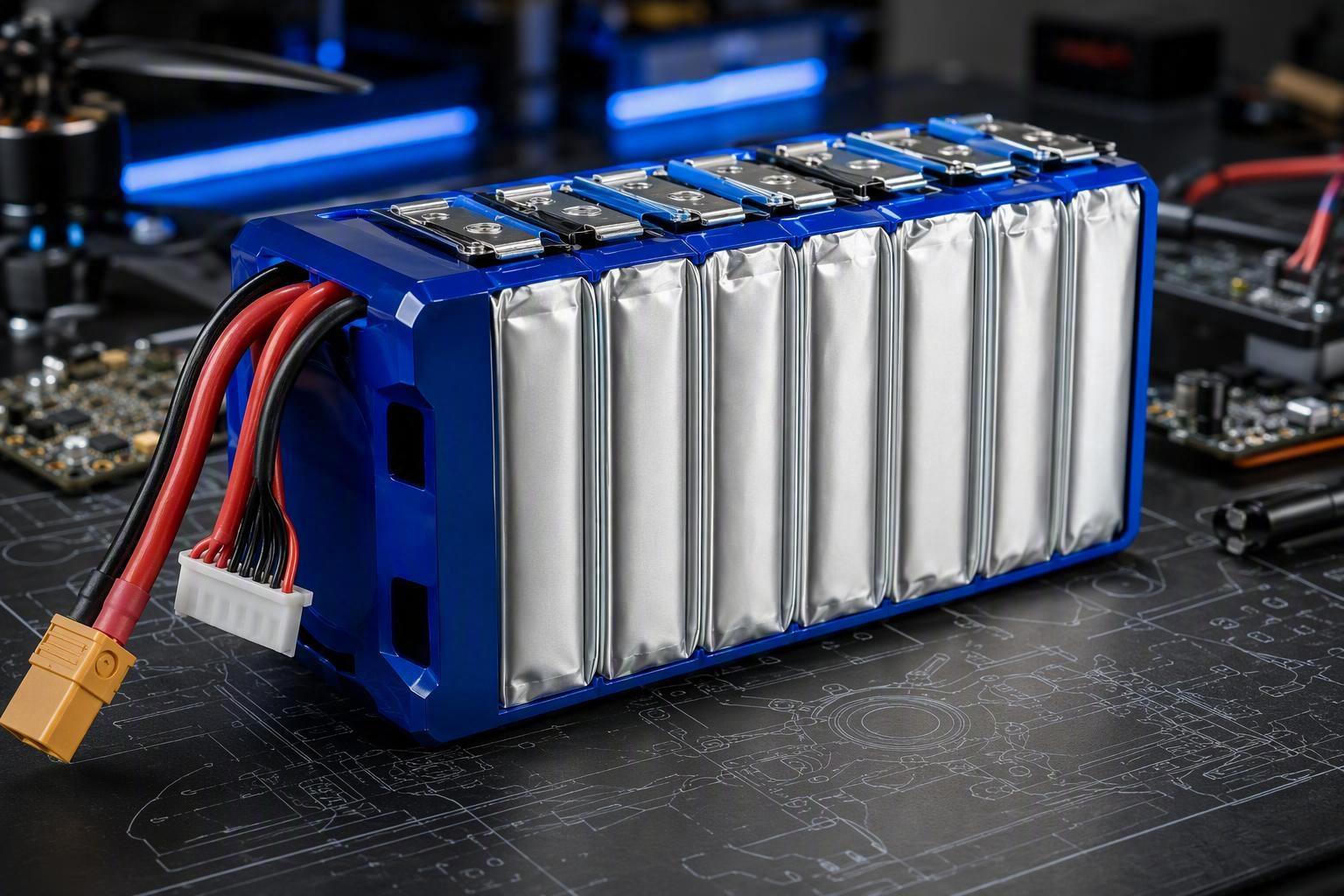
Custom Pack Architecture & Thermal Design: Engineering high-energy-density pouch and cylindrical cell configurations with low-resistance cell connections and optimized pack architecture.
Smart BMS Protocol Matching: Customizing CANbus, SMBus, and Modbus telemetry protocols to establish closed-loop handshakes between battery packs, multi-channel chargers, and flight controllers.
System-Level Compatibility: Co-engineering battery packs alongside ground power stations, mobile BESS storage buffers, and automated drone dock systems to ensure thermal stability and long cycle life.
Field Safety & Certification Compliance: Delivering fully certified custom battery solutions adhering to international safety and transport standards, including UN38.3, UL, CE, and ISO guidelines.
Commercial drone programs require reliable, scalable energy infrastructure to unlock true fleet productivity. By aligning battery pack design, smart BMS telemetry, and multi-channel charging hardware, enterprise operators can improve fleet availability and operational consistency.
For engineering teams scaling commercial drone operations or developing specialized UAV platforms, aligning battery specifications with site charging infrastructure is a key design consideration. Connect with Herewin’s technical application engineers to discuss custom battery architecture, BMS protocol integration, and field charging considerations tailored to your operational requirements.

 Nederlands
  English
  Español
  한국어
한국어  Deutsch
  Français
  日本語
日本語  Русский
  Bahasa Indonesia
  ไทย
ไทย  العربية
  Português do Brasil
  Italiano