

In remote field logistics, power is more than a utility; it is a hidden cost center. Reliability issues in harsh environments can quickly transform power assets into financial liabilities, draining profitability through unplanned downtime and excessive “Logistics Friction”. Many organizations overlook the profound impact of energy infrastructure on their bottom line, often focusing solely on the initial purchase price. Semi-solid technology provides a strategic solution, shifting the focus from simple procurement to total asset value. By adopting next-generation power systems, businesses can leverage climate-resilient energy to enhance operational resilience and long-term financial efficiency in complex field operations.
Belangrijkste opmerkingen
Moving beyond the initial purchase price allows organizations to optimize the long-term value and operational resilience of their power assets.
The superior durability of semi-solid chemistry significantly reduces annualized depreciation and the logistical overhead of frequent equipment turnover.
High-stability chemistry ensures mission-critical performance at -20°C, effectively eliminating the massive financial risks of failure-related downtime.
Strategic weight reduction enables agile, single-operator deployment, directly lowering field labor costs and improving tactical response speed.
Modular 12V/24V/48V configurations eliminate capital waste by matching power output exactly to equipment needs, preventing the energy loss associated with inefficient power conversion.
Understanding Total Cost of Ownership (TCO)
In remote field logistics, Total Cost of Ownership (TCO) is the definitive financial metric for evaluating power infrastructure. It encompasses every expense incurred throughout the lifecycle of a power asset—from initial procurement and transport to long-term maintenance and end-of-life disposal. Relying solely on the initial purchase price is a common pitfall that often leads to severe budget overruns in the field.
Components of TCO
To optimize logistics budgets, organizations must look beyond the sticker price and account for the “hidden multipliers” of cost:
TCO Component | Key Drivers | Strategic Impact |
Visible CAPEX | Unit purchase price, specialized transport, and system integration. | Upfront capital requirement and initial deployment budget. |
Ongoing OPEX | Energy efficiency, maintenance labor, and charging infrastructure. | Annual recurring budget and field resource allocation. |
Logistics Friction | Weight-to-power ratio, transport fuel burn, and manpower needs. | Tactical mobility and deployment efficiency in remote areas. |
Operational Risk | Financial penalties and productivity loss from power failure. | Reliability standards and mission-critical business continuity. |
Capital Efficiency | Total cycle life and hardware durability in harsh climates. | Effective cost per cycle and annualized holding costs. |
TCO in Field Operations
In demanding environments, TCO analysis provides a detailed view of the actual costs that procurement teams often overlook. Prioritizing purchase price over operational resilience ignores the critical multipliers of cost in remote logistics. By adopting a comprehensive TCO model, businesses can quantify the protection offered by reliable technology, ensuring that power assets contribute to Return on Investment (ROI) rather than becoming financial liabilities.
While acquisition costs are visible, the true financial burden of remote logistics often lies in two critical, yet overlooked, areas: operational downtime and logistics friction.
1. Downtime Penalties: The Failure Multiplier
In remote field operations, power failure is a massive cost multiplier. When equipment fails at a remote site, the impact extends far beyond a simple repair:
Halted Productivity: Power failure freezes entire workstreams, leading to expensive labor idle time.
Recovery Costs: Emergency repairs in remote environments often require specialized transport and high-priority supply chains, incurring costs that can be 10x the value of the power unit itself.
Operational Continuity: By integrating TCO into procurement, organizations shift from “cheapest unit” to “highest reliability,” ensuring mission certainty in extreme conditions.
2. Logistics Friction: The Weight-to-Power Tax
Logistics friction represents the systemic inefficiencies caused by suboptimal power-to-weight ratios. Traditional, heavy power systems act as a “tax” on every movement:
Transportation Overhead: Excessive weight directly increases fuel consumption for field vehicles and reduces available payload for other critical supplies.
Deployment Complexity: Bulkier units slow down delivery times and often require multiple operators, increasing labor-related OPEX.
Strategic Optimization: Transitioning to semi-solid solutions minimizes this friction by enhancing energy density, effectively streamlining the supply chain and improving tactical agility.
Benefits of Semi-Solid Power Solutions
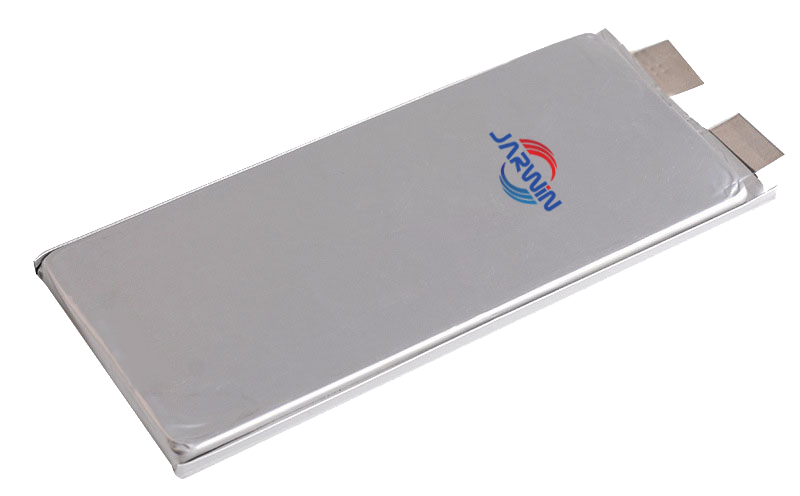
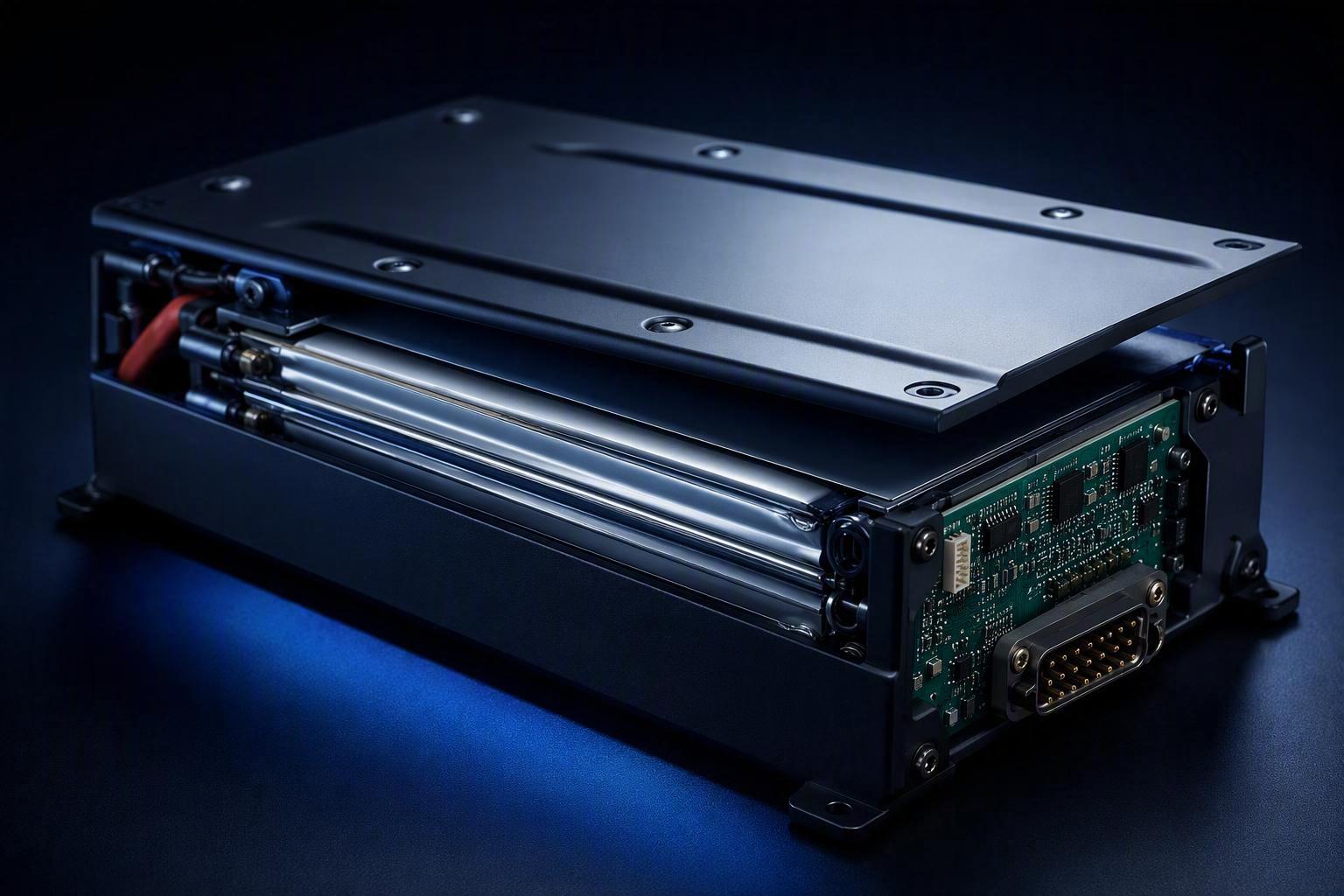
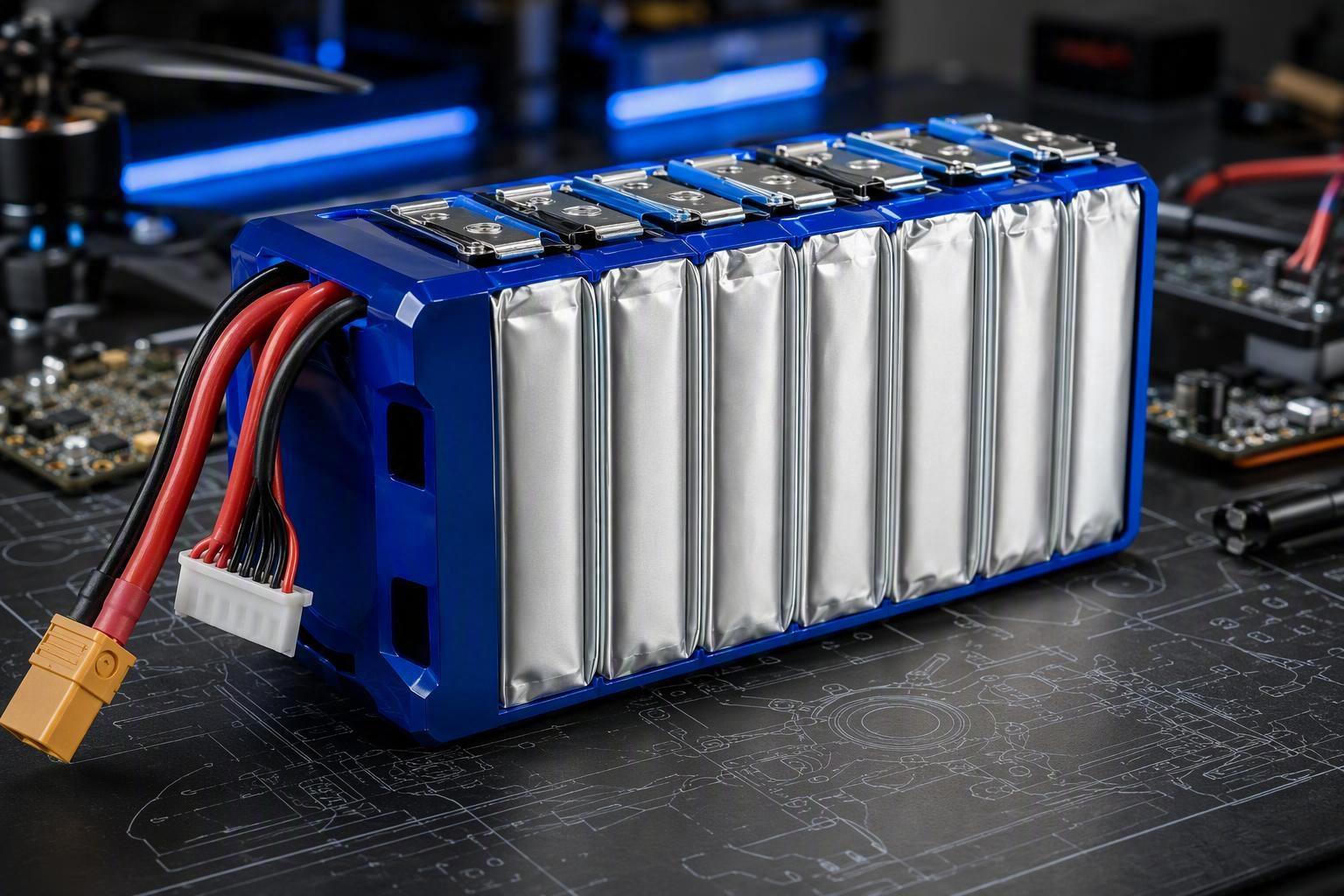
Semi-solid technology represents a paradigm shift in energy storage, moving beyond the physical limitations of liquid-electrolyte lithium-ion batteries. By replacing the flammable liquid electrolyte with a stable semi-solid clay-like material, these systems unlock superior energy density and mission-critical safety.
Climate-Resilient Energy Density
In remote ground logistics, climate resilience is a survival requirement. Semi-solid power solutions deliver remarkable performance where traditional batteries fail:
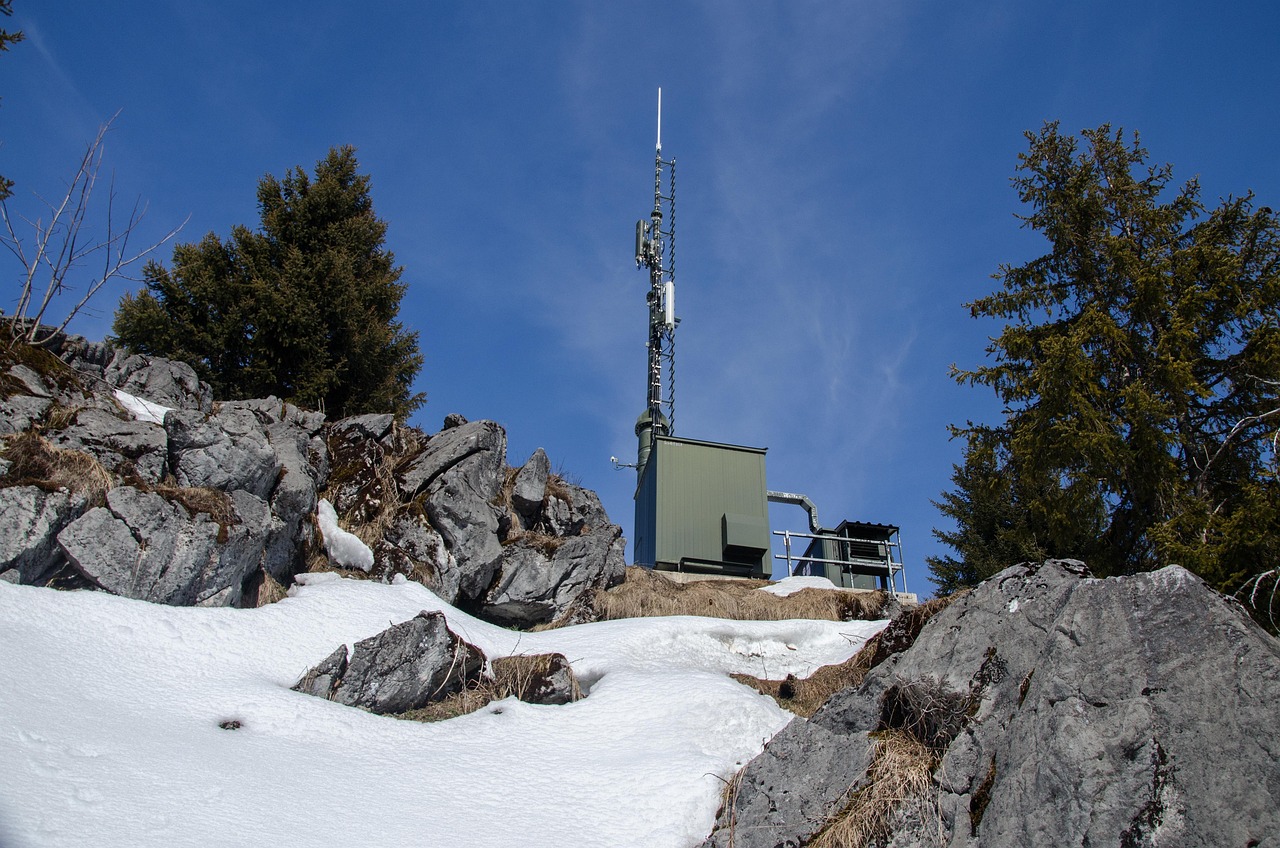
Extreme Low-Temperature Resilience: Maintaining over 80% discharge efficiency at -20°C, ensuring uninterrupted power for sensors and communication arrays in arctic conditions.
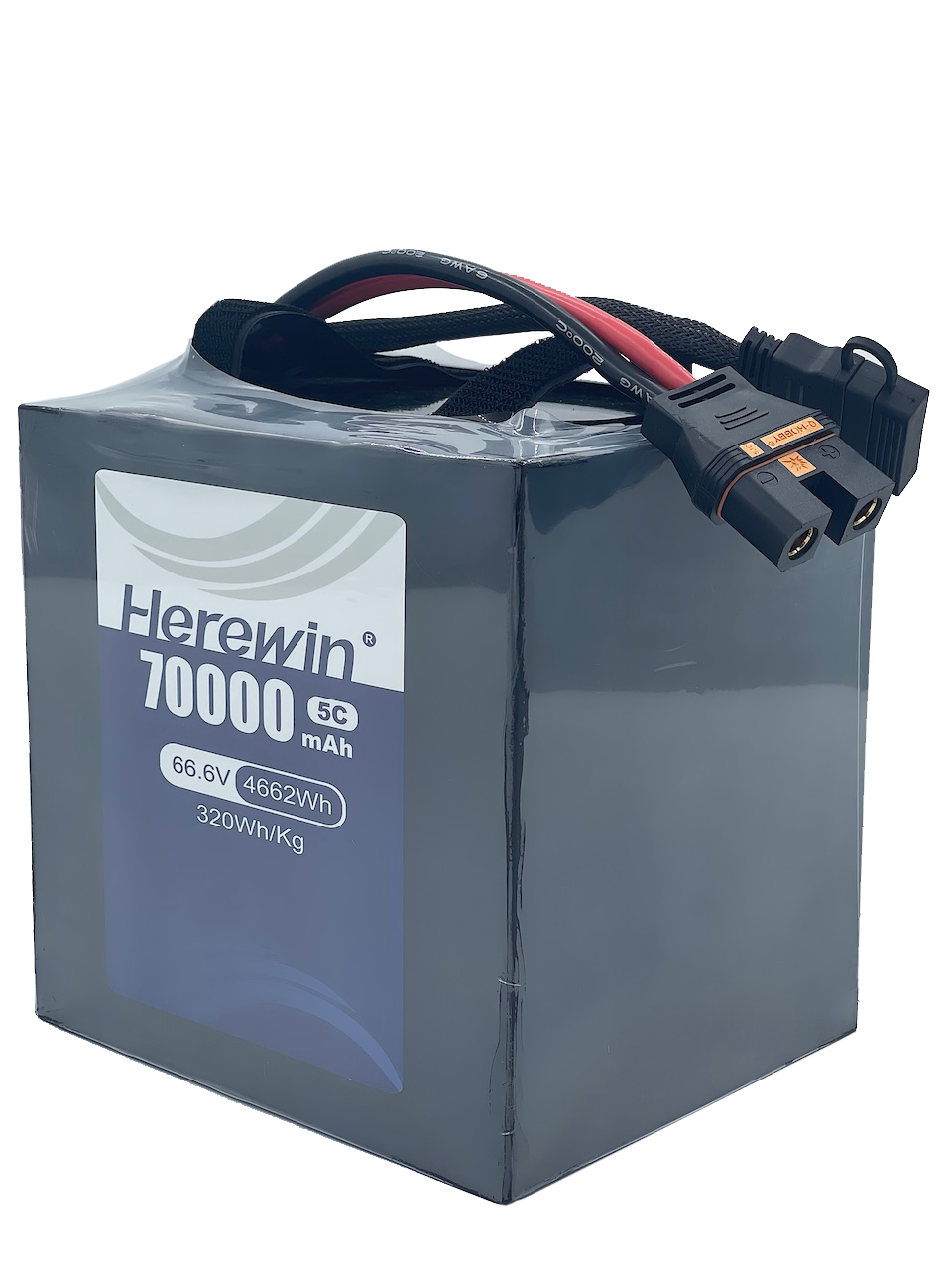
Strategic Weight Reduction: Achieving up to a 20% reduction in weight compared to equivalent liquid lithium-ion units, directly mitigating “Logistics Friction” in remote field transport.
Tactical Mobility: The compact footprint allows for single-operator deployment, reducing the manpower and fuel overhead required for field transport.
This climate resilience translates into a strategic advantage for remote operations. Organizations can rely on high-stability power to ensure that mission-critical tasks remain uninterrupted, even in the most challenging environments. By maintaining high energy density across a wide temperature range, these solutions enhance overall fleet efficiency and significantly reduce the need for frequent equipment replacements and maintenance—a key driver in lowering the TCO.
Operational Longevity and Reliability
The transition to semi-solid technology moves beyond raw power, redefining reliability as the ability to maintain mission-critical operations without failure in demanding field conditions.
1. Intrinsic Safety & Advanced Thermal Control
Safety is the foundation of operational continuity. Semi-solid power solutions replace flammable liquid electrolytes with stable materials, virtually eliminating the risk of thermal runaway.
Superior Heat Management: Advanced architecture minimizes thermal propagation risks by up to 70%, significantly reducing heat exposure to adjacent cells and ensuring system integrity even under extreme stress.
Mission Certainty: By providing a fundamentally safer energy source, organizations ensure a predictable operational environment, even in poorly ventilated or high-output scenarios.
2. Extended Asset Life & Capital Efficiency
Reliability directly translates into long-term financial performance.
Reduced OPEX: The robust solid-state-hybrid design requires less frequent replacements and minimizes the need for specialized maintenance or thermal housing.
Asset Amortization: By extending the equipment lifecycle, organizations significantly lower their annualized cost of ownership and maximize Return on Investment (ROI).
Translating Tech Specs into Financial ROI
To justify the transition to semi-solid technology, organizations must evaluate the Financial Return on Investment (ROI) through three primary lenses: capital efficiency, operational agility, and risk mitigation.
Asset Amortization: The Durability Advantage
While semi-solid power units may represent a different initial CAPEX, their extreme durability creates a superior amortization schedule compared to traditional legacy options.
Tripled Asset Lifecycle: By extending the standard equipment cycle life by 3x compared to legacy units, organizations can spread the acquisition cost over a significantly longer operational window.
Procurement Chain Optimization: Extending the refresh cycle from 18–24 months to over 5 years eliminates the administrative overhead and logistics labor associated with frequent hardware turnover.
Capital Efficiency: Higher durability reduces effective annual depreciation, ensuring that the power asset delivers value long after traditional batteries would have required replacement.
Operational ROI: The Agility Advantage
In remote logistics, physical mobility is a direct driver of cost savings. The technical advantages of semi-solid chemistry translate into measurable OPEX reductions through enhanced fleet efficiency and labor optimization:
Voordeel | Strategic Impact on ROI |
Reduced Logistics Friction | A lighter footprint (up to 20% weight reduction) optimizes payload efficiency and lowers fuel consumption for transport vehicles in demanding, off-grid environments where every kilogram impacts the bottom line. |
Single-Operator Efficiency | Enhanced energy density enables single-person deployment for power units that previously required two operators, potentially cutting field labor costs by 50% and improving tactical response speed. |
Maintenance-Free Design | The robust semi-solid architecture is largely maintenance-free, eliminating the frequent cooling system upkeep and mechanical repairs required by traditional engine-driven generators. |
By leveraging the mobility of semi-solid batteries, companies fundamentally enhance their operational efficiency in the field. This transition does more than just reduce immediate labor and transport costs; it directly supports corporate sustainability initiatives by minimizing fuel-related emissions during deployment. Ultimately, these agile power solutions allow organizations to execute complex missions with a smaller carbon footprint and greater tactical flexibility.
Risk Premium Reduction
Investing in high-stability power functions as a financial “hedge” against high-cost field failures.
Resilience Savings: Reliable performance at -20°C prevents the massive financial penalties and lost productivity associated with Risk-Adjusted Downtime in mission-critical environments.
Liability & Safety Mitigation: Intrinsic thermal stability (eliminating thermal runaway risks) lowers the insurance premiums and safety compliance overhead for high-value cargo and remote facility operations.
Sustainability ROI: Reducing equipment turnover and improving energy efficiency supports long-term ESG goals, often qualifying organizations for green subsidies or carbon credits.
Best Practices for Adoption
To fully realize the TCO benefits of semi-solid technology, organizations should follow a structured adoption framework focused on precision, safety, and human capital efficiency.
Precision Power Matching (12V/24V/48V)
To maximize the financial benefits of semi-solid power solutions, organizations must implement precision power matching by aligning battery output with the specific voltage architecture (12V, 24V, or 48V) of their field equipment. Selecting a tailored configuration minimizes energy conversion losses and prevents premature asset degradation caused by voltage mismatch. This strategic alignment ensures that remote logistics operations run at peak performance, effectively reducing the energy waste that leads to unnecessary charging cycles and higher maintenance overhead.
Cold-Weather Operational Protocols
While semi-solid units offer superior discharge stability, specific charging protocols must be followed to maintain long-term reliability in sub-zero environments:
Thermal Conditioning: Always allow batteries to reach internal temperatures above freezing before initiating a charge cycle; this prevents dendrite growth and ensures long-term cell integrity.
Charging Inhibition: Avoid charging batteries while they are in a sub-zero state to mitigate the risk of internal short circuits and potential fire hazards.
Discharge Optimization: Leverage the inherent cold-weather efficiency of semi-solid chemistry to maintain mission-critical sensors and heaters without the rapid voltage drops common in legacy lithium systems.
Single-Operator Mobility ROI
Achieving up to a 20% reduction in weight compared to equivalent liquid lithium-ion units is a fundamental driver of human capital efficiency. By enabling single-operator transport, these compact semi-solid solutions allow field personnel to respond rapidly to logistical challenges without the need for multi-person teams, effectively cutting field labor costs by up to 50%. This enhanced tactical mobility translates into faster project velocity and greater operational flexibility, ensuring that organizations maintain a lean and agile workforce even in the most demanding remote field conditions.
Specialized Workforce Training
While the technology offers significant mobility, staff training is essential for the effective and safe use of high-density power systems. Organizations should implement targeted programs to foster a collaborative approach to technology integration:
Program Title | Beschrijving |
Advanced Power Systems | Covers safety training, hazardous product protocols, and fundamental electric power system management tailored for semi-solid chemistry. |
General Field Safety | Provides core safety information necessary for maintaining workplace safety across various demanding field environments. |
System Components | Familiarizes staff with electric power transmission and component handling to ensure the safe and continuous operation of the power network. |
Organizations can achieve transformative value by integrating semi-solid power solutions that prioritize extended asset life, extreme climate resilience, and enhanced field mobility. These resilient, modular configurations ensure mission-critical stability even in sub-zero environments while supporting zero-waste, hydrogen-hybrid strategies that future-proof logistics against rising sustainability requirements. By shifting the focus from initial cost to total lifecycle value, companies can secure a significant competitive advantage in the world’s most demanding environments.
Transitioning to semi-solid technology is a commitment to operational excellence and financial foresight. If you require a customized TCO evaluation for your specific ground support workflows, our team is available to help you quantify the exact ROI of integrating semi-solid power into your remote logistics chain.
FAQ
What are semi-solid power solutions?
Semi-solid power solutions are advanced battery technologies that combine solid and liquid electrolytes. They offer high energy density, enhanced safety, and improved performance in demanding conditions, making them ideal for applications in remote logistics and electric vehicles.
How do semi-solid batteries improve operational efficiency?
Semi-solid batteries enhance operational efficiency by providing lightweight, high-energy solutions that reduce downtime and maintenance costs. Their durability and reliability ensure consistent power supply, allowing organizations to maintain productivity in challenging environments.
What is the cycle life of semi-solid batteries?
Semi-solid batteries typically have a cycle life of up to 3,000 cycles. This extended lifespan reduces the frequency of replacements, leading to lower overall costs and improved total cost of ownership (TCO) for organizations.
Are semi-solid batteries safe for use in extreme conditions?
Yes, semi-solid batteries are designed with advanced safety protocols that minimize risks associated with thermal runaway and propagation. Their robust construction allows them to perform reliably in extreme temperatures, ensuring safe operation in various environments.
How can organizations integrate semi-solid power solutions into their operations?
Organizations can integrate semi-solid power solutions by assessing their specific energy needs and selecting appropriate voltage configurations, such as 12V, 24V, or 48V. Training staff on best practices and implementing cold-weather operational protocols will further enhance the effectiveness of these solutions.
Zie ook
Maximizing TCO: The Benefits of Lithium Forklifts for Supermarkets
Lithium Batteries: A Must for Forklift TCO Improvement
Enhancing Supply Chains: The Safety of Semi-Solid State Batteries
Boosting Food Truck Efficiency with Silent Lithium Power Solutions
Improving Cold Storage Forklift Battery Performance in Low Temperatures

 Nederlands
  English
  Español
  한국어
한국어  Deutsch
  Français
  日本語
日本語  Русский
  Bahasa Indonesia
  ไทย
ไทย  العربية
  Português do Brasil
  Italiano