
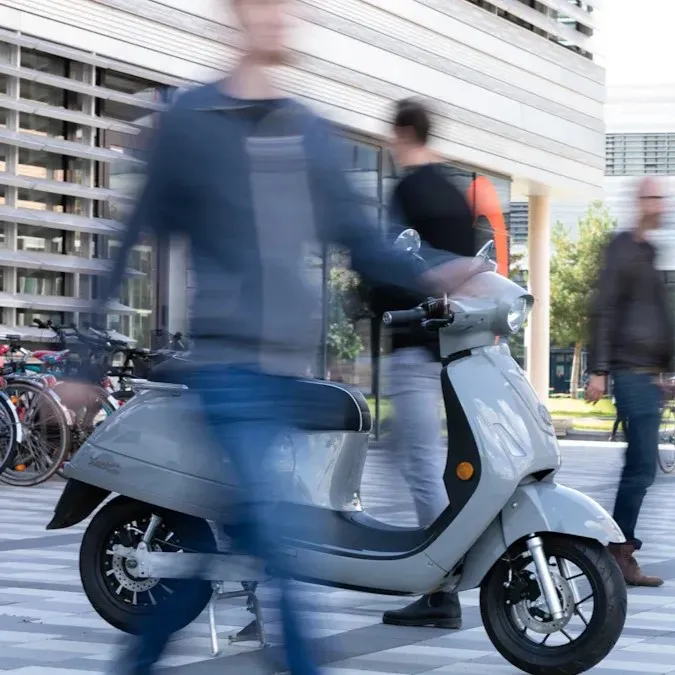

Electric moped users generally face a core pain point: the balance between range and total vehicle weight. Insufficient range limits travel radius and affects commuting efficiency. Furthermore, a vicious cycle exists between vehicle weight and range—heavy vehicle bodies increase energy consumption and shorten range, while traditional batteries added to increase range further increase vehicle weight. Therefore, balancing these two is key to industry development and solving user pain points. This article focuses on lightweight electric moped batteries, comparing their pros and cons, analyzing high-structural strength technology, and providing balancing solutions for different scenarios to serve as a reference for users and the industry.
Analysis of the Root Cause of Core Pain Points
Most users hold the misconception that “high capacity must be heavy”. In reality, the core of this contradiction lies in the energy density そして material characteristics of the battery. Limitations in traditional battery technology prevent the simultaneous improvement of range and vehicle lightweighting. Understanding this underlying logic is the prerequisite for scientifically purchasing a battery.
-
The Vicious Cycle of Lead-Acid Batteries: Traditional electric mopeds mostly use lead-acid batteries, which have an energy density of only 30-50 Wh/kg, far below lithium battery levels. To achieve ideal range, the battery volume and weight must be increased, creating a cycle where “high capacity = heavy body”. An overweight body increases motor resistance, consumes extra power, and further shortens the range. This creates a dead loop: weight increases → energy consumption rises → range shortens → larger capacity needed → weight increases further.
-
Performance Decay: Traditional lead-acid batteries also suffer from fast range decay and short lifespans. The cycle life of an average lead-acid battery is only 300-500 cycles, with a lifespan of 2-3 years. In low-temperature environments, range decay can reach 50%. Conversely, lightweight lithium batteries and high-energy density batteries can effectively solve these pain points, which is why we prioritize their development.
Comparison of Three Mainstream Electric Moped Batteries
The primary task in balancing range and weight is selecting the right battery type. The following comparison of parameters and practical adaptability clarifies the core differences between traditional lead-acid, standard lithium, and high-energy density lithium batteries. This helps users choose precisely based on their needs while avoiding common pitfalls.
| 特徴 | Traditional Lead-Acid | Standard Lithium | High-Energy Density Lithium |
| エネルギー密度 |
30-50 Wh/kg
|
150-260 Wh/kg
|
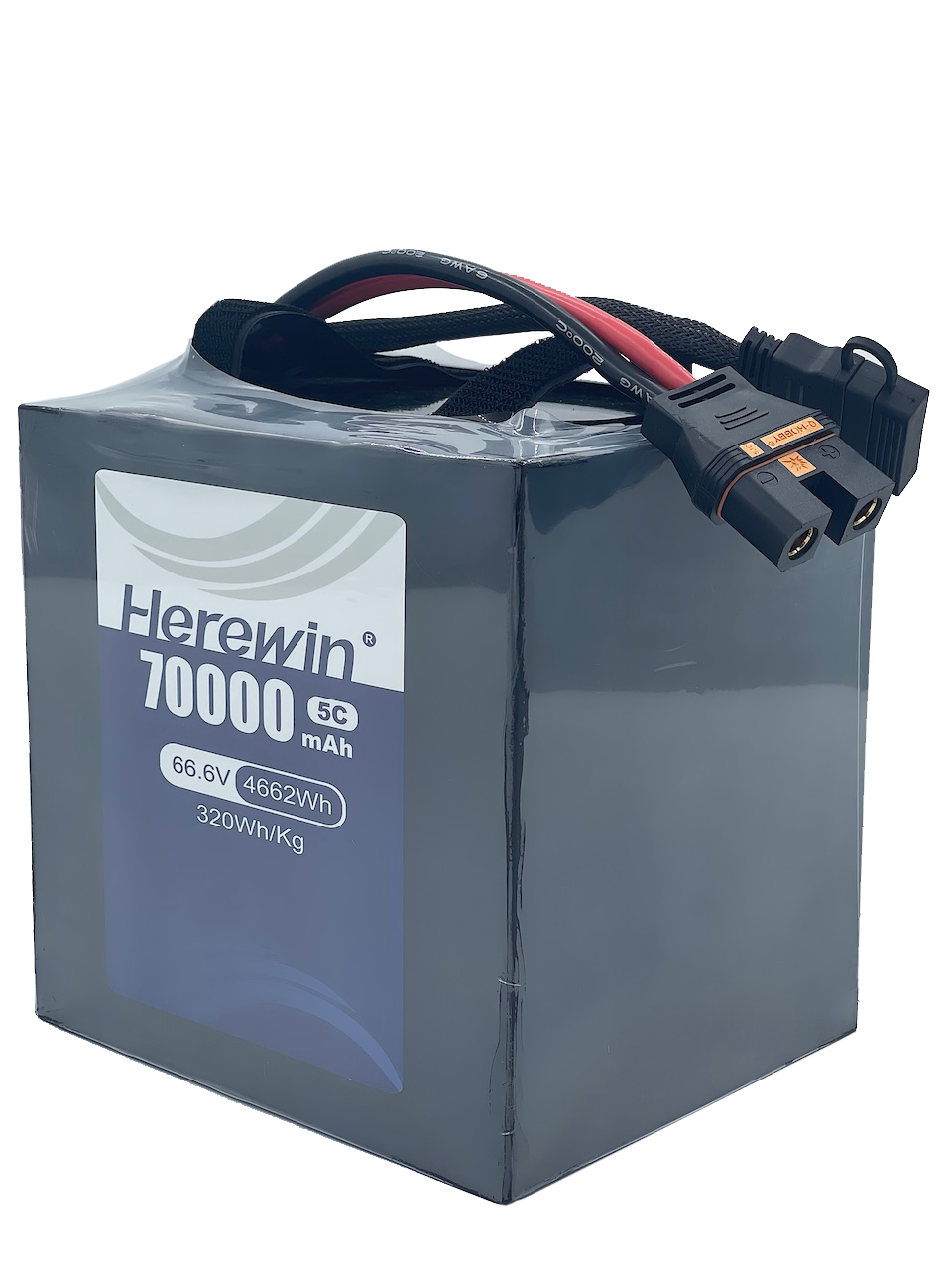
350-400 Wh/kg (7-8x higher than lead-acid)
|
| Weight Advantage |
Very heavy; difficult to carry individually
|
Significantly lighter; easy to carry and charge
|
Perfect balance; 30-40% lighter than standard lithium for same range
|
| 寿命 |
2-3 years (300-500 cycles)
|
6-8 years (1500-2000 cycles)
|
8-10 years (2000+ cycles)
|
| パフォーマンス |
Range drops 30-40% under high current; 50% drop at -10°C
|
Stable discharge; range drops only 10-15% under high current
|
80%+ capacity at -20°C; supports fast charge (80% in 30 min)
|
| Safety/Durability |
Risk of leakage/bulging; low thermal runaway risk
|
Better safety (no leakage); some lack structural strength
|
High structural strength technology; zero thermal runaway risk
|
| コスト |
Low initial cost; high long-term cost
|
Medium initial cost; high long-term value
|
High initial cost; best long-term cost-efficiency
|
-
Lead-Acid Best For: Users with a limited budget, daily commutes under 10 km, and those who don’t mind weight.
-
Standard Lithium Best For: Urban commuters prioritizing lightness with a moderate budget and daily rides of 10-20 km.
-
High-Energy Density Best For: Users prioritizing range, lightness, and durability for urban, long-distance, or battery-swapping needs.
Professional Tip: Some users believe “lightweighting must sacrifice durability,” but this is a misunderstanding of battery technology. Combining high-energy density with high-structural strength technology ensures the battery is both light and robust.
Core Technology Analysis
To simultaneously improve lightweighting, range, and durability, the core lies in high-structural strength battery technology. This is not just a conceptual innovation but a systematic solution for the “light but fragile” and “long-range but easily damaged” pain points.
1. Core Technical Principles
Based on high-energy density cells, this technology optimizes three dimensions:
-
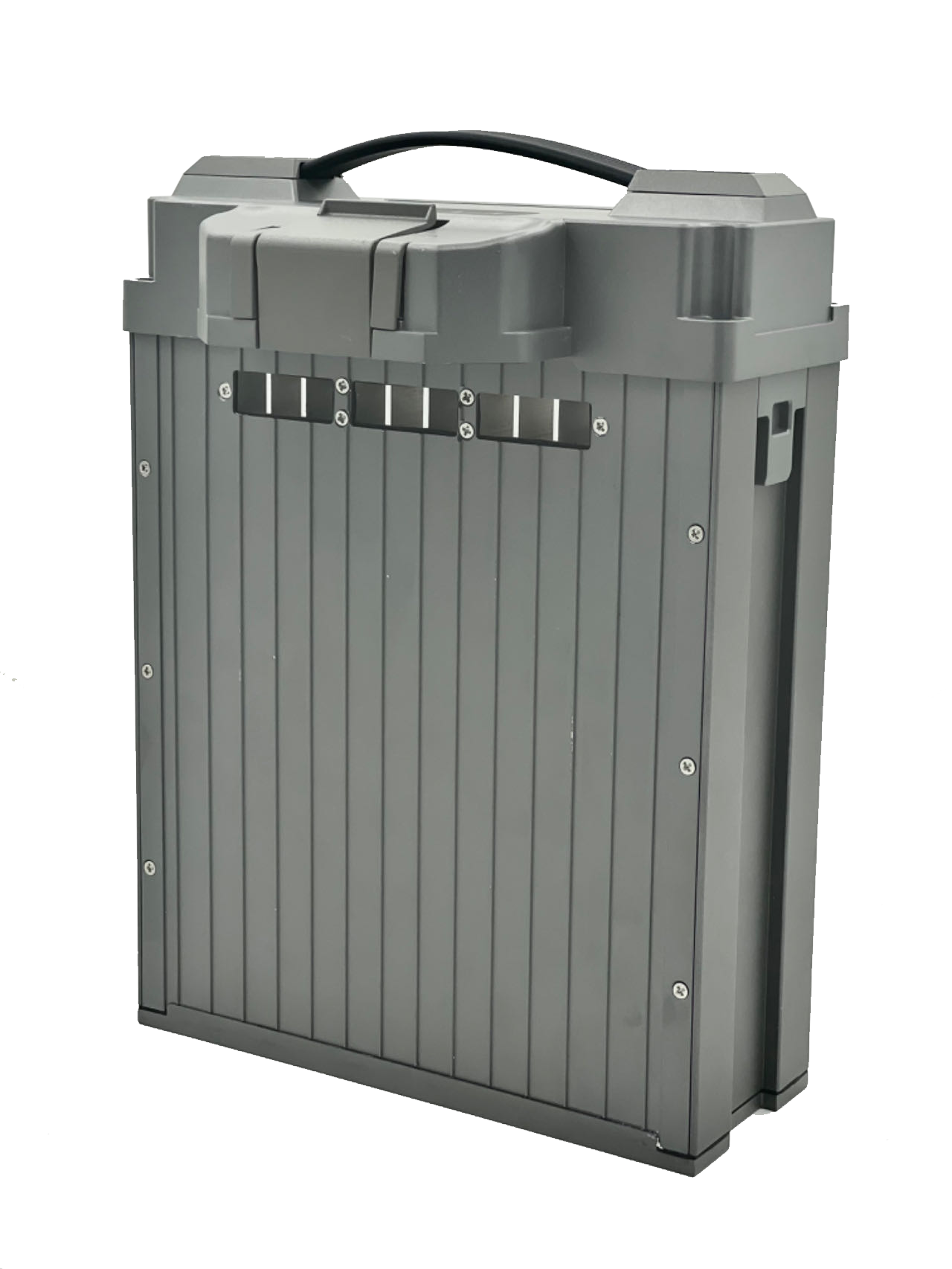
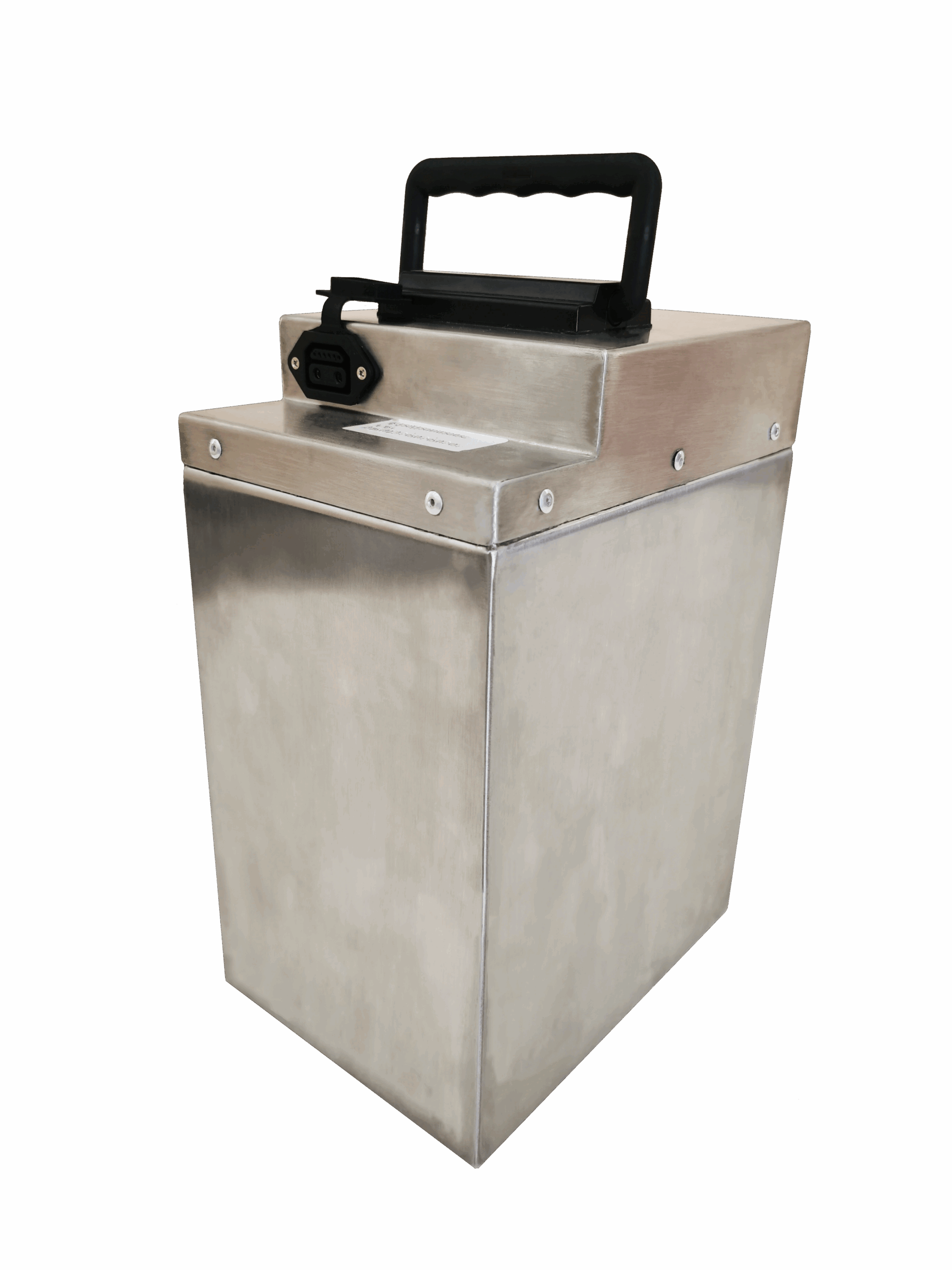
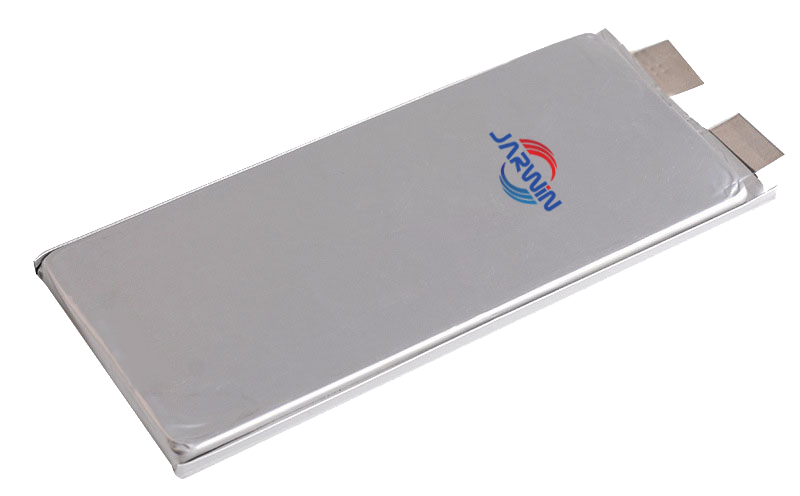
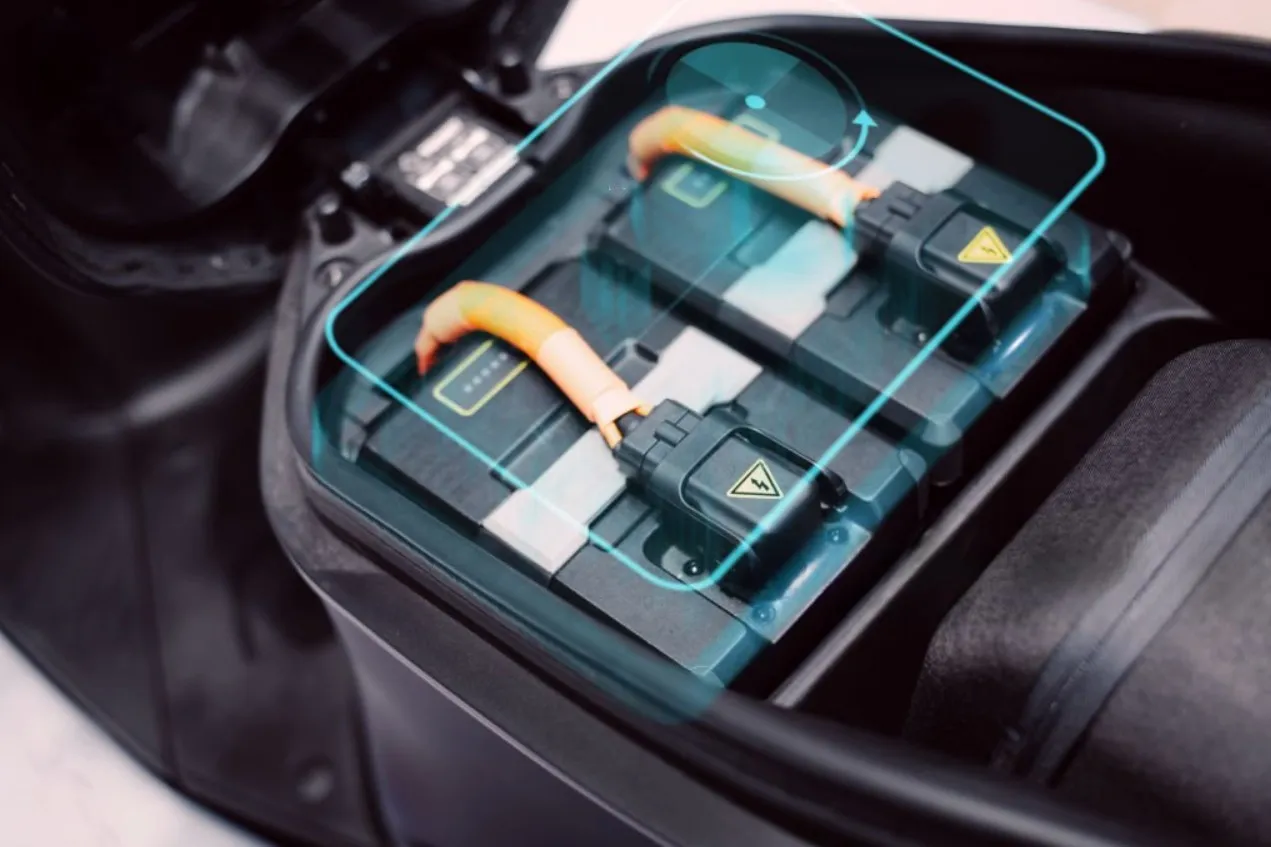
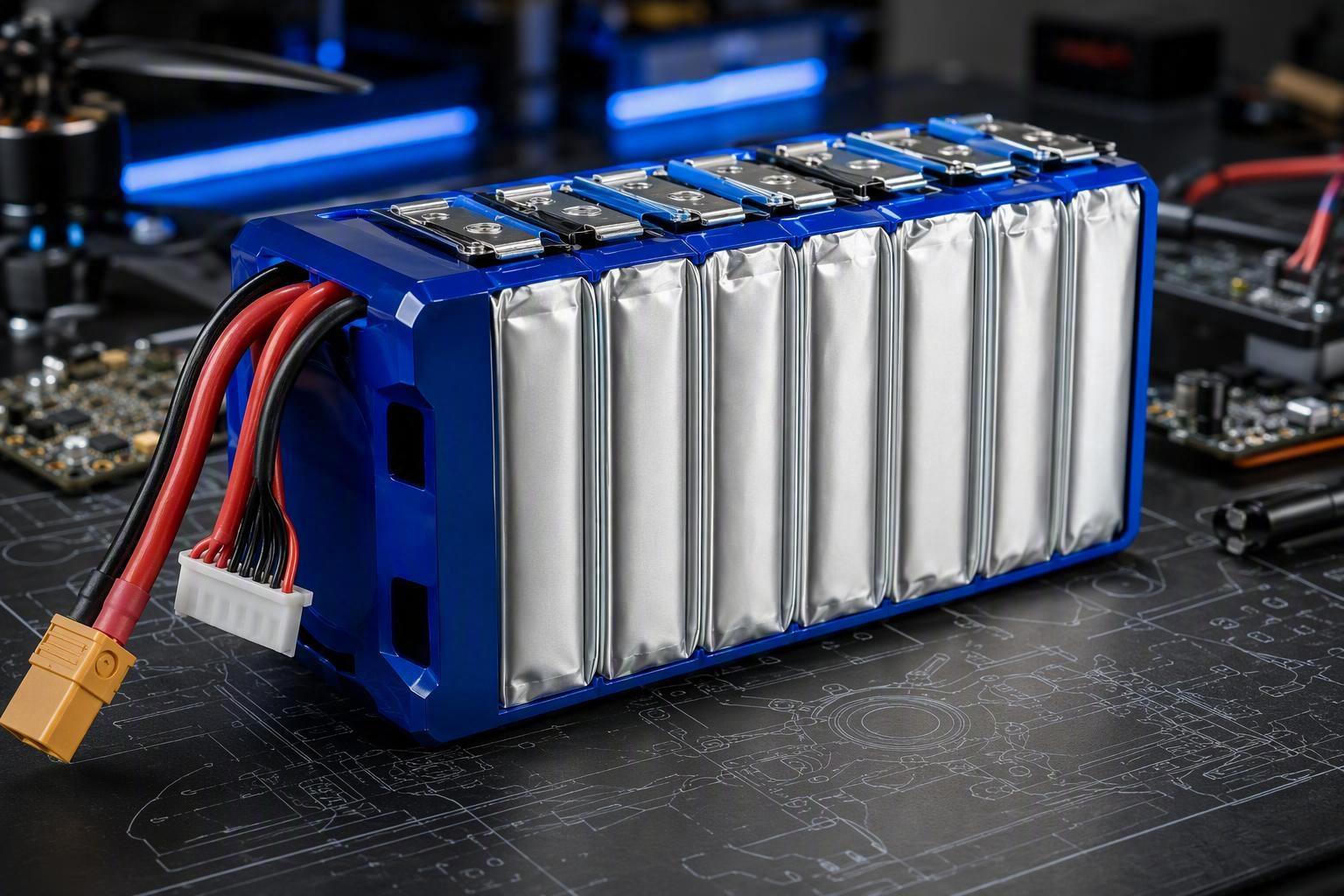
Casing Upgrade: Uses aviation-grade lightweight alloy shells, which are 20% lighter than plastic but 50% stronger against impact and compression.
-
Cell Arrangement: A modular, compact layout allows more cells in the same volume, increasing capacity while reducing redundant structural weight.
-
Protection Upgrade: Includes waterproof, dustproof, and anti-puncture coatings that pass automotive-grade safety tests. An AI-BMS smart management system monitors charging states to prevent over-discharging. Our products also include an anti-drop buffer layer for high-frequency use cases like delivery or long-distance riding.
2. Practical Value
-
City Commuting: Enhances vehicle maneuverability, making it easier to park and charge.
-
Long-Distance Riding: Lowers vehicle load to reduce rider fatigue while ensuring the battery can handle rough mountain roads.
-
Battery Swapping: Facilitates faster swaps and withstands high-frequency use, lowering replacement costs.
Scenario-Based Balancing Solutions
There is no need to blindly chase maximum capacity or minimum weight. Precise matching with your scenario achieves the best balance.
Scenario 1: City Commuting
-
Pain Points: Need for lightweight handling and easy charging without mid-ride power loss.
-
Solution: Choose high-energy density lithium batteries with high-structural strength. An 80-120 km range requires charging only 1-2 times per week.
-
Avoid: Large lead-acid batteries (poor handling) or small-capacity standard lithium batteries (risk of running out of power).
Scenario 2: Long-Distance Riding
-
Pain Points: Sufficient range for cross-city trips, low vehicle weight to reduce fatigue, and durability for complex road conditions.
-
Solution: High-energy density lithium batteries with a range of 150-250 km. High-strength shells and anti-drop layers handle bumps, while fast charging (60 km range in 10 min) improves efficiency.
-
Avoid: Standard large-capacity lithium batteries (too heavy) or small lightweight batteries (insufficient range).
Scenario 3: Battery Swapping
-
Pain Points: High-frequency riding (50-100 km daily), requiring fast swaps and high durability to withstand constant charging.
-
Solution: High-energy density lithium batteries with 100-150 km range. The AI-BMS and high structural strength support 2000+ cycles, ensuring an 8-10 year lifespan despite high-frequency use.
-
Avoid: Heavy lead-acid swap batteries (too slow to swap) or standard lightweight lithium (prone to damage under high frequency).
The secret to balancing electric moped batteries is moving away from the shortcomings of traditional lead-acid batteries and embracing the combination of high-energy density lithium そして high-structural strength technology. By matching battery specifications to your specific riding scenario, you can achieve the optimal balance of range and performance
Would you like me to create a visual infographic or a summary chart based on these three scenarios to help your readers choose more quickly?

 日本語
日本語  English
  Español
  한국어
한국어  Deutsch
  Français
  Русский
  Bahasa Indonesia
  ไทย
ไทย  العربية
  Português do Brasil
  Italiano
  Nederlands