






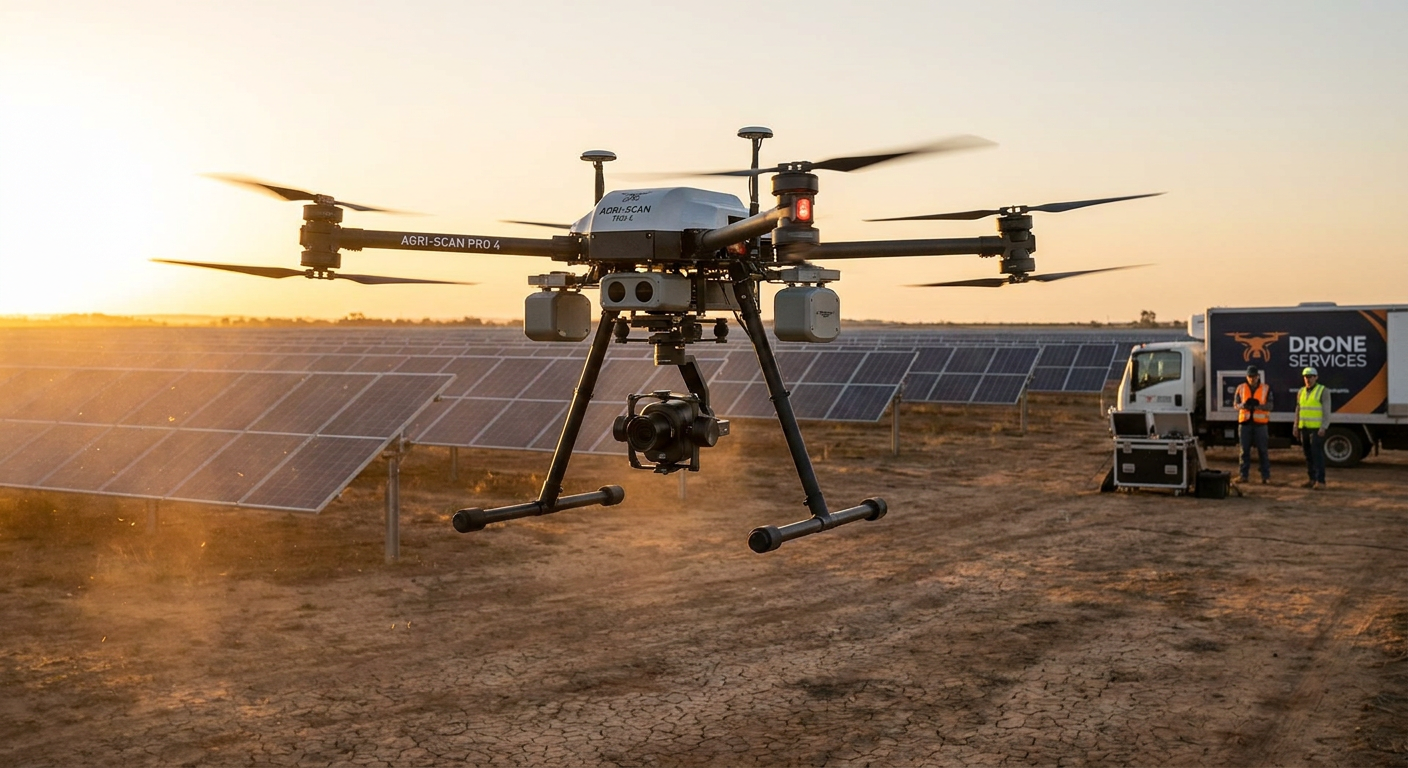
When commercial drone operations scale from a handful of aircraft to hundreds of active battery packs across regional flight crews, standard power modules quickly become an operational bottleneck. Procurement and engineering teams can no longer evaluate batteries as simple consumables based solely on nominal capacity, discharge C-rates, and initial purchase price.
As fleet size grows, the central operational challenge shifts from raw energy capacity to battery visibility. Without real-time health diagnostics and digital telemetry, enterprise operators face unpredictable field failures, excessive spare stock overhead, and premature pack retirements.
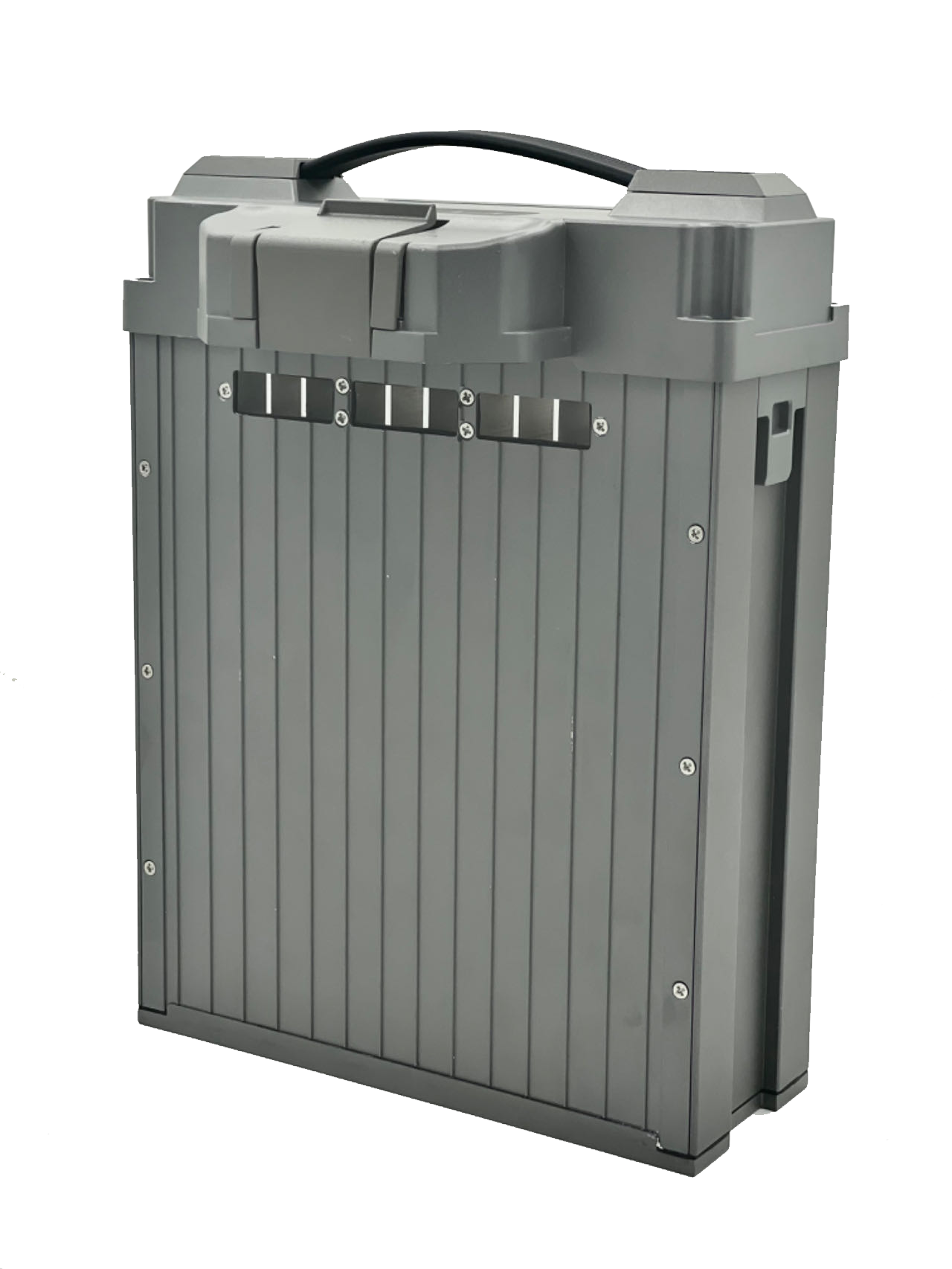
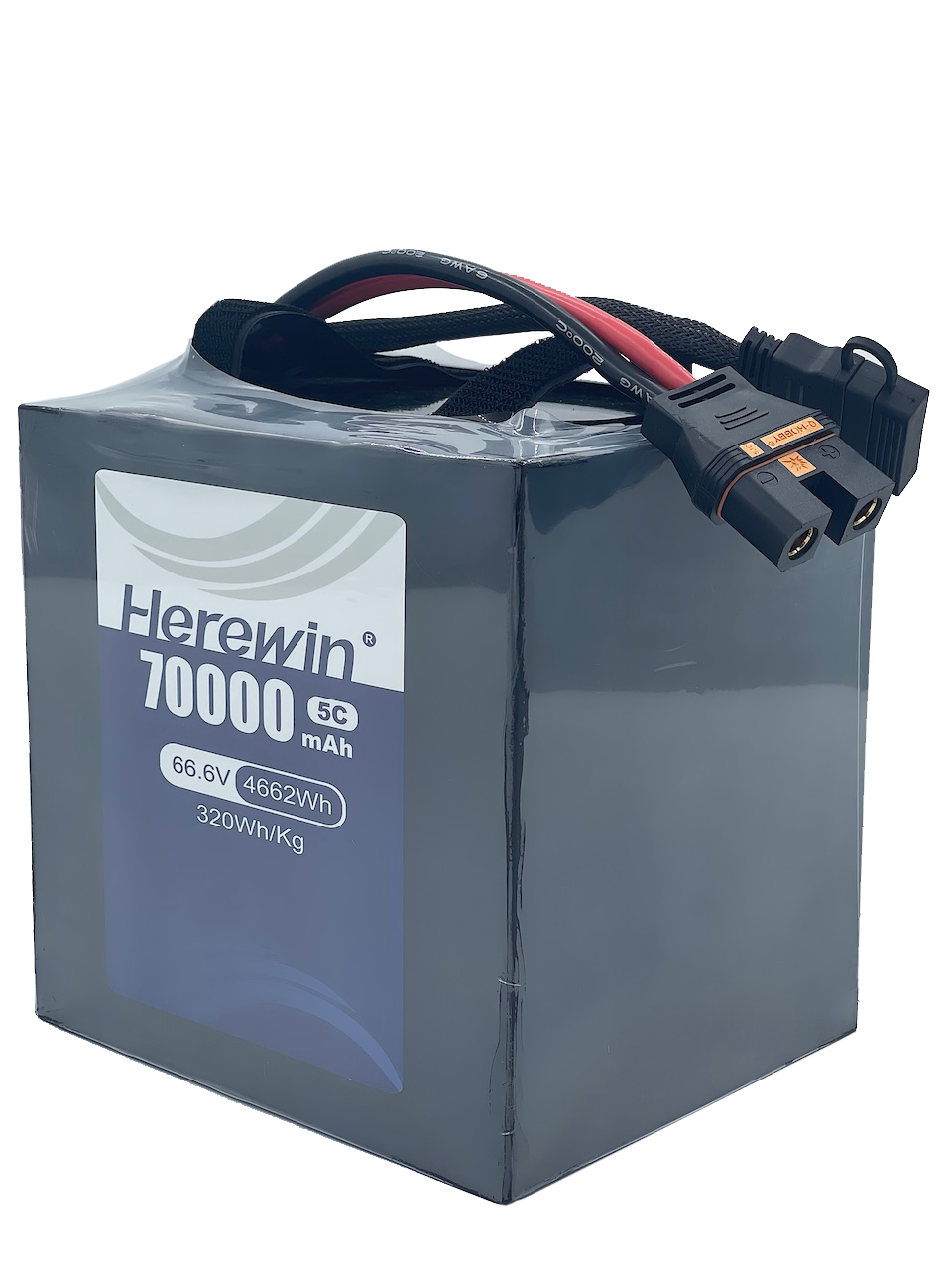
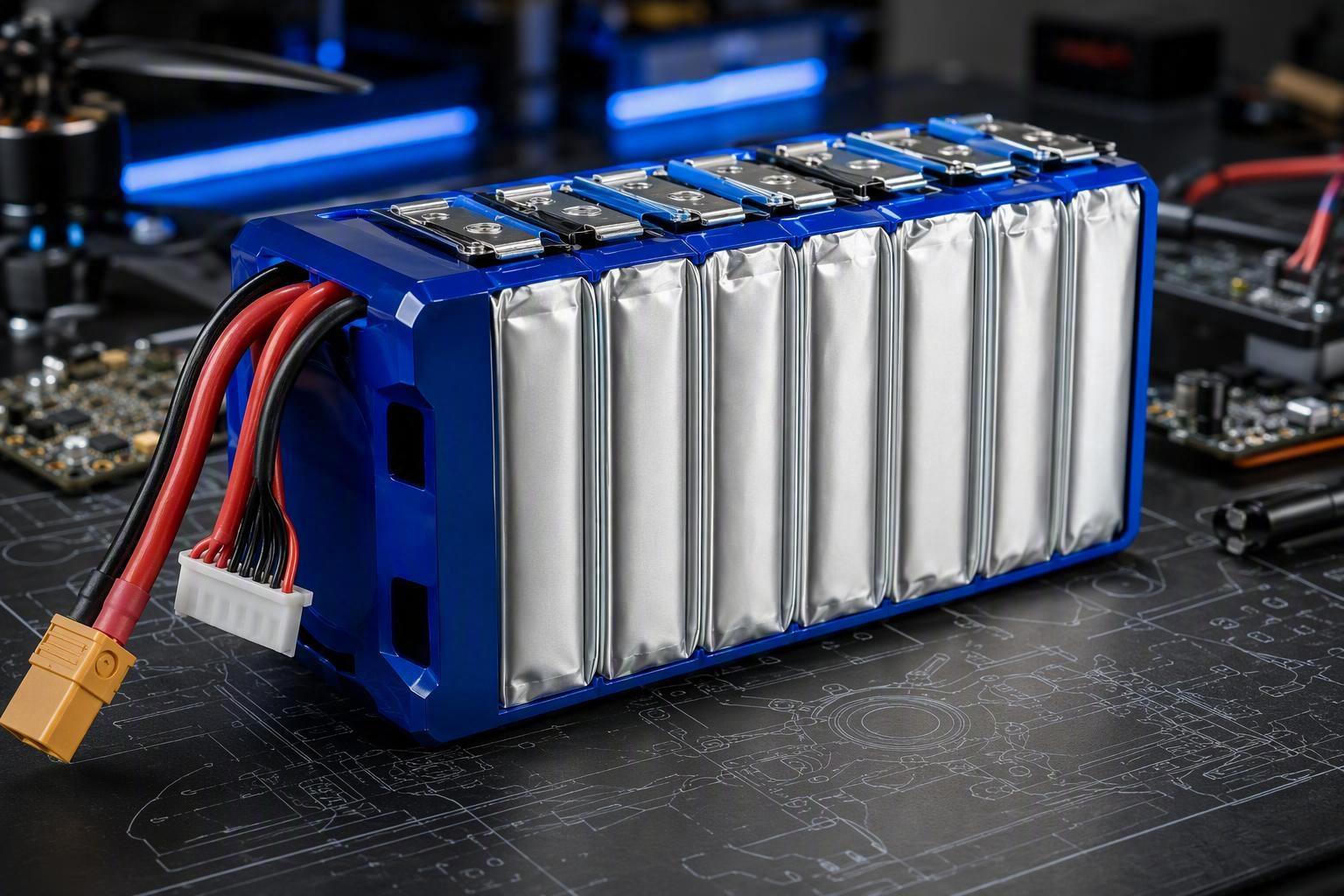
A battery pack can no longer be treated as a passive, isolated consumable. The future of enterprise UAV energy storage lies in smart UAV battery systems: connected power management platforms that integrate intelligent Battery Management System (BMS) telemetry, advanced cell chemistry, and custom pack engineering.
Why Traditional UAV Battery Packs Fail at Enterprise Scale
Standard lithium-polymer (LiPo) and traditional lithium-ion packs have powered commercial drones through their initial growth phase. However, as enterprise fleets expand to hundreds of active aircraft, standard passive battery packs create severe operational bottlenecks due to a lack of telemetry and data visibility:
Limited SOH Visibility: Flight crews relying on basic terminal voltage cannot detect hidden internal resistance (mΩ) elevation, capacity fade, or thermal history, risking unexpected voltage sag during critical maneuvers.
Fleet Management Friction: Managing offline, passive packs across regional centers leads to irregular rotation cycles, unpredicted seasonal capacity dropouts, and significant excess spare inventory to hedge against field failures.
Energy Density Limits: Conventional liquid-electrolyte cells force operators to add battery weight that cuts directly into allowable sensor or cargo payload under strict MTOW constraints.
Inefficient Battery Asset Utilization: In large drone fleets, the core challenge is not only cell degradation—it is inefficient battery allocation. Without digital health data, operators often retire usable packs prematurely while inadvertently over-stressing aging packs, driving up overall operating costs.
No Data-Based Battery Decisions: Without digital logging, fleet managers rely on manual spreadsheets, cycle count estimates, or arbitrary color tags. This guesswork makes it impossible to predict which pack can safely complete a long-range BVLOS mission, which pack should be downgraded to secondary training duty, and which pack must be retired.
From Passive Battery Packs to Intelligent Energy Platforms
Traditional UAV battery packs function as black boxes. They answer only one simple question: “What is the voltage right now?”
In enterprise fleet environments, this lack of communication creates huge operational risk. An intelligent UAV battery platform transforms the power module into an active avionics asset through a continuous data pipeline:
Battery Sensors → BMS Analysis → Flight Controller Telemetry → Fleet Analytics Decision
Instead of treating power modules as isolated consumables, smart battery systems provide actionable intelligence for pre-flight authorization, mission safety, and lifecycle asset management.
The Three Layers of a Smart UAV Battery System
A complete smart UAV power solution is built on three interdependent engineering layers:
Intelligent BMS (The Core Intelligence): Telemetry processing, health diagnostics, and avionics communication.
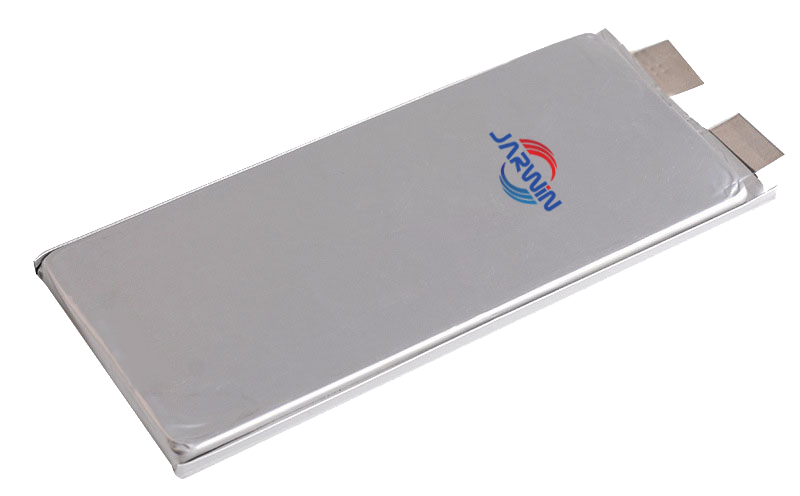
Advanced Cell Chemistry (The Energy Baseline): High-density semi-solid or specialized lithium chemistry providing physical endurance.
Custom Pack Engineering (The Structural Enclosure): Thermal dissipation, environmental sealing, and physical connector integrity.
1. Intelligent BMS: The Core of Smart UAV Battery Systems
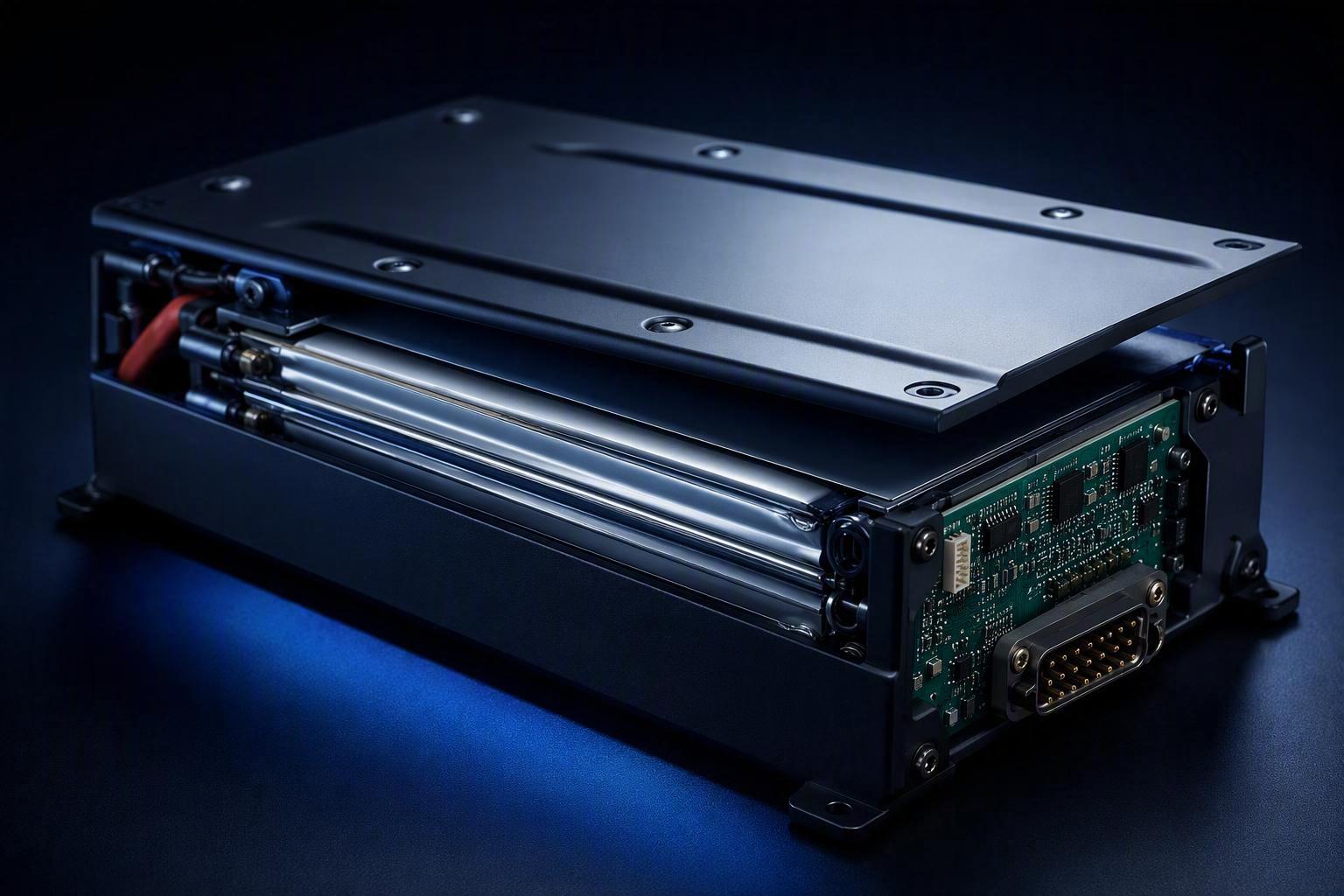
The Battery Management System (BMS) acts as the brain of the battery platform. For procurement and fleet engineering teams, smart BMS telemetry translates complex electrical metrics into clear operational answers:
Technical Telemetry | Business & Flight Translation |
|---|---|
State of Health (SOH) | How much real capacity remains vs. factory baseline? Tells managers exactly when to rotate packs. |
Dynamic Internal Resistance | Will this battery suffer sudden voltage sag during high-power maneuvers? Helps reduce risk of in-flight voltage drops. |
Thermal & Current History | Has the cell experienced over-temperature stress or over-discharge abuse? Ensures flight safety. |
CAN / DroneCAN Protocol | Does the battery talk natively to PX4 / ArduPilot flight controllers? Enables automated pre-arm checks. |
Custom Firmware | Can safety thresholds be tuned for specific airframes? Tailors performance to OEM requirements. |
Condition-Based Mission Tiers
Instead of retiring batteries after fixed cycle numbers, fleet managers use telemetry to categorize inventory into mission tiers:
Tier 1 (Highest SOH & Low mΩ): Designated for heavy-lift cargo transport and high-risk BVLOS missions over critical infrastructure.
Tier 2 (Moderate SOH): Assigned to standard visual line-of-sight mapping or short-range agricultural surveys.
Tier 3 (Sub-80% SOH): Transitioned to ground testing, bench diagnostic calibration, or crew training flights.
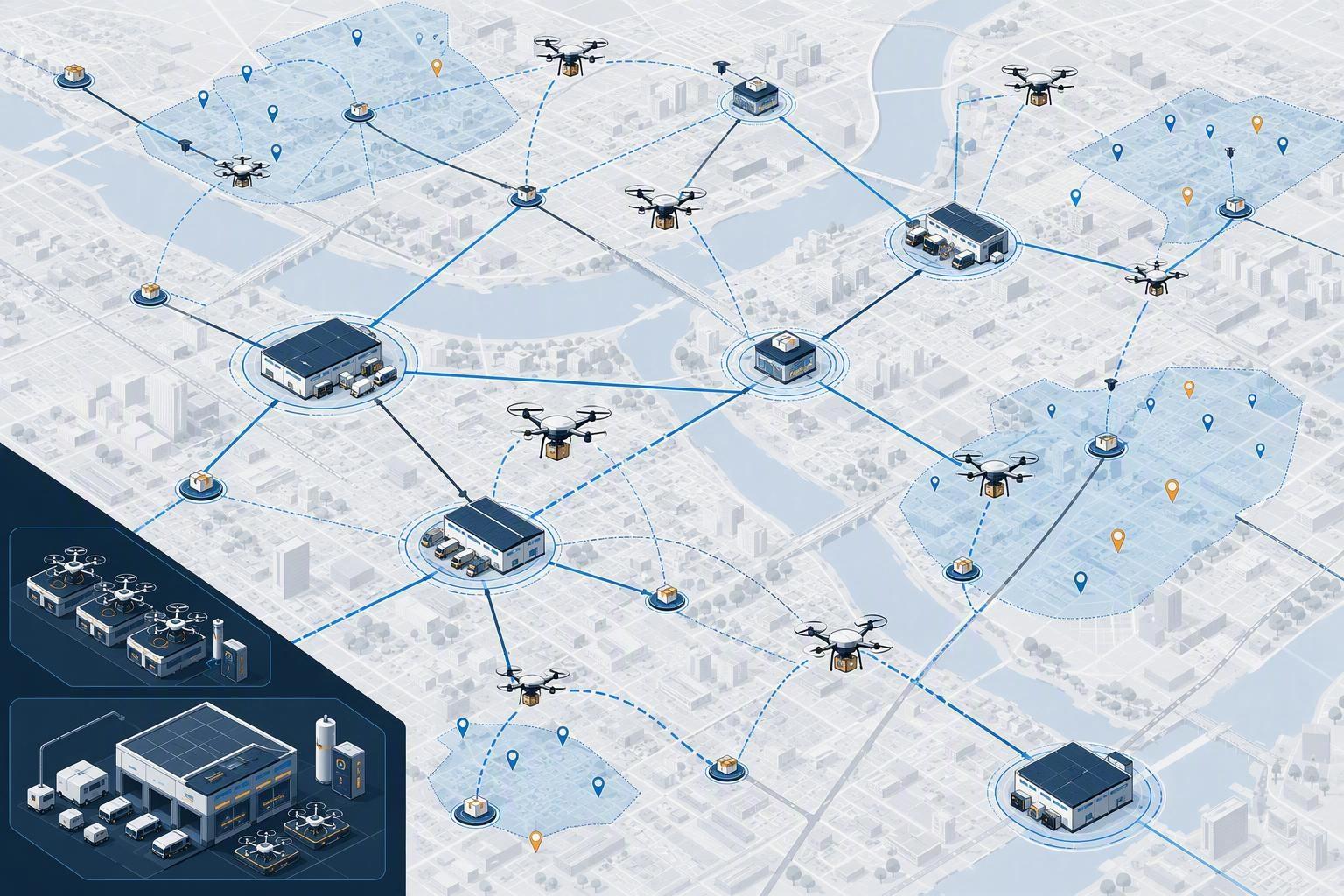
Fleet-Level Battery Analytics: For enterprise operators managing hundreds of battery packs across multiple flight crews, individual monitoring is only the first step. Fleet-level analytics aggregate data across all packs, enabling operators to compare degradation rates, identify abnormal cell behaviors early, optimize rotation schedules, and forecast replacement budgets accurately.
OEM Integration Note: For UAV OEMs developing next-generation platforms, battery architecture should be evaluated together with BMS communication protocols, thermal dissipation pathways, and airframe integration to ensure reliable avionics telemetry decoding without bus congestion.
2. Cell Chemistry Options: The Physical Baseline
Advanced cell chemistries—including semi-solid hybrid architectures—provide the physical energy baseline required for extended flight endurance. However, high-density cell chemistry alone does not guarantee predictable fleet performance.
Higher energy density concentration requires tighter thermal monitoring and precise active balancing, making intelligent BMS telemetry indispensable regardless of whether standard lithium or semi-solid chemistry is used. For a detailed analysis of cell-level chemistry trade-offs, refer to our Semi-Solid UAV Battery Technology Guide.
3. Custom Battery Engineering for Commercial Drone Platforms
Smart BMS firmware and high-density cells require specialized mechanical and thermal packaging to ensure operational reliability:
Thermal Pathway & Sensor Placement: Temperature sensors embedded inside the cell core provide the BMS with accurate thermal trends during sustained high-C discharge.
High-Current Connector Stability: Low-resistance anti-spark connectors (such as AS150U or multi-pin digital terminals) prevent contact oxidation, voltage drop, and bus signal noise.
Environmental Protection: Ruggedized enclosures protect internal sensors and BMS circuitry against vibration, dust, moisture, and chemical exposure in agricultural or offshore environments.
Battery Fleet Management: From Replacement Cost to Asset Optimization
A commercial drone enterprise managing hundreds or thousands of battery packs across regional hubs faces substantial financial risk without digital telemetry. Unmonitored battery fleets suffer three primary cost drains:
Premature Retirement Waste: Operating teams frequently discard 10%–20% of functional batteries prematurely due to unverified cycle counts or arbitrary time-in-service rules.
Unmanaged In-Flight Failure Risk: High-risk packs with elevated internal resistance remain assigned to heavy payloads or long-range BVLOS missions, risking catastrophic aircraft loss.
Bloated Spare Inventory: Regional depots keep excessive spare stocks to buffer against unexpected pack drops and unpredictable degradation.
Smart battery analytics shifts UAV power management from replacement-based maintenance to condition-based asset optimization. By aggregating telemetry across active fleets, operators can accurately predict pack retirement windows, balance workload across battery packs, and lower long-term capital expenditure.
Operational Impact Across High-Duty Industrial UAV Scenarios
Transitioning to connected smart battery systems directly affects daily field operations, asset utilization, and project economics across commercial sectors.
Agricultural Spraying UAV Fleets: Condition-Based Rotation & Reduced Inventory
Agricultural spraying drones operate in hot, demanding environments with continuous high-rate discharge cycles. Crews change batteries dozens of times per day across field charging stations.
Before: Unmonitored packs suffer hidden heat buildup and unrecorded capacity decay. Instead of data-driven rotation, crews rely on manual inspection or arbitrary cycle limits, risking mid-flight voltage drops or prematurely discarding functional batteries.
With Smart Battery Systems: Fleet managers track real-time SOH, thermal history, and degradation trends directly on ground control dashboards. Retirement decisions are driven by verified impedance metrics rather than arbitrary cycle counts—maximizing battery lifespan, eliminating premature replacement waste, and lowering spare stock requirements.
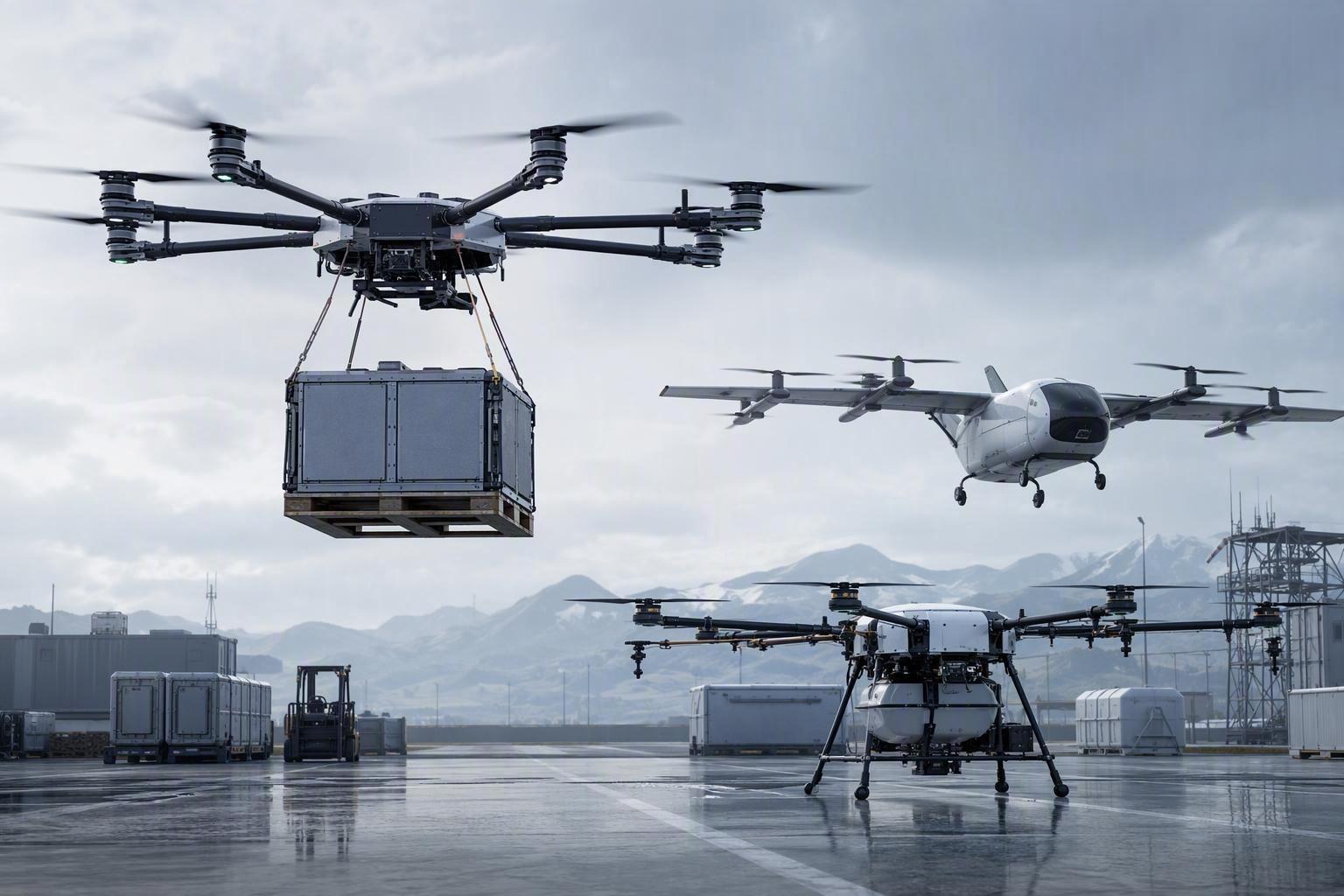
Heavy-Lift Cargo & Delivery Drones: Payload Optimization & Flight Margin
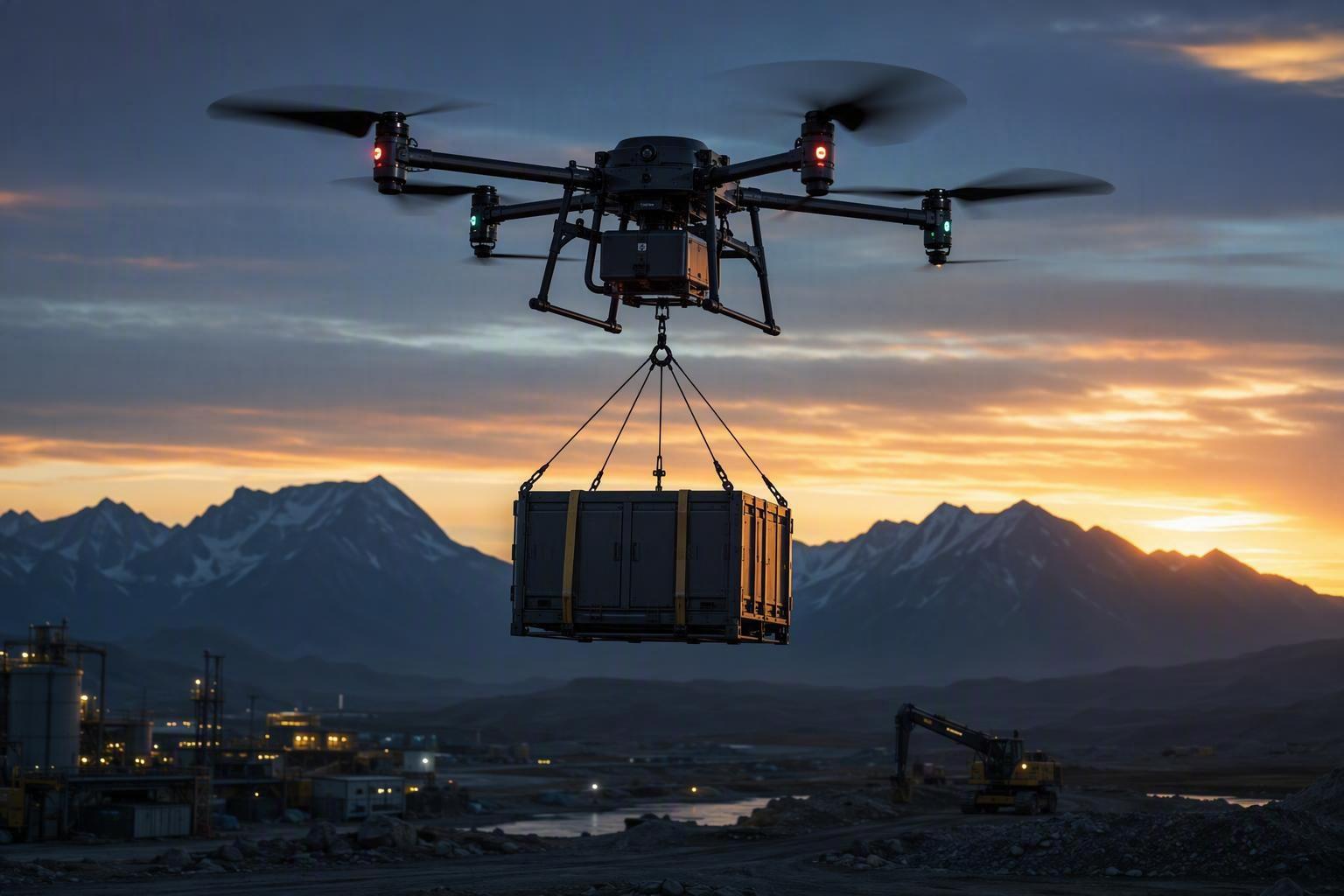
For cargo platforms carrying 20 kg to 50 kg payloads, battery weight directly dictates payload profitability under strict Maximum Takeoff Weight (MTOW) limits.
Before: Standard packs force a tough compromise between payload weight and flight range. Adding battery capacity pushes the aircraft toward its MTOW ceiling, cutting allowable cargo weight.
With Smart Battery Systems: Combining high gravimetric energy density with precise SOC tracking allows operators to optimize flight energy margins safely. Recovering dead weight directly improves revenue payload capacity or extends operational mission radius.
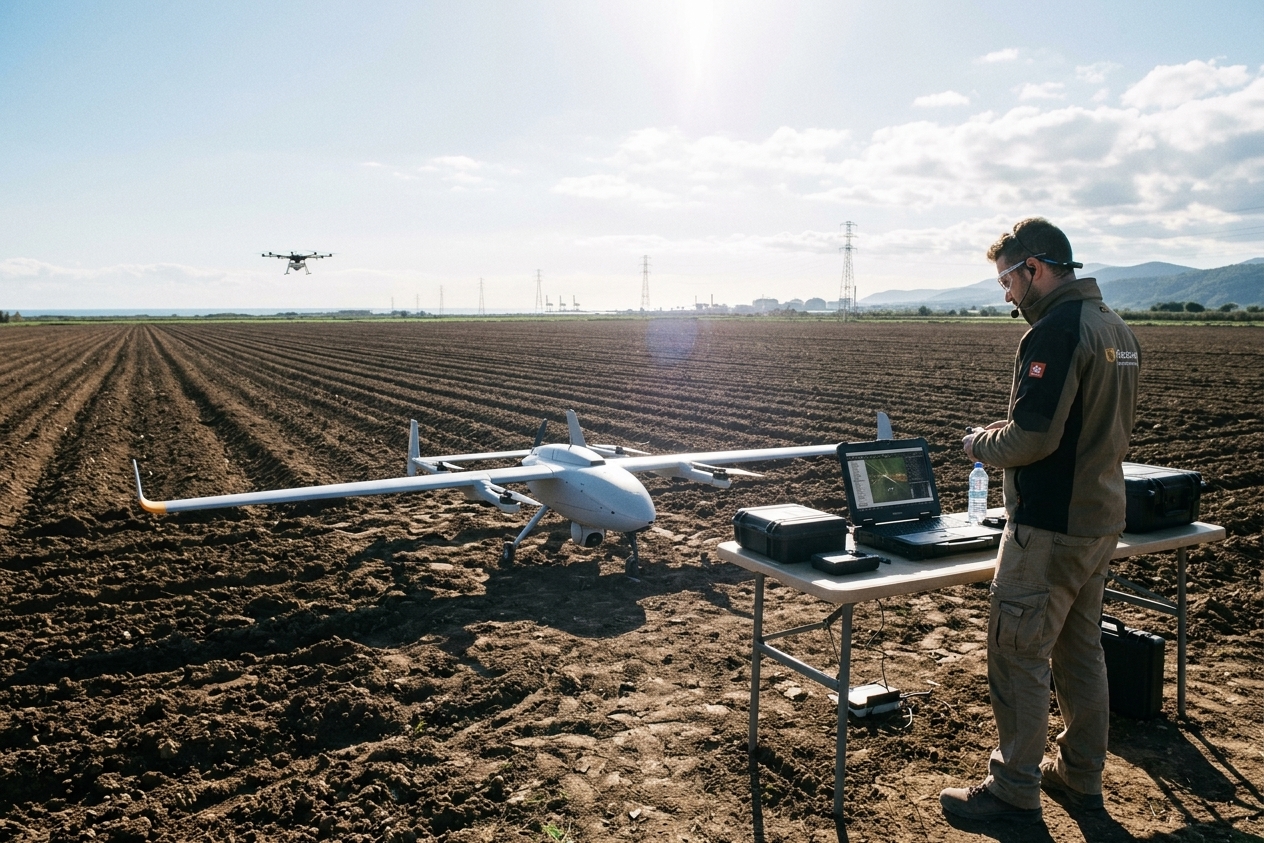
BVLOS & Long-Range Inspection: Automated Pre-Flight Authorization
Beyond Visual Line of Sight (BVLOS) mapping, powerline inspection, and offshore operations carry an extreme cost of failure. An unexpected battery shutdown over remote terrain can result in aircraft loss or expensive recovery missions.
Before: Pre-flight checks rely on basic terminal voltage meters that cannot detect subtle internal impedance shifts or thermal anomalies.
With Smart Battery Systems: Flight controllers automatically query the smart BMS over CAN bus during pre-arm checks. If internal resistance exceeds safety thresholds or cell imbalance is detected, the flight system prevents takeoff, significantly reducing battery-related in-flight failure risks.
UAV OEM Platform Integration: Custom Protocol & Flight Controller Sync
For commercial drone manufacturers (OEMs), smart battery architecture provides a competitive advantage through tight hardware-software integration.
Before: Third-party off-the-shelf packs treat the battery as a separate, unmonitored add-on, forcing OEMs to develop complex external current sensors and manual battery tracking routines.
With Smart Battery Systems: OEMs integrate customized BMS telemetry protocols directly into their flight software. Battery health telemetry, thermal protection thresholds, and state-of-charge algorithms are tailored to the airframe’s power envelope, delivering a unified, professional user experience to enterprise buyers.
Traditional UAV Battery Management vs. Smart Battery System Architecture
Evaluation Dimension | Traditional UAV Battery Management | Smart Battery System Architecture | Enterprise Operational Impact |
|---|---|---|---|
Battery Health Visibility | Terminal voltage only; no diagnostic memory | Real-time SOC, SOH, cell delta, dynamic internal resistance (mΩ) | Replaces guesswork with actionable diagnostic telemetry; helps identify conditions that cause unexpected voltage sag |
Failure Detection | Reactive; detected after voltage sag or in-flight drop | Predictive; proactive health alerts based on dynamic mΩ and thermal trends | Protects high-value payloads and prevents sudden in-flight shutdowns |
Fleet Asset Management | Manual logbooks, color tags, fixed-cycle disposal | Fleet-level digital analytics & condition-based SOH retirement | Maximizes asset utilization, eliminates premature disposal waste, and reduces spare stock |
Maintenance Strategy | Cycle-count based replacement | Condition-based maintenance & tier-based mission assignment | Optimizes battery fleet utilization and extends overall pack lifetime |
Protocol Integration | None (offline passive pack) | Native CAN bus / DroneCAN / SMBus avionics integration | Enables automated pre-arm verification and live GCS telemetry displays |
Cell Chemistry Flexibility | Standard liquid LiPo (180–240 Wh/kg) | Flexible cell integration (including high-density semi-solid) | Combines intelligent telemetry with optimal cell energy profiles |
Why Battery Selection Is Becoming a System Engineering Decision
As commercial drone platforms mature, battery procurement is evolving from off-the-shelf buying into a system engineering discipline. Evaluating a battery power system is no longer a matter of asking:
“Which battery has the highest Wh/kg on paper?”
Instead, enterprise fleet operators and UAV manufacturers are asking:
“Which integrated power system delivers the lowest total cost of ownership while maintaining high mission reliability?”
Making the right selection requires balancing multiple system-level engineering factors:
Mission Profile & C-Rate Requirements: High-speed inspection drones require continuous high C-rates, whereas long-endurance mapping VTOLs benefit more from maximum Wh/kg at moderate discharge rates. Engineers must focus on balancing discharge C-rate against gravimetric energy density to prevent thermal throttling during peak bursts.
Environmental & Thermal Context: Drones operating in tropical agricultural zones or desert infrastructure sites require specialized thermal dissipation pathways and environmental protection against dust, moisture, and agricultural chemicals.
Avionics & Protocol Compatibility: Ensuring seamless protocol handshakes between the BMS firmware and flight software (PX4, ArduPilot, or proprietary enterprise stacks) guarantees reliable telemetry decoding without bus congestion.
Lifecycle Economics (TCO): A battery system that costs slightly more upfront but delivers significantly longer usable cycle life—while preventing a single multi-thousand-dollar payload crash—yields a vastly superior return on investment.
The Future: UAV Batteries as Intelligent Energy Platforms
The era of treating industrial drone batteries as passive consumables is rapidly evolving into a software-defined energy model. As commercial unmanned aviation standards mature, energy storage systems are transitioning into connected intelligent energy platforms.
By unifying intelligent BMS telemetry, advanced cell chemistry, and custom pack engineering, next-generation power architectures provide fleet operators with complete visibility over health, flight readiness, and lifecycle costs.
For commercial UAV OEMs and enterprise fleet operators seeking custom power integration across all three layers, connect with Herewin power system engineers to discuss your platform requirements.


 日本語
日本語  English
  Español
  한국어
한국어  Deutsch
  Français
  Русский
  Bahasa Indonesia
  ไทย
ไทย  العربية
  Português do Brasil
  Italiano
  Nederlands