








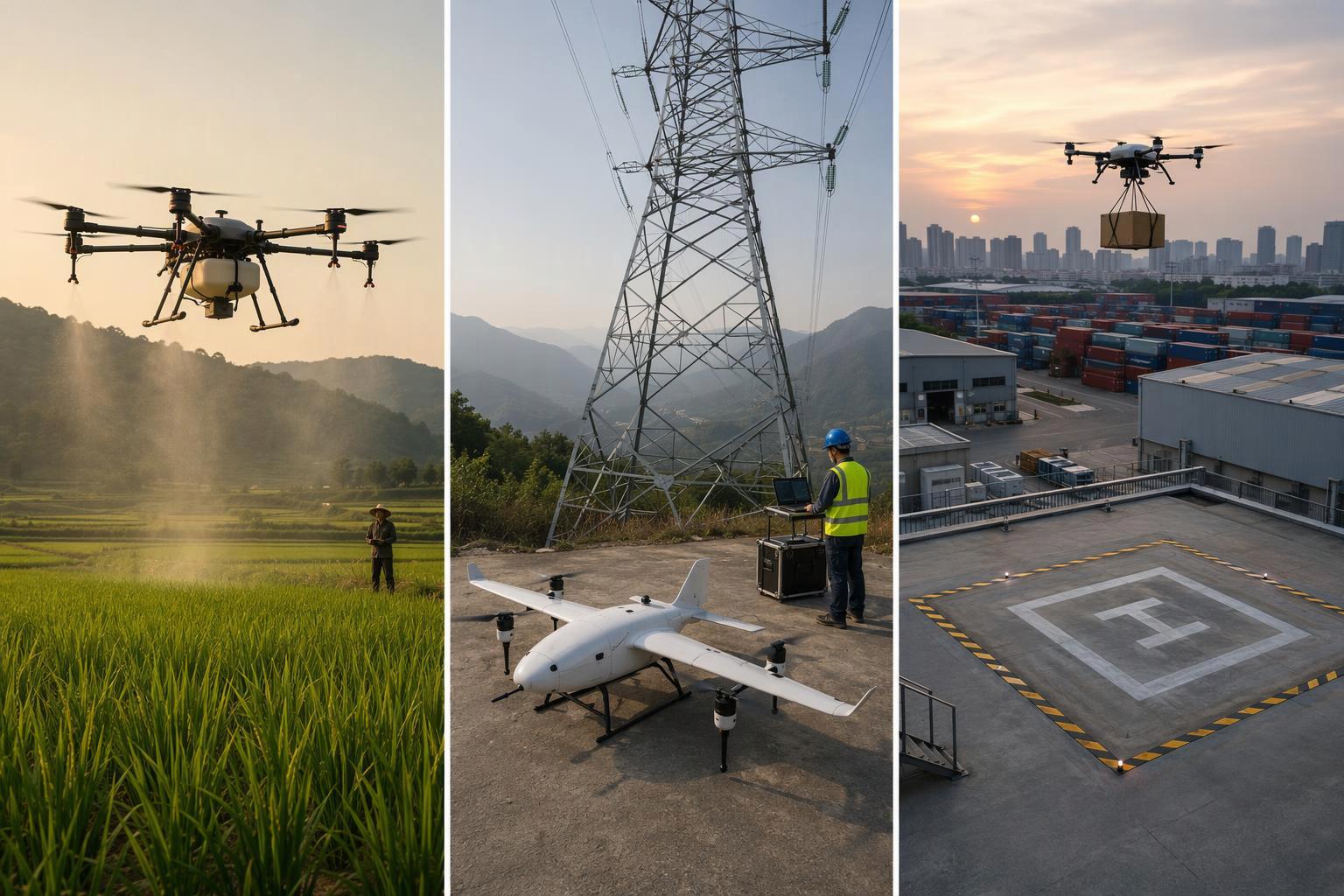
Most drone service providers start out taking on individual projects. Over time, some move toward a different kind of customer relationship: recurring work, where the client is buying delivery rather than a single flight. A one-off project has a defined start and end — a site is mapped, a line is inspected, a result is handed over, and the relationship closes. Recurring work comes with an agreed scope, a delivery schedule, reporting requirements, and the expectation that the provider will remain available when problems arise months into the contract.
The shift is not inevitable. Plenty of capable operators deliberately stay small and project-based, and that can be a sound business. But once recurring work is on the books, improvisation stops scaling. A pilot who knows the aircraft by feel can cover one project; covering six requires that equipment, documentation and support arrangements behave predictably even when that pilot is not on site.
Purchasing changes with it. Buying for one project is a capital decision judged against a single job; buying for a service contract is a supply decision judged against a delivery obligation that may run for years. That turns a supplier’s ongoing behaviour into part of the equipment’s value: whether a configuration stays available, and who answers when something fails in the field.
Why Consistent Service Delivery Matters as Operations Expand
Consistency is easy to promise and hard to operate. One aircraft flown by one crew can deliver a remarkably uniform service, because the same person makes every judgment call. Add a second crew and a second region, and uniformity starts to depend on systems rather than on individuals.
Two practical problems follow from that. A customer who contracted for periodic inspection across a portfolio of assets expects comparable data each cycle, so that changes in the asset can be distinguished from changes in how the data was collected; a crew flying a different sensor configuration weakens that comparison. The provider then has to explain a discrepancy of its own making. Scheduling is another concern, because missing one inspection or service window can delay the work that follows. A provider with a spare aircraft absorbs a failure; a provider with five crews and no spare capacity absorbs it by renegotiating with customers.
Evidence from the wider industrial aftermarket sector points to similar expectations. A McKinsey survey of 250 senior executives responsible for procuring aftermarket services at North American and European companies found that poor spare parts availability and slow repair turnaround were among buyers’ leading concerns about provider performance. Yet 80% said they were willing to pay higher prices for services that reduce an asset’s lifetime total cost of ownership. That is industrial aftermarket research, not a drone-specific study, and it should be read that way; but the logic transfers: buyers of ongoing service work are buying predictability, and they price it accordingly.
Predictability of that kind is not something a provider buys once. It has to be held together across two fronts, beginning with equipment consistency between teams and regions.
Equipment Consistency Across Teams and Operating Regions
Equipment consistency is not the same as equipment uniformity. What matters is knowing which configurations have to stay fixed and where difference is a legitimate part of the work. That line is what lets a provider grow without either freezing its capability or losing control of it.
Standardizing Equipment Across Field Teams
When several field teams each fly a different model, with different payload mounts, battery formats and firmware versions, the additional cost is not always obvious at first. It shows up as training time, spare parts that fit one crew and not another, and the overhead of deciding who is qualified on what.
Standardization therefore applies inside a mission type, not across the whole fleet. Within each mission type, teams should work from a short list of approved aircraft and payload configurations, shared firmware baselines, and consistent documentation. Between mission types, variation is necessary: a mapping fixed-wing and an inspection multirotor are two tools, not a consistency problem. That documented list does two jobs — it gives the team a reference when buying or replacing equipment, and it tells suppliers exactly which configurations they are expected to keep supporting.
Managing Equipment Differences Across Locations
As operations expand into new regions, equipment differences can also arrive through local purchasing channels. For providers working across multiple U.S. states or Canadian provinces, that can mean different dealer stock, superseded components or accessory sets that don’t match the specification — none of it a failure by itself, but enough to weaken the assumption that a crew in one region can substitute for another.
The controls are unglamorous: record the exact configuration of every aircraft in service, require that substitutions be approved rather than absorbed locally, and document any legitimate regional difference next to the procedure that compensates for it. Ideally, a crew moving between regions should be able to identify and operate the local equipment from the same records and procedures, without asking the local team to explain it.
Managing Suppliers Across a Multi-Mission Drone Fleet
A single aircraft usually means one manufacturer; a multi-mission fleet rarely does. Every mission type adds its own platform, payload and consumable requirements, and each of those adds a supplier with its own terms, lead times and support arrangements. Managing that set takes more than judging each product on its own, because the customer only sees one supplier: the service provider.
Different Missions, Different Equipment Requirements
Les Global State of Drones 2026 white paper from Drone Industry Insights, built on 548 responses from 61 countries, puts mapping and surveying first and inspection second among the application areas reported by drone operators, with photography and filming behind them. Those results describe what respondents actually do, not a split of market revenue. The point is that service businesses are not a homogeneous group: mission mix decides what a provider buys, and what a single gap costs. A provider that depends on one supplier for a specialized inspection payload can lose inspection work to a supply disruption while its mapping jobs keep flying.
Building a Manageable Supplier Network
As supplier count grows, responsibility fragments across airframe manufacturers, payload suppliers, battery suppliers, distributors and repair services, each with a different contact, warranty interpretation and escalation path. When a problem crosses two of them, the provider ends up arbitrating between suppliers while the aircraft stays on the ground.
A workable structure separates core suppliers, who carry the equipment most projects depend on and warrant a formal agreement covering continuity, configuration control and support response, from specialist suppliers who serve a narrower need. Alternative suppliers should be identified and evaluated before they are needed, not kept as names on a backup list.
What holds that structure together is accountability when something goes wrong. Two suppliers can both be technically right about a compatibility argument and still leave a customer without a flight, so the goal isn’t fewer suppliers — it’s knowing who resolves a problem before the customer notices one.
Spare Parts Availability and Repair Response
In a drone service business, an aircraft grounded for lack of a replacement part can be just as disruptive as an aircraft failure. The delay lands on the provider’s schedule, and a contracted deliverable sits unflown.
Planning for Spare Parts Availability
Spare parts planning starts with knowing which components are most likely to ground an aircraft, and tracking how often the fleet uses or replaces them. That keeps stock pointed at what actually fails, without tying up money in the rest.
Lead times are the harder half. Some components come only from the manufacturer on a cycle measured in weeks, so a provider holding a multi-month contract needs those categories identified before a failure, and needs a stated lead time per part rather than a general assurance that stock is available.
Defining Repair and Replacement Responsibilities
Repair responsibility is often assumed rather than agreed. A provider may discover only after a failure that the unit has to go back to a service center, that the dealer handles intake but not diagnosis, or that a third-party repairer voids a warranty term by doing the work.
Before purchasing, settle three points in writing: who diagnoses and repairs each equipment category, what the turnaround commitment is and what happens when it’s missed, and how warranty, out-of-warranty repair and replacement are told apart. When a unit is grounded, those details decide whether the provider can give a customer a date or only an apology.
Across regions, ask one more question: does every repair have to route through a single location? If it does, distance adds transport time and coordination costs at exactly the wrong moment, so regional service options deserve the same attention as the equipment configuration itself.
Training, After-Sales Support, and Long-Term Supplier Coordination
A supplier network that works at the point of purchase can still fall short two years later, when a new crew joins, a product revision lands, or a technical question needs someone who knows the account. Three things cover most of that ground: training, change notification, and a named contact.
Training is the clearest case. The World Bank’s Playbook for Enabling Civilian Drone Operations treats local personnel training as a condition for sustained operations rather than one-time onboarding. That matches what we hear from growing service businesses: every new team restarts the same learning curve unless the supplier has material ready for it. New crews therefore need equipment familiarization, written procedures, and a technical channel that doesn’t depend on one veteran’s memory.
Change notification needs to be agreed before it is needed, not after a revision ships: who notifies whom, in what form, and how much advance warning operators get. As a provider grows, expectations widen. A business running teams across three regions is a different customer from the one that bought ten aircraft for a single site, and a supplier that only priced the first order tends to keep answering at that scale. Named contacts, a documented route for technical and purchasing questions, and a regular review keep that gap from reopening — and they reveal whether a supplier can say who handles a technical, quality or delivery issue without the operator having to work it out.
Discuss Battery Supply for Your Drone Fleet
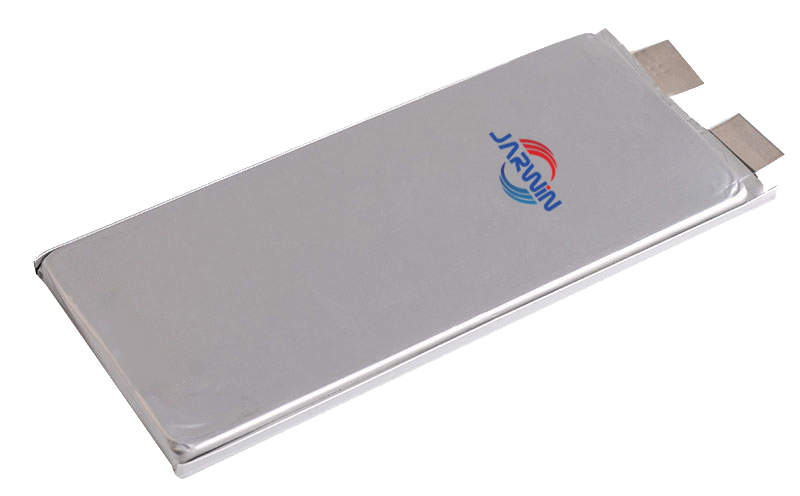
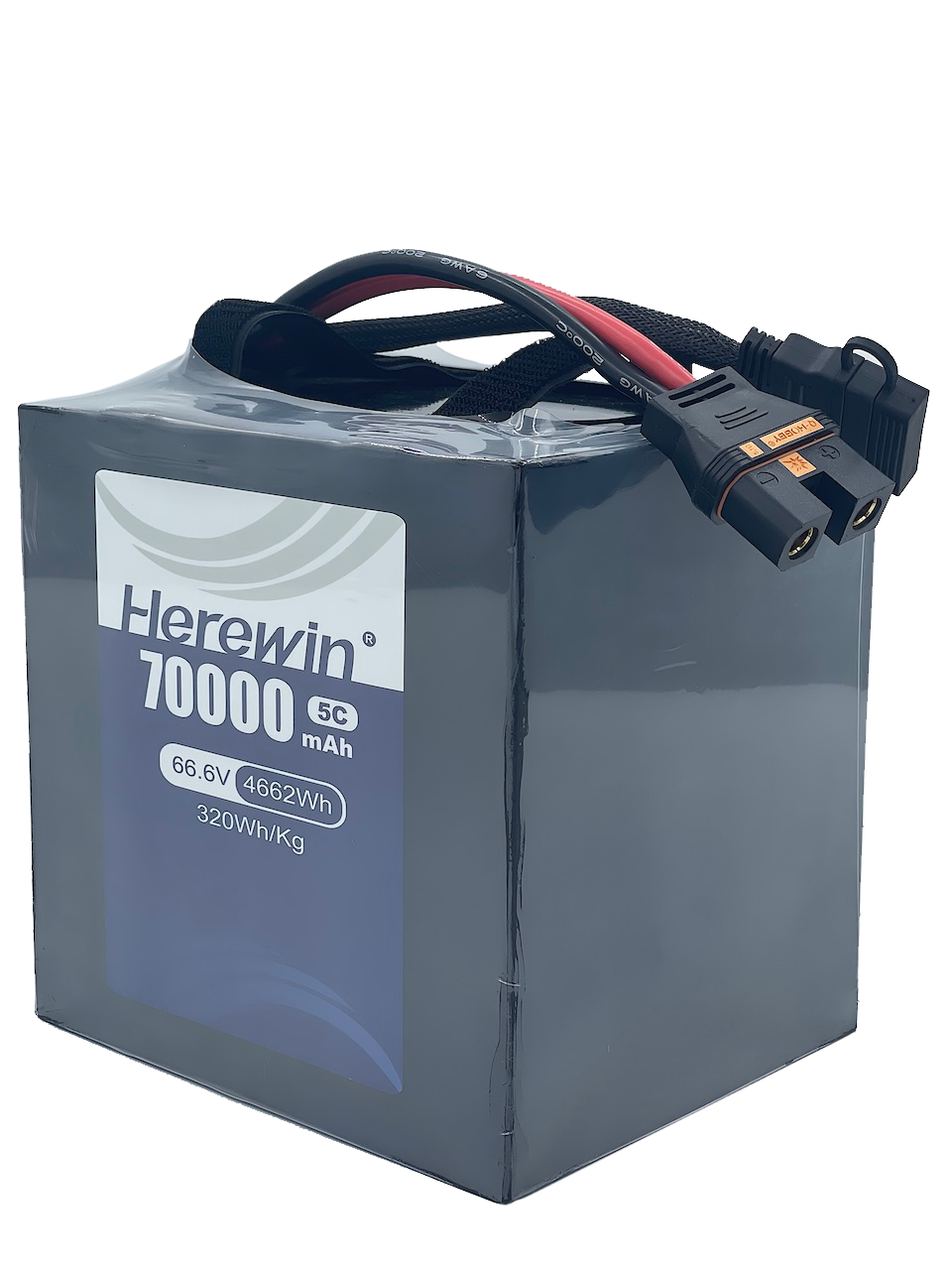
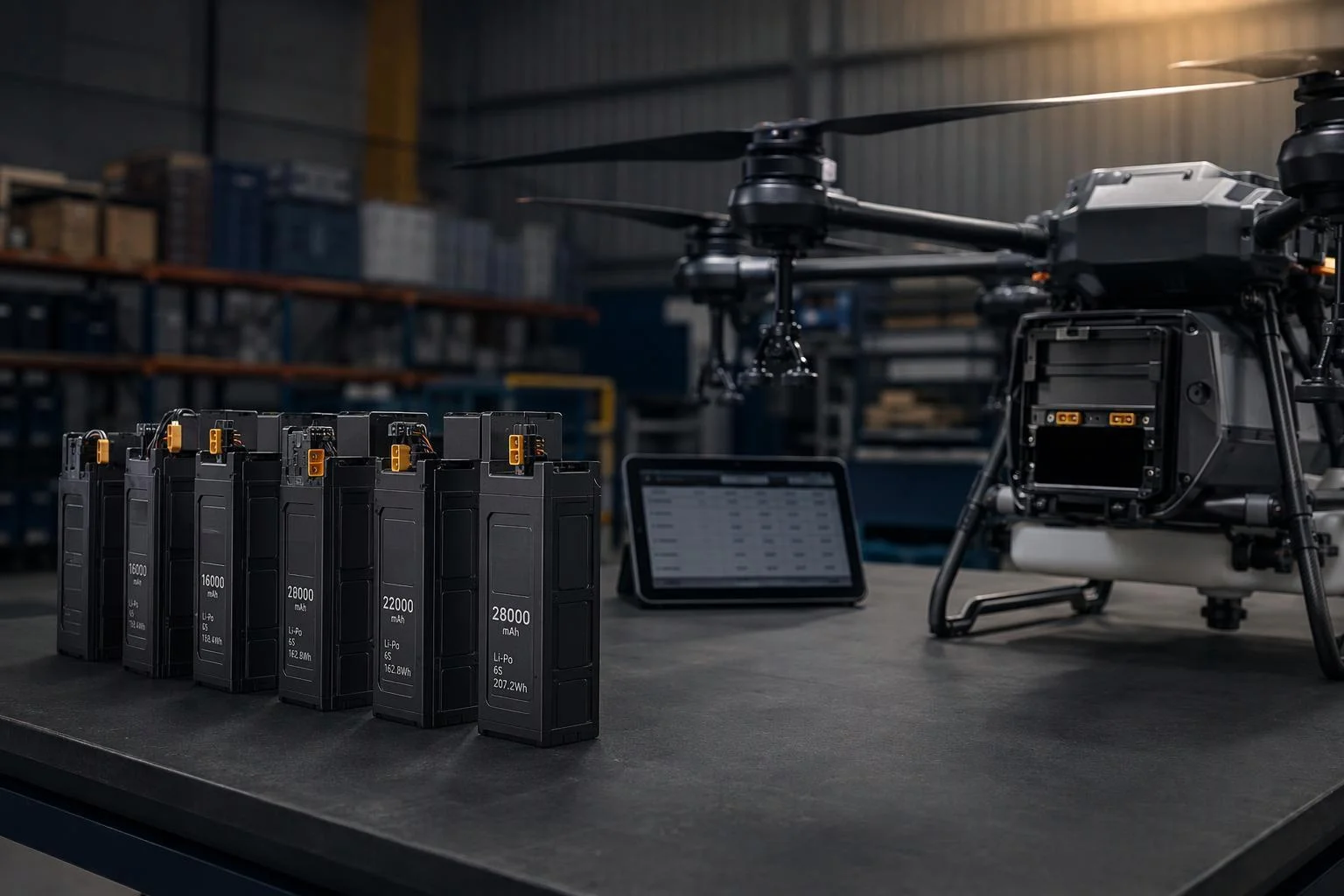
The questions in the previous section apply to every component in a fleet; batteries are simply where they come up most often. A pack is a consumable, so it is replaced far more frequently than an airframe; it is a configured part, so a revision changes what the aircraft can carry; and when a batch arrives short or packs degrade early, the aircraft they were meant for stays on the ground. Configuration, revisions and responsibility decide whether a scheduled job flies.
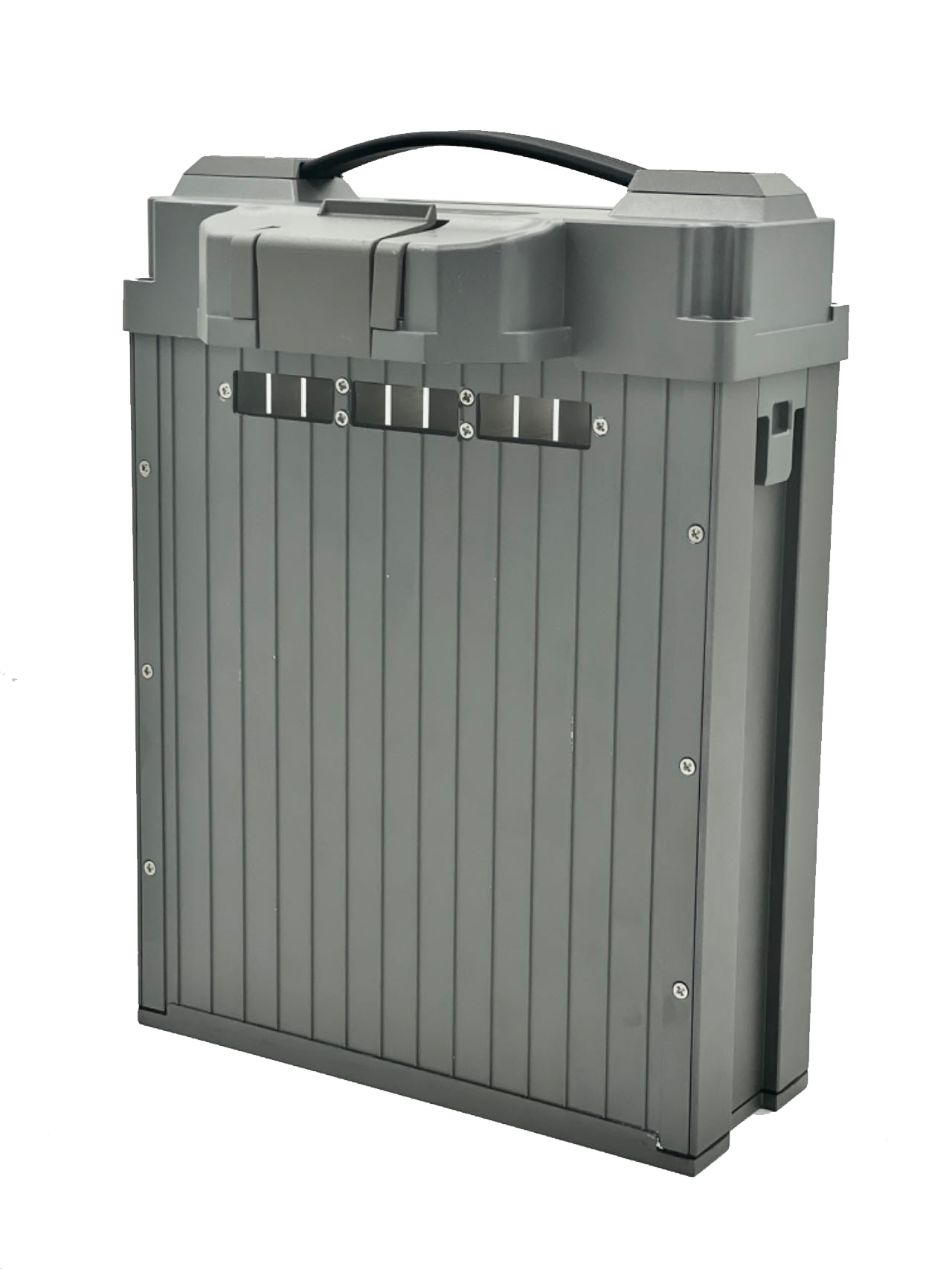
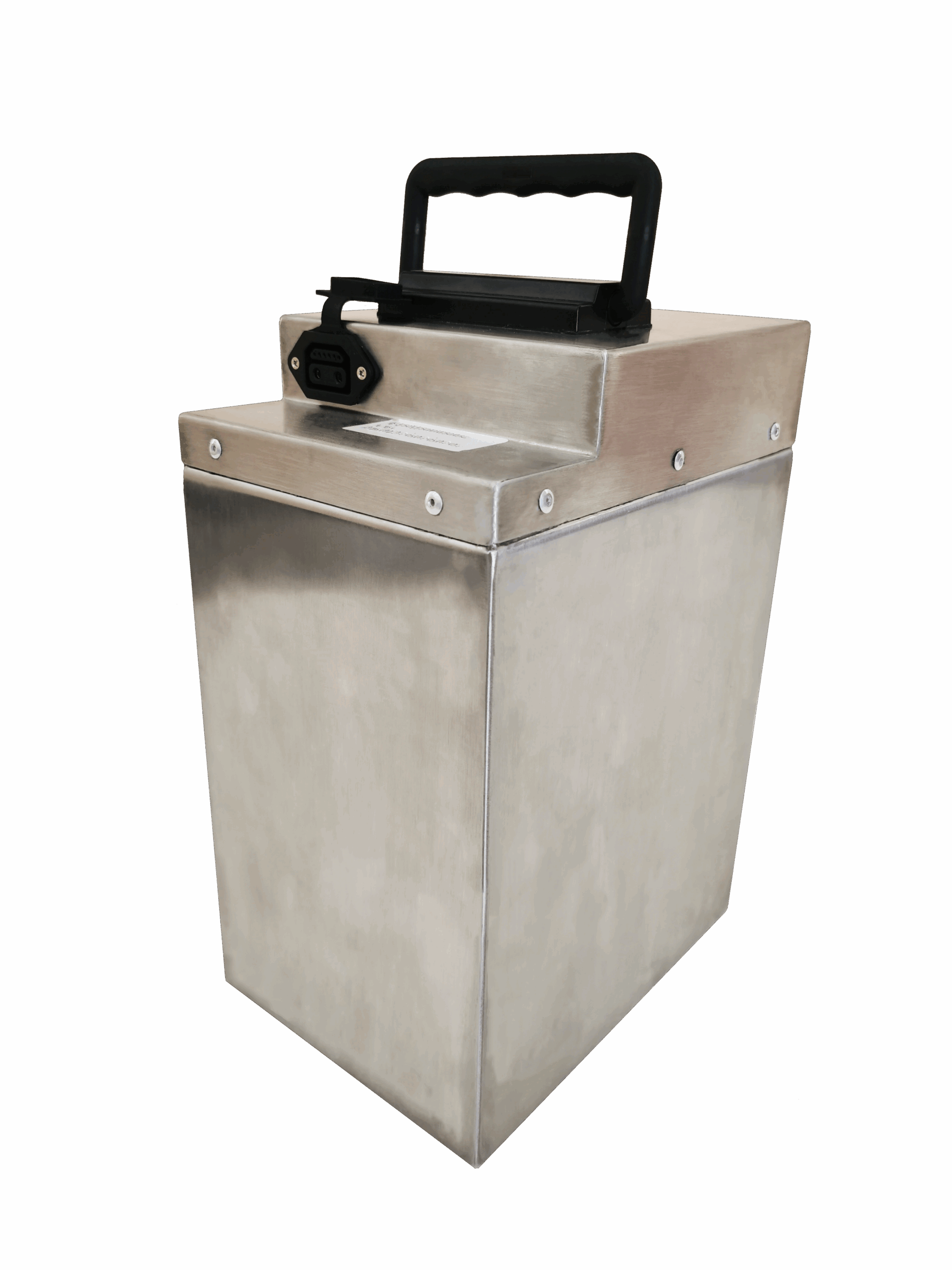
This is the part of that network we work on every day. A drone service provider may need a dozen suppliers to fly one mission, but battery configuration is where our expertise is, so we can answer the three questions rather than restate them. We build drone battery solutions around your aircraft’s electrical requirements, mission profile and payload, and we would rather plan a configuration with you that can still be supplied three years out than sell a pack that fits today.
If your fleet runs several mission types and you’re deciding which battery configurations to standardize and where variation is acceptable, send us those requirements. A clear brief on how your fleet actually flies gives us more to work with than a spec sheet.





 Français
 English
 Español
 한국어
 Deutsch
 日本語
 Русский
 Bahasa Indonesia
 ไทย
 العربية
 Português do Brasil
 Italiano
 Nederlands