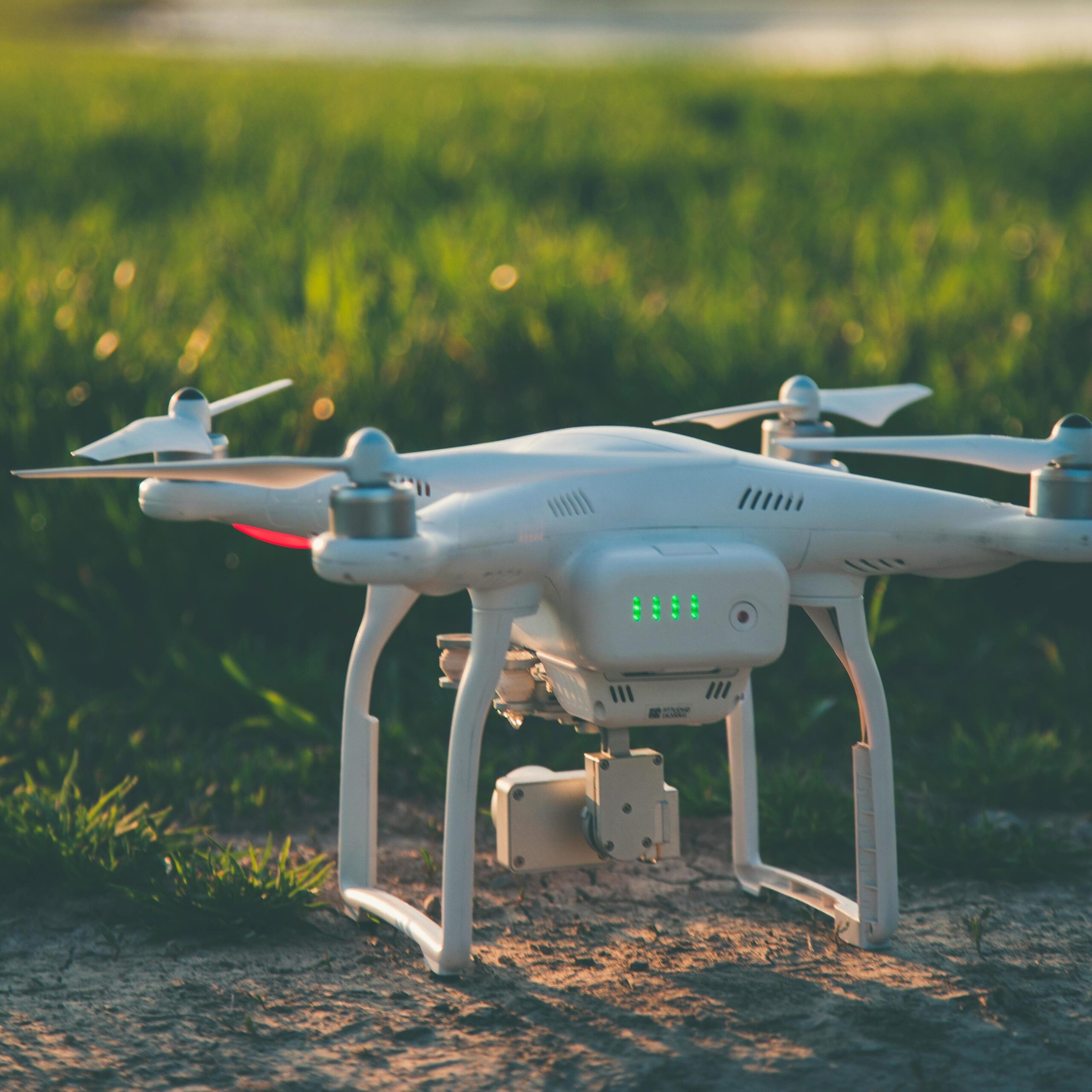


As drone technology continues to advance at a rapid pace, RC drones have become increasingly popular among hobbyists, photographers, and professional users alike, thanks to their agile control and versatile functions. At the heart of every drone lies its battery — the critical power source that directly impacts flight time, performance, and safety.
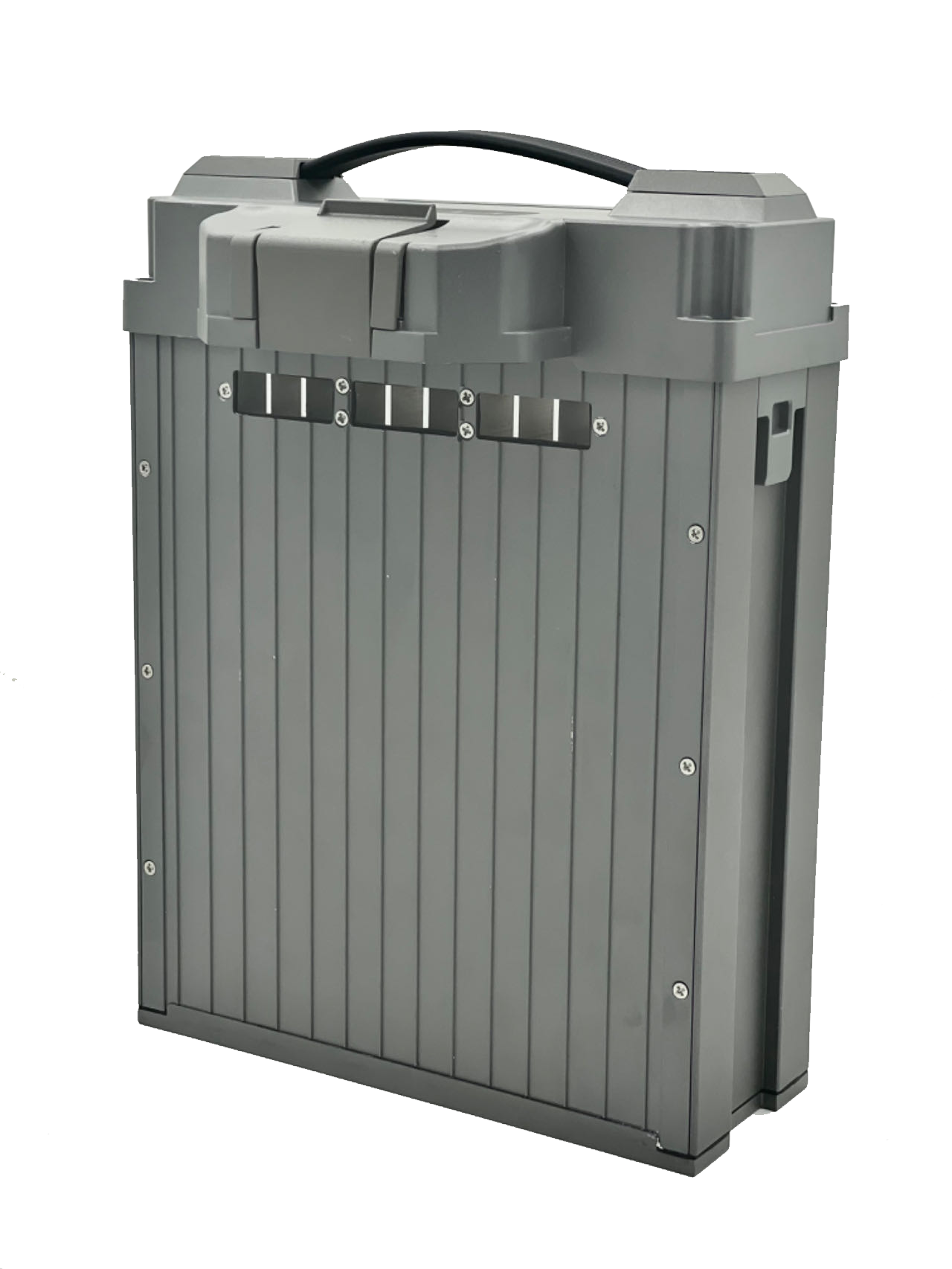
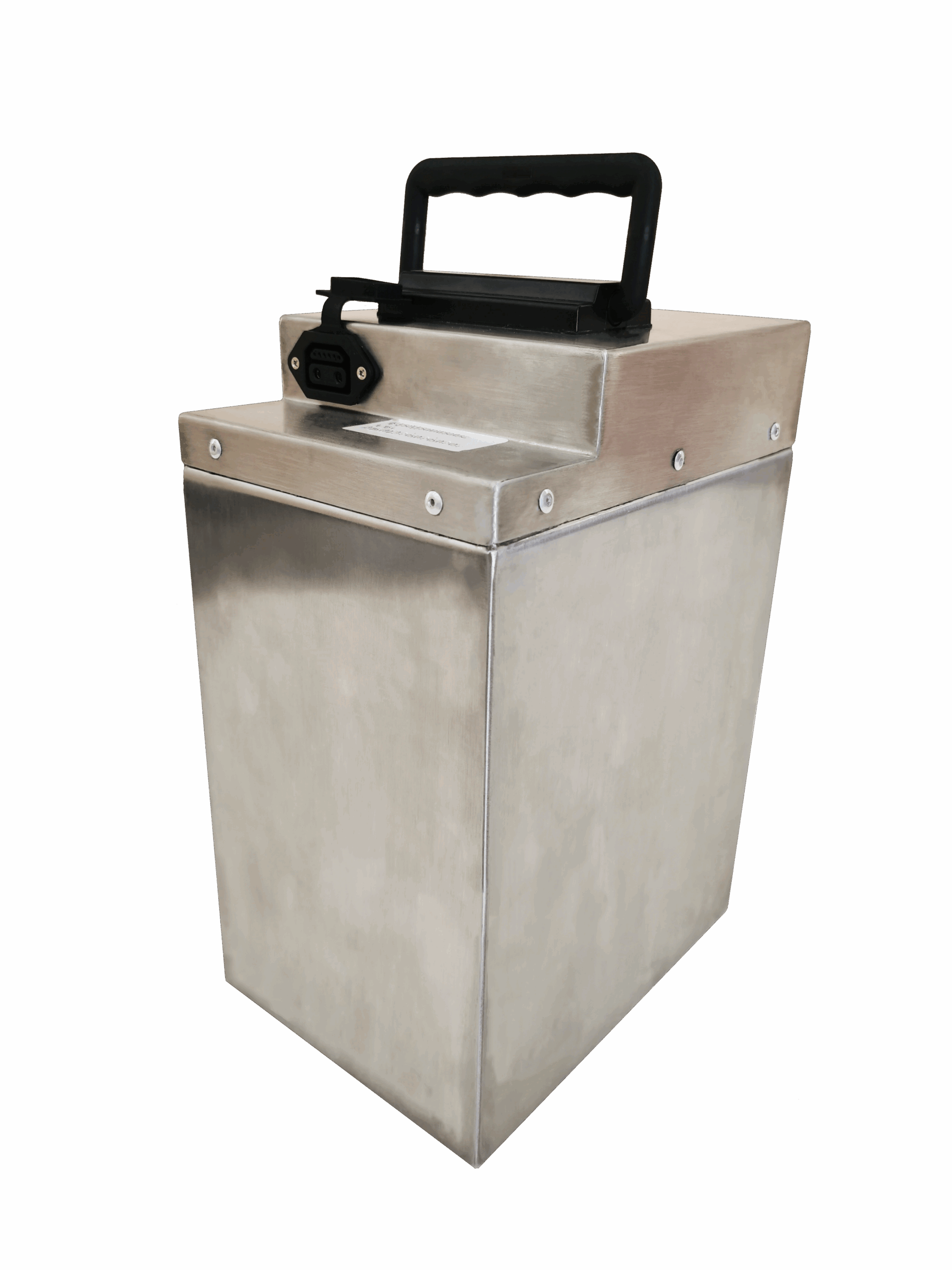
Herewin, a specialist in battery innovation, is dedicated to meeting the evolving demands of the RC drone market. Through continuous R&D and a sharp focus on user needs, Herewin delivers high-performance battery solutions tailored to various RC drone applications. Its diversified power systems are engineered to enhance flight safety, extend endurance, and empower users with a more reliable and powerful flying experience.
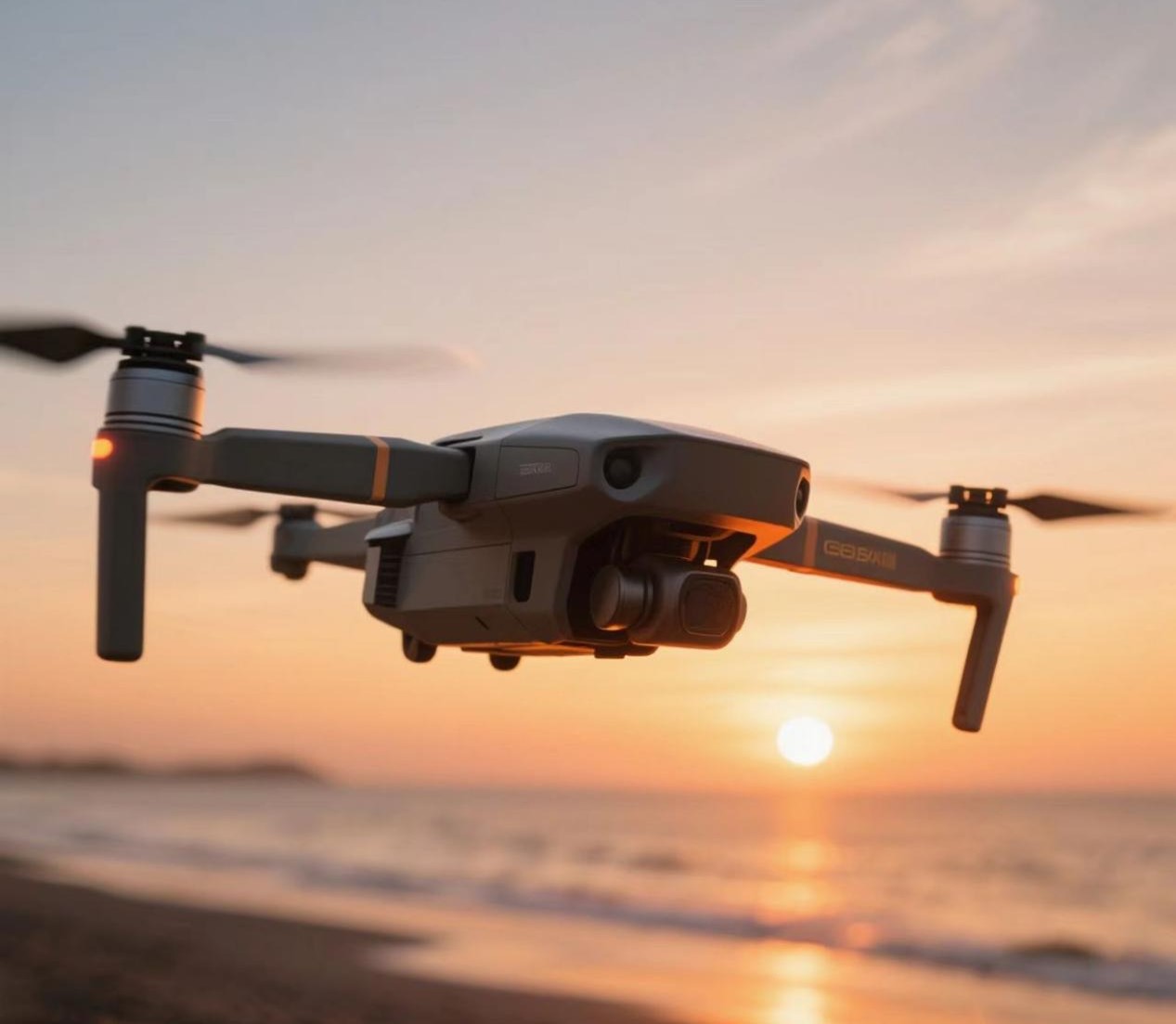
1. Energy Density: A Key to Flight Time and Payload Efficiency
Energy density measures how much energy a battery can store per unit weight or volume (Wh/kg or Wh/L). For RC drones, higher energy density means longer flight times without increasing battery weight, or alternatively, the ability to carry heavier payloads without compromising endurance.
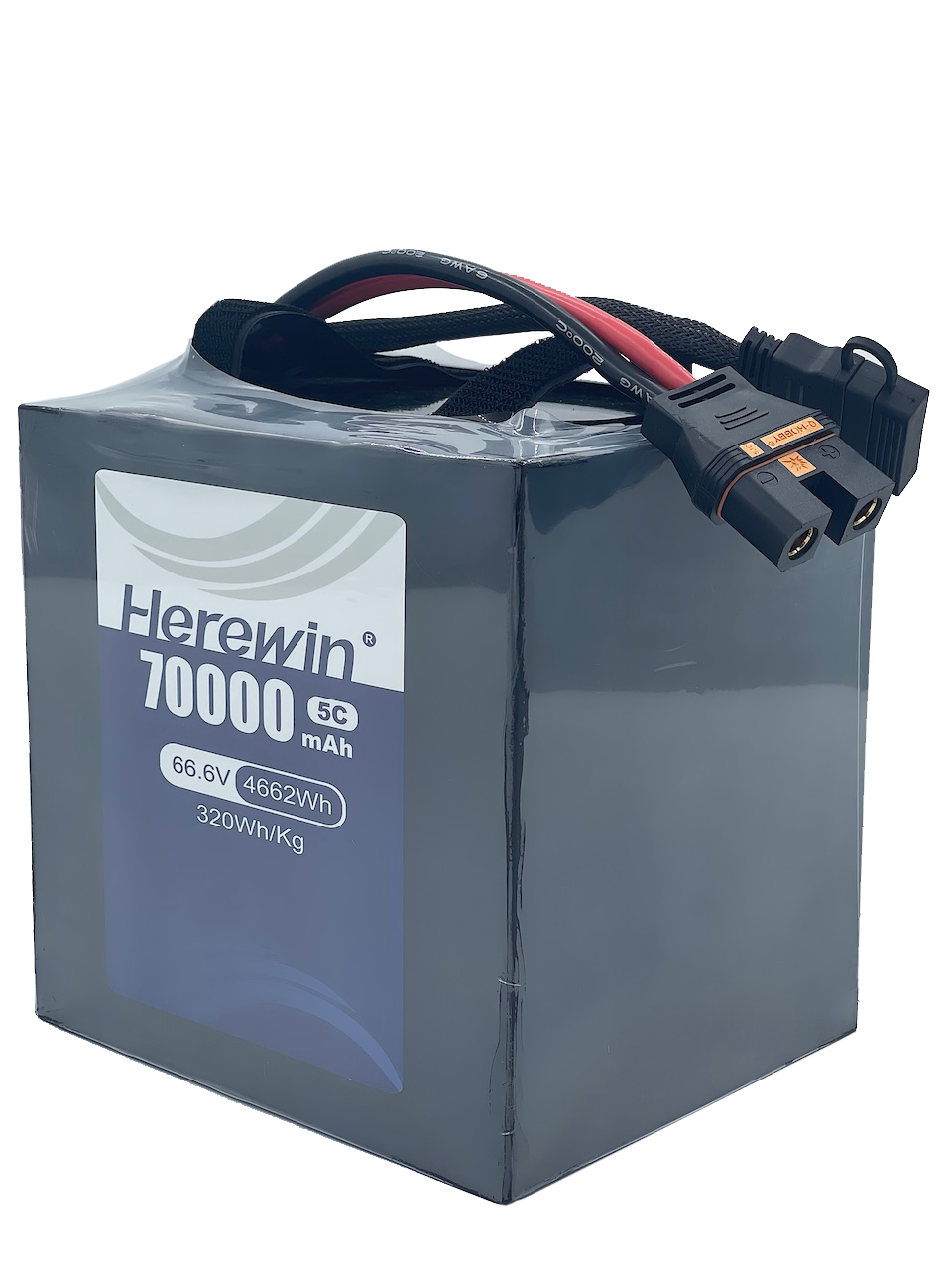
Herewin has made significant breakthroughs in energy density, with some battery models reaching up to 350Wh/kg, far exceeding the industry average.
Example: An aerial photography drone using a standard 200Wh/kg battery might achieve a flight time of 20 minutes under moderate load. By switching to a Herewin 350Wh/kg battery under identical conditions, the same drone can fly for approximately 35 minutes, allowing for longer shooting windows and more efficient operations.
For RC drones tasked with complex missions — such as those requiring multiple sensors or cameras — reducing battery weight directly increases available payload capacity and system flexibility.
2. Discharge Rate (C Rating): The Core of Power Delivery
The C rating refers to how quickly a battery can safely discharge its energy. A 1000mAh 20C battery, for example, can continuously discharge at 20A (1000mAh × 20). A higher C rating supports quick bursts of power for maneuvers like rapid ascent, tight turns, or high-speed flight.
Herewin’s 25C high-rate batteries are engineered to strike a balance between performance and stability, making them ideal for a wide range of use cases — from smooth aerial filming to precision flight training.
In low-to-medium power applications (e.g., cruising, hovering), these batteries deliver steady current output, minimizing voltage fluctuations that can cause image jitter. For high-demand tasks such as rapid braking or quick acceleration, Herewin’s optimized electrode materials and discharge algorithms ensure immediate response to motor demands.
Performance Boost: Compared to other 25C batteries on the market, Herewin’s proprietary current compensation technology improves instantaneous discharge efficiency by 15%, enhancing drone agility and control in complex environments.
This makes Herewin’s 25C models a cost-effective and reliable choice for users seeking performance without compromising on stability or safety.
3. Capacity: Directly Impacts Flight Duration
Battery capacity, typically measured in milliamp-hours (mAh), determines how much energy a battery can store. Higher capacity generally equates to longer flight times, but also increases battery weight — which can affect maneuverability.
Herewin offers a wide range of capacities from 1000mAh to 45,000mAh (45Ah), allowing users to match the battery to their drone size and mission needs.
Use Cases:
-
Small recreational drones (e.g., for casual flying) typically use 1000–2000mAh batteries for lighter weight and greater agility.
-
Professional drones for mapping, surveying, or filming benefit from 3000mAh+ batteries, enabling long-duration missions.
-
Large industrial drones equipped with Herewin’s 45,000mAh batteries can achieve significantly extended flight times, ideal for wide-area aerial surveys.
However, battery capacity alone doesn’t guarantee longer flight time. Real-world performance depends on factors such as motor efficiency, wind resistance, ambient temperature, and flight behavior (e.g., hovering vs. climbing).
4. Voltage: Power and Compatibility Matter
Most LiPo drone batteries have a nominal voltage of 3.7V per cell, with full charge around 4.2V. Cells are connected in series to increase voltage (e.g., 2S = 7.4V, 3S = 11.1V, 4S = 14.8V). Voltage affects motor RPM and thrust; higher voltage usually means stronger power and better wind resistance.
That said, battery voltage must be compatible with your drone’s ESC (Electronic Speed Controller) and motor. Using an incompatible voltage can result in component failure.
Herewin batteries are engineered to strict voltage stability standards to ensure seamless integration with a wide range of RC drones.
Example: Replacing a 3S (11.1V) battery with a 4S (14.8V) pack without confirming compatibility can burn out the ESC or overload the motors. Conversely, using a lower-voltage battery may lead to insufficient thrust and poor flight performance.
5. Cycle Life: Long-Term Cost Efficiency
Cycle life refers to the number of full charge-discharge cycles a battery can complete before its capacity drops to about 80% of the original. A higher cycle life translates to lower long-term cost and fewer battery replacements.
Herewin’s use of advanced materials and refined manufacturing processes has extended cycle life in many models to over 1000 cycles — significantly higher than the typical 300-cycle lifespan of average batteries.
Cost Comparison:
Assuming:
-
Standard battery: 300 cycles × ¥100 = needs ~4 units over 1000 cycles → ¥400
-
Herewin battery: 1000 cycles × ¥300 = 1 unit → ¥300
This offers 25% cost savings over time, while also reducing downtime and replacement frequency. (Note: Actual performance may vary based on usage habits and environment.)
6. Safety: A Non-Negotiable Priority
Battery safety is essential in RC drones, where mid-flight failure can cause property damage or injury. Herewin batteries feature an intelligent Battery Management System (BMS) with protections against overcharge, over-discharge, overcurrent, and short-circuit conditions.
BMS continuously monitors real-time battery status, taking immediate action to prevent overheating, swelling, or explosion.
Additionally, Herewin uses high-stability electrode materials and fire-resistant, impact-proof housings, ensuring structural integrity even under extreme conditions.
Without Proper Protection: Overcharging can lead to swelling or combustion; over-discharging shortens battery life; a short circuit may release energy explosively, posing serious risks.
Conclusion: The Smart Choice for RC Drone Batteries
Selecting the right battery for your RC drone involves a comprehensive understanding of key performance factors: energy density, discharge rate, capacity, voltage, cycle life, and safety. With a relentless focus on innovation and quality, Herewin offers advanced, reliable battery solutions tailored to the demands of modern drone users — whether you’re filming the skies, mapping the earth, or pushing the limits of flight performance.
Fly longer. Fly safer. Fly smarter — with Herewin.
 English
  Español
  한국어
한국어  Deutsch
  Français
  日本語
日本語  Русский
  Bahasa Indonesia
  ไทย
ไทย  العربية
  Português do Brasil
  Italiano
  Nederlands