




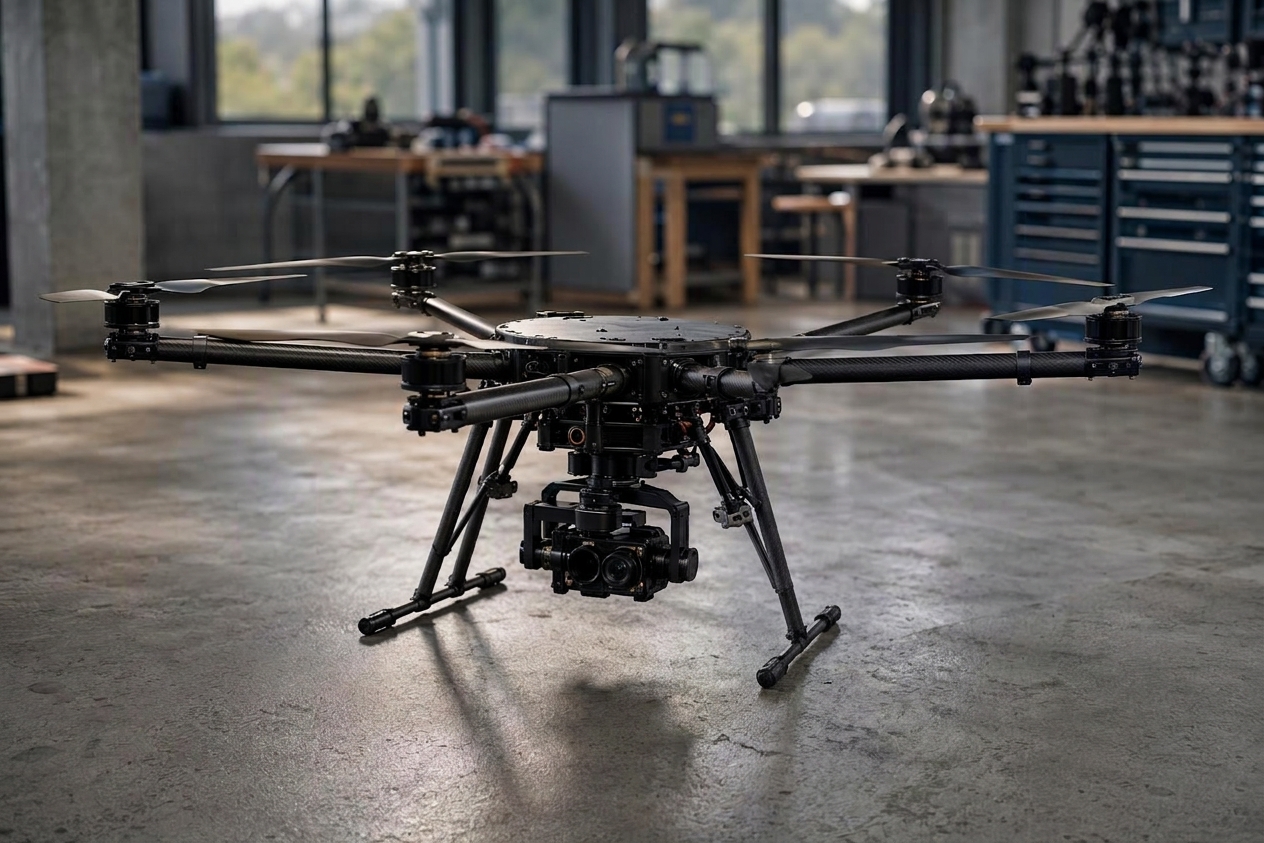
What Does a 400Wh/kg Battery Actually Offer a Drone?
A 400Wh/kg battery is a specific-energy figure: energy divided by the mass of a defined battery object, written as Wh/kg = Wh / kg. It is not a flight-time number, and it is not interchangeable between a bare cell and a complete pack.
That is why a 400Wh/kg claim is only meaningful when the measurement basis is clear. It may refer to a cell or to a complete battery pack, and the two are not directly comparable. For a long-endurance or heavy-lift UAV program, the first questions are what was weighed, how the energy was measured, and under which test conditions.
What Does 400Wh/kg Mean in a Drone Battery?
A 400Wh/kg battery is defined by one ratio: energy in watt-hours divided by mass in kilograms. Measured discharge energy can be determined by integrating voltage and current over time under defined test conditions. Nominal voltage multiplied by nominal capacity gives an approximate rated-energy figure, but it is not a substitute for a measured result under a specified discharge profile.
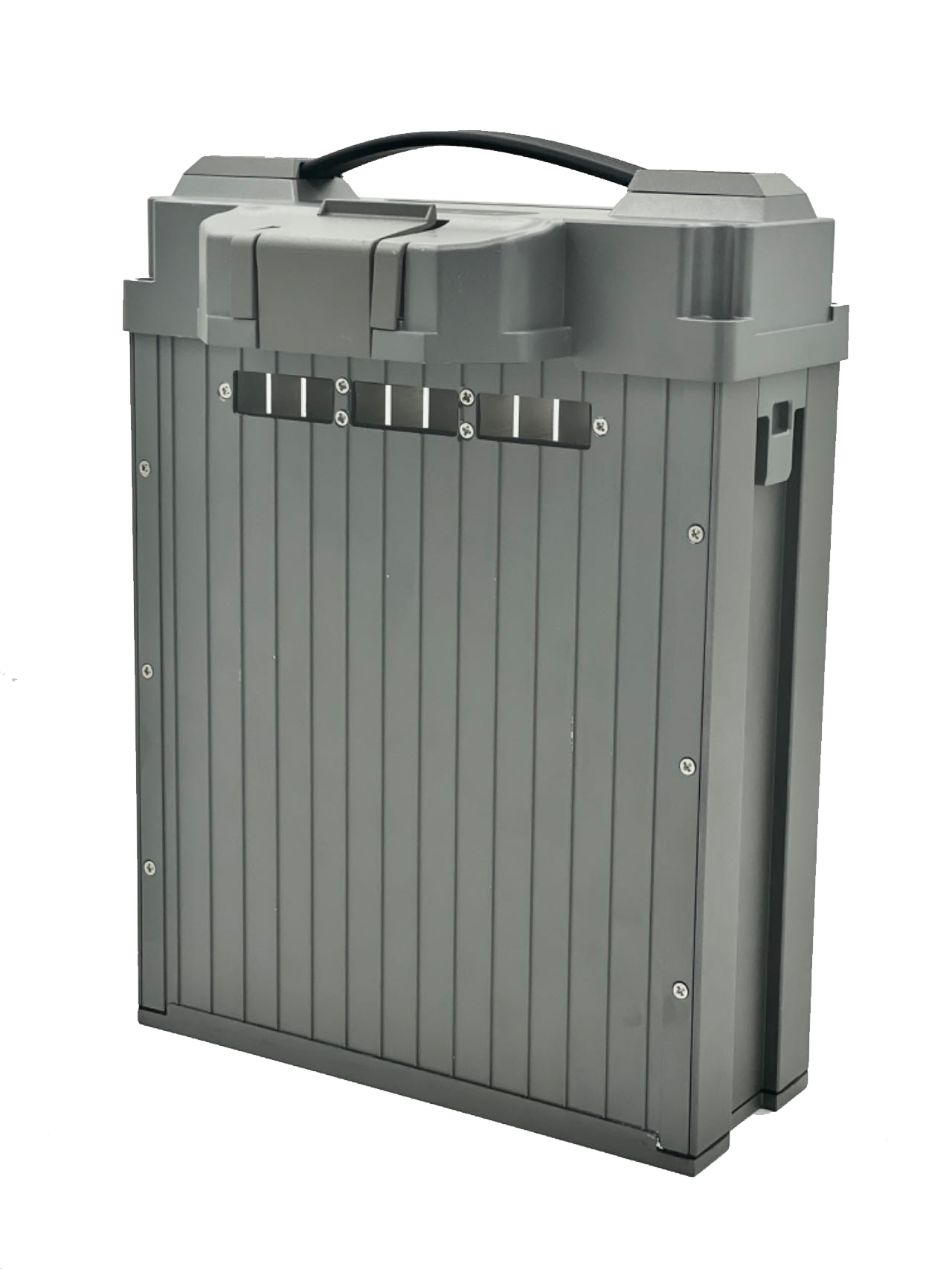
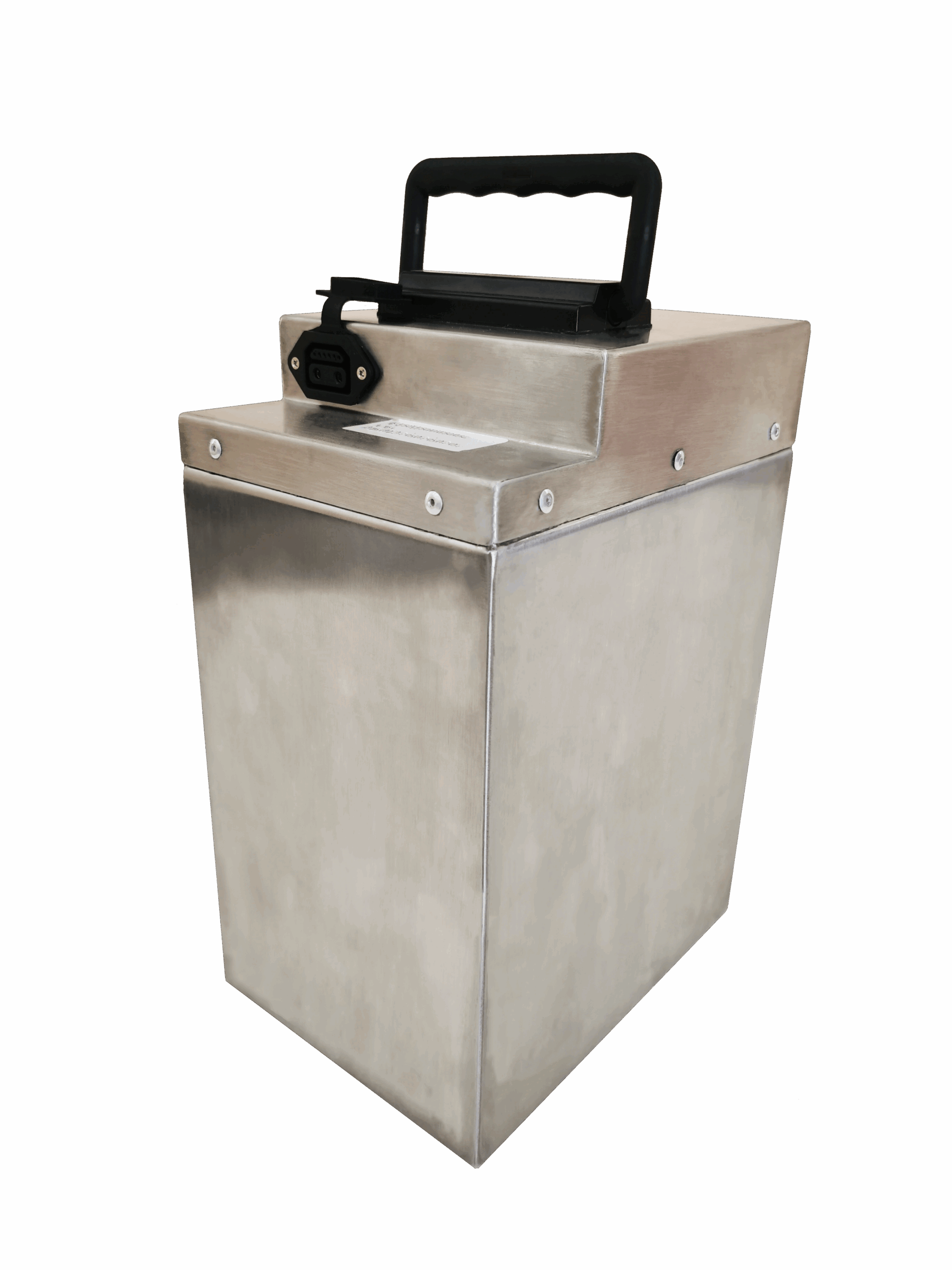
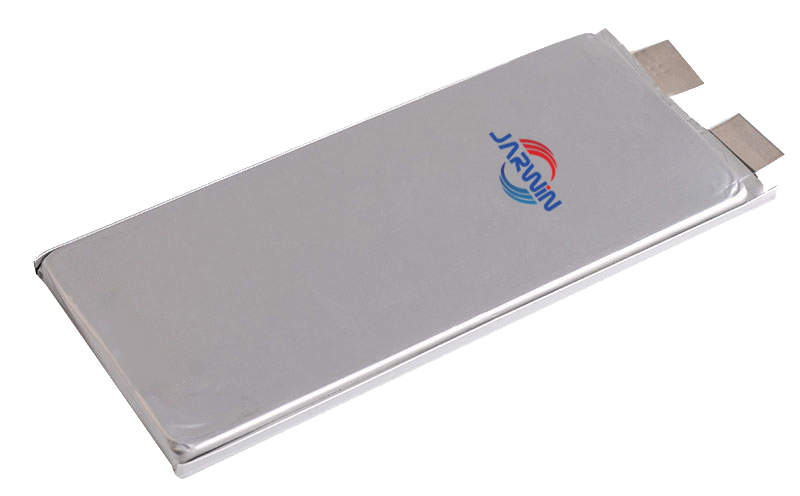
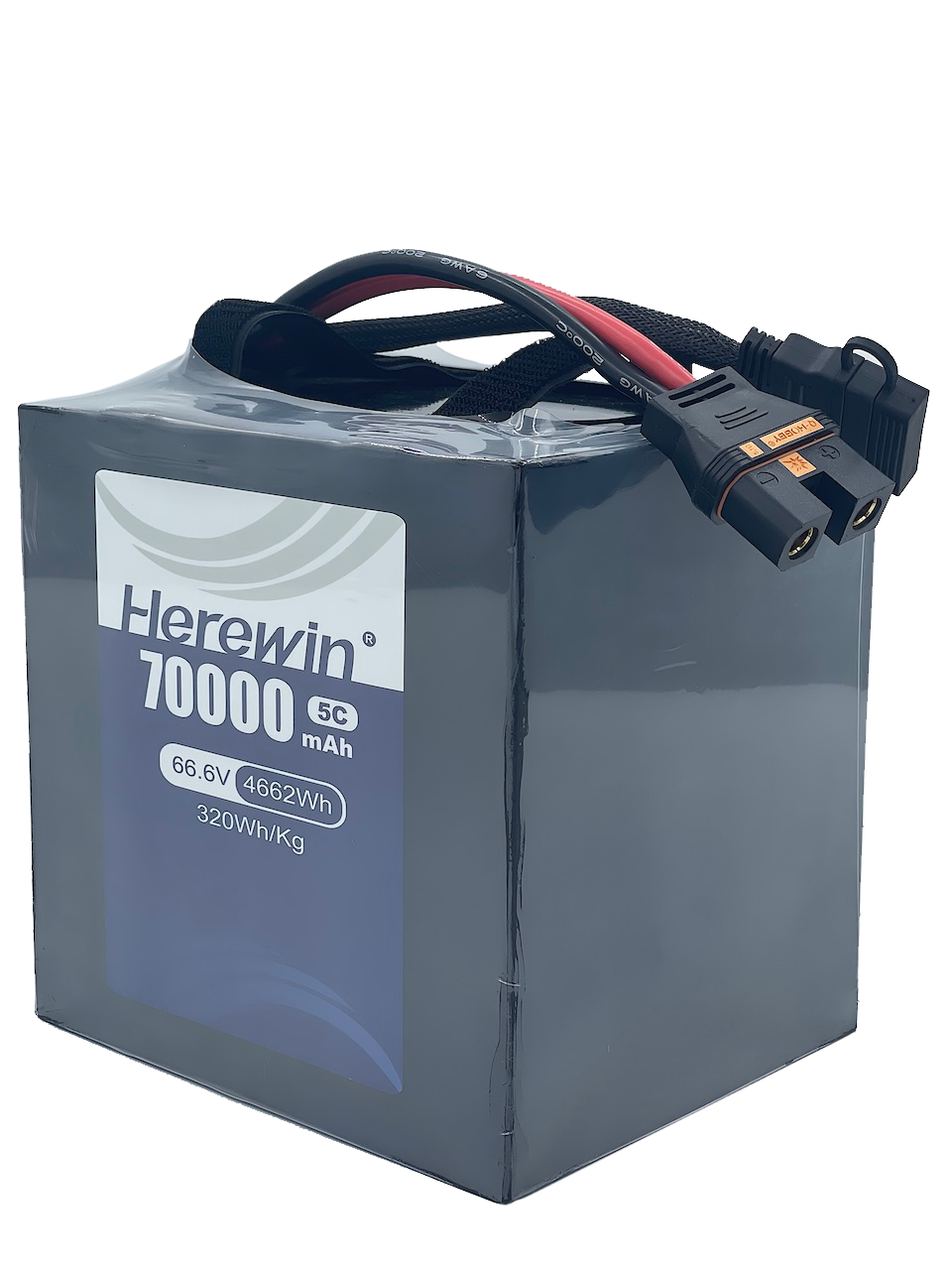
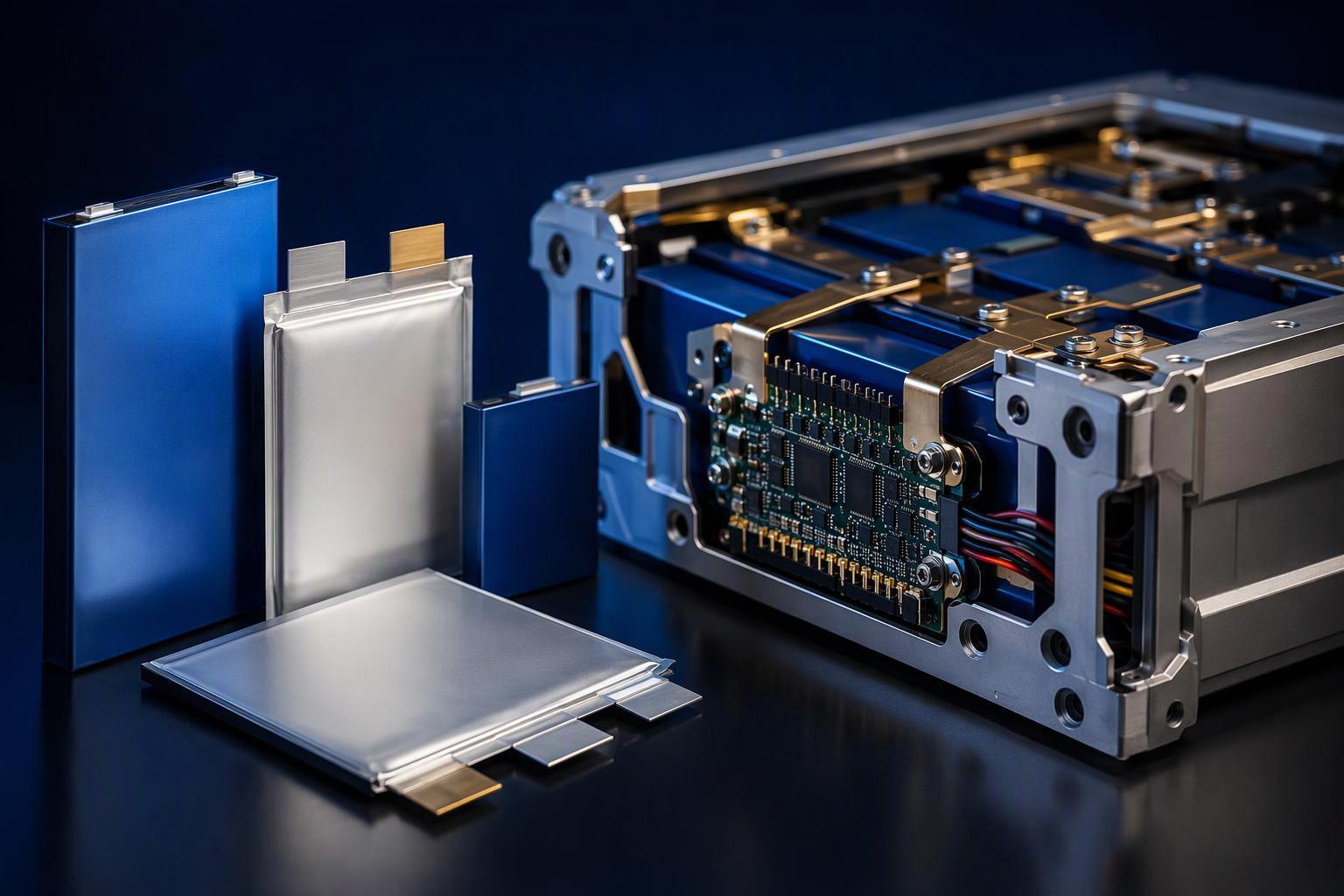
The boundary matters more than the number. Cell-level Wh/kg covers the cell alone. Pack-level Wh/kg covers the complete battery: the enclosure, wiring, connectors and protection add mass without adding stored energy. A credible specification therefore has to state both its mass boundary and its energy basis. Suppliers often publish a pack-level figure alongside their cell platform figure, and the gap between the two is real: a vendor’s own pack-level estimate still counts as a stated basis, not an independently verified result.
The cell-to-pack penalty shows up in research too. In one NASA study of electric-aircraft batteries, 225 Wh/kg cells produced a pack of roughly 149 Wh/kg, about 66% retained (NASA NTRS cell-to-pack scaling). That is one configuration under one study’s definitions, not a rule that every drone pack keeps only two-thirds of its cell energy.
Metric | What is measured | What to confirm |
|---|---|---|
Cell-level Wh/kg | The cell alone | Test conditions, rated energy and cell mass |
Pack-level Wh/kg | The supplier’s defined complete pack | Total pack mass, rated energy and included components |
Usable energy | Energy delivered under specified operating conditions | Cut-off voltage, load, temperature and operating limits |
Of these three rows, the last one decides real flight time. Usable energy is not a third Wh/kg measurement level; it is the energy a drone battery can actually deliver at the specified cut-off voltage, load and temperature. The distinction is simple: rated energy is what the pack holds, while usable energy is what the mission can spend.
How Can 400Wh/kg Affect Drone Flight Time and Payload?
A higher pack-level specific energy figure gives you design headroom. Where that headroom gets spent depends on which design goal the airframe is built around.
Goal A: hold battery mass constant.
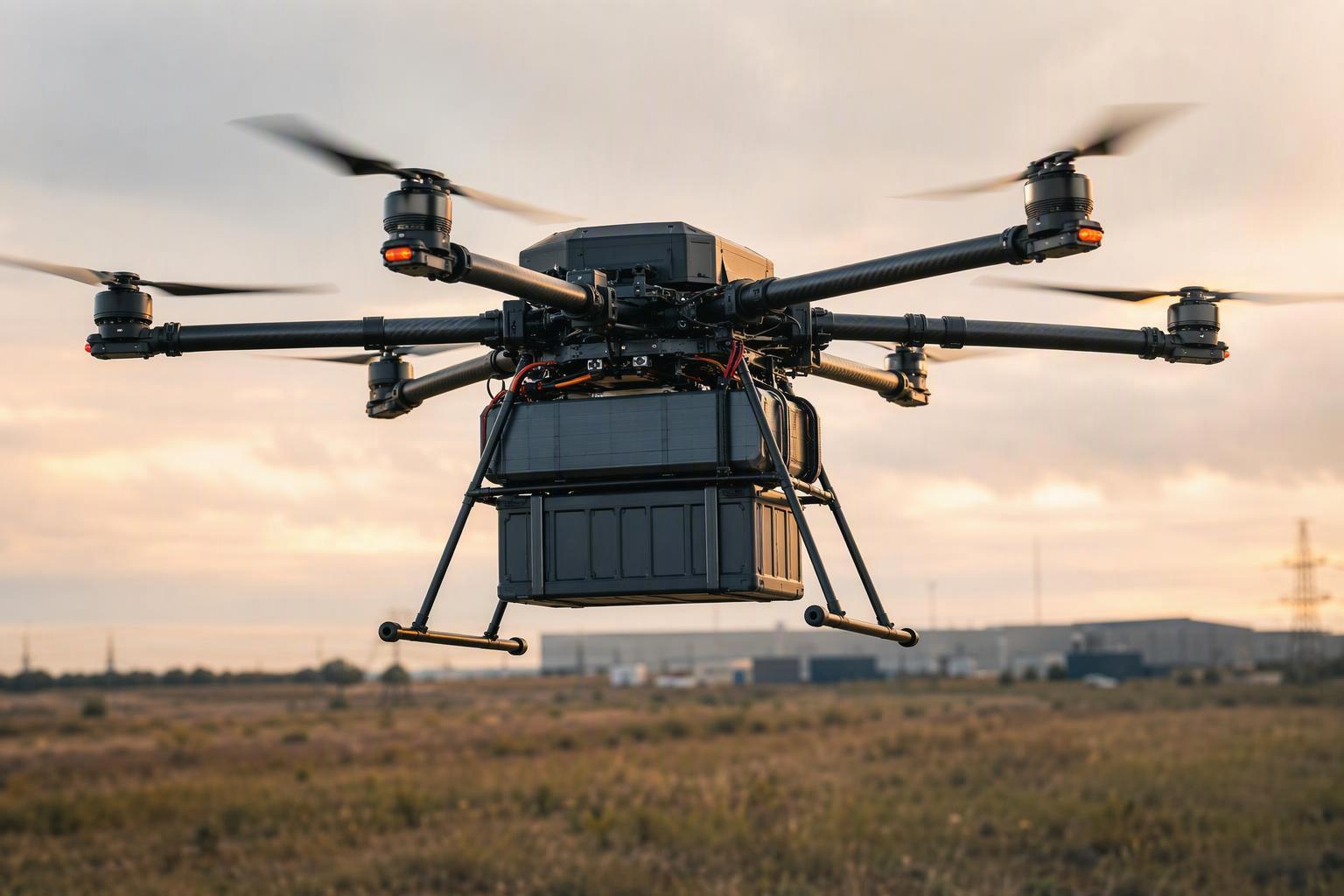
If the complete pack’s real specific energy rises, the same mass can store more energy. That opens room for longer endurance, a larger mission energy reserve, or a reallocation of mass between battery and payload.
Goal B: hold required stored energy constant.
If a new pack meets the same rated energy requirement at lower mass, the freed mass budget can go to sensors, a heavier camera, or other mission payload. Any mass you add, though, feeds straight back into power draw — so before committing that budget, review how battery power and weight set payload limits.
These two goals are distinct, and mixing them up is a common mistake. Higher specific energy at a fixed battery mass means more stored energy. Higher specific energy at a fixed energy requirement means a lighter battery. Only the second case frees up mass, and only the first case adds energy on board. Neither outcome follows from saying “the same stored energy” — the two goals start from different constraints.
Neither goal converts into a fixed flight-time percentage, because average power draw moves with the mission. Trimming battery mass changes both the energy available and the energy consumed in flight. If your mission also demands hard climbs or aggressive maneuvers, the power-versus-energy trade-off starts to compete with endurance for the same pack.
A first-order estimate still helps frame the trade:
E rated (Wh) = V nominal × C Aht estimated (h) ≈ E usable (Wh) / P average (W)
Treat these as a quick sanity check, not a flight-performance model. Rated energy from nominal voltage times nominal capacity is an approximation, and the endurance estimate only holds if E usable is the energy actually available under your cut-off voltage, load and temperature — not the rated figure. Run your own mission numbers rather than accepting a quoted gain.
Why 400Wh/kg Does Not Automatically Mean Longer Flight Time
Even a genuine cell-level 400Wh/kg figure does not hand the aircraft that number directly. How much of it actually reaches the airframe depends on three things working together.
Pack-level mass. A cell-level figure is not what the aircraft carries. Structure, protection and interconnects add mass without adding stored energy, and the size of that penalty depends on the pack design rather than scaling in a predictable way. The cell figure and the pack figure therefore diverge before the aircraft ever sees the battery.
Usable energy. Rated capacity is measured under fixed conditions, but what the mission actually consumes is what the pack delivers at your operating cut-off voltage, load and temperature. Raising the cut-off voltage or running the pack cold reduces delivered energy, and the size of that gap depends on the specific cell and test conditions — so reading a lithium battery discharge curve for your own operating point matters more than a generic percentage.
Mission power demand. Whether a pack sustains takeoff, climb and hover comes down to its continuous and peak C-rate capability, not its Wh/kg label. Voltage sag and heat depend on the specific cell design and operating conditions, so the engineering question is what current the pack can deliver at acceptable temperature rise and voltage drop. A breakdown of C-rating for drone batteries is the place to separate continuous from peak ratings.
None of these three factors can be settled on a datasheet alone. That is exactly the problem with a technology-route claim: semi-solid-state, high-nickel or any other cell architecture still has to be checked against the same pack-level evidence.
Is Semi-Solid-State Technology the Route to 400Wh/kg?
Semi-solid-state describes a cell-design approach, not an energy-density figure. The exact electrolyte configuration depends on the technology, so the term is best read as a family of cell designs rather than a single fixed structure. Separately, a 400Wh/kg battery rating describes a measured gravimetric result or a target. A semi-solid drone battery label therefore does not by itself establish 400 Wh/kg, nor better safety, cycle life, rate or temperature behaviour; each of those has to be demonstrated with defined tests.
Some semi-solid-state designs may reach this range, but the technology label alone does not establish a specific energy-density result. Each claim still needs to be assessed against the reported cell or pack boundary, total mass, energy measurement and test conditions. Some suppliers report pack-level figures that include pack mass and total energy rather than a bare-cell number, which makes them more useful for comparison — but such figures are the supplier’s own reported tests, not independent certification, and they are only as reliable as the test conditions published alongside them. Treat any single reported result as one program’s data point: not proof that a semi-solid route broadly reaches this level, that the figure repeats in other drone packs, or that it comes with better safety, cycle life or rate performance. Those claims would each need their own evidence.
For the cell chemistry definitions and the wider safety and application boundaries behind that result, see what 280–350Wh/kg semi-solid batteries actually deliver, which separates bare-cell figures from the lower pack-level densities a flight-ready assembly typically reaches.
What Should UAV OEMs Verify Before Choosing a 400Wh/kg Battery?
A qualification package should fix the measurement object and the test conditions so that cell, module and complete-pack results are never mixed. Pack figures must state whether the enclosure, wiring, connectors, fuses and cooling are included, whether the measurement object is a cell, module or complete pack, and whether the energy figure is nominal, typical, minimum or guaranteed.
Verification dimension | What to confirm with the supplier |
|---|---|
Energy density | Whether 400 Wh/kg refers to the cell or the complete pack, plus actual mass and rated energy |
Flight performance | Reviewable test data for your airframe, payload and mission conditions |
Power capability | Continuous and peak current, pulse duration and repetition, and the temperature rise measured under them |
Integration | Voltage, dimensions, mass, centre of gravity, connector and communication requirements |
Validation | Distinct evidence types: battery performance test records; cycle-life test conditions and results; transport test documents; and compliance or certification documents for the specific model and market |
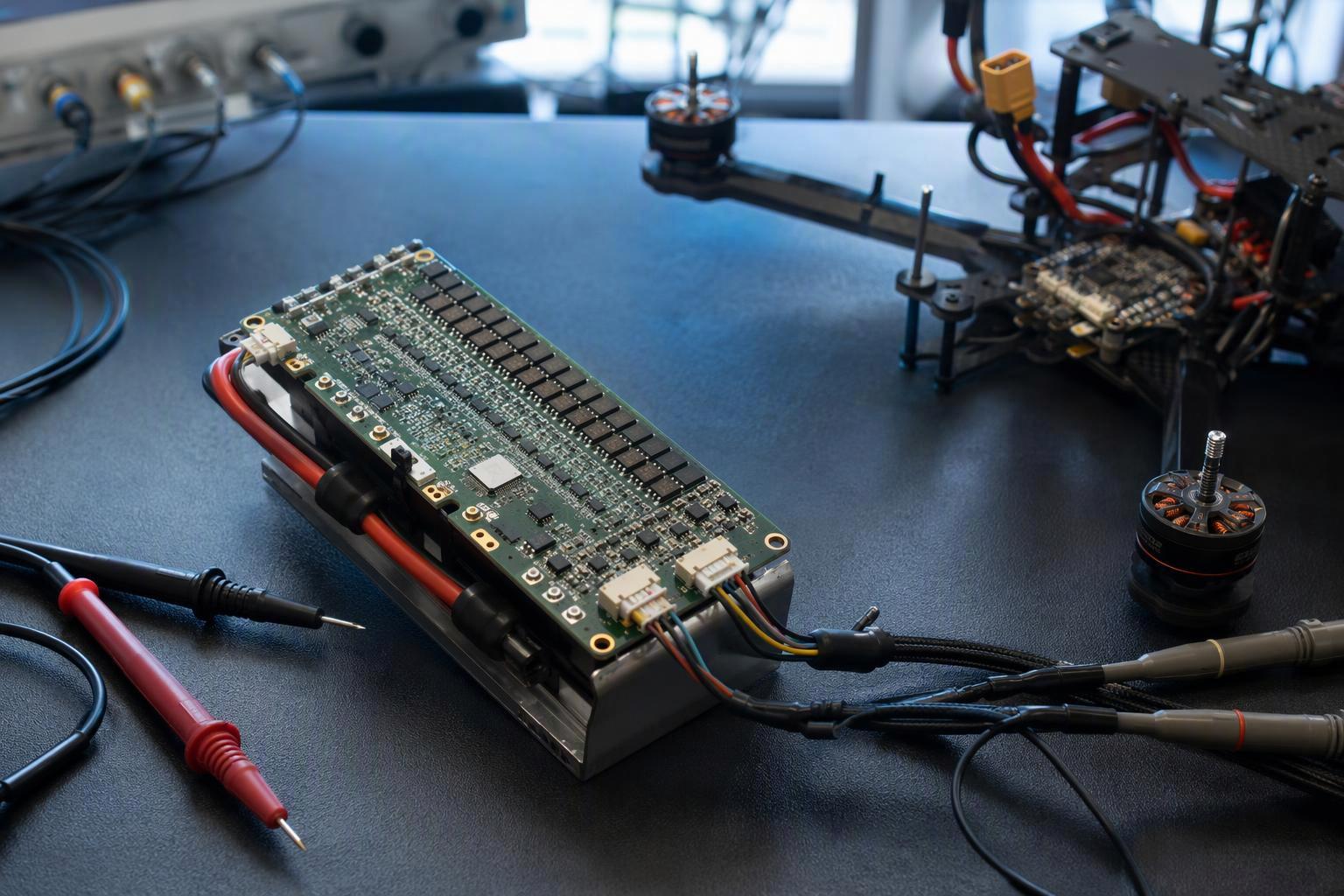
The Integration row matters as much as the energy rows, since a pack that fits on paper can still fail at the airframe. Confirm the mounting footprint and centre of gravity shift, plus the connector type and pinout. When the airframe isn’t off-the-shelf, this becomes a custom UAV battery pack design question rather than a catalog selection.
Certifications are not a blanket quality badge. Confirm which requirements apply to the specific model, what the documents cover, and whether test records exist. For transport, verify that the specific cell or battery model has completed the applicable tests under Section 38.3 of the UN Manual of Tests and Criteria, and request the corresponding UN 38.3 test summary (UNECE Manual of Tests and Criteria, Section 38.3, Rev.5). Where air shipment is involved, also confirm the transport requirements applicable to the shipment rather than treating UN 38.3 as the only requirement.
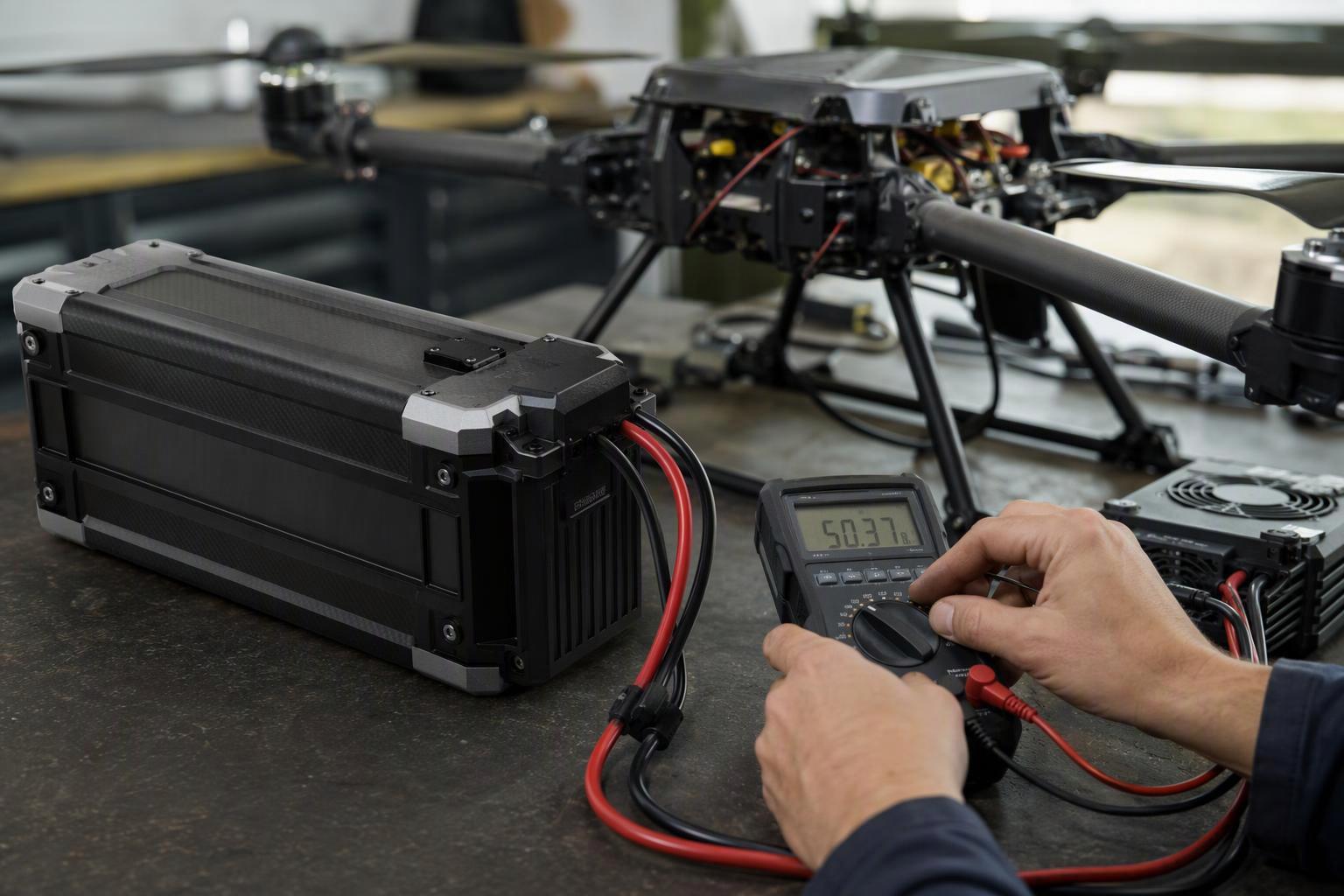
One habit ties this together: ask the supplier for the usable energy delivered under a defined discharge profile, including the load, cut-off voltage and temperature. Divide that measured energy by the total mass of the same defined pack to calculate usable specific energy for your comparison, then validate the result against your own mission profile. Request the model datasheet and the pack-level figures above before you commit to a sample.
FAQ
Is 400Wh/kg a cell-level or pack-level figure?
It can be either, and the label alone won’t tell you which. The fastest way to find out is to ask for the battery datasheet and check three things: the rated energy basis (nominal, typical or minimum), the total mass of the object weighed, and the list of parts counted in that mass. If a supplier can’t name all three, the figure isn’t solid enough to compare against another vendor.
How much flight time can a 400Wh/kg battery add?
There is no universal flight-time gain associated with a 400Wh/kg rating. Start with the pack’s usable energy under the expected discharge conditions and your aircraft’s average power demand, then account for changes in battery mass, payload, flight profile and reserve requirements. A bench test or flight test is needed to validate the estimate, and a supplier’s endurance claim is only as useful as the flight conditions attached to it.
Does a 400Wh/kg battery have to be semi-solid-state?
No. Semi-solid-state is just one route toward higher energy density, and choosing it doesn’t remove the pack-level verification steps. What matters for your project is the measured pack figure and how the pack performs at your mission’s current and temperature — not the technology label on the cell.
Evaluate a High-Energy-Density Battery for Your UAV
Whether a higher-energy-density pack suits your project depends on your aircraft’s weight budget, payload, power demand and mission profile. Share these parameters and we can discuss the fit directly:
UAV platform type and maximum takeoff weight (MTOW)
Target flight time, typical mission profile (hover, cruise, climb) and operating conditions such as temperature range and altitude
Payload mass and volume available for the battery
Required continuous and peak discharge rate
Current battery voltage, capacity, dimensions, connector and BMS interface
Once those conditions are on the table, a technical review can confirm whether a high-energy-density option fits — or point you to a different pack in the industrial drone battery range that matches the mission.

 Deutsch
 English
 Español
 한국어
 Français
 日本語
 Русский
 Bahasa Indonesia
 ไทย
 العربية
 Português do Brasil
 Italiano
 Nederlands