



Food trucks face significant challenges with traditional power sources. Noise pollution from gas generators can detract from the dining experience, making it less enjoyable for customers. Additionally, reliability issues often arise, resulting in downtime and potential loss of business. Regulatory concerns also loom, as many urban areas increasingly ban noisy generators. Silent Lithium Power systems emerge as a game-changing solution. These systems enhance operational efficiency and elevate the customer experience by eliminating noise and odor, making them a more professional choice for food truck operators.
Key Takeaways
Switching to silent lithium power enhances customer experience by eliminating noise and odor, creating a more enjoyable dining atmosphere.
Transitioning delivers verifiable long-term cost savings by eliminating fuel dependency and significantly reducing maintenance requirements.
Compliance with urban noise regulations becomes easier with silent lithium power, allowing food trucks to operate in more locations without fines.
Utilizing zero-emission lithium power systems attracts environmentally conscious customers, enhancing your brand image and increasing repeat business.
Traditional Power: Compliance, Noise, and Hidden Costs
Noise Pollution in Urban Areas
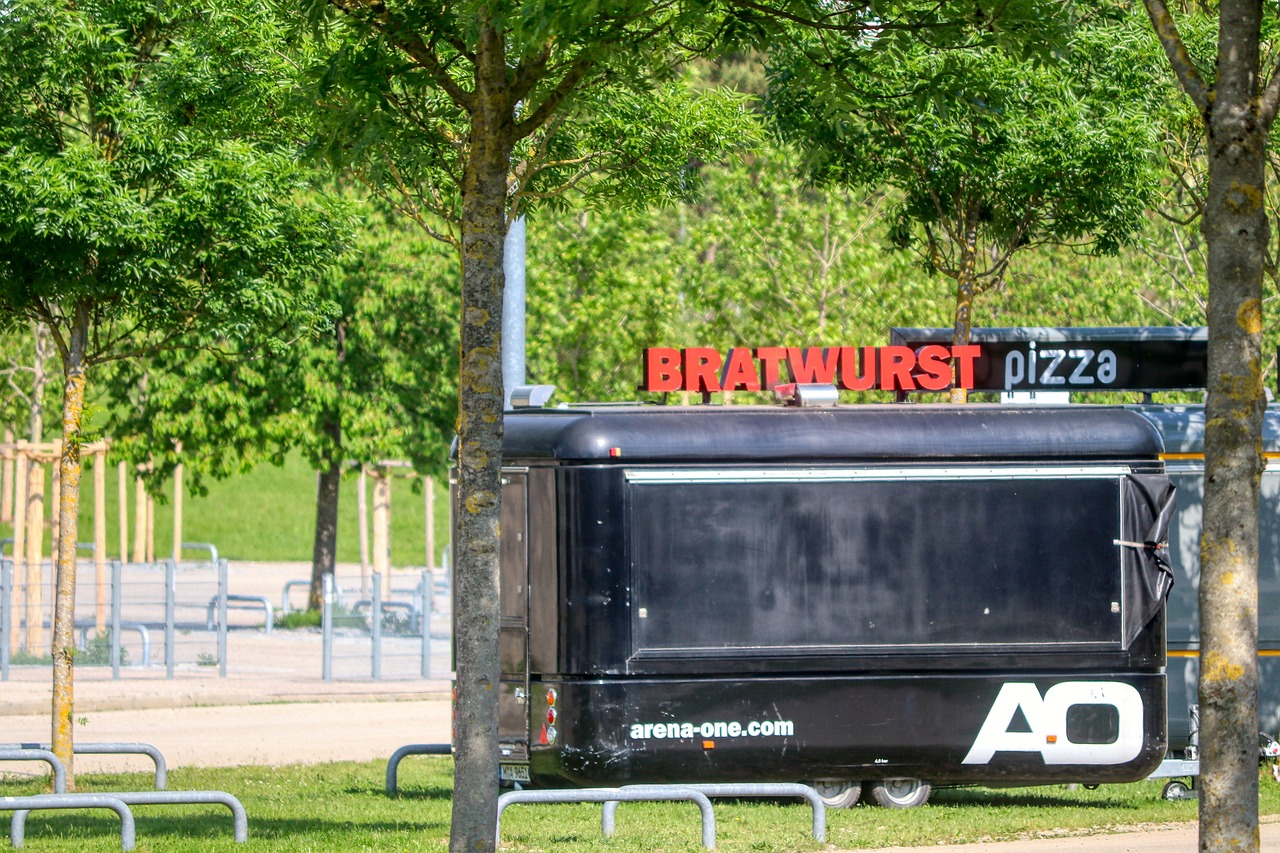
Noise pollution from gas generators significantly impacts your food truck operations. Urban areas often enforce strict regulations regarding noise levels, creating substantial compliance risks. You may find yourself navigating complex licensing and zoning laws, which expose the business to operational restrictions and financial penalties. The need to navigate these regulatory hurdles can incur compliance costs exceeding USD 2,000 annually. Furthermore, the constant operational noise actively deteriorates customer experience and reduces curb appeal, directly impacting foot traffic and revenue potential.
Switching to silent, zero-emission electric alternative systems can help you mitigate these risks and align your operations with urban demands for greener solutions.
Reliability Issues with Gas Generators
Reliability is a critical operational concern that translates directly into unforeseen operational expenditure (OpEx) when using gas generators. You face unpredictable expenses due to fluctuating fuel prices and recurring maintenance costs. Gas generators often consume half of your total fuel budget, leading to significant financial variability. Furthermore, maintenance costs can range from hundreds to thousands of dollars annually, depending on the model and required upkeep. Downtime caused by generator failure poses an immediate threat to revenue.
Transitioning to a stable lithium power system alleviates these OpEx burdens, providing a more reliable and financially predictable solution for your food truck operators.
Silent Lithium Power: The Solution for Urban Compliance

Clean and Quiet Operation
Silent lithium power systems revolutionize your food truck operations by providing a clean and quiet alternative to traditional gas generators. This transition fundamentally aligns your business with strict urban compliance regulations, immediately mitigating operational restrictions and potential financial penalties associated with generator noise.
The shift to silent operation creates a more professional and inviting atmosphere, which dramatically boosts foot traffic and ensures higher customer retention. This superior environment allows your brand to command a premium position in the market.
Moreover, the zero-emission nature of these systems ensures unrestricted operational access within green zones and appeals directly to a high-value, environmentally conscious customer base.
Safety in Hot Kitchen Environments
Safety is paramount in any food truck operators, especially in demanding, hot kitchen environments. Lithium power systems come equipped with advanced safety features that ensure reliable performance even under demanding conditions. These systems meet rigorous safety standards, providing peace of mind as you prepare food for your customers.
Here are some key safety certifications that lithium power systems meet:
UL 2743: Evaluates the entire power station system, including charging circuits and output protection.
IEC 62619: Ensures compliance with international safety standards for battery systems.
CE certification: Confirms adherence to European safety directives.
These certifications demonstrate that lithium battery systems are designed to operate safely in high-temperature environments, reducing the risk of overheating or failure. Additionally, the smart Battery Management System (BMS) offers multi-layer protection against overcharge, over-discharge, short circuits, and overheating, ensuring stability and safety during operation.
By choosing silent lithium power, you not only enhance your operational efficiency but also mitigate the high risks associated with the kitchen environment. This sustainable solution positions your business at the forefront of industry standards, appealing to customers who value both quality and safety.
Maximizing Profitability & TCO Advantage
Total Cost of Ownership (TCO) Benefits
Transitioning to silent lithium power systems offers significant advantages in terms of total cost of ownership (TCO) for your food truck operations. By eliminating reliance on gas generators, you can expect substantial long-term savings due to the system’s higher efficiency and lower maintenance needs.
Here are the key components that contribute to the TCO advantage against traditional generators:
Elimination of Fuel Costs: This is the single largest saving, removing unpredictable fuel expenses that often consume a significant portion of your budget.
Longer Lifespan: Lithium battery technology delivers an extended asset life, significantly reducing the frequency of equipment replacement and minimizing capital expenditure (CapEx) over time. The reduced need for generator replacements or major repairs significantly improves the long-term financial predictability of your operation.
Reduced Maintenance: Electric battery systems simplify operations by eliminating the need for heavy generators, oil changes, and complex mechanical upkeep. This streamlining enhances your workflow and reduces maintenance expenses.
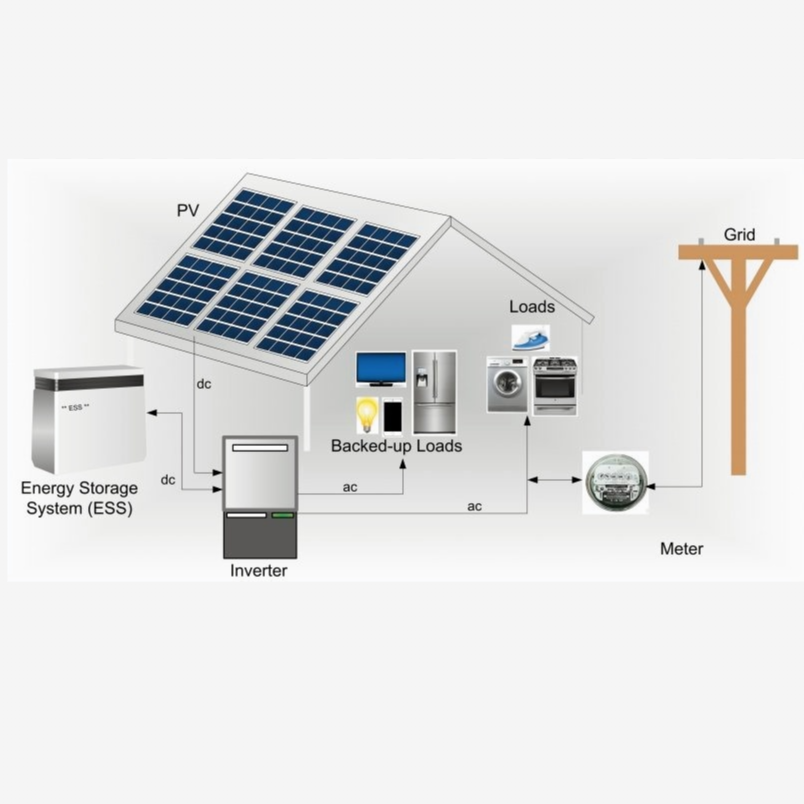
Flexible Charging Options: Lithium systems offer various charging options, including standard grid power or solar power. This flexibility reduces reliance on external sources and lowers your overall energy costs.
By investing in a silent lithium battery system, you position your food truck for greater profitability while enjoying these TCO benefits.
Enhancing Brand Image and Customer Experience
The quiet operation of lithium power systems not only improves your food truck’s efficiency but also enhances the overall customer experience. A quieter environment creates a more enjoyable atmosphere, allowing customers to engage in better conversations. This can lead to positive reviews and increased repeat business. Consider the following benefits of a silent operation:
Enhanced Customer Retention: A quieter environment encourages customers to linger and supports a premium dining experience, directly improving customer loyalty and frequency of visits.
Compliance with Local Regulations: By effortlessly adhering to noise regulations, you gain access to premium, high-traffic operational zones otherwise restricted to noisy generators. This compliance translates directly into increased market opportunities and expanded customer reach.
Attracting Eco-Conscious Consumers: Utilizing zero-emission power aligns your brand with critical sustainable practices. This commitment appeals to high-value customers, supporting brand differentiation and enabling the potential for premium pricing.
Increased Repeat Business: A peaceful dining environment attracts customers who prefer quieter settings. This can significantly boost your repeat business rates, contributing to long-term profitability.
Implementing Herewinpower’s Custom Power Solutions
However, to ensure genuine TCO advantage rather than short-sighted investment, food truck operators must also evaluate the long-term performance and maintenance disparities between energy storage options, such as lead-acid and lithium.
Choosing the Right Battery System
When selecting a power system for your food truck, the most critical consideration for commercial kitchens is matching the battery system to the high, stable power output required by appliances like deep fryers and ovens. Unlike leisure vehicles, food trucks demand continuous, high-current stability to prevent appliance malfunction and downtime.
To make an informed decision that aligns with your operational needs and long-term TCO, you must choose between traditional lead-acid systems and modern lithium-ion solutions.
Factor | Lithium-Ion Batteries | Lead-Acid Batteries |
Initial Purchase Price | Higher upfront cost | Lower upfront cost |
Total Cost of Ownership (TCO) | Lower over time due to efficiency and no maintenance | Higher due to maintenance and energy costs |
Maintenance Requirements | No maintenance required | Requires regular maintenance |
Energy Efficiency | More energy efficient | Less energy efficient |
Safety Considerations | Increased safety with no water maintenance | Increased maintenance complexity and ventilation requirements |
By analyzing these factors, food truck operators can determine which battery system best aligns with their operational needs and long-term financial strategy.
Lead-to-Lithium Battery Solutions
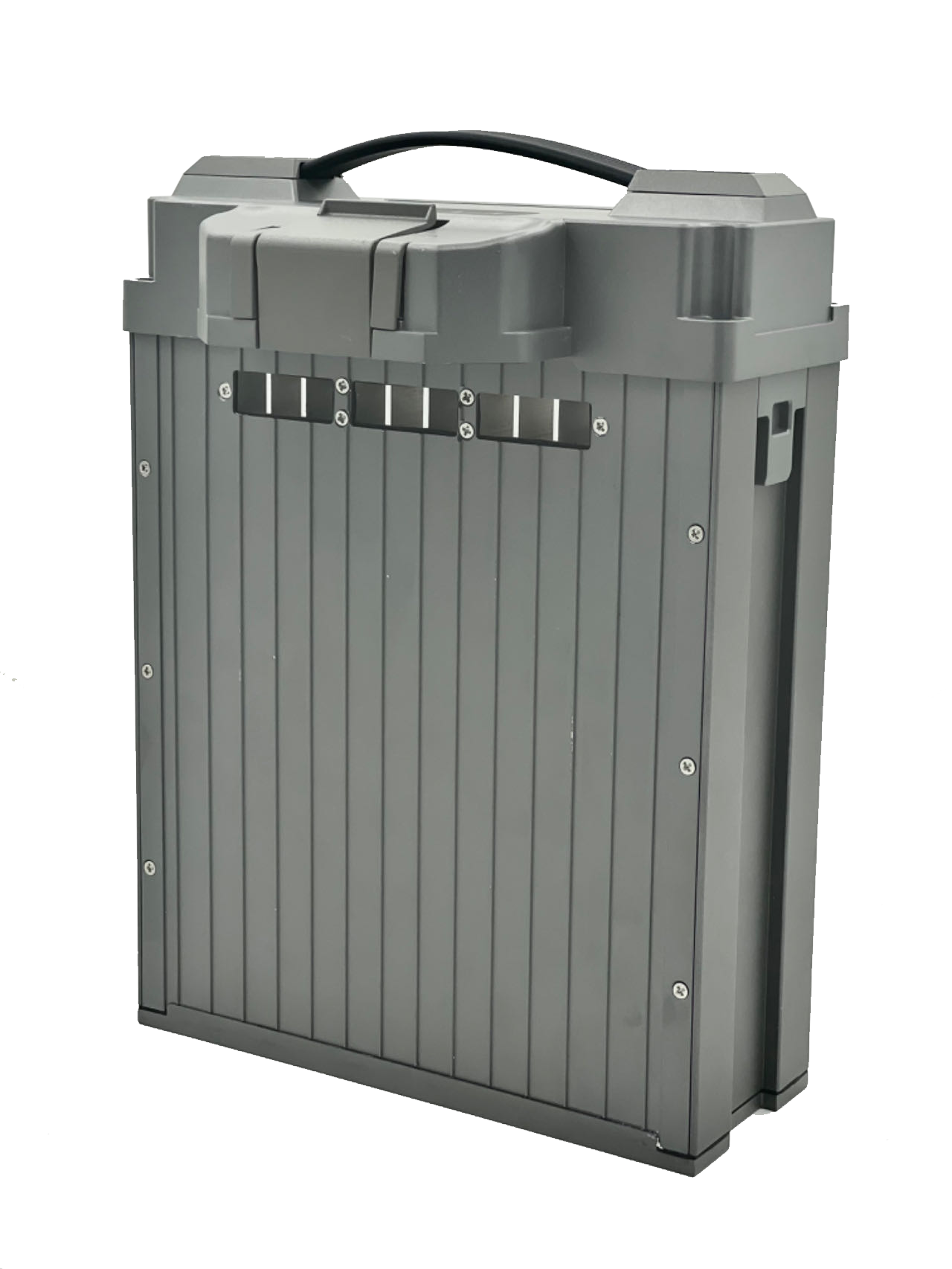
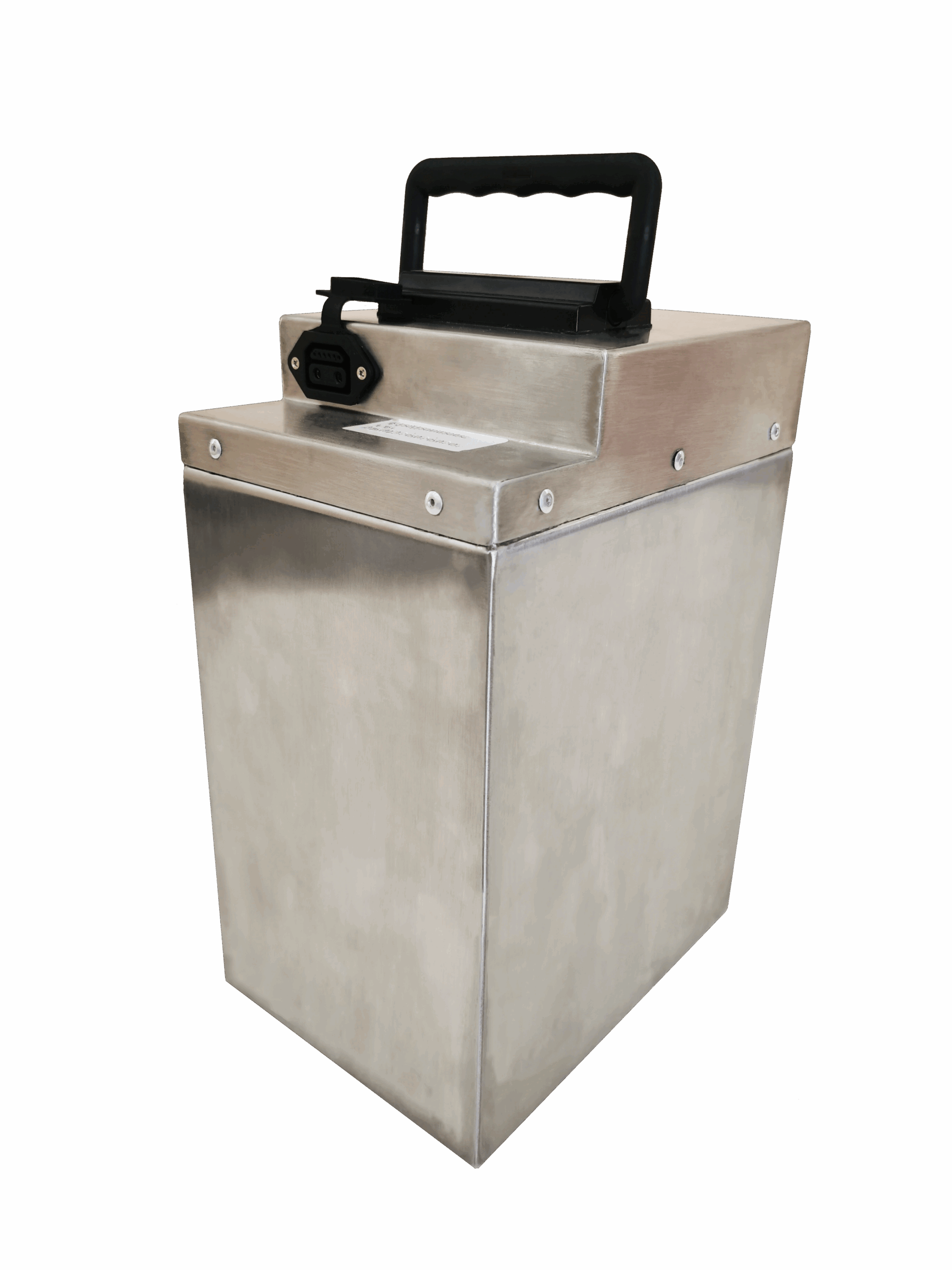
Herewinpower’s Lead-to-Lithium Battery Solutions offer an essential upgrade for food truck operators looking to modernize their power systems. This solution is specifically engineered to replace outdated lead-acid setups and eliminate the need for noisy, high-maintenance gas generators, ensuring the stable, high-output power commercial kitchens require.
Here are the key advantages of adopting this specialized solution:
Maximum Uptime Efficiency: Utilizing high-efficiency lithium cells (over 95% efficiency), the system ensures rapid recharge times and consistent power delivery, maximizing your daily operational window.
Predictable Asset Life: The robust battery architecture delivers an extended cycle life and requires minimal maintenance, securing a predictable asset life and minimizing CapEx.
Seamless Integration & Speed: The solution is designed for straightforward, low-complexity implementation, ensuring a quick turnaround that minimizes disruption to your food truck’s operational schedule.
Herewinpower specializes in providing the high capacity and stable power output essential for demanding food truck operations. We customize our Booth Power Supply solutions to match your specific high-output kitchen demand.
By choosing our customized Lead-to-Lithium solution, you position your business for enhanced performance, compliance, reliability, and long-term sustainability.
Adopting silent lithium power systems offers significant strategic benefits for your food truck operations. This transition secures greater profitability, maximizes efficiency through reliable, high-capacity power, and ensures long-term operational sustainability by meeting all urban compliance standards.
To secure your business growth and optimize your operational expenditure, contact Herewinpower for a customized Booth Power Supply consultation, and position your food truck business for long-term sustainable success.
FAQ
What are the main benefits of switching to silent lithium power for my food truck?
Switching to silent lithium power enhances customer experience by reducing noise and emissions. It also lowers operational costs, increases reliability, and ensures compliance with urban regulations.
How long do lithium batteries typically last?
Lithium batteries can last between 3,000 to 5,000 cycles, depending on usage and maintenance. This longevity significantly reduces replacement costs compared to traditional lead-acid batteries.
Can I charge lithium batteries using solar power?
Yes, lithium batteries are compatible with solar power systems. This flexibility allows you to reduce reliance on the grid and lower your energy costs.
What safety features do lithium power systems offer?
Lithium power systems include advanced safety features such as a smart Battery Management System (BMS) that protects against overcharging, overheating, and short circuits, ensuring safe operation.
How do I choose the right battery system for my food truck?
Consider factors like energy efficiency, maintenance requirements, and total cost of ownership. Compare lithium-ion batteries with lead-acid options to find the best fit for your operational needs.

 English
  Español
  한국어
한국어  Deutsch
  Français
  日本語
日本語  Русский
  Bahasa Indonesia
  ไทย
ไทย  العربية
  Português do Brasil
  Italiano
  Nederlands