
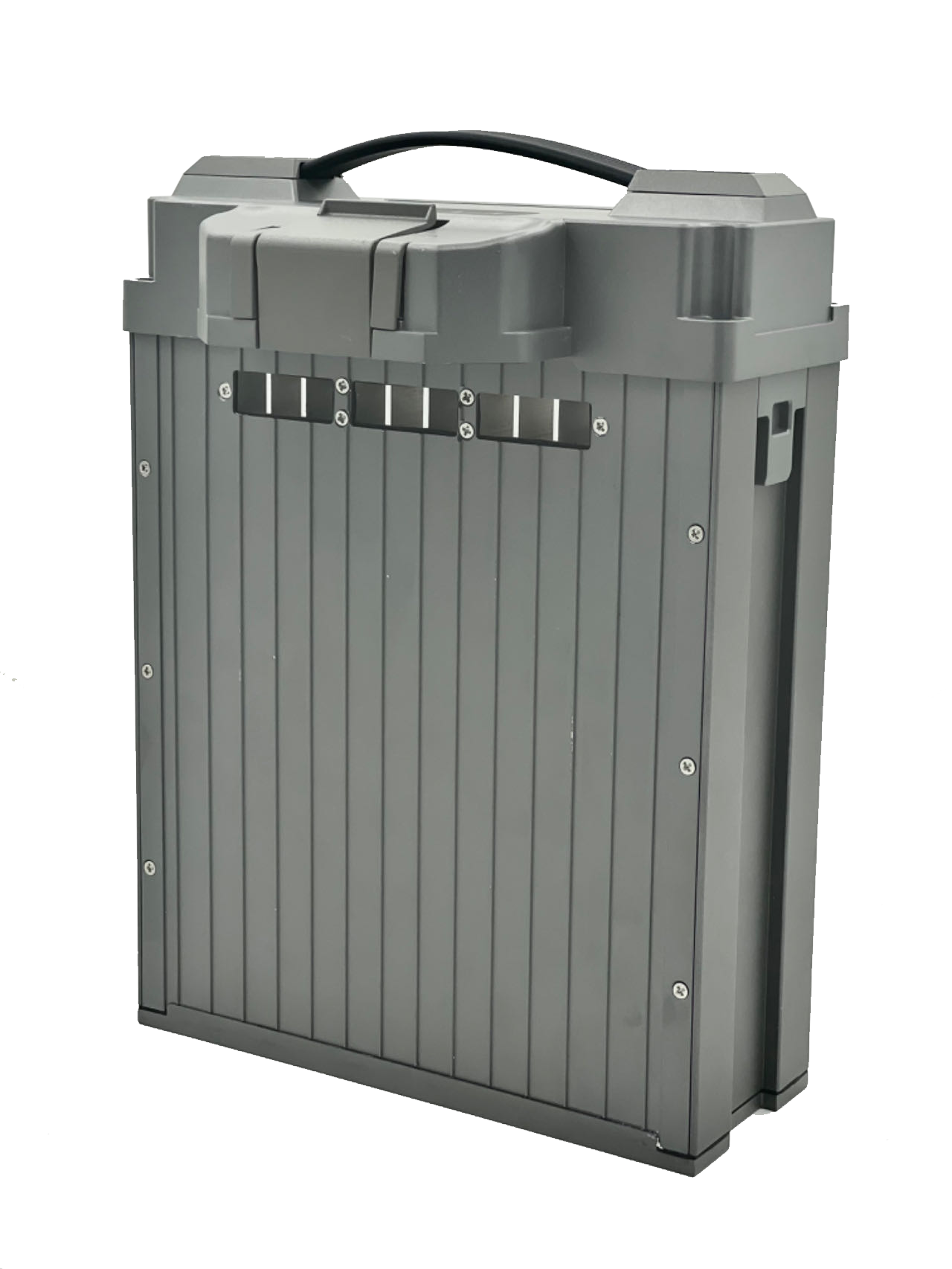
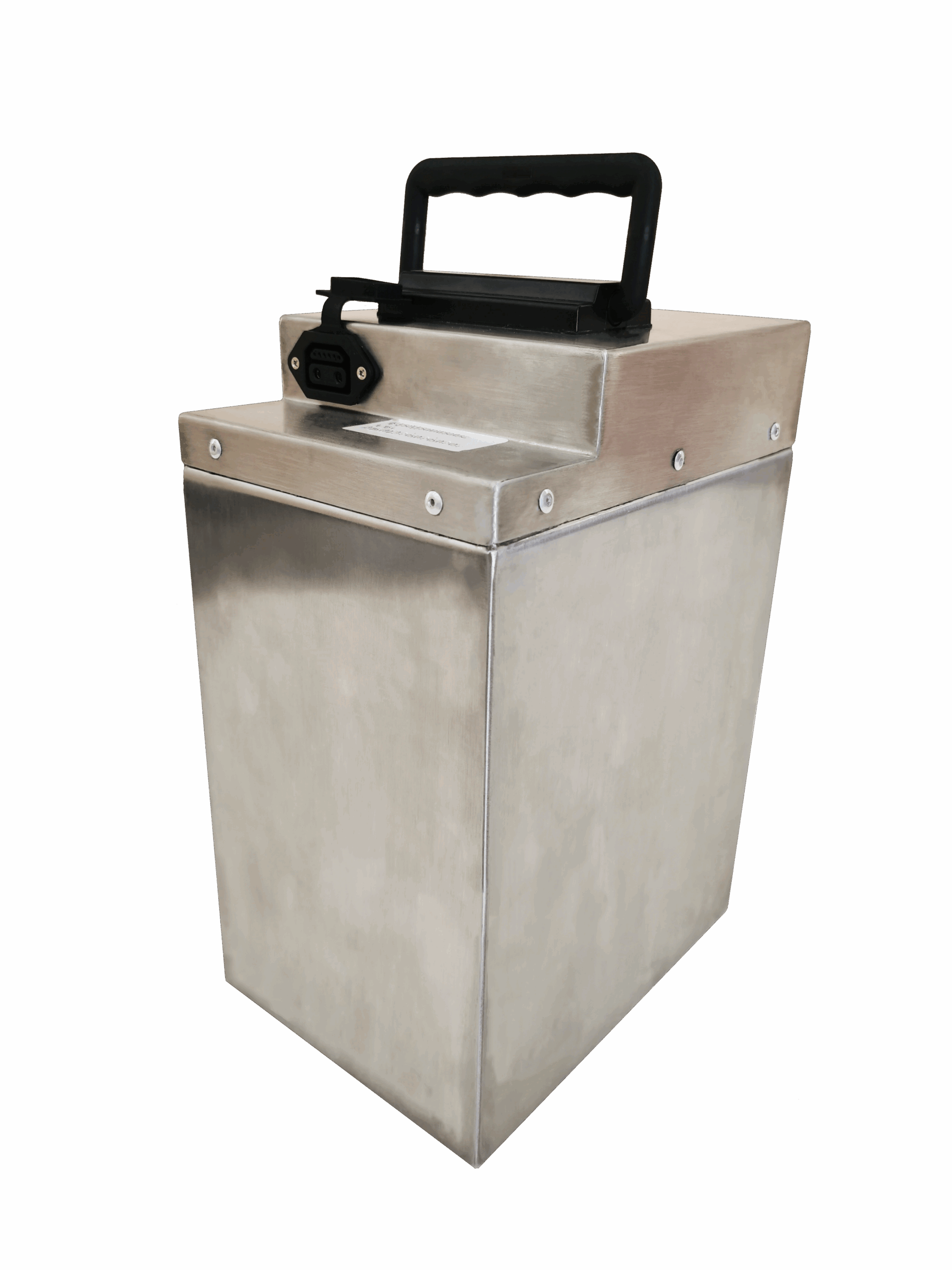
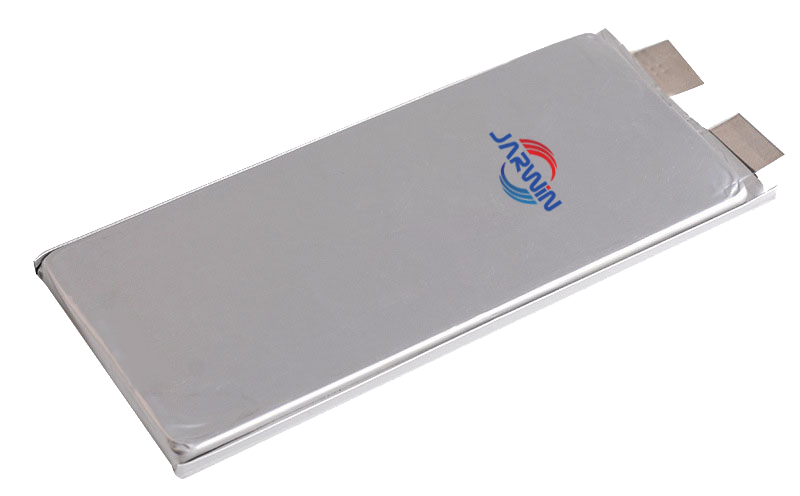


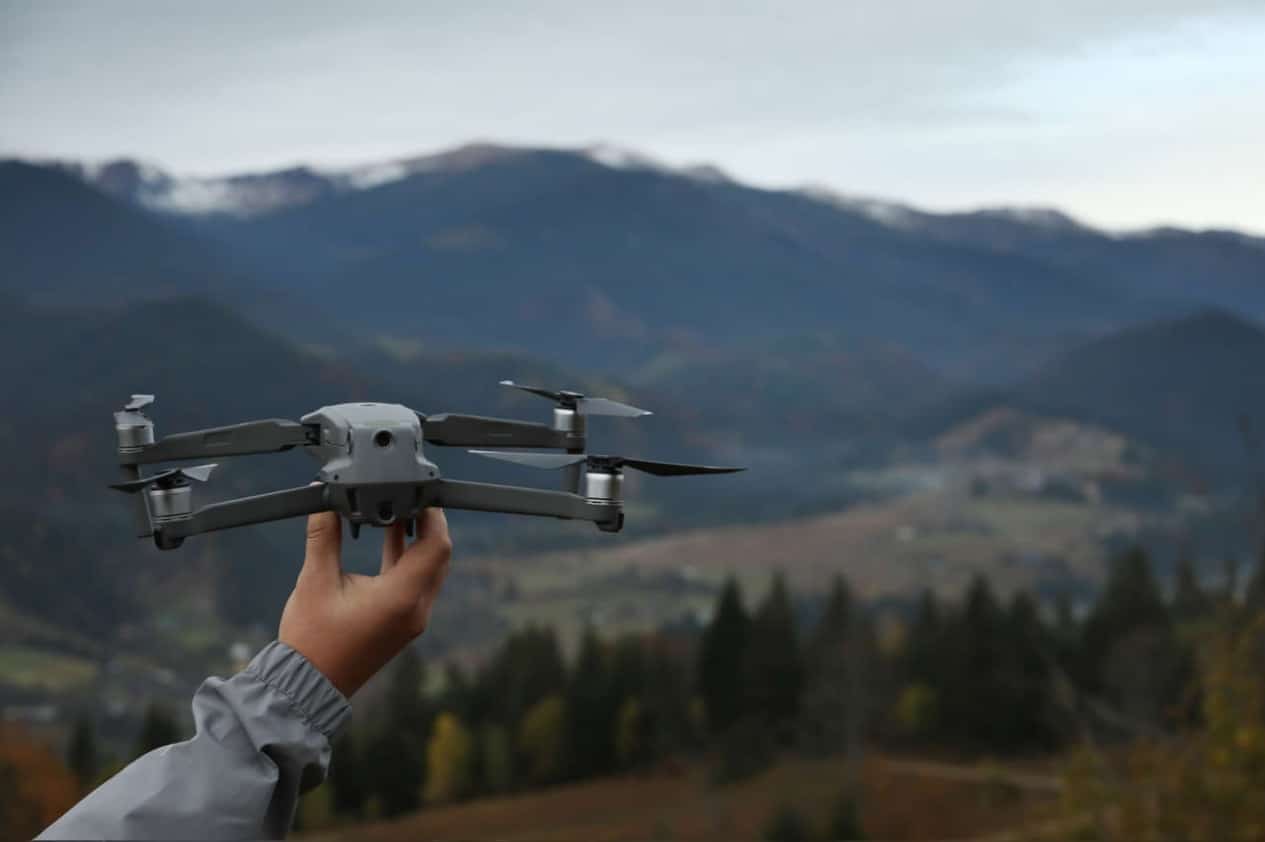
Winter snowscapes and high-altitude magnificent landscapes are premium aerial photography scenes, but low temperatures easily cause drone lithium batteries to experience sudden drop in endurance and unexpected shutdowns, seriously affecting flight safety. This article focuses on the low-temperature adaptation issues of lithium-polymer batteries, dissects the influencing mechanisms, provides practical preheating and thermal insulation solutions, and troubleshoots common faults. Combining the low-temperature characteristics of lithium batteries with operational experience, it clarifies the key steps for performance optimization, helping pilots avoid endurance degradation and crash risks, and ensuring the efficient progress of aerial photography tasks.
Key Takeaways
- Low temperatures slow down electrochemical reactions, increase internal resistance, reduce usable capacity, and cause lithium plating risks in drone batteries.
- The core optimization strategy is the “four-step method”: preheating, thermal insulation, gentle flight, and real-time monitoring.
- Preheat batteries to 20-25℃ before flight, maintain thermal insulation, and control flight time to 60%-70% of normal temperature duration.
- High-altitude scenes require special adaptations such as plateau propellers and low-temperature dedicated batteries.
- Post-flight maintenance focuses on gradual temperature recovery, standardized charging, and proper storage to extend battery life.
I. Analysis of Low-Temperature Impact Mechanisms on Drone Lithium Batteries
The performance degradation of drone lithium batteries in low temperatures is essentially the comprehensive impact of temperature on internal electrochemical reactions, internal resistance characteristics, and structural stability. Clarifying this logic is the core premise of optimization solutions.
1. “Slowed” Electrochemical Reactions: Core Cause of Insufficient Power
Lithium battery charging and discharging rely on lithium ion migration and electrochemical reactions. Low temperatures cause the electrolyte viscosity to surge (more than 10 times higher at -20℃ than at room temperature), hindering lithium ion diffusion. Combined with the Arrhenius equation, the reaction rate decreases exponentially with temperature reduction. Meanwhile, the SEI film becomes unstable, and lithium metal deposition forms dendrites, directly leading to weak takeoff and flight power of the drone.
2. Significant Increase in Internal Resistance: Main Trigger for Undervoltage Protection
Lithium battery internal resistance consists of ohmic impedance and electrochemical impedance, both of which double synchronously in low temperatures. Taking ternary lithium batteries as an example, the internal resistance is about 25mΩ at room temperature, which can soar to over 80mΩ at -20℃. This increases current transmission resistance and causes rapid voltage drop, triggering the drone’s undervoltage protection shutdown. The risk is more prominent in high-altitude and low-temperature environments.
3. Usable Capacity Attenuation: Direct Manifestation of Reduced Endurance
Low temperatures compress the usable capacity of lithium batteries. Lithium-polymer batteries experience about 30% capacity attenuation at -20℃, while lithium iron phosphate batteries only retain 50%-60% of their room-temperature capacity. Low air pressure at high altitudes further reduces battery activity, and the dual impact directly halves the endurance, failing to meet the needs of long-time aerial photography.
4. Structural Safety Hazards: Risk Prevention of Lithium Plating and Internal Short Circuits
Low-temperature charging is prone to lithium plating—lithium ions embed in the negative electrode at a lower rate than deposition, causing metallic lithium to precipitate on the negative electrode and form dendrites. These dendrites pierce the separator, resulting in internal short circuits, which in turn trigger thermal runaway and even battery explosions in severe cases. In addition, low temperatures make the battery shell brittle, and swollen or damaged batteries further increase safety risks.
II. Practical Performance Optimization Solutions for Drone Lithium Batteries in Low-Temperature Environments
Combining low-temperature impact mechanisms and flight scenario requirements, preheating, thermal insulation, and flight optimization solutions are formulated from three dimensions: pre-flight preparation, in-flight control, and special scenario adaptation to ensure stable battery performance.
1. Pre-Flight Preparation: Combining Preheating and Thermal Insulation to Activate Battery Activity
1.1 Precise Preheating Operations
Before flight, the battery needs to be preheated to 20-25℃ (not exceeding 40℃) to activate battery activity. Three practical methods can be flexibly selected:
- Original battery preheater: Use manufacturer-supplied equipment to start the preheating program with automatic temperature control, suitable for professional aerial photography scenarios.
- Vehicle air conditioning heating: Place the battery in the car, turn on the heating mode at 25-30℃, avoid direct blowing, and batch preheat backup batteries.
- Hand warmer-assisted preheating: Attach hand warmers to the battery outer packaging (not in contact with the cells), wrap for thermal insulation, and monitor temperature throughout to prevent damage.
For every 5℃ decrease in ambient temperature, extend the preheating time by 10%. At the same time, ensure takeoff with a full charge to reduce low-temperature discharge pressure.
1.2 Scientific Thermal Insulation Measures
After preheating, good thermal insulation is required to avoid temperature loss: Store backup batteries in an incubator or aerogel insulation sleeve, with hand warmers if necessary; use a cold-proof backpack for storage when going out to avoid direct contact between the battery and cold air; fill the battery compartment with phase-change materials, which can maintain normal temperature for more than 2 hours in -10℃ environment.
1.3 Pre-Takeoff Safety Inspection
Comprehensively inspect the battery and equipment: Verify that the battery has no swelling or damage, and the interface is free of oxidation and looseness; control the charge level at 80%-90% to avoid overcharging; check that the propellers and arms have no cracks, and the fuselage is well-sealed to prevent moisture intrusion.
2. In-Flight Control
2.1 Hover Preheating Adjustment: Use Fuselage Self-Heating to Reduce Battery Internal Resistance
After takeoff, hover at a height of 2-3 meters for 1 minute, use motor heat to increase the battery temperature, and start the official flight mission only when the temperature rises to above 15℃ as monitored by the APP.
2.2 Energy Consumption Control Strategy: Avoid High-Energy Consumption Operations and Stabilize the Discharge Process
In low temperatures, high-energy consumption operations such as rapid climbing, high-speed translation, and frequent sudden braking are strictly prohibited to avoid sudden increase in instantaneous current triggering shutdown. Maintain uniform flight, operate the remote control gently, plan routes reasonably, and reduce invalid flight.
2.3 Real-Time Parameter Monitoring: Return in Advance to Avoid Safety Risks
Real-time monitor battery temperature, voltage, and power. Control the single flight time to 60%-70% of room temperature (e.g., 20 minutes at room temperature, return within 12 minutes in low temperature). Immediately start returning when the temperature is below 10℃ or the voltage continues to drop.
3. Exclusive Adaptation for High-Altitude Scenarios
3.1 Propeller Optimization
Low air pressure at high altitudes leads to reduced air density. It is necessary to replace with special plateau propellers. Improve lift through optimized blade design, combined with battery preheating to ensure stable takeoff and flight.
3.2 Battery Selection Optimization: Use Low-Temperature Dedicated Lithium Batteries
For long-term high-altitude and low-temperature operations, low-temperature dedicated batteries are required. Their improved electrolyte composition and equipped with thermal insulation and heating systems can stably discharge in extreme environments of -40℃ and reduce capacity attenuation.
III. Emergency Troubleshooting Solutions for Common Battery Faults in Low-Temperature Flights
Mastering the diagnosis and handling methods of common faults can quickly resolve problems, reduce losses, and ensure flight safety.
Fault 1: Battery Failed to Start/Shut Down Immediately After Takeoff
- Fault performance: The battery cannot start after connection, or shuts down instantly after takeoff.
- Fault cause: High internal resistance of the battery in low temperature, loose or oxidized interface.
- Emergency treatment: Remove the battery and re-preheat to above 15℃, wipe the interface to remove oxidation and ensure a firm connection; swollen batteries are strictly prohibited from use and should be recycled in accordance with specifications.
Fault 2: Cliff-Like Drop in Endurance and Power Jumps
- Fault performance: Abnormal power jumps and significant reduction in endurance.
- Fault cause: Low temperature causes voltage-SOC curve deviation, capacity attenuation, and high-energy consumption operations exacerbate the problem.
- Emergency treatment: Stop high-energy consumption operations, reduce flight altitude, and return immediately; extend preheating time by 10-15 minutes in subsequent flights and strengthen parameter monitoring.
Fault 3: Abnormal Battery Heating/Abnormal Odor
- Fault performance: Battery temperature exceeds 40℃, accompanied by a pungent odor.
- Fault cause: Internal short circuit (caused by lithium plating) or over-preheating.
- Emergency treatment: Stay away from the equipment, place the battery in an open and ventilated place to cool naturally, and prohibit charging and use; contact after-sales for inspection and prohibit self-disassembly.
IV. Post-Flight Battery Maintenance Plan: Extend Battery Service Life
Scientific maintenance after flight is the key to extending battery life, focusing on three measures: gradual temperature recovery, standardized charging, and proper storage.
1. Gradual Temperature Recovery: Prevent Condensation Erosion and Protect Battery Circuits
After returning, remove the battery, put it into a sealed plastic bag to warm up slowly, avoiding condensation caused by excessive temperature difference. After the temperature is consistent with room temperature, wipe off residual ice and snow on the surface, and ensure it is dry before charging or storage.
2. Standardized Charging Operations: Avoid Charging Taboos and Reduce Battery Loss
Charge the battery only after it cools down to room temperature; prohibit fast charging below 0℃, use 0.1C small current pre-charging until the temperature is above 5℃, then resume normal charging. Follow the principle of shallow charging and shallow discharging, charge in time when the power is below 30%, and stop when charged to 80%-90%.
3. Proper Storage: Control Power and Environment to Maintain Battery Activity
For batteries idle in winter, discharge to about 50% and store in a dry and ventilated environment at 5-20℃; perform a full charge-discharge cycle every month to activate the battery; avoid contact with metals and store in a dedicated storage box for insulation protection. Flying drones in low-temperature and high-altitude environments poses unique challenges to lithium battery performance, but with systematic optimization strategies, these risks can be effectively mitigated. The core of battery performance maintenance lies in the “four-step approach”: pre-flight thorough preheating and thermal insulation to activate battery activity, in-flight gentle operation and real-time monitoring to stabilize energy consumption, scenario-specific adaptations (such as plateau propellers and low-temperature dedicated batteries) to address environmental constraints, and post-flight standardized maintenance to extend service life. By strictly implementing these measures, pilots can avoid common issues such as sudden shutdowns, cliff-like drops in endurance, and safety hazards caused by lithium plating, ensuring stable, efficient, and safe completion of aerial photography tasks even in harsh cold conditions.
FAQ
What is the optimal preheating temperature for drone batteries in low temperatures?
A1: The optimal preheating temperature is 20-25℃, and it should not exceed 40℃ to avoid damaging the battery cells. Preheating to this range can effectively activate battery activity and reduce low-temperature discharge pressure.
Can I use a hair dryer to preheat the battery?
A2: It is not recommended. Hair dryers generate uneven heat and may cause local overheating, damaging the battery cells or insulation layer. It is safer to use dedicated preheaters, vehicle air conditioning, or hand warmers for controlled preheating.
How to adjust the flight time in low-temperature environments?
A3: The single flight time should be controlled at 60%-70% of the room-temperature duration. For example, if the normal flight time is 20 minutes, return within 12 minutes in low temperatures to avoid power exhaustion and sudden shutdown.
What special preparations are needed for high-altitude low-temperature flights?
A4: Replace with special plateau propellers to improve lift; use low-temperature dedicated batteries with thermal insulation and heating functions; extend preheating time by 15%-20% compared with general low-temperature environments; strengthen real-time monitoring of battery parameters.
Is it safe to charge the battery immediately after returning from low-temperature flights?
A5: No. The battery should be allowed to gradually return to room temperature first (put into a sealed bag to prevent condensation), and charging can only be carried out after the temperature is consistent with the room temperature. Charging at low temperatures is prone to lithium plating and internal short circuits.
 English
  Español
  한국어
한국어  Deutsch
  Français
  日本語
日本語  Русский
  Bahasa Indonesia
  ไทย
ไทย  العربية
  Português do Brasil
  Italiano
  Nederlands