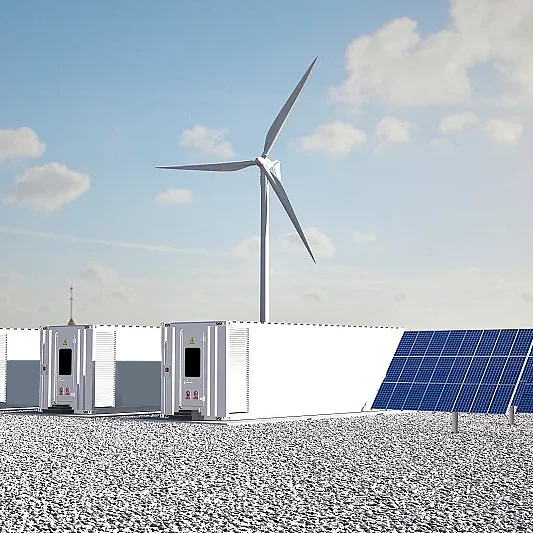
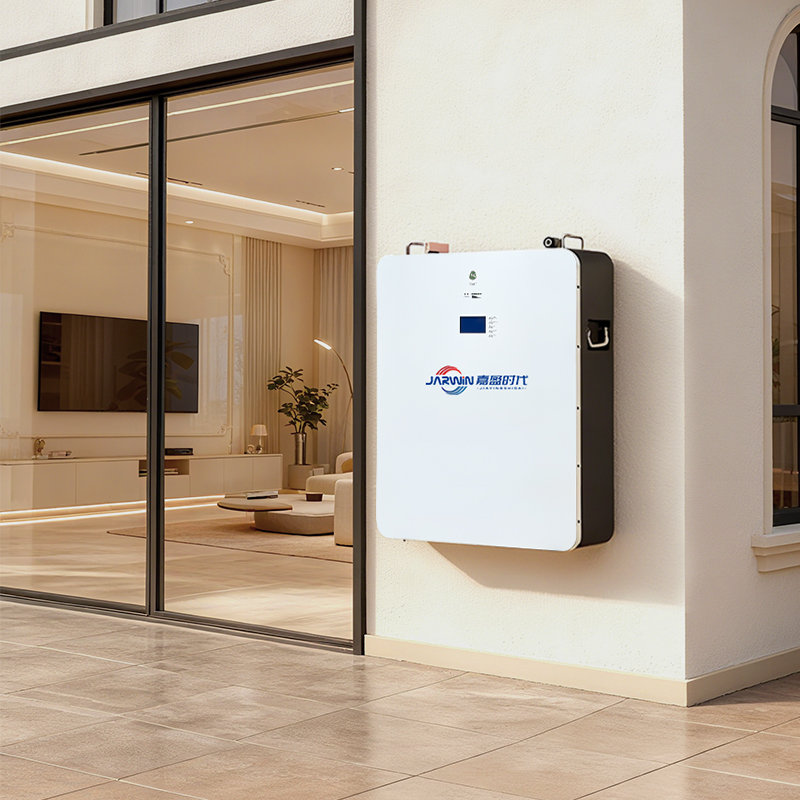




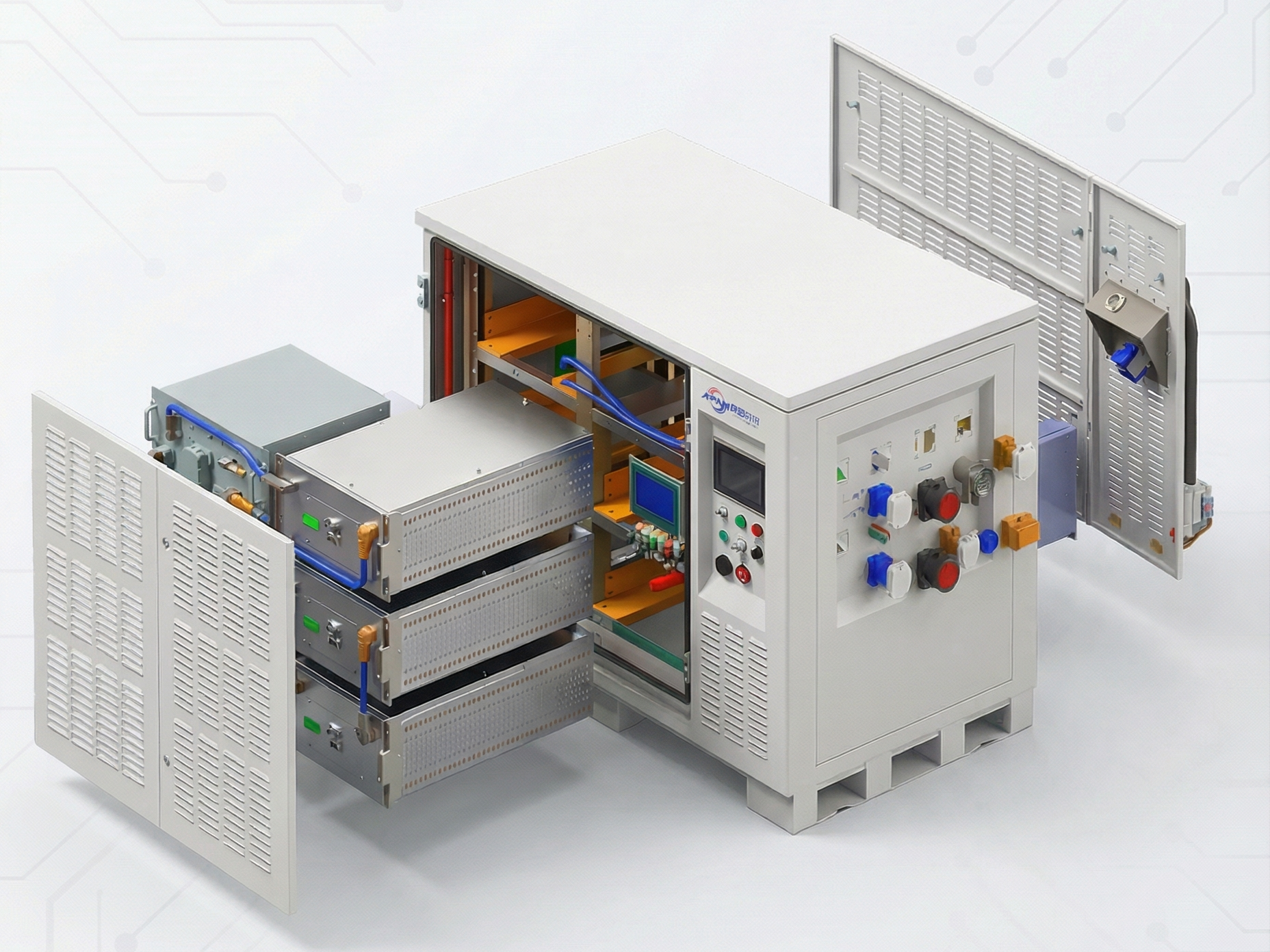
Understanding the exact runtime of your off-grid energy storage system is crucial for reliable power management. An off-grid all-in-one system is a compact, integrated power solution that functions independently from the traditional grid. It creates a complete micro-power network by integrating solar components, battery packs, bi-directional Power Conversion Systems (PCS), and Energy Management Systems (EMS).
Defining the Core Parameters of Performance
To accurately gauge how long your system will run, you must first clear up the confusion between two vital metrics: Rated Power and Rated Energy. Together, they dictate the system’s performance limits and endurance.
Understanding Rated Power
Rated power refers to the maximum power the system can continuously and stably output under standard conditions, measured in Watts (W) or Kilowatts (kW). This sets the ceiling for the total load you can connect.
For instance, a 1,000W system cannot support a total load exceeding its capacity. You could power ten 100W light bulbs simultaneously, but attempting to run a 1,500W electric kettle will exceed the limit, potentially causing the system to fail or sustain hardware damage. In contrast, a 5kW system is robust enough for small office environments, comfortably powering multiple computers (approx. 200W each), energy-saving lights (approx. 30W each), and small appliances like printers or water dispensers (totaling about 1kW) all at once.
Understanding Rated Energy
While power is about capacity, Rated Energy (measured in kWh) is about volume—the total amount of electricity stored. Think of it as a water tank: the higher the energy rating, the longer the system can discharge at a specific power level.
Consider a system with a rated energy of 5kWh. If used solely to power a 100W refrigerator, the theoretical runtime is 50 hours (5,000Wh ÷ 100W). However, if you add an 800W heater and a 200W TV, the total discharge power jumps to 1,000W, and the runtime drops to 5 hours. This inverse relationship between load power and duration is the foundation of energy planning.
The Physics of Runtime: Theory vs. Reality
The Fundamental Formula Once you have these metrics, you can calculate the theoretical runtime using a simple equation: Rated Energy (kWh) ÷ Load Power (kW) = Continuous Supply Duration (Hours).
-
Example 1: A 3kWh system running a 500W (0.5kW) load will theoretically last 6 hours.
-
Example 2: A 5kWh system running a 1,000W (1kW) load will theoretically last 5 hours.
Real-World Efficiency Factors Theoretical math rarely accounts for the variables of physics. In practical application, three major factors will impact your actual runtime:
-
Battery Degradation: As batteries age and go through charge cycles, their actual capacity declines. While Lead-acid batteries often show significant wear after 300–500 cycles, Lithium batteries last much longer (1,000–3,000 cycles). Even so, a 10kWh battery may eventually provide only 8kWh of usable energy after extensive use.
-
Ambient Temperature: Batteries perform best at 25°C. In extreme heat (above 40°C), self-discharge accelerates and internal resistance rises. In freezing winters (below 0°C), chemical activity slows significantly. For example, during a cold outdoor winter, you might only see 60%–70% of the rated runtime.
-
Conversion Efficiency: Energy is lost during the conversion from DC battery power to AC appliance power. Modern bi-directional inverters typically offer 90%–95% efficiency. If your battery outputs 100Wh, the “Efficiency Tax” means only 90–95Wh reaches your devices.
Analyzing Common Usage Scenarios
Scenario A: Home Emergency Backup
During a power outage, your system’s job is to keep the essentials running. A standard emergency load might include a refrigerator (150W), two LED lights (20W total), a router (10W), and phone chargers (10W), totaling roughly 190W.
For a 5kWh system, the theoretical runtime is 26.3 hours. However, when we factor in 10% battery degradation and 90% inverter efficiency, the usable energy becomes 4.05kWh. The actual runtime is approximately 21.3 hours. Note that adding a 1,500W space heater would bring the total load to 1,690W, slashing that runtime to under 3 hours.
Scenario B: Outdoor Work and Camping
Outdoor scenarios often involve portable fridges (60W), camping lights (10W), and small electric cookers (600W). If you are using a 2kWh system with a 1kW power rating: The total load is 700W. If we factor in a 20% capacity loss due to cold outdoor temperatures and 90% inverter efficiency, the usable energy is 1.44kWh. This results in an actual runtime of 2.06 hours. For professional outdoor work, higher capacity or multi-device rotation is recommended to ensure stability.
Strategies to Maximize Your System’s Endurance
Choosing High-Quality Equipment
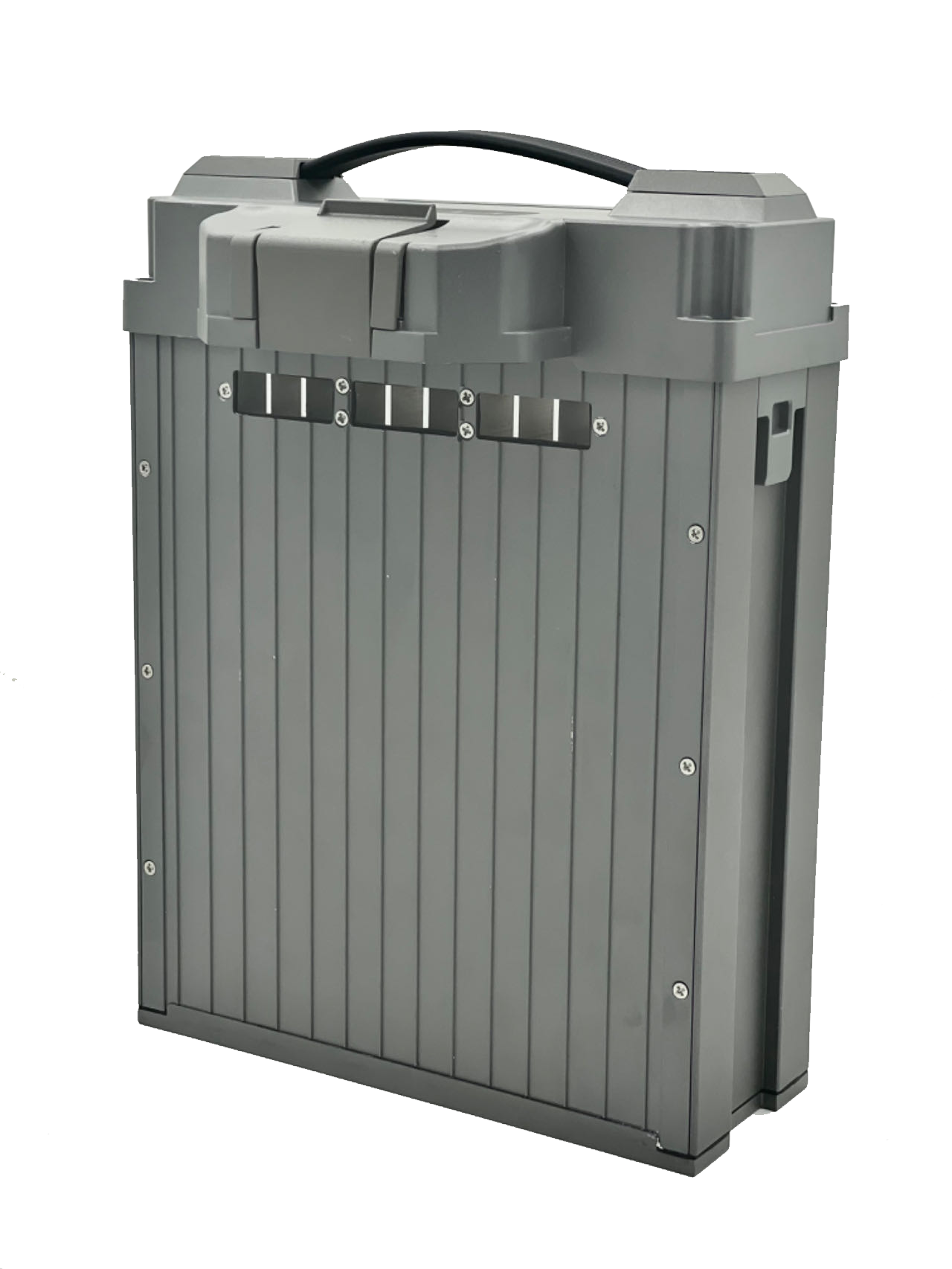
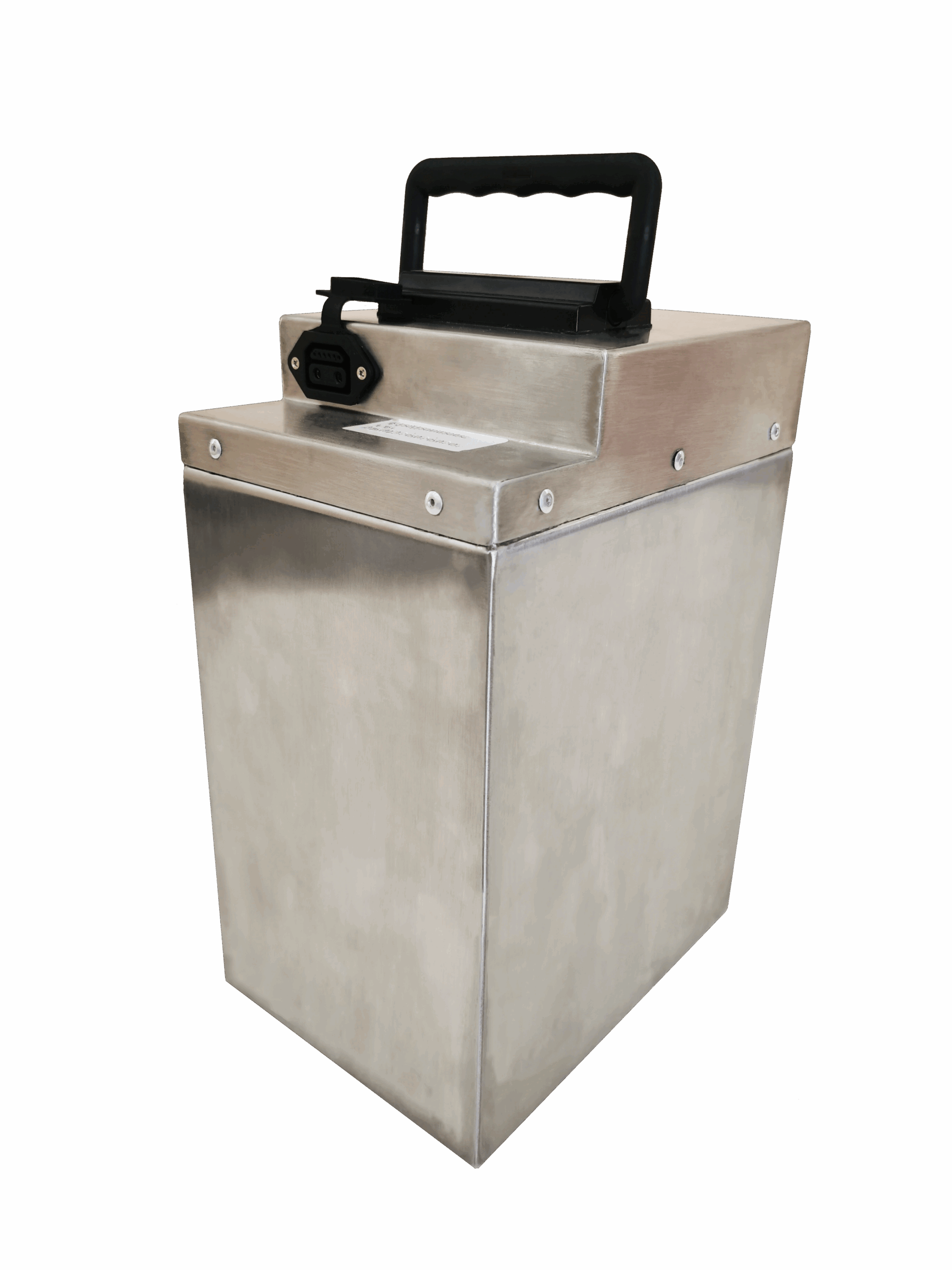
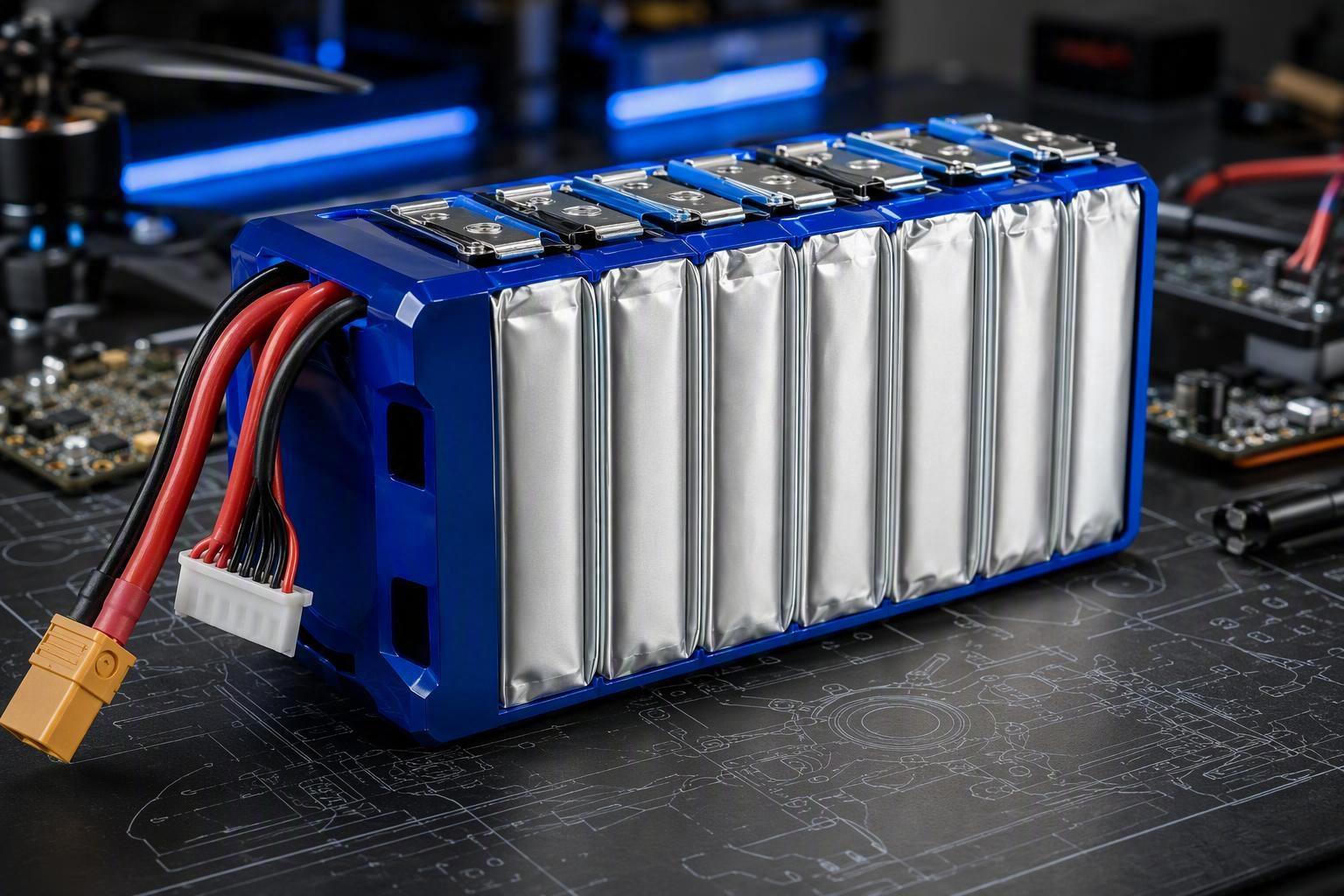
Quality is the bedrock of endurance. Prioritize Lithium Iron Phosphate (LiFePO4) batteries; they offer superior safety and a 1,000–3,000 cycle lifespan, maintaining high performance for years. Additionally, select inverters with conversion efficiencies above 95% to minimize energy waste. Look for premium casing materials, like aviation-grade aluminum alloy, which offer the heat dissipation necessary to prevent performance drops.
Optimized Usage and Maintenance
How you treat your system determines its longevity. Avoid deep discharging. It is best to stop charging at 90%–95% and recharge when the battery hits 20%–30%. This practice preserves the cycle life of lithium cells.
Temperature management is equally vital. Keep the unit in a well-ventilated, shaded area in summer, and provide insulation or an indoor environment during winter. Finally, perform routine checks: ensure connections are secure, replace aging wires to prevent power loss, and keep the unit free of dust to maintain efficient cooling.
Predicting the runtime of an off-grid energy storage system requires looking beyond simple labels. By understanding the interplay between rated energy, power loads, and environmental factors, you can build a more resilient power strategy. Whether for home safety or remote work, the right hardware combined with scientific maintenance ensures that you remain powered through any challenge.
Get a Professional Power Assessment Need a data-driven sizing recommendation for your specific needs? Our technical team is ready to help you match your load profile with the perfect high-efficiency LiFePO4 system. Contact us today for a consultation.





 English
  Español
  한국어
한국어  Deutsch
  Français
  日本語
日本語  Русский
  Bahasa Indonesia
  ไทย
ไทย  العربية
  Português do Brasil
  Italiano
  Nederlands