

In applications such as RC models, drones, and electric power tools, battery configurations labeled as 4S, 6S, 12S, or 14S often create confusion. The real differences, however, come down to three critical engineering factors: power output, thermal behavior, and energy efficiency.
Whether you’re an FPV pilot seeking aggressive thrust, a drone operator prioritizing stable flight endurance, or an industrial user focused on tool performance, understanding these differences is essential. Battery selection directly impacts system performance, operational safety, and lifecycle cost.
This guide provides a structured breakdown of how different series configurations behave—and how to choose the right one.
What Does “S” Mean in Battery Configurations?
Series (S) Explained
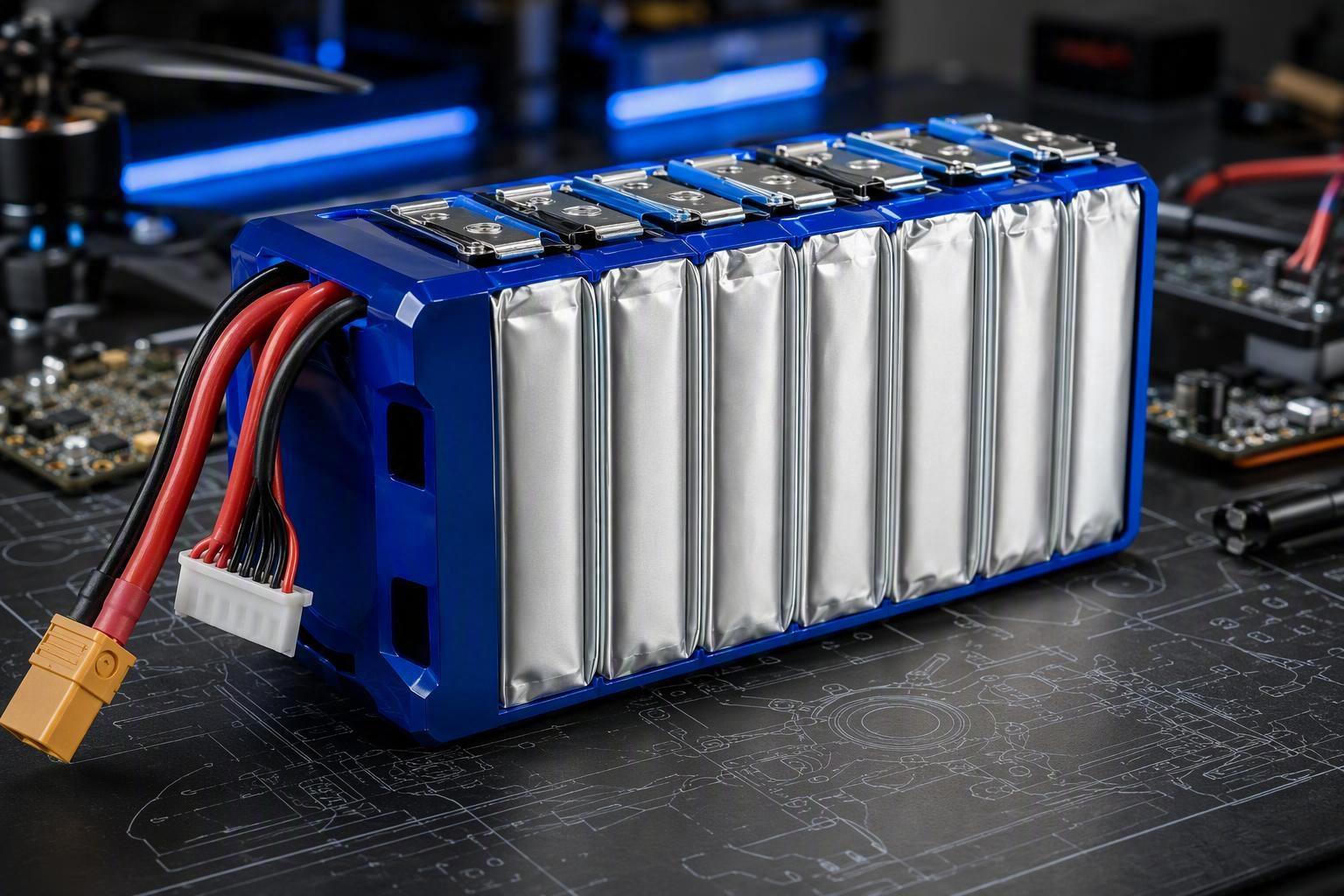
The “S” in battery terminology stands for Series, indicating how many individual cells are connected in series within a battery pack.
For lithium-based batteries (e.g., LiPo), a single cell typically has a nominal voltage of 3.7V. Total pack voltage increases linearly with the number of cells:
- 4S = 14.8V (3.7 × 4)
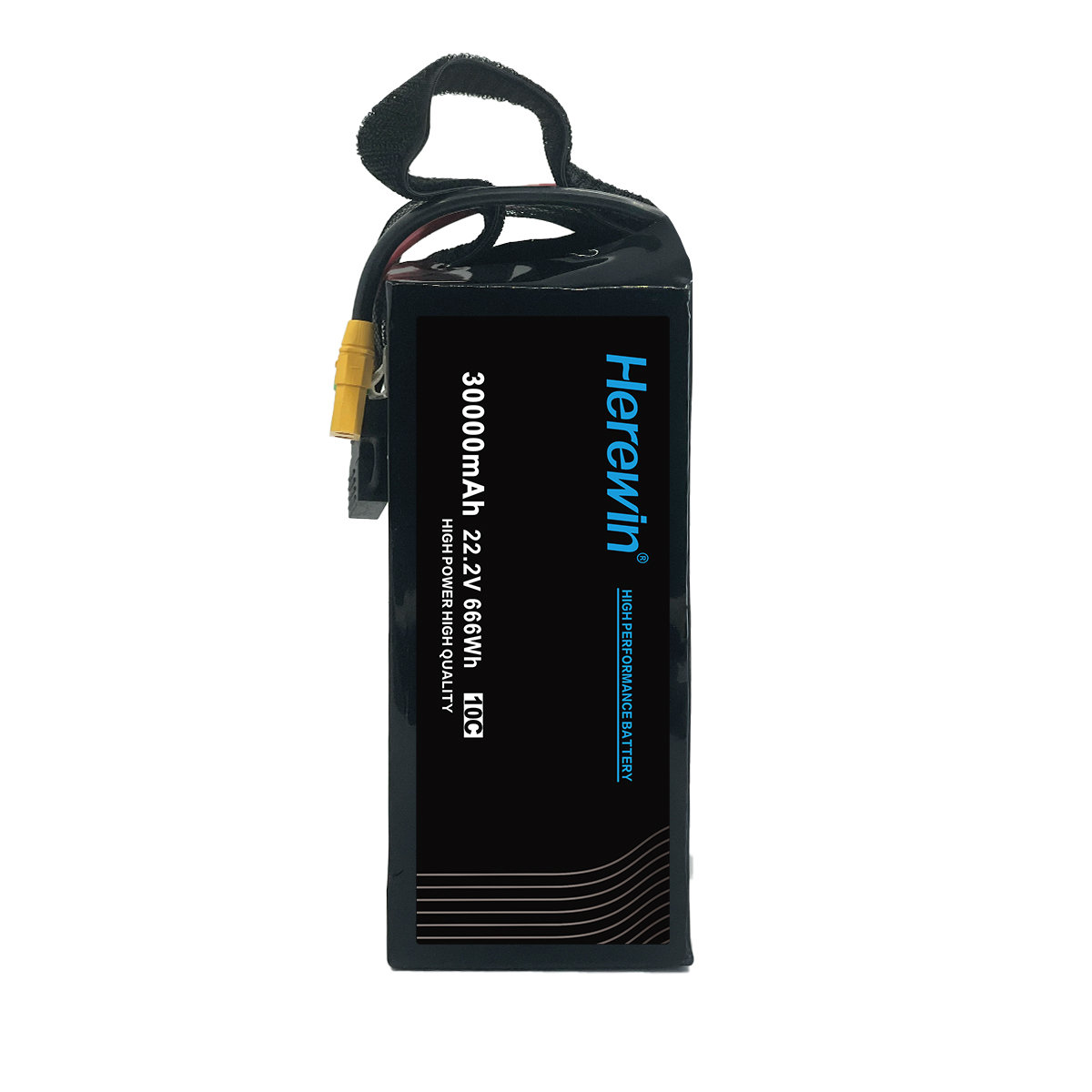
- 6S = 22.2V
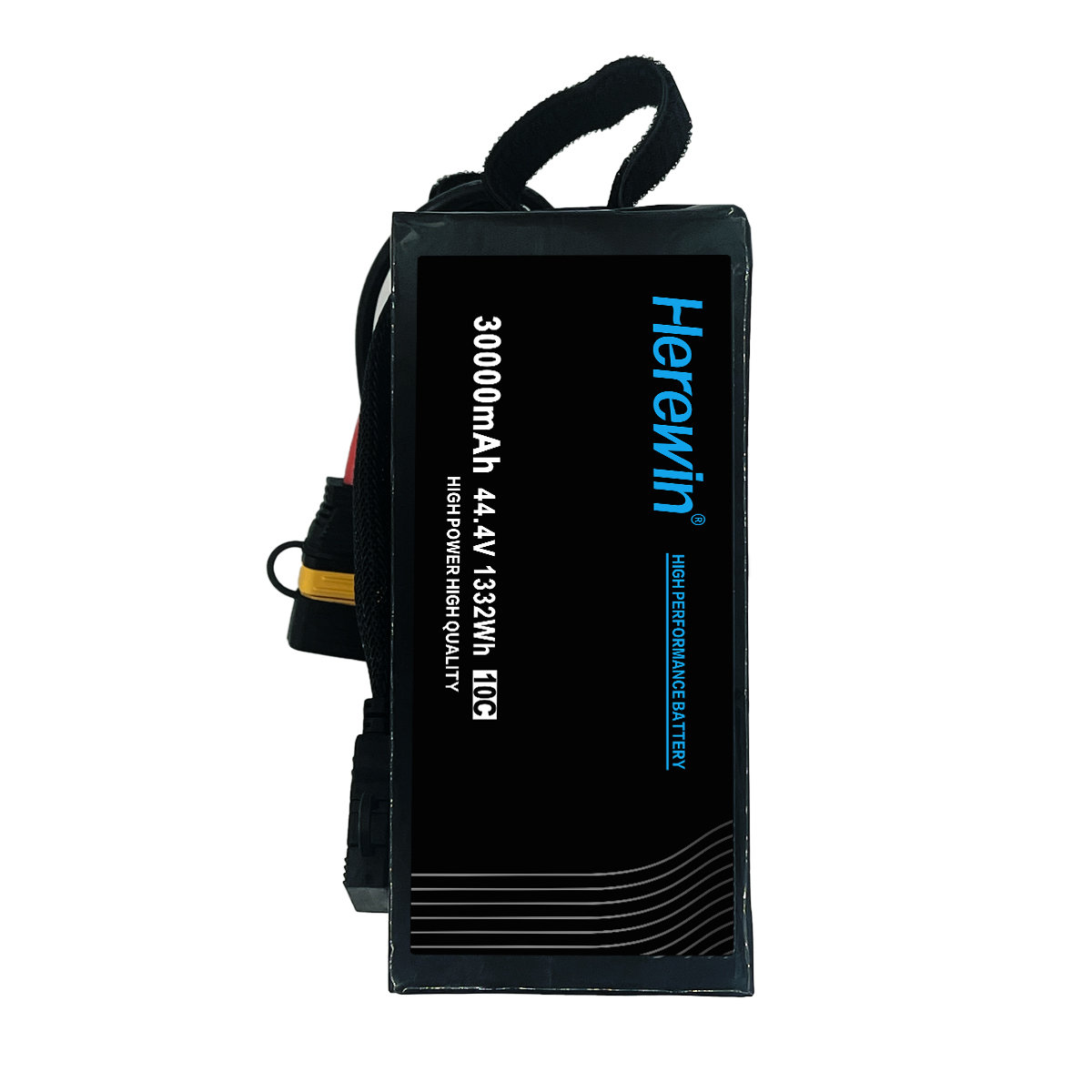
- 12S = 44.4V
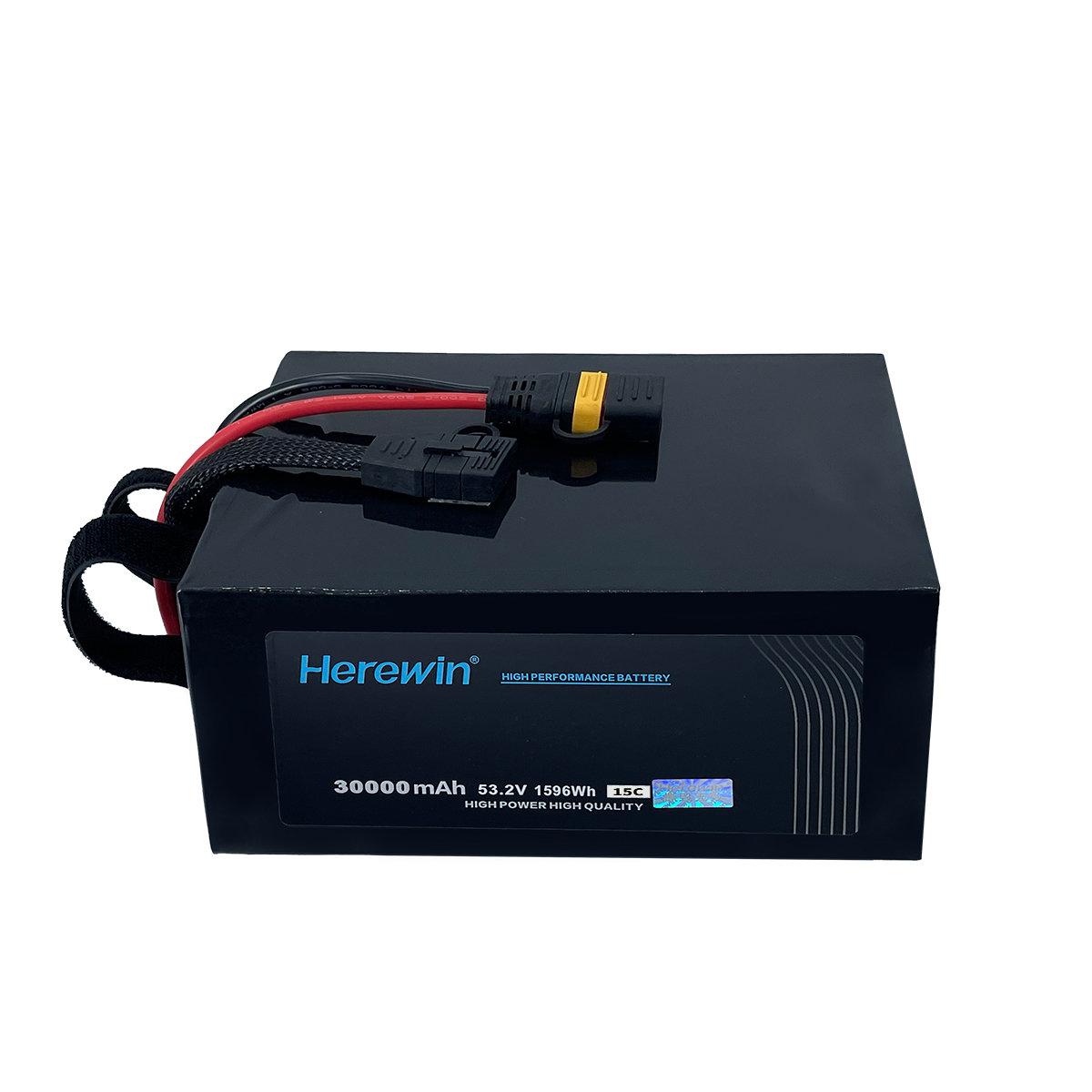
- 14S = 51.8V
The primary purpose of increasing series count is to raise voltage, enabling the battery to drive higher-power systems such as high-RPM motors or heavy-load applications.
Real-World Application Examples
Drone Applications
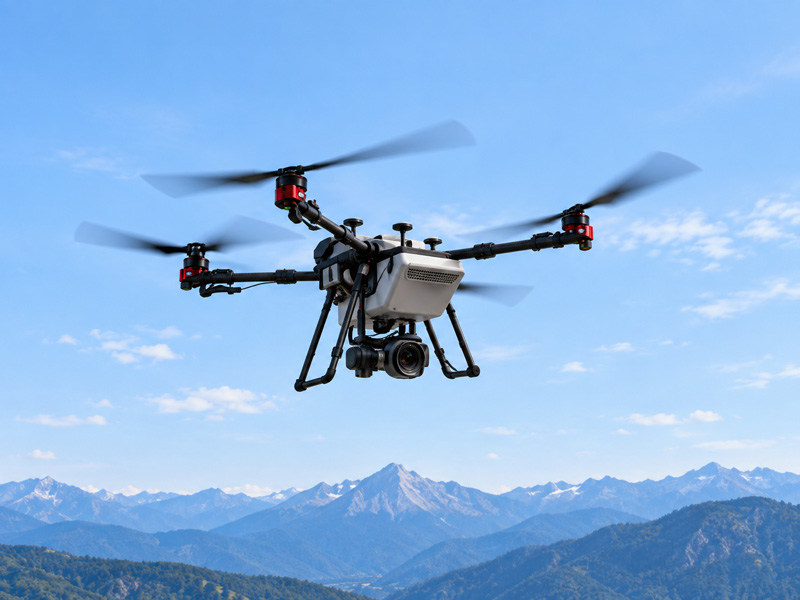
- 4S / 6S batteries are widely used in FPV and small drones, balancing agility and power.
- Example: A 4S 1500mAh 60C battery provides sufficient voltage (14.8V) for high-speed maneuvering.
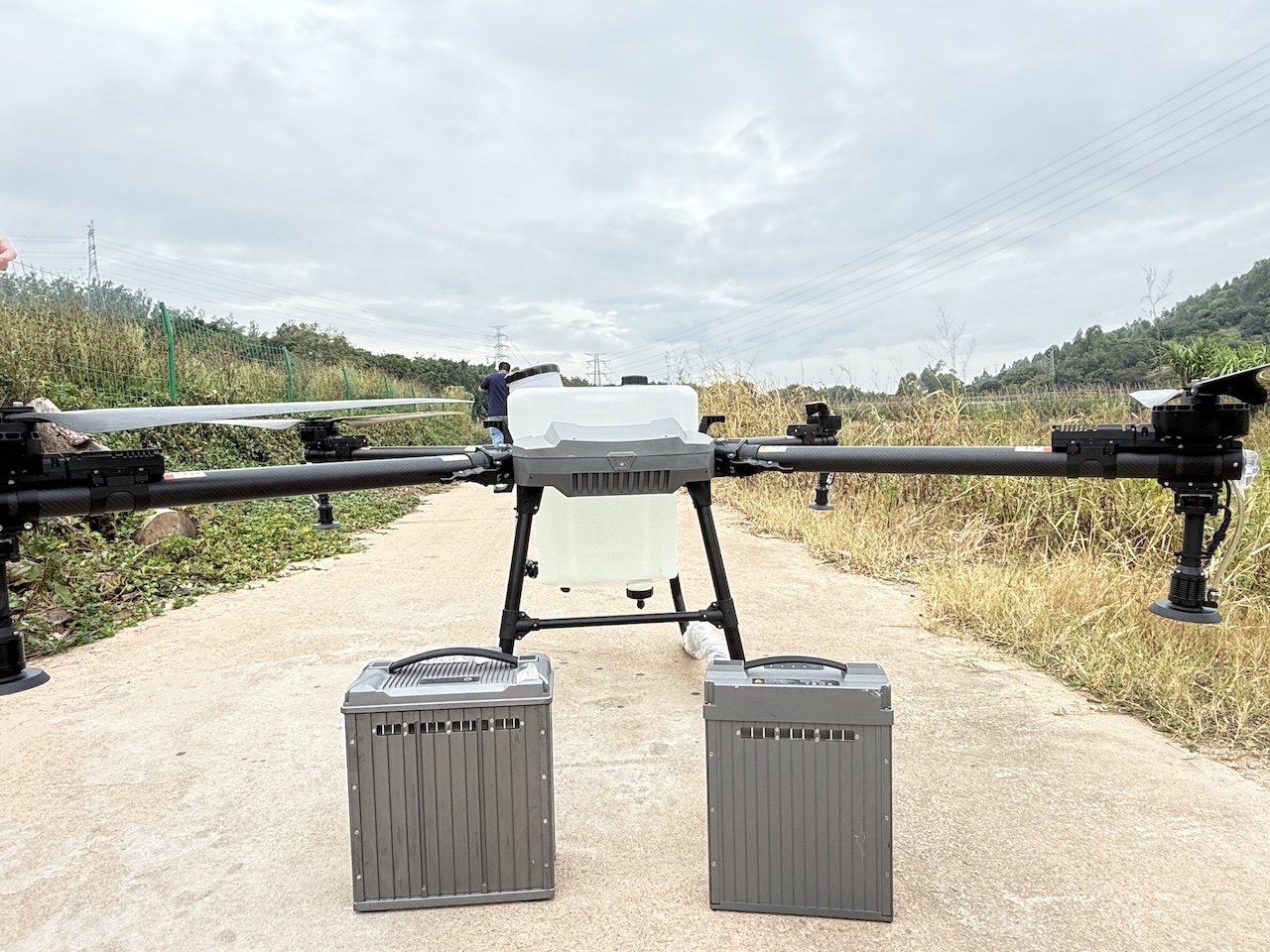
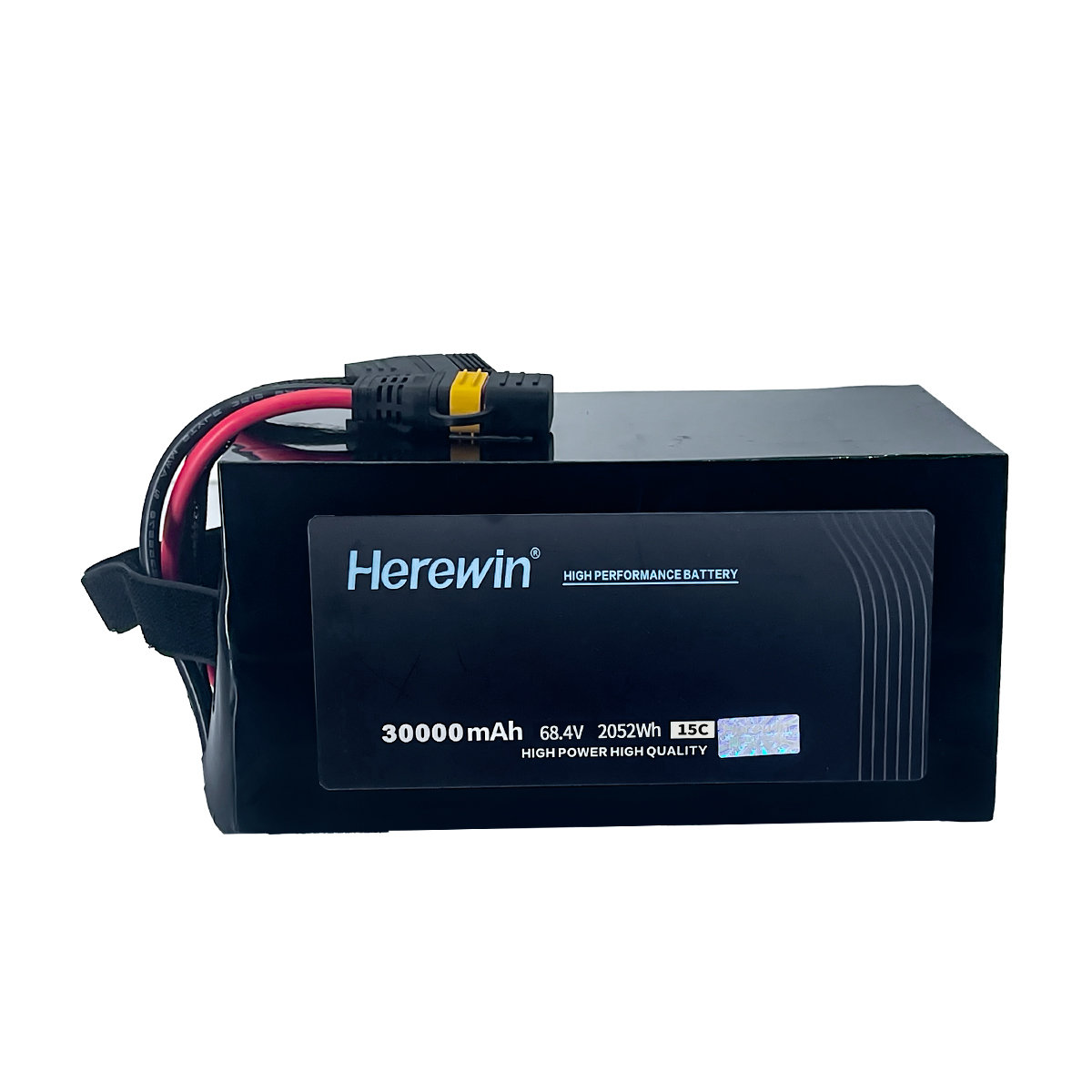
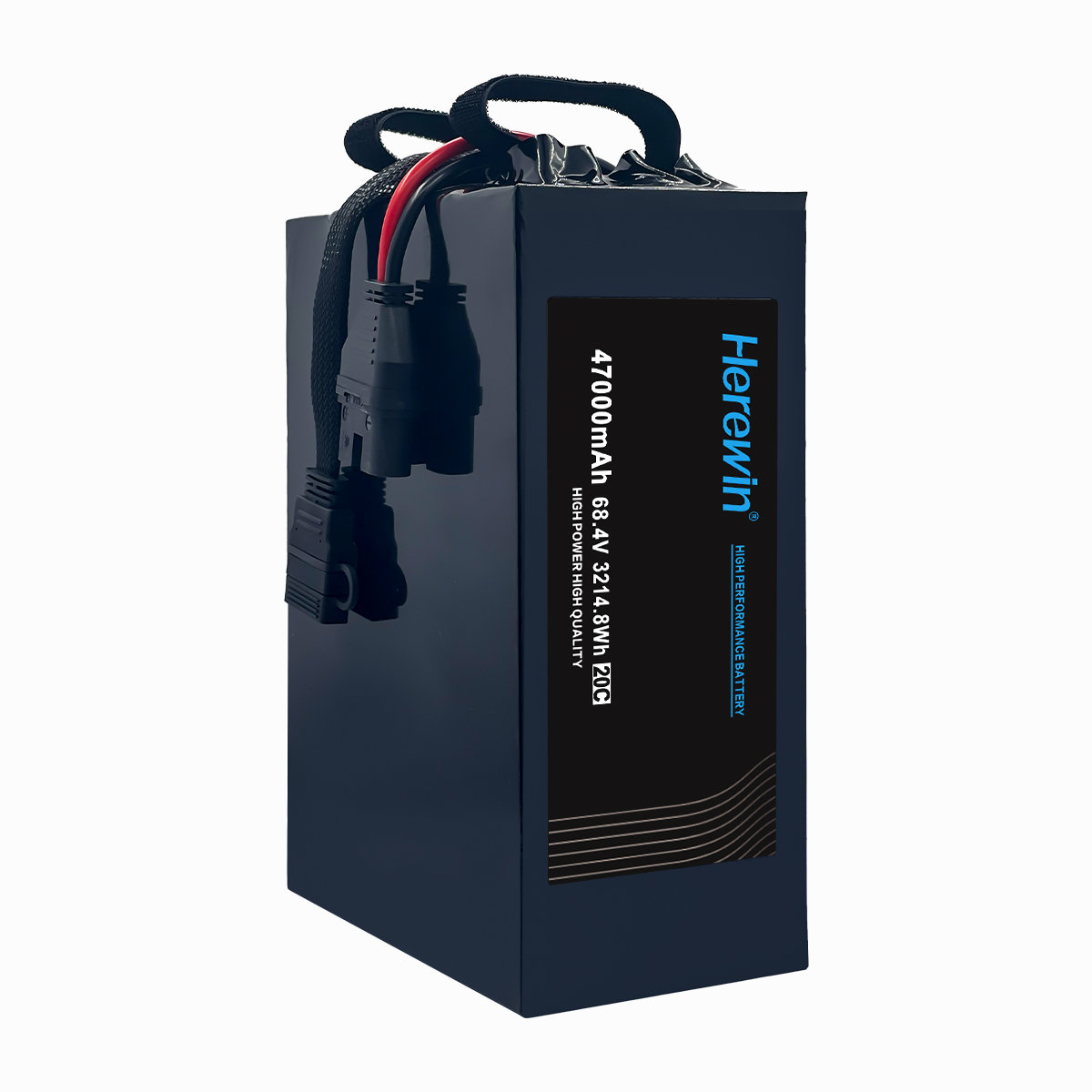
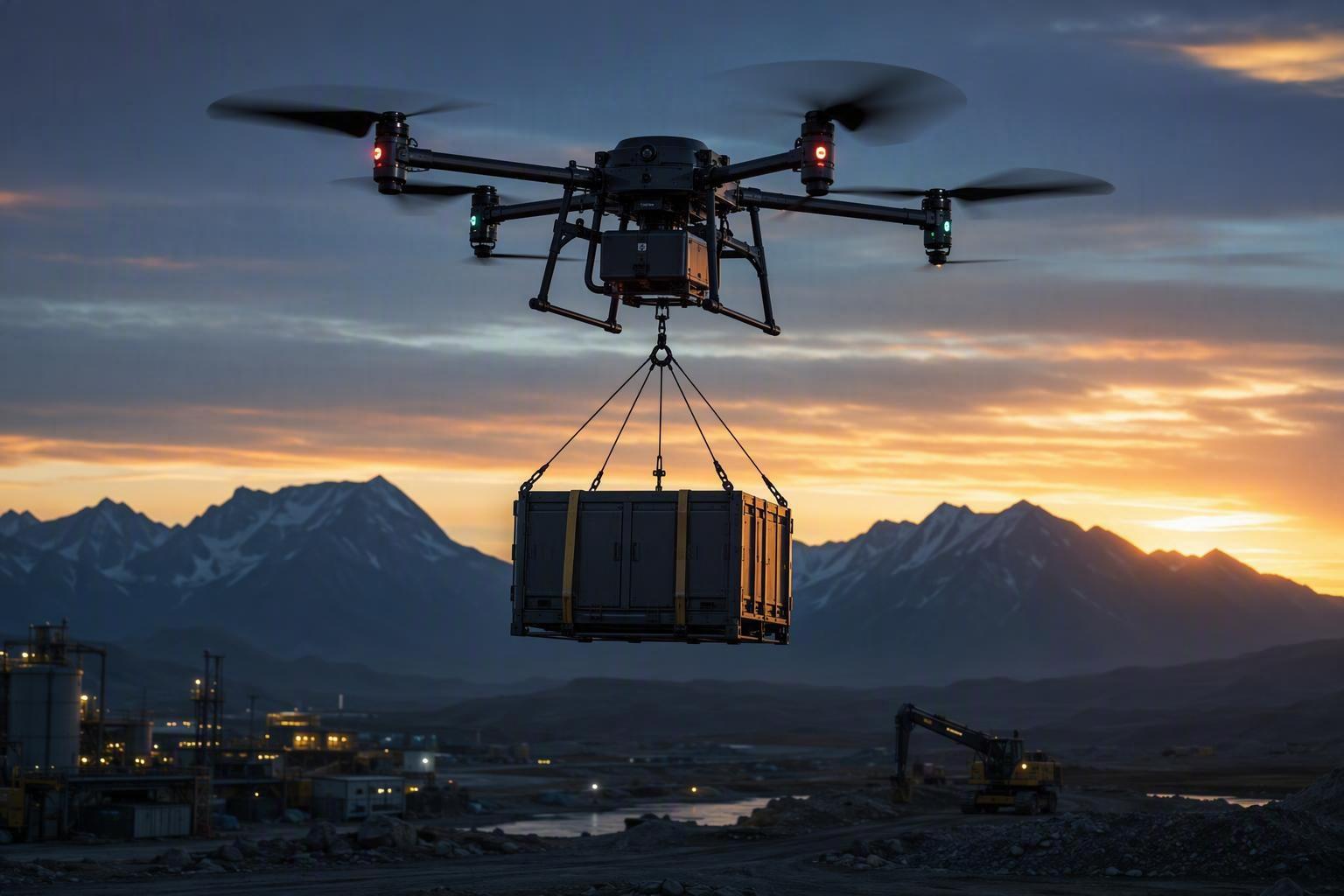
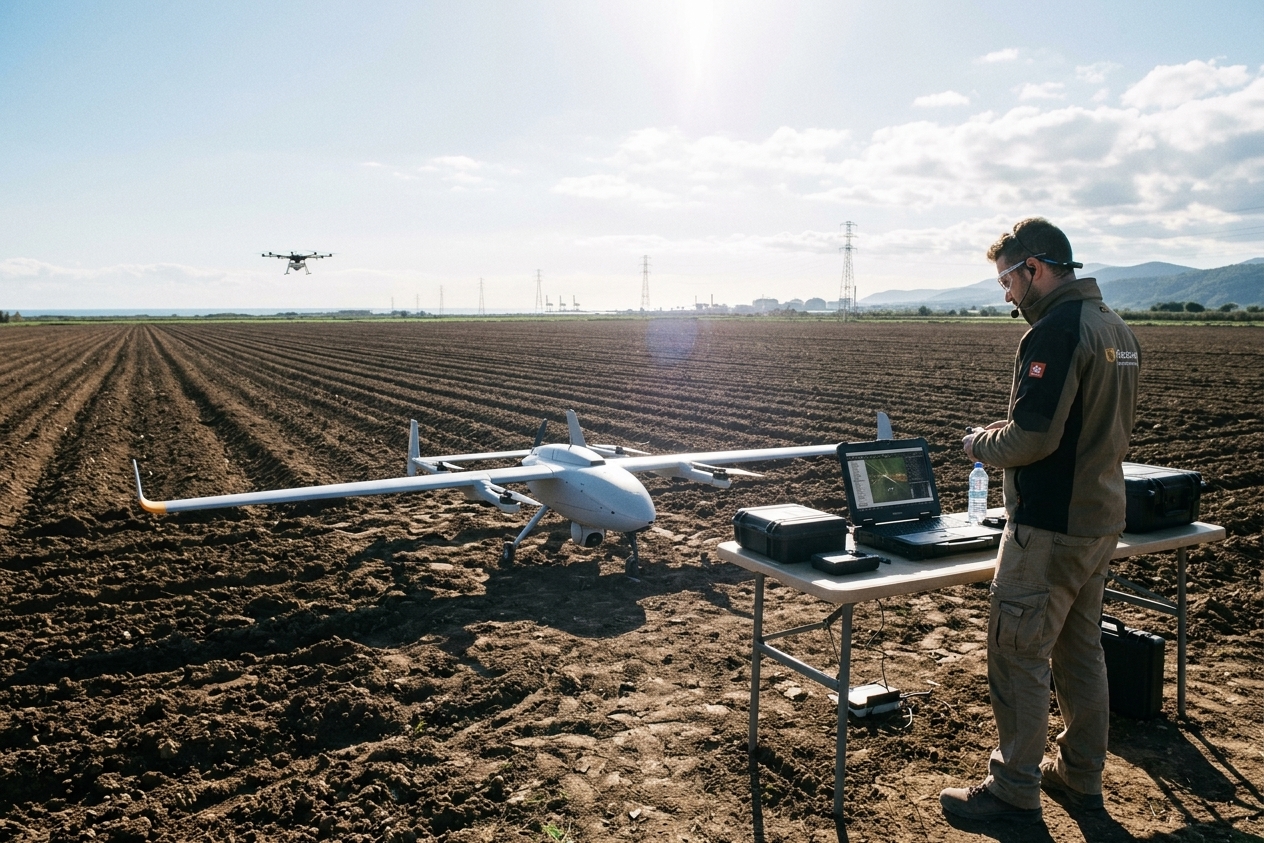
- 12S / 14S batteries are standard in industrial drones (mapping, agriculture).
- Example: A 14S 20,000mAh battery delivers 51.8V for heavy payloads and long-duration missions.
RC Aircraft
- Small fixed-wing aircraft: typically 4S–6S
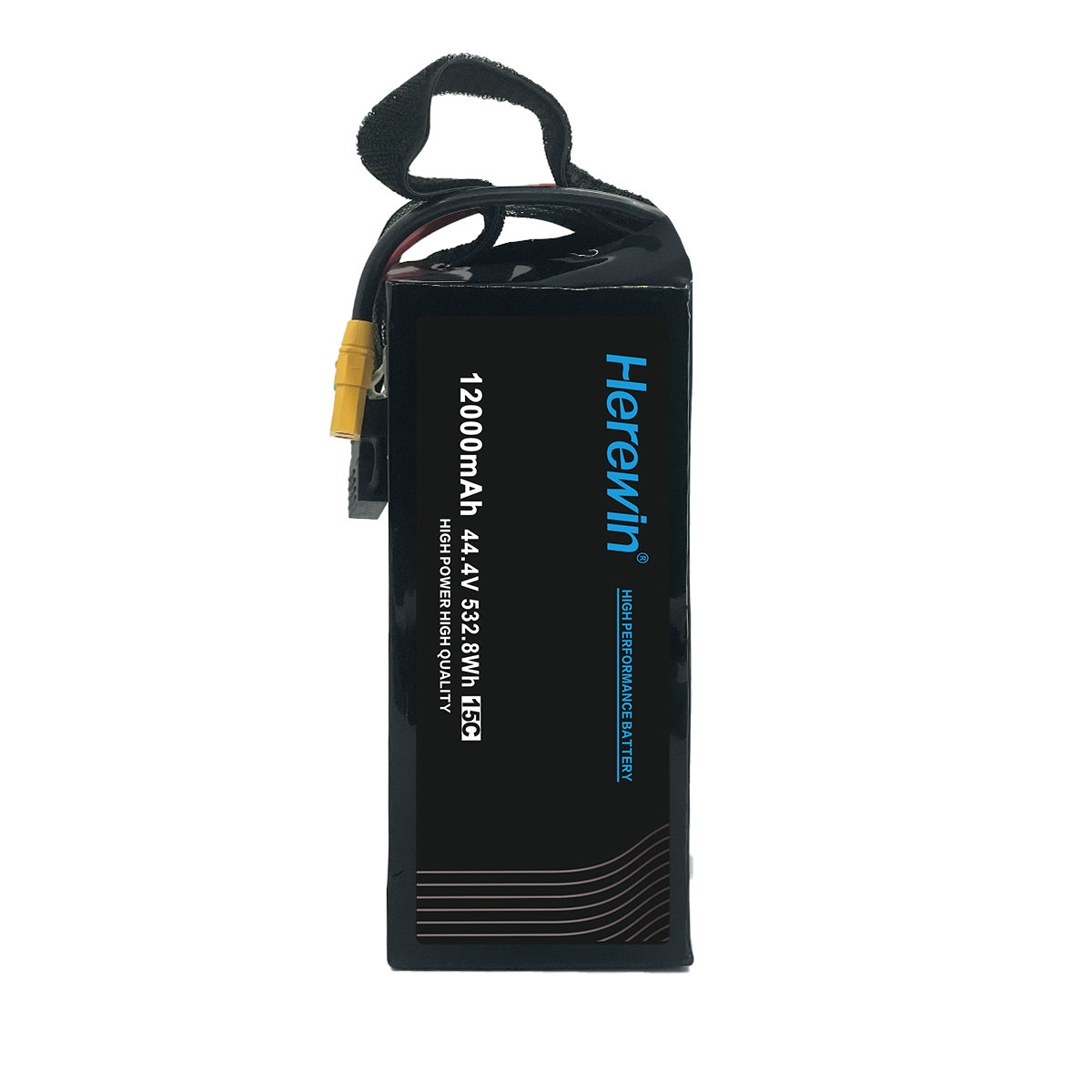
- Large helicopters: often 12S or higher
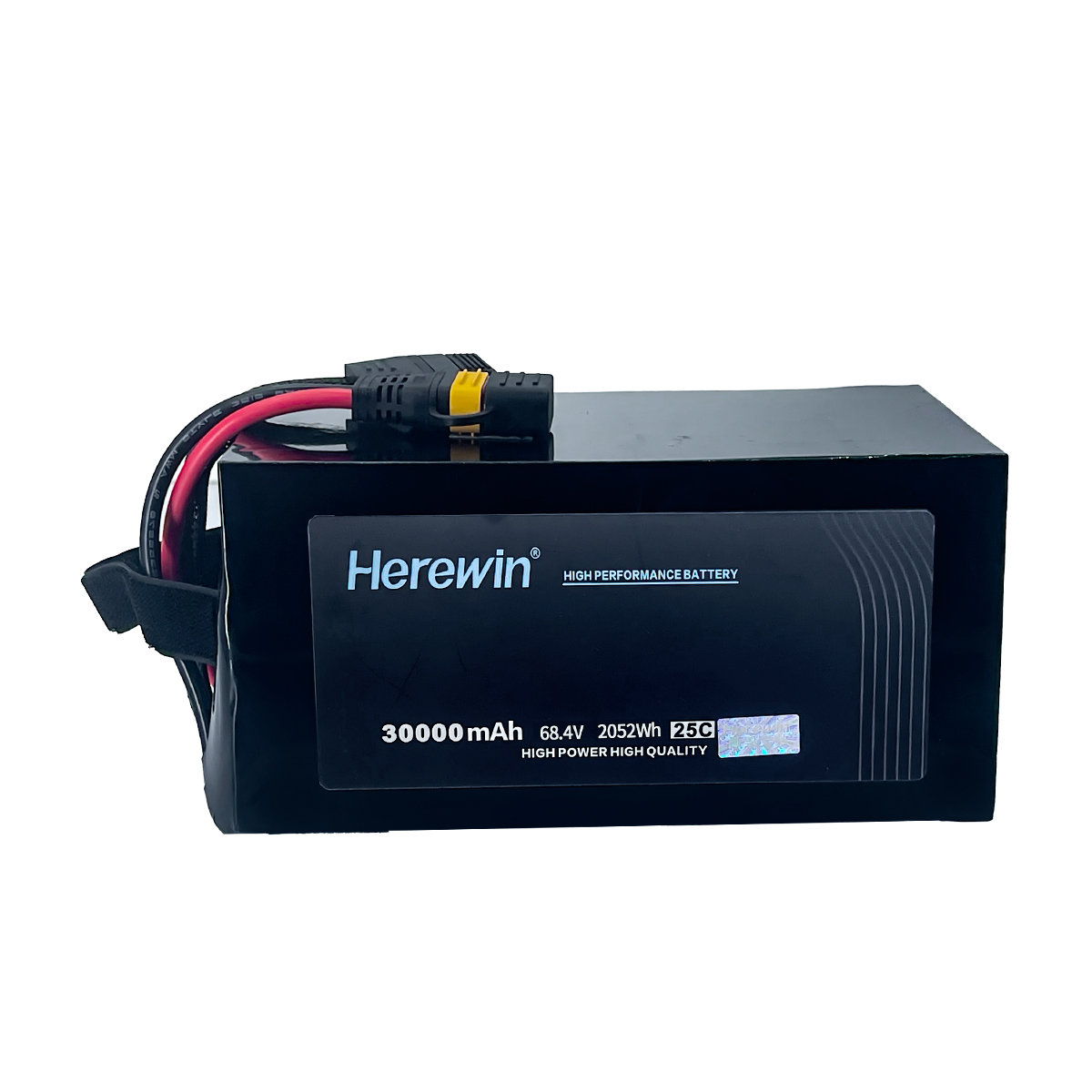
- Example: A 12S 5000mAh battery ensures stable hover and sustained power output
Power Output: Why Higher S Means More Power
Core Electrical Principle
P=U⋅IP = U \cdot I
Power depends on both voltage (U) and current (I).
Under the same load resistance:
- Higher voltage → higher current (Ohm’s Law: I=U/RI = U/R)
- Higher voltage + higher current → significantly higher power output
Example Calculation
For a motor with resistance = 5Ω:
- 4S (14.8V)
Current = 2.96A → Power ≈ 43.8W - 6S (22.2V)
Current = 4.44A → Power ≈ 98.6W
This demonstrates a non-linear increase in power as voltage rises.
Measured Performance Comparison
Controlled motor testing (same motor, same capacity batteries):
| Battery | Average Power Output |
|---|---|
| 4S | ~500W |
| 6S | ~800W |
| 12S | ~1500W |
| 14S | ~1800W |
Key takeaway: Increasing S count significantly boosts available power, enabling:
- Higher flight speeds
- Greater payload capacity
- Improved responsiveness
Thermal Behavior: Why Higher Voltage Increases Heat
Heat Generation Mechanism
Q=I2RtQ = I^2 R t
Battery heat is primarily caused by internal resistance losses:
- Higher current → exponential increase in heat generation
- Higher S count → higher voltage → higher current under load
Additionally:
- Faster electrochemical reactions increase heat output
- High-load conditions amplify thermal stress
Real-World Thermal Data
FPV Drone Example (10-minute aggressive flight):
- 4S battery: ~40°C
- 6S battery: ~45–50°C
Industrial Drone Example:
- 14S battery in high-temperature environment
- Extended operation (2 hours) → >60°C
- Result: reduced speed, shorter range, potential safety risks
Conclusion:
Higher S configurations require thermal management strategies (cooling design, duty cycle control).
Efficiency: Does Higher Voltage Improve or Reduce It?
What Is Battery Efficiency?
Efficiency = usable output energy / stored energy
Key influencing factors:
- Depth of Discharge (DOD)
- C-rate (charge/discharge rate)
- Internal resistance
Measured Efficiency Comparison
Under controlled conditions:
Low load (0.5C, 50% DOD):
| Battery | Efficiency |
|---|---|
| 4S | ~90% |
| 6S | ~88% |
| 12S | ~86% |
| 14S | ~85% |
High load (2C):
| Battery | Efficiency |
|---|---|
| 4S | ~85% |
| 6S | ~82% |
| 12S | ~78% |
| 14S | ~75% |
Why Efficiency Drops with Higher S
- Increased total internal resistance
- Higher polarization at high current
- Greater thermal losses
Application-Based Efficiency Insights
- Aerial photography drones (low–moderate load):
- 4S / 6S perform efficiently (~88–90%)
- High-performance / racing / heavy-lift drones:
- 12S / 14S deliver power but drop to ~70–75% efficiency
- Shorter runtime under high load
How to Choose the Right Battery Configuration
Drone Battery Selection Criteria
Focus on three parameters:
- Voltage (S count):
- 4S–6S → small drones
- 12S+ → industrial platforms
- Capacity (mAh):
- Consumer drones: 2000–5000mAh
- Industrial drones: 10,000mAh+
- Discharge rate (C rating):
- Racing drones: 60C+
- Standard drones: 30–40C
Power Tool Battery Selection
Key factors:
- Capacity → runtime
- Voltage → torque and power
- Discharge rate → peak performance
Examples:
- Household tools: 2000–3000mAh
- Industrial tools: 5000mAh+
- High-impact tools require high discharge capability
Decision Framework: Balancing Power, Heat, and Efficiency
- Choose 12S / 14S if:
- High power and thrust are critical
- Payload is heavy
- Cooling and system design can handle heat
- Choose 4S / 6S if:
- Stability and efficiency matter more
- Thermal constraints exist
- Application involves moderate loads
Also consider:
- Usage frequency
- Charging speed requirements
- Lifecycle and cost optimization
Conclusion
The differences between 4S, 6S, 12S, and 14S batteries come down to:
- Power: increases significantly with higher S
- Heat: rises with current and load intensity
- Efficiency: decreases at higher S, especially under high load
There is no “best” configuration—only the right match for your application.
A well-matched battery system improves:
- Equipment performance
- Operational safety
- Battery lifespan
- Total cost of ownership
If you are evaluating battery configurations for drones, RC platforms, or industrial equipment, the key is to define your power envelope and thermal limits first—then select the S configuration accordingly.
For engineering support or application-specific battery selection, feel free to connect with the Herewin team.



 English
  Español
  한국어
한국어  Deutsch
  Français
  日本語
日本語  Русский
  Bahasa Indonesia
  ไทย
ไทย  العربية
  Português do Brasil
  Italiano
  Nederlands