



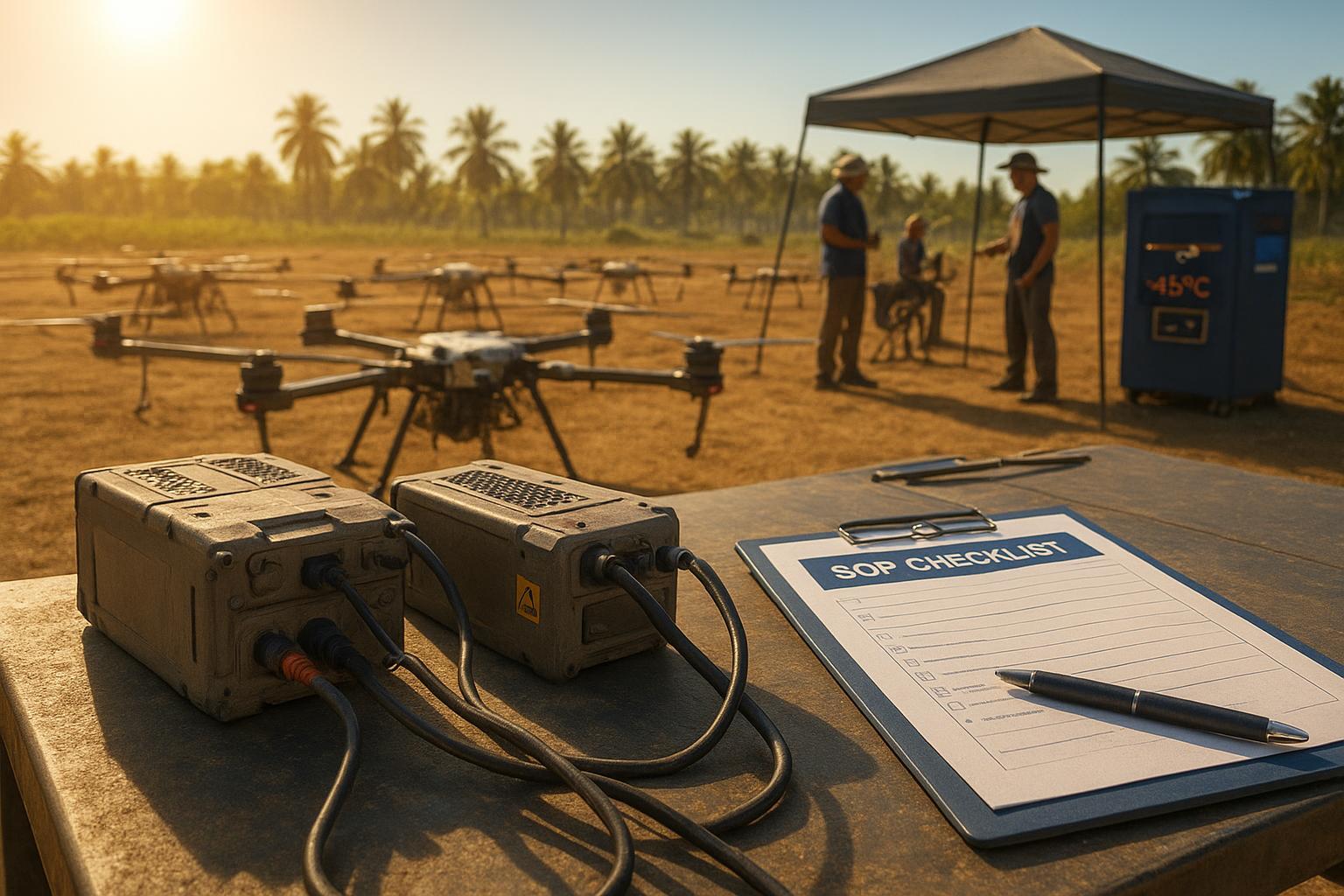
In high‑temperature operating seasons (35°C–45°C), battery expenditure has become the single heaviest hidden burden on the balance sheet for fleet managers operating 100–500 heavy agricultural UAVs. The industry now commonly faces a lifecycle bottleneck of roughly 300 usable cycles. Because extreme heat accelerates electrolyte decomposition and cell aging, high pack amortization directly increases per‑acre operating cost and severely compresses profit margins.
Executive summary
- Core objective: Increase usable battery cycles from 300 to about 450 through science‑based management.
- Core measures: Implement an engineering‑grade SOP centered on the 20/80 charge/discharge rule and a mandatory 45°C thermal charge lockout.
- Expected benefit: Approximately a 30% reduction in per‑acre battery amortization, plus an audit‑grade safety and traceability system to mitigate thermal‑runaway risk.
By introducing standardized, electrochemistry‑informed processes, operators can extend asset life and turn battery maintenance from ad‑hoc field work into predictable financial value.
The electrochemistry behind heat‑driven loss: what actually fails
Why does extreme heat punish UAV battery packs? Think of the cell as a living system: every degree of temperature and every volt at the top end accelerates its “metabolism” toward failure.
SEI Layer Breakdown & Regeneration
The Solid Electrolyte Interphase (SEI) on the anode is essential for stability but fragile under thermal stress.
- Mechanics: At high C-rates and elevated temperatures, micro-fractures force the cell to repeatedly rebuild the SEI, consuming active lithium ions and reducing cyclable capacity.
- Field Impact: This is the root cause of the accelerated capacity fade and shortened cycle life (300-cycle bottleneck) seen in heavy-duty operations.
Electrolyte Decomposition & Gassing
As temperatures rise, the chemical stability of the electrolyte compromises.
- Mechanics: Solvent decomposition becomes likely above 45°C, generating internal gas and increasing pressure.
- Field Impact: This triggers the swelling and leakage risks common in tropical climates. Modern systems use JEITA-style charging to inhibit charging in these hot bands to prevent structural failure.
Internal Resistance (IR) Rise & Voltage Sag
Over time and temperature, the internal resistance of the pack increases.
- Mechanics: Under heavy agricultural loads, the instantaneous voltage is governed by V = OCV − I × R_int
- Field Impact: Higher IR yields deeper voltage sag, leading to premature power limits mid-mission. Maintaining a 20% SoC reserve is a critical buffer against this electrochemical reality.
Thermal Safety & Charging Windows
Industry standards — for example, University of Michigan EHS, “Lithium Battery Guidance” (Feb 20, 2025) — and JEITA guidelines (JEITA: A Guide to the Safe Use of Secondary Lithium‑Ion Batteries) emphasize that charging above 40–45°C significantly raises safety risks.
- The SOP Solution: Restricting routine charge windows and enforcing a thermal lockout (no charging if pack surface ≥ 45°C) are non-negotiable for fleet longevity and fire prevention.
Actionable UAV battery management SOPs for heat
This protocol is engineered to mitigate thermal stress and drive your fleet toward the ~450‑cycle target in high‑ambient environments. 1.The “20/80 Rule” (Voltage Window Management)
- Core Requirement: Enforce a mandatory ≥20% SoC return‑to‑base threshold and cap routine charging at 80–90% SoC.
- Technical Rationale: Limiting the upper voltage ceiling (for example, to ~4.10 V/cell) reduces time at high cell voltage, which in turn minimizes electrolyte side reactions and slows irreversible consumption of active lithium that accelerates capacity fade.
- Field Signage: [ OPTIMIZED CHARGE WINDOW ]
2.Thermal Lockout (≥45°C)
- Core Requirement: Do not initiate any charge cycle if the pack surface temperature is ≥45°C.
- Technical Rationale: This aligns with JEITA‑compliant safety logic and common charger behavior; suspending charge in the hot band prevents solvent decomposition, gas generation, and structural swelling that increase failure risk.
- Field Signage: [ THERMAL CHARGE LOCKOUT ]
3.Turnaround Scheduling & Active Cooling
- Core Requirement: Stagger sortie rotations so each pack’s surface temperature falls below 40°C before it is queued for charging.
- Technical Rationale: Preventing “thermal stacking”—residual discharge heat combined with charging heat—reduces repeated SEI damage and cumulative ageing under high duty cycles.
- Field Signage: [ COOLDOWN BEFORE CHARGE ]
4.Integrity Inspection & Incident Response
- Core Requirement: Perform a post‑flight visual audit for housing cracks, connector strain, terminal damage, or subtle swelling on every pack.
- Incident Response: Immediately quarantine any pack that exhibits abnormal heat, smell, venting, or deformation into a designated localized “hazard zone” and follow your documented escalation path.
- Field Signage: [ INSPECT AFTER FLIGHT ]
5.Strategic Storage & Calibration
- Core Requirement: During off‑season or long‑term storage, maintain packs at 40–60% SoC in a climate‑controlled environment (15–25°C, <60% RH).
- Technical Rationale: Periodic balanced charging (every 10–15 cycles, or quarterly in low‑use fleets) re‑aligns BMS State‑of‑Health estimates with measured cell capacity and prevents long‑term SOC drift that degrades accuracy and lifecycle planning.
- Field Signage: [ STRATEGIC STORAGE MODE ]
The Redline Protocols
- Never charge a hot pack: forced cooling below the lockout threshold must precede any charger connection.
- Never store at 100% SoC in high ambient heat: avoid leaving packs at full voltage for more than four hours in hot conditions.
ROI math: why 300 vs 450 cycles changes per‑acre cost so much
Model assumptions
- Pack unit price (CapEx): $900 per pack
- Operational tempo: 20 sorties per UAV per day
- Inventory per aircraft: 6 packs (rotation buffer)
- Electricity cost (OpEx): $0.15 / kWh
- Retirement criterion: 80% State of Health (SOH) or 2× initial pack internal resistance (IR)
- Annual loss/damage factor: 10% (field damage, unexpected retirements)
- Peak-season active days: 90 days
- Reference ambient: 35°C
These assumptions are the locked baselines for the 300 vs 450 cycle comparison and should be treated as audit inputs when you reproduce the spreadsheet model.
Why cycles matter
The CapEx amortization component of your per-acre battery expense scales approximately with 1 / usable_cycles. Holding other inputs constant, increasing usable cycles from 300 to 450 reduces the amortization term by 300/450 = 0.67 — a 33% reduction in the pack amortization line item. When electricity, loss/damage, and downtime penalties are folded in, the combined per-acre battery cost target is about ≈30% lower, Through rigorous SOP enforcement and loss/damage does not materially increase. Sensitivity note: field realities (higher-than-modeled damage, forced full charges, or frequent mid-season replacements) erode the theoretical gain; include the 10% loss factor and a small contingency for heat-induced premature retirements when auditing results.
Operational contrast — CapEx & Amortization view
| Dimension | 300 cycles (Baseline) | 450 cycles (SOP target) |
|---|---|---|
| Annual replacements per UAV (CapEx amortization) | 3.0 | 2.0 |
| Pack unit cost (CapEx) | $900 | $900 |
| Per-acre battery cost (Amortization efficiency, relative) | 1.00× | ~0.70× |
| Asset risk profile | Higher (more swelling / thermal incidents) | Lower (SOP controlled) |
| Compliance & documentation burden | Partial / ad hoc | UN38.3 test summary + standardized health file |
Use the above table as a statement of expected operational outcomes; the spreadsheet model will show the line-item math that produces the ≈0.70× relative amortization figure when the Model assumptions are applied.
How the ≈30% saving reduces real operational burden
Translating amortization improvements into operational relief is critical for procurement and operations sign‑off. The expected per-acre cost reduction directly reduces these three burdens:
- Turnaround bottleneck: Fewer pack replacements and more predictable life per batch reduce pressure on spares inventory and shrink urgent procurement cycles during peak season.
- Cooling and scheduling delays: By enforcing thermal lockouts and 20/80 charge windows, teams need fewer emergency cooldown cycles and can schedule sorties with fewer unscheduled delays, improving daily acreage throughput.
- Shipping / insurance friction: Standardized UN38.3 test summaries and health files lower shipment dispute rates, reduce delay days, and can materially lower incidental insurance loading tied to undocumented packs.
The ≈30% per-acre saving is not only a P&L line — it is a direct lever to lower spare inventory carrying cost, reduce peak-season rush procurement, and shorten lost-coverage minutes caused by cooldown/return‑to‑base events.
Verifying impact without overpromising
Track these three, audit‑grade KPIs season over season to validate both physics and finance:
- Cycles to 80% SOH by procurement batch (batch-level life curve)
- Pack-level IR trend vs timestamp and ambient (IR growth rate per 100 cycles)
- Mid-mission aborts or power-sag events per 100 sorties (operational failure rate)
Combine those with simple financial mappings in the spreadsheet (amortization, spare carry cost, downtime minute cost) to produce an evidence-backed ROI for decision-makers. If these KPIs move in the expected direction after SOP enforcement, the modeled ≈30% per‑acre reduction is plausibly realizable; if not, adjust assumptions (loss rate, forced full charges, ambient) and rerun the audit model.
Compliance and logistics: UN38.3, IATA, and health file discipline
Compliance lowers friction and cost across shipping, insurance, and audits — and it separates legal/market access requirements from day‑to‑day operational traceability.
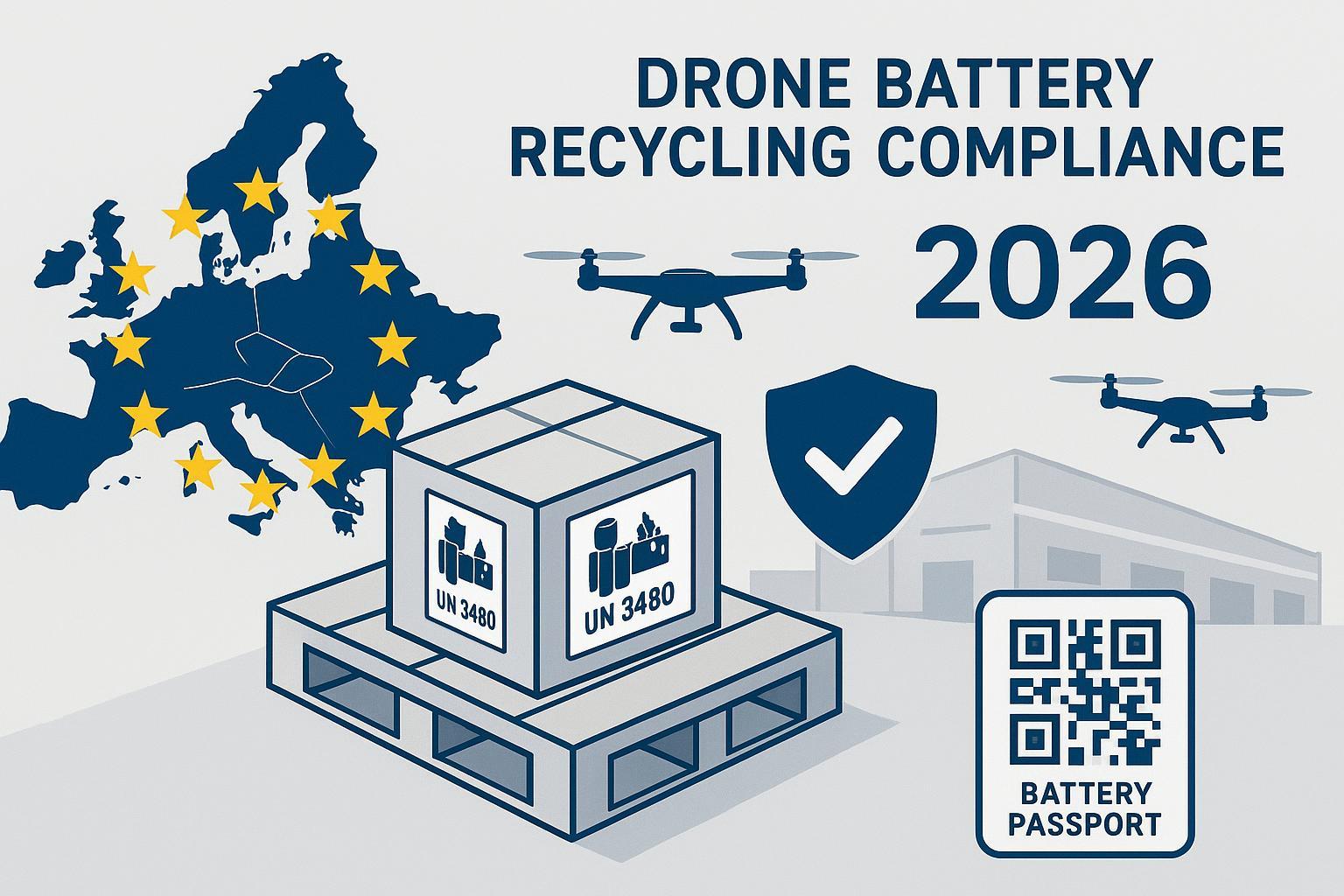
- UN38.3 test summary (shipment passport): Keep a shipment‑level UN38.3 Test Summary that lists T1–T8 results (altitude, thermal, vibration, shock, external short, impact/crush, overcharge, forced discharge), the test lab/report number, dates, and pass/fail attestations. This document is the canonical artifact customs and carriers inspect; maintaining it prevents avoidable rejections and delays (see the UNECE UN Manual of Tests and Criteria — Section 38.3 test‑summary guidance (2025)).
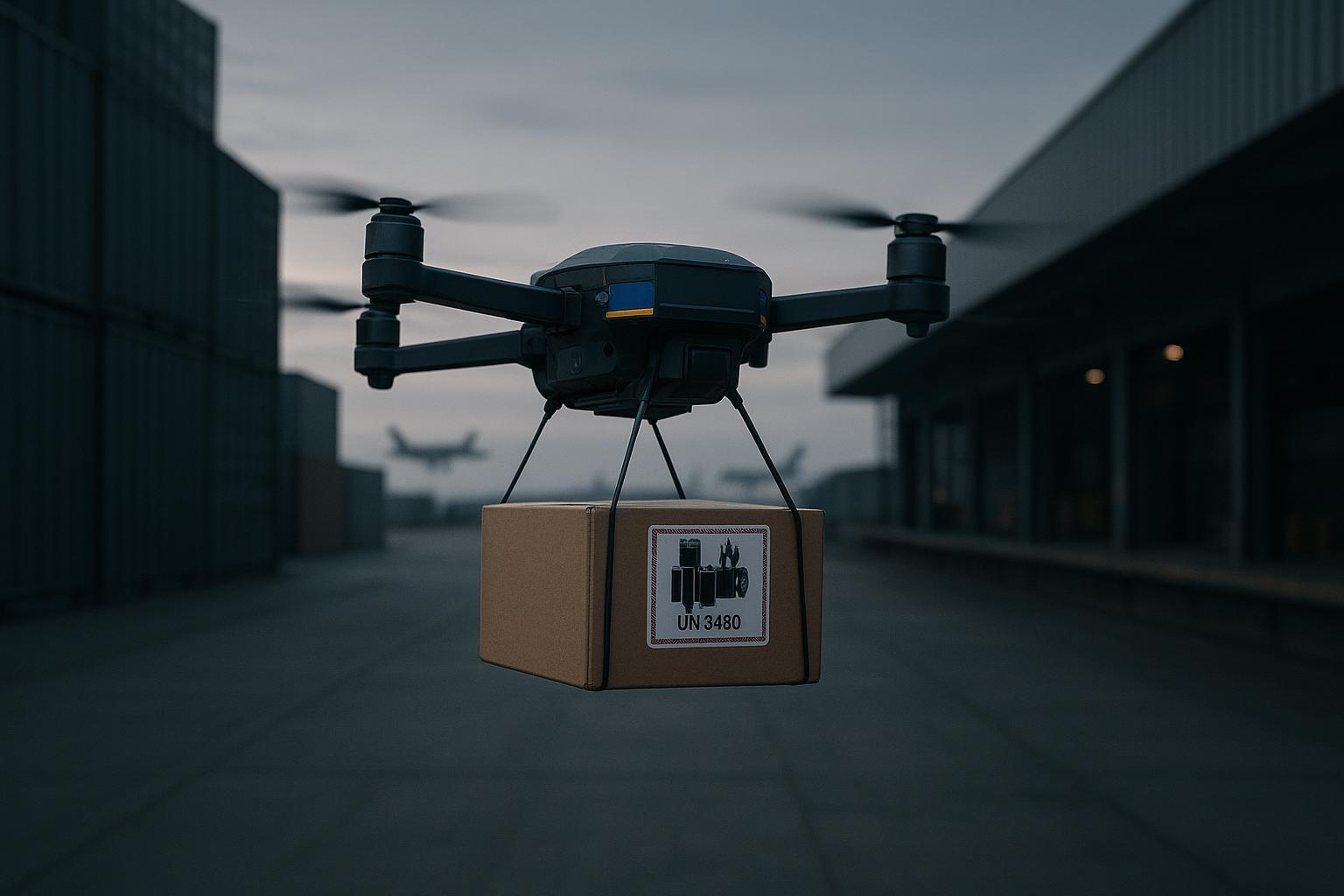
- IATA/DGR transport limits: For UN3480 lithium‑ion batteries, ship packs at ≤30% state‑of‑charge and include the required handling remarks on the airway bill. The SoC cap both meets air‑transport rules and reduces transport stress on cells (see the IATA Lithium Battery Guidance Document (2025)).
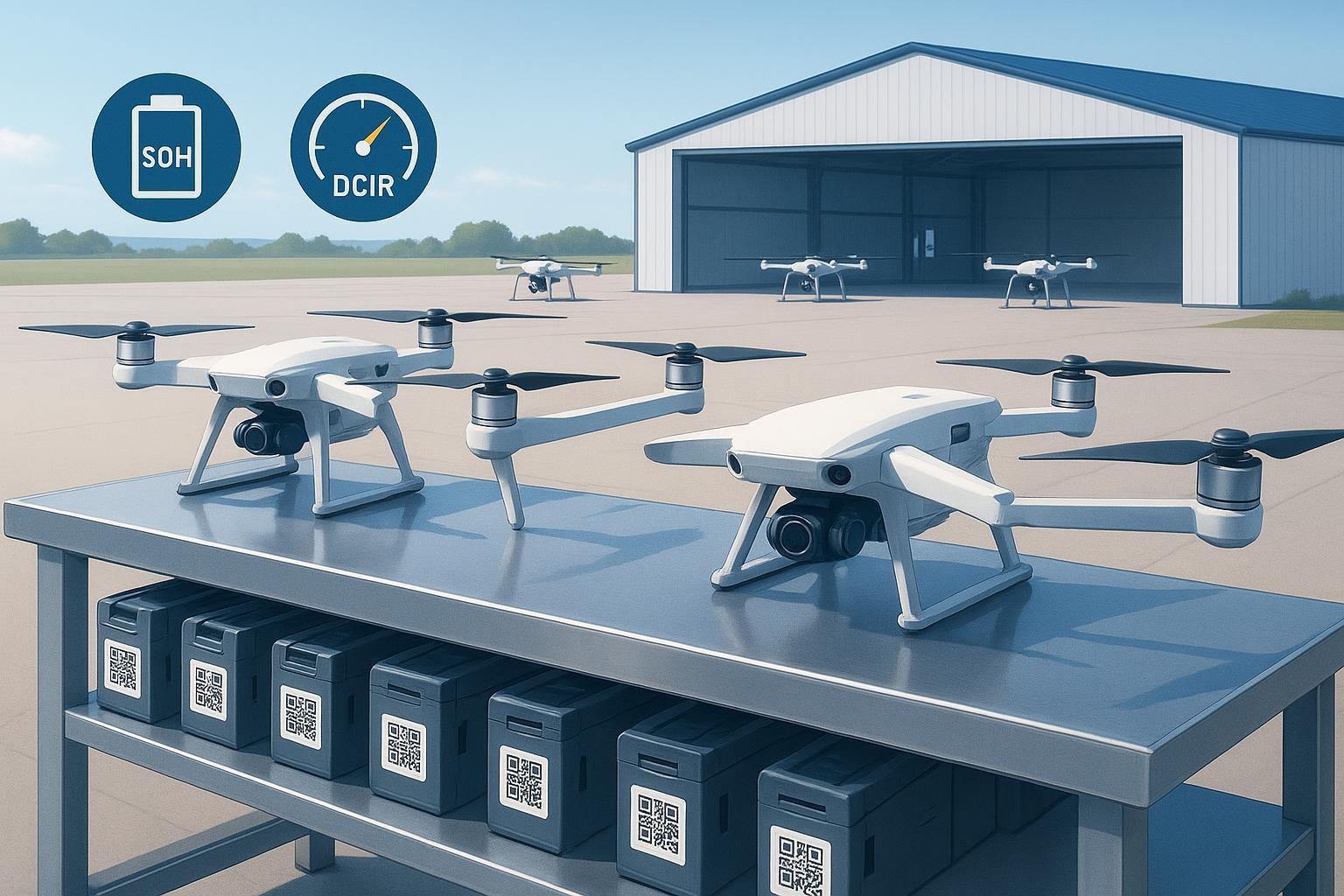
- Battery health file (operational traceability): Treat the digital Battery Health File as your primary risk‑control tool. Minimum indexed fields:
- Pack ID, batch/lot, manufacture date
- Baseline IR and most‑recent IR reading
- Measured capacity / latest SoH
- Cumulative cycle count and recent SoC on return‑to‑base
- BMS firmware/calibration date and UN38.3 test summary reference (lab/report number & date)
- Incident/repair history, last inspection (name/date)
- Installed‑base upgrade path (practical checklist): Before mass replacement, validate connector and charger compatibility, confirm BMS telemetry and JEITA/thermal lockout behavior, and run a two‑week pilot that exercises transport (SoC ≤30%), cooldown scheduling, and health‑file logging. Use the pilot to confirm the UN38.3 test summary plus the digital health file closes audit and logistics gaps.
Industry Best Practice: The Hardware-Enforced Blueprint
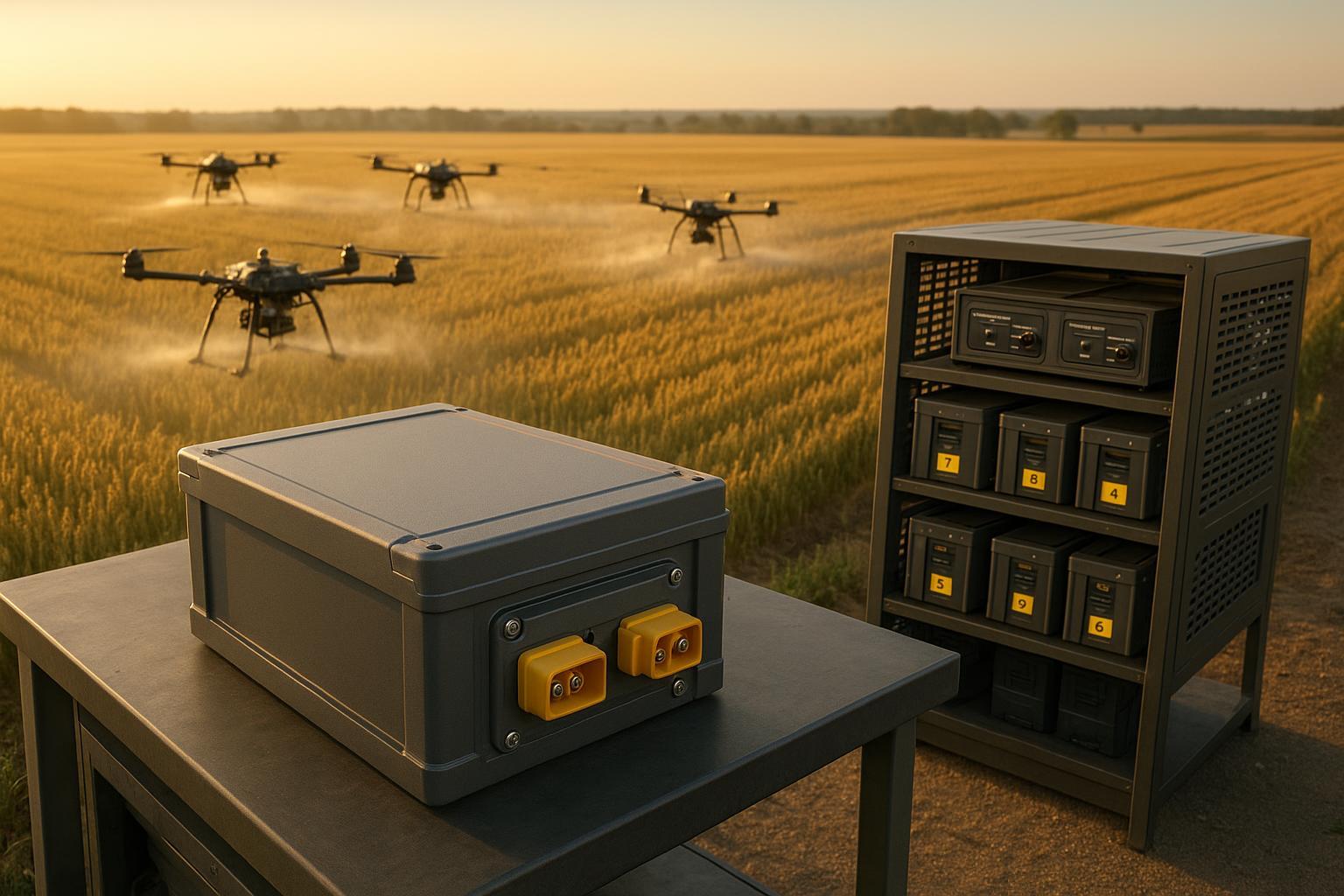
In heavy-lift agricultural campaigns, ops leads often ask: “How can we enforce heat-management SOPs without sacrificing our daily acreage targets?” The blueprint for successful fleets moves from manual oversight to hardware-enforced SOPs. A field-proven template pairs certified smart hardware with a digitized rotation system.
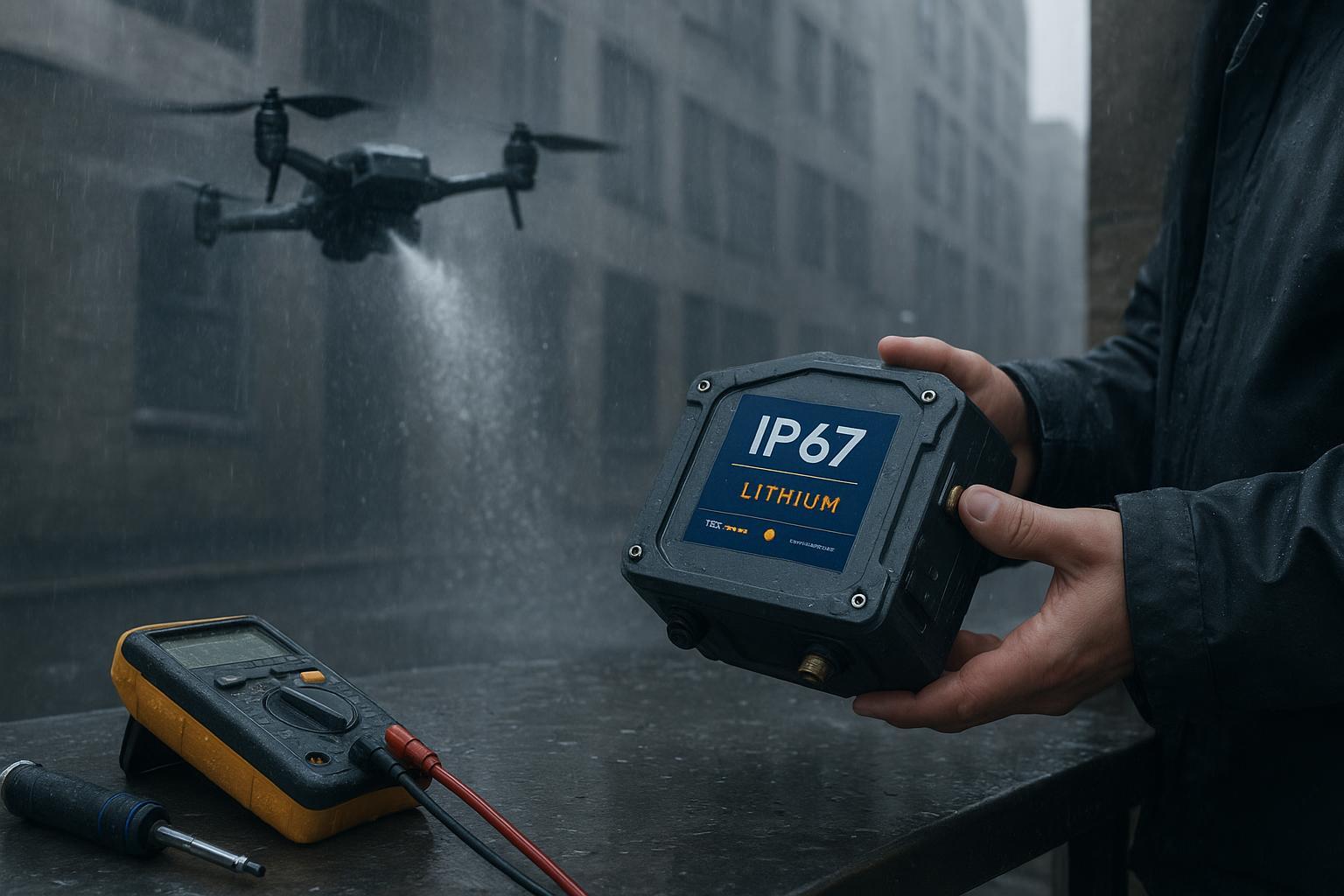
- Integrated thermal protection: Charging systems should implement logic aligned with JEITA temperature-band protocols. If a pack surface is ≥45°C, the system should automatically inhibit charge current until the pack reaches a stable electrochemical state, preventing the swelling and SEI breakdown identified as critical failure points.
- Certified safety assurance: Using PSE-certified packs and JEITA-capable chargers shifts safety from human observation to hardware-level protection, which helps meet the asset-safety objectives of the SOP without relying on manual checks.
- The rotation strategy: Adopt a simple visual flow—”Landing → Cooling → Charging.” Enforce the sequence so cells are only energized when thermally ready; this reduces thermal stacking and supports the operational goal of moving fleet life toward the 450-cycle objective.
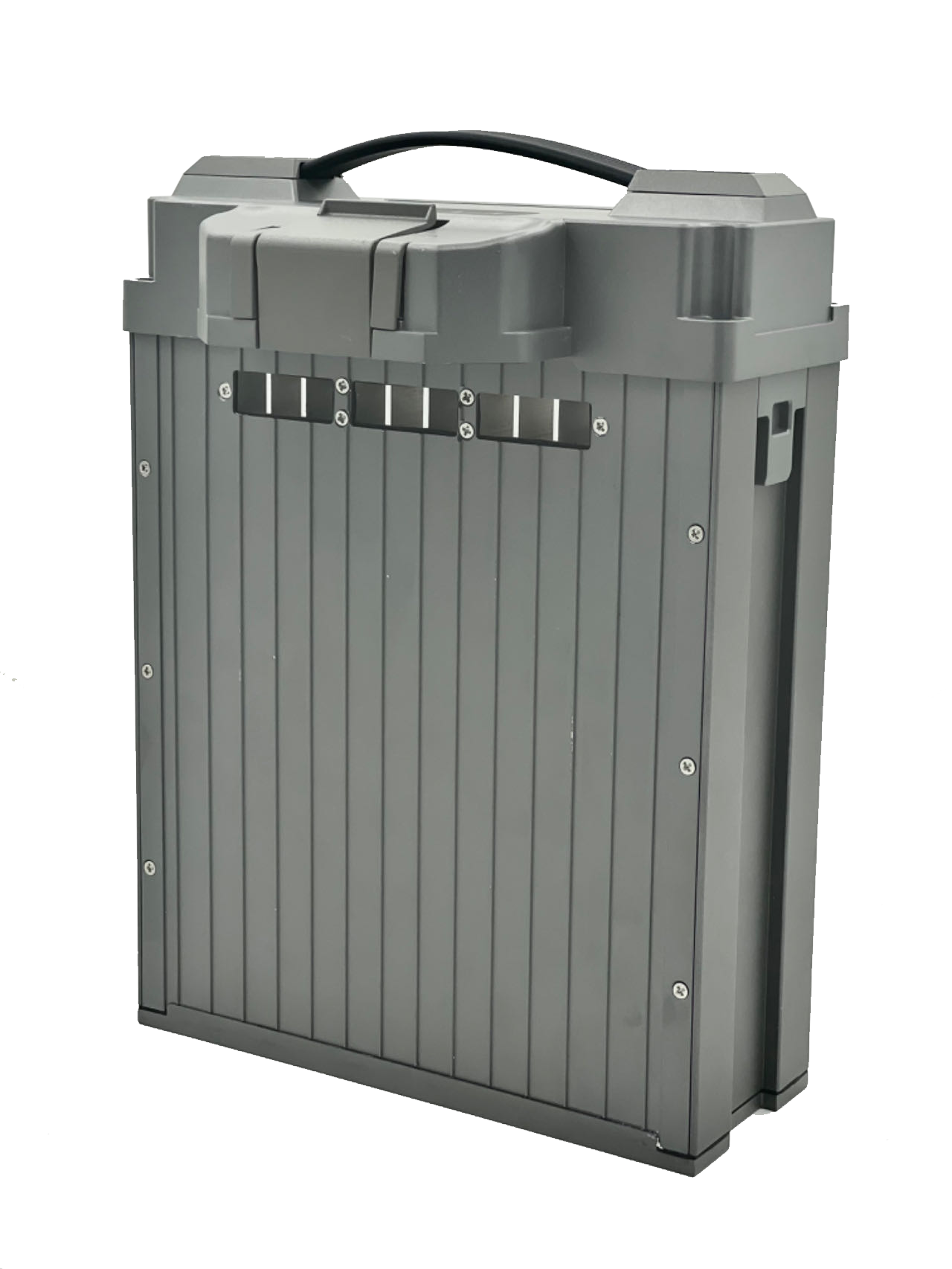
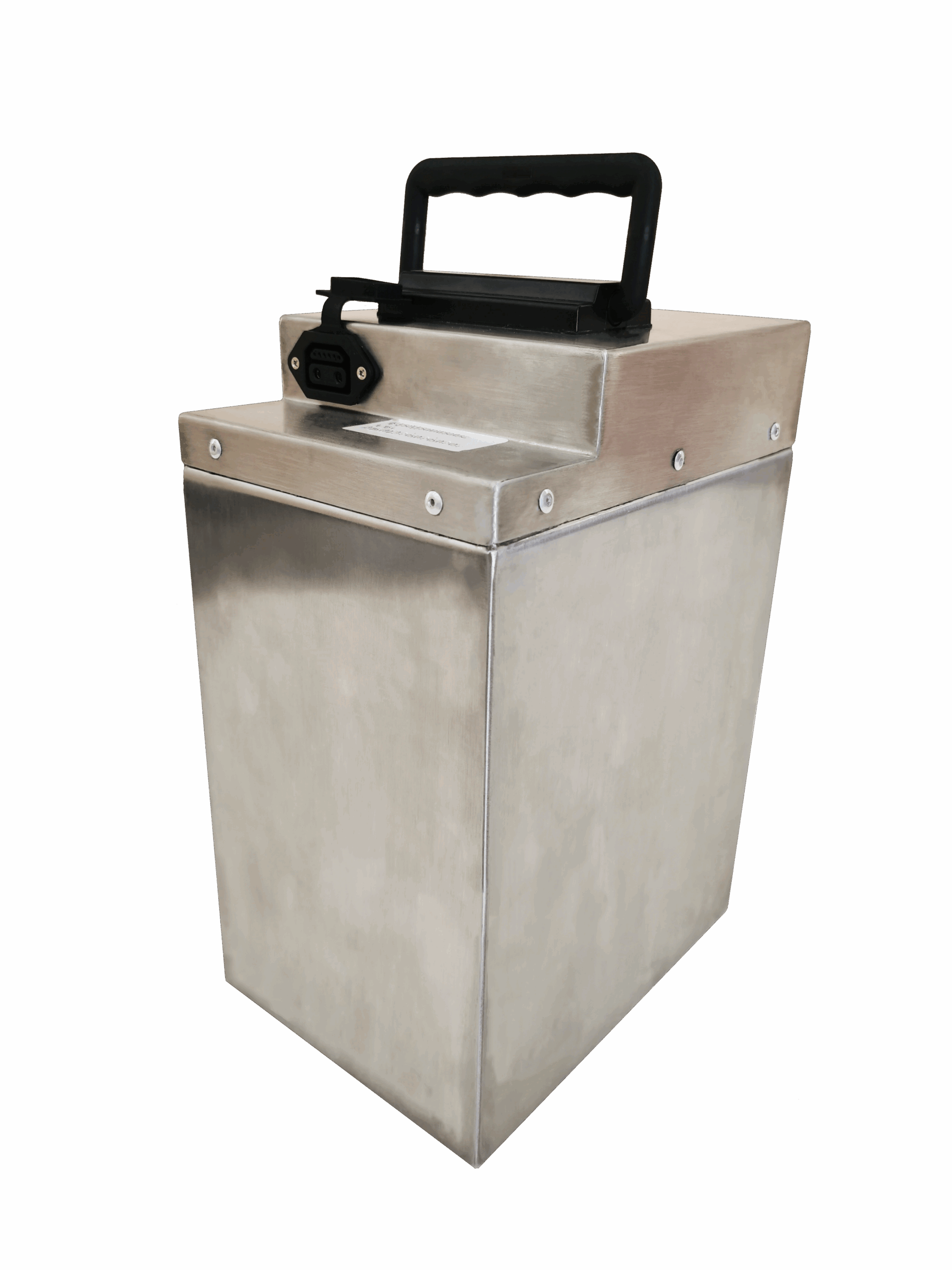
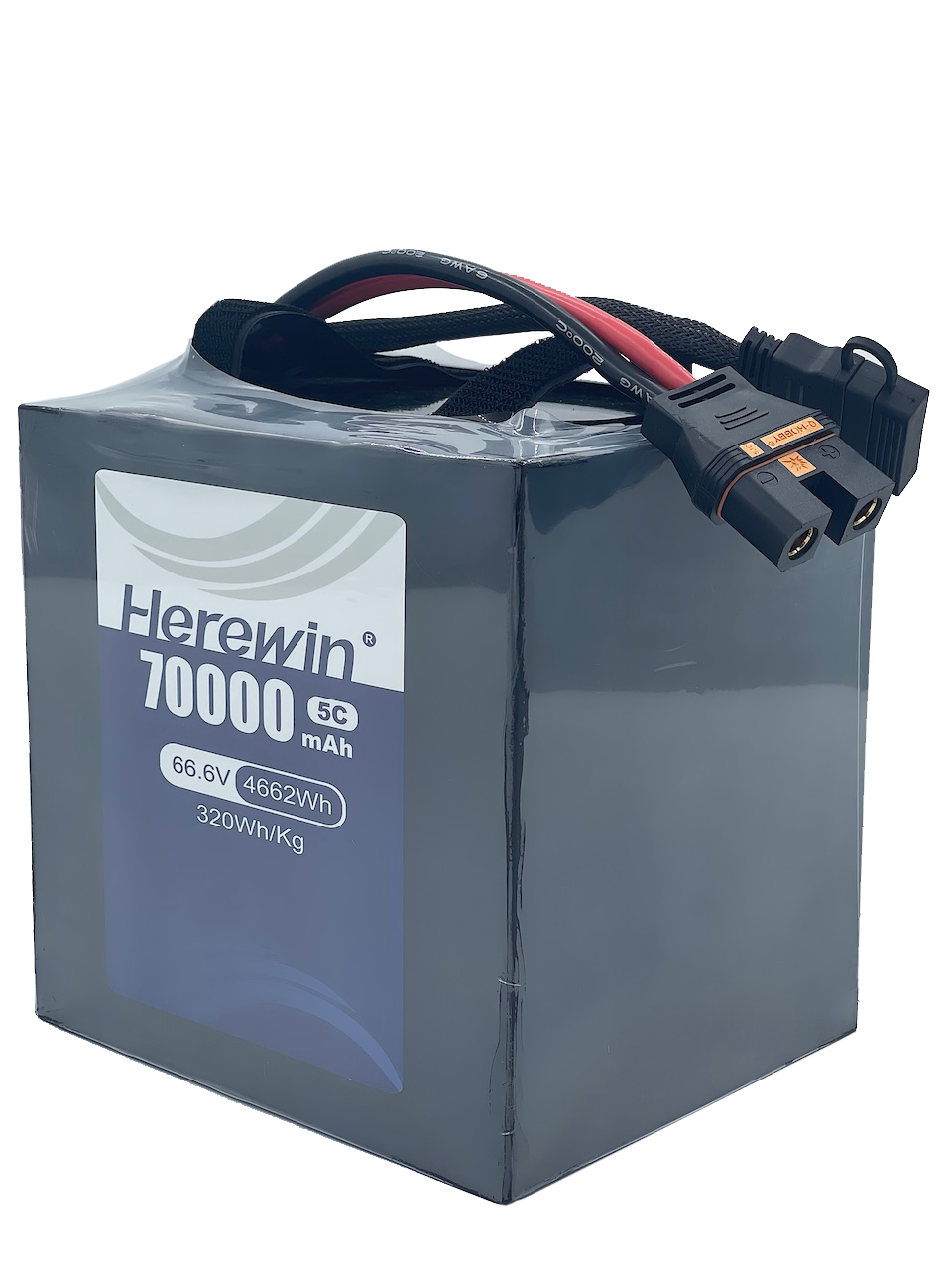
While these operational SOPs apply to any fleet, achieving true TCO optimization requires the right hardware. As a leading OEM in industrial UAV power solutions, Herewin has engineered its ecosystem specifically for these extreme thermal standards. Our smart BMS architecture transforms the 20/80 workflow and the 45°C thermal lockout from theoretical guidelines into firmware-enforced reality. By removing human error from the equation, Herewin ensures that your assets reach their maximum cycle life, securing the long-term ROI of your fleet.
Putting it in motion: rollout checklist and measurement plan
Operational discipline is the multiplier on your hardware.
- Enforce hard-coded thresholds (firmware + process)
- Mandate return-to-base at ≥20% SoC and cap routine charging at 80–90% SoC. These are operational policies that should be implemented as firmware or fleet‑management rules (charger setpoints, MDM profiles, or MAM policies), not only posted SOP sheets.
- Implement a hard charge lockout at pack‑surface ≥45°C. Measure surface temperature with an IR thermometer or a calibrated app/device at the charging bay; if surface temperature ≥45°C, the pack must be routed to cooling and not permitted to begin charging. Wherever possible, have the charger or BMS enforce the lockout and write a timestamped event (pack ID, reason, temperature) to the system log.
- Structural turnaround: force physical cooldown
- Require the explicit sequence: Landing → Cooling → Charging. Do not queue packs for charging until the measured pack surface temperature is below the approved threshold (target: ≤40–45°C depending on charger/BMS spec).
- Equip charging stations with passive shade and active forced‑convection (high‑flow fans or blowers). Design the cooling area so that a repeatable, measurable cooldown step exists (e.g., measured surface temperature drop of X°C within Y minutes under forced airflow); where ambient heat is extreme, consider multiple cooldown stages (shade + fans + timed rest) and instrument the area with a simple handheld IR checkpoint or a fixed sensor.
- Digital Battery Health File (minimum traceability fields)
To achieve audit‑grade traceability, record the following fields for every pack and every charge cycle:
- Core index: Pack ID, manufacturing batch/lot, date of manufacture
- Life & diagnostics: cumulative cycle count, current internal resistance (IR) baseline and most recent IR reading, measured capacity/SoH
- Environmental & pre‑charge readings: ambient temperature at charging bay, pack surface temperature before charge (IR reading), SoC at return‑to‑base
- Anomaly flags & actions: visual swelling/skin deformation, connector damage, abnormal heat or smell, protective‑case integrity check (cracks, fastener loss, seal failure); quarantine action taken and tag for professional end‑of‑life handling through a certified battery recycling or authorized collection service.
- Event logs: charge lockout events (timestamp, pack ID, measured temp, enforcing system/operator), charge start/stop timestamps, operator ID or system agent, firmware/BMS version
- Compliance pointer: UN38.3 test summary reference (lab/report number & date) and shipping SoC record when dispatched
Store these records in your fleet management system or a lightweight database; ensure entries are timestamped and exportable for audits and insurance claims.
- Verifying impact (data and transparency)
- Model assumptions: the ROI/TCO model in this guide is based on conservative operating assumptions in 35–45°C environments (locked baselines: $900 pack, 20 sorties/day, 6 packs/UAV, $0.15/kWh, 80% SOH retirement, 10% annual loss, 90 peak days). These assumptions should be explicitly listed alongside any published results.
- Measurement plan: publish season‑over‑season KPIs (cycles to 80% SOH by batch, IR growth per 100 cycles, mid‑mission aborts per 1,000 sorties) and pair them with the health file data above. Where possible, release anonymized error bars and audit notes for third‑party review.
References
- JEITA‑style charging and hot‑band behavior: TI BQ25170J JEITA‑compliant charger.
- University EHS safety ranges and practical guidance: University of Michigan Lithium Battery Guidance (2025) and Toronto Metropolitan University lithium battery safety tips.
- Partial charge and deep‑discharge avoidance for longevity: How to prolong lithium‑based batteries (BU‑808).
- Logistics and compliance frameworks: UNECE lithium battery working document — test summary obligations and IATA Lithium Battery Guidance Document.

 English
  Español
  한국어
한국어  Deutsch
  Français
  日本語
日本語  Русский
  Bahasa Indonesia
  ไทย
ไทย  العربية
  Português do Brasil
  Italiano
  Nederlands