

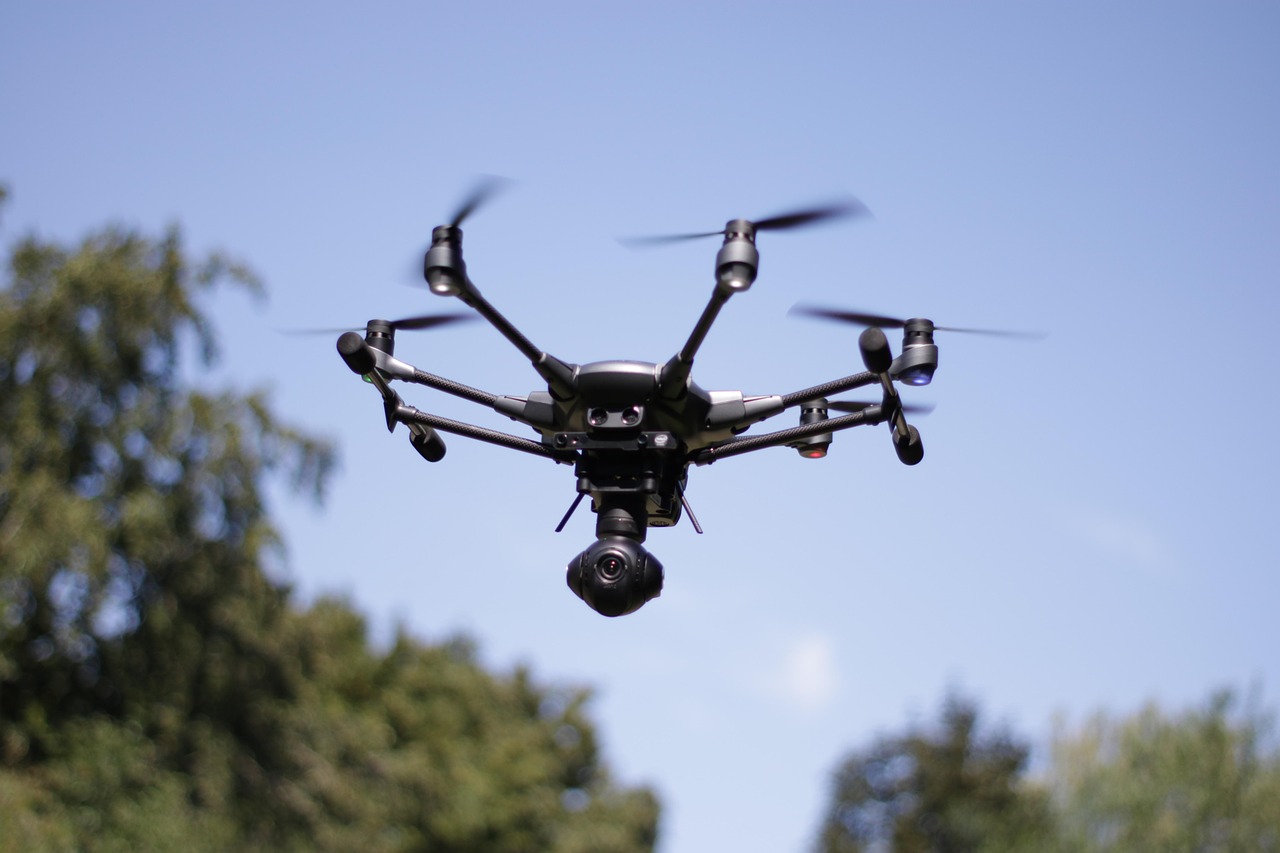
In 2026, heavy-lift industrial FPV operations demand exceptional payload-to-power efficiency and thermal stability. This article analyzes how next-generation semi-solid state technology—characterized by energy densities of 300-400 Wh/kg—compares to standard high-rate LiPo batteries. We will evaluate discharge safety and lifecycle economics to help you optimize your mission-critical drone battery needs.
Key Takeaways
Semi-solid batteries achieve 300-400 Wh/kg, significantly enhancing payload capacity and search radius for heavy-lift drones.
Integrated thermal management reduces the internal temperature rise rate by 60%, ensuring structural integrity in extreme environments.
Delivering 1,000+ optimized cycles (up to 1,200), these systems lower the Total Cost of Ownership (TCO) by requiring fewer replacements than standard LiPos.
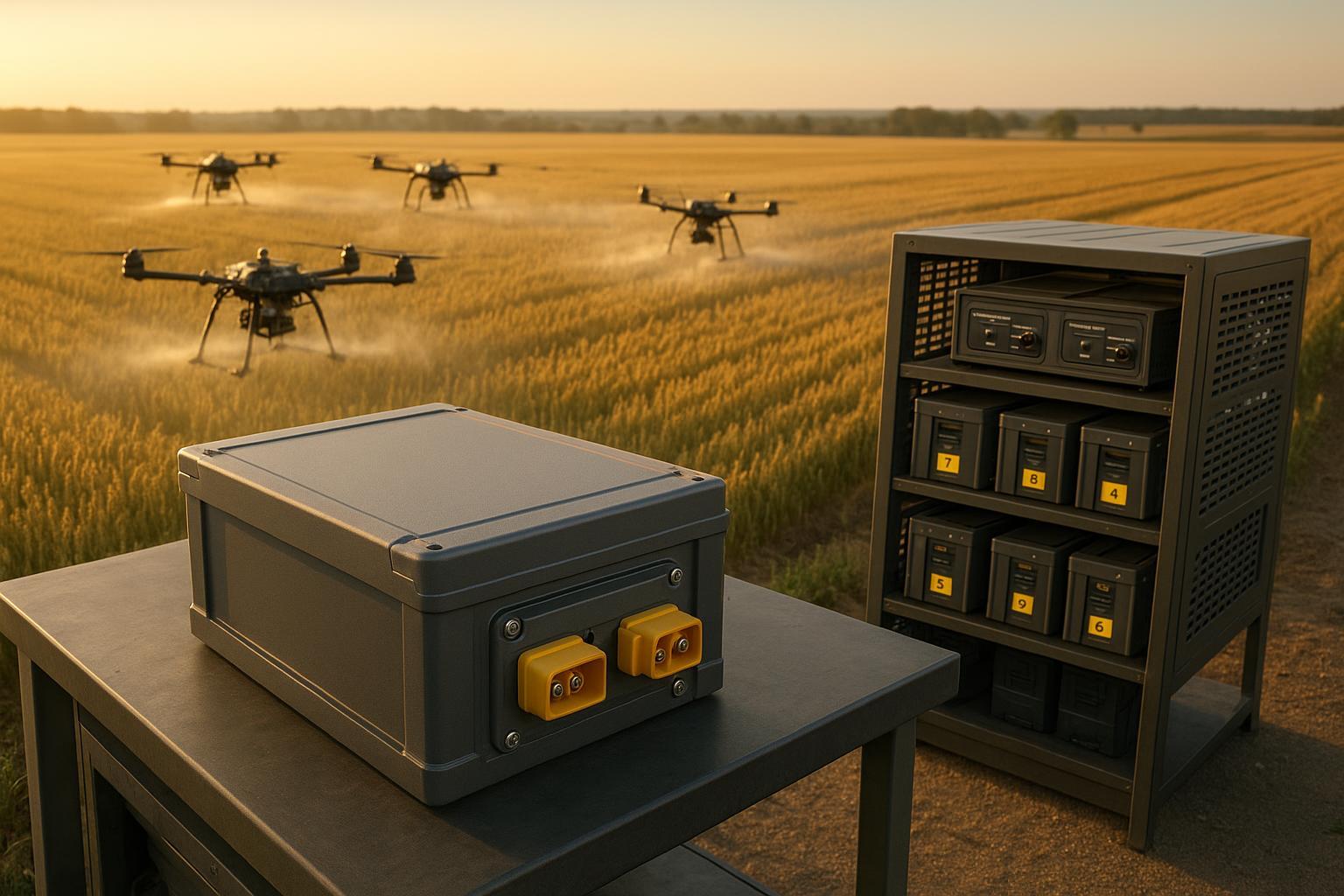
Advanced dual-pack configurations for heavy-lift platforms maximize voltage stability and provide critical operational redundancy for mission-critical tasks.
Optimizing performance requires a balanced consideration of weight distribution, discharge rates, and technical compatibility.
Comparative Analysis: Semi-Solid vs. Standard LiPo
Energy Density Metrics: 300–400 Wh/kg Benchmarks
In heavy-lift industrial FPV applications, energy density determines the critical balance between payload and flight time. The 2026 benchmarks reveal that semi-solid technology has established a new performance ceiling compared to traditional liquid-electrolyte batteries.
Battery Type | Energy Density | Cycle Life | Best For | Key Limitations |
Standard LiPo | 100–200 Wh/kg | 300–500 cycles | Agile FPV, Racing | Swelling; short life |
High-Capacity Li-ion | 200–250 Wh/kg | 500–800 cycles | Long-endurance inspection | Low discharge rate |
Next-Gen Semi-Solid | 300–400 Wh/kg | 1,000+ (Up to 1,200) | Heavy-lift SAR, Agriculture | Higher initial investment |
Hybrid (Fuel+Cell) | 400+ Wh/kg | 1,200+ cycles | Specialized Military | Intensive maintenance & high TCO |
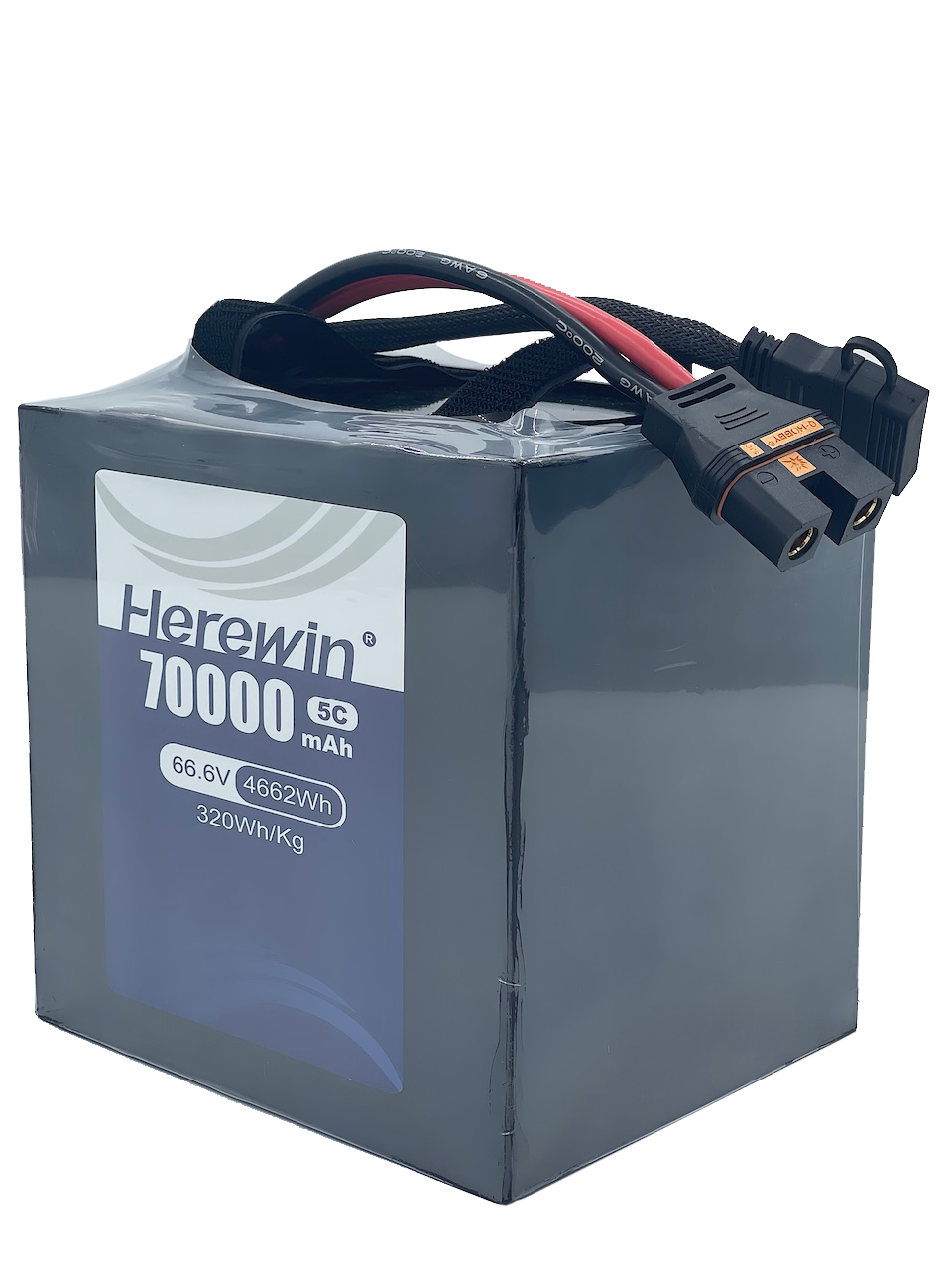
The transition to semi-solid systems, characterized by energy densities of 300 to 400 Wh/kg, represents a paradigm shift for industrial operators. By utilizing silicon-carbon anodes and oxide-based electrolyte films, these batteries maximize payload capacity while minimizing weight, significantly enhancing the search radius and operational efficiency of heavy-lift drone fleets.
Thermal Stability & Temperature Rise Suppression
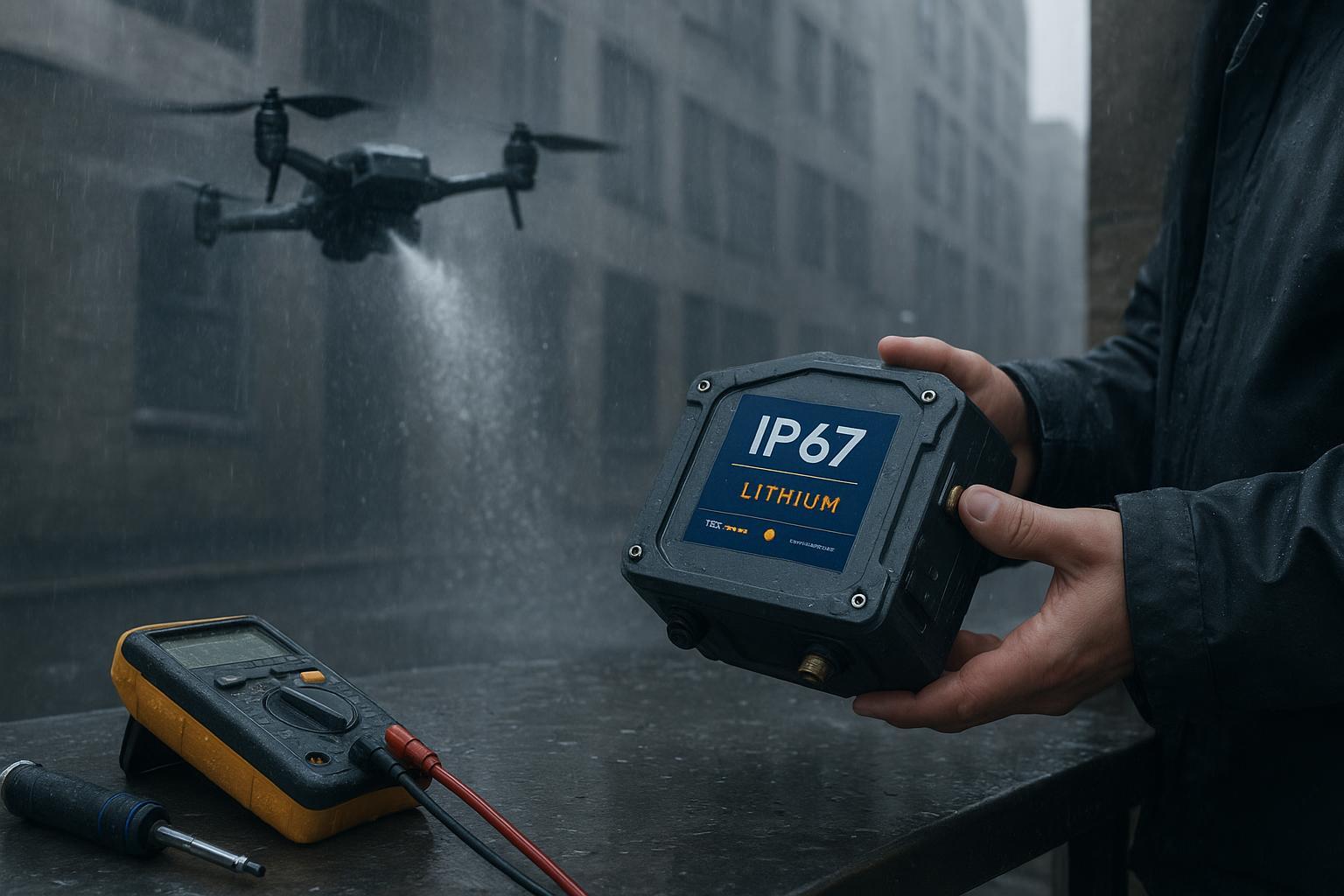
Thermal stability is a critical factor for industrial FPV applications, where batteries must endure high-current discharge without compromising safety. Semi-solid technology excels here by reducing the liquid electrolyte content to 5%-10%, which inherently stabilizes the chemical structure.
These batteries feature advanced thermal management that reduces the internal temperature rise rate by 60% compared to standard LiPo batteries. This suppression is vital for maintaining high-output performance during extended missions or in peak summer temperatures, where traditional batteries face rapid degradation or swelling risks.
Battery Type | Safety Rating | Performance Characteristics |
Next-Gen Semi-Solid | Enhanced | Suppresses thermal propagation by 70%; stable in extreme heat. |
Standard LiPo | Standard | High discharge rates but prone to thermal runaway under stress. |
Beyond immediate safety, this thermal resilience directly extends the battery’s service life. By maintaining a stable internal temperature, these systems achieve 1,000+ optimized cycles (up to 1,200), providing a far more economical solution that significantly lowers the Total Cost of Ownership (TCO) for your FPV operations.
Battery-to-Frame Matching: Heavy-Lift Specifications
Configuration Guide: 7-inch to 10-inch Platforms
For professional 7-inch to 10-inch platforms, matching high-density power to the frame is critical for balancing mission duration and flight stability. In these industrial setups, semi-solid technology allows for significant capacity upgrades without the weight penalties of traditional LiPos.
Weight & CG Distribution: Ensure the battery center of gravity (CG) is centered to maintain stability during precision maneuvers.
Advanced Capacity Scaling: While 3000mAh-5000mAh is the standard range, semi-solid cells allow operators to carry higher capacity packs within the same weight class, extending the operational window for mapping or inspection.
Discharge Stability (25C-30C): For industrial FPV, choose batteries with a sustained discharge rate of 25C to 30C. Semi-solid systems provide superior voltage stability, preventing “voltage sag” during heavy-lift climbs, even as the battery depletes.
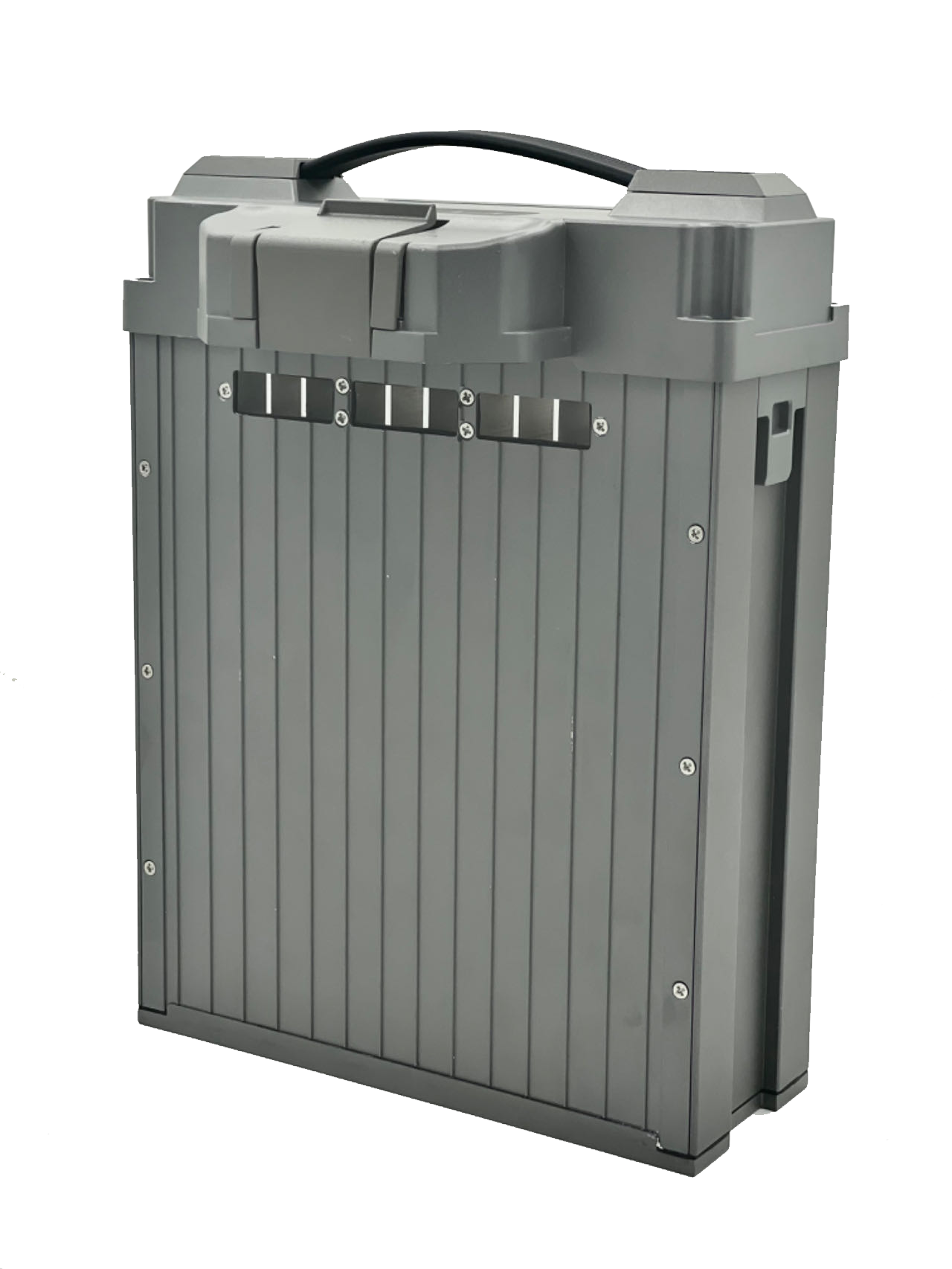
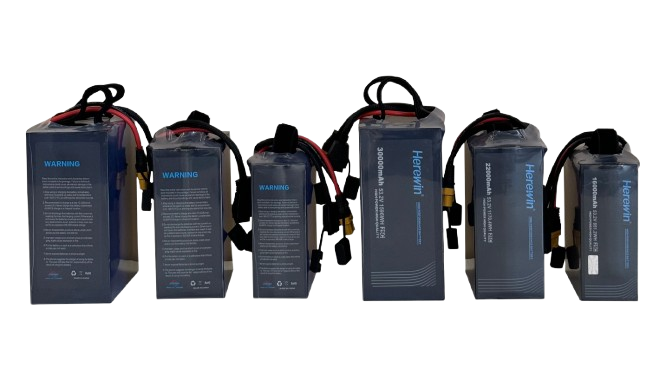
Dual 8S 8000mAh Systems for 13–15″ Payload Loadouts
For heavy-lift 13 to 15-inch industrial FPV platforms—typically utilized for Lidar scanning, SAR, and logistics.
High-Voltage Efficiency: Dual 8S systems provide the necessary voltage to drive large-diameter motors efficiently, essential for lifting professional payloads while maintaining low motor/ESC temperatures.
Operational Redundancy: A dual-pack setup provides a critical safety layer; the parallel architecture ensures that power is maintained for a controlled landing even if a single cell experiences localized stress.
Payload Resilience: With 300-400 Wh/kg density, this setup allows drones to carry multi-sensor arrays while maintaining a 50% search radius increase over standard LiPo fleets.
Structural Durability: Utilizing soft pouch aluminum-plastic technology, these packs are protected from internal stress caused by volume expansion during high-load cycles, ensuring asset longevity in the field.
When choosing a power solution for this setup, ensure it meets the necessary specifications for discharge rates and compatibility with your drone’s electronics. This attention to detail will help you maximize the efficiency and reliability of your mission-critical heavy-lift operations.
Operational Economics: TCO and Life Cycle Analysis
Cost-per-Flight-Hour Calculation & Projections
When evaluating the Total Cost of Ownership (TCO) for industrial heavy-lift FPV operations, the cost-per-flight-hour is the primary metric for economic viability.
Initial Investment vs. ROI: While the upfront cost of semi-solid batteries is higher than standard LiPos, their extended lifecycle provides a significant long-term return.
Operational Efficiency: By leveraging a 20% weight reduction and nearly doubling the energy density to 400 Wh/kg, semi-solid systems can extend flight times by 50% or more compared to standard high-rate LiPo fleets, enabling significantly more mission cycles per deployment.
Asset Longevity: These systems deliver 1,000+ optimized cycles (up to 1,200). By utilizing soft pouch technology that prevents structural damage from volume expansion, semi-solid batteries require far fewer replacements than standard LiPos, drastically reducing the cost-per-flight-hour.
Low-Temperature Discharge Characteristics
Cold weather poses a critical risk to traditional LiPo batteries, which often suffer from severe voltage sag and reduced output at sub-zero temperatures.
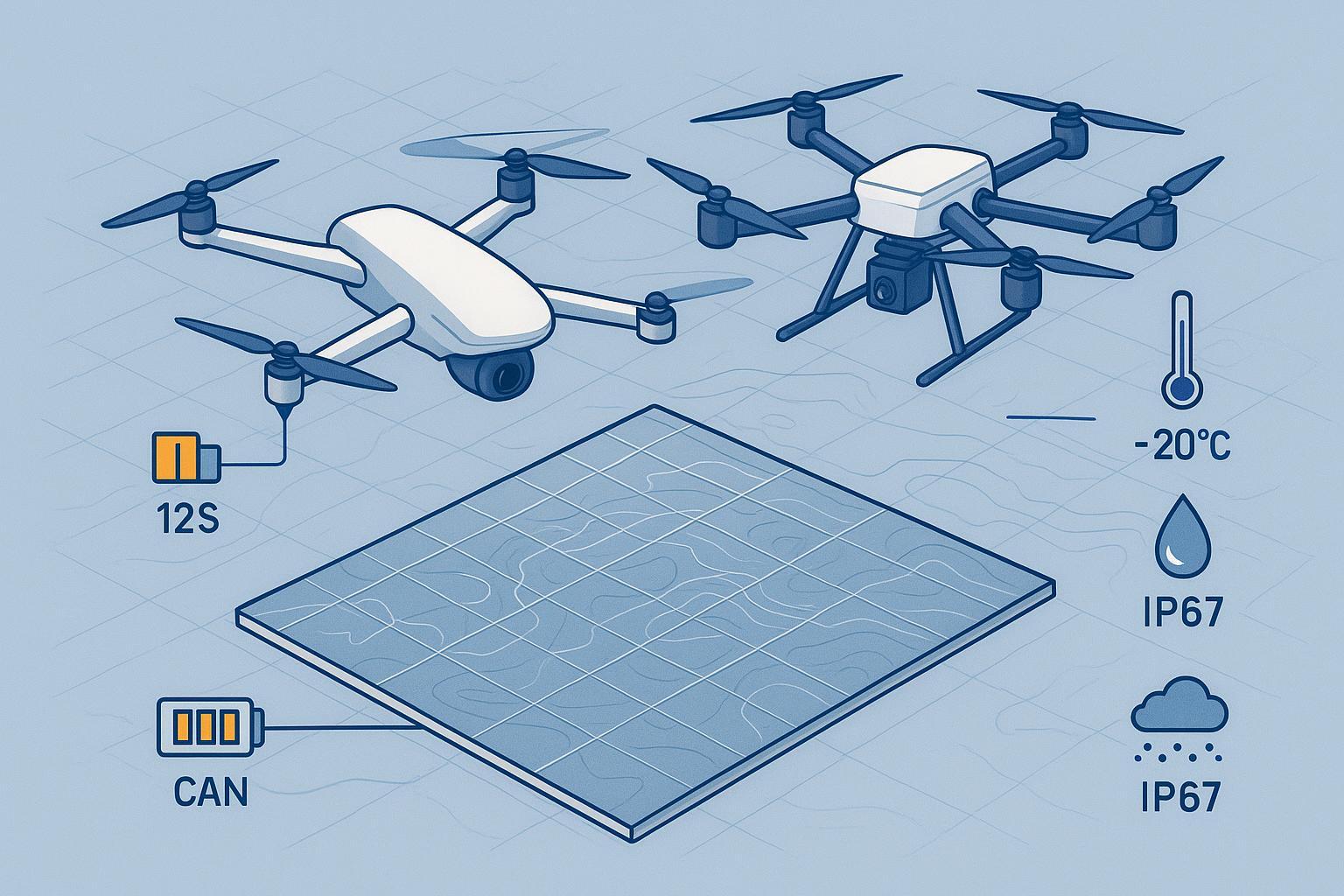
Standard LiPo Limitations: At -20°C, traditional liquid electrolytes experience increased viscosity, leading to significant power loss and shortened mission windows.
Semi-Solid Resilience: In contrast, semi-solid batteries maintain ≥80% capacity retention at -20°C.
Reliable Power Delivery: These batteries provide consistent voltage stability in arctic or alpine conditions, ensuring that heavy-lift industrial FPVs can complete complex missions without the risk of mid-flight power failure.
In summary, semi-solid technology establishes a new benchmark for safety and endurance in industrial heavy-lift FPV operations. By integrating silicon-carbon anodes and oxide-based electrolyte films, these systems significantly stabilize internal temperatures, ensuring reliable performance during sustained high-load discharge.
Instead of standardized packs, we focus on customized power configurations to match the specific voltage and redundancy requirements of various heavy-lift platforms. With an extended cycle life and full compliance with UN38.3, CE, and MSDS standards, these solutions meet the rigorous technical and regulatory demands of professional industrial deployment.
We welcome you to request full technical spec sheets or OEM/ODM consulting from Herewin engineering to explore tailored solutions for your needs.
FAQ
What is the main advantage of semi-solid batteries over standard LiPo batteries?
Semi-solid batteries provide significantly higher energy density, achieving 300–400 Wh/kg. This enables heavy-lift industrial FPVs to maximize payload capacity or extend flight range without increasing the battery’s physical footprint.
How do semi-solid batteries perform in extreme temperatures?
Semi-solid technology ensures reliable power delivery in challenging environments, maintaining ≥80% capacity retention at -20°C. Additionally, their advanced architecture reduces the internal temperature rise rate by 60%, preventing overheating during high-current industrial operations.
What is the expected lifecycle of semi-solid batteries?
ou can expect 1,000+ optimized cycles (up to 1,200) from these batteries. This exceptional longevity drastically reduces the frequency of replacements, leading to a significantly lower Total Cost of Ownership (TCO) compared to standard LiPos.
Are semi-solid batteries safe for industrial use?
Yes. By utilizing oxide-based electrolyte films and reducing liquid electrolyte content to 5%–10%, these batteries inherently minimize the risk of thermal runaway and mechanical failure. They are fully compliant with UN38.3, CE, and MSDS standards for safe global deployment.
How do I choose the right battery for my drone?
Selection should be based on a balanced analysis of weight distribution, mission-specific capacity, and discharge rates. We recommend tailored power configurations rather than a one-size-fits-all approach to ensure maximum voltage stability for your specific platform.
See Also
Drones Powered By Innovative Semi-solid-state Battery Technology
Comparing Semi-solid Batteries With Conventional Lithium Options
Understanding Semi-solid State Batteries For Drone Applications
 English
  Español
  한국어
한국어  Deutsch
  Français
  日本語
日本語  Русский
  Bahasa Indonesia
  ไทย
ไทย  العربية
  Português do Brasil
  Italiano
  Nederlands