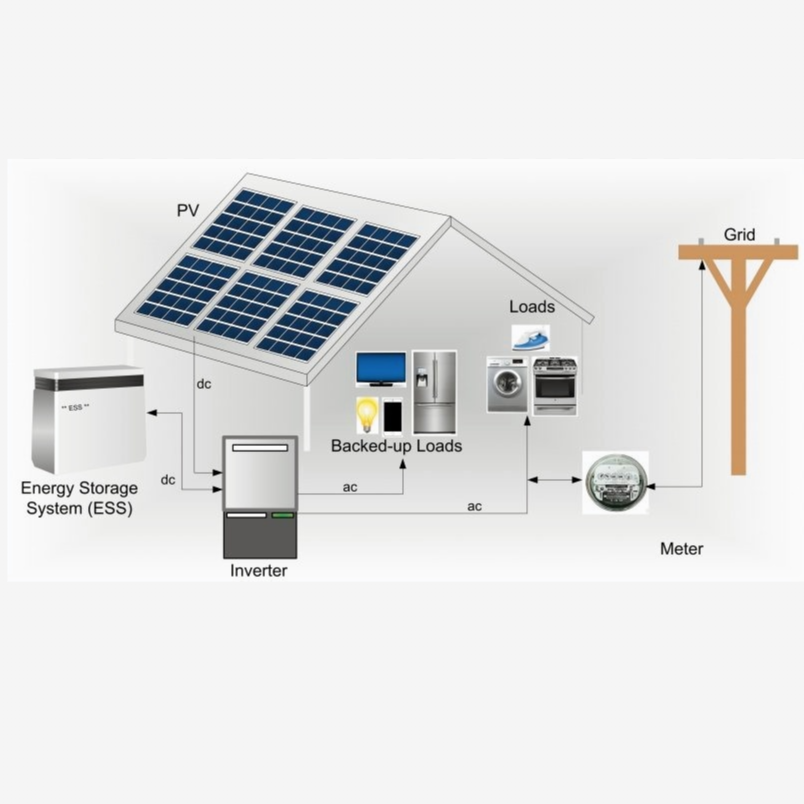
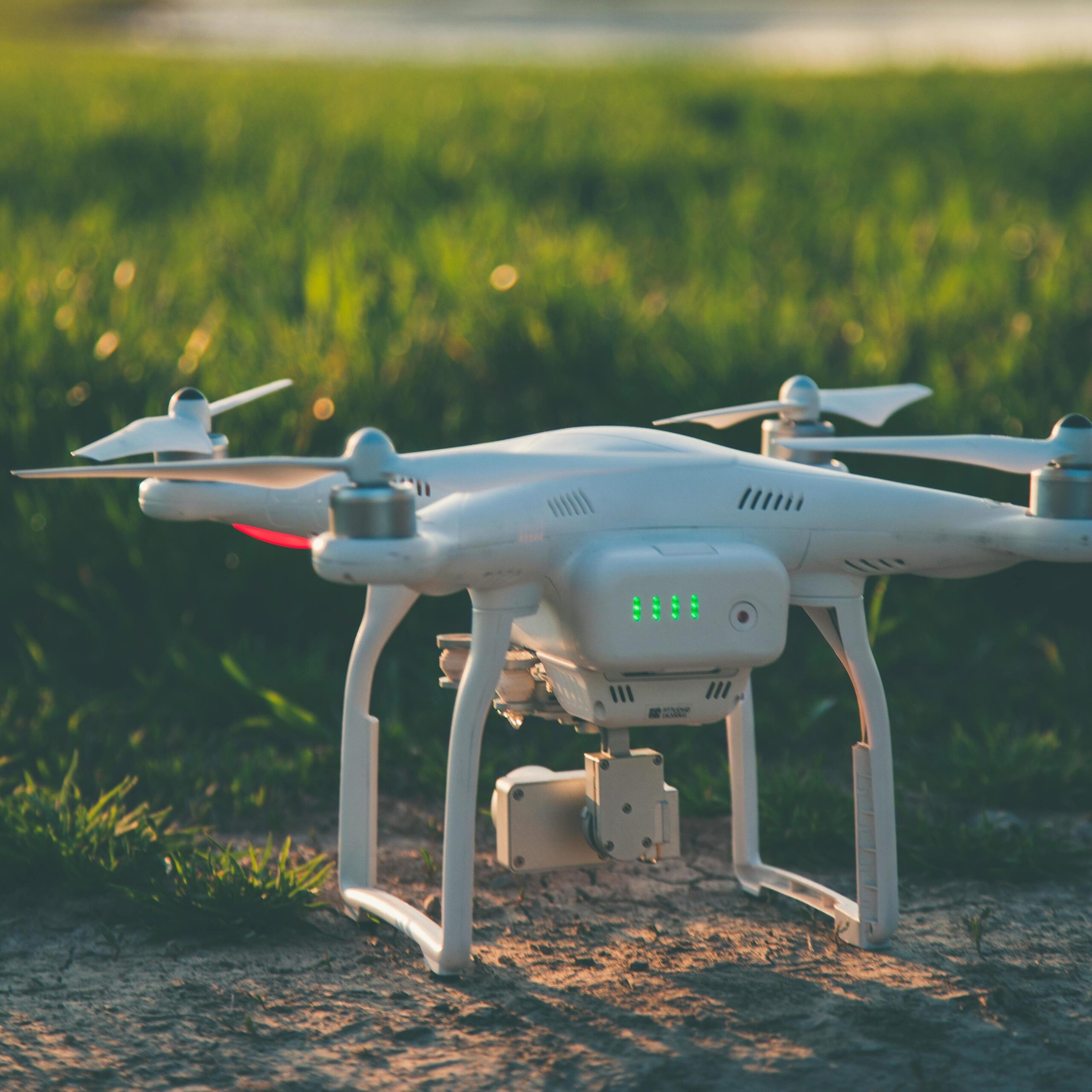



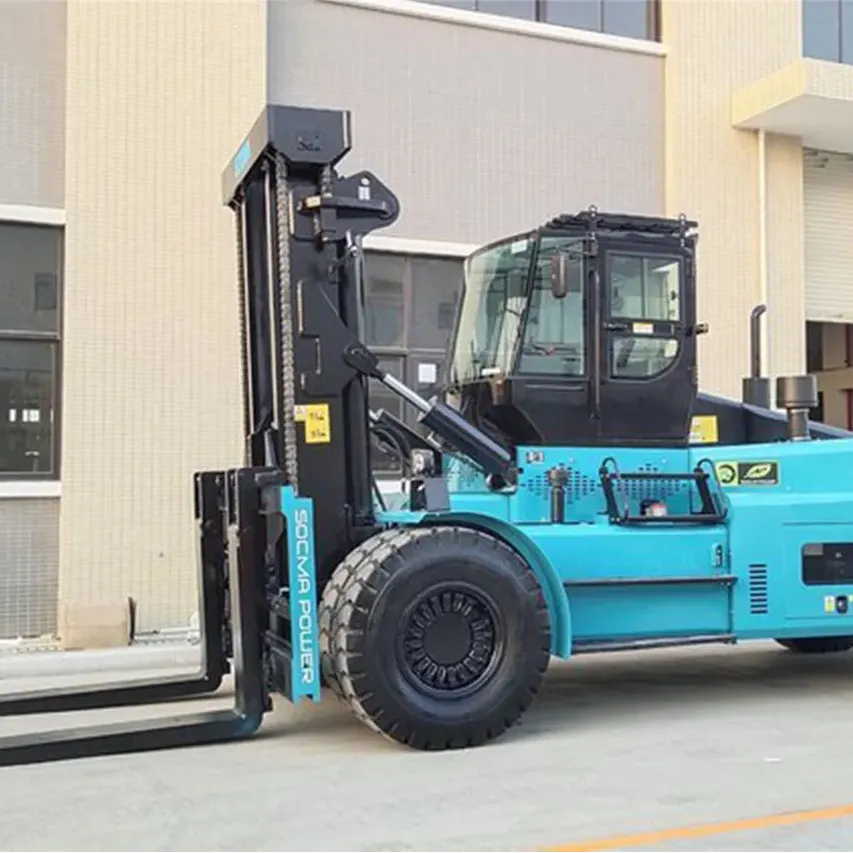
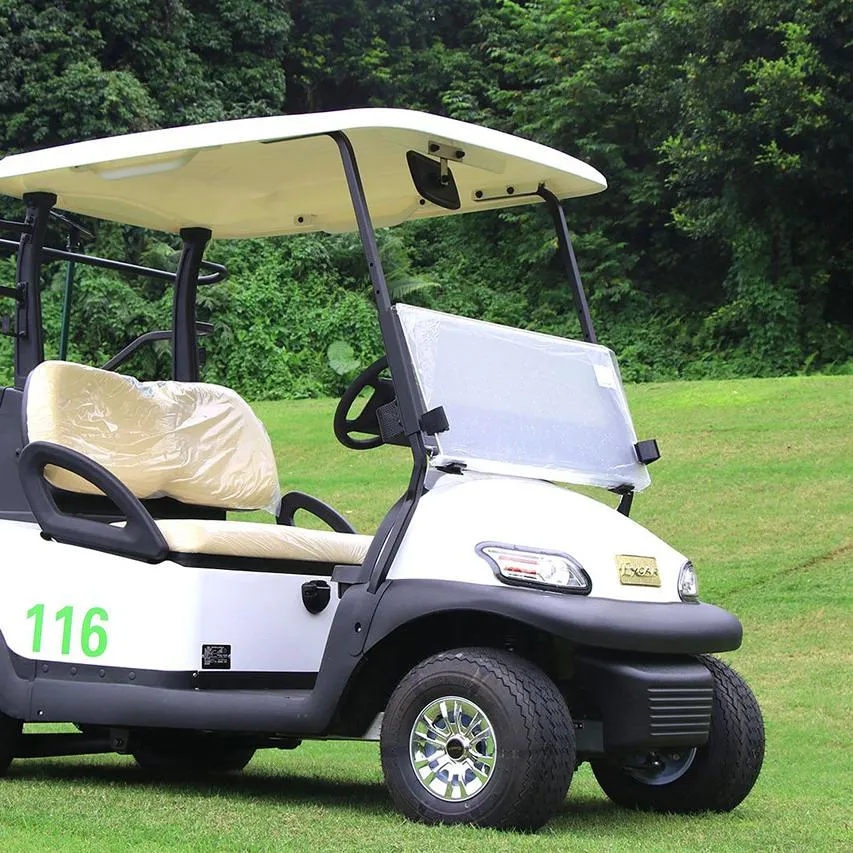
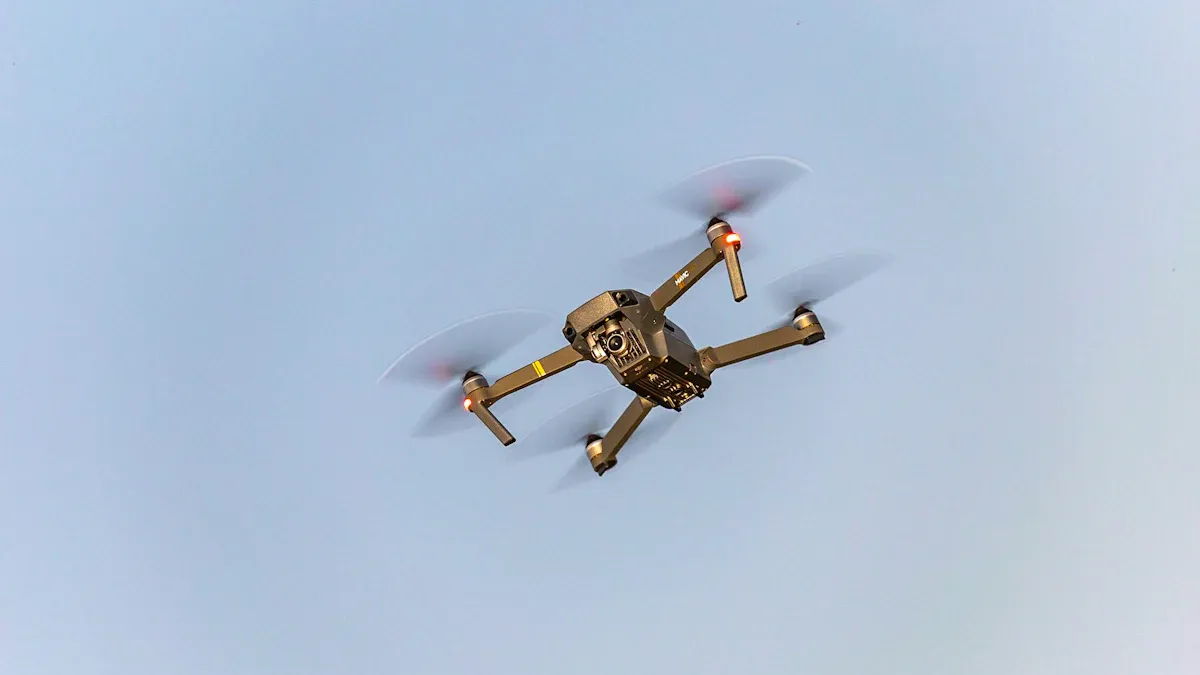
Industrial drone B-side practitioners often face the following pain points in their daily work:
-
Sudden power loss and crashes during drone operations, resulting in equipment damage and loss of operational data, significantly increasing operation and maintenance costs.
-
Abnormal battery conditions such as swelling during charging or overheating, making the battery unsafe to continue using, while battery replacement costs remain high.
-
Large fluctuations in the displayed remaining battery capacity, leading to misjudgment of return-to-home timing—either wasting operational efficiency or triggering emergency landings midway.
The core root cause of the above problems lies in the performance of the drone’s intelligent Battery Management System (BMS). As the “safety core” of industrial drones, whether the BMS functions meet standards directly determines the operational safety of drones and the convenience of maintenance.
This article is specifically designed for B-side users. It discards complex theories and focuses on practical knowledge, guiding users to quickly master the three key functions of BMS, learn how to scientifically evaluate BMS quality, and understand the core technical advantages of Herewin’s BMS. This helps users build a “safe and reliable” brand perception while reducing costs and avoiding common pitfalls.
Step 1: The Three Key Functions of BMS — All Are Essential
For industrial drones, the core value of a BMS lies in risk prevention, safety assurance, and maintenance optimization. The following three key functions are the core standards for determining whether a BMS product is qualified, directly related to operational safety. Checking these functions according to the standards can avoid 80% of selection risks.
Key Function 1: Overcharge / Over-Discharge Protection
Industrial drones often operate outdoors in complex environments where charging conditions are uncertain. Overcharging (excessive charging) and over-discharging (excessive discharge) are the primary causes of battery damage and safety incidents.
The overcharge and over-discharge protection functions of the BMS are therefore the first line of defense for battery safety.
Practical Evaluation Methods
1. Overcharge Test
Connect the battery to a compliant charger and charge it to full capacity. After reaching full charge, observe the following:
-
If the charger indicator changes from red to green and the battery shows no overheating or swelling, the overcharge protection is functioning effectively.
-
If charging continues and the battery begins to heat up, the product should be directly eliminated from consideration.
2. Over-Discharge Test
Install the fully charged battery in the drone and continue operation until the battery reaches a low-power state.
-
If the drone issues a low-battery warning in advance and automatically performs an emergency landing or shutdown before the battery is completely depleted, the over-discharge protection is considered qualified.
-
If the drone shuts down only after the battery is fully depleted, or if the battery cannot be recharged normally after shutdown, the system is considered unqualified.
Herewin BMS Technical Advantages
Herewin adopts a dual-channel voltage monitoring chip that collects real-time voltage data from each battery cell. The overcharge threshold is precisely controlled at 4.2V per cell, while the over-discharge threshold is set at 2.8V per cell.
Once the protection threshold is triggered:
-
The charging and discharging circuit is immediately cut off.
-
A warning signal is simultaneously sent to the control terminal.
This not only effectively prevents safety hazards such as battery swelling or fire, but also avoids irreversible battery damage, thereby reducing battery replacement frequency and maintenance costs.
Key Function 2: Temperature Monitoring
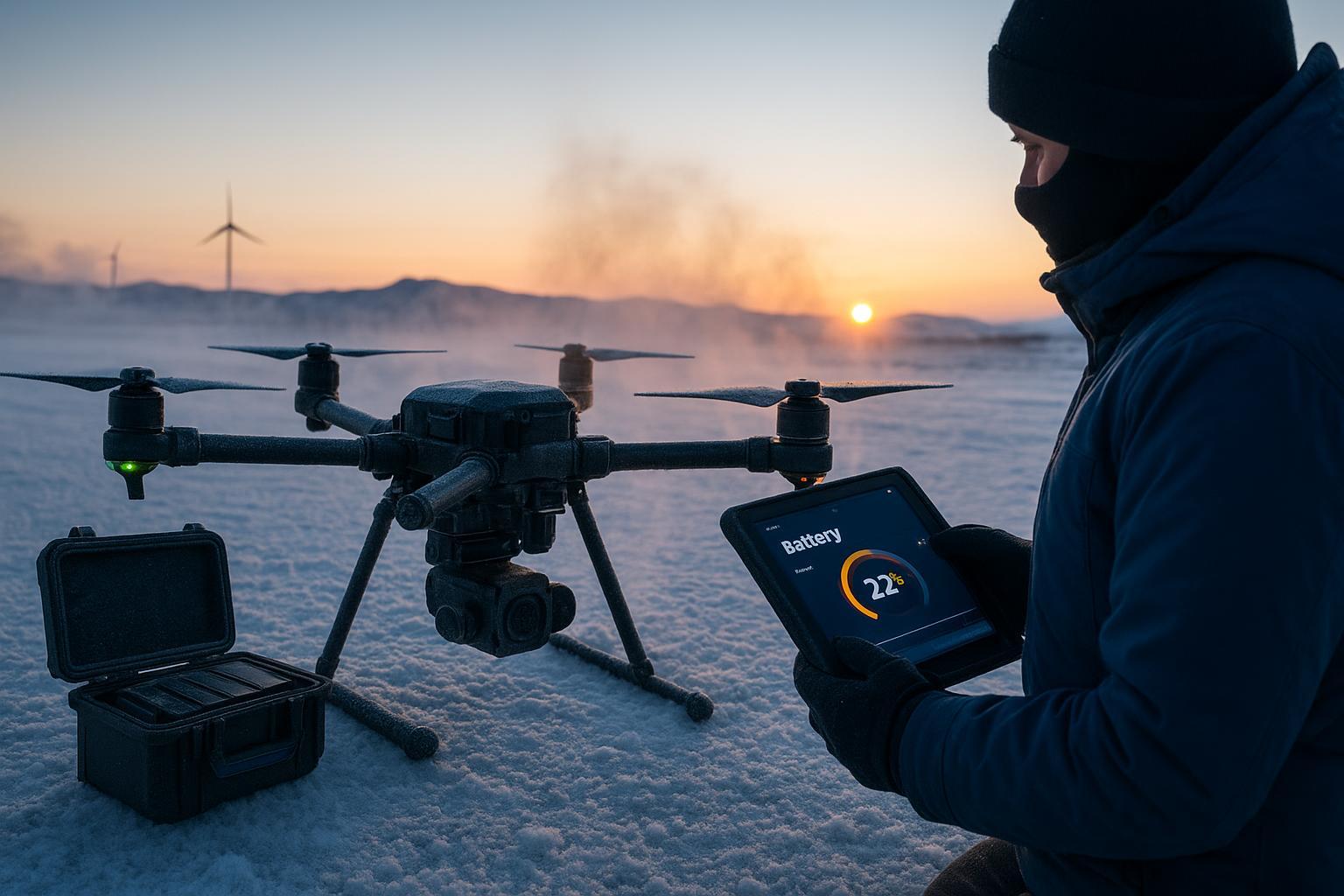
Industrial drones are often used in high-temperature, low-temperature, and high-altitude environments, where batteries are highly sensitive to temperature.
-
Excessively high temperatures may lead to thermal runaway.
-
Extremely low temperatures can cause sudden capacity drops and prevent normal startup.
Therefore, the temperature monitoring capability of the BMS is an important support for stable outdoor operations.
Practical Evaluation Methods
1. High-Temperature Test
In a summer outdoor environment (or a simulated 45°C environment), install the battery into the drone and perform normal operations.
-
Check the consistency between the temperature displayed by the BMS and the actual environmental temperature.
-
If the temperature exceeds 55°C and the BMS automatically cuts off power output while issuing a high-temperature warning, the system is considered qualified.
2. Low-Temperature Test
In a winter outdoor environment (or a simulated −10°C environment):
-
Leave the battery idle for 30 minutes, then install it into the drone.
-
Observe whether the BMS activates the low-temperature protection mechanism and prevents the device from starting.
-
Once the environmental temperature rises above 0°C, if the device can start normally, the low-temperature adaptability is considered compliant.
Herewin BMS Technical Advantages
Herewin BMS is equipped with a high-precision NTC temperature sensor with monitoring accuracy up to ±0.5°C.
Its environmental adaptability covers a range from −20°C to 60°C, enabling it to operate reliably in various outdoor working conditions.
The system can:
-
Provide real-time temperature warnings
-
Automatically adjust charging and discharging currents
This effectively avoids overheating at high temperatures and power loss in low temperatures, ensuring stable drone operation in extreme environments and reducing maintenance failure rates.
Key Function 3: Accurate Remaining Battery Display (SOC)
During industrial drone operations, the accuracy of the State of Charge (SOC) display directly affects the scientific planning of operations.
Large display deviations may:
-
Waste operational efficiency
-
Trigger emergency landings
-
Cause equipment damage and data loss
Therefore, SOC accuracy of the BMS is key to improving operational efficiency.
Practical Evaluation Methods
1. Full-Charge Calibration
Fully charge the battery and record the SOC value displayed by the BMS (which should be 100%).
Install the battery in the drone and conduct normal operations, recording:
-
The BMS displayed battery level
-
The actual remaining battery measured by professional equipment
every 10 minutes.
2. Error Determination
When the battery reaches the low-power warning stage, compare the displayed SOC with the actual remaining capacity.
-
If the error is ≤5%, the system is considered qualified.
-
If the error exceeds 8%, it indicates insufficient SOC algorithm maturity, which will affect operational planning, and the product is not recommended.
Herewin BMS Technical Advantages
Herewin adopts a new-generation SOC precision algorithm that integrates:
-
Coulomb counting technology
-
Voltage compensation technology
This keeps the battery display error strictly within ±3%.
The system can accurately provide:
-
Real-time remaining battery level
-
Remaining operation time
It also supports APP remote viewing, allowing maintenance personnel to scientifically plan return-to-home timing in advance, completely avoiding emergency landing risks and improving operational efficiency.
Step 2: Practical Selection — Three Essential Dimensions
After understanding the core BMS functions and evaluation standards, procurement and maintenance personnel should consider the characteristics of outdoor, high-frequency, and long-duration industrial drone operations and focus on the following three dimensions to ensure product compatibility and strengthen recognition of “safe and reliable” brands.
Practical Selection Steps
1. Protection Rating
Industrial drones frequently operate in complex environments such as rain and dust. Therefore, the BMS must have strong waterproof and dustproof performance.
It is recommended to prioritize products with IP65 protection rating or higher.
Herewin BMS adopts a sealed structural design with an IP65 protection rating, effectively preventing rainwater and dust from entering the system and reducing maintenance costs.
2. Compatibility
Ensure the BMS can seamlessly integrate with the drone battery and flight control system.
Before purchasing, users should provide manufacturers with:
-
Drone model
-
Battery specifications
so that compatibility testing can be completed.
Herewin BMS supports 1S–16S industrial drone battery configurations, enabling flexible adaptation to various industrial drone applications such as:
-
Inspection
-
Surveying and mapping
-
Security operations
No additional modifications are required, improving procurement and maintenance convenience.
3. Maintenance Convenience
B-side users often face heavy maintenance workloads. Therefore, it is recommended to prioritize BMS products that support remote monitoring and fault alarms.
Herewin BMS allows users to remotely view battery operating status through an APP or control terminal, including key parameters such as:
-
Voltage
-
Temperature
-
Battery level
When abnormalities occur, the system will promptly send alerts via SMS or APP notifications, enabling maintenance personnel to quickly perform troubleshooting without inspecting devices on-site one by one, significantly improving maintenance efficiency.
Step 3: Common Selection Mistakes
Based on years of industrial drone operation and maintenance experience, four common selection mistakes are summarized below, along with their risks and avoidance methods. This helps B-side users reduce losses while strengthening awareness of “safe and reliable” brands.
Mistake 1: Pursuing Low Prices While Ignoring Core Functions
Low-cost BMS products often omit key functions such as overcharge protection, over-discharge protection, and temperature monitoring.
Although this appears to reduce upfront procurement costs, it can easily lead to safety incidents such as drone crashes or battery fires, significantly increasing long-term maintenance costs.
Herewin BMS positions safety and stability as its core focus rather than blindly pursuing low prices. Through reliable functional design, it reduces long-term costs related to battery replacement and equipment maintenance, offering better overall cost-performance.
Mistake 2: Confusing Consumer-Grade and Industrial-Grade BMS Applications
Consumer-grade BMS systems do not need to withstand complex outdoor environments, and therefore often fail to meet industrial standards in protection rating and monitoring accuracy.
Herewin BMS is specifically developed for industrial scenarios, focusing on the safety control and efficient maintenance needs of B-side users. Compared with consumer-grade BMS, it offers greater durability and reliability.
Mistake 3: Over-Focusing on Specifications While Ignoring Operational Stability
Industrial drones often operate frequently and continuously. If BMS operational stability is insufficient, equipment may frequently experience failures, affecting operational progress.
Herewin BMS has undergone over 1,000 hours of outdoor testing, with performance in high and low temperatures, vibration resistance, and waterproof capability all meeting high industry standards. Its operational stability significantly exceeds the industry average, ensuring continuous safe drone operation.
Mistake 4: Ignoring After-Sales Technical Support
If a BMS failure occurs without professional technical support, operational progress may be seriously affected.
Herewin provides 24/7 professional technical support, with a response time of no more than 2 hours. The company also offers free calibration, maintenance, and other value-added services, fully addressing the operational concerns of B-side users.
Conclusion: For Industrial Drone Safety, Choosing the Right BMS Is Critical
For B-side users, the operational safety of industrial drones is directly related to operational efficiency, equipment costs, and personnel safety.
The three core functions of BMS—overcharge/over-discharge protection, temperature monitoring, and accurate SOC display—are the key pillars that safeguard equipment safety.
By following the practical methods in this article to accurately understand BMS core functions, scientifically apply selection techniques, and avoid common selection mistakes, users can not only identify high-quality BMS products suitable for industrial environments, but also establish recognition of the core technical advantages of our BMS (precise protection, stable reliability, and convenient maintenance).
This ultimately enables safe, efficient, and cost-effective operation and maintenance of industrial drones.

 Русский
  English
  Español
  한국어
한국어  Deutsch
  Français
  日本語
日本語  Bahasa Indonesia
  ไทย
ไทย  العربية
  Português do Brasil
  Italiano
  Nederlands