



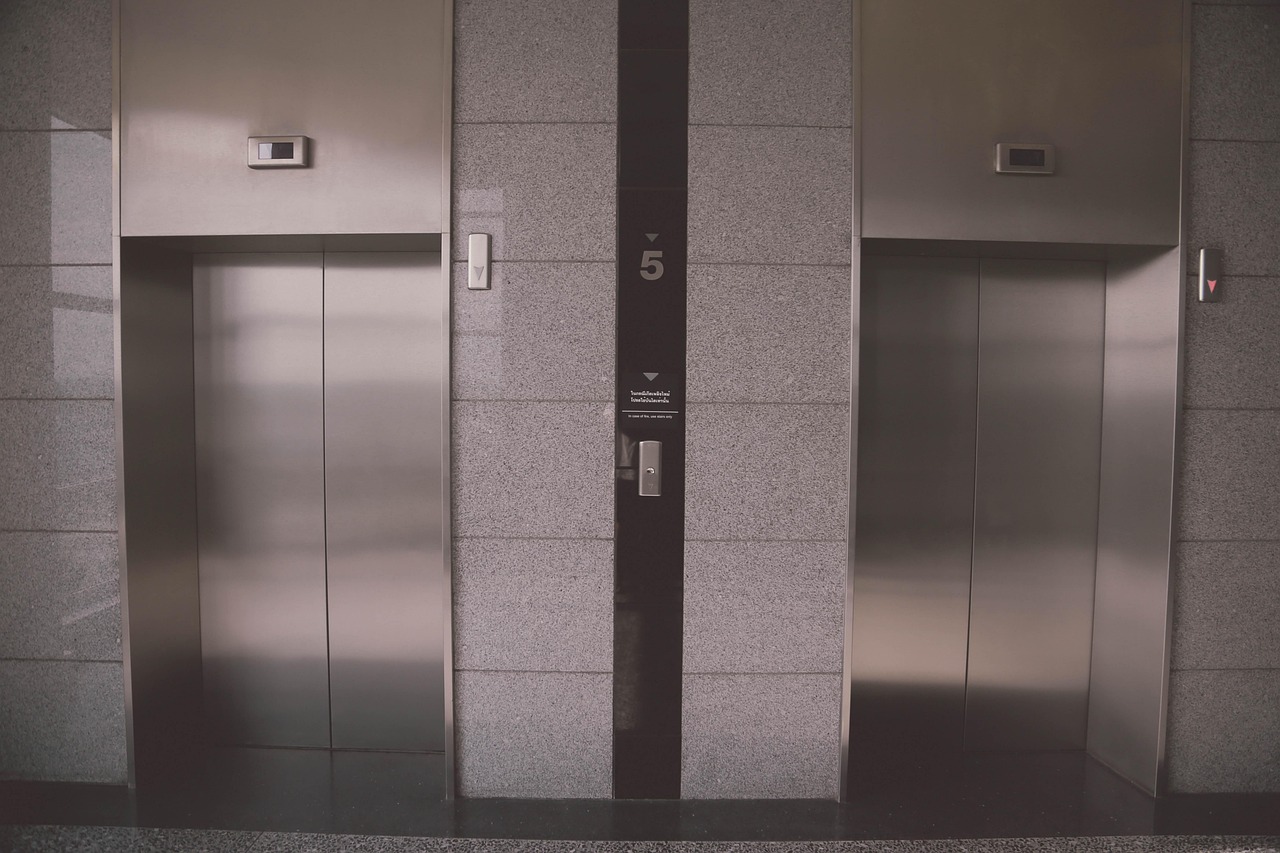
Elevator systems play a critical role in maintaining building uptime reliability. You rely on these systems for smooth operation, especially in high-rise buildings. The strict EN 81-20/50 safety compliance environment mandates that elevators meet essential performance standards, particularly concerning rapid and safe evacuation during power outages. To ensure passenger safety, meet immediate high-power demands, and move beyond mere compliance, you need to strategically upgrade to high-power lithium UPS systems. These systems provide the necessary instant backup power to keep elevators operational, guaranteeing safety and continuous reliability when it matters most.
Основные выводы
High-power lithium UPS systems deliver the instantaneous power required to meet EN 81-20 safety standards, ensuring safe elevator operation during outages.
Lithium batteries maintain full, stable power availability, preventing the unexpected downtime and voltage dips common with traditional backup solutions.
The nearly maintenance-free operation of lithium UPS systems dramatically reduces operational costs and allows your team to focus exclusively on core building operations.
With an extended lifespan (2-3 times longer than lead-acid), lithium batteries significantly lower your Total Cost of Ownership (TCO) over a 10-15 year asset cycle.
Investing in this technology is a strategic decision that guarantees enhanced safety assurance and optimized long-term operational efficiency.
Limitations of Lead-Acid Batteries

Performance Shortfalls: The Challenge of Instant High Power
Lead-acid batteries often fall critically short in performance when facing the instantaneous high-power demands of an elevator system. The primary issue is not gradual discharge, but the significant voltage drop (sag) that occurs when a high surge of current is suddenly required to initiate the elevator motor. This immediate drop in voltage can:
Lead to an insufficient power supply for the motor and control systems.
Result in the failure of the system to achieve safe, rapid leveling as mandated by EN 81-20/50 regulations.
In contrast, high-power lithium solutions maintain a full, stable voltage output even during peak power spikes, ensuring your backup system operates efficiently and is always compliant with critical safety standards.
Battery Type | Critical Performance Issue | Impact on Safety |
Lead-Acid | Significant voltage drop during peak current draw | Risk of elevator getting stuck, non-compliance with EN 81-20 |
Lithium-Ion | Maintains stable voltage output during peak draw | Guarantees safe leveling and reliable evacuation |
Total Cost of Ownership (TCO): The Hidden Operational Burden
When considering long-term total cost of ownership, traditional lead-acid systems become far less favorable. While the initial purchase price may be lower, the operational lifespan of industrial lead-acid batteries in high-demand UPS applications is typically only 3 to 5 years. This short lifespan mandates frequent, costly replacements and generates significant e-waste.
Furthermore, these batteries require regular, costly maintenance (including monitoring and acid checks). In the German market, the required labor for this upkeep adds a substantial, often hidden, burden to your long-term OPEX, turning a perceived initial saving into a continuous operational cost.
Technical Advantages of Lithium UPS Systems
Instantaneous High-Power Density: Guaranteeing Peak Performance
High-power lithium UPS systems overcome the primary weakness of lead-acid: the inability to handle instantaneous high-current demands. This critical capability is achieved through superior High-C battery technology, which boasts a remarkable output power density. This means the system can deliver consistent and robust power precisely when the elevator motor requires a massive surge of starting current.
Prevents Voltage Sag: By providing reliable peak power, the system prevents the critical voltage sag that immediately leads to operational failure in lead-acid systems.
Safety Assurance: This immediate, high-power capability ensures that the elevator can execute its emergency rescue function—such as reaching the nearest landing floor—quickly and safely, fully upholding the integrity of EN 81-20 safety protocols.
Space Efficiency: Furthermore, superior power density means a smaller, lighter footprint is required to deliver the same power output, simplifying installation and optimizing building space.
Stable Voltage Output: Protecting Critical Electronics and Safety Circuits
A second, equally critical advantage of the lithium solution is its inherent ability to maintain a highly stable voltage output even during the most demanding discharge events. Voltage fluctuations are not just inconvenient; they can pose serious risks to sensitive elevator control boards and safety circuits.
Unlike lead-acid batteries, which exhibit significant voltage degradation under heavy load, high-power lithium batteries ensure:
Precision Power Delivery: Сайт stable output guarantees that the elevator’s sophisticated control systems receive clean, consistent power, avoiding erratic behavior, system resets, or component stress that could compromise safety protocols.
Extended Component Lifespan: Protection from voltage instability and electrical noise safeguards expensive, sensitive electronic components within the elevator system, contributing to greater overall system reliability and reducing unexpected repair costs.
Operational Consistency: This stability is vital for maintaining the operational integrity of the elevator, helping you avoid unexpected downtime and ensuring seamless operations, regardless of the power grid status.
Business Value of Lithium UPS
Near-Zero Maintenance Benefits: Eliminating OPEX Volatility
One of the most significant advantages of lithium UPS systems is their near-zero maintenance requirement. Unlike lead-acid batteries, which necessitate regular, costly on-site checks, cleaning, and acid level monitoring, high-power lithium-ion systems are essentially hands-off.
Significant Labor Savings: In high-wage environments like Germany, eliminating routine battery upkeep translates directly into a massive reduction in Operational Expenditure (OPEX) and prevents unexpected service downtime.
Focus on Core Operations: This reduction in maintenance allows building managers to refocus valuable technical staff time on core operational duties, rather than non-revenue-generating battery upkeep.
TCO Optimization through Extended Lifespan
The extended lifespan of high-power lithium UPS systems is the single most powerful driver for a favorable Total Cost of Ownership (TCO). Given the short 3-to-5 year cycle of traditional lead-acid systems, lithium solutions provide a lifecycle 2 to 3 times longer, often exceeding 10-15 years.
This longevity, combined with zero maintenance, results in quantifiable financial benefits:
Quantified Savings: Studies indicate that the TCO for a 10-year period can decrease by up to 39% when utilizing lithium UPS systems compared to lead-acid, despite the higher initial investment.
Fewer Replacements: Reducing the number of required replacements from two or three to zero drastically cuts material costs, minimizes e-waste, and ensures long-term power continuity without interruption.
Investing in lithium is not merely a battery upgrade; it is an optimized long-term asset management strategy that protects your operational budget.
Herewinpower’s High-Power UPS Solutions
Herewinpower is dedicated to providing advanced and reliable energy storage systems that directly address the unique operational challenges of elevator systems. Our solutions are engineered to overcome the limitations of traditional backup power, delivering enhanced safety, near-zero maintenance, and optimized Total Cost of Ownership (TCO).
Custom-Engineered High-C Power Continuity
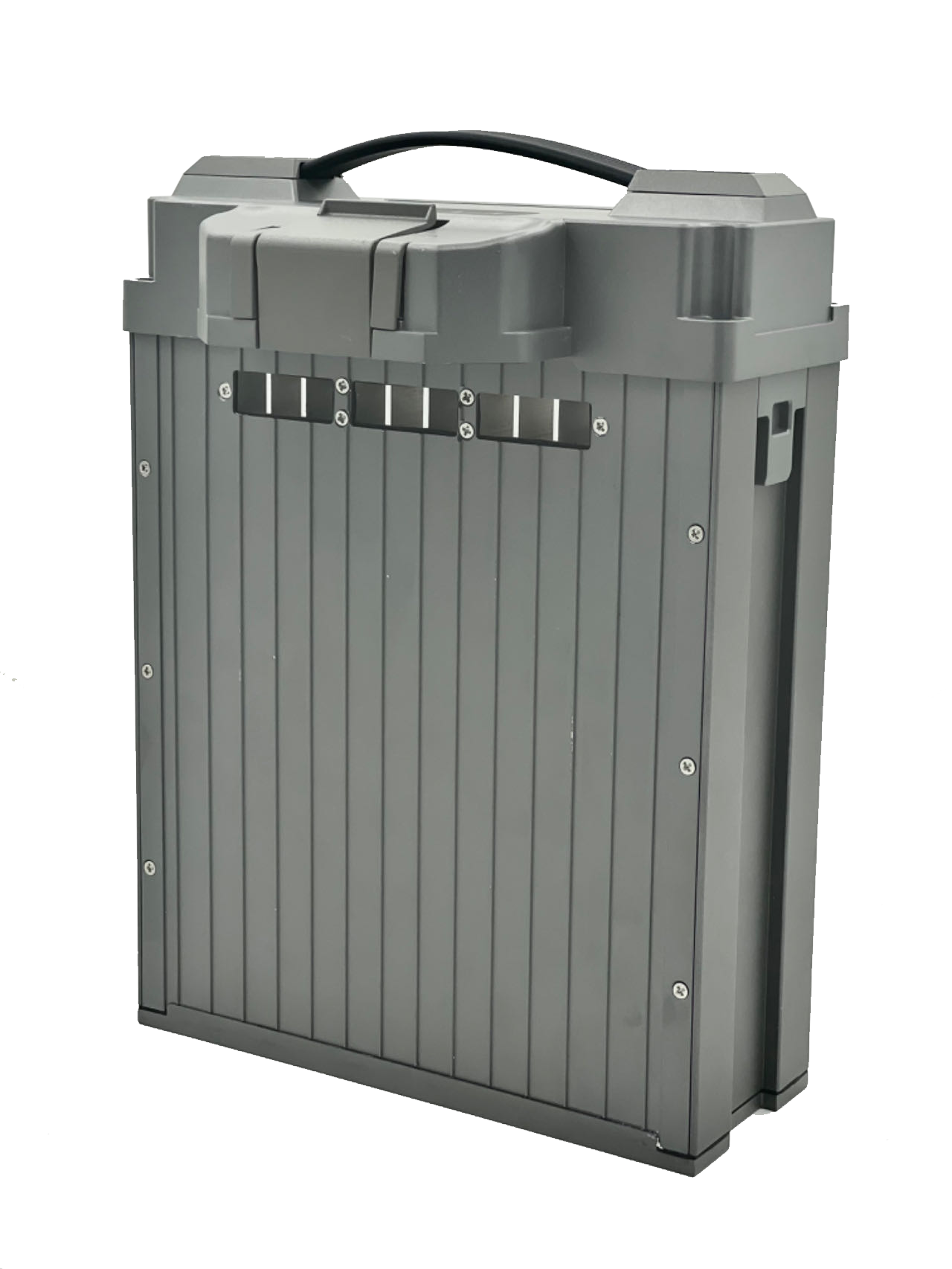
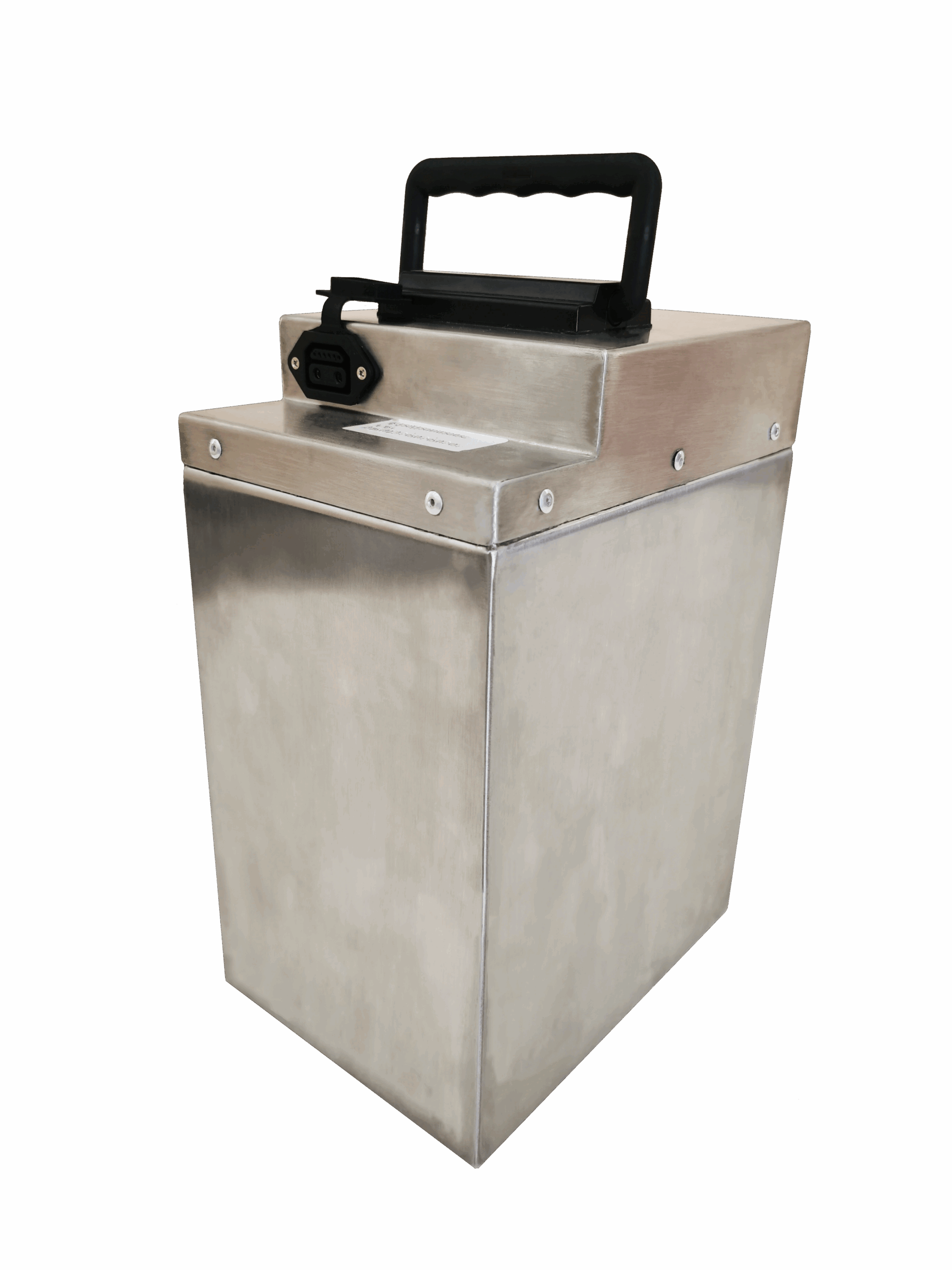
Our C&I solutions are designed not just for backup, but for High-C power continuity tailored to the instantaneous current demands of elevator motors. This focus ensures your system achieves the peak performance required for EN 81-20 compliance and safe evacuation.
Key features that secure this superior performance include:
High Power Density: Delivers maximum power in a minimal, space-saving footprint.
Modular Scalability: Easily scales to match the specific voltage and power requirements of any high-rise building.
Intelligent Thermal Management: Ensures optimal cell performance and longevity, even during sustained high-power discharge events.
Integrated BMS and LiFePO4 Safety
While safety is inherent in our choice of thermally stable LiFePO4 chemistry, the reliability of the system is ultimately guaranteed by our advanced Battery Management System (BMS). The BMS is the intelligence layer that transforms a powerful battery into a reliable, self-monitoring asset.
Critical functions of the integrated BMS include:
Predictive Diagnostics: Constant monitoring of cell health and performance, proactively identifying issues before they impact operation.
Multi-Layer Protection: Provides essential safeguards against overcharge, over-discharge, and short-circuits.
Optimized Lifecycle: Manages charging and discharging cycles to maximize the battery’s lifespan, directly contributing to unprecedented long-term cost-efficiency and asset value for your building.
Investing in high-power lithium UPS systems delivers a powerful dual value proposition: guaranteed safety assurance through instant, stable power delivery and significantly optimized Total Cost of Ownership (TCO). These systems redefine asset management by offering extended lifecycles and requiring near-zero maintenance.
For a detailed system consultation or to explore tailored solutions for your building, please contact the Herewinpower team.
ЧАСТО ЗАДАВАЕМЫЕ ВОПРОСЫ
What are high-power lithium UPS systems?
High-power lithium UPS systems provide backup power for critical applications, like elevators. They ensure continuous operation during power outages, enhancing safety and reliability.
How do lithium batteries compare to lead-acid batteries?
Lithium batteries offer longer lifespans, higher energy density, and lower maintenance needs than lead-acid batteries. They maintain stable voltage output, ensuring consistent performance.
What safety features do lithium batteries have?
Lithium batteries include thermal stability, overcharge protection, and short-circuit safeguards. These features enhance safety and reduce risks during operation.
How can I assess the total cost of ownership for lithium UPS systems?
Consider factors like initial investment, maintenance costs, lifespan, and energy efficiency. A total cost of ownership analysis can help you make informed decisions.
Are there any environmental benefits to using lithium UPS systems?
Yes. The primary environmental advantage is the reduction in e-waste due to the lithium battery’s significantly extended lifespan (2-3 times that of lead-acid). This longevity aligns with corporate sustainability goals by minimizing the frequency of replacements and the resulting carbon footprint associated with manufacturing and disposal.
См. также
Enhancing Data Center Reliability And Fire Safety With Lithium ESS
Reducing Space And Costs With Lithium UPS For Healthcare
Boosting ROI For AGV Fleet Managers Using High-Power Lithium
Herewin Battery Solutions: Empowering Heavy-Lift Drones For Industry




 Русский
  English
  Español
  한국어
한국어  Deutsch
  Français
  日本語
日本語  Bahasa Indonesia
  ไทย
ไทย  العربية
  Português do Brasil
  Italiano
  Nederlands