
Confined-space work is among the most dangerous activities in oil and gas, and the numbers are hard to dismiss. According to the U.S. Bureau of Labor Statistics, 1,030 workers died in confined-space incidents between 2011 and 2018 — the most recent window for which BLS has published a dedicated confined-space national series. The Cambridge–BP Institute confined space safety study puts the current fatality risk on an FPSO confined space at roughly 8.6×10⁻⁴ per person-year, against a broadly acceptable level around 1×10⁻⁶ — four orders of magnitude apart.
That is the risk ledger oil and gas operators are trying to close. And the fastest way to close it is to stop sending people into the tank. The tool doing the job is the confined-space inspection drone — but as programs move from pilot into production, the part that stalls them is rarely the aircraft, the camera, or the software. It is the power system that decides whether the mission actually finishes.
Why Oil & Gas Is Moving Away From Human Entry
OSHA’s permit-required confined-space standard (29 CFR 1910.146) treats atmospheric hazards — oxygen deficiency, flammable vapors, toxic gas — as a gating condition for any entry. As OSHA lists, ignition of flammable vapors, asphyxiation, and chemical exposure are among the specific confined-space hazards in oil-and-gas extraction.
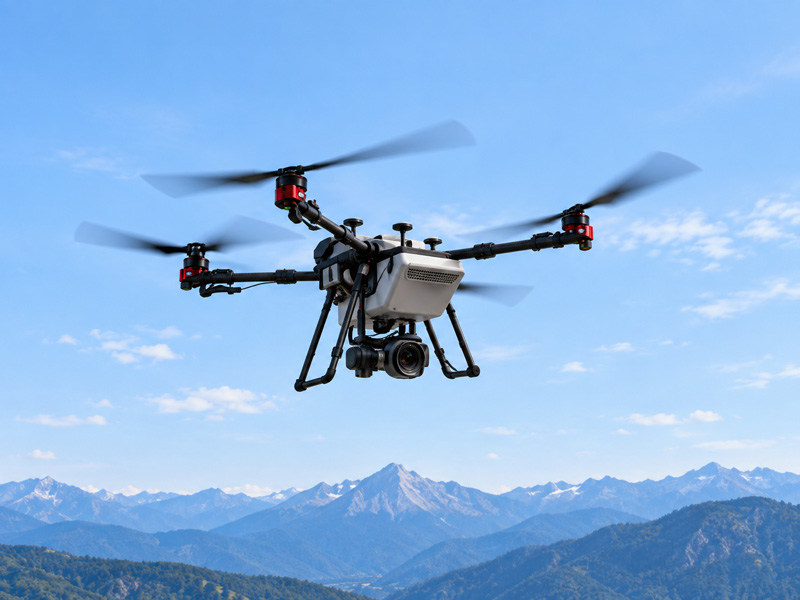
Drones address this directly. By observing a tank, vessel, or pipeline from the outside instead of sending a person in under a permit, an operator converts a high-risk entry into a low-risk remote task. This is no longer a pilot experiment; it is the direction the industry is heading. The interesting question is no longer whether drones will replace routine human entry. It is why some confined-space drone inspection programs scale cleanly and others stall after the pilot.
For the HSE and maintenance leader, the shift is worth internalizing even if you never buy a battery directly: the safer the drone program, the fewer permits, the fewer rescue standbys, and the more inspection cycles you can run in a season. That is the payoff operators are chasing. But it only materializes when the aircraft completes its passes reliably, which is where power takes over from payload.
The Bottleneck Nobody Talks About: Power, Not Payload
When a confined-space drone program moves from a demo to a repeatable operation, the limiting factor is rarely the camera, the navigation stack, or the airframe. It is the power system.
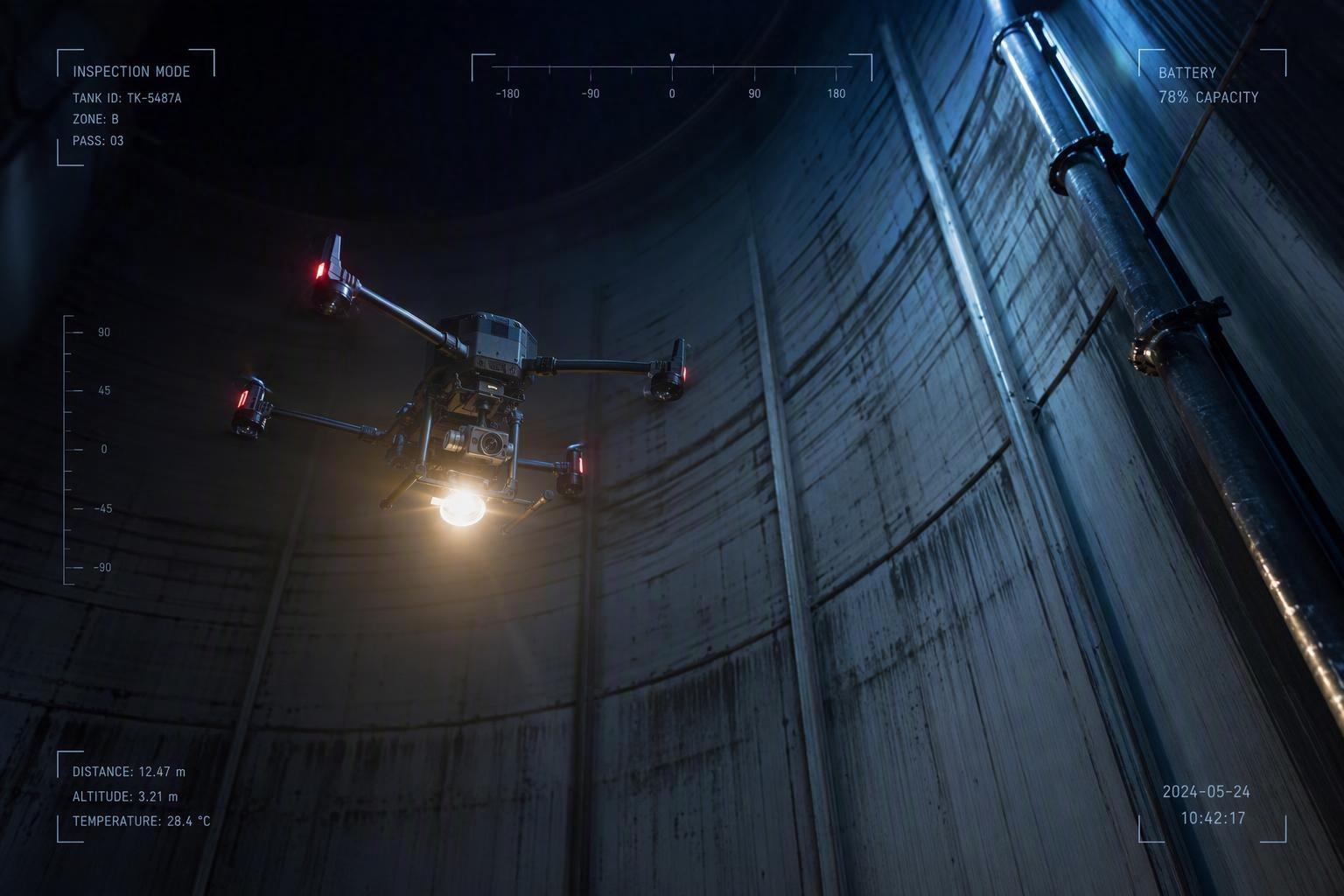
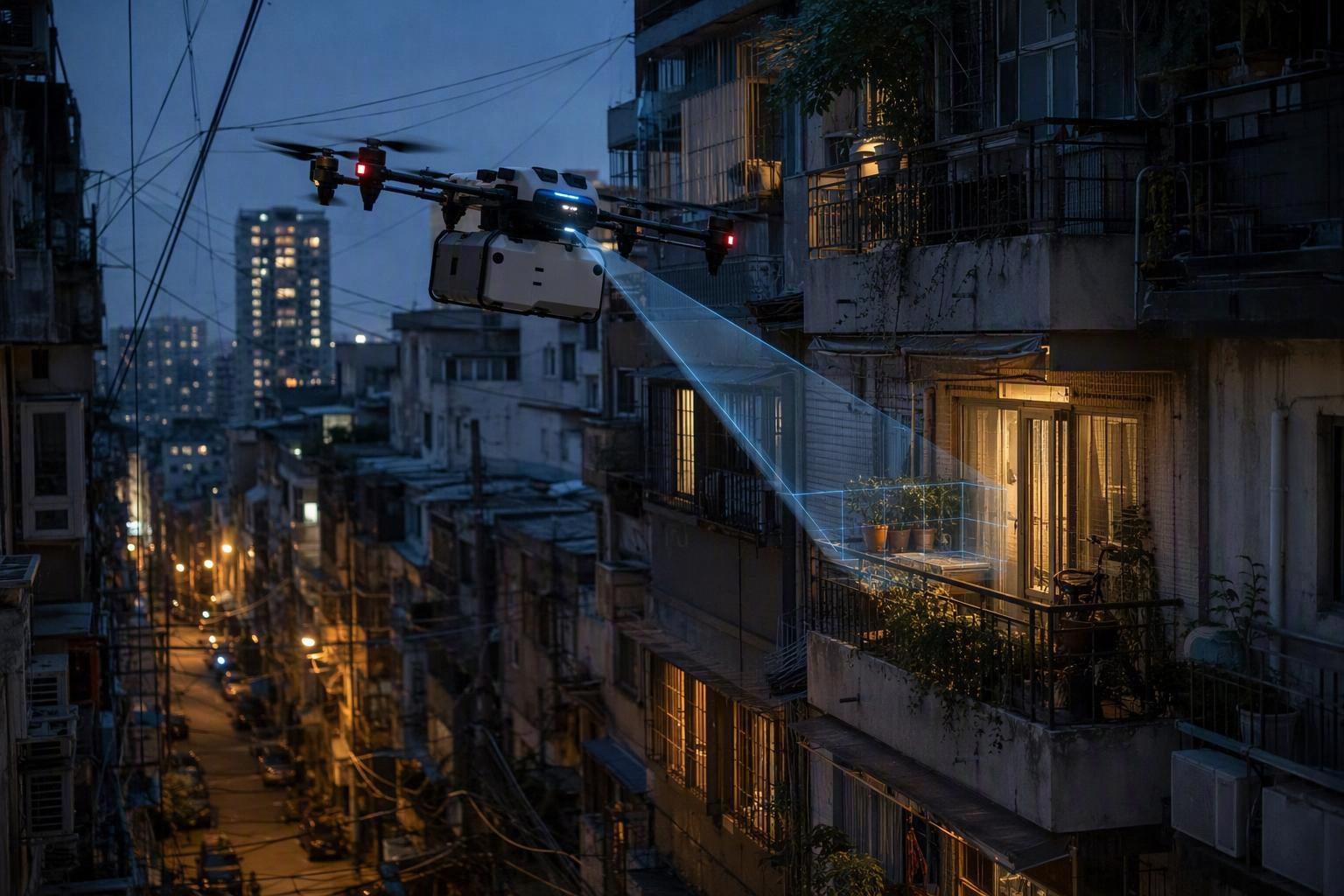
Walk through a real mission and the chain is easy to trace. A steel tank behaves like a Faraday cage: it blocks GPS and degrades the control link, so the drone leans on onboard autonomy and continuous correction. The mission is largely hover and station-keeping, not transit. Add lighting, a thermal or LiDAR payload, and a data link, and the battery is carrying a sustained load through the whole pass, not a single burst.
That is the pivot: the payload is the payload, but the power system decides whether the mission finishes. Everything below — endurance, safety documentation, and turnaround — is an expression of that power system.
Flight Time Is the First Wall
Confined-space flight times on a single pack are short, and the real figure is driven by the mission profile rather than the datasheet: constant hovering, obstacle avoidance in turbulence, lighting, and sensor draw all shorten usable endurance. Field reports on confined-space inspection platforms commonly cite 10–20 minute flight durations, on the optimistic side of which a real oil-and-gas mission rarely lands. If one pass cannot cover the tank internals completely, the operator either accepts an incomplete inspection or plans multiple entries — and every extra pass costs schedule and reintroduces operational risk.
Safety Documentation Is the Second Wall
This is the wall that quietly stops programs. Before a drone can operate in a classified zone, the complete system must satisfy a hazardous-area safety concept. UL’s UAV certification guidance makes the point explicitly: the process calls for validating battery safety, defining safe-mode capability, and coordinating charger, battery, and load behavior. That means the battery supplier must hand you test evidence a certification engineer can actually review — not a one-page “we take safety seriously” brochure.
Turnaround Speed Is the Third Wall
A scaled confined-space program runs many inspections in a season. Each mission ends with a depleted pack, and the fleet only stays productive if those packs can be swapped, charged under control, and rotated without creating a bottleneck. The economics that make drone inspection attractive — hours instead of days or weeks — evaporate the moment battery turnaround becomes the pacing item.
What a Confined-Space-Ready Battery Needs to Deliver
These three walls converge into a single, checkable standard. The table below is the filter an OEM or integrator can hand a prospective battery supplier — if a supplier cannot respond to every row with data, that is an answer in itself.
Capability | What it means for a confined-space mission | What to ask the supplier for |
|---|---|---|
Mission-envelope endurance | Enough usable energy for one complete inspection pass under hover + payload + lighting | Spec stated under a defined load profile, not just peak capacity |
Voltage stability under sustained load | Predictable discharge through the pass, with a controlled reserve margin | Discharge-curve and voltage-sag data at operating load and temperature |
Safety-test documentation | Evidence the complete battery design can support your hazardous-area certification | UN 38.3, IEC 62133-2, abuse/thermal/short-circuit test reports tied to the exact model and revision |
BMS and telemetry | Observable battery state for planning, rotation, and fault handling | BMS protection events, SOC/SOH readout, CAN/SMBus telemetry you can log |
Swap-friendly form factor | Fast, repeatable field replacement without mission-stopping logistics | Rapid-connect design, controlled charging/swapping workflow |
Traceability and supply consistency | Batch-level control and audit-ready records | Pack serialization, batch tracking, and stable ODM/OEM supply |
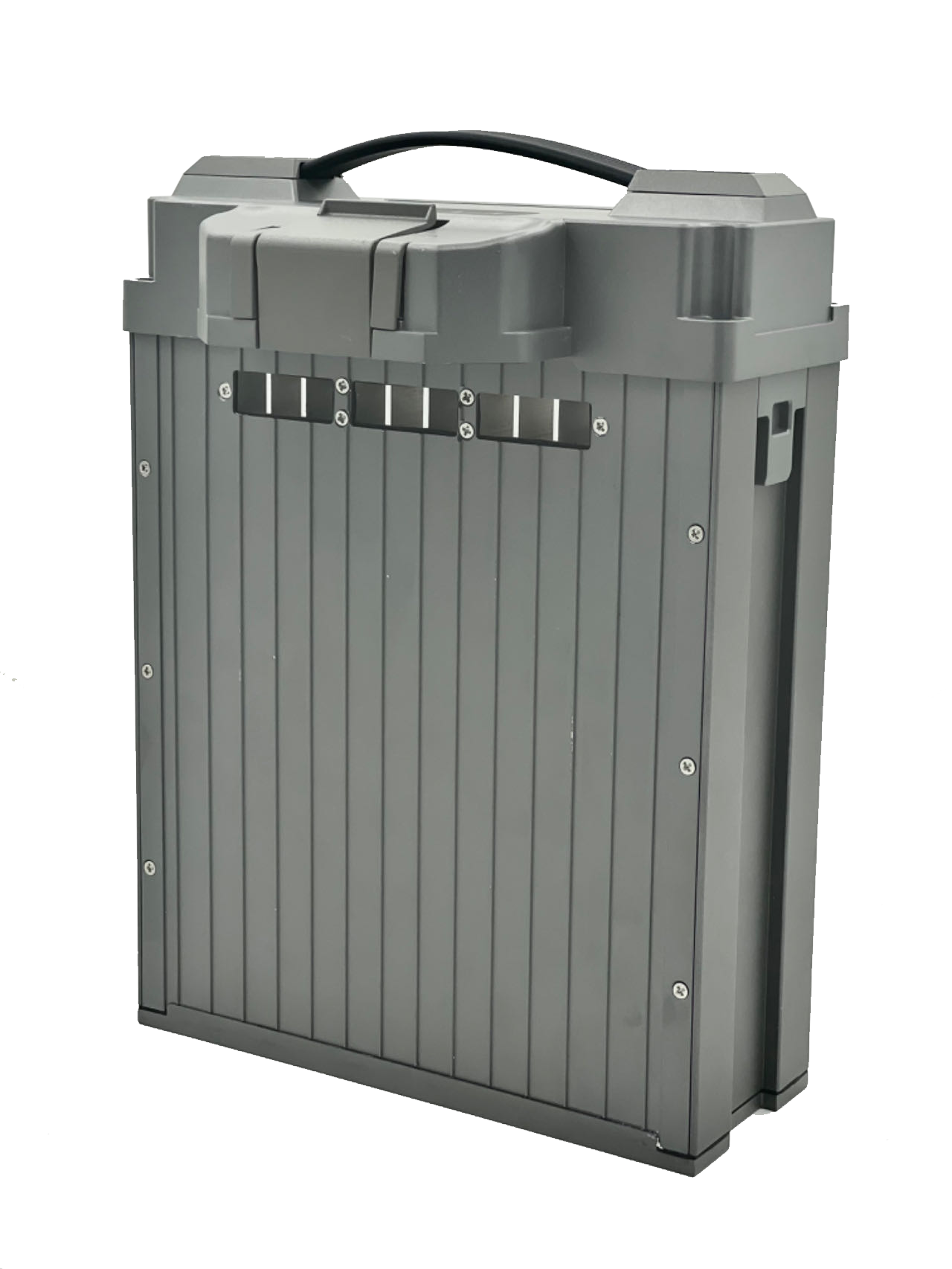
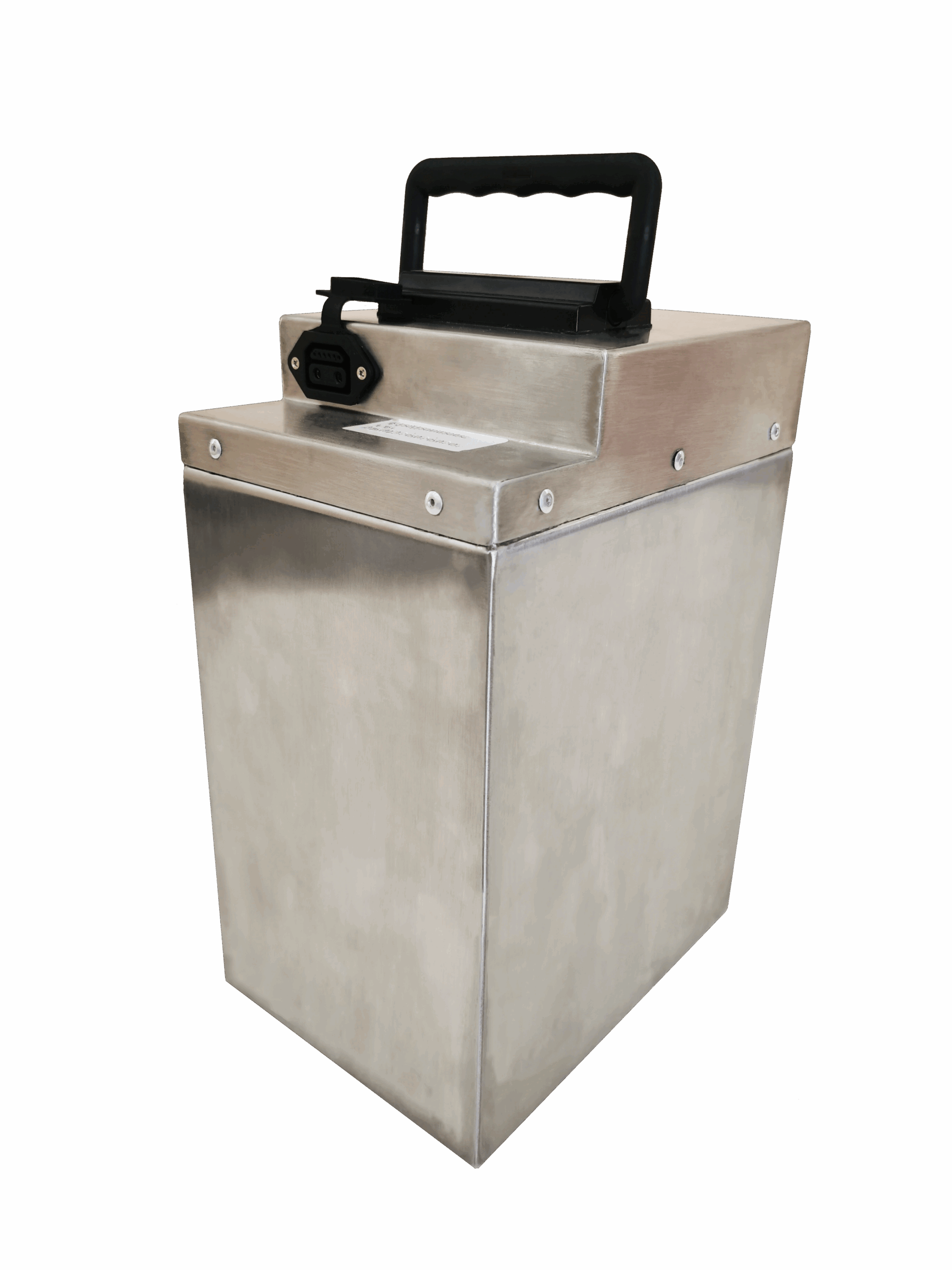
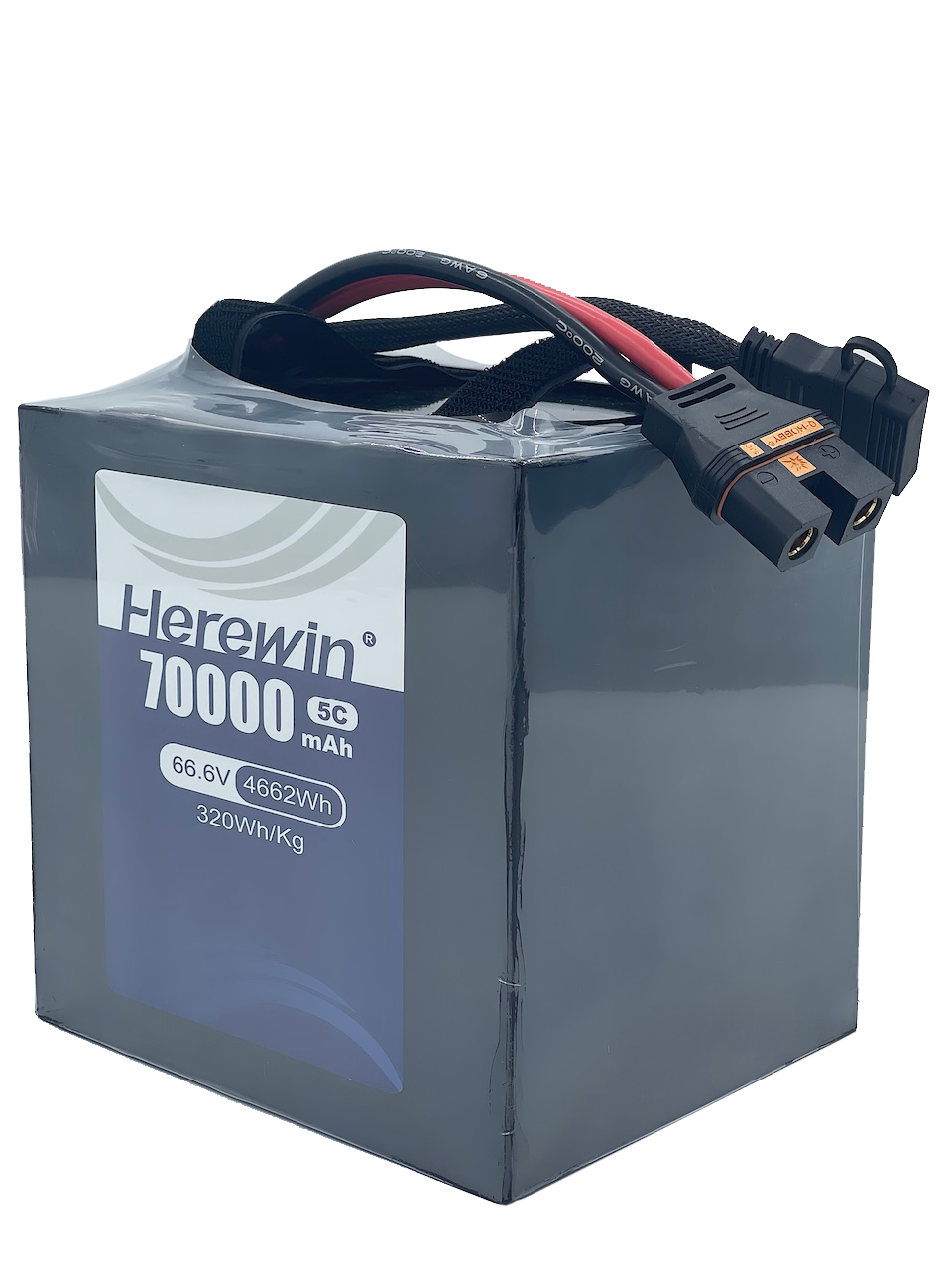
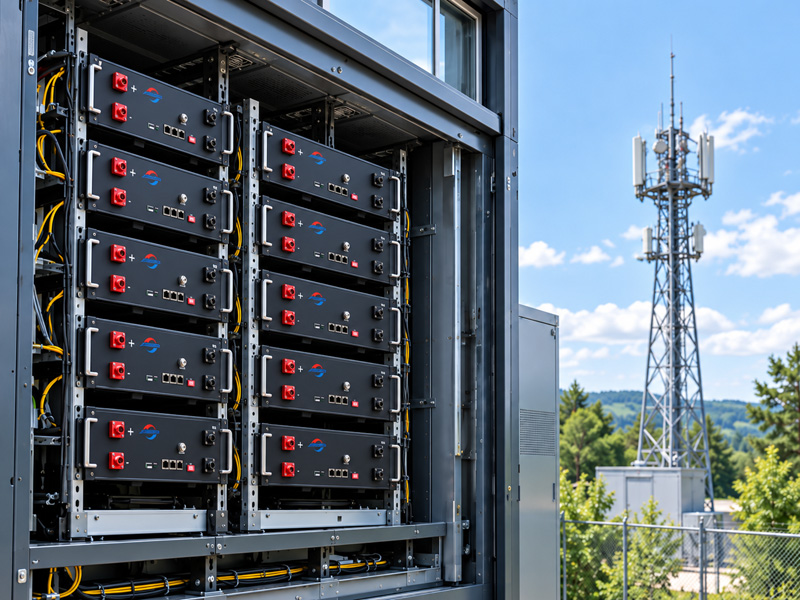
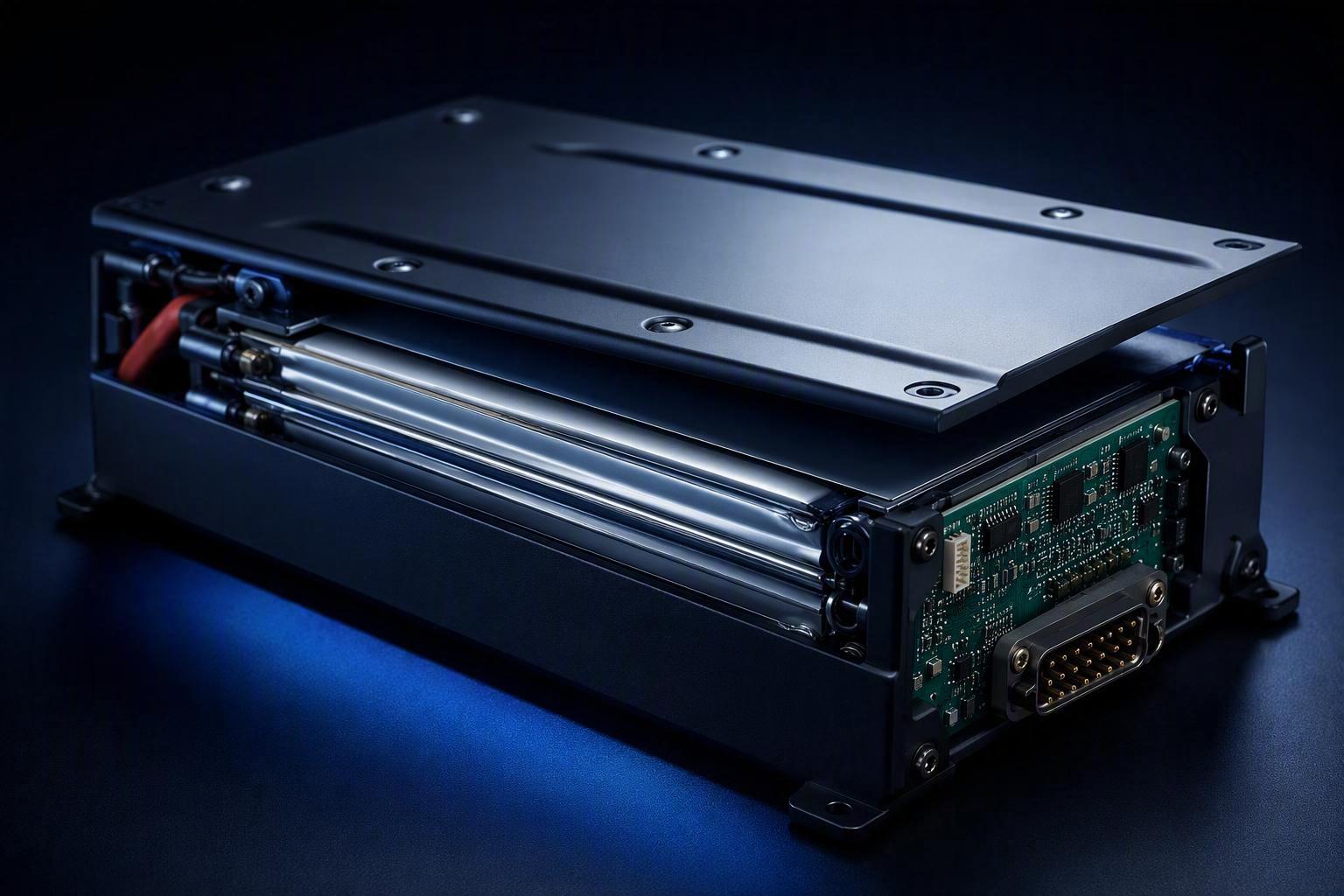
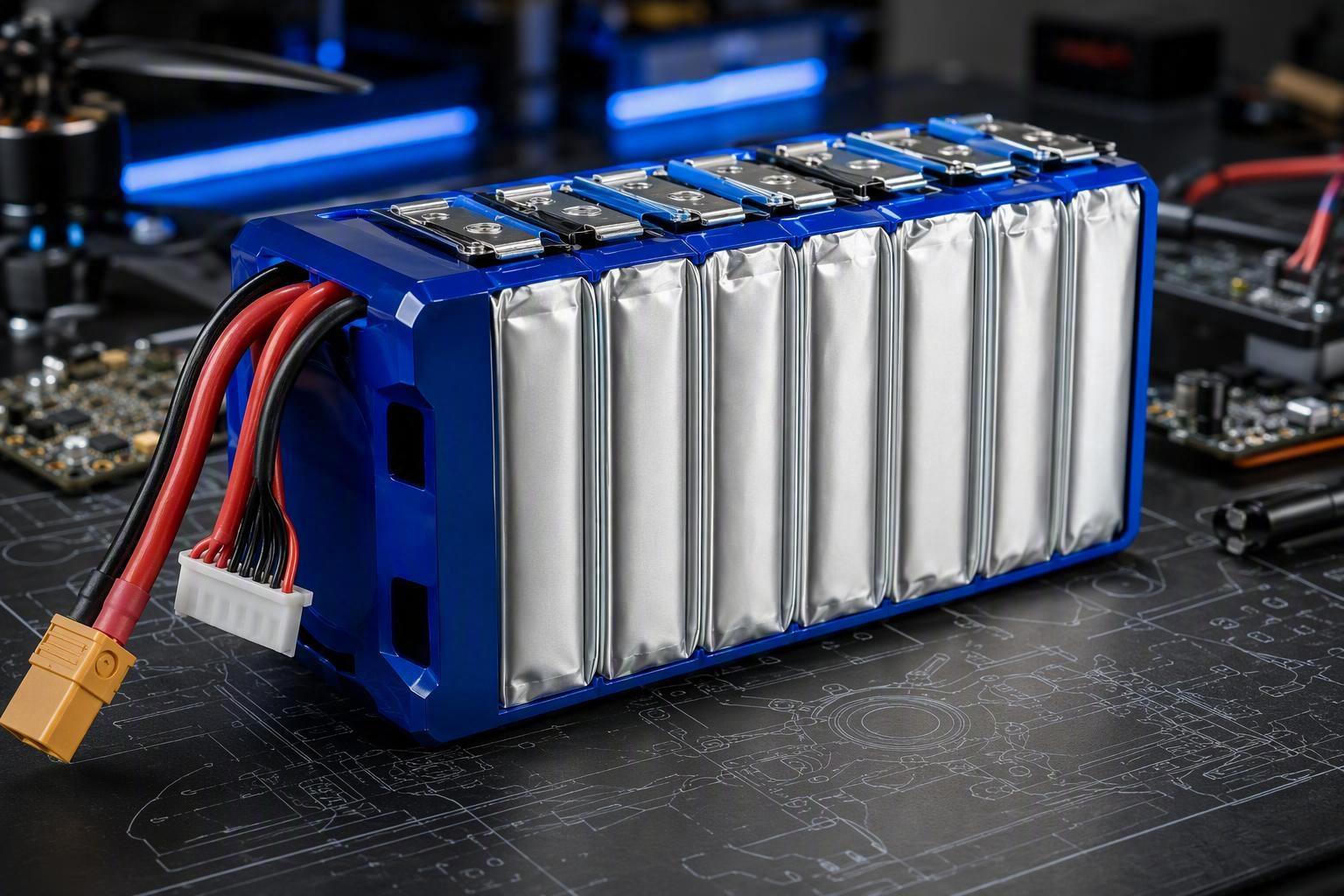
This is where an ODM/OEM energy-architecture partner earns its role. High-energy-density packs — such as the semi-solid 300–350 Wh/kg class — extend usable endurance, while smart BMS and CAN telemetry turn the battery from a consumable into a monitored subsystem.
Typical Confined-Space Inspection Scenarios
Storage tanks
Cost and downtime live in preparation, not inspection. As Nexxis notes, Shell estimated that roughly 98% of tank-inspection cost sits in HSE and preparation, with only about 2% in the inspection itself. A drone converts a scaffold-and-permit event into a faster remote pass — but only if the power system holds for the full internal sweep.
Pressure vessels
Pressure vessels are geometrically hard: curved walls, low texture, no GPS. The drone must loiter and reposition continuously, which loads the battery from takeoff to touchdown. Endurance and voltage stability under sustained hover are the deciding factors here.
Pipelines and enclosed passages
Long, narrow piping rewards continuous coverage. When endurance forces a break mid-pass, the operator loses the single-shot coverage that made the drone attractive in the first place — which is why turnaround and battery rotation become strategic, not tactical.
PREGUNTAS FRECUENTES
Can a confined-space drone fully replace human entry?
No — and it does not need to. The realistic posture is that drones replace or compress the visual first-pass inspection and push human entry toward exceptions: contact thickness measurement, sampling, extreme structural complexity, or entries required by regulation. The value is fewer entries, less residual risk, and inspection schedules that do not depend on repeated access. The drone removes the routine exposure; it does not eliminate the rare, justified entry.
Does the battery itself need ATEX certification?
Usually not as a standalone item. As a matter of industry practice, ATEX applies to the equipment used in the explosive atmosphere — for a drone, the aircraft as a whole rather than the battery pack in isolation. Note, though, how many field programs actually operate: they gas-free and inert the tank with nitrogen to make the space safe, then fly a non-certified aircraft inside, rather than putting the entire drone through ATEX certification. Either way, a battery still needs to be certifiable evidence: supply the safety-test data and the controlled technical file that let the OEM qualify the aircraft for the intended zone. If you are being handed nothing but a safety pitch, ask for the test reports. A battery supplier that documents hazardous-area battery compliance in the form of real test files is the partner who will not stall your certification.
Next Steps
For UAV OEMs and system integrators building a confined-space inspection line, the practical move is to pressure-test your battery supplier against the table above before you sign anything. The goal is not a cheaper cell; it is an industrial-drone battery compliance file that survives an audit and backs your own hazardous-area certification.
If you would rather validate these power assumptions against real hardware than trust a datasheet, our drone battery engineers can work through your load profiles, mission envelope, and BMS telemetry with you.

 Español
  English
  한국어
한국어  Deutsch
  Français
  日本語
日本語  Русский
  Bahasa Indonesia
  ไทย
ไทย  العربية
  Português do Brasil
  Italiano
  Nederlands