
Commercial building maintenance is looking for safer and faster ways to clean high facades, and drone window cleaning has emerged as one of the more talked-about answers. There can still be a wide gap, though, between a drone that can fly to a window and a drone that can clean windows for a living.
Much of that gap comes down to usable cleaning time—how many minutes in a shift the drone actually spends producing clean glass, compared with every minute spent positioning, hovering against wind, feeding water, swapping batteries, and recharging. Operators who evaluate equipment on advertised flight time alone can find themselves undersized on uptime. In this guide, we dig into what actually holds window-cleaning operations back and how to evaluate the power system accordingly.
Why Drone Window Cleaning Is Growing
Commercial interest in drone window cleaning is being driven by three practical forces, not by novelty.
Safety. Putting a drone on a facade removes a worker from a fall-risk position. That is the strongest driver among facility managers who would otherwise commission rope access or scaffolding.
Labor. Qualified high-altitude cleaning crews are hard to source and retain. A small flight team can cover a large glass tower that previously required several skilled operators.
Productivity on certain buildings. On large, regular glass facades and sites where traditional access is slow to set up, a drone can reduce both setup time and access constraints.
That nuance matters more than it sounds. As Interclean made the case in its analysis of why drone window cleaning is growing, adoption depends on performance data and supportive conditions, not on the hardware alone. The economics of a given job depend heavily on building geometry, water supply, regulation, and operating conditions. Drones are not a wholesale replacement for every cleaning method; they are an alternative where the access math works.
What Makes Window Cleaning Different From Other Drone Jobs
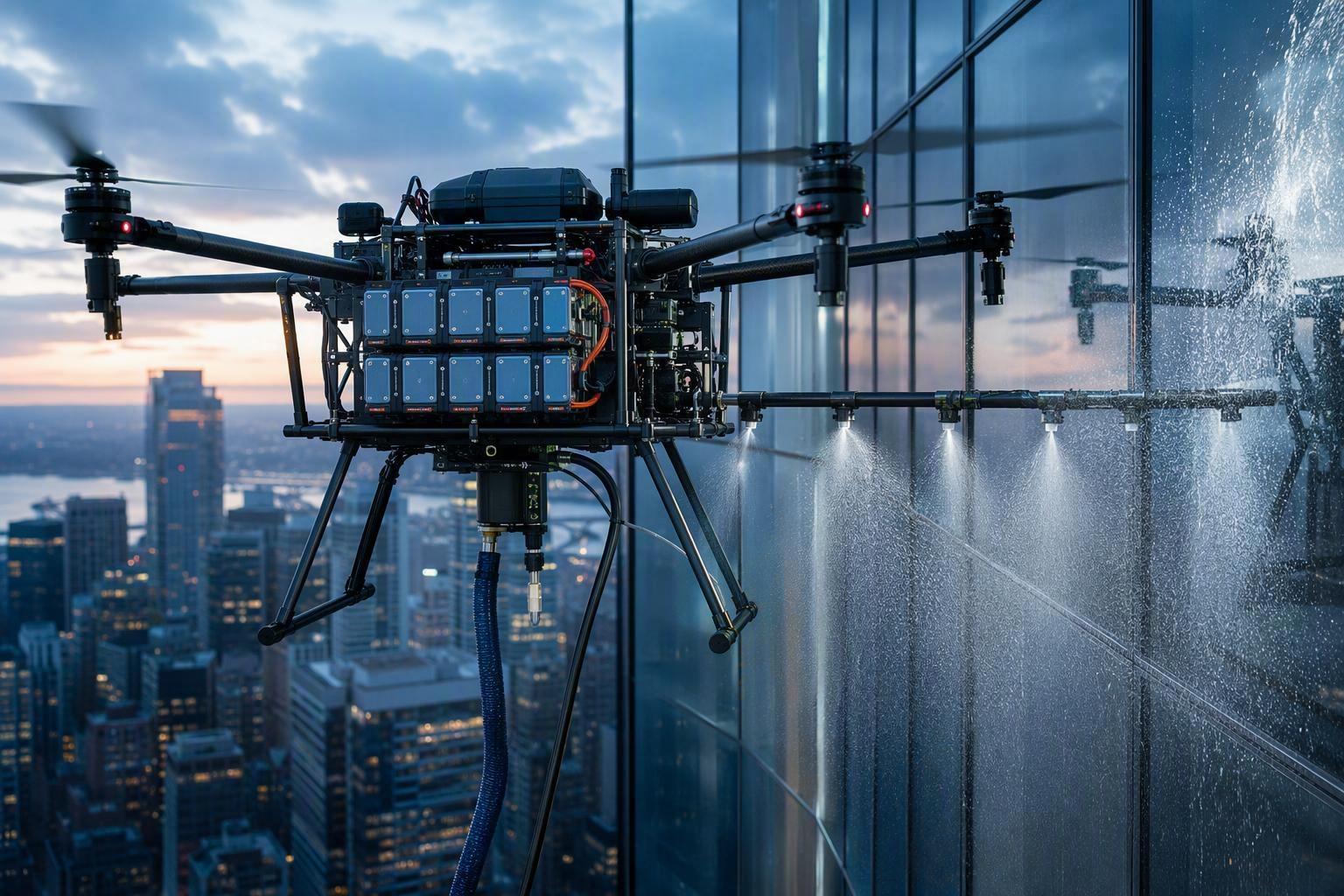
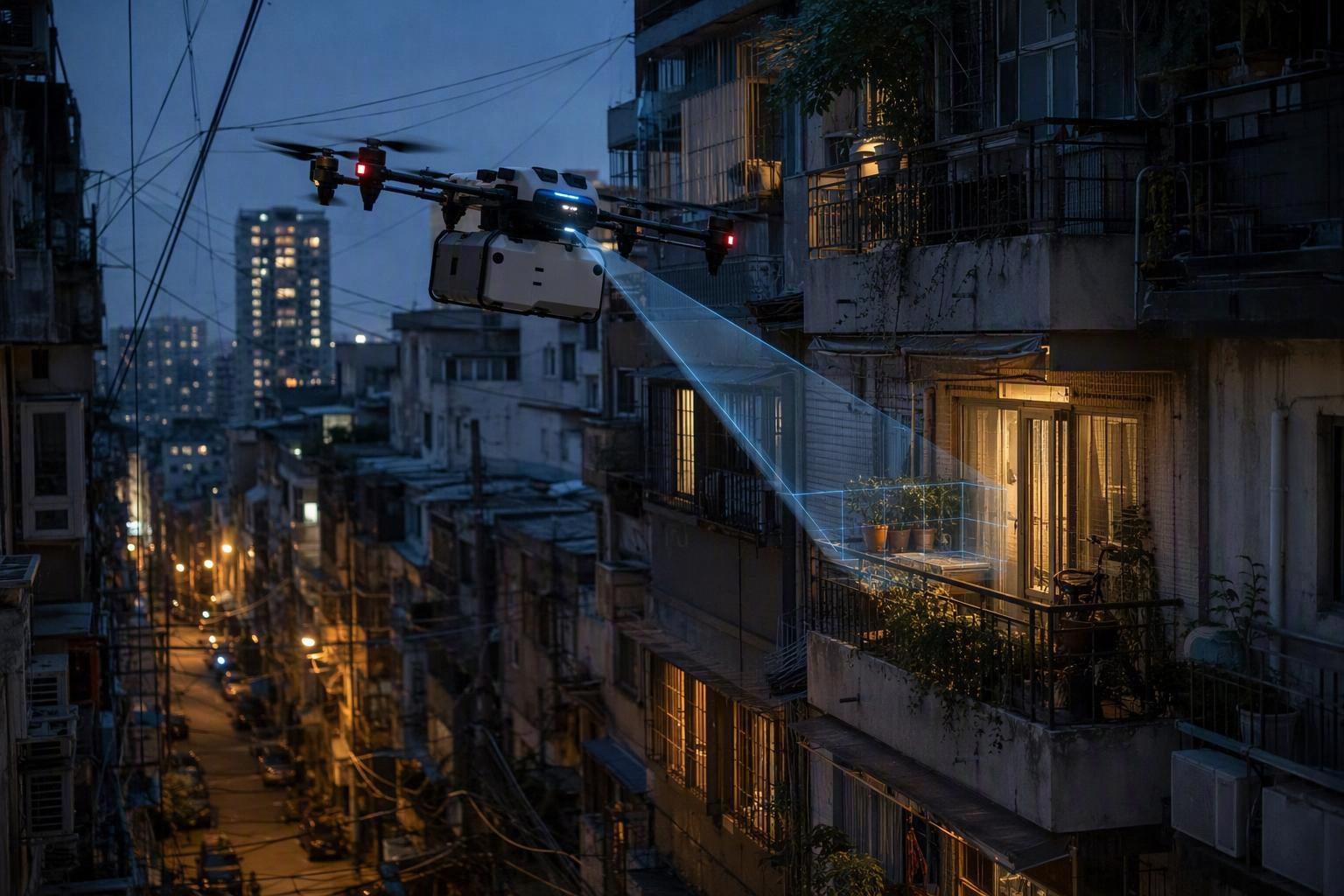
Think of the difference this way. A delivery drone’s job is to get from point A to point B, drop its package, and land. A cleaning drone stays put instead. It hovers in front of glass for long stretches, resisting wind, driving a pump and spray system, and steadying itself against the facade—all at the same time. That is a continuous draw on the battery rather than a burst.
The flying window is tighter, too. Near glass, the aircraft has to move slowly and correct constantly to keep the spray pattern stable, so the pack rarely gets the steady, efficient cruise you see on a straight flight line.
Water adds another variable. Carry it on board and tank size caps how much area the drone cleans before it must land. Feed it from the ground and the hose grows longer and heavier the higher the aircraft climbs, which raises both the load and the flying weight. Neither option is free, and each pulls the battery down differently over a shift.
Where Operators Are Getting Stuck
Five bottlenecks tend to make or break a window-cleaning operation, and most of them do not show up on a spec sheet.
1. Flight time is not the same as cleaning time
A drone that advertises 30 minutes of flight rarely delivers 30 minutes of cleaning. Time disappears into takeoff, positioning, climbing between sections, moving across the facade, returning, keeping a safety reserve, and compensating for wind.
The shortfall shows up fast in the field. A flight-time analysis from Drone Bundle notes that real-world flight time is often materially lower than the rated figure once payload, wind, maneuvering, and a safe landing reserve are accounted for. For a cleaning drone, the usable cleaning window is narrower still, because the aircraft is also powering the cleaning system.
2. Cleaning equipment adds continuous power demand
This is the point that separates a window-cleaning drone from a drone with a camera. The power system funds propulsion and a high-pressure pump, spray system, and control electronics at the same time. A buyer guide from Commercial UAV News puts typical cleaning-drone flight times in the 15–25 minute band per battery set, with high-pressure pumps drawing a meaningful share of the pack’s output throughout the cycle.
Capacity alone does not solve this. A battery may hold enough energy on paper, yet sag under the combined draw of thrust and spray, and it is the pack’s continuous rating—not its burst rating—that keeps the spray pressure from collapsing mid-sortie.
3. Payload changes flight economics
The spray rig, hoses, nozzles, pumps, and any onboard water all add weight, and weight drains the battery faster. Every kilogram has to be lifted, so it costs energy beyond what the cleaning hardware itself uses. The trade is direct: payload budget gets balanced against endurance and against how much cleaning equipment the airframe can carry at all.
4. Wind and building surfaces make energy demand less predictable
High-rise facades sit in moving air. Wind, turbulence, and the shape of the building force the drone to hold position and correct constantly, so the actual power draw can run well above the quiet-air estimate. A pack sized for a benign cruise can come up short on the windier side of a tower, showing up as voltage sag or an early return-to-home alarm at the worst moment.
5. Battery turnaround affects daily productivity
This bottleneck matters most for the bottom line. What the operator actually wants is not “the battery lasts 28 minutes,” but “how many floors can we clean in a shift?”
If recharging is slow, battery swaps are awkward, spare packs are insufficient, or cooling between charges drags, then even a fast drone loses the day to ground time. A typical operating day runs in a cycle of cleaning for tens of minutes, landing, swapping batteries, re-positioning, and resuming. The result is that total project time is governed by turnaround and fleet utilization as much as by any single flight.
The bottleneck is not whether the drone can clean a window. It is whether it can clean enough windows per battery cycle, with enough uptime, to make the operation commercially viable.
Why Battery Design Matters More Than Flight Time
Flight time is a headline specification. Usable energy under the real duty cycle is the engineering question, and it is where battery design—not capacity alone—carries the operation.
Here’s what to optimize, in priority order.
Usable energy under load. What matters is the energy the pack can actually deliver at the current drawn by thrust plus cleaning equipment, not the nameplate watt-hours. Under sustained current, voltage sag and cutoff limits shrink the usable window.
Continuous current capability. The pack must sustain the combined load for the length of a sortie, not just spike on takeoff. Continuous rating is the figure that prevents mid-job performance drop.
Thermal stability. Sustained high-current output generates heat. A pack that thermally throttles or degrades under repeated high-load cycles shortens both the sortie and the pack’s service life.
Fast turnaround. Recharge rate and swap ergonomics determine how quickly the shift can cycle. A chemistry and pack design that charges safely at a higher rate, and swaps easily, raises fleet utilization directly.
BMS visibility. A smart battery management system gives the operator current, temperature, and fault data in real time. That visibility turns good batteries into a manageable fleet, and it is the difference between tracing a problem and guessing at it.
A pack with a strong pulse rating but weak continuous output, or one that takes an hour to recharge between sorties, undermines the airframe no matter how capable it is.
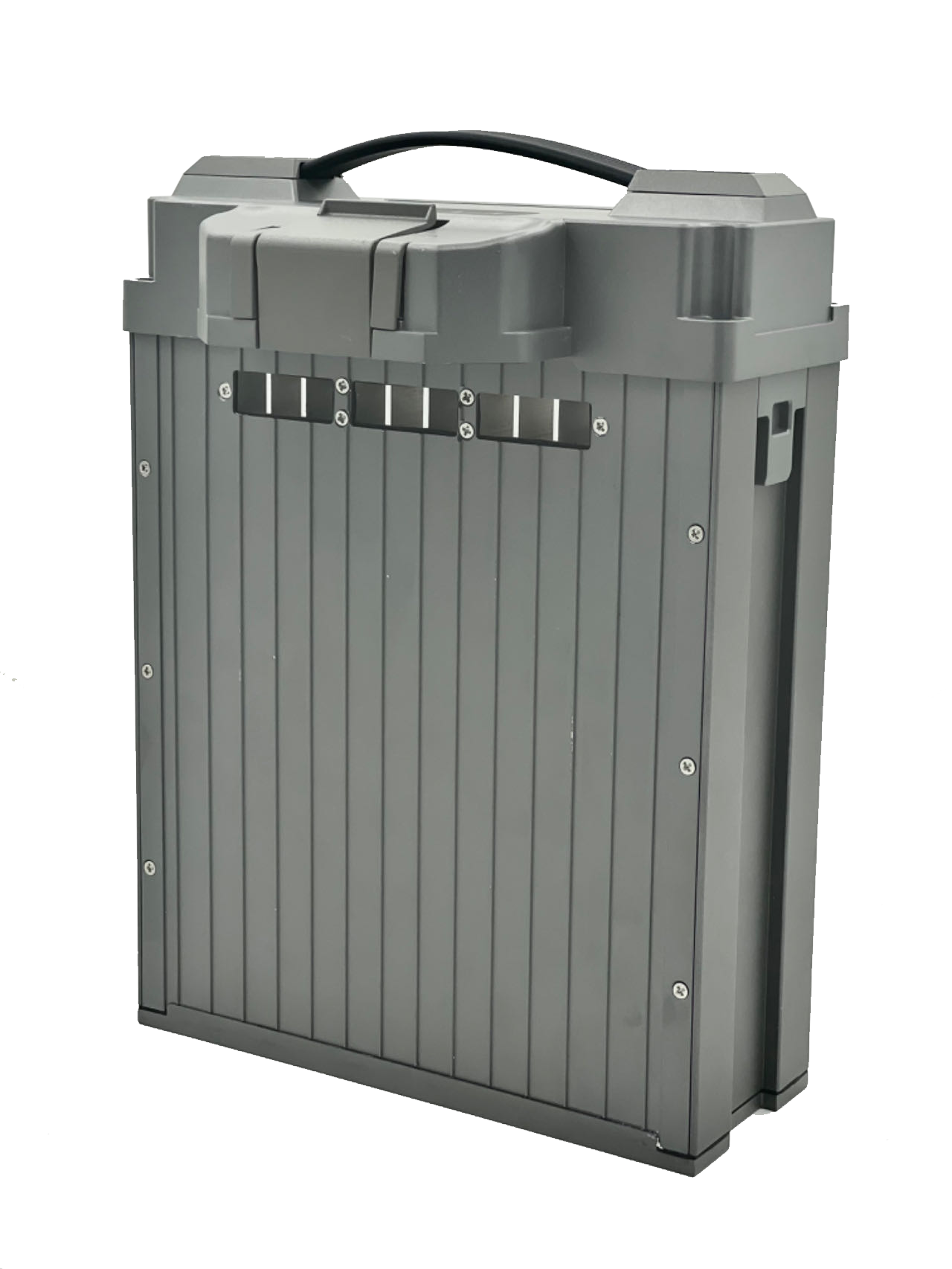
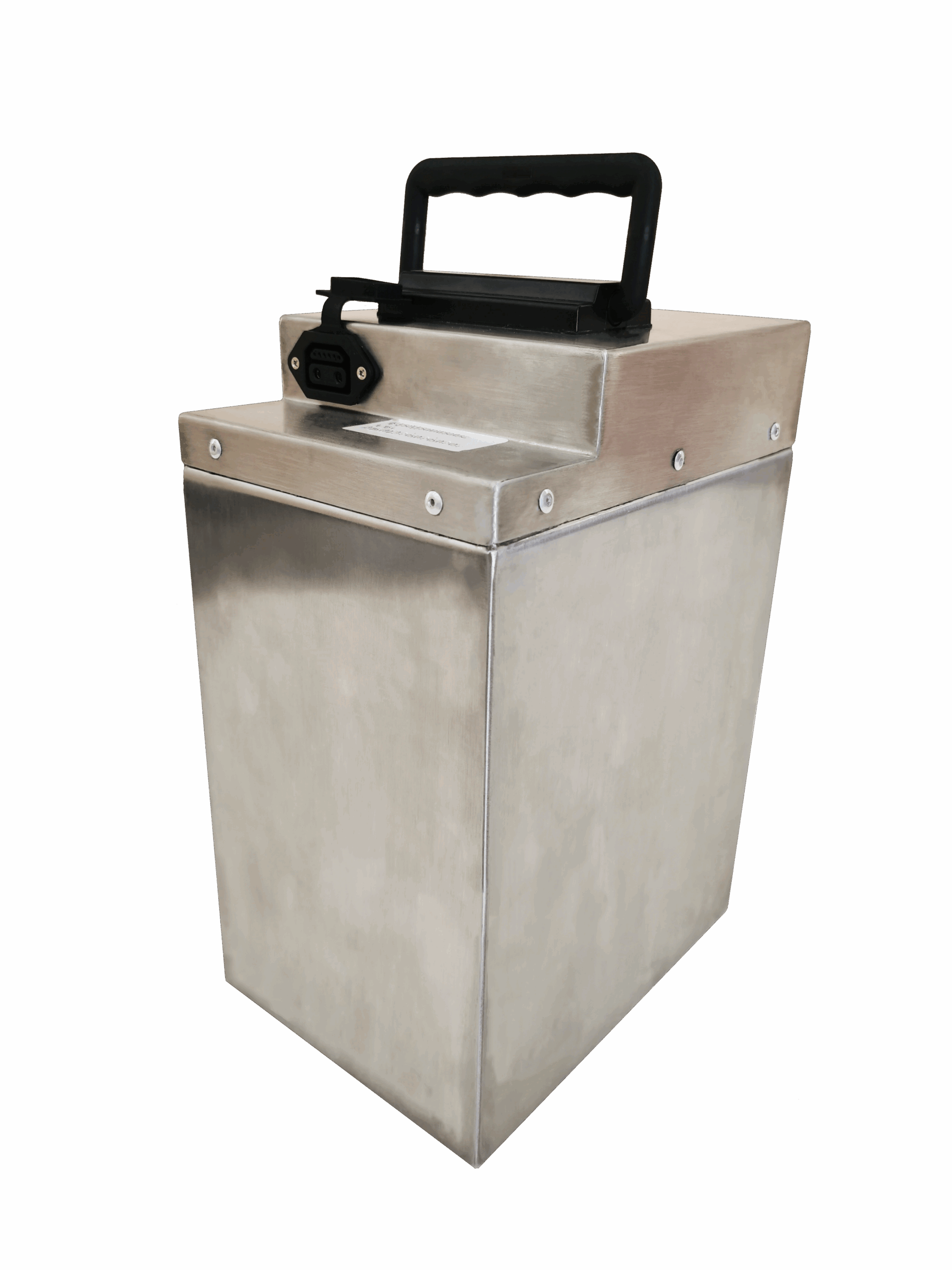
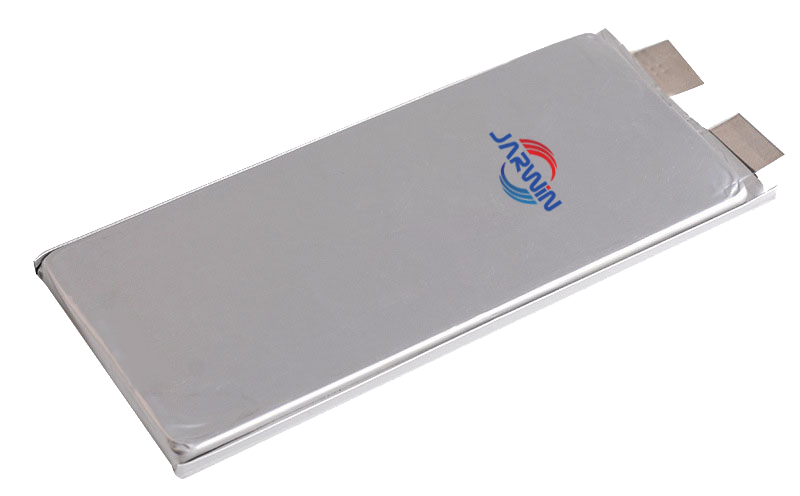
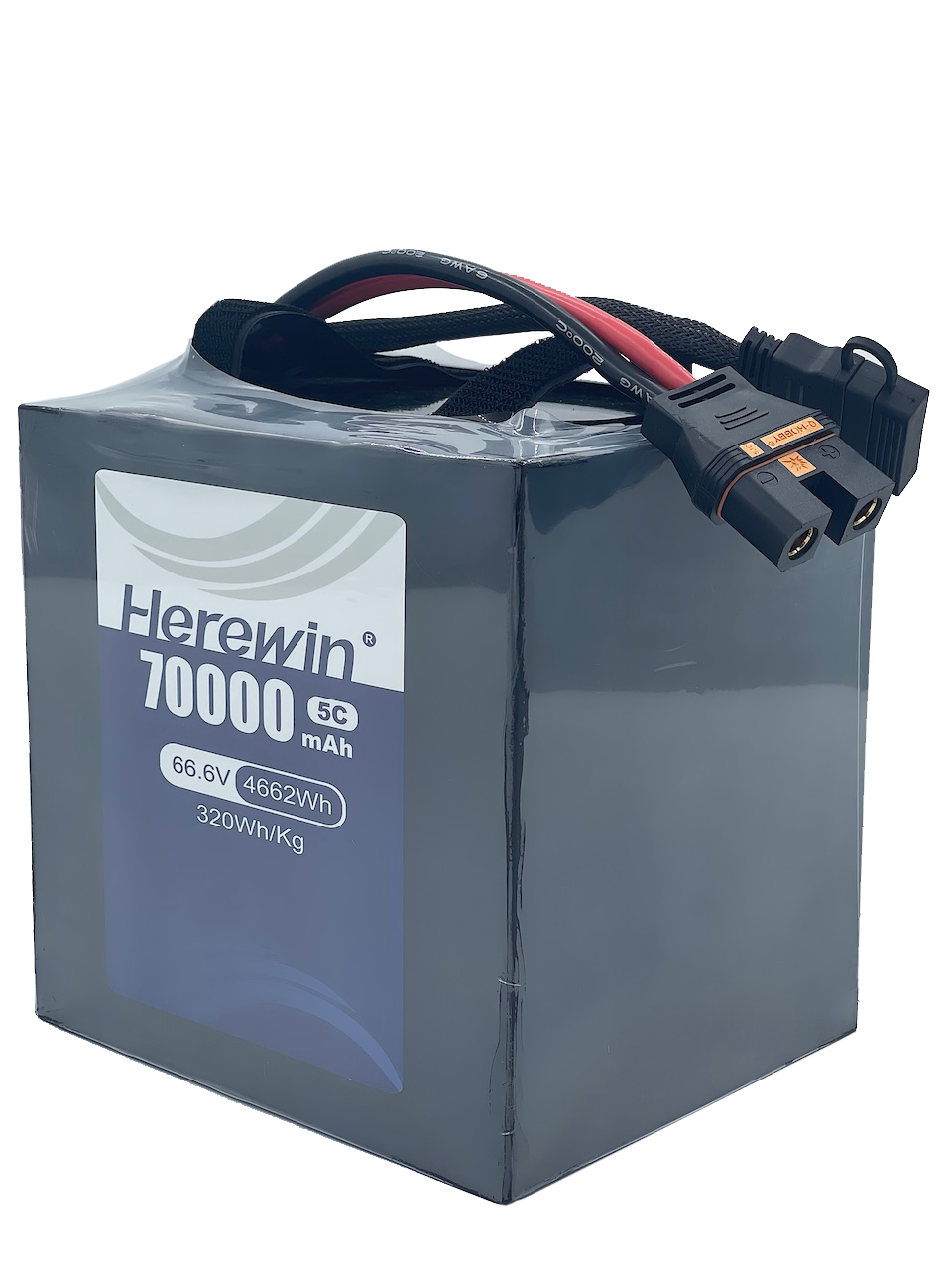
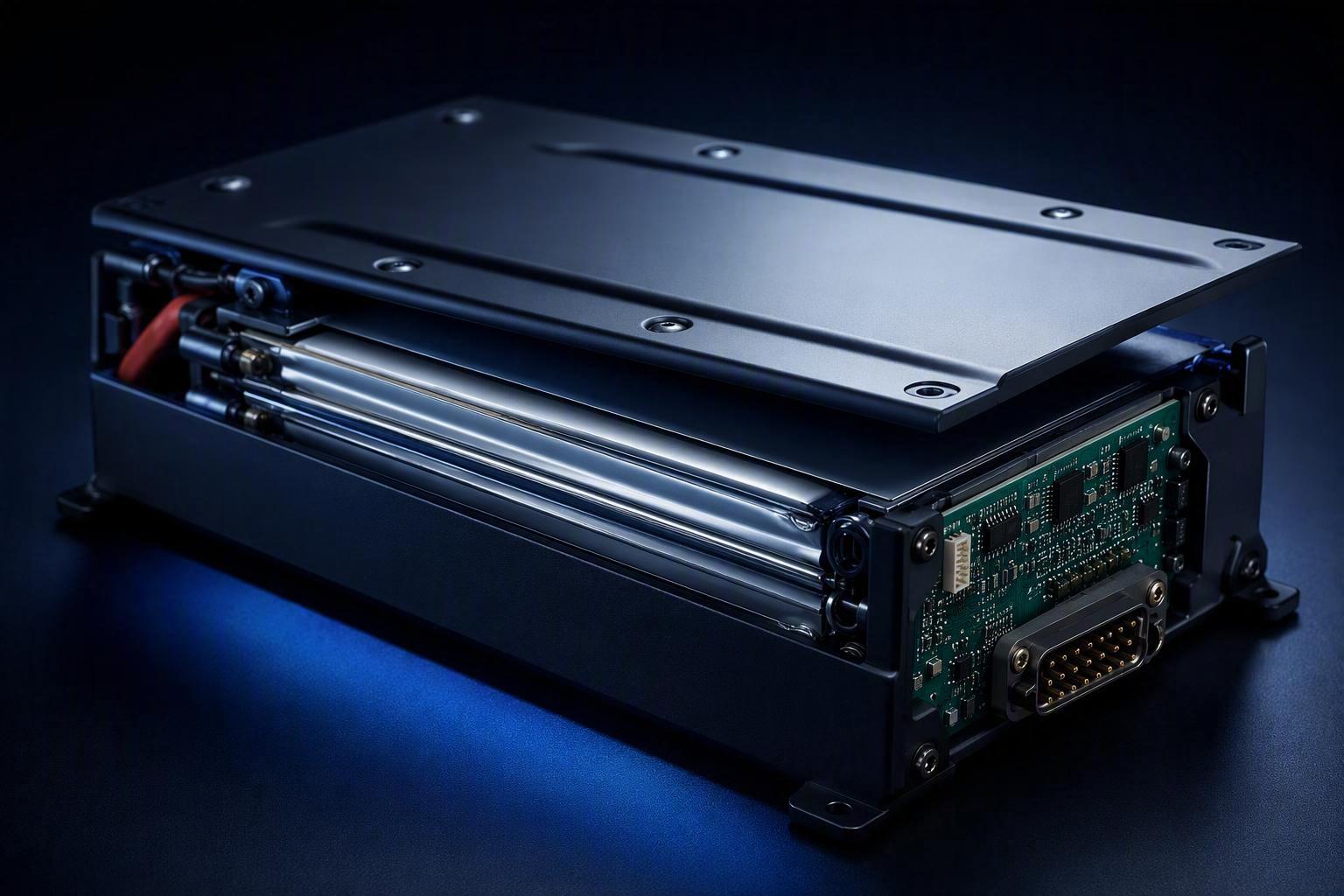
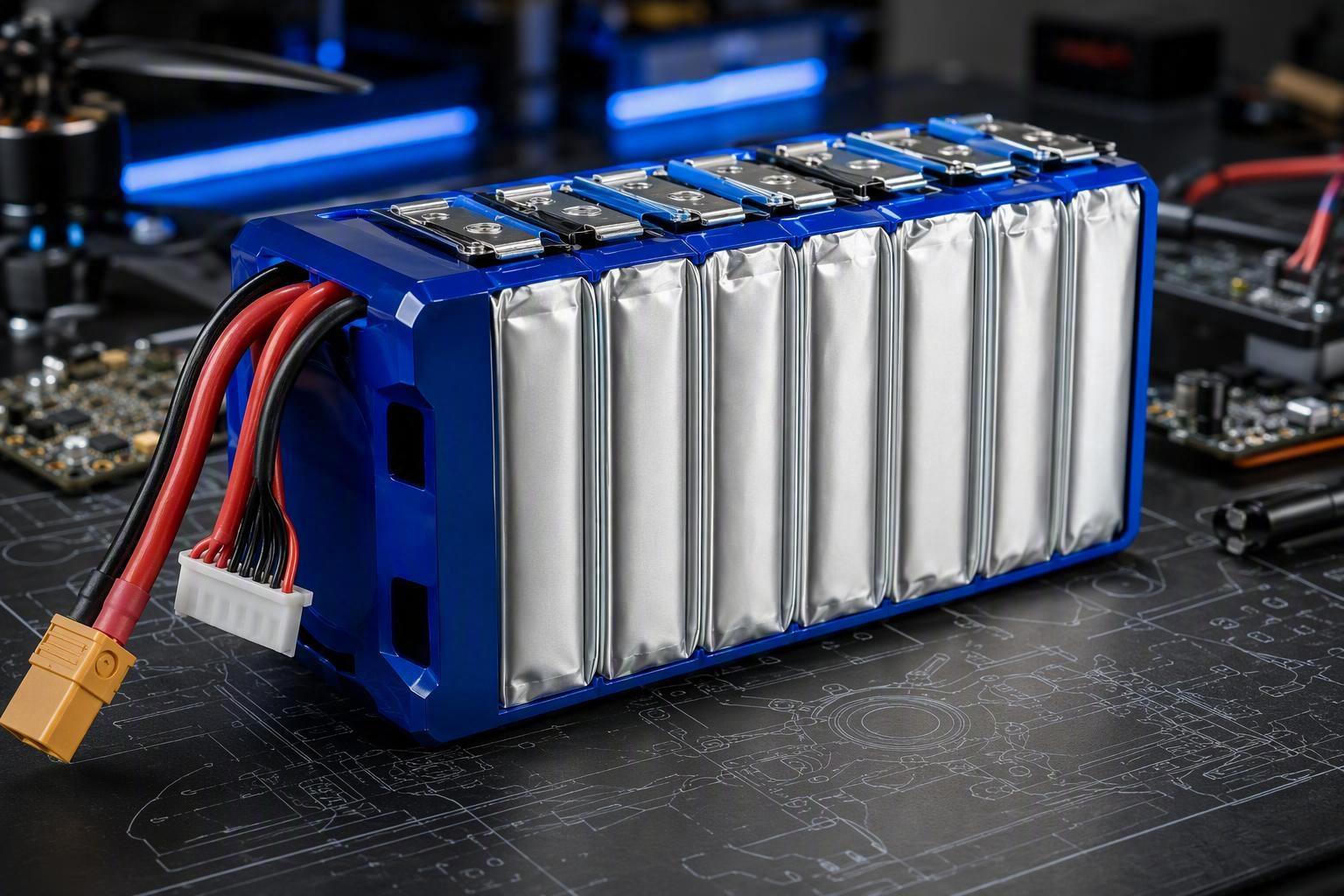
That turns battery selection into a system-design decision. Continuous output, usable energy, thermal performance, and turnaround all depend on how the cell, pack architecture, and BMS are designed together. These are the areas where our industrial UAV battery solutions focus their development effort.
Those design choices also connect to the in-flight surprises operators report: voltage sag under sustained load can distort SOC estimates and trigger premature low-battery warnings, a problem we cover in our guide to why drone battery SOC drops suddenly in flight.
What Operators Should Ask a Drone Battery Supplier
If you are selecting a cleaning drone, or an ODM/OEM supplier for a cleaning platform, evaluate the battery the way you would any other mission-critical subsystem. Put these questions on the table.
Question | What it reveals |
|---|---|
What usable energy does the pack deliver at the actual duty cycle (thrust + cleaning load), not just nameplate Wh? | Separates rated specs from real sortie performance |
What continuous current can the pack sustain for the full sortie, and what is its burst limit? | Confirms the pack funds propulsion and spray without sagging |
How does it perform under repeated high-load cycles in a shift, thermally and in capacity? | Shows whether productivity holds up across the day |
How quickly can batteries be swapped or recharged, and how many spare sets does the workflow need? | Directly drives floors-per-shift and utilization |
What telemetry does the BMS provide (voltage, current, temperature, fault flags)? | Enables safe operation and fleet-level management |
Can the pack be customized around the cleaning system and the specific airframe? | Determines whether the power system can be truly mission-fit |
These questions tell you more than the headline flight-time number. A cleaning operation is a sequence of complete cycles, not a single flight, and the power system governs how quickly those cycles complete.
The Power System Is the Lever You Control
Drone window cleaning is not held back by whether the aircraft can fly. Modern platforms fly well. It is held back by whether the complete system—airframe, cleaning rig, water supply, and power—can operate reliably enough, and turn around fast enough, to make each cleaning cycle commercially worthwhile.
That shift in thinking points at the right lever. Operators cannot easily change building geometry, wind, or water supply, but they can change how the power system is specified, engineered, and validated around the mission.
If you are building or selecting a window-cleaning platform, our engineering team can help you test the power system against your real duty cycle. Share your duty cycle, load profile, and battery requirements, and we will help you validate whether the battery holds up where the cleaning actually happens.
 Español
  English
  한국어
한국어  Deutsch
  Français
  日本語
日本語  Русский
  Bahasa Indonesia
  ไทย
ไทย  العربية
  Português do Brasil
  Italiano
  Nederlands