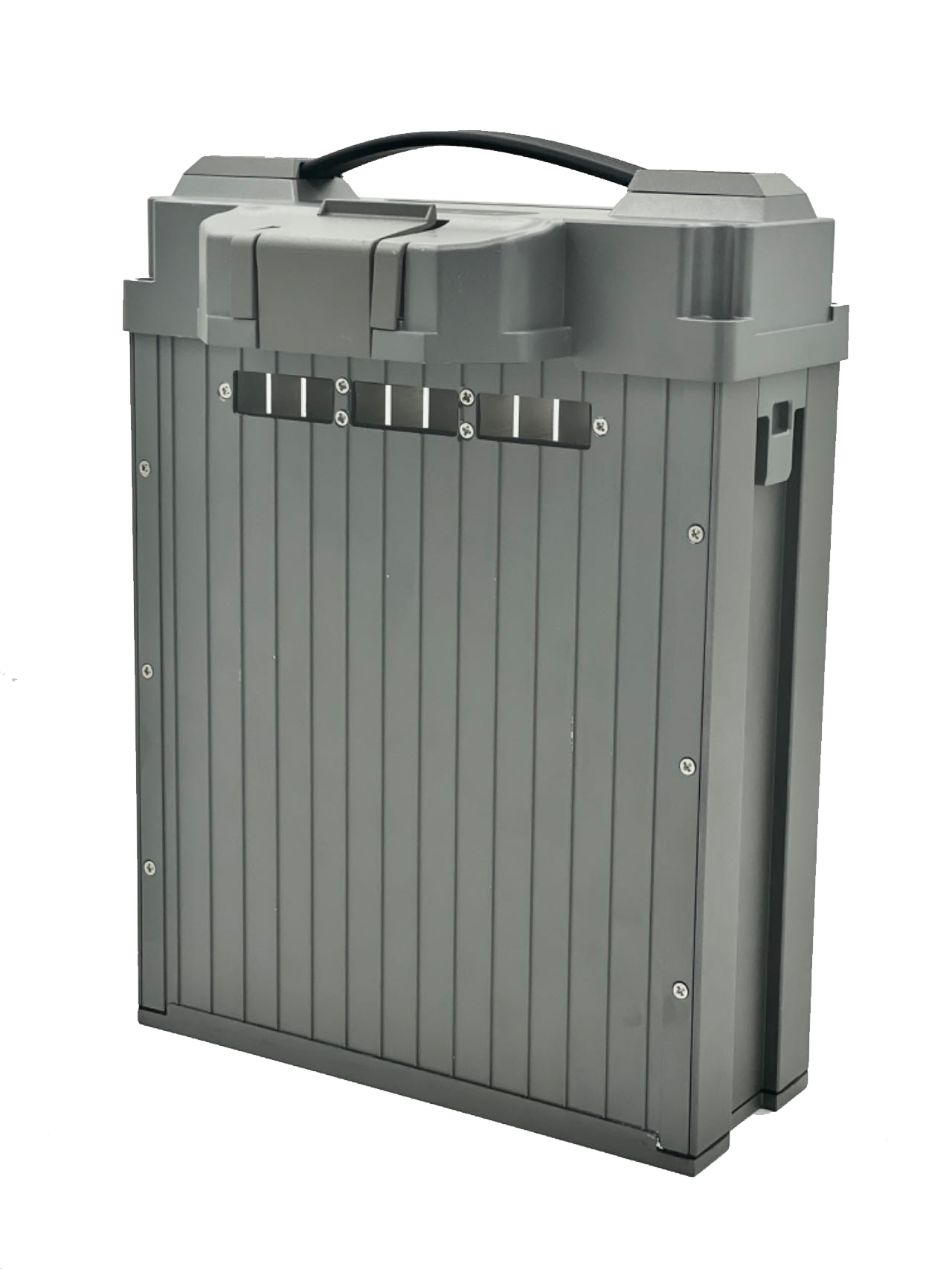
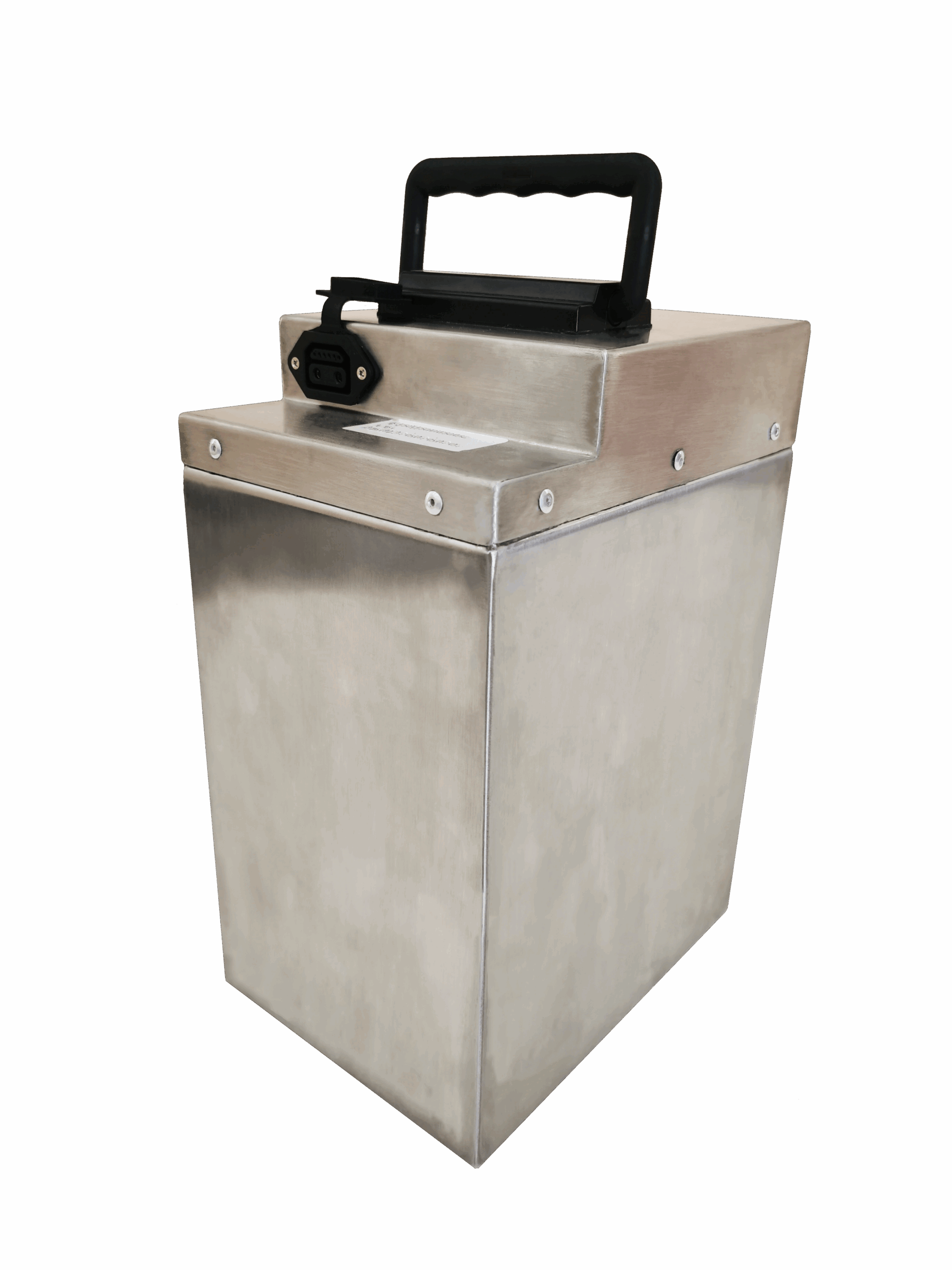
High Energy Density UAV Battery: What Commercial Buyers Should Compare Beyond Wh/kg
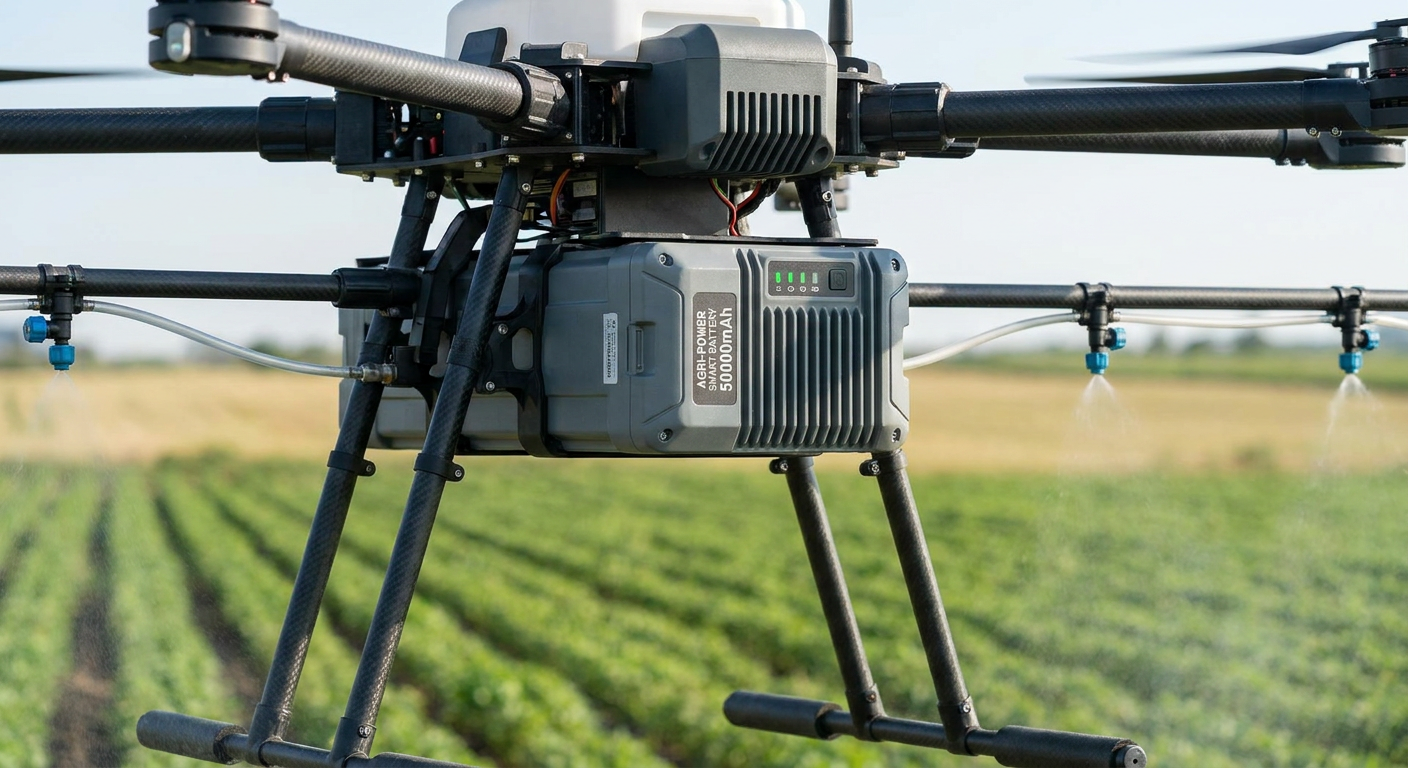
Compare commercial UAV batteries beyond Wh/kg. Evaluate voltage sag, thermal stability, fast charging, cycle life, and total cost of ownership (TCO).


Compare commercial UAV batteries beyond Wh/kg. Evaluate voltage sag, thermal stability, fast charging, cycle life, and total cost of ownership (TCO).
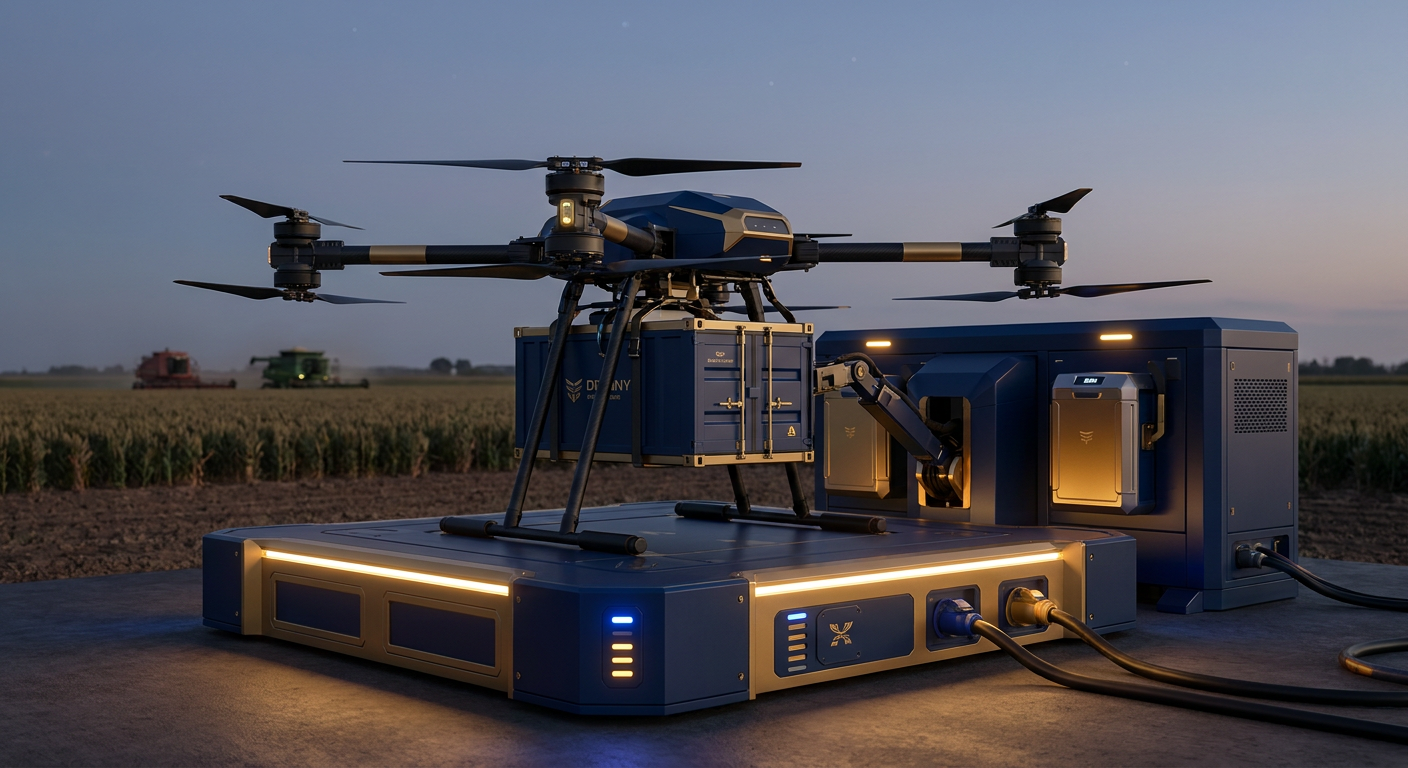
Compare fast charging vs battery swapping for commercial UAV fleets. Evaluate turnaround speed, thermal stress, CAPEX/OPEX, and BMS management.
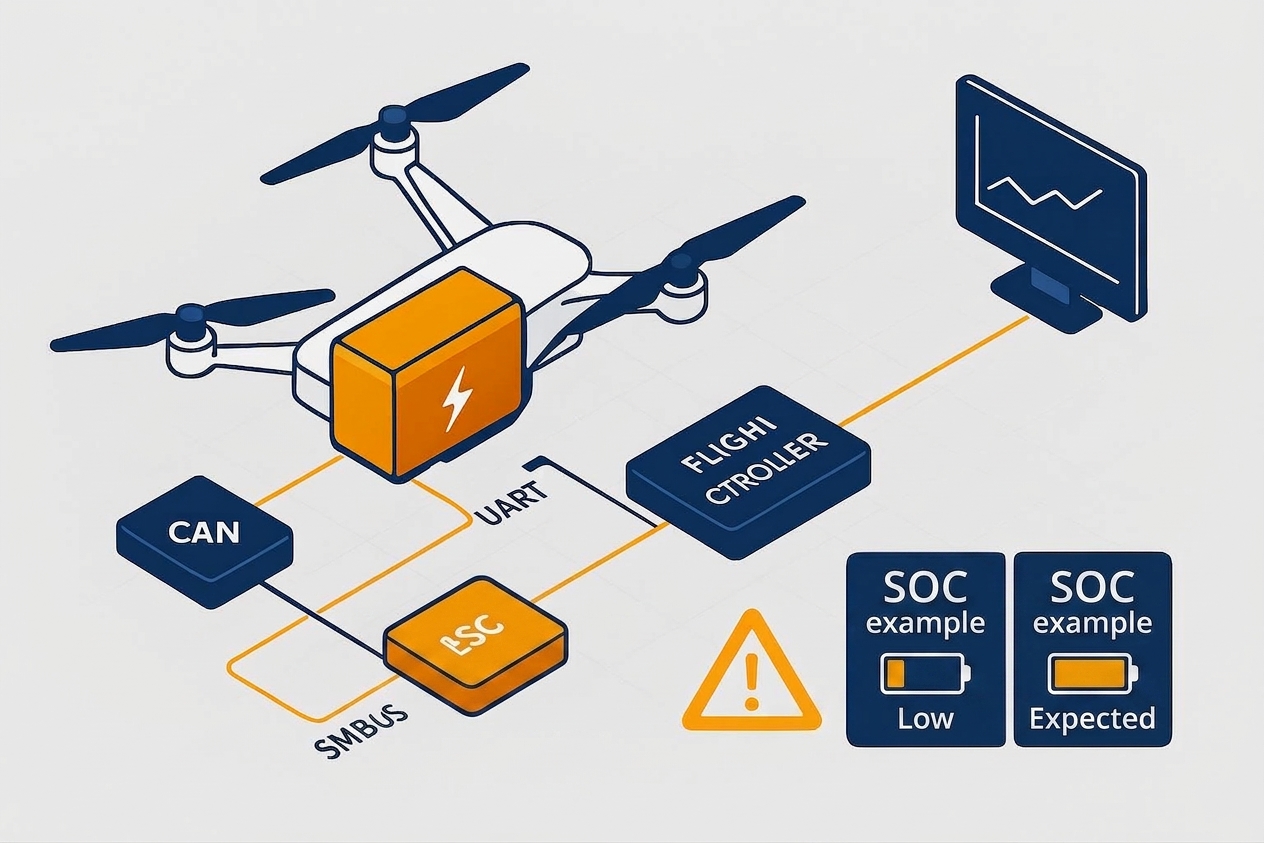
Why smart drone batteries fail integration: BMS protocol/data mapping issues, hidden costs, and an OEM checklist to validate compatibility.
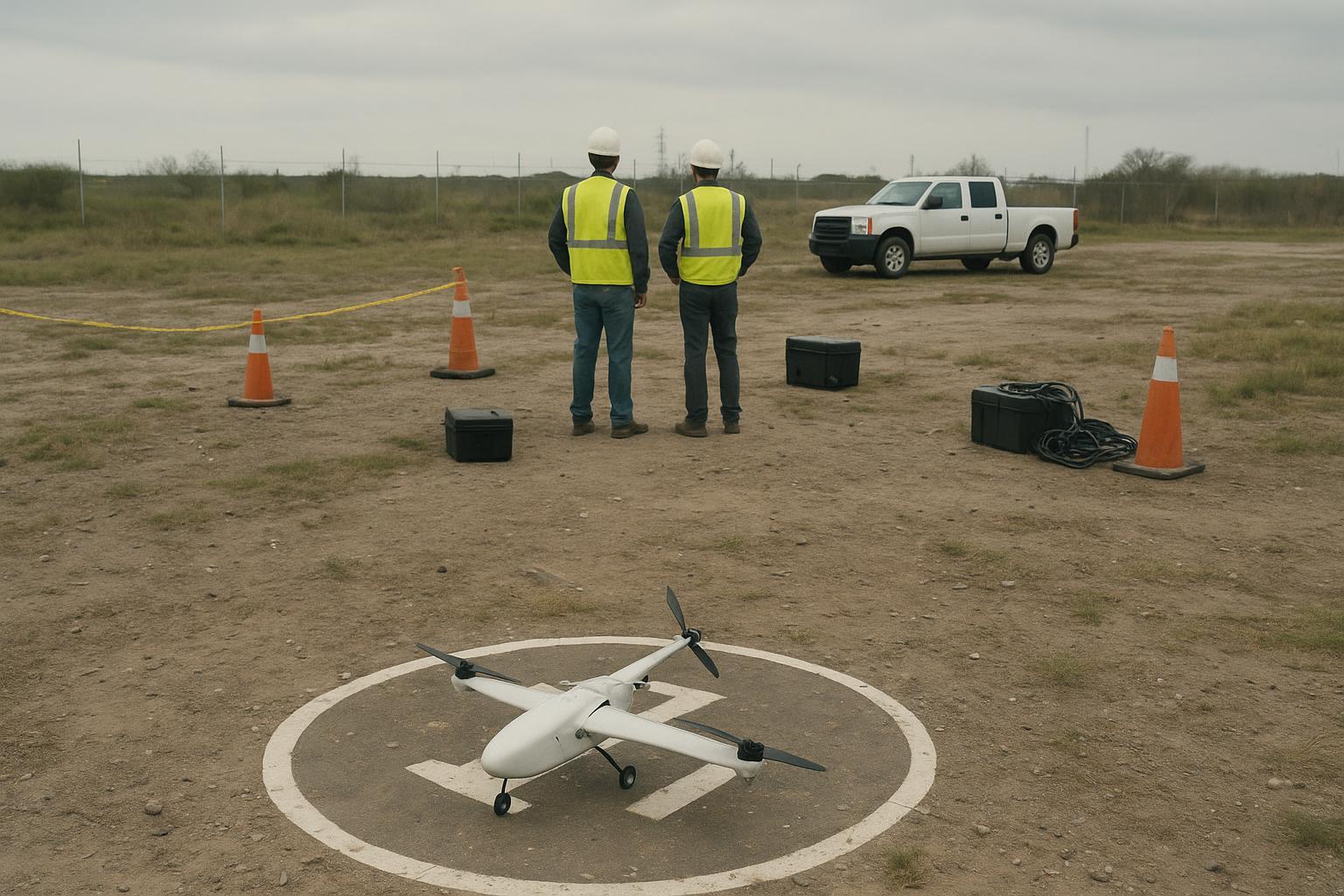
A VTOL drone battery must match the mission profile. Learn how takeoff, transition, sag, heat, and BMS define reliable mission completion.
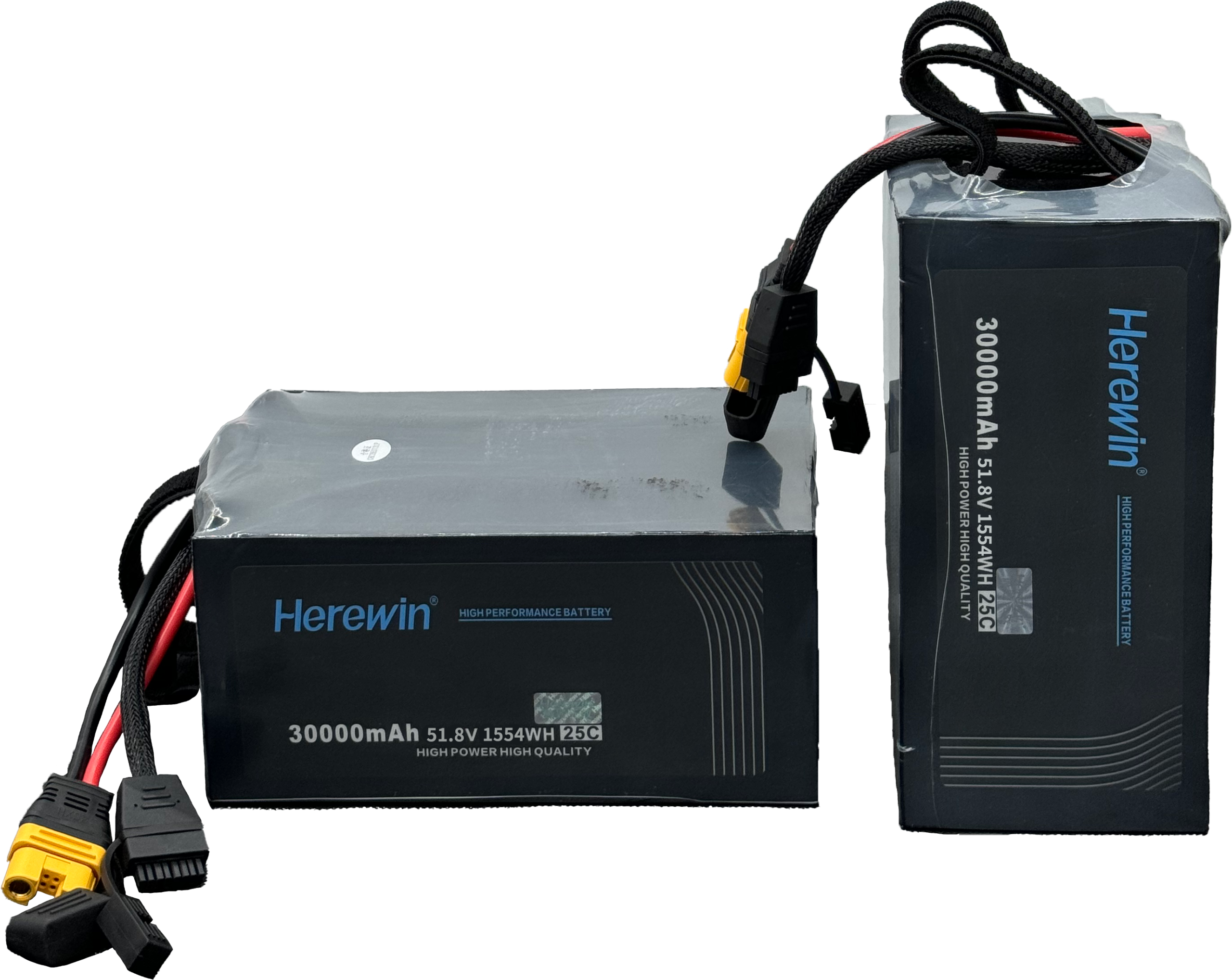
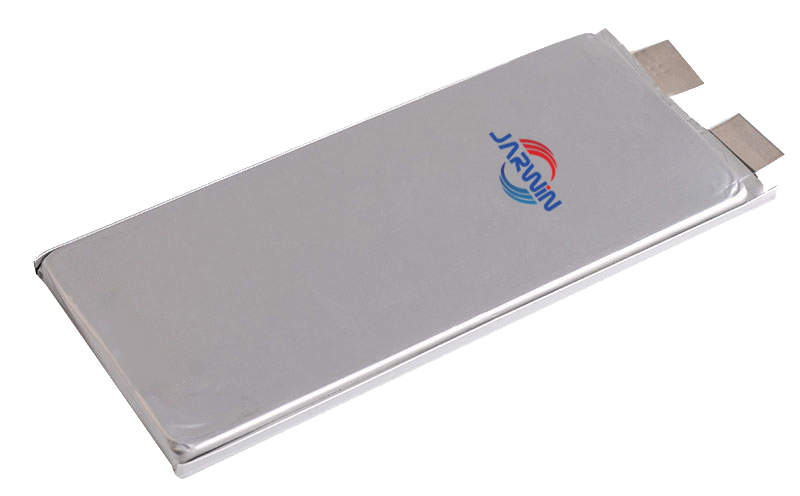
A practical decision guide for UAV OEMs: when soft pack (pouch) packs improve CG, packaging, and integration vs cylindrical architectures.
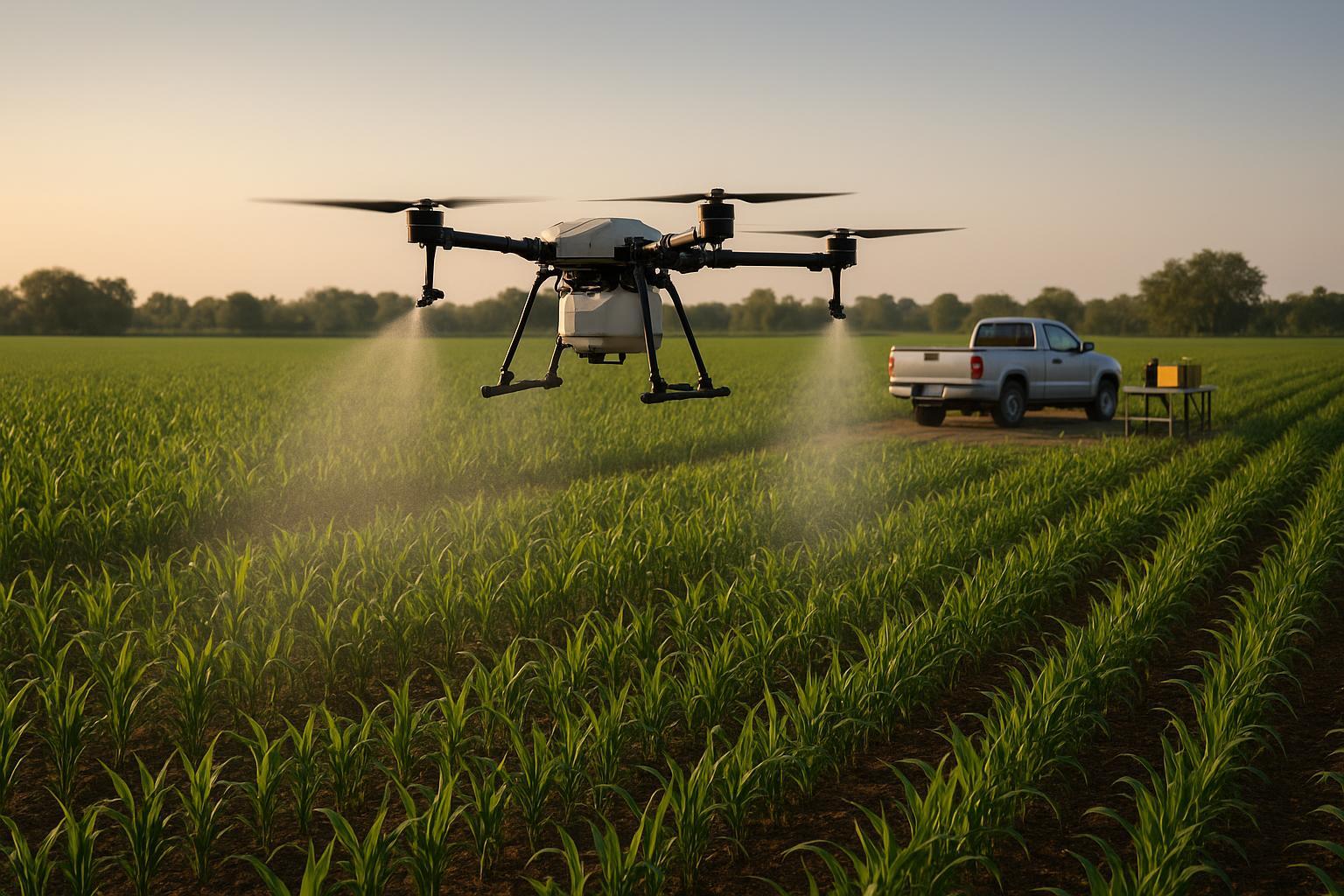
Stop over-optimizing flight time. Use cycle-time metrics to evaluate agricultural drone batteries and increase hectares per hour.
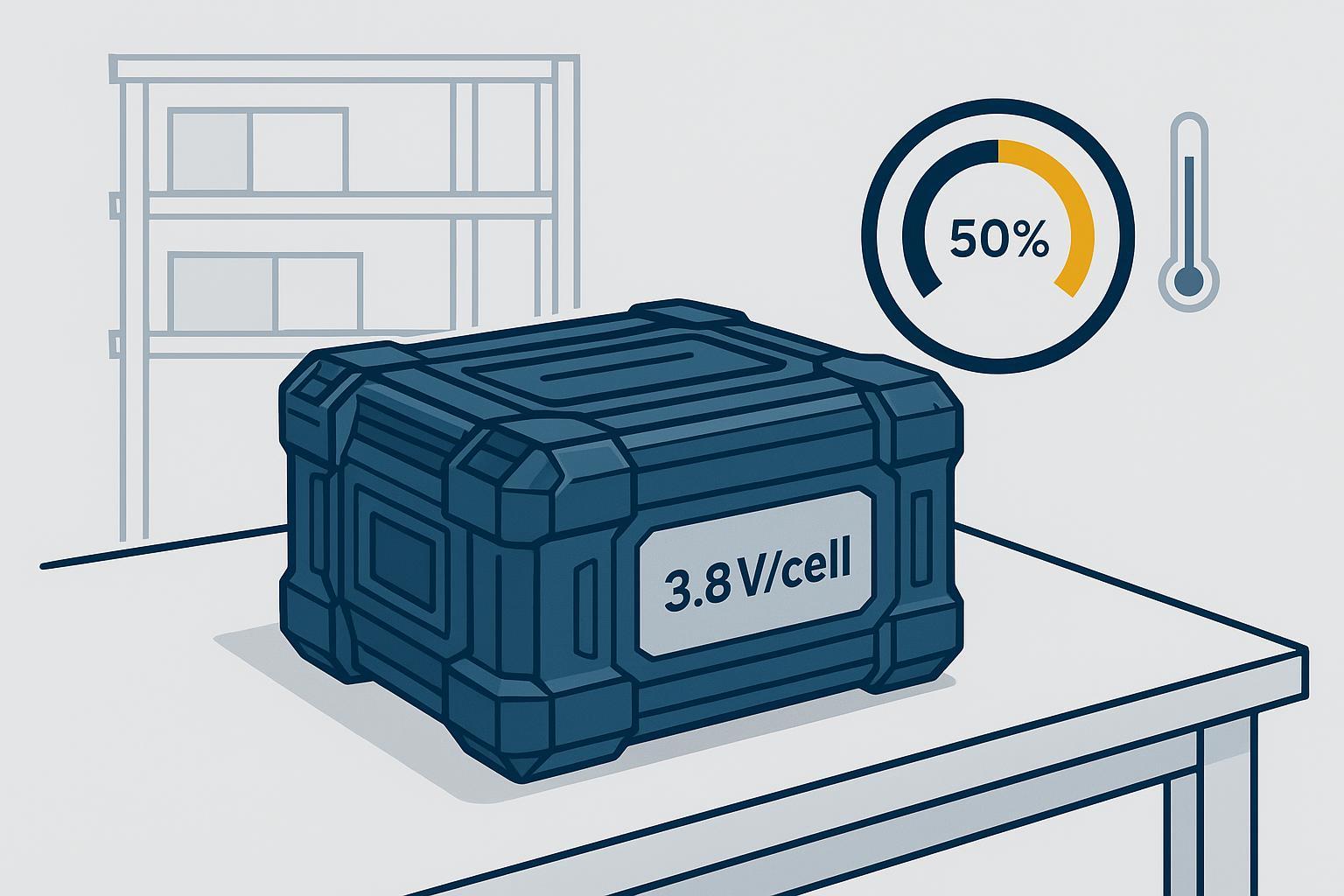
Store UAV batteries at 30–60% SOC (about 3.8V per cell) to reduce storage aging, preserve capacity, and extend service life.
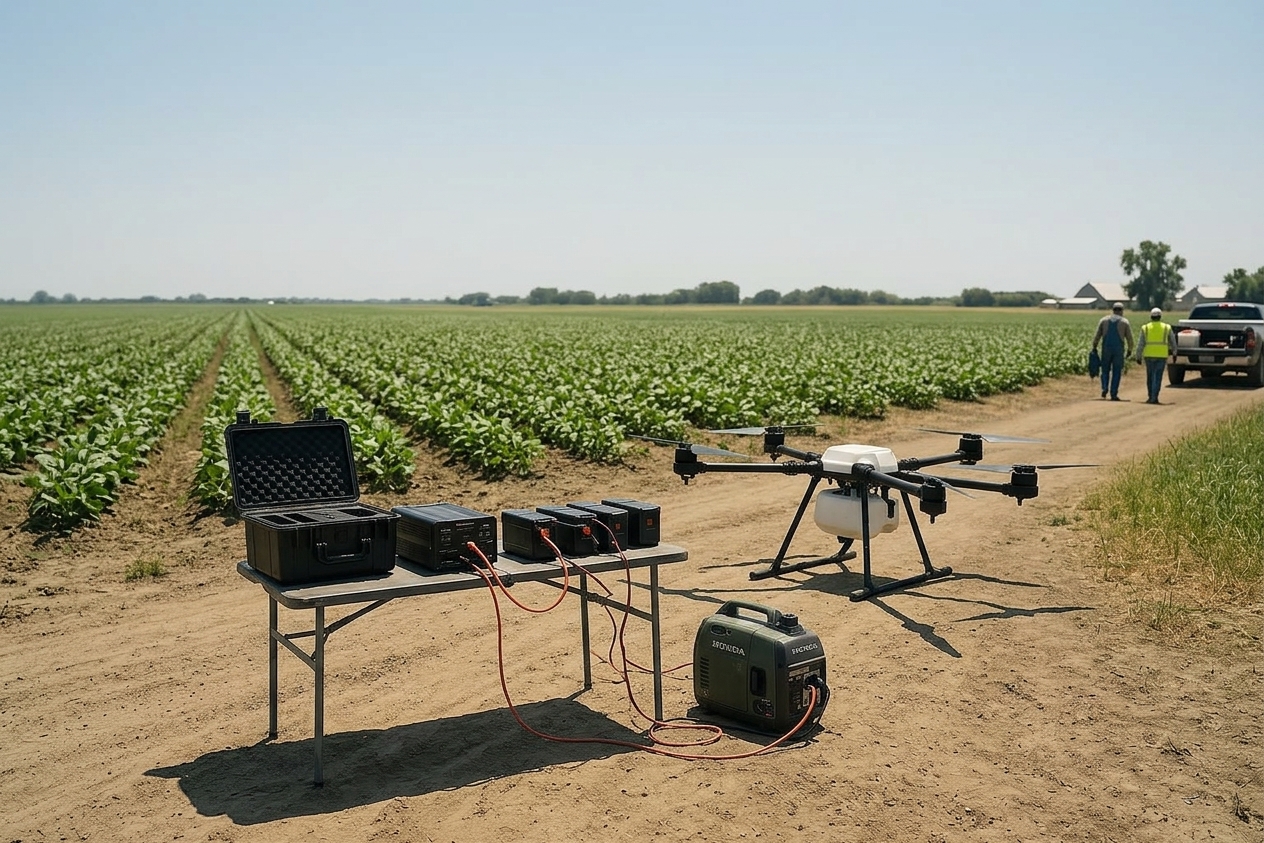
Flight time doesn’t define ROI. Ground time limits cycles, hectares/day, and cost per hectare—here’s the evaluation framework.
 Deutsch
 English
 Español
 한국어
 Français
 日本語
 Русский
 Bahasa Indonesia
 ไทย
 العربية
 Português do Brasil
 Italiano
 Nederlands