


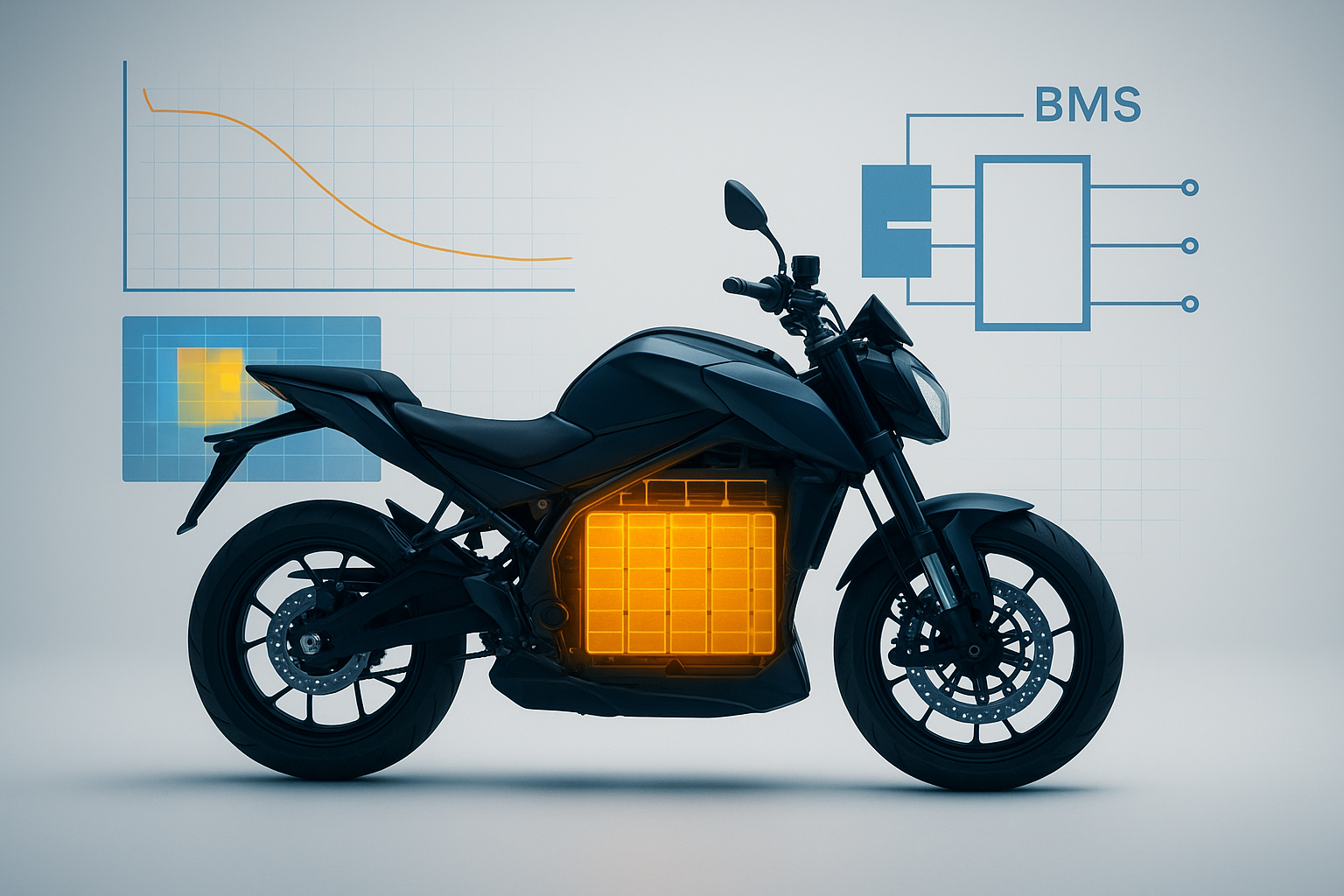
Why High-Capacity Electric Motorcycle Batteries Can Underperform: An OEM Evaluation Guide
A MOFU OEM guide to evaluate e-motorcycle battery performance beyond capacity—power delivery, thermal management, BMS behavior, and TCO inputs.


A MOFU OEM guide to evaluate e-motorcycle battery performance beyond capacity—power delivery, thermal management, BMS behavior, and TCO inputs.
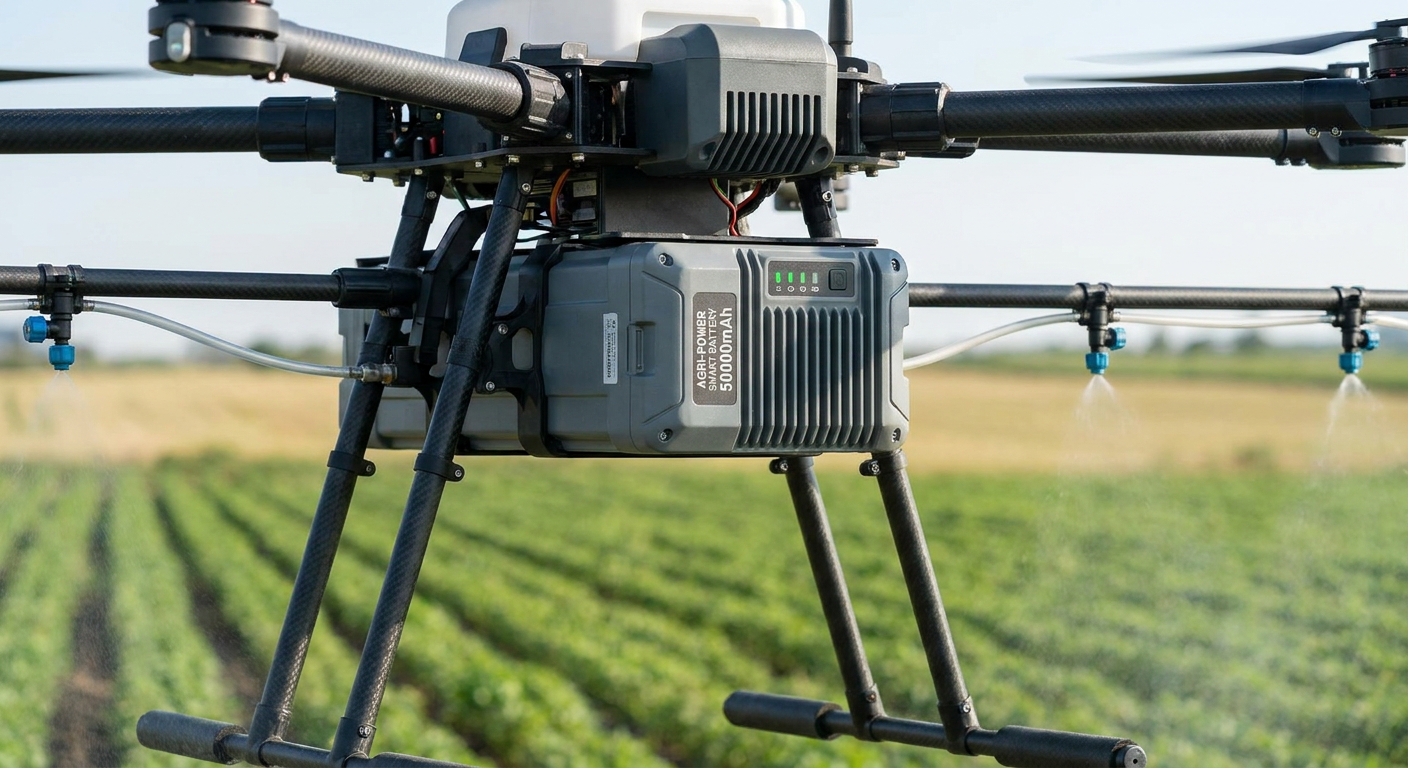
Compare commercial UAV batteries beyond Wh/kg. Evaluate voltage sag, thermal stability, fast charging, cycle life, and total cost of ownership (TCO).
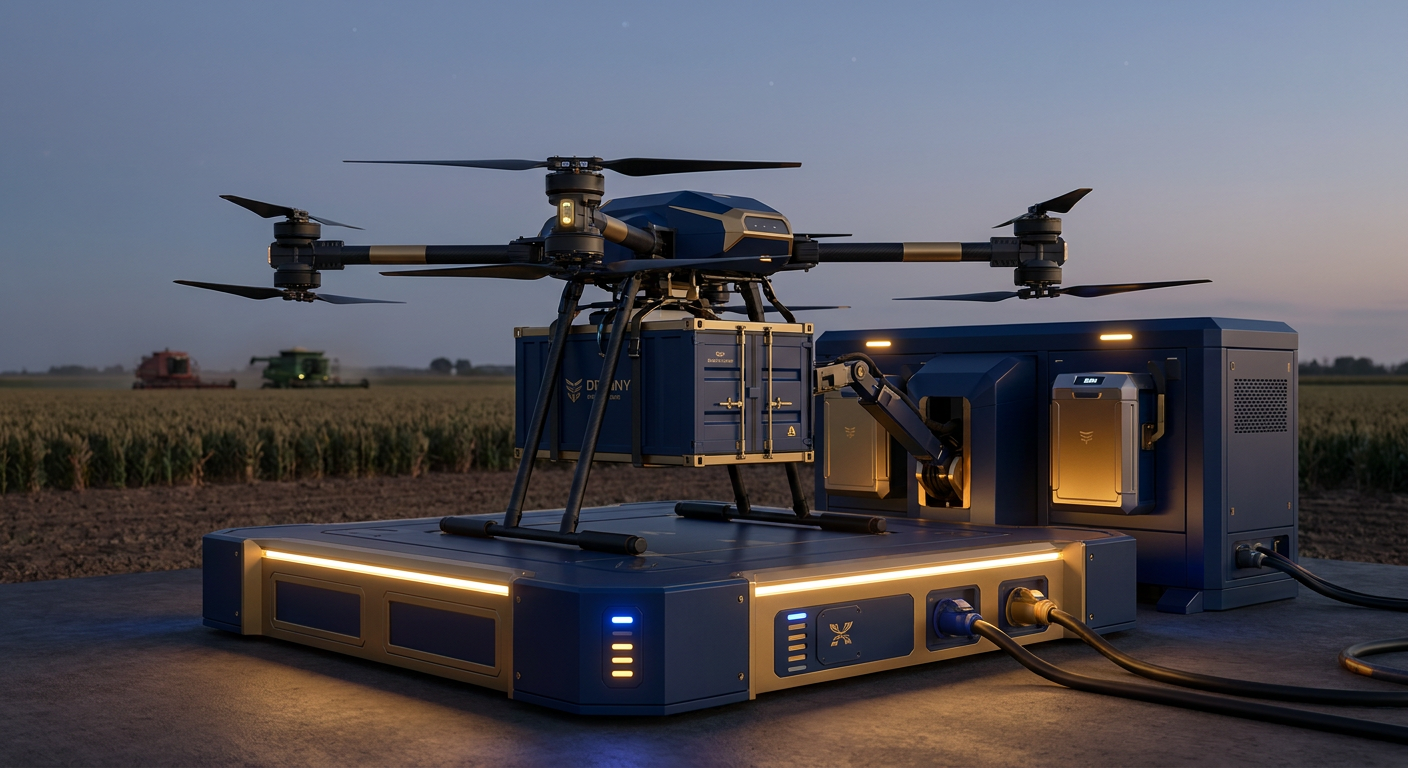
Compare fast charging vs battery swapping for commercial UAV fleets. Evaluate turnaround speed, thermal stress, CAPEX/OPEX, and BMS management.
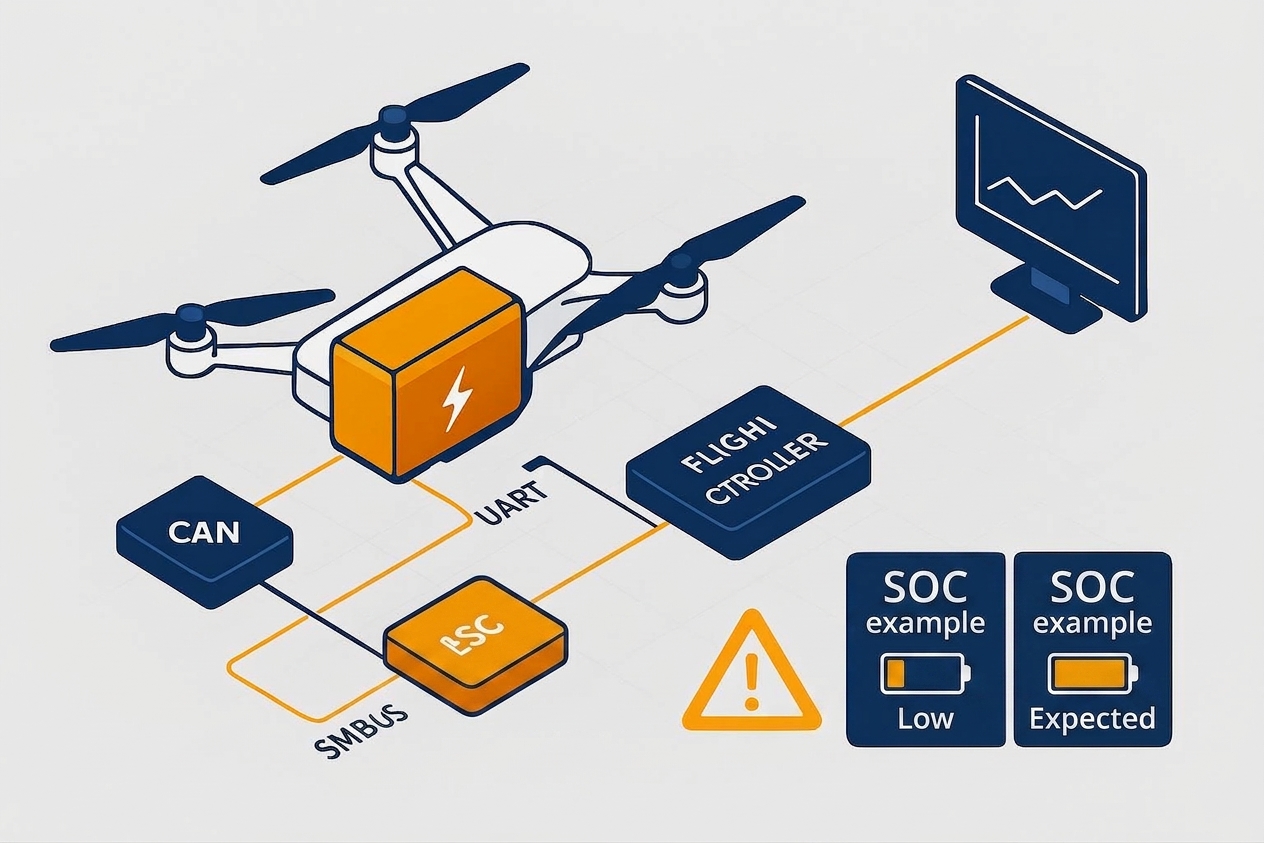
Why smart drone batteries fail integration: BMS protocol/data mapping issues, hidden costs, and an OEM checklist to validate compatibility.
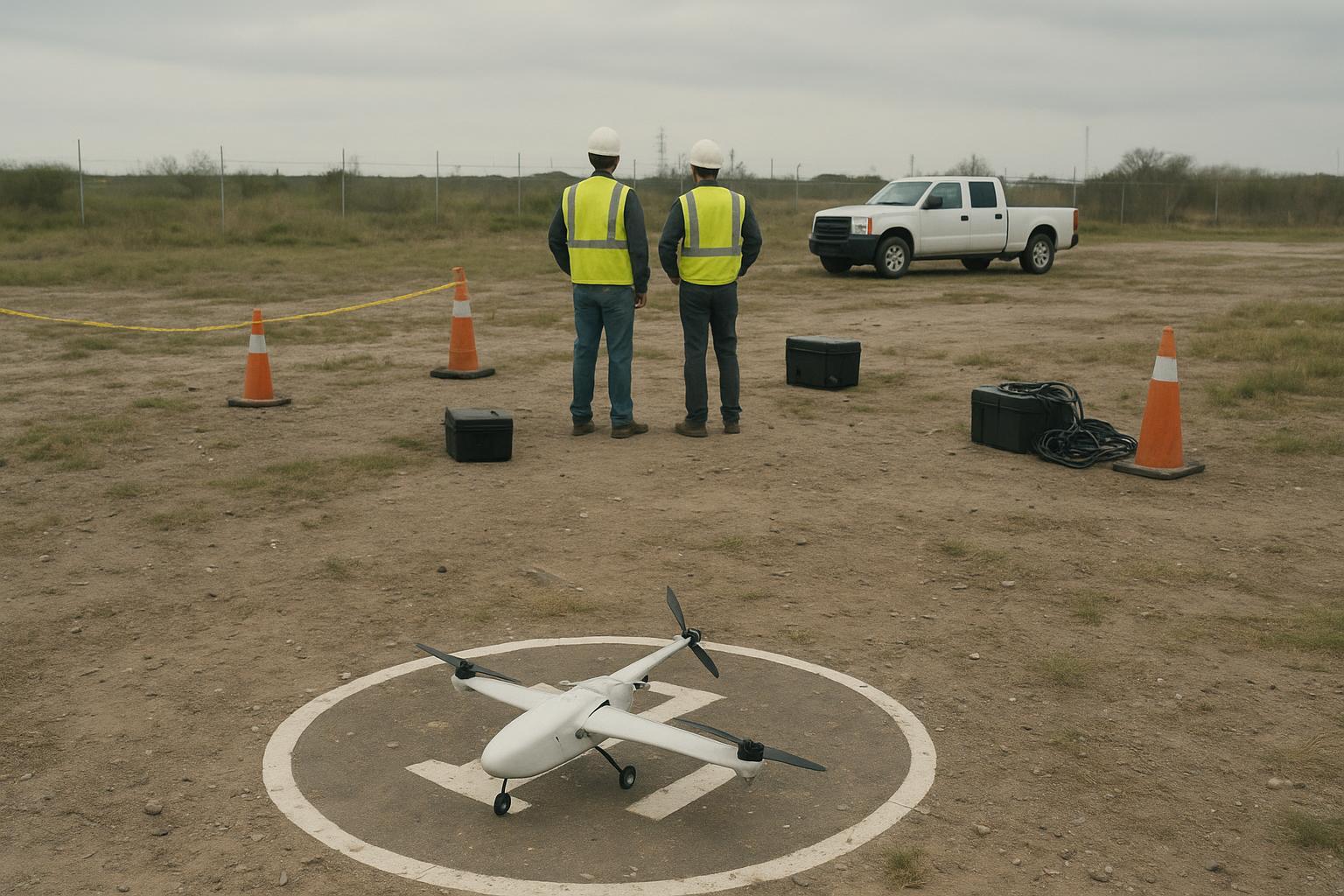
A VTOL drone battery must match the mission profile. Learn how takeoff, transition, sag, heat, and BMS define reliable mission completion.
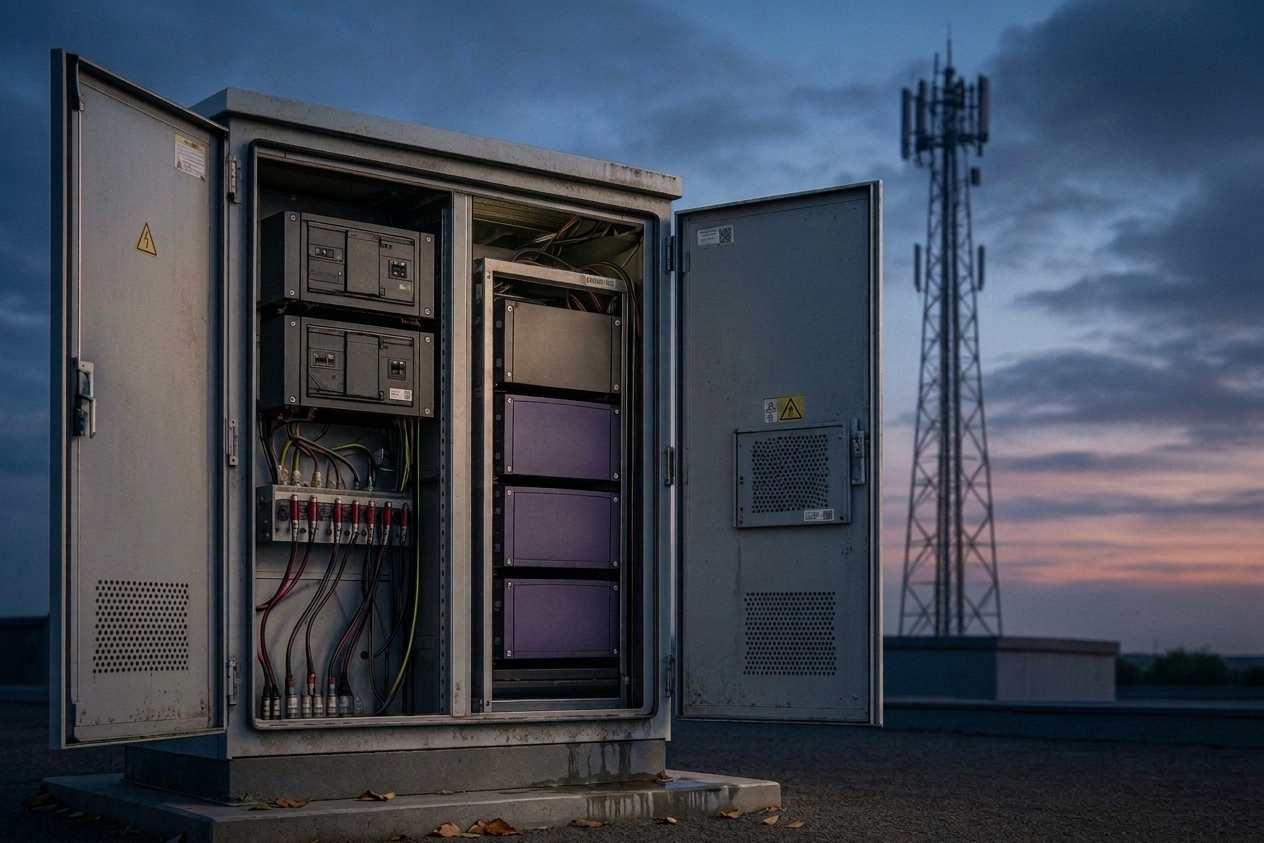
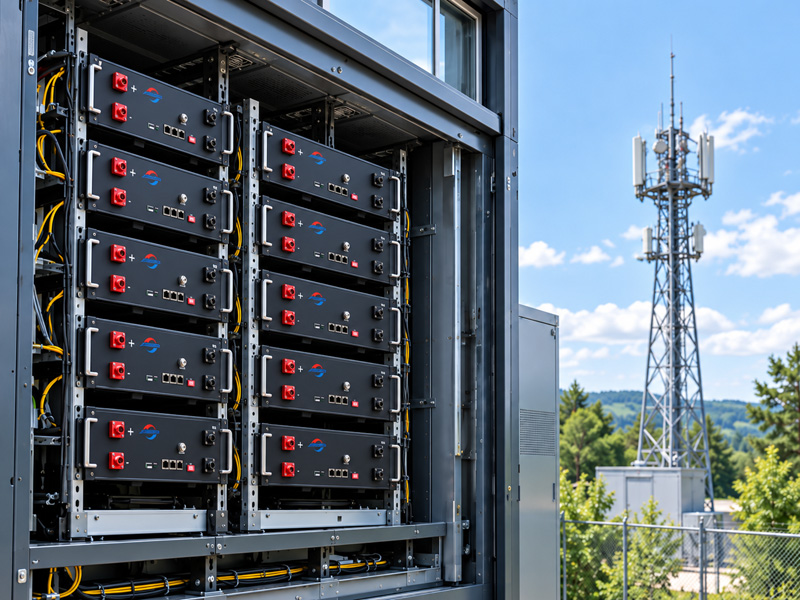
Why telecom sites are shifting from VRLA to LiFePO4 backup—space, thermal limits, lifetime trade-offs, and how to choose a 48V system.
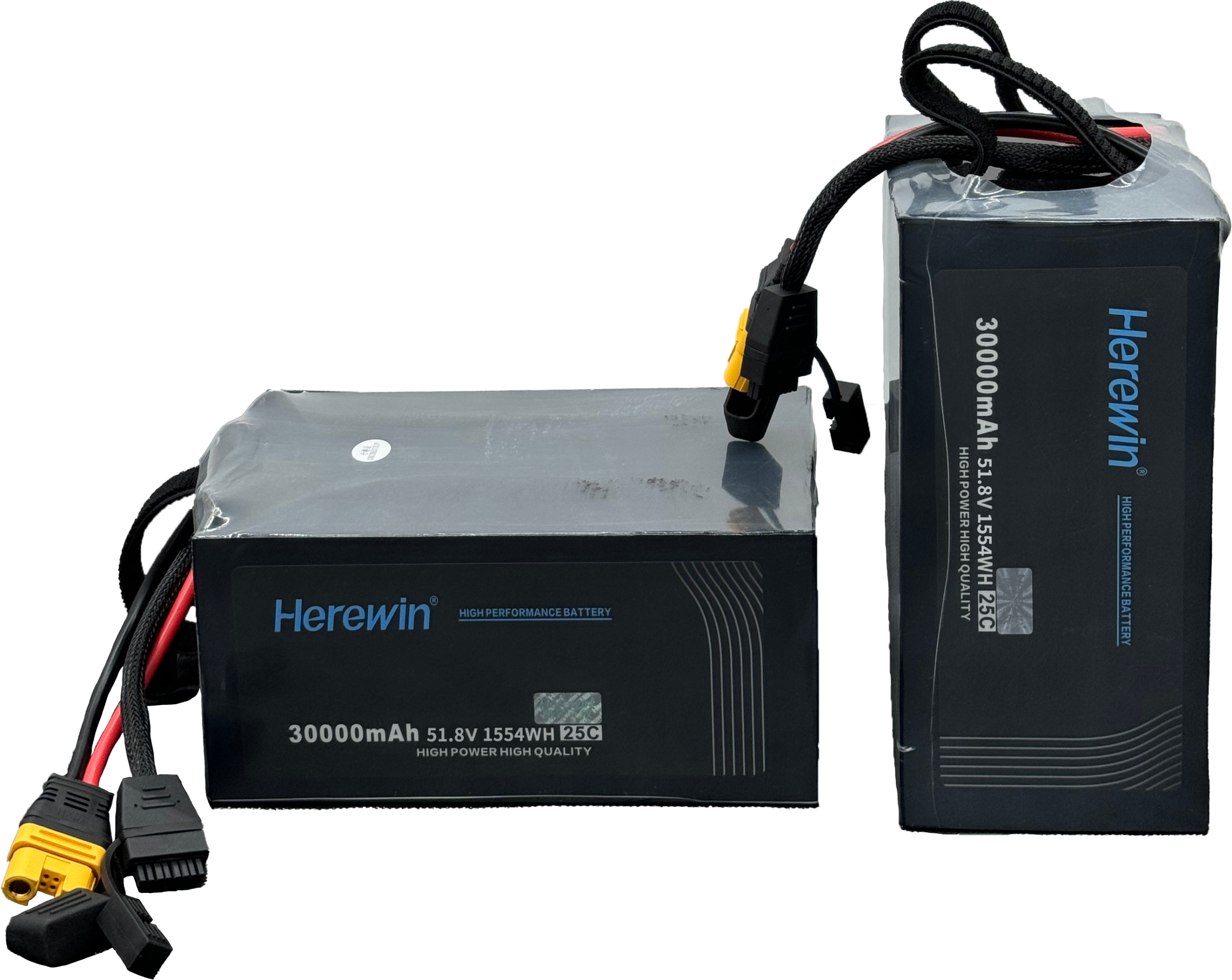
A practical decision guide for UAV OEMs: when soft pack (pouch) packs improve CG, packaging, and integration vs cylindrical architectures.

Stop over-optimizing flight time. Use cycle-time metrics to evaluate agricultural drone batteries and increase hectares per hour.
 Deutsch
  English
  Español
  한국어
한국어  Français
  日本語
日本語  Русский
  Bahasa Indonesia
  ไทย
ไทย  العربية
  Português do Brasil
  Italiano
  Nederlands