




The home office has evolved into a critical node of enterprise infrastructure. However, this transition exposes a “productivity gap” driven by the inherent instability of residential power grids. With 22% of the American workforce projected to work remotely by 2025—62% of whom report higher output—maintaining this efficiency requires Telecom-grade power resilience.
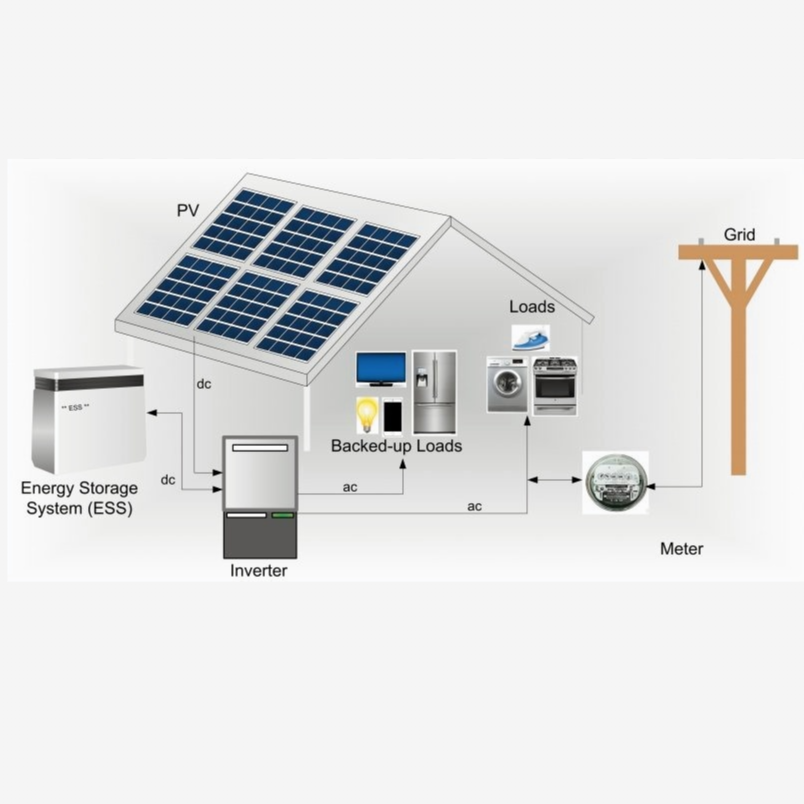
Bridging this gap involves the strategic integration of Residential Energy Storage, ensuring that distributed operations meet UPS-level standards. This approach is essential to mitigate downtime risks and safeguard data integrity without compromising operational continuity.
Wichtigste Erkenntnisse
Operational Continuity: Minimize downtime-related revenue risks by integrating Telecom-grade residential energy storage.
Data Integrity: Ensure Seamless UPS-grade transitions during power shifts to prevent parity errors and information loss.
Proactive Resilience: Strengthen energy stability through predictive maintenance and specialized cybersecurity protocols for energy assets.
The 6S Standard: Adhere to Herewin’s proprietary 6S Framework to ensure Telecom-grade safety, security, and scalability across distributed energy assets.
Strategic ROI: Reframe energy storage as a strategic asset to optimize operational costs and support long-term business growth.
Power Resilience for Distributed Operations
Bridging the Productivity Gap in Remote Work
Power outages pose significant challenges to distributed operations. Statistics show that blackout frequency can lead to a 25.7% revenue reduction for each unit increase in frequency without advance notice. However, implementing residential energy storage for business continuity mitigates this risk; firms equipped with backup systems experience a 77.1% increase in revenue stability. This underscores the critical role of energy storage in maintaining productivity during unexpected disruptions.
Energy storage systems provide a reliable power buffer, ensuring operations remain uninterrupted during severe weather or grid instability. By utilizing these systems, you enhance your resilience against power interruptions and protect operational uptime.
Energy Stability as Enterprise Infrastructure
Maintaining energy stability is essential for protecting sensitive data and ensuring continuity. To mitigate infrastructure risks, consider the following strategies:
Strategy | Description |
Predictive Maintenance | Preempts equipment failures by ensuring all systems function at optimal parameters. |
Cybersecurity Measures | Protects energy management systems against threats exploiting grid instability. |
Source Diversification | Reduces reliance on a single energy source, mitigating supply disruption risks. |
Contingency Planning | Ensures preparedness for natural disasters or emergencies affecting energy supply. |
Aging infrastructure and the rise of climate-related events have increased power outages globally. This highlights the urgent need for organizations to develop strategies to mitigate risks associated with energy instability. By investing in residential battery energy storage, you safeguard operations and protect sensitive data, ensuring competitiveness in an evolving business landscape.
Standardizing UPS-Grade Seamless Transitions

Why Seamless Transition is Essential for Data Integrity
In today’s digital landscape, data integrity is paramount. Achieving Seamless UPS-grade transition ensures that systems maintain continuous operation without interruptions.
While traditional UPS systems pose a risk of being a single point of failure, advanced dual-input systems provide a more robust architecture while maintaining switching speeds well within the safety margin of most IT equipment.
System Type | Failover Time | Key Advantage |
Traditional UPS | Rapid failover | Common, but a single point of failure |
Dual Input System | Seamless UPS-grade | High integration; eliminates external failure points |
By standardizing on Seamless UPS-grade transitions, you enhance energy resilience and protect data integrity, allowing your business to operate smoothly during unexpected disruptions.
The Herewin Benchmark: Telecom-Grade Reliability for Remote Offices
Telecom-grade reliability is essential for remote offices dependent on consistent power. Herewin’s energy storage solutions meet rigorous industry benchmarks through a comprehensive quality framework:
Zertifizierung | Strategic Value |
ISO 9001 | Quality Management Consistency |
ISO 14001 | Environmental Management Standards |
ISO 45001 | Occupational Health and Safety |
These certifications demonstrate a commitment to Telecom-grade reliability. Investing in energy storage solutions that adhere to these standards achieves significant efficiency gains and supports Telecom-grade operational continuity.
Architectural Safety: Herewin’s Proprietary 6S Framework
In the evolving business landscape, architectural safety is the foundation of infrastructure resilience. The 6S Framework—Safety, Security, Sustainability, Scalability, Simplicity, and Smart Management—provides a comprehensive standard for ensuring energy storage systems meet Telecom-grade requirements.
Herewin BMS/EMS: Proactive Monitoring and Risk Mitigation
The Battery Management System (BMS) and Energy Management System (EMS) are critical to maintaining operational safety. These systems provide a proactive defense layer through:
Real-time Diagnostics: Continuous tracking of cell health and performance metrics to preempt potential failures.
Automated Response: Intelligent alerts and rapid-shutdown protocols for any system irregularities.
Operational Analytics: Utilizing historical data to optimize energy distribution and extend asset lifecycle.
Herewin Semi-Solid Technology: Enhanced Thermal Stability
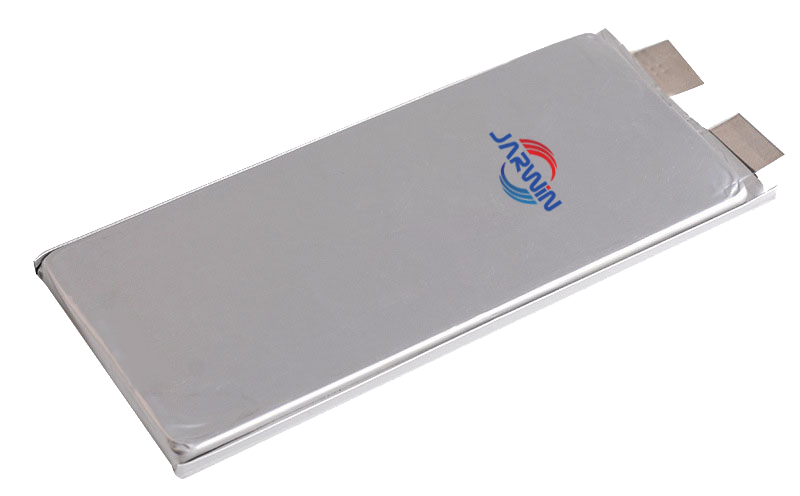
Semi-solid technology represents a significant advancement in cell chemistry, offering superior thermal stability compared to conventional liquid lithium-ion batteries.
Merkmal | Semi-Solid Technology | Conventional Lithium-Ion |
Temperature Range | -20℃ to 60℃ | Standard operating range |
Thermal Stability | High (Reduced electrolyte volatility) | Standard |
Extreme Conditions | Minimal degradation | Accelerated degradation risks |
Herewin’s solutions integrate the principles of the 6S Framework into high-performance hardware, categorized by the following core advantages:
Dimension | Technical Capability |
Safety & Protection | Multi-layer safeguards against overcharge, short-circuit, and thermal runaway. |
Performance | High capacity designed for Telecom-grade load demands. |
Dynamic Load Management | Optimizes energy distribution across critical infrastructure through intelligent peak-shaving and real-time load balancing. |
Operational Flexibility | Seamless off-grid/on-grid compatibility and customizable configurations. |
Environmental Adaptation | Quiet operation with wide-temperature resilience for diverse office settings. |
By prioritizing architectural safety through advanced chemistry and intelligent monitoring, these systems ensure that distributed operations remain resilient against both environmental and technical challenges.
Strategic ROI and Asset Optimization
Maximizing ROI through Telecom-grade durability
Telecom-grade durability is a primary driver of Return on Investment (ROI). Robust energy storage solutions minimize the Total Cost of Ownership (TCO) by reducing maintenance frequency and extending the operational lifecycle of the infrastructure. To maximize value, consider the following strategic evaluation factors:
Scalability: Modular configurations that align with expanding enterprise power demands.
Operational Agility: Seamless integration with existing IT and energy infrastructure.
Cost Efficiency: Balancing initial CAPEX against long-term OPEX savings from reduced downtime.
Transitioning Storage into a Strategic Asset
Modern energy storage functions as a strategic asset through proactive management. Implementation of industry best practices allows enterprises to:
Mitigate Utility Risk: Reduce dependence on fluctuating grid rates through intelligent load shifting and peak shaving.
Enhance Operational Resilience: Automate preparedness for grid instability and emergency events.
Optimize Asset Utilization: Use data-driven insights to manage energy distribution efficiently across distributed nodes.
By shifting from a reactive “backup” mindset to proactive energy management, organizations can transform power infrastructure into a tool for cost control and operational stability.
Asset Optimization Framework
To quantify the effectiveness of these strategies, enterprises should adopt structured performance monitoring:
Method | Strategic Benefit |
Centralizes operational data to identify and rectify system inefficiencies. | |
Actionable Maintenance Reporting | Provides telemetry-based insights to optimize service intervals and asset health. |
Predictive Analytics | Assesses historical performance to inform future capacity planning and maintenance. |
By adopting these strategies, energy storage systems evolve from simple backup units into integrated components of business continuity and operational excellence.
Investing in energy storage represents a critical infrastructure pivot for the modern enterprise. By integrating Telecom-grade standards, organizations can fortify their distributed workforce against the technical and financial risks of power instability, ensuring that energy resilience remains a fundamental component of business continuity.
For a detailed technical evaluation of how Semi-Solid technology and Seamless UPS-grade transitions integrate with specific enterprise workflows, we welcome technical inquiries regarding infrastructure planning and power resilience audits.
FAQ
How does the system protect data during power transitions?
The system employs Seamless UPS-grade switching, ensuring power transitions occur within standard hardware hold-up times to prevent system reboots.
What are the safety advantages of Semi-Solid technology?
Compared to conventional lithium-ion, Semi-Solid cells offer superior thermal stability and a wider operating range (-20°C to 60°C), significantly reducing fire risks in residential settings.
Is the system compatible with existing office infrastructure?
Yes. Guided by Herewin’s 6S Framework, the systems feature smart EMS management with Dynamic Load Management for seamless integration with standard grid and IT configurations.
How does energy storage impact business ROI?
ROI is driven by mitigating downtime-related losses and optimizing long-term asset lifecycles through stable power output.
How is system security managed?
Security is a core pillar of our technical framework, focusing on Telecom-grade encrypted EMS cloud-links to protect remote monitoring data and safeguard distributed assets against grid-level vulnerabilities.
Siehe auch
Why Lithium Energy Storage Systems Are Outpacing Lead-Acid Batteries
Enhancing Data Center Reliability and Safety with Lithium ESS
Selecting the Ideal UPS Battery for Essential Data Centers
Financial and Regulatory Approaches for Semi-Solid Energy Storage
Improving Safety and Supply Chains with Semi-Solid State Batteries





 Deutsch
  English
  Español
  한국어
한국어  Français
  日本語
日本語  Русский
  Bahasa Indonesia
  ไทย
ไทย  العربية
  Português do Brasil
  Italiano
  Nederlands